
Automatic Capping Machine — Single-Head Servo Screw Capping for Cosmetic Lines
- How does a servo screw capping machine solve common cosmetic packaging bottlenecks?
- Why is repeatable torque important for creams and lotions?
- How does integration with filling lines reduce downtime?
- What role does sanitary design play in cap-sealing?
- What technical specifications define a high-performance single-head capping system?
- What torque and speed ranges should you expect?
- How important is servo control vs. pneumatic systems?
- Which materials and construction standards are required?
- Why should manufacturers choose FULUKE for capping in cosmetic production?
- How does FULUKE ensure compatibility with existing packaging lines?
- What after-sales services and commissioning are provided?
- How does FULUKE support regulatory and quality documentation?
- What deployment and ROI improvements can you expect from a servo screw capper?
- How fast is the payback on equipment investment?
- Why does capper precision reduce product loss?
- What are measurable KPIs after installation?
- FAQ
- What is the typical capping speed for this machine?
- Does the machine comply with cosmetic GMP and hygiene standards?
- How long is standard lead time and warranty?
- Can different cap types (child-proof, flip-top) be handled?
- What power and utility connections are required?
- FAQ

The FULUKE single-head servo screw capping solution is a precision automatic capping machine engineered specifically for cosmetic equipment lines to deliver accurate torque control, fast changeover, and hygienic sealing of glass and plastic bottles—minimizing rejects and improving overall equipment effectiveness (OEE).
How does a servo screw capping machine solve common cosmetic packaging bottlenecks?
Why is repeatable torque important for creams and lotions?
Repeatable torque prevents leakage, protects product integrity, and ensures consumer safety by avoiding overtightening or loose caps; consistent torque reduces claims and rework for cosmetic equipment manufacturers by maintaining a uniform seal across batches.
How does integration with filling lines reduce downtime?
Integrated PLC and conveyor synchronization reduce handoffs and buffer time, enabling continuous flow from filling to capping; this lowers cycle time per unit and reduces operator interventions on cosmetic equipment production lines.
What role does sanitary design play in cap-sealing?
Sanitary design with smooth surfaces, accessible guards, and stainless-steel contact points minimizes contamination risk and simplifies cleaning, helping cosmetic equipment systems meet GMP and hygiene expectations for creams, lotions, and serums.
What technical specifications define a high-performance single-head capping system?
What torque and speed ranges should you expect?
Typical high-performance systems offer programmable torque from 0.1 to 5 Nm and capping speeds up to 120 bottles/min depending on cap size; configurable ranges allow tuning for fragile glass or threaded plastic caps used across cosmetic equipment lines.
How important is servo control vs. pneumatic systems?
Servo control provides precise torque, repeatability, and soft-start capability for delicate caps, unlike pneumatic systems which can be less accurate; servo-driven capping is especially recommended in cosmetic equipment where product consistency matters.
Which materials and construction standards are required?
Stainless steel 304/316 contact parts, food-grade coatings, and IP-rated electrical enclosures ensure durability and hygiene; adherence to ISO 22716 and other cosmetic GMP standards supports regulatory compliance for cosmetic equipment installations (ISO 22716 Good Manufacturing Practices for cosmetics).
Why should manufacturers choose FULUKE for capping in cosmetic production?
How does FULUKE ensure compatibility with existing packaging lines?
FULUKE offers customizable tooling, adjustable infeed/outfeed conveyors, and PLC interfaces to match existing filling machines and labeling systems, enabling smooth retrofit or greenfield installations within cosmetic equipment lines.
What after-sales services and commissioning are provided?
FULUKE supplies onsite commissioning, operator training, spare parts kits, and remote support to minimize commissioning time and ensure long-term uptime for your cosmetic equipment investment.
How does FULUKE support regulatory and quality documentation?
Comprehensive documentation includes material certificates, wiring diagrams, FAT reports, and validation protocols to support GMP audits and ISO-based quality management systems for cosmetic equipment manufacturers.
What deployment and ROI improvements can you expect from a servo screw capper?
How fast is the payback on equipment investment?
Typical ROI for modern capping integration ranges from 9 to 24 months depending on throughput improvements and scrap reduction; many cosmetic equipment purchasers recover costs faster when downtime and rework are reduced.
Why does capper precision reduce product loss?
Precision reduces cross-threading and damaged caps, lowering scrap and waste; for high-value creams and serums, even a small reduction in rejects improves margins across cosmetic equipment lines.
What are measurable KPIs after installation?
Key KPIs include OEE increase, reduction in cap-related rejects (%), cycle time per bottle (s), and mean time between failures (MTBF); FULUKE systems are tuned to demonstrate measurable gains post-installation.
FAQ
What is the typical capping speed for this machine?
The single-head servo screw capping machine typically reaches up to 120 bottles per minute depending on cap size and bottle shape. Speed varies with cap geometry and infeed consistency, so FULUKE verifies rate during factory acceptance testing to match your line target.
Does the machine comply with cosmetic GMP and hygiene standards?
Yes, the machine is designed to support compliance with cosmetic GMP and hygiene standards such as ISO 22716. Documentation and material certificates are provided to assist regulatory audits and quality control procedures.
How long is standard lead time and warranty?
Standard lead times are typically 8 to 12 weeks from order confirmation, with a standard 12-month warranty on parts and workmanship. Expedited engineering or custom tooling may extend delivery depending on specifications.
Can different cap types (child-proof, flip-top) be handled?
Yes, with changeover tooling and programmable torque profiles the system handles threaded, child-proof, and flip-top caps. Tooling sets are designed for quick changeovers to minimize downtime in cosmetic equipment production.
What power and utility connections are required?
The machine commonly requires 380V 3-phase power (or 220V options), compressed air at 0.6 MPa for auxiliaries, and standard digital I/O for PLC integration. FULUKE provides a detailed utility list for site planning.
Contact FULUKE customer service at flk09@gzflk.com to request a tailored quote, line evaluation, or to schedule a factory acceptance test and onsite commissioning visit.
References: Packaging - Wikipedia, ISO 22716 Good Manufacturing Practices for cosmetics, FDA Cosmetics Guidance.
FAQ
What is the typical capping speed for this machine?
The single-head servo screw capping machine typically reaches up to 120 bottles per minute depending on cap size and bottle shape. Speed varies with cap geometry and infeed consistency, so FULUKE verifies rate during factory acceptance testing to match your line target.
Does the machine comply with cosmetic GMP and hygiene standards?
Yes, the machine is designed to support compliance with cosmetic GMP and hygiene standards such as ISO 22716. Documentation and material certificates are provided to assist regulatory audits and quality control procedures.
How long is standard lead time and warranty?
Standard lead times are typically 8 to 12 weeks from order confirmation, with a standard 12-month warranty on parts and workmanship. Expedited engineering or custom tooling may extend delivery depending on specifications.
Can different cap types (child-proof, flip-top) be handled?
Yes, with changeover tooling and programmable torque profiles the system handles threaded, child-proof, and flip-top caps. Tooling sets are designed for quick changeovers to minimize downtime in cosmetic equipment production.
What power and utility connections are required?
The machine commonly requires 380V 3-phase power (or 220V options), compressed air at 0.6 MPa for auxiliaries, and standard digital I/O for PLC integration. FULUKE provides a detailed utility list for site planning.
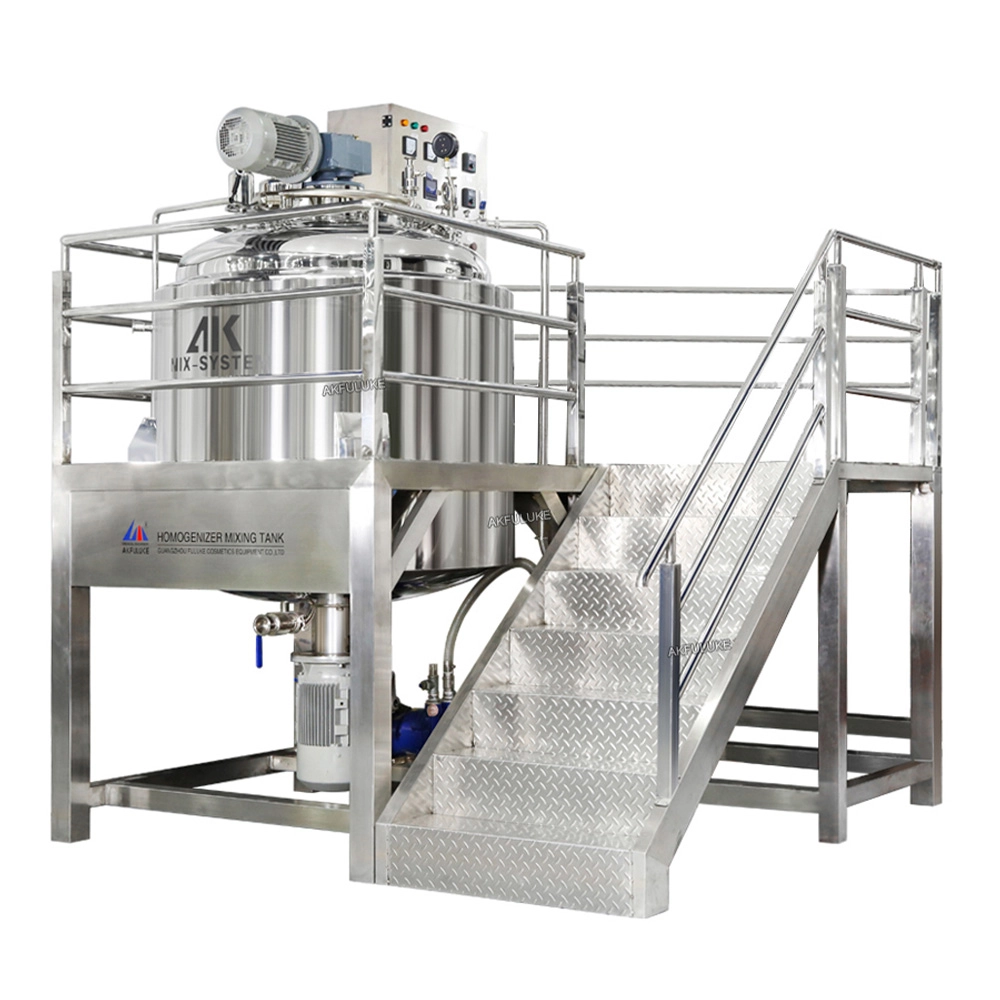
Stainless Steel Mixer: Key Specs Business Buyers Must Compare
Custom Fragrance Production Workflow with Perfume Making Machines
How to Choose the mixing tanks manufacturer and supplier ?
Material and Surface Finish Standards for Hygienic Mixing Tanks
You May Also Like
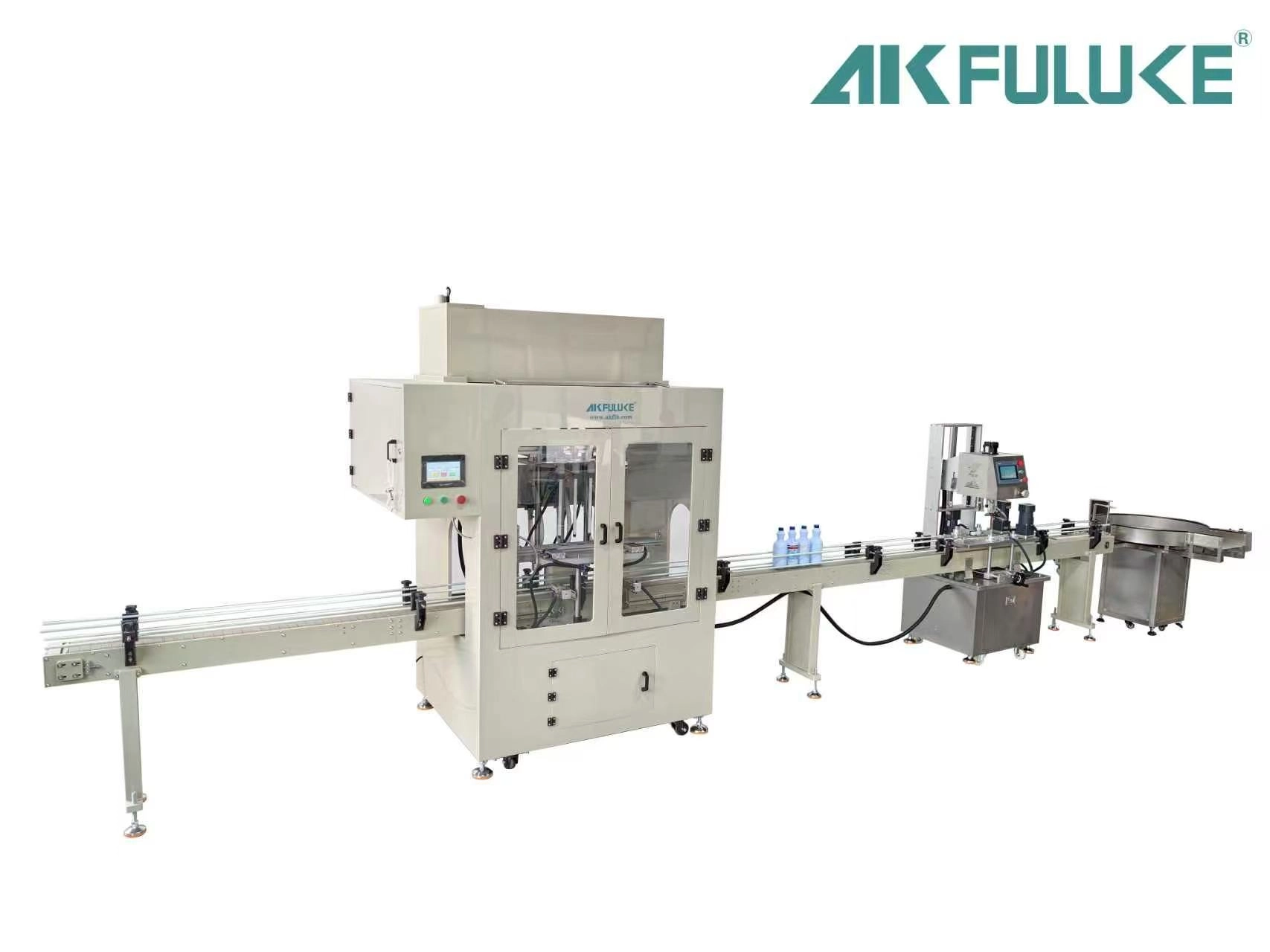
Automatic Acid Chemical Plastic Bottle Capping Anti Corrosion Bleach Filling Machine
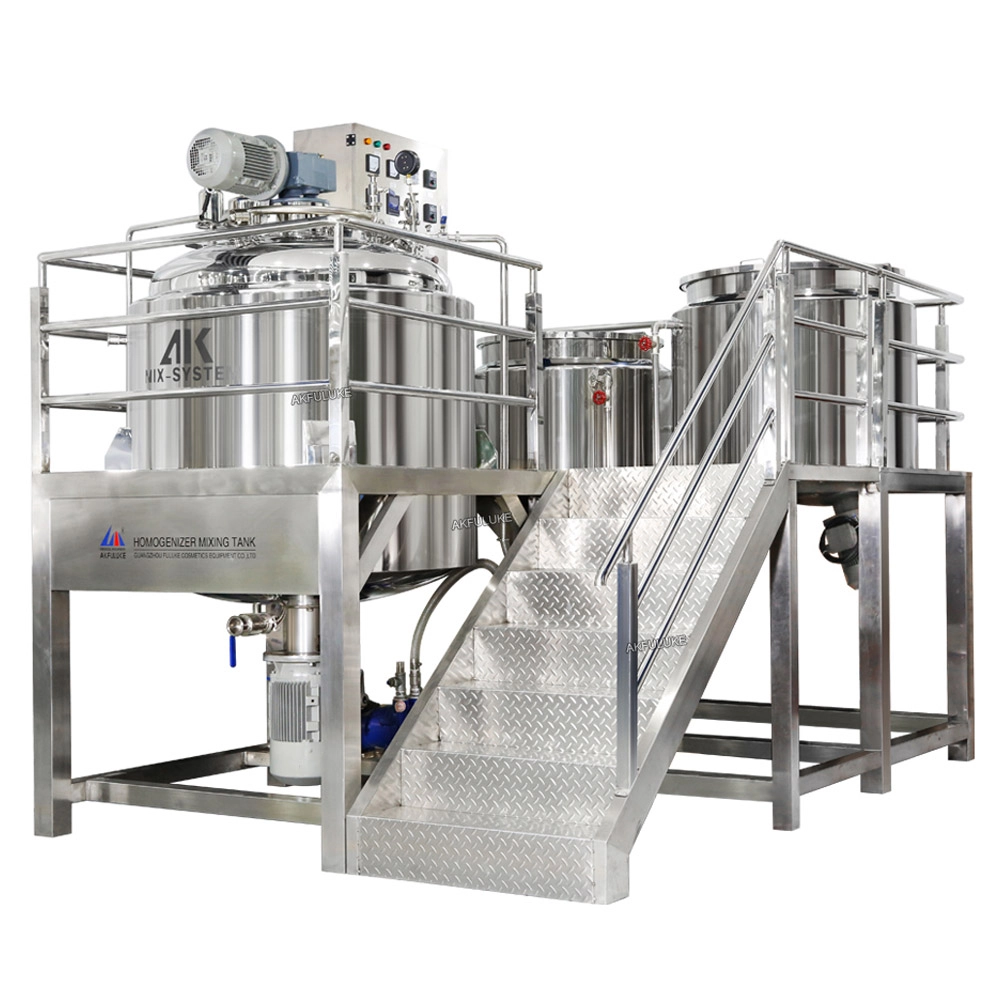
Fixed Type Vacuum Mixing Emulsifying Equipment for Cosmetic Cream Ointment Lotion Vacuum Homogenizer Mixer
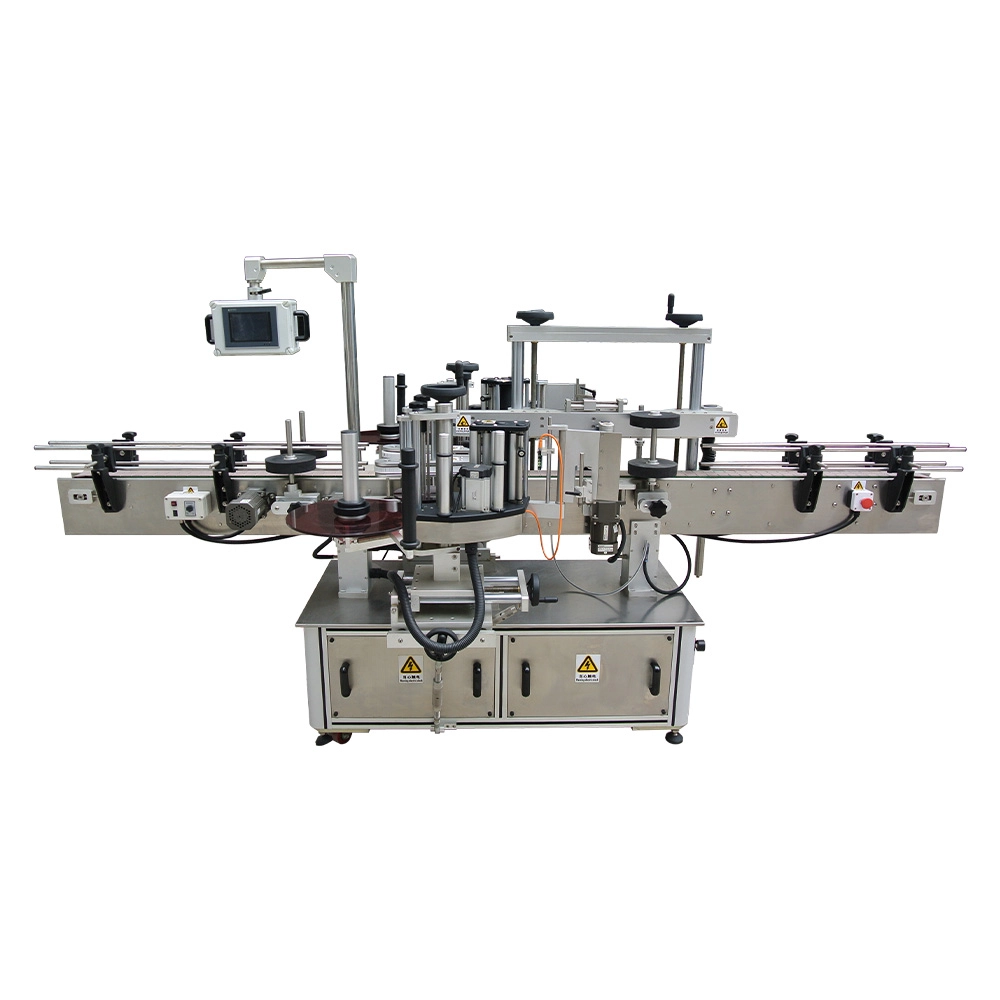
Automatic Labeling Machine Best Selling Automatic Tabletop Flat Surface Labeling Machine Round and Flat Bottle Automatic Labeler Machine
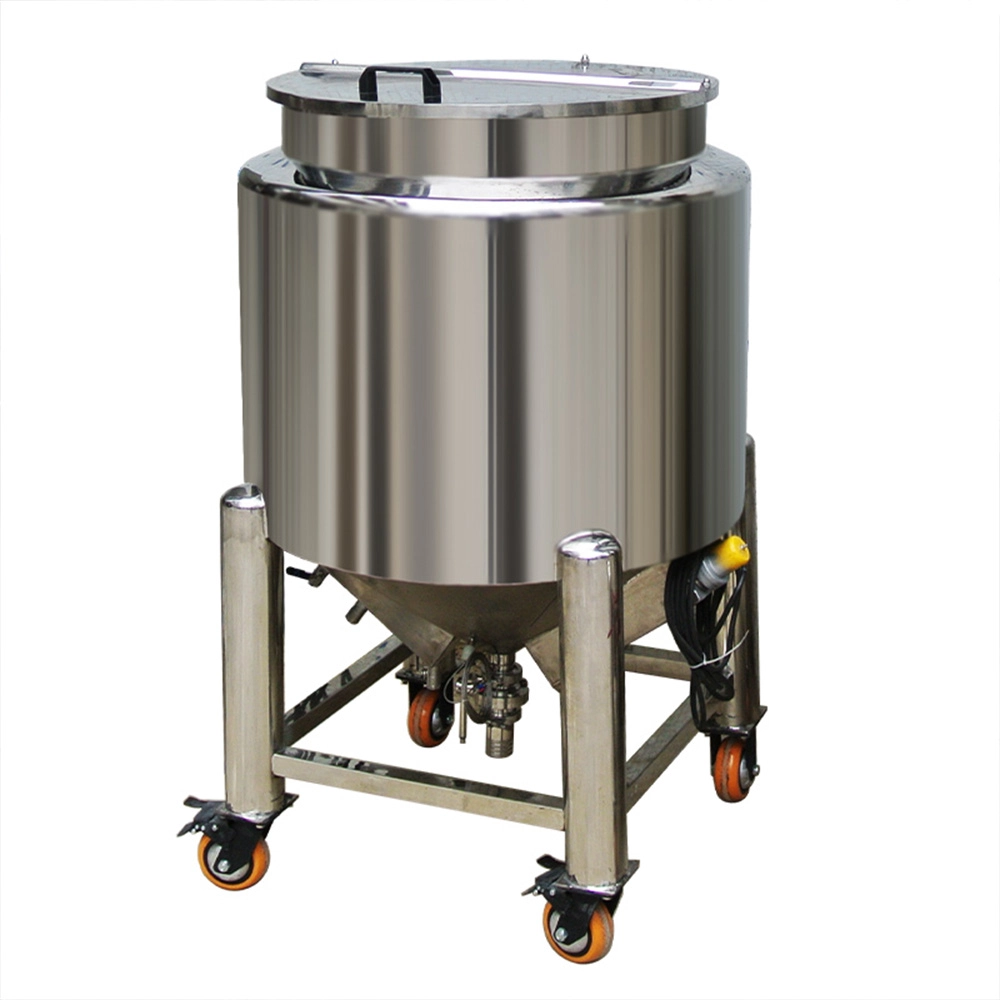
Storage Tank Mobile Fixed Chemical Liquid Storage Tank for Cosmetic, Perfume Food Grade Storage Tank Sealed Open Container
Get in touch with FULUKE
If you have any comments or good suggestions, please leave us a message, later our professional staff will contact you as soon as possible.

A leading manufacturer specializing in advanced machinery and complete production lines for the cosmetics, food, pharmaceutical, and chemical industries worldwide.
Contact FULUKE
Facebook
Instagram
YouTube