
Best Portable Mixing Tank Options for Flexible Lines
- Choosing the Right Portable Tank for Flexible Production
- Why material matters: stainless steel and surface finish
- Portable design types and mobility trade-offs
- Matching tank volume to batch strategy
- Design Features That Matter for Flexible Lines
- Open-top versus closed-top operations
- Homogenization and shear—what you need to know
- Sanitation and cleaning protocols
- Cost, Compliance and Operational Considerations
- Compliance: standards and documentation
- Operational costs: energy, maintenance, and labor
- Risk mitigation and safety
- Comparing Top Portable Mixing Tank Options
- Side-by-side features comparison
- Where the Flip Cover solution stands out
- Regulatory and hygiene references
- Frequently Asked Questions
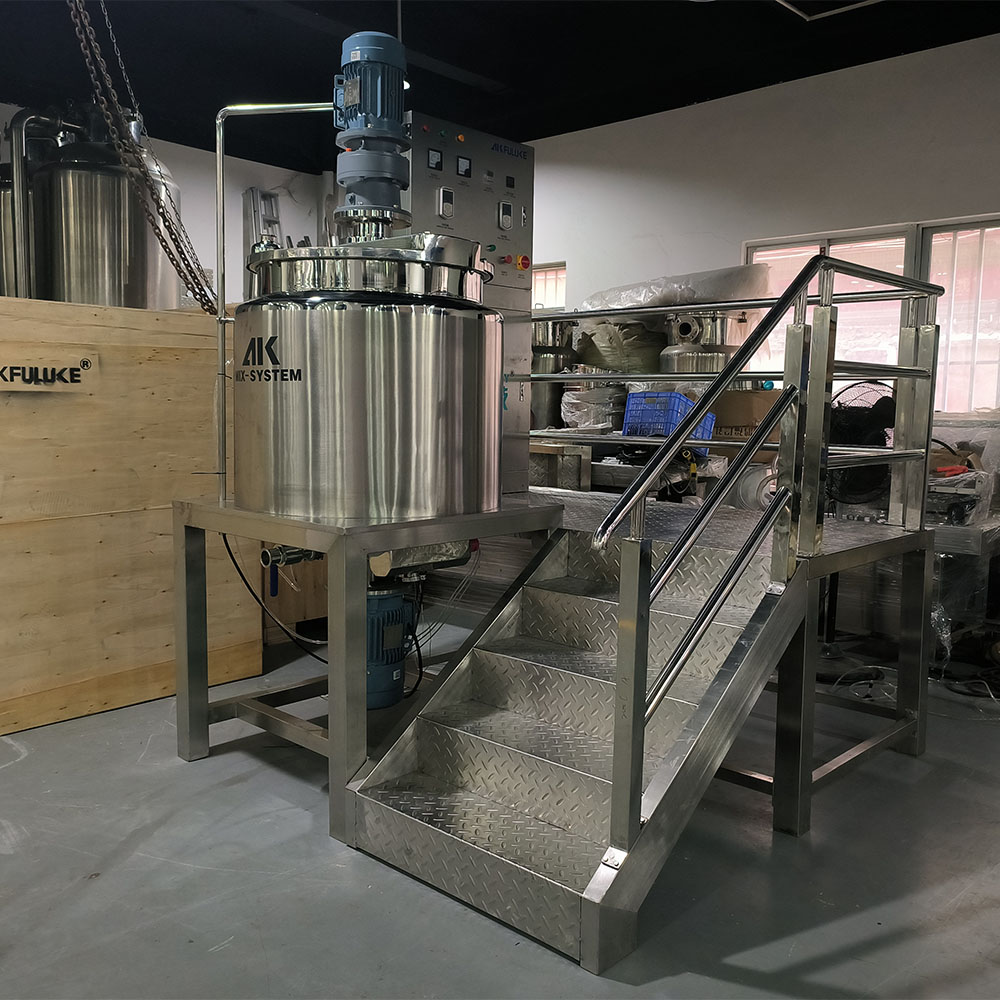
High-performance, sanitary stainless steel mixing tank solutions for flexible production lines must balance mobility, cleanability, and processing capability—this guide compares portable tank types, highlights material and finish requirements, explains homogenization and shear options, and recommends the Flip Cover Multi-function Liquid Wash Mixing Tank Blender Liquid Detergent Mixer Homogenization Stirring Tank for small to medium multi-batch operations in cosmetics, daily chemical, and food sectors.
Choosing the Right Portable Tank for Flexible Production
Why material matters: stainless steel and surface finish
Stainless steel mixing tank construction remains the industry standard for cosmetics, food, and many chemical processes because of corrosion resistance, durability, and sanitary finishes. A polished interior (Ra ≤0.8 µm for many cosmetic emulsions) reduces particle buildup and eases cleaning, delivering consistent product quality. When specifying a stainless steel mixing tank, prioritize grade (commonly 304 or 316L), weld quality, and polished finish to reduce contamination risk and meet GMP expectations (Wikipedia).
Portable design types and mobility trade-offs
Portable tanks come as jacketed trolleys, open-top kettles on casters, and compact skid-mounted units. Mobility features—removable lids, lightweight casings, and quick-release caster systems—reduce changeover time. For flexible lines that run frequent small batches, an open-top stainless steel mixing tank with a fast-removal flip cover saves minutes per batch on feeding and sampling operations.
Matching tank volume to batch strategy
Choosing the correct capacity ensures reasonable headspace for mixing and efficient cleaning cycles. For multi-product cosmetic lines, modular capacity (50–500 L typical for portable options) yields lower inventory and faster product changeovers. Investing in a slightly oversized stainless steel mixing tank can reduce foaming and splashing during high-shear homogenization.
Design Features That Matter for Flexible Lines
Open-top versus closed-top operations
Open-top tanks simplify addition, visual monitoring, and CIP scope but may limit process pressure and vacuum operations. Many flexible lines benefit from open-top stainless steel mixing tank designs that speed sampling and manual adjustments during R&D and small-batch production. The Flip Cover Multi-function Liquid Wash Mixing Tank Blender Liquid Detergent Mixer Homogenization Stirring Tank exemplifies this: its open-top structure with a removable lid facilitates feeding, sampling, material status monitoring, and post-cleaning, significantly improving process adjustment efficiency.
Homogenization and shear—what you need to know
High-shear homogenization is essential for stable emulsions and micron-sized particle dispersion. A stainless steel mixing tank equipped with a rotor-stator homogenizer delivers rapid micronization of solids and oil phases and produces uniform liquid-liquid and solid-liquid emulsions. For fragrance dispersions and creams, look for variable-speed high-shear systems to tune droplet size without compromising throughput.
Sanitation and cleaning protocols
Cleanability is non-negotiable. A stainless steel mixing tank with accessible interior surfaces, minimal dead legs, and a removable lid lets operators perform rapid manual clean and inspect surfaces. Open-top homogenizers avoid complex vacuum and sealing systems, which simplifies sanitation cycles and shortens downtime between product runs.
Cost, Compliance and Operational Considerations
Compliance: standards and documentation
Regulated industries need traceable materials and QA documentation. Look for material certificates for stainless steel grades and surface finish reports. Many manufacturers align with ISO quality systems; review supplier quality policies and certifications when specifying a stainless steel mixing tank (ISO).
Operational costs: energy, maintenance, and labor
Portable stainless steel mixing tank energy use depends on motor size, homogenizer RPM, and heating or cooling jackets. For open-top tanks without jackets, energy consumption is often lower. Factor in maintenance costs for mechanical seals and rotor-stator wear parts—high-shear components typically require scheduled replacement based on run hours.
Risk mitigation and safety
Controls and interlocks are necessary even on portable tanks: emergency stops, splash guards, and torque-limited motors reduce operator risk. Because open-top homogenizers operate without vacuum systems, they minimize the complexity and potential points of failure in small-scale flexible lines, enabling faster troubleshooting and lower downtime.
Comparing Top Portable Mixing Tank Options
Side-by-side features comparison
Below is a concise table comparing common portable mixing tank types and how the Flip Cover Multi-function Liquid Wash Mixing Tank Blender Liquid Detergent Mixer Homogenization Stirring Tank fits into flexible production scenarios.
| Model / Type | Material | Volume Range | Key Features | Best For |
|---|---|---|---|---|
| Flip Cover Multi-function Liquid Wash Mixing Tank Blender Liquid Detergent Mixer Homogenization Stirring Tank | Stainless steel (polished interior) | 50–500 L (typical portable sizes) | Open-top with removable lid, rotor-stator high-shear homogenizer, stirring mechanism, easy-clean design | Cosmetics, daily chemical, food; small multi-batch production and R&D |
| Jacketed trolley kettle | 304/316L stainless steel | 100–1000 L | Heating/cooling jacket, closed lid options, wheeled base | Processes requiring temperature control and mobility |
| Skid-mounted mini-plant | 316L stainless steel skid | 200–1000 L | Integrated pumps, piping, and controls; less mobile | Semi-continuous flexible lines with higher throughput |
| Open-top lab kettle | Stainless steel, polished | 10–100 L | Simple heating, manual stirring, very mobile | R&D, pilot batches |
Where the Flip Cover solution stands out
The Flip Cover Liquid Wash Mixing Homogenizing Tank is a material handling equipment designed for ease of operation and flexible adaptability, widely used in the cosmetics, daily chemical, and food industries. Its open-top structure with a removable lid facilitates feeding, sampling, material status monitoring, and post-cleaning, significantly improving process adjustment efficiency. Its core features include a high-shear homogenization system and a stirring mechanism.
The strong shear action of the rotor and stator rapidly micronizes solid particles and oil-phase materials to the micron level, achieving uniform emulsification of liquid-liquid and solid-liquid materials. Compared to closed-type equipment, the open-top homogenizer emphasizes flexibility and efficiency, requiring no vacuum system and quickly responding to small and multi-batch production needs.
Regulatory and hygiene references
For cosmetics and personal care, review guidance from official bodies to ensure labeling and manufacturing practices align with regional requirements; the U.S. Food and Drug Administration provides manufacturing guidance relevant to material selection and sanitation (FDA). Additionally, general sanitary design principles are available through standards organizations and industry best-practice documents (WHO).
Implementation checklist for specifying a portable stainless steel mixing tank:
- Confirm stainless steel grade and surface finish certificates.
- Validate homogenizer shear rates and RPM range for target droplet sizes.
- Assess cleaning access, removable lids, and drainability.
- Review mobility features—casters, handles, and quick-disconnects.
- Request MTBF and spare-parts availability for high-shear components.
Decision scenario: if your flexible line runs frequent small to medium cosmetic or chemical batches and demands quick changeovers with high-quality emulsions, prioritize an open-top stainless steel mixing tank with an integrated high-shear homogenizer—this balances process control and operational speed without requiring complex vacuum systems.
For further technical details, certifications, or to request a specifications sheet, contact the manufacturer directly and ask for material test reports, homogenizer performance curves, and sanitation validation protocols.
Contact sales or request a demo to evaluate how an open-top stainless steel mixing tank can reduce changeover time and improve emulsion quality in your facility.
View product details or contact us at flk09@gzflk.com.
Frequently Asked Questions
Are stainless steel mixing tanks suitable for cosmetics production?
Yes. Stainless steel mixing tanks are widely used in cosmetics due to corrosion resistance, ease of cleaning, and the ability to achieve sanitary finishes; choose 304 or 316L grades with polished interiors to minimize contamination risk and facilitate sanitation.
Can portable mixing tanks handle small-batch and multi-product lines?
Yes. Portable open-top stainless steel mixing tanks with removable lids and quick-disconnect casters are designed for rapid changeovers and small to medium batch sizes; models with integrated high-shear homogenizers respond quickly to formulation adjustments without complex vacuum systems.
How do I maintain sanitation for an open-top homogenizing tank?
Maintain sanitation by verifying interior surface finish (low Ra), performing routine manual cleaning and inspection enabled by the removable lid, following documented CIP or manual SOPs, and replacing rotor-stator wear parts on schedule to avoid performance loss.
What certifications or documents should I request from a supplier?
Request material certificates for stainless steel grade and finish, QA/QC reports, homogenizer performance curves, maintenance intervals for high-shear parts, and any applicable ISO or regulatory compliance documentation to ensure the stainless steel mixing tank meets your hygiene and quality requirements.
Agitator Homogenizing Tanks: Ensuring Consistent Product Quality
Top 10 cartridge filling machine manufacturers and suppliers
Integration: Pre-treatment and Post-treatment for RO Installations
How to Handle Thick Creams in Automatic Fillers
You May Also Like
Stainless Steel Mixer Liquid Mixing tank with Agitator Homogenizing Mixing tank Vacuum Sealed Mixer Machine
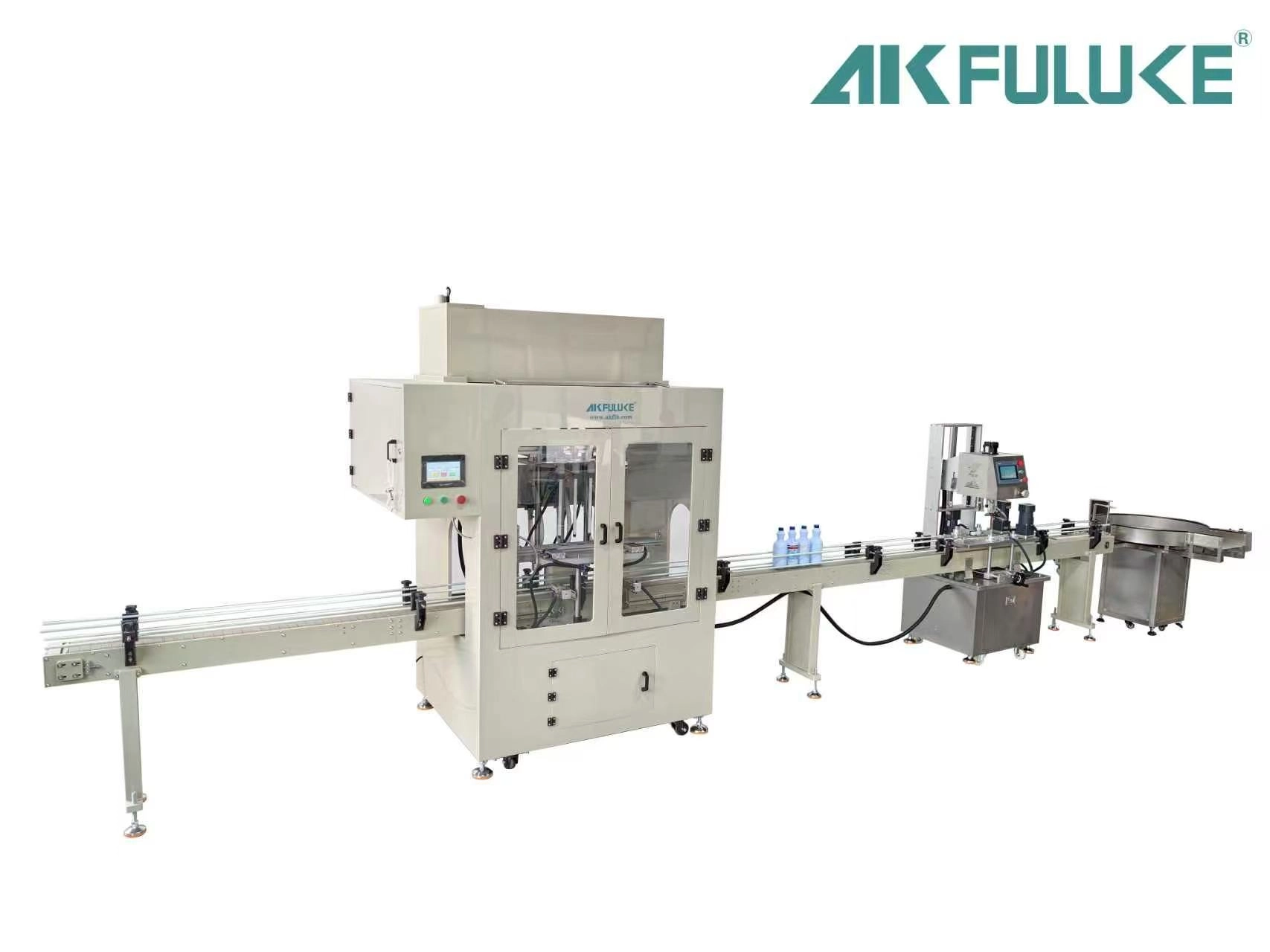
Automatic Acid Chemical Plastic Bottle Capping Anti Corrosion Bleach Filling Machine
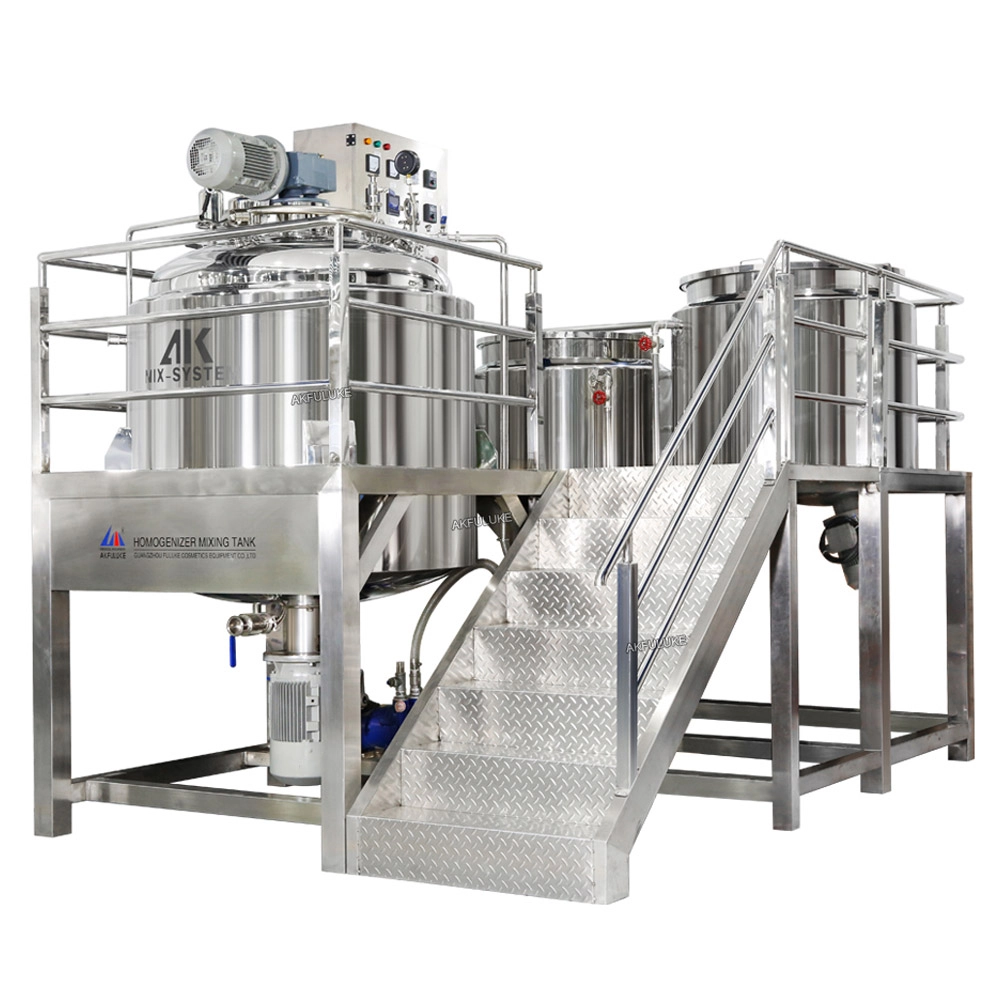
Fixed Type Vacuum Mixing Emulsifying Equipment for Cosmetic Cream Ointment Lotion Vacuum Homogenizer Mixer
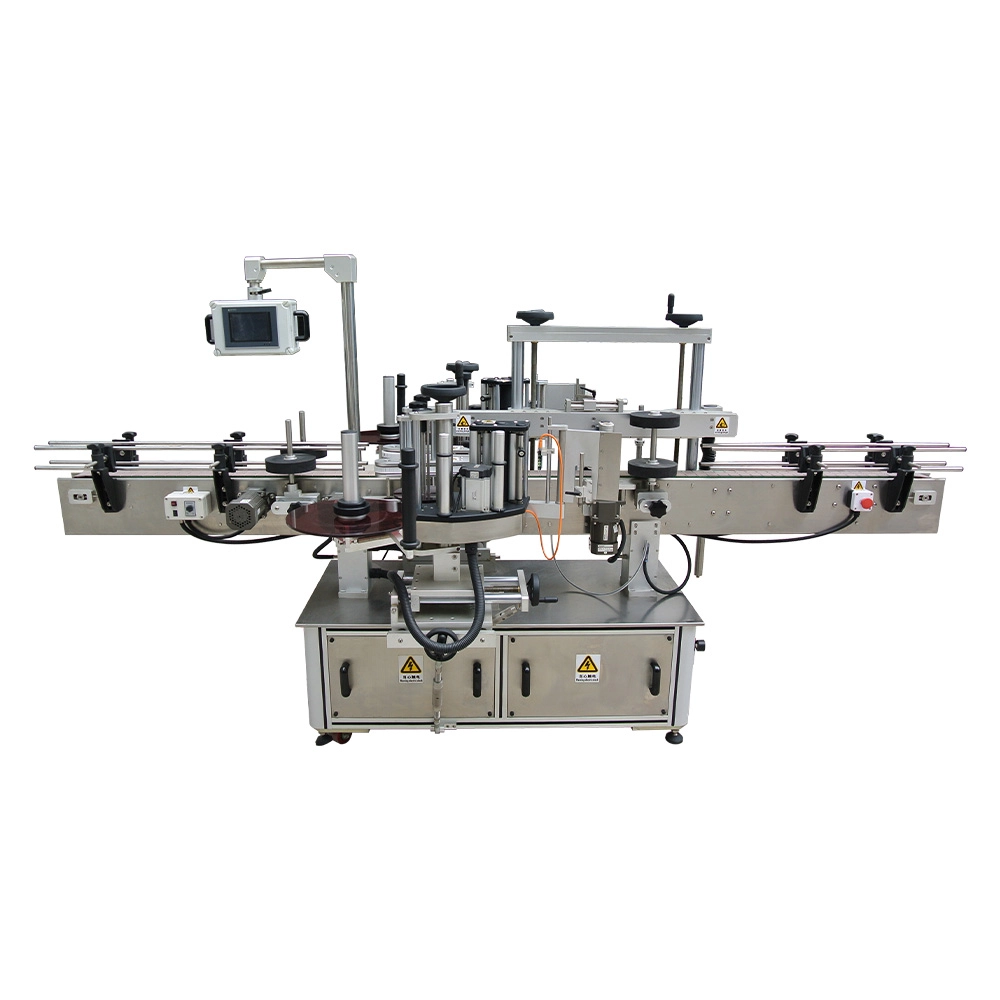
Automatic Labeling Machine Best Selling Automatic Tabletop Flat Surface Labeling Machine Round and Flat Bottle Automatic Labeler Machine
Get in touch with FULUKE
If you have any comments or good suggestions, please leave us a message, later our professional staff will contact you as soon as possible.

A leading manufacturer specializing in advanced machinery and complete production lines for the cosmetics, food, pharmaceutical, and chemical industries worldwide.
Contact FULUKE
Facebook
Instagram
YouTube