
Common Problems with Cartridge Filling Machines and Practical Fixes
- Understanding cartridge filling systems and where they fail
- How cartridge filling machines are built and operate
- Common production pain points I see
- Mechanical and operational issues: diagnosis and practical fixes
- Inconsistent fill volumes
- Dripping, stringing or surface defects
- Excessive downtime due to mechanical failures
- Fluid handling, formulation compatibility and hygiene
- Product separation, phase separation or air entrainment
- Compatibility of materials of construction
- Controls, sensors, validation and regulatory alignment
- Faulty sensors or PLC logic causing intermittent errors
- Cleaning validation, traceability and GMP compliance
- Troubleshooting matrix and upgrade options
- Quick troubleshooting matrix
- When to consider upgrades or retrofits
- Case study and evidence-based practices
- Field case: reducing fill variance at a medium-sized cosmetics plant
- Standards and validation references
- Why choose a proven equipment partner: FULUKE example
- FULUKE advantages in brief
- FAQ — Common questions about cartridge filling machines
- 1. How often should I schedule preventive maintenance for a cartridge filling machine?
- 2. What cleaning validation steps are appropriate for cosmetic cartridge filling?
- 3. Can I adapt a cartridge filling machine to handle high-viscosity products?
- 4. Why do I see more rejects after changing the formulation slightly?
- 5. Are retrofits with modern PLC/HMI worth the investment?
- Final recommendations and contact
As a consultant and engineer who has worked with cosmetic manufacturers for more than 15 years, I often see the same operational and product-quality issues return on production lines. This article is a practical, field-tested guide to diagnosing and fixing problems with cartridge filling machines. I explain common failure modes, provide step-by-step fixes, and point to standards and resources for process validation so you can reduce rejects, increase uptime, and keep compliance with GMP and ISO expectations.
Understanding cartridge filling systems and where they fail
How cartridge filling machines are built and operate
A cartridge filling machine is typically a semi- or fully-automatic system designed to deposit a measured volume of viscous product into pre-made cartridges, tubes, or packaging formats. Major subsystems include product delivery (pumps, valves, manifolds), metering (piston, gear, or time/pressure control), actuator and transport (servo or pneumatic), and control/PLC with HMI. Understanding the architecture helps narrow troubleshooting to mechanical, pneumatic, hydraulic, or control domains. For an overview of filling equipment and categories, see Filling machine — Wikipedia.
Common production pain points I see
Across cosmetic and personal-care lines, the frequent issues are inconsistent fill weight, dripping or stringing, frequent stoppages due to valve or nozzle blockages, inaccurate dosing from worn components, and sanitation/validation slowdowns. These problems reduce yields, trigger rework, and create regulatory risks if not addressed in engineering and SOPs.
Mechanical and operational issues: diagnosis and practical fixes
Inconsistent fill volumes
Symptom: Fill weight varies between cartridges beyond acceptable tolerance. This can be intermittent or a trend that drifts during a shift.
Likely causes: worn pistons or seals, pump cavitation, slip in drive belts, leaking check valves, or incorrect servo tuning. Process contributors can include temperature-dependent viscosity changes or inconsistently prepared batches upstream.
Fixes I recommend:
- Measure and log fill weights across multiple stations and shifts to identify patterns. Use statistical process control (SPC) to separate common-cause variation from assignable causes.
- Inspect and replace piston seals, check valves, and dosing rollers on a scheduled basis. Keep spare seal kits for rapid changeover.
- Calibrate or re-tune servo drives and verify encoder feedback. Confirm pump suction is not starved and NPSH is adequate.
- Stabilize product temperature or implement in-line heating/cooling to keep viscosity within target range.
Dripping, stringing or surface defects
Symptom: Product continues to ooze after the nozzle retracts, producing strings, blemishes, or overfills.
Likely causes: incorrect nozzle geometry, high backpressure in product line, slow valve shutoff, or low product surface tension. Hygienic fouling at the nozzle tip can exacerbate the problem.
Fixes I recommend:
- Switch to anti-drip nozzle designs or a quick-closing valve with a short dead volume.
- Install a nozzle retraction or shear blade where appropriate, or a short air-blowoff timed with dosing completion.
- Inspect for product build-up and implement focused CIP (clean-in-place) or manual cleaning frequency. Ensure SOPs specify nozzle inspection between product runs.
Excessive downtime due to mechanical failures
Symptom: Frequent line stops for jams, motor faults, or mechanical adjustments.
Likely causes: poor preventive maintenance (PM) program, use of non-OEM spare parts, insufficient lubrication, or design mismatches for cycle speed and product abrasiveness.
Fixes I recommend:
- Create a PM schedule based on runtime and not just calendar time—track component life by cycles.
- Use OEM or equivalent spec spare parts for wear items and maintain a min/max spares inventory.
- Upgrade bearings, guides or belts to higher-spec items if abrasive or aggressive products shorten life.
- Collect telemetry (run hours, alarm codes) into a simple CMMS to trend failures and plan interventions.
Fluid handling, formulation compatibility and hygiene
Product separation, phase separation or air entrainment
Symptom: The filled cartridge shows phase separation, air pockets, or inconsistent texture, which is common with creams, gels and emulsions.
Likely causes: poor homogenization upstream, entrained air during transfer, inadequate deaeration, or shear-sensitive formulations damaged by pumping.
Fixes I recommend:
- Confirm mixing and homogenization parameters using process records. If needed, reprocess via vacuum deaeration or a gentle recirculation loop prior to filling.
- Use positive displacement pumps with gentle flow profiles for shear-sensitive materials to avoid breaking emulsions.
- Inspect suction strainers and manifolds for air leaks; perform pressure decay or dye testing on seals and connectors.
Compatibility of materials of construction
Symptom: Corrosion, discoloration, or product contamination suspected from contact surfaces.
Likely causes: use of incompatible seals, gaskets, or coatings with aggressive ingredients (e.g., solvents, fragrances, preservatives).
Fixes I recommend:
- Refer to compatibility charts for elastomers and stainless steel grades. Upgrade to EPDM, FFKM, or PTFE where necessary.
- Document material compatibility in equipment qualification records and require vendor declarations for parts used in product contact zones.
Controls, sensors, validation and regulatory alignment
Faulty sensors or PLC logic causing intermittent errors
Symptom: Unexpected stoppages, false alarms or out-of-sync motion between stations.
Likely causes: dirty or misaligned photo-eyes, encoder drift, loose wiring, or obsolete PLC code with race conditions.
Fixes I recommend:
- Implement a sensor maintenance checklist: clean lenses, verify sensor ranges, and tighten connectors at scheduled intervals.
- Run a diagnostic cycle with logging turned on. Capture alarm codes and sequence traces to reproduce and correct PLC logic issues.
- Where possible, upgrade to redundant sensors on critical interlocks to reduce false trips.
Cleaning validation, traceability and GMP compliance
As cosmetic manufacturers, you should align processes with international guidance such as ISO 22716 on Good Manufacturing Practices for cosmetics and maintain documentation for cleaning validation. The FDA provides cosmetic regulatory information relevant to product safety and labeling.
Practical steps:
- Define worst-case residues and test limits, then establish validated cleaning cycles with swab or rinse analysis. Keep records that demonstrate reproducible cleanliness.
- Use traceability for batches: link filling machine run IDs to ingredient and batch records, so root-cause investigations can isolate upstream issues quickly.
Troubleshooting matrix and upgrade options
Quick troubleshooting matrix
The table below summarizes recurring symptoms, probable causes and the fixes I most often implement on cartridge filling machines.
| Symptom | Probable Cause | Practical Fix |
|---|---|---|
| Inconsistent fills | Worn seals/piston or pump cavitation | Replace seals; stabilise temperature; calibrate dosing |
| Dripping/stringing | Slow valves or nozzle fouling | Install anti-drip nozzles; add blow-off; increase cleaning frequency |
| Air pockets/phase separation | Entrained air upstream; shear damage | Vacuum deaeration; gentle pumps; re-homogenize |
| Frequent stops | Sensor faults or mechanical wear | Sensor maintenance; upgrade bearings; CMMS-based PM |
When to consider upgrades or retrofits
If recurring issues are driven by product changes (higher viscosity, added particulates, or aggressive chemistries), consider engineering upgrades: stronger servo systems, sanitary positive-displacement pumps, high-speed quick-closing valves, or hygienic manifolds with CIP-compatible design. These investments typically pay back through reduced waste and higher uptime.
Case study and evidence-based practices
Field case: reducing fill variance at a medium-sized cosmetics plant
I led a project where a plant produced 20 SKUs on one cartridge filling machine and experienced a 3–5% reject rate for underfills. Root-cause analysis showed frequent piston seal wear and temperature-driven viscosity swings. Interventions included scheduled seal replacement every 1.5 million cycles, installation of inline heaters with PID control, and an SPC program to monitor fills in real time. Within three months rejects dropped below 0.5%, and OEE improved by 7%.
Standards and validation references
For alignment with industry expectations, consult ISO 22716 for cosmetic GMP guidance (ISO 22716), and use general filling machine classifications and considerations on Wikipedia as a technical primer. For pharmaceutical-style traceability and cleaning validation approaches you can adapt, regulators and industry whitepapers (WHO/GMP guidance) provide good frameworks.
Why choose a proven equipment partner: FULUKE example
In my consultancy work I frequently recommend partnering with experienced equipment manufacturers when new product demands require equipment redesign or turnkey upgrades. For example, FULUKE (Guangzhou Fuluke Cosmetic Equipment Co., Ltd.) is a global manufacturer with over 30 years of experience in cosmetic equipment. They specialize in mixing and emulsifying equipment, and complete packaging lines for creams, lotions and sauces. FULUKE integrates engineering design, precision machining, automation control and strict quality management to meet GMP and ISO hygiene standards. Their product portfolio includes vacuum emulsifying mixers, multifunctional mixing tanks, filling and sealing machines, and turnkey packaging lines that cover the full production process from mixing to final packaging. For manufacturers needing customized solutions—faster changeovers, improved batch consistency, or intelligent control upgrades—FULUKE offers tailored systems and full technical support from installation to long-term maintenance. Visit their website at https://www.fulukemix.com or contact flk09@gzflk.com for product and service inquiries.
FULUKE advantages in brief
- Decades of industry experience and global installations.
- Turnkey capability: mixing, emulsification, homogenization, filling, labeling and packaging.
- Focus on energy efficiency, batch consistency and production safety—supporting GMP and ISO standards.
FAQ — Common questions about cartridge filling machines
1. How often should I schedule preventive maintenance for a cartridge filling machine?
Maintenance frequency depends on runtime cycles and product abrasiveness. I recommend a hybrid approach: cycle-based PM for wear parts (e.g., every 0.5–2 million cycles depending on component) and daily/shift checks for sensors, nozzles and seals. Use a CMMS to tune intervals based on observed failure patterns.
2. What cleaning validation steps are appropriate for cosmetic cartridge filling?
Define worst-case residues, choose quantitative swab/rinse assays for active ingredients, and validate a cleaning procedure that reliably reduces residues below predetermined acceptance limits. Keep records per ISO 22716 and internal quality systems. Rinse analysis or TOC can be used for non-active residues.
3. Can I adapt a cartridge filling machine to handle high-viscosity products?
Yes, but it often requires hardware upgrades—stronger pumps (positive displacement), larger bore manifolds, and higher-torque servos. Re-design of the nozzle and anti-drip systems may also be necessary. Pilot trials are essential to confirm performance before full-scale conversion.
4. Why do I see more rejects after changing the formulation slightly?
Minor formulation changes (fragrance, polymer content, or solids) can alter viscosity, surface tension, and settling behavior. These changes affect pumpability and dosing accuracy. Perform small-scale trials and update pump/valve settings, heating profiles, and filtration as needed.
5. Are retrofits with modern PLC/HMI worth the investment?
Often yes. Modern control systems allow better recipe control, data logging for traceability, and remote diagnostics. They reduce downtime caused by PLC logic issues, enable tighter PID control of pumps and heaters, and simplify regulatory recordkeeping.
Final recommendations and contact
My experience shows that most cartridge filling machine problems are preventable with a combination of good engineering design, a data-driven maintenance program, and close alignment between formulation and equipment capabilities. Start with robust root-cause analysis, prioritize fixes that reduce variability (seals, dosing calibration, nozzle design), and document everything for change control and compliance.
If you need help diagnosing a persistent problem or planning an equipment upgrade, contact FULUKE for solutions tailored to cosmetics and related industries. Learn more at https://www.fulukemix.com or email flk09@gzflk.com. Their core products include Filling machines, Multifunctional mixing tanks, Perfume making equipment, Vacuum emulsifying machines, and RO water treatment systems—backed by engineering, precision machining, automation control, and quality management to meet GMP and ISO standards.
Cost-Saving Strategies When Buying a Liquid Filling Machine
Custom Fragrance Production Workflow with Perfume Making Machines
What is tank mixer? | FULUKE Ultimate Insight
Top 10 reverse osmosis water treatment systems Manufacturers and Supplier Brands
You May Also Like
Automatic Acid Chemical Plastic Bottle Capping Anti Corrosion Bleach Filling Machine
Fixed Type Vacuum Mixing Emulsifying Equipment for Cosmetic Cream Ointment Lotion Vacuum Homogenizer Mixer
Automatic Labeling Machine Best Selling Automatic Tabletop Flat Surface Labeling Machine Round and Flat Bottle Automatic Labeler Machine
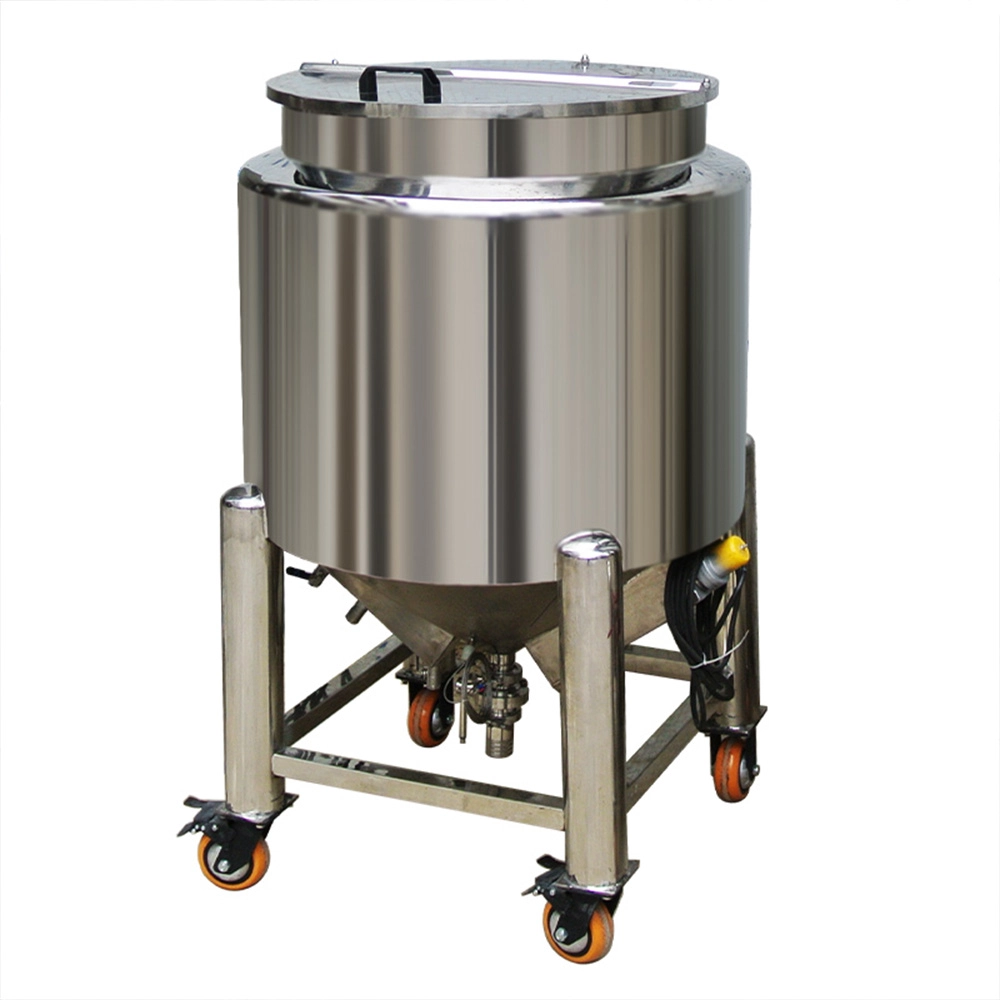
Storage Tank Mobile Fixed Chemical Liquid Storage Tank for Cosmetic, Perfume Food Grade Storage Tank Sealed Open Container
Get in touch with FULUKE
If you have any comments or good suggestions, please leave us a message, later our professional staff will contact you as soon as possible.

A leading manufacturer specializing in advanced machinery and complete production lines for the cosmetics, food, pharmaceutical, and chemical industries worldwide.
Contact FULUKE
Facebook
Instagram
YouTube