Custom vs Standard Cartridge Filling Machines: What Buyers Need
- Market drivers and buyer intent
- Who buys which machine?
- Regulatory and market pressures
- Buyer intent and speed-to-market
- Technical comparison: custom vs standard
- Design and materials
- Throughput, changeover, and automation
- Accuracy, waste, and yield
- Choosing the right machine for your plant
- Product characteristics checklist
- Budget, timeline, and scaling
- Integration with upstream and downstream systems
- Implementation, validation and total cost
- Validation and compliance
- Installation, training and maintenance
- TCO comparison (table)
- Vendor selection, FULUKE overview and practical recommendations
- What to ask suppliers
- Why FULUKE may be the right partner
- Customization examples and case study
- Frequently Asked Questions (FAQ)
- 1. How do I decide between a custom and a standard cartridge filling machine?
- 2. What validation documents should accompany a new filling line?
- 3. How much does a cartridge filling machine typically cost?
- 4. Can a single filling platform handle multiple viscosities?
- 5. What lead times should I expect for custom projects?
- 6. How do I evaluate spare parts and after-sales support?
I often get asked by product developers and plant managers whether a custom or a standard cartridge filling machine is the better investment for their line. In this article I distill 30 years of industry practice into practical guidance: I explain how the cartridge filling machine fits different production scales, regulatory paths, and product characteristics, and I provide a checklist you can apply immediately.
Market drivers and buyer intent
Who buys which machine?
As a consultant, I see three buyer profiles: startups and private-label brands seeking flexibility, contract manufacturers chasing throughput and uptime, and established brands optimizing cost-per-unit. For small-batch work or frequent SKU changeovers, a compact cartridge filling machine with modular tooling is common; for high-volume stable SKUs, buyers tend toward a standard high-speed system.
Regulatory and market pressures
Regulations and traceability requirements strongly influence procurement. Cosmetic Good Manufacturing Practices (ISO 22716) and national regulatory guidance such as the U.S. FDA cosmetics information require sanitary design, validated processes, and documented change control. These constraints push some companies toward machines designed for easy cleaning and electronic batch records; in practice that often determines whether a custom or off-the-shelf cartridge filling machine is acceptable for your plant.
Buyer intent and speed-to-market
Time-to-market favors standard machines: shorter lead times, established spare parts, and known integration patterns. Conversely, brands seeking unique packaging or formulation attributes often choose custom solutions despite longer delivery windows because the tailored machine reduces product damage and rejects on launch.
Technical comparison: custom vs standard
Design and materials
A custom machine lets you specify wetted materials, nozzle geometries, and actuation methods that match your product rheology and container. For viscous creams with particulates, piston fillers with larger-diameter nozzles and gentle shear are often necessary—design choices you typically obtain only when you build a bespoke cartridge filling machine. Standard models trade some of that specificity for lead time and price.
Throughput, changeover, and automation
Standard machines often excel in throughput and proven automation: change parts, indexing, and servo controls are off-the-shelf and thoroughly tested. However, if your line requires integrated upstream mixing or downstream sealing variations, a custom cartridge filling machine can be engineered to integrate PLC recipes, torque-limited drives, and automated clean-in-place (CIP) routines that reduce manual interventions and support recipe-driven production.
Accuracy, waste, and yield
Filling accuracy directly impacts yield and compliance. Standard volumetric or gravity fillers achieve competitive tolerances for low-viscosity products, while custom volumetric-piston or time-pressure systems may be needed for precise dosing of emulsions. In vendor evaluations I measure mean fill error and standard deviation against spec using the candidate cartridge filling machine to quantify potential waste and identify error sources (pump pulsation, nozzle drip, or container variation).
Choosing the right machine for your plant
Product characteristics checklist
Start with product properties: viscosity, thixotropy, presence of particles, foaming tendency, and shear sensitivity. For low-viscosity serums a rotary pump on a standard rotary cartridge filling machine might be ideal; for thick creams a custom piston and slow-fill profile often preserves texture. Also check container type—cartridges, tubes, jars, or airless vessels; if container geometry deviates from industry norms you will likely need a custom cartridge filling machine to avoid frequent jams and sealing defects.
Budget, timeline, and scaling
Capital budgets and time-to-market are decisive. Standard equipment typically ships faster and at lower CAPEX; custom engineering adds lead time and engineering expense but can lower OPEX long-term. I model total cost of ownership (TCO) across six years and include scenarios for retooling; the right selection often balances a slightly higher initial cost for a custom cartridge filling machine against reduced changeover labor and better yield. If you plan to scale rapidly or add SKUs, confirm modularity and spare parts availability on standard equipment, or insist on standardized PLC interfaces on custom solutions so integration costs remain predictable.
Integration with upstream and downstream systems
Consider the whole line: mixing, homogenization, degassing, filling, sealing, labeling, and cartoning. Machines that accept recipe input from a central MES and report batch-level QC reduce manual recording and error. I recommend specifying batch record export (CSV/JSON) and OPC-UA/MQTT support whether selecting a standard or custom cartridge filling machine.
Implementation, validation and total cost
Validation and compliance
Validation protocols should be defined during procurement. I require suppliers to deliver IQ/OQ documentation, FAT reports, and traceable material certificates. For cosmetic and pharmaceutical applications align to ISO 22716 and FDA expectations; a cartridge filling machine designed for sanitary operation reduces validation cycles and accelerates regulatory sign-off by minimizing hard-to-clean crevices and enabling documented CIP cycles.
Installation, training and maintenance
Installation is where custom solutions sometimes lag: field commissioning for complex integrations can take more days, but the payback comes from tailored ergonomics and serviceability. Ensure the vendor provides training, spare parts kits, and remote support. I recommend specifying mean time to repair (MTTR) targets and spare parts lists in the purchase order; this clarity reduces downtime whether you're using a standard or custom cartridge filling machine.
TCO comparison (table)
The table below summarizes typical ranges you can expect; actual numbers vary by region, capacity, and regulatory class. Sources include industry benchmarks and packaging trade analysis such as PMMI.
| Metric | Standard machine (typical) | Custom machine (typical) | Source |
|---|---|---|---|
| Lead time | 4–12 weeks | 12–32+ weeks | PMMI, vendor RFQs |
| CAPEX (mid-range line) | US$30k–150k | US$80k–400k+ | Industry estimates |
| Validation time | 2–4 weeks | 4–12 weeks | Compliance practice |
| Typical throughput | 500–5,000 units/hr | 200–8,000 units/hr (application dependent) | Vendor datasheets |
| Flexibility | Low–medium | High (tailored) | Practical experience |
Vendor selection, FULUKE overview and practical recommendations
What to ask suppliers
Ask for references on similar products, spare parts lead times, PLC and SCADA integration examples, and lifecycle documentation. Request sample fill data and photographs from FAT. When I audit bids I insist on seeing an as-built drawing and a risk assessment that identifies contamination vectors for the cartridge filling machine under consideration.
Why FULUKE may be the right partner
FULUKE (Guangzhou Fuluke Cosmetic Equipment Co., Ltd.) is a global manufacturer of cosmetic equipment with over 30 years of experience. We specialize in mixing and emulsifying equipment, as well as complete packaging lines for creams, lotions, and sauces. FULUKE provides advanced, customized solutions for the cosmetics, food, pharmaceutical, and chemical industries to help manufacturers improve efficiency, product consistency, and production safety. Based in Guangzhou, China, FULUKE integrates engineering design, precision machining, automation control, and strict quality management to deliver equipment that meets GMP and international hygiene standards. Their portfolio includes vacuum emulsifying mixers, mixing tanks, filling and sealing machines, and turnkey packaging lines that cover the entire production process from ingredient preparation to final packaging. I have seen FULUKE systems reduce validation time by providing clear IQ/OQ packages and modular control options tailored to the cartridge filling machine and upstream process needs.
Customization examples and case study
In one contract manufacturing example, FULUKE delivered a tailored line combining a vacuum emulsifying machine with a servo-driven filling platform and automated capping that reduced rejects for a particulate-rich cream by 42%. Their engineering team supplied FAT data, PMs, and a spare-parts plan. If you need integrated solutions (mixing, homogenization, and filling), vendors that own both emulsification and filling expertise—such as FULUKE—shorten integration risk because they can align shear profiles, deaeration, and fill recipes for the target cartridge filling machine and final container.
Frequently Asked Questions (FAQ)
1. How do I decide between a custom and a standard cartridge filling machine?
Assess product rheology, SKU count, container geometry, regulatory demands, and TCO. If your product or container is non-standard and yield matters, custom is often justified. If you need a rapid launch with common containers, a standard unit usually suffices.
2. What validation documents should accompany a new filling line?
Require IQ/OQ, FAT reports, FAT video/photos, certificate of materials, calibration certificates for weighing and sensors, and SOPs for cleaning and maintenance. For cosmetics, reference ISO 22716 during procurement and validation.
3. How much does a cartridge filling machine typically cost?
Ranges vary widely: compact standard units can start under US$30k; high-end automated systems or custom turnkey lines can exceed US$200k–$400k. Factor in integration, PLC, and validation cost when modeling TCO.
4. Can a single filling platform handle multiple viscosities?
Yes, but only if designed for the application. Multi-pump architectures, interchangeable nozzle sets, and adjustable fill profiles allow a single platform to handle a viscosity range. For extreme viscosity differences or particulate products, you may still need separate machines or a highly customized filling module.
5. What lead times should I expect for custom projects?
Custom projects typically require 12–32+ weeks from order to delivery depending on complexity, engineering, and supply chain factors. Allow additional time for FAT, shipping, installation, and validation.
6. How do I evaluate spare parts and after-sales support?
Insist on a spare parts list with lead times, local service partner contacts, and a defined SLA for critical failures. For international vendors, confirm shipping and customs timelines for parts and whether remote diagnostics or field engineers are available.
If you would like a tailored comparison or a site assessment, contact FULUKE for a consultation or to request machine datasheets and FAT examples. Visit their website at https://www.fulukemix.com or email flk09@gzflk.com to discuss filling machine options, vacuum emulsifying systems, multifunctional mixing tanks, perfume equipment, RO water treatment, and turnkey packaging lines.
Buyer's Guide: Choosing an Industrial Mixing Tank for Cosmetics
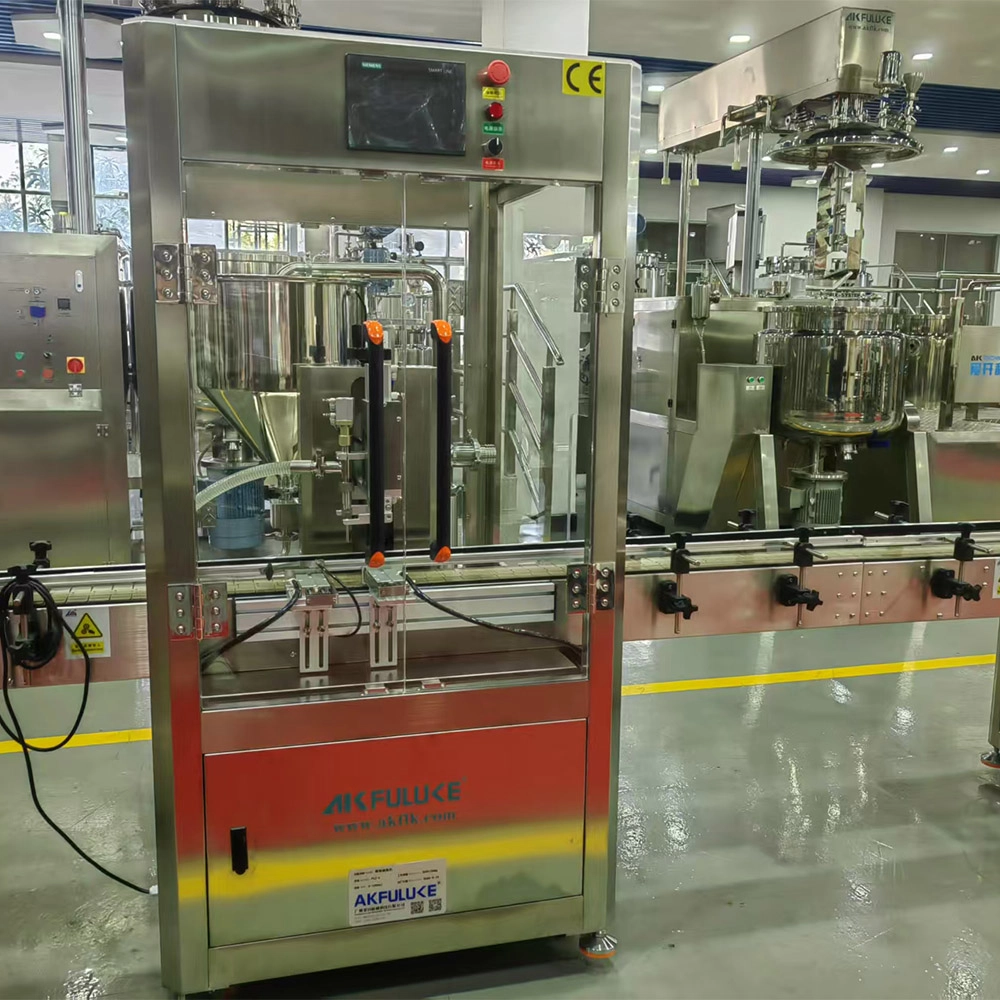
Selecting a Supplier for High-Precision Filling Machines
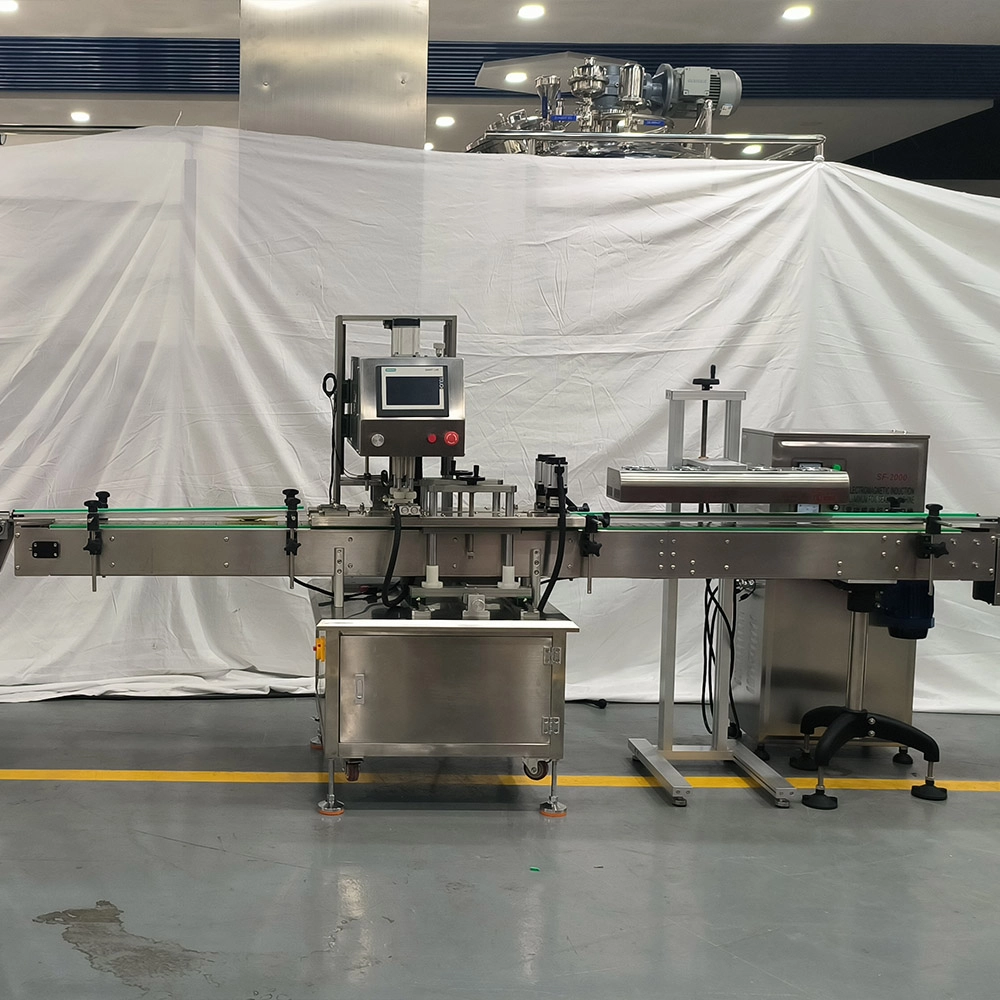
Filling Accuracy Testing Methods for Cosmetic Products
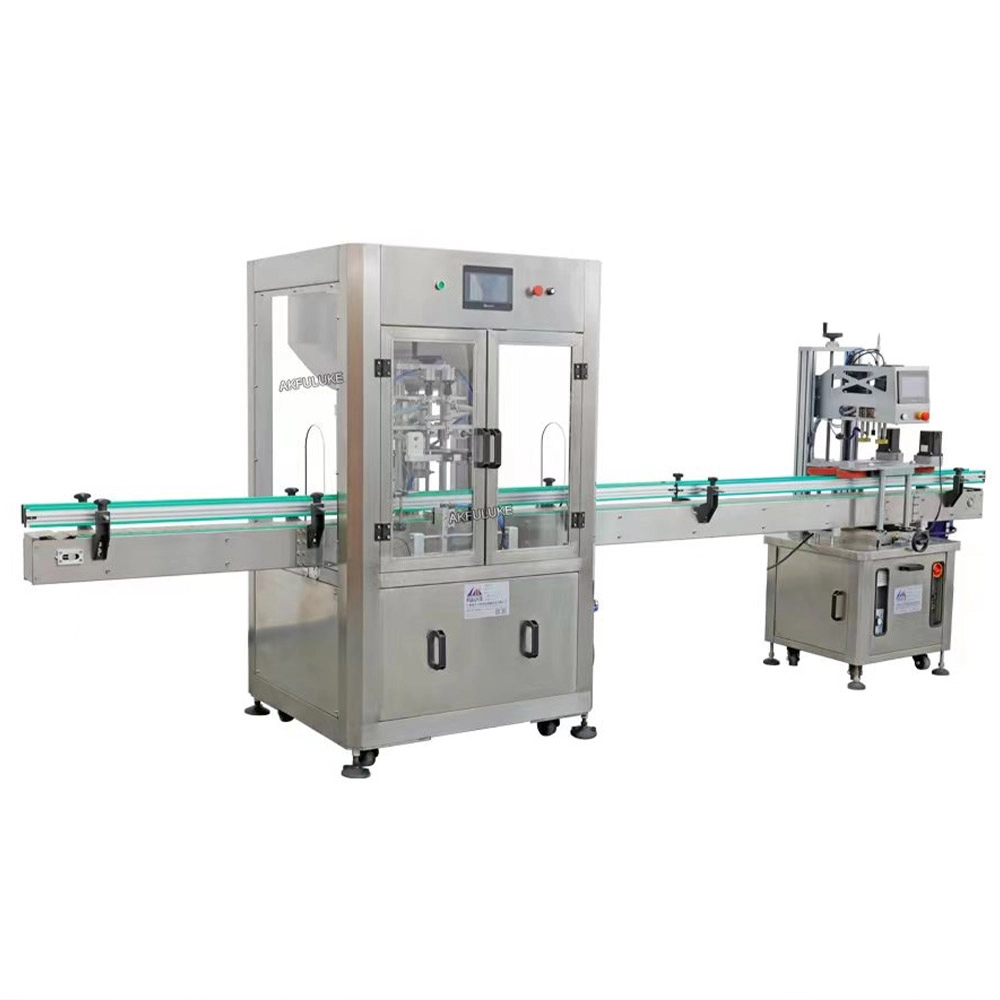
Choosing the Right Control Panel Layout for Operators
You May Also Like
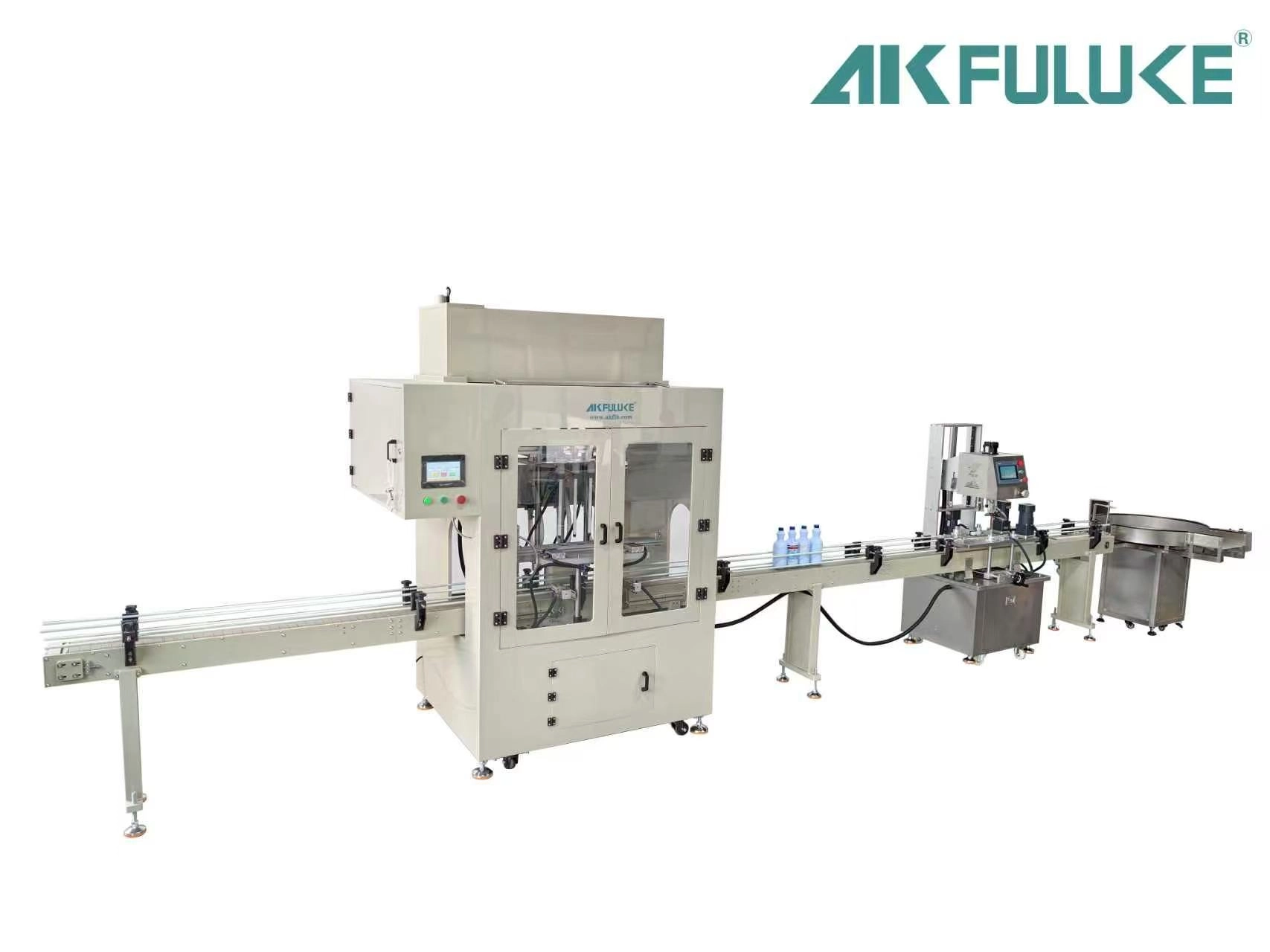
Automatic Acid Chemical Plastic Bottle Capping Anti Corrosion Bleach Filling Machine
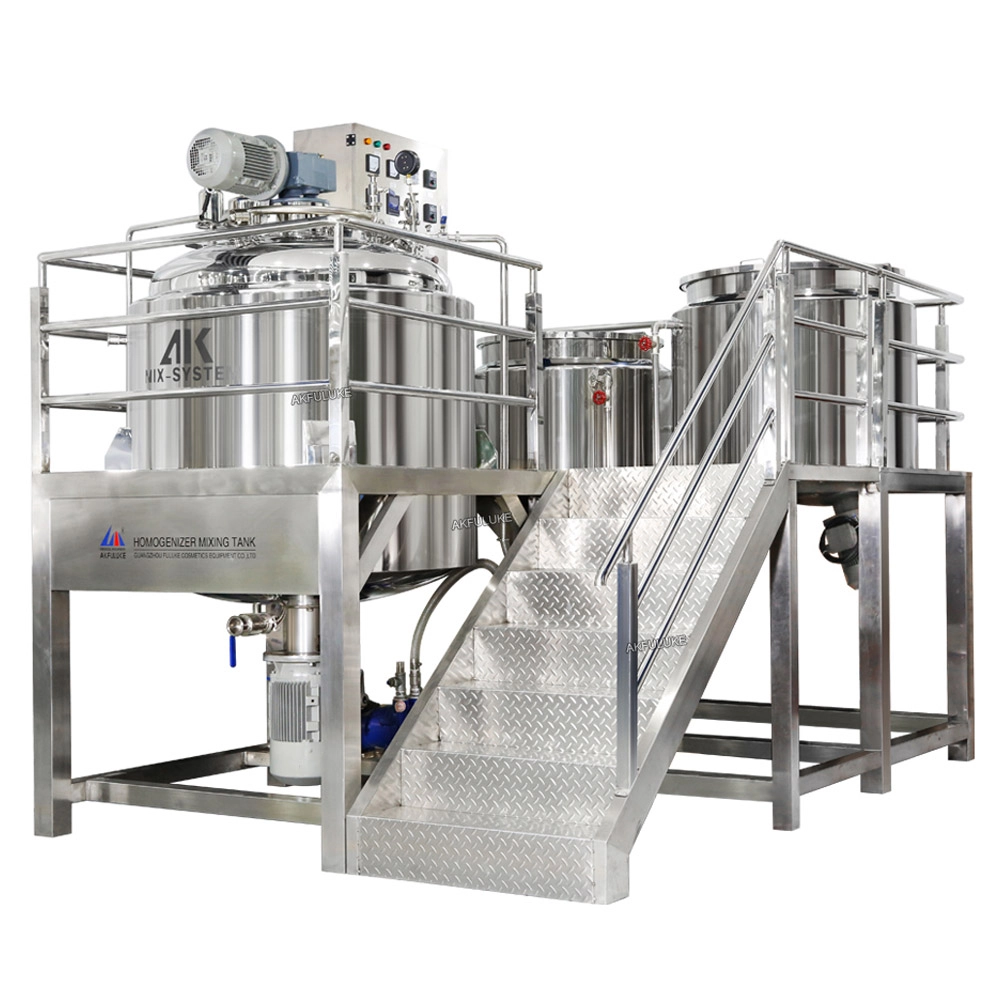
Fixed Type Vacuum Mixing Emulsifying Equipment for Cosmetic Cream Ointment Lotion Vacuum Homogenizer Mixer
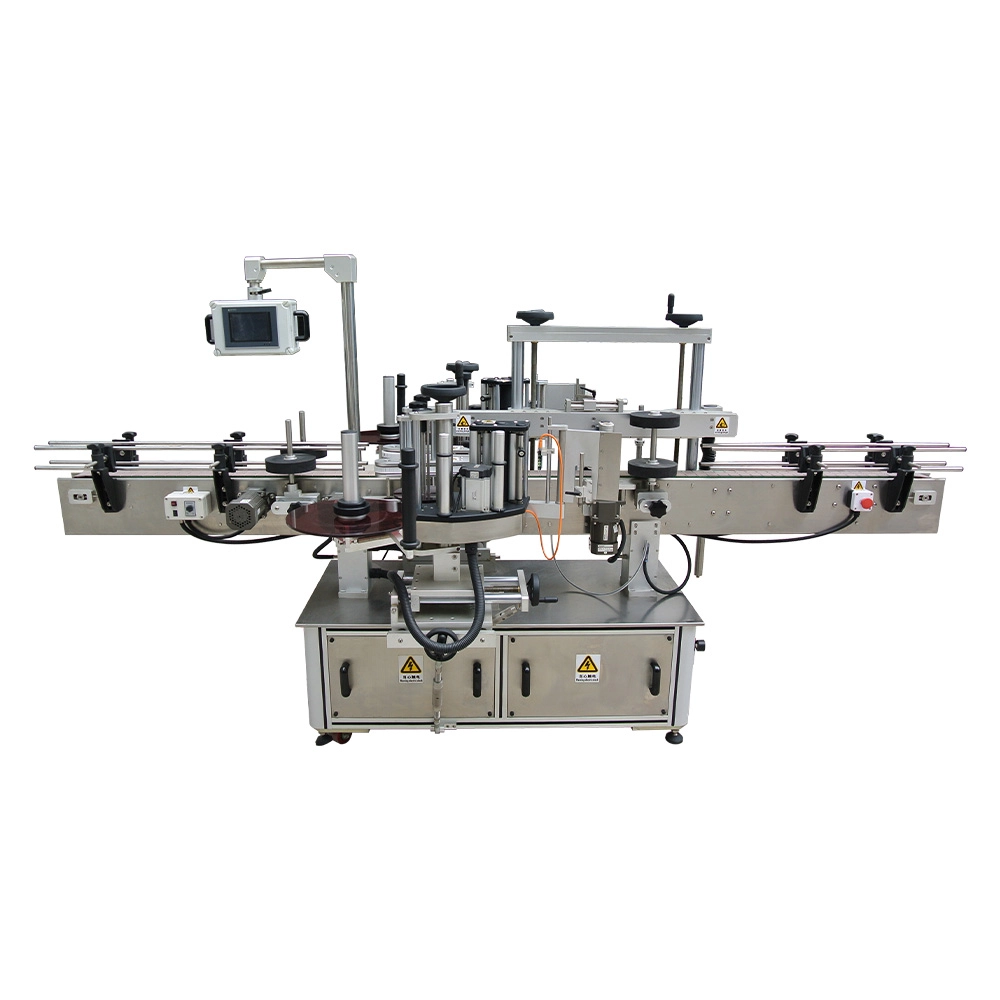
Automatic Labeling Machine Best Selling Automatic Tabletop Flat Surface Labeling Machine Round and Flat Bottle Automatic Labeler Machine
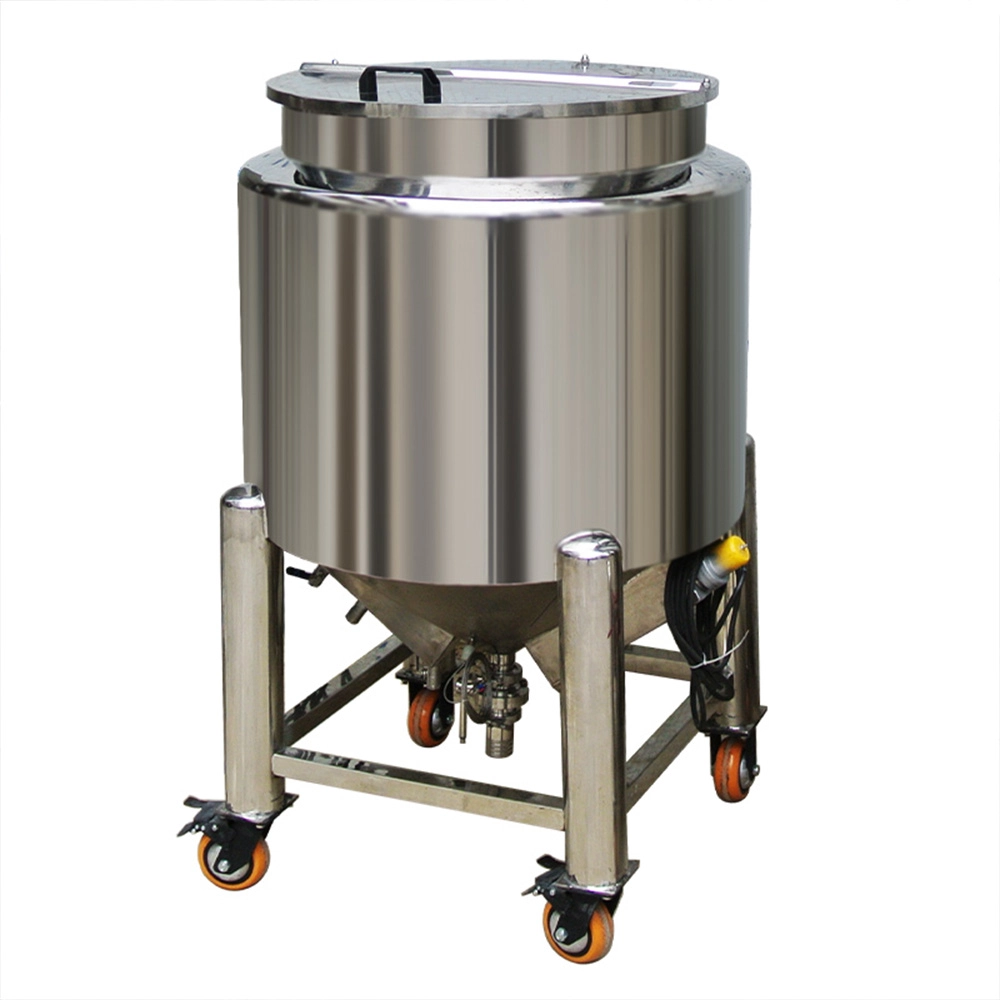
Storage Tank Mobile Fixed Chemical Liquid Storage Tank for Cosmetic, Perfume Food Grade Storage Tank Sealed Open Container
Get in touch with FULUKE
If you have any comments or good suggestions, please leave us a message, later our professional staff will contact you as soon as possible.

A leading manufacturer specializing in advanced machinery and complete production lines for the cosmetics, food, pharmaceutical, and chemical industries worldwide.
Contact FULUKE
Facebook
Instagram
YouTube