
How a Vacuum Emulsifying Machine Improves Cream Quality
- Why modern emulsification changes cream performance
- The physics behind better emulsions
- Sensory and stability improvements I’ve measured
- Regulatory and GMP alignment
- Core ways a vacuum emulsifying machine improves cream quality
- 1) Reduced air entrapment for smoother texture
- 2) Narrower droplet size distribution
- 3) Improved incorporation of powders and actives
- Process control, troubleshooting, and scale-up with vacuum systems
- Design features I prioritize
- Common troubleshooting and fixes
- Scaling principles I apply
- Why FULUKE vacuum emulsifying machines and systems deliver results
- My experience with vendor selection and FULUKE strengths
- Technical capabilities I recommend
- How their product line supports full production
- Frequently Asked Questions
As an experienced cosmetic equipment engineer, I summarize how a vacuum emulsifying machine transforms cream formulation and manufacturing: by combining controlled vacuum degassing, high-shear homogenization, and sanitary design it reduces air entrapment, shrinks droplet size distribution, improves rheology and sensory feel, and increases shelf stability while enabling reproducible batches that meet GMP and ISO expectations—making it the core investment for modern cream production in cosmetics, pharmaceuticals, and food-grade emulsions.
Why modern emulsification changes cream performance
The physics behind better emulsions
Early in my career I relied on simple propeller mixers and learned their limitations: poor dispersion of lipophilic phases, large droplet sizes, and inconsistent texture. A vacuum emulsifying machine combines mechanical shear and controlled vacuum to promote smaller droplets and faster wetting of powders. Smaller droplets increase stability by reducing coalescence; this is supported by fundamentals in emulsion science (Emulsion - Wikipedia).
Sensory and stability improvements I’ve measured
In pilot trials I routinely observed creams processed in a vacuum emulsifying machine show creamier sensory profiles, faster absorption, and less visible separation after temperature cycling. These sensory gains map directly to quantifiable metrics—reduced particle size distribution span, higher viscosity at low shear, and better resistance to phase inversion.
Regulatory and GMP alignment
Consistent mixing and closed systems simplify hygiene control and documentation, which helps meet cosmetic GMP frameworks such as ISO 22716 and aligns with regulatory expectations from agencies like the U.S. FDA. From my perspective, integrating a vacuum emulsifying machine is as much about quality assurance as it is about formulation.
Core ways a vacuum emulsifying machine improves cream quality
1) Reduced air entrapment for smoother texture
Air entrainment creates foam, oxidation risks, and visible pinholes in finished containers. By operating the mixing vessel under vacuum during emulsification and immediately after homogenization, a vacuum emulsifying machine draws out dissolved gases and microscopic bubbles. In practice I’ve seen oxygen content drop significantly during vacuum cycles, which preserves actives that are oxygen-sensitive and yields a smoother final product.
2) Narrower droplet size distribution
A combination of high-shear emulsification and in-line homogenization in these machines produces a tighter droplet size distribution. That narrower distribution enhances optical clarity (for gels/serums), increases shelf life by lowering Ostwald ripening rates, and stabilizes rheology. I routinely target median droplet diameters below 1–2 microns for many cream systems when using lab-scale vacuum emulsifying machines, then translate those parameters to production machines.
3) Improved incorporation of powders and actives
One frequent production issue is lumping when adding thickeners or powders. The vacuum porting and high-shear recirculation on a vacuum emulsifying machine enable wetting under low-pressure conditions so powders hydrate quickly and uniformly. This reduces mixing time and avoids over-shearing delicate actives.
Process control, troubleshooting, and scale-up with vacuum systems
Design features I prioritize
When I evaluate equipment I look for hygienic welds, sanitary mechanical seals, jacketed vessels, adjustable shear heads, and PLC process recipes. These features let you lock down parameters—temperature ramps, vacuum setpoints, rotor/stator speeds—and reproduce results across batches. Traceable control is critical for cosmetic companies scaling from pilot to full production.
Common troubleshooting and fixes
Typical problems include overheating sensitive phases, air re-entrapment after opening, and incomplete wetting. I solve overheating by optimizing jacket schedules and staging emulsification at lower shear initially. For re-entrapment, I use short post-homogenization vacuum cycles and inert gas blanketing before and after discharge.
Scaling principles I apply
Scale-up isn’t linear. I scale by maintaining tip speed, residence time in the high-shear zone, and similar energy input per unit mass. A production vacuum emulsifying machine should mirror the pilot unit’s geometry: rotor/stator ratios, homogenizer orifices, and recirculation loop length. I document those geometric and energy parameters to prevent surprises when moving to higher capacity equipment.
| Metric | Traditional Open Mixing | Vacuum Emulsifying Machine |
|---|---|---|
| Air entrapment | High; visible foam and more oxidation | Low; vacuum degassing reduces dissolved gases |
| Droplet size (typical) | 5–50 µm | 0.2–5 µm (depends on homogenizer) |
| Batch-to-batch variation | High | Low with PLC recipes |
| Sanitation & GMP | Challenging; open systems | Controlled; closed design simplifies cleaning |
| Typical energy use | Lower shear; longer times | Higher instantaneous energy; shorter cycles |
Why FULUKE vacuum emulsifying machines and systems deliver results
My experience with vendor selection and FULUKE strengths
Over 15 years I’ve evaluated many suppliers; what matters is engineering depth and lifecycle service. FULUKE (Guangzhou Fuluke Cosmetic Equipment Co., Ltd.) is a global manufacturer with over 30 years of experience in cosmetic equipment. In my projects I valued their focus on mixing and emulsifying equipment and turnkey packaging lines that link formulation to filling and sealing—reducing manual handoffs and contamination risk.
Technical capabilities I recommend
FULUKE systems integrate precision machining, automation control, and strict quality management to meet GMP and international hygiene standards. Their vacuum emulsifying machine models offer sanitary design, customizable rotor/stator assemblies, and optional in-line high-pressure homogenizers and PLC recipe control—features I’ve found essential for consistent cream quality.
How their product line supports full production
For manufacturers I advise selecting integrated solutions: a multifunctional mixing tank for pre-mix, a vacuum emulsifying machine for emulsification, downstream filling machines for accurate dosing, and RO water treatment to ensure input water quality. FULUKE’s portfolio includes these main products: Filling machine, Multifunctional mixing tank, Perfume making equipment, Vacuum emulsifying machine, and RO water treatment—covering the production chain from ingredient prep to packaged product. Their global service network and custom engineering mean I can specify process upgrades, intelligent control retrofits, or complete turnkey lines with clear ROI projections.
For reference on related process technologies and homogenization fundamentals, consult resources such as Homogenization - Wikipedia and regulatory guidance like the U.S. FDA cosmetics overview, which inform hygienic design and labeling requirements.
If you want to explore machines that reduce cycle time and raise product quality, review manufacturer specifications carefully: check vessel geometry, vacuum capability (mbar range), homogenizer pressure ratings, and cleaning options (CIP/SIP). My typical spec sheet includes these minimums for a production vacuum emulsifying machine: tri-clamp ports, 0.01–0.1 MPa vacuum capability, temperature-controlled jacket, and PLC control with data logging.
FULUKE’s engineering team also supports process optimization—adjusting shear profiles, designing customized mixing heads, and validating cleaning protocols—so companies can scale without compromising product attributes. If you require a compliant system, align design to ISO 22716 and document protocols for hygiene, as advised by industry standards (ISO 22716).
Finally, equipment choice impacts sustainability: higher-efficiency vacuum emulsifying machines shorten heating cycles and reduce overall energy per batch; they also minimize waste through better yields and fewer reworks. That’s a measurable financial and environmental advantage I stress to clients.
Contact information and product listings: FULUKE (Guangzhou Fuluke Cosmetic Equipment Co., Ltd.), website https://www.fulukemix.com, email flk09@gzflk.com.
Frequently Asked Questions
What is a vacuum emulsifying machine?
A vacuum emulsifying machine is a closed mixing system that combines vacuum degassing with high-shear emulsification and optional homogenization to produce stable creams and lotions with low air entrainment and narrow droplet size distribution.
How does a vacuum emulsifying machine reduce air entrapment in creams?
By operating the vessel under vacuum during emulsification and using post-homogenization vacuum cycles, the machine draws out dissolved gases and microscopic bubbles, producing a smoother texture and reducing oxidation risk.
Can I scale formulas from pilot to production using a vacuum emulsifying machine?
Yes—if you maintain key geometric and energy parameters (tip speed, residence time, rotor/stator ratios) and replicate shear profiles; matching these lets you translate pilot parameters to production vacuum emulsifying machines with predictable results.
What maintenance is required for vacuum emulsifying machines?
Regular maintenance includes checking mechanical seals, verifying vacuum system integrity, inspecting homogenizer orifices, performing routine CIP (clean-in-place), and following scheduled lubrication and calibration—activities that safeguard consistency and uptime.
Are vacuum emulsifying machines suitable for sensitive actives and natural formulations?
Yes—because you can control shear, temperature, and vacuum independently, these machines allow gentle incorporation of heat- or shear-sensitive actives, reduce oxidation, and enable cleaner processing for natural or preservative-sensitive formulations.
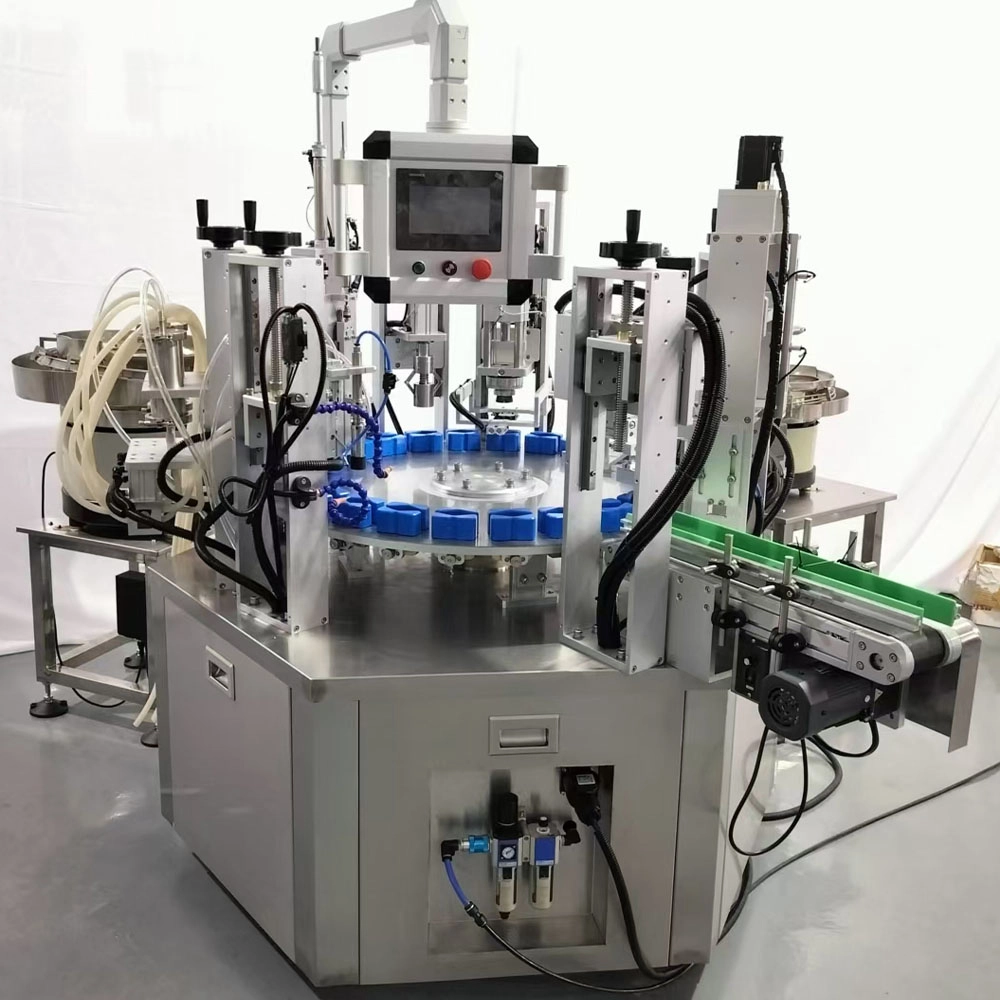
Best Perfume Filling and Capping Machines for Aromatics Production
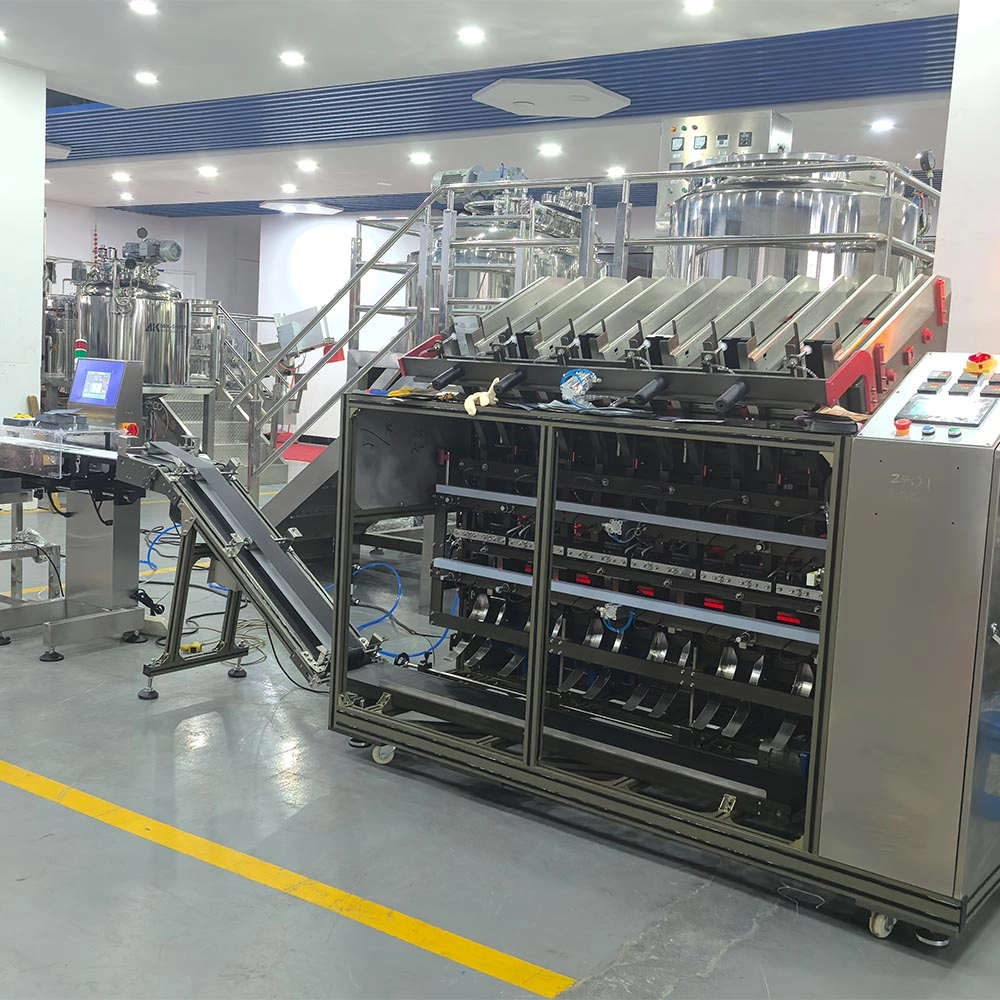
Effective Automatic Facial Mask Filling and Sealing Machine (2/6/8 Heads) - FULUKE
Cartridge Filling Machine Buying Guide for Cosmetic Manufacturers
Maintenance Tips to Extend Your Perfume Making Machine's Life
You May Also Like
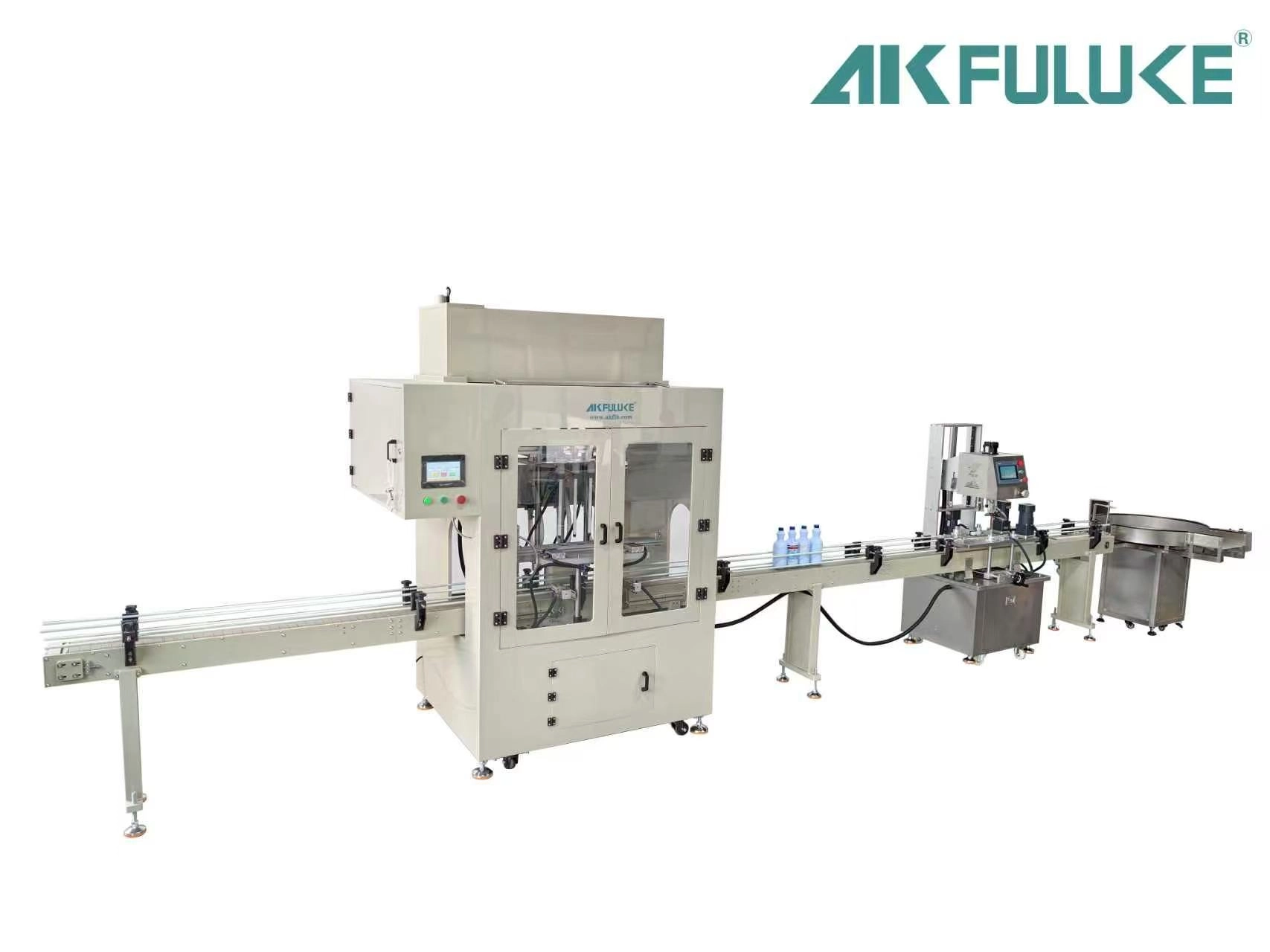
Automatic Acid Chemical Plastic Bottle Capping Anti Corrosion Bleach Filling Machine
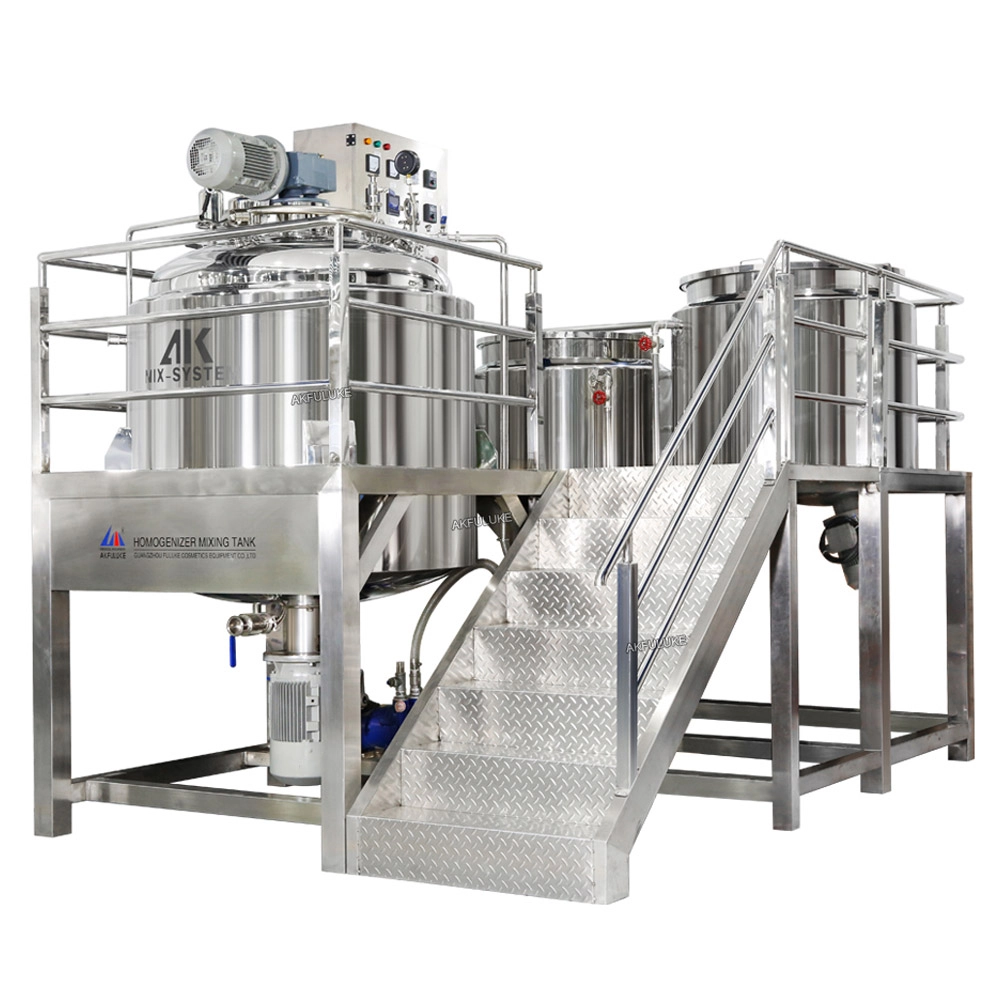
Fixed Type Vacuum Mixing Emulsifying Equipment for Cosmetic Cream Ointment Lotion Vacuum Homogenizer Mixer
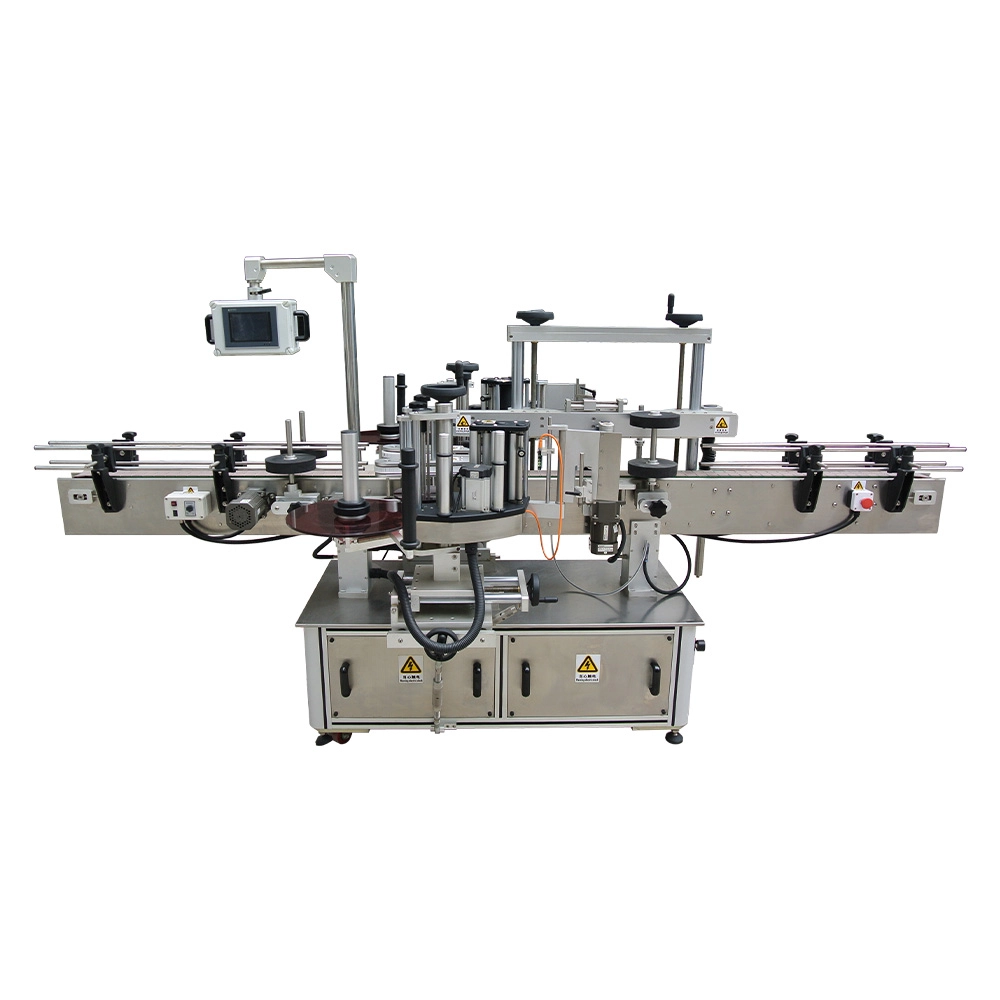
Automatic Labeling Machine Best Selling Automatic Tabletop Flat Surface Labeling Machine Round and Flat Bottle Automatic Labeler Machine
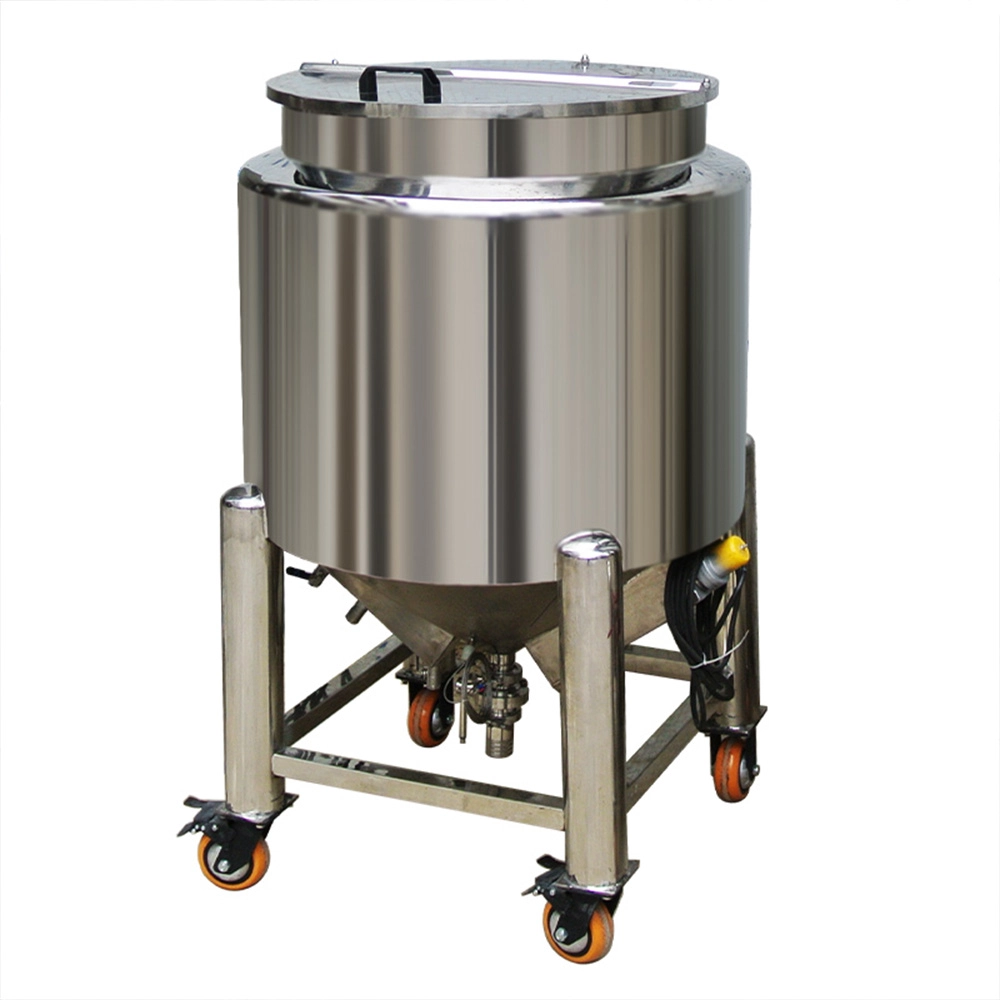
Storage Tank Mobile Fixed Chemical Liquid Storage Tank for Cosmetic, Perfume Food Grade Storage Tank Sealed Open Container
Get in touch with FULUKE
If you have any comments or good suggestions, please leave us a message, later our professional staff will contact you as soon as possible.

A leading manufacturer specializing in advanced machinery and complete production lines for the cosmetics, food, pharmaceutical, and chemical industries worldwide.
Contact FULUKE
Facebook
Instagram
YouTube