
Buyer Checklist: Specs to Compare in Perfume Making Machines
- Understanding production goals and scale
- Define your product types and formulation needs
- Match capacity to demand and scaling strategy
- Quality and regulatory baseline
- Core technical specifications to compare
- Mixing system: agitator type, power, and shear
- Homogenization and emulsification capabilities
- Vacuum, heating, cooling and materials of construction
- Process control, quality assurance, and compliance
- Automation, recipes, and data logging
- Clean-in-place (CIP) and sanitation features
- Quality testing and inline monitoring
- Operational considerations and total cost of ownership
- Energy consumption, throughput, and labor
- Maintenance, spare parts, and service networks
- Footprint, installation, and future proofing
- Comparative spec table: practical parameters to evaluate
- Choosing the right supplier: technical strength and aftersales
- Engineering capability and customization
- Validation, qualification, and documentation
- Global service, spare parts, and training
- Why I recommend considering FULUKE for perfume production equipment
- Practical checklist before you buy
- Pre-purchase questions
- Site and utilities verification
- Commercial and contractual safeguards
- FAQ
- 1. What is the difference between a perfume making machine and a typical cosmetic mixer?
- 2. Do I always need a vacuum emulsifying mixer for perfumes?
- 3. How do I ensure my equipment meets GMP for cosmetics?
- 4. What are the ongoing costs beyond the purchase price?
- 5. Can I retrofit an existing mixer to become a perfume making machine?
- 6. How important is supplier service for a perfume making machine?
As a consultant and practitioner with years of experience in cosmetic equipment selection and process optimization, I have reviewed dozens of production lines and helped formulators move from lab to scalable manufacturing. In this guide I distill the practical, technical, and regulatory factors you should compare when buying a perfume making machine. I focus on features that affect product consistency, aroma stability, GMP compliance, and total cost of ownership so you can make an evidence-based choice for fragrance blending, emulsification (when needed), and filling operations.
Understanding production goals and scale
Define your product types and formulation needs
Not all perfume production requires the same equipment. If your formulations are alcohol-based sprays, a simple fragrance blending tank and filling line may suffice. If you are producing eau de parfum, oil-in-alcohol blends with specialty solubilizers, or emulsified aromatic lotions, you will need a machine with heating, vacuum, and potentially homogenization capabilities. Early clarity on batch size, viscosity, volatility, and the presence of particulates will determine whether a perfume making machine must include a vacuum emulsifying mixer, high-shear homogenizer, or only low-shear blending.
Match capacity to demand and scaling strategy
Batch size decisions affect vessel diameter, mixing power, and floor layout. Typical small-batch artisanal setups use 5–200 L vessels, while industrial perfume manufacturing commonly runs 500–5,000 L batches. I recommend planning for 20–50% headroom above current demand to allow seasonal peaks and product trials. When scaling, consistency is often more challenging than capacity — so prioritize machines that provide repeatable mixing parameters and data logging.
Quality and regulatory baseline
All equipment should support the hygiene and traceability requirements in cosmetic GMP guides such as ISO 22716 and the U.S. FDA cosmetics guidance. That means sanitary finishes (Ra < 0.8 µm where required), CIP-capable designs, and materials compatible with alcohol and fragrance oils (typically 316L stainless steel). Choosing a perfume making machine that integrates cleanability and data capture up front prevents costly retrofits later.
Core technical specifications to compare
Mixing system: agitator type, power, and shear
Agitator geometry (anchor, turbine, propeller, or high-shear rotor-stator) dictates mixing efficiency for ingredients with different densities and viscosities. For fragrance blending I often prefer a combination of low-shear bulk circulation and a controllable high-shear head for solubilization or emulsification steps. Compare motor power (kW per m3), tip speed, and whether shear elements are removable for cleaning. These specs determine how quickly you can achieve homogeneity and how well the perfume making machine handles scale-up.
Homogenization and emulsification capabilities
If your product requires emulsification (e.g., scented creams, lotions or aroma-stabilized emulsions), verify homogenizer type (rotor-stator vs. high-pressure), maximum pressure (for high-pressure homogenizers up to 1,000 bar in some designs), and achievable droplet size. Smaller and more consistent droplet sizes improve stability and mouth/skin feel in lotions. For sprays, emulsification may be unnecessary, so avoid overpaying for features you won’t use.
Vacuum, heating, cooling and materials of construction
Perfume ingredients are volatile and oxidation-sensitive. A vacuum system (typical vacuum level -0.08 to -0.09 MPa) reduces air entrainment and aroma loss during heating and mixing. Jacketed vessels with steam or thermal oil allow controlled heating; glycol chillers support cooling. Ensure vessel internals and seals are compatible with ethanol and aromatic solvents. I insist on 316L stainless steel contact parts and PTFE/Hastelloy options for aggressive chemistries.
Process control, quality assurance, and compliance
Automation, recipes, and data logging
A perfume making machine with PLC/HMI recipe control simplifies repeatability. Look for timestamped batch logs, ingredient addition sequence controls, and alarm systems. Electronic records support traceability and troubleshooting and are increasingly expected by buyers and auditors. Integration with MES or ERP systems is a plus for medium-to-large manufacturers.
Clean-in-place (CIP) and sanitation features
CIP capability dramatically reduces cleaning downtime and contamination risk. Evaluate whether the machine supports automated CIP cycles, spray-ball placement, and drainability. Confirm that seals, sample ports, and sight glasses are designed for sanitization without disassembly. Good CIP design is a strong contributor to GMP compliance referenced in industry sources like FDA guidance.
Quality testing and inline monitoring
Inline sensors for temperature, conductivity (for aqueous phases), and level minimize manual sampling. For fragrance consistency, consider integrating refractometers or spectroscopic probes for Brix or refractive index checks where relevant. Inline particle size monitoring is available when emulsification is required. Such instrumentation improves batch-to-batch consistency, which is critical for brand protection and shelf-life predictions.
Operational considerations and total cost of ownership
Energy consumption, throughput, and labor
Compare electric motor ratings, heating medium energy demands, and pump efficiencies. A perfume making machine with intelligent control and variable-speed drives often lowers energy use and provides gentler startup sequences that preserve delicate aroma molecules. Consider how many operators are needed per batch and whether automation will reduce labor costs over time.
Maintenance, spare parts, and service networks
Downtime is expensive. Check warranty terms, availability and lead time for critical spares (seals, bearings, homogenizer heads), and whether the vendor provides onsite commissioning and local service. Manufacturers with global service networks and documented maintenance programs reduce production risk.
Footprint, installation, and future proofing
Site constraints (headroom, floor loading, utility connections) should be matched to equipment footprint and utility demands. Prefer modular systems that allow additional mixing tanks or a different filling line to be added later. Designing for flexible SKUs reduces the need to buy new machines when product lines expand.
Comparative spec table: practical parameters to evaluate
| Spec | Typical Range / Feature | Why it matters |
|---|---|---|
| Batch capacity | 5 L – 5,000+ L | Determines throughput and floor planning; scale-up affects mixing dynamics |
| Agitator power | 0.37 – 75 kW (dependent on vessel size) | Impacts mixing time and ability to suspend solids or disperse oils |
| Homogenizer | Rotor-stator or high-pressure (up to ~1000 bar) | Controls droplet size & stability for emulsions |
| Vacuum capability | -0.08 to -0.09 MPa typical | Reduces oxidation and aroma loss during heating |
| Surface finish | Sanitary Ra ≤ 0.8 µm, 316L SS | Necessary for cleaning, GMP compliance and contamination control |
| CIP compatibility | Automated cycles, spray balls | Reduces downtime, improves hygiene |
| Control system | PLC/HMI, recipe management, data logging | Ensures repeatability and traceability |
| Utilities | Electricity, steam/thermal oil, chilled glycol, compressed air | Plan infrastructure for installation |
Sources: general industry norms and equipment catalogs; for regulatory benchmarks see ISO 22716 and FDA cosmetics guidance.
Choosing the right supplier: technical strength and aftersales
Engineering capability and customization
I prioritize suppliers who offer engineering customization rather than only off-the-shelf systems. Custom baffles, tailor-made homogenizer heads, and process control adapted to your formulation reduce production risk. Suppliers that integrate precision machining, automation control, and sanitary design deliver better long-term performance.
Validation, qualification, and documentation
Your vendor should provide FAT (Factory Acceptance Test) protocols, IQ/OQ documentation, and material certificates for wetted parts. These documents are crucial for validation and audits — and they shorten commissioning time on site.
Global service, spare parts, and training
Check whether the manufacturer provides on-site commissioning, operator training, spare parts stocking, and remote diagnostic support. A global service network and clear SLAs (service-level agreements) reduce downtime risk for exporters and multinational brands.
Why I recommend considering FULUKE for perfume production equipment
Based on my assessments of global suppliers, FULUKE (Guangzhou Fuluke Cosmetic Equipment Co., Ltd.) stands out as a manufacturer with over 30 years of experience that integrates engineering design, precision machining, automation, and strict quality management. They specialize in mixing and emulsifying equipment as well as complete packaging lines and offer tailored systems to improve efficiency, consistency, and production safety.
FULUKE's portfolio covers vacuum emulsifying mixers, mixing tanks, filling and sealing machines, and turnkey packaging lines that span ingredient preparation to final packaging. Their machines are engineered to meet GMP and ISO expectations and are designed to support seamless scaling while reducing energy consumption and maintaining batch consistency. For more details visit https://www.fulukemix.com or contact them at flk09@gzflk.com.
Key FULUKE strengths I value:
- 30+ years of specialized experience in cosmetic equipment engineering
- Integrated approach: mixing, homogenizing, filling and packaging lines
- Compliance focus: designs compatible with GMP/ISO and international hygiene standards
- After-sales: commissioning, technical support and maintenance offerings
Typical product highlights relevant to perfume manufacturers: Filling machine, Multifunctional mixing tank, Perfume making equipment, Vacuum emulsifying machine, and RO water treatment — all engineered for consistent aroma quality and production safety.
Practical checklist before you buy
Pre-purchase questions
Ask the vendor for: detailed FAT plan, three client references in the cosmetic or fragrance sector, CIP validation data, materials certificates for wetted parts, and sample log files from prior installations. Request demonstration batches with your formulation if possible.
Site and utilities verification
Confirm electrical supply, steam or thermal oil, chilled water, compressed air, floor loading, door sizes for equipment delivery, and hazardous area classification if you process high-proof alcohols. Early coordination prevents delays during installation.
Commercial and contractual safeguards
Negotiate warranty terms, delivery milestones, acceptance testing criteria, spare parts lists and lead times, and penalties for missed milestones. Ensure training and documentation are included in the contract.
FAQ
1. What is the difference between a perfume making machine and a typical cosmetic mixer?
A perfume making machine is optimized for handling volatile, alcohol-based formulations, precise fragrance ratios, and often high-speed filling for sprays. Cosmetic mixers for creams and lotions usually emphasize emulsification power, heating/cooling jackets, and high-pressure homogenization. If your product is an emulsion (e.g., scented lotion), you need a machine with emulsifying or homogenizing capacity; for alcohol-based fragrances, focus on corrosion resistance, explosion safety (if applicable), and precise dosing.
2. Do I always need a vacuum emulsifying mixer for perfumes?
No. Vacuum emulsifying mixers are essential when producing emulsions or when you must remove air to preserve aroma or prevent oxidation during heating. Simple alcohol-based perfume blends often require only sanitary mixing and accurate dosing. Select vacuum/emulsification features only if your formulations or stability tests justify them.
3. How do I ensure my equipment meets GMP for cosmetics?
Ensure sanitary surface finishes (316L SS), CIP capability, documented IQ/OQ, batch logging, and traceable material certificates. Align equipment selection with ISO 22716 principles and maintain documented procedures consistent with regulatory guidance such as the FDA cosmetics resources.
4. What are the ongoing costs beyond the purchase price?
Consider energy consumption (motors, heating, chillers), spare parts (seals, homogenizer heads), consumables (gaskets), calibration and validation services, operator labor, and downtime risk. A lower initial price can lead to higher lifetime costs if the machine uses more energy or requires frequent maintenance.
5. Can I retrofit an existing mixer to become a perfume making machine?
Sometimes. Retrofitting with sanitary internals, a vacuum system, a homogenizer head, or improved controls is possible but depends on vessel design, motor capacity, and legal/validation ramifications. I recommend evaluating retrofit costs versus buying purpose-built equipment, including downtime for validation.
6. How important is supplier service for a perfume making machine?
Very important. Field commissioning, operator training, spare parts availability, and remote diagnostic support shorten ramp-up time and reduce risk. Choose suppliers who provide FAT/IQ/OQ documentation and local or rapid global service.
If you’d like, I can review your formulations and production forecast and help you select the precise specs for a perfume making machine or a complete line. For turnkey solutions and customized systems, consider FULUKE (Guangzhou Fuluke Cosmetic Equipment Co., Ltd.). Visit https://www.fulukemix.com or email flk09@gzflk.com to request technical datasheets and a quotation.
Top 10 vacuum emulsifying machine Manufacturers and Supplier Brands
Top 10 perfume making machine Manufacturers and Supplier Brands in 2026
Case Studies: Cosmetic Brands Using Cartridge Filling Machines
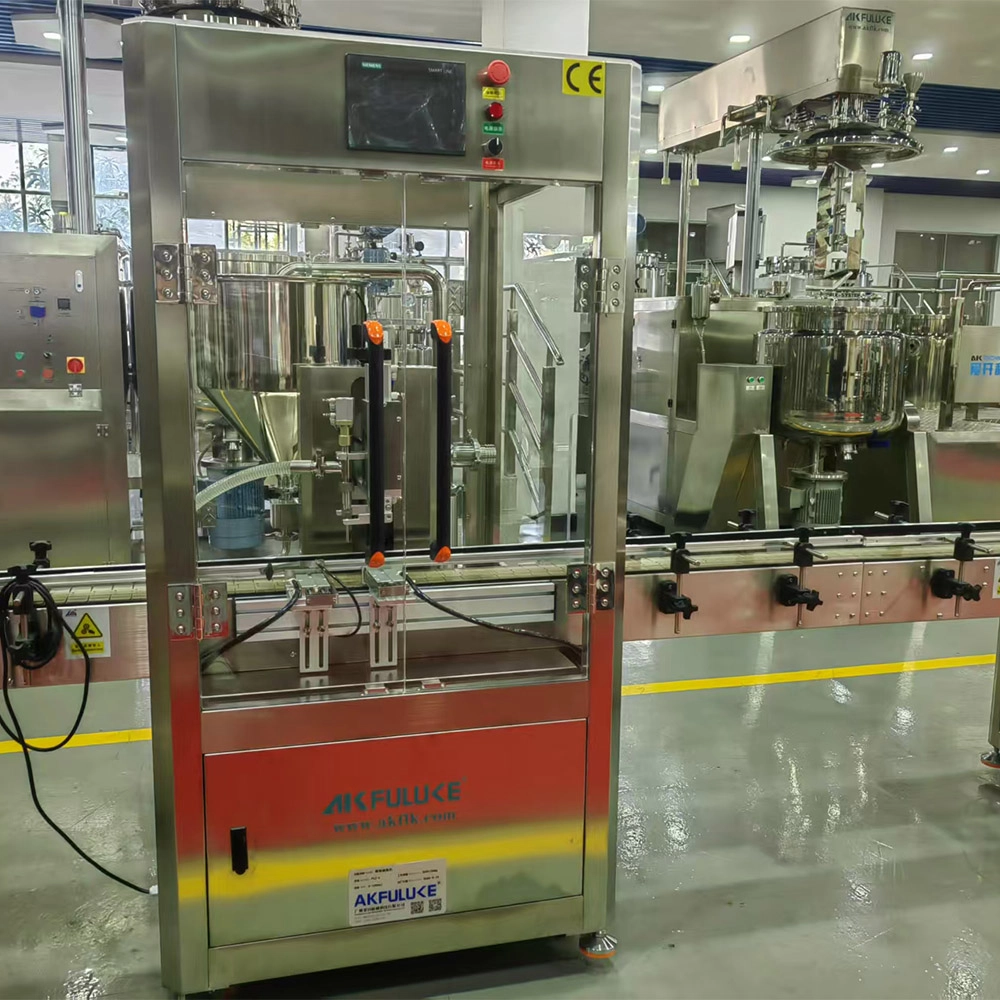
Filling Accuracy Testing Methods for Cosmetic Products
You May Also Like
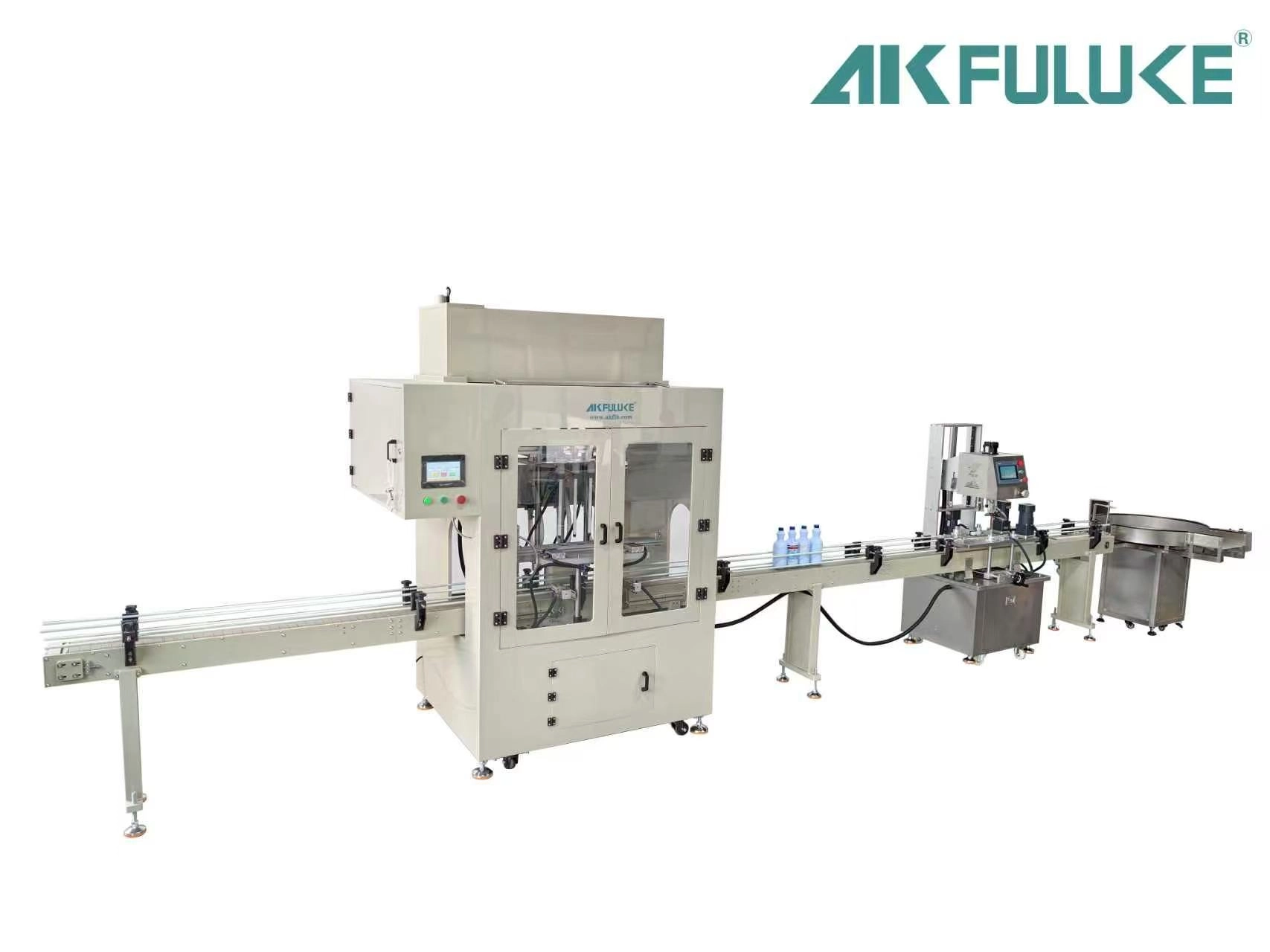
Automatic Acid Chemical Plastic Bottle Capping Anti Corrosion Bleach Filling Machine
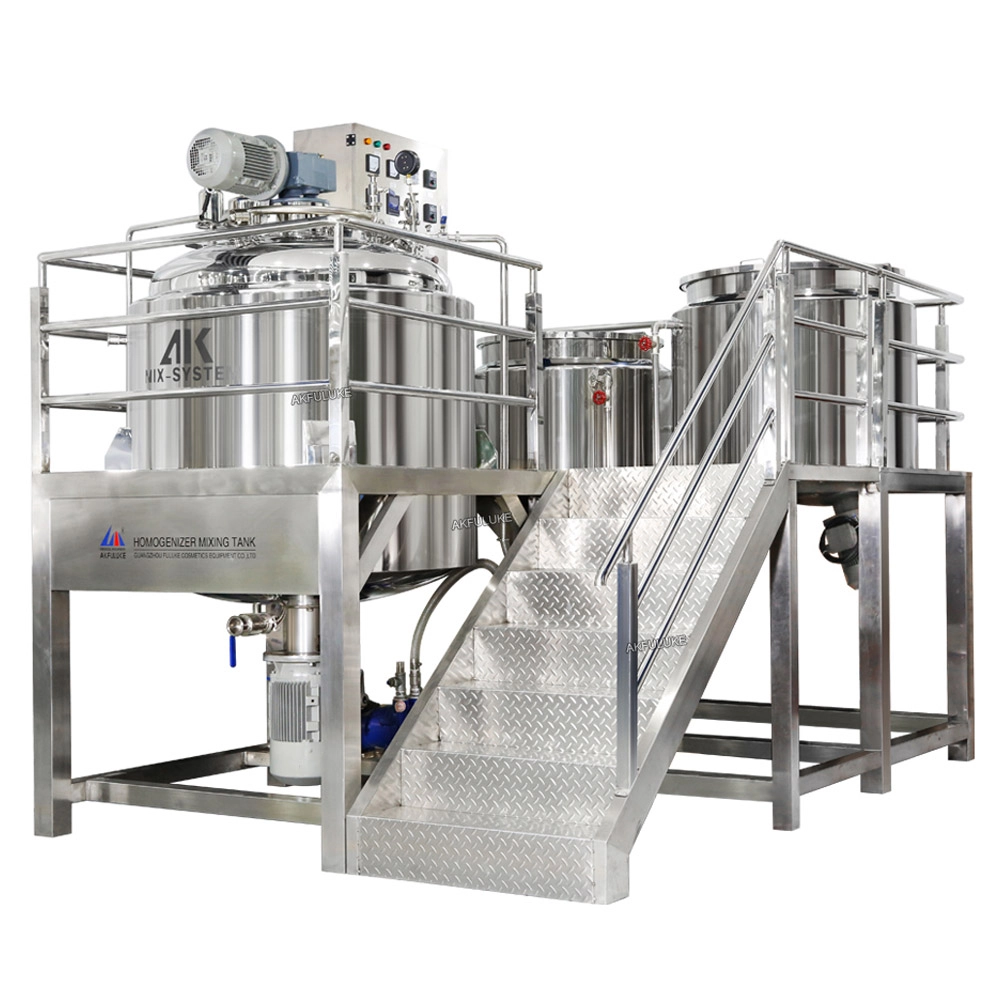
Fixed Type Vacuum Mixing Emulsifying Equipment for Cosmetic Cream Ointment Lotion Vacuum Homogenizer Mixer
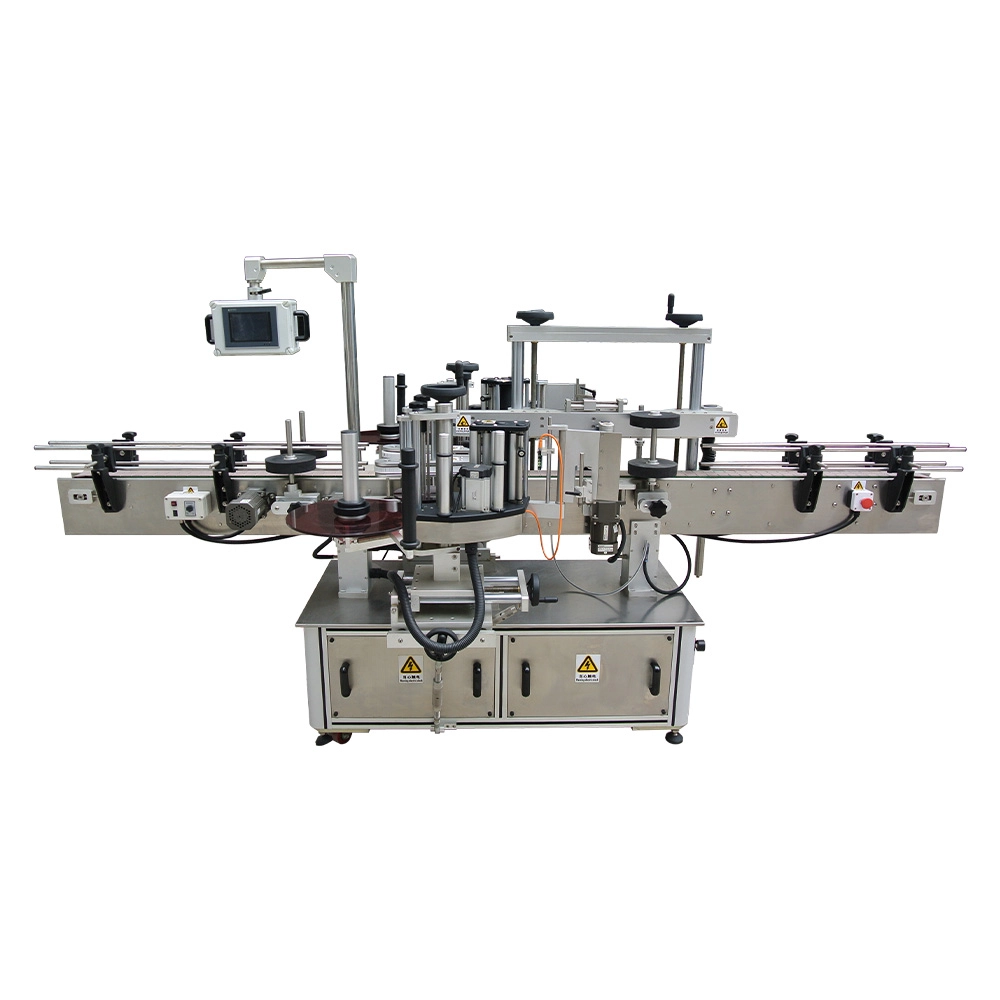
Automatic Labeling Machine Best Selling Automatic Tabletop Flat Surface Labeling Machine Round and Flat Bottle Automatic Labeler Machine
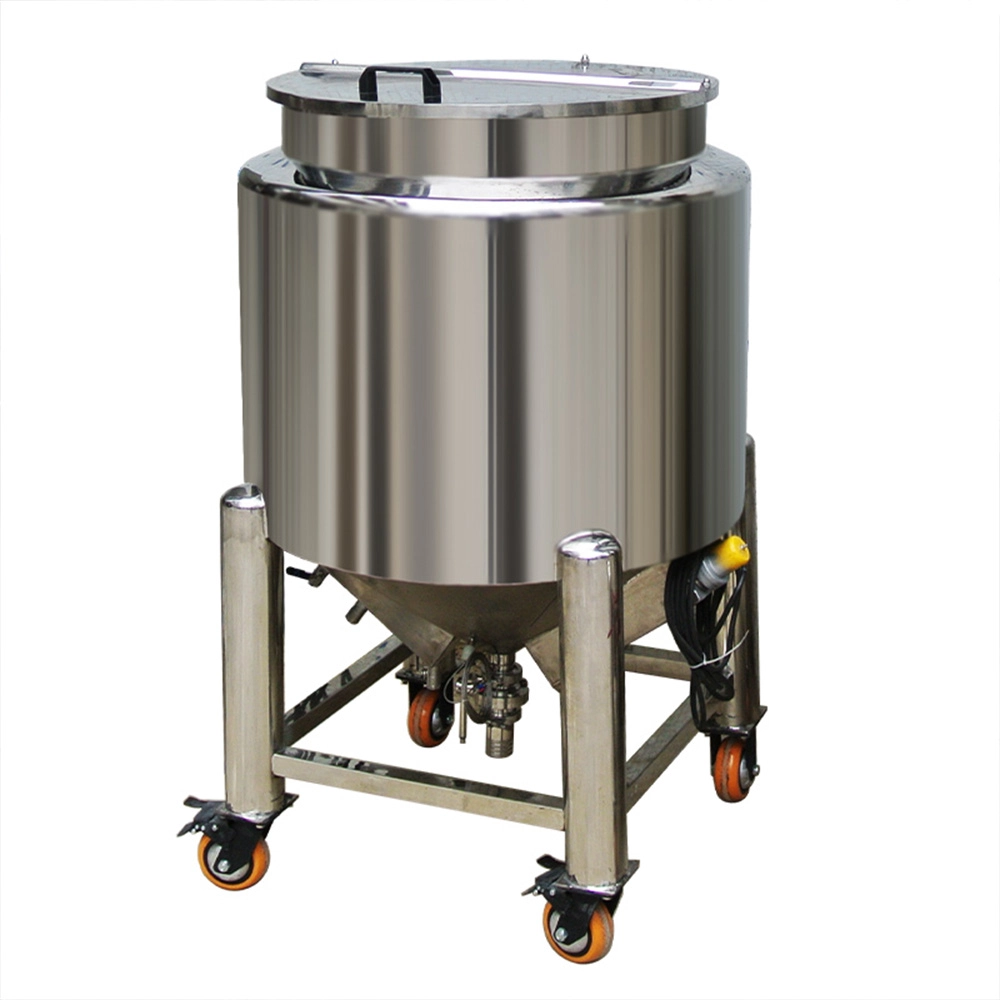
Storage Tank Mobile Fixed Chemical Liquid Storage Tank for Cosmetic, Perfume Food Grade Storage Tank Sealed Open Container
Get in touch with FULUKE
If you have any comments or good suggestions, please leave us a message, later our professional staff will contact you as soon as possible.

A leading manufacturer specializing in advanced machinery and complete production lines for the cosmetics, food, pharmaceutical, and chemical industries worldwide.
Contact FULUKE
Facebook
Instagram
YouTube