
Regulations and Safety Standards for Perfume Making Machines
- Why Regulatory Compliance Matters
- Protecting consumer health and preventing contamination
- Legal access to markets and responsibility
- Brand protection, traceability and insurance
- Key International Standards and Regulations
- European Union: EC No 1223/2009
- United States: FDA guidance and the FD&C Act
- ISO and GMP frameworks
- Technical and Safety Requirements for Perfume Making Machines
- Materials, wetted parts and hygienic design
- Electrical, mechanical safety and control systems
- Emissions, solvent handling and hazardous-area considerations
- Implementing Compliance: Validation, Documentation and Supplier Selection
- Equipment qualification: IQ, OQ, PQ
- Quality control, traceability and digital records
- Selecting a manufacturer and why supplier capability matters
- FULUKE: manufacturer profile and why it matters for compliance
- Lifecycle maintenance, change control and spare parts
- Comparative Overview of Key Regulatory Expectations
- Practical Checklist Before Purchasing a Perfume Making Machine
- Frequently Asked Questions (FAQ)
- 1. What certifications should I demand for a perfume making machine?
- 2. Does FDA pre-approve perfume making machines?
- 3. How do I validate cleaning for fragrance equipment?
- 4. Are explosion-proof features necessary for fragrance production?
- 5. How do I ensure long-term compliance and support?
- 6. Can FULUKE provide turnkey perfume production lines?
Regulations and Safety Standards for Perfume Making Machines
As a consultant and equipment designer with decades of experience in cosmetic manufacturing, I help brands and contract manufacturers navigate the regulatory and safety landscape for fragrance production. This article provides a practical, compliance-focused view of what a perfume making machine must deliver: hygienic design, certified electrical and mechanical safety, validated performance and complete documentation to satisfy EU, US and ISO-based expectations. I outline standards, technical controls, validation steps and how to select a supplier that supports qualification and long-term GMP performance.
Why Regulatory Compliance Matters
Protecting consumer health and preventing contamination
Consumer safety is the primary reason for regulation. Contamination, residual solvents, or undeclared allergens originating from poorly designed or maintained equipment can cause adverse reactions and recalls. A perfume making machine that lacks cleanability or allows ingress of contaminants elevates risk across entire production batches.
Legal access to markets and responsibility
Regulatory regimes place legal responsibility on the manufacturer and/or the importer. Under the EU Cosmetics Regulation (EC) No 1223/2009 and comparable frameworks, companies must demonstrate control over processes and equipment. Selecting and documenting a compliant perfume making machine is therefore a business-critical decision for market access. For an overview of the EU framework, see the European Commission guidance: ec.europa.eu.
Brand protection, traceability and insurance
Beyond legal exposure, poor equipment design increases operational disruptions, warranty claims and insurance costs. Modern machines that provide digital batch records and traceability reduce time-to-investigation after deviations and support consumer safety claims during audits.
Key International Standards and Regulations
European Union: EC No 1223/2009
The EU Cosmetics Regulation sets product safety and post-market surveillance obligations. It does not prescribe specific machines, but it requires manufacturers to ensure that production premises and equipment are appropriate to achieve product safety. A perfume making machine used in the EU should be designed for hygienic cleaning and allow appropriate record-keeping and product conformity demonstrations. See the EU regulatory overview: ec.europa.eu.
United States: FDA guidance and the FD&C Act
The U.S. Food and Drug Administration (FDA) oversees cosmetics under the FD&C Act and enforces actions against adulterated or misbranded products. While the FDA does not pre-approve cosmetic manufacturing equipment, effective controls on a perfume making machine and documented GMP-like practices reduce the risk of adulteration. See FDA cosmetics information: fda.gov.
ISO and GMP frameworks
ISO 22716 (Cosmetics — GMP) provides specific guidance on quality management, personnel, premises and equipment. ISO and GMP require that equipment supports hygienic operations, is cleanable, and has validated performance. The ISO 22716 description is available here: ISO 22716 (Wikipedia).
Technical and Safety Requirements for Perfume Making Machines
Materials, wetted parts and hygienic design
Materials that contact formulation must be non-reactive, resistant to fragrance oils and solvents, and ideally traceable to recognized material standards (e.g., stainless steel 316L). The design must minimize crevices, dead-legs and threaded joints. A perfume making machine should permit full CIP (clean-in-place) and/or SIP (sterilize-in-place) where required, and provide surface finishes and weld quality consistent with hygienic engineering guidance such as EHEDG (ehedg.org).
Electrical, mechanical safety and control systems
Electrical certification (CE for EU, UL or equivalent for North America) and mechanical guarding are baseline requirements. Control systems should log parameters (temperature, shear rate, vacuum) with secure, time-stamped records for batch reviews. Incorporating interlocks and alarms into the automation reduces operator error and ensures that a perfume making machine cannot operate outside validated parameters.
Emissions, solvent handling and hazardous-area considerations
Fragrance concentrates frequently contain volatile organic compounds (VOCs). Local environmental and occupational safety rules (OSHA, EU directives) guide ventilation, vapor recovery and permitted exposure limits. When solvent handling or explosive atmospheres are present, an ATEX-rated or equivalent hazardous-area design is required. Consult OSHA guidance: osha.gov.
Implementing Compliance: Validation, Documentation and Supplier Selection
Equipment qualification: IQ, OQ, PQ
Qualification is the practical demonstration that the machine meets design and operational requirements. Typical tests for a perfume making machine include temperature uniformity, mixing/homogenizer RPM versus torque/power curves, vacuum integrity tests, and CIP validation using microbiological swabs or chemical indicators. Well-scoped IQ/OQ/PQ reduces regulatory friction during audits and supports product safety arguments.
Quality control, traceability and digital records
Good documentation practices mean retaining batch records, maintenance logs, cleaning logs and change control history. Integration with MES/SCADA systems improves traceability and expedites investigations. Records should include machine serial numbers, component lifecycle (seals, gaskets), and reagent/water (RO) quality records when water is part of the perfume process.
Selecting a manufacturer and why supplier capability matters
When choosing equipment I look for manufacturers who provide engineering design, hygienic fabrication, automation and long-term service. Supplier documentation should include material certificates, FAT/SAT reports, calibration procedures and a validation protocol tailored to your formulas.
FULUKE: manufacturer profile and why it matters for compliance
FULUKE (Guangzhou Fuluke Cosmetic Equipment Co., Ltd.) is a global manufacturer with over 30 years of experience in cosmetic equipment. They specialize in mixing and emulsifying equipment and turnkey packaging lines for creams, lotions and sauces. Their portfolio includes vacuum emulsifying mixers, multifunctional mixing tanks, filling machines, RO water treatment systems and integrated perfume making equipment solutions engineered to meet GMP, ISO and international hygiene standards. FULUKE integrates engineering design, precision machining, automation control and strict quality management and offers installation, commissioning and long-term maintenance support. See their website: fulukemix.com or contact them at flk09@gzflk.com. FULUKE can supply a certified perfume making machine or a complete production line tailored to your formula and target regulatory markets.
Lifecycle maintenance, change control and spare parts
A formal maintenance program prevents degradation of seals and buildup in dead-legs that can cause contamination. Establish change control so that component replacements, software revisions or process changes trigger re-validation when they affect critical process parameters. When you document these activities, auditors will see control across the lifecycle of the perfume making machine.
Comparative Overview of Key Regulatory Expectations
The table below summarizes practical expectations for equipment used in fragrance production. All links open in a new window for direct reference.
| Regime/Standard | Scope | Equipment expectations | Reference |
|---|---|---|---|
| EU Cosmetics Regulation | Product safety, market surveillance | Hygienic design, traceability, documented control of equipment | EC 1223/2009 |
| US FDA | Adulteration/misbranding prevention | Process controls and documentation to avoid adulteration | FDA Cosmetics |
| ISO 22716 / GMP | Quality management and GMP for cosmetics | Validated cleaning, traceability, personnel & equipment controls | ISO 22716 |
Practical Checklist Before Purchasing a Perfume Making Machine
- Request material certificates and surface finish data for all wetted parts.
- Confirm CIP/SIP capability, including cleaning agent compatibility and validation protocols.
- Verify electrical and hazardous-area certifications required for your market (CE, UL, ATEX, etc.).
- Ask for FAT (Factory Acceptance Test) scripts and witness testing for critical parameters.
- Confirm integration options for MES/SCADA and secure digital batch records.
- Obtain a clear service and spare-parts agreement with promised response times.
Frequently Asked Questions (FAQ)
1. What certifications should I demand for a perfume making machine?
Insist on material certificates (e.g., 316L stainless steel), electrical safety marks (CE, UL, or equivalents), and, where relevant, hazardous-area certifications (ATEX or equivalent). Request FAT and validation protocols tied to your formulations.
2. Does FDA pre-approve perfume making machines?
No. The FDA does not pre-approve cosmetic manufacturing equipment; instead, the manufacturer is responsible for ensuring products are not adulterated. Documentation and validated processes using a compliant perfume making machine support this responsibility. See FDA Cosmetics.
3. How do I validate cleaning for fragrance equipment?
Cleaning validation should combine chemical residue analysis, visual inspection, and microbiological testing where appropriate. Protocols should reflect worst-case residues (highly pigmented or high-solvent formulations) and include acceptance criteria and re-validation triggers.
4. Are explosion-proof features necessary for fragrance production?
It depends on solvent volatility and local regulations. If formulations use flammable solvents or concentrations that create explosive atmospheres, select ATEX-rated or equivalently certified components and follow local hazardous-area rules.
5. How do I ensure long-term compliance and support?
Choose suppliers who provide design documentation, FAT/SAT, installation and commissioning support, operator training and long-term maintenance agreements. Remote support and spare-parts availability reduce downtime and support continuous compliance.
6. Can FULUKE provide turnkey perfume production lines?
Yes. FULUKE offers vacuum emulsifying mixers, multifunctional mixing tanks, filling machines, RO water treatment and complete packaging lines. They provide customization, process optimization and post-installation technical support to help manufacturers meet GMP and ISO standards.
If you are evaluating equipment, need a validation protocol or want a quotation for a certified perfume making machine or integrated production line, contact FULUKE (Guangzhou Fuluke Cosmetic Equipment Co., Ltd.) via https://www.fulukemix.com or email flk09@gzflk.com. Their product range includes Filling machine, Multifunctional mixing tank, Perfume making equipment, Vacuum emulsifying machine and RO water treatment, backed by over 30 years of industry experience and global service.
My recommendation: build qualification requirements into procurement contracts and verify supplier documentation during FAT to minimize rework and ensure your perfume making machine supports safe, compliant and scalable production.
What is cosmetic mixing tank? | FULUKE Ultimate Insight
Compliance and Safety Standards for Cosmetic Cartridge Filling Machines
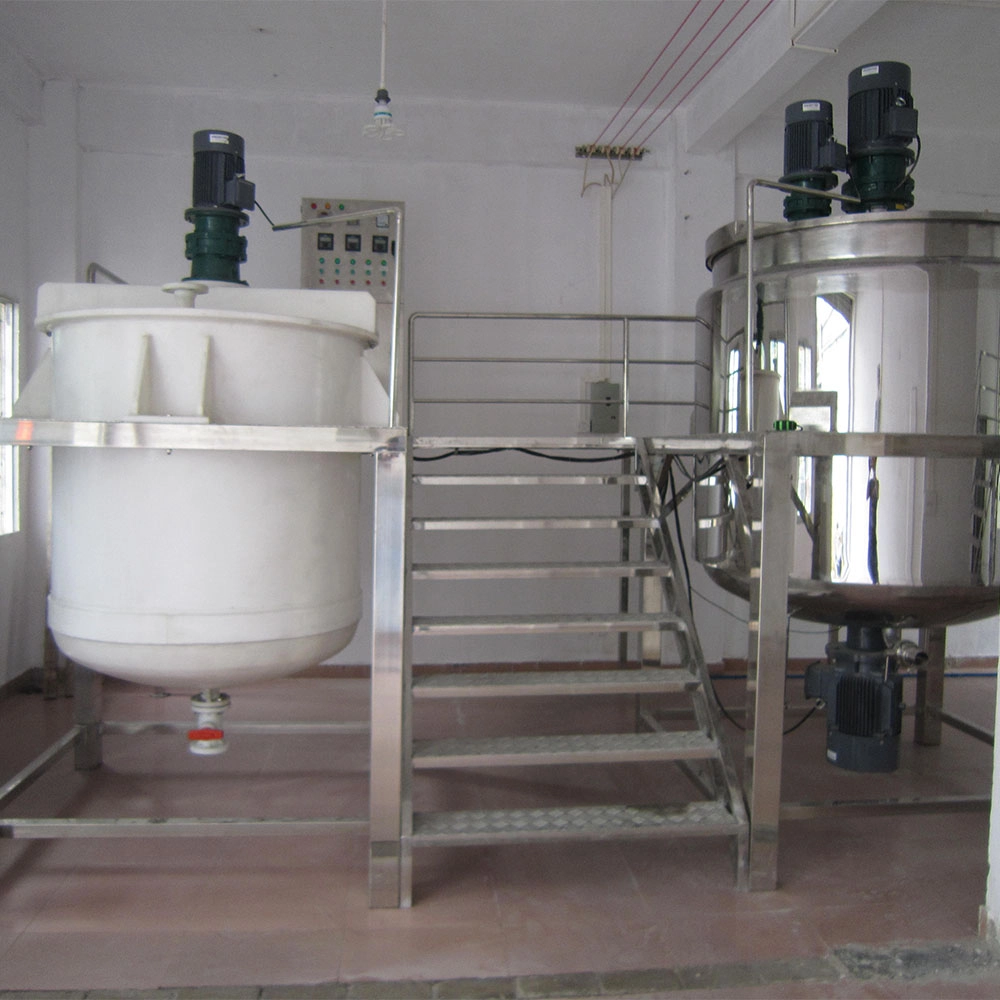
Polypropylene (PP) Mixing Tank — Anti-Corrosion Agitator Vessel for Cosmetic Production
Automated vs Manual Perfume Making Machines: Pros and Cons
You May Also Like
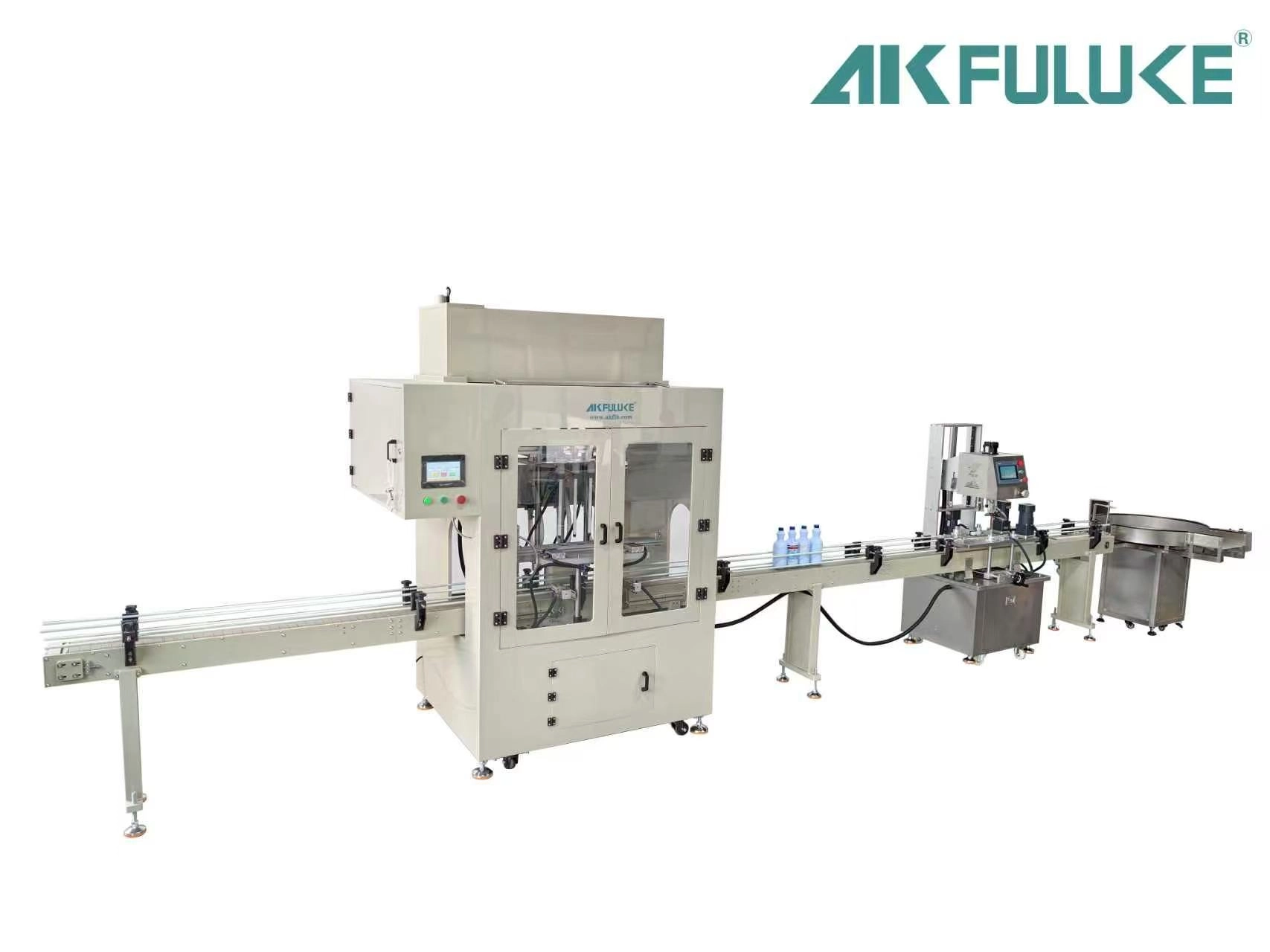
Automatic Acid Chemical Plastic Bottle Capping Anti Corrosion Bleach Filling Machine
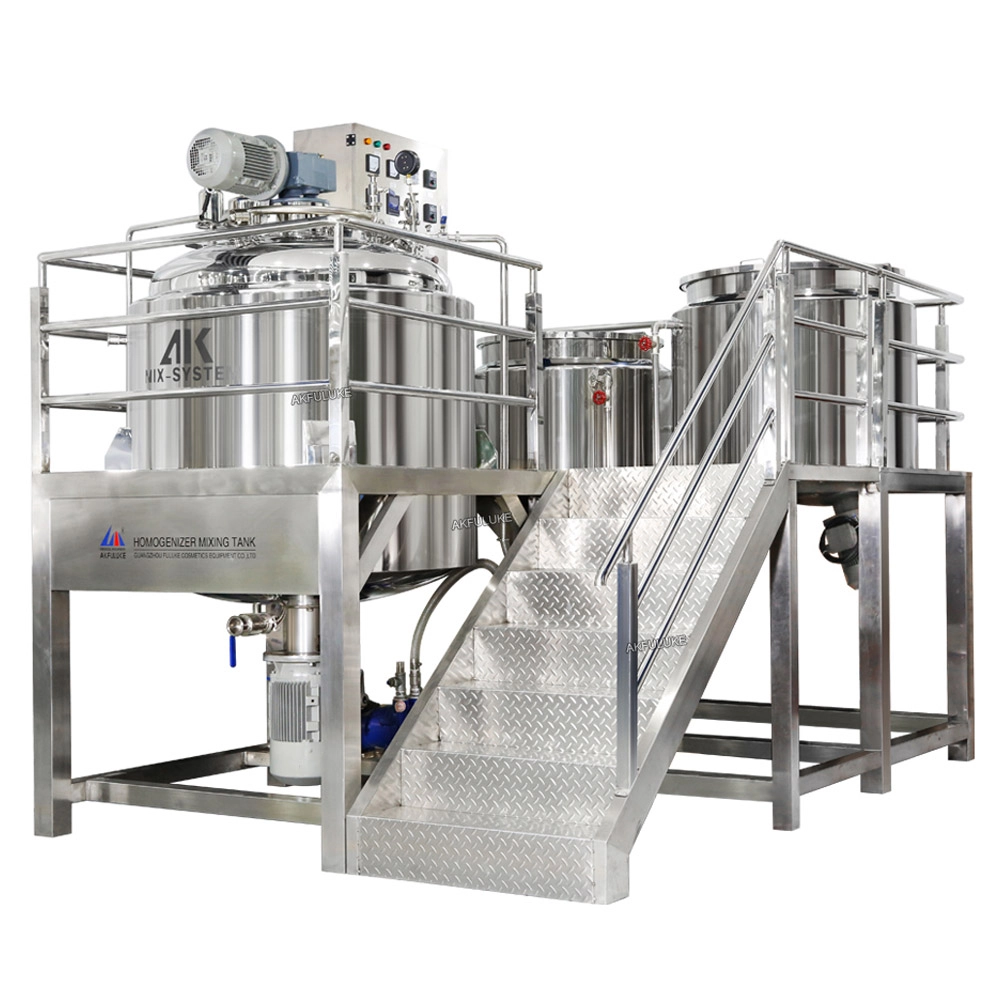
Fixed Type Vacuum Mixing Emulsifying Equipment for Cosmetic Cream Ointment Lotion Vacuum Homogenizer Mixer
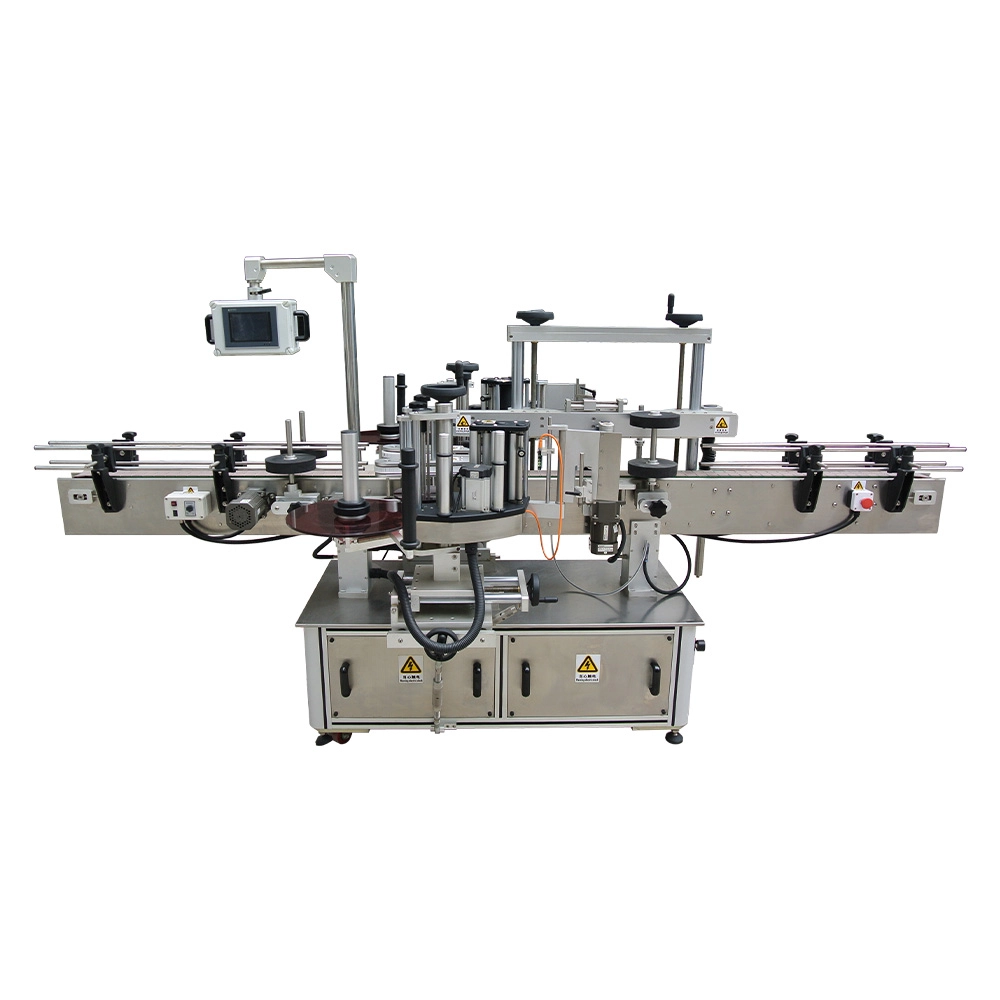
Automatic Labeling Machine Best Selling Automatic Tabletop Flat Surface Labeling Machine Round and Flat Bottle Automatic Labeler Machine
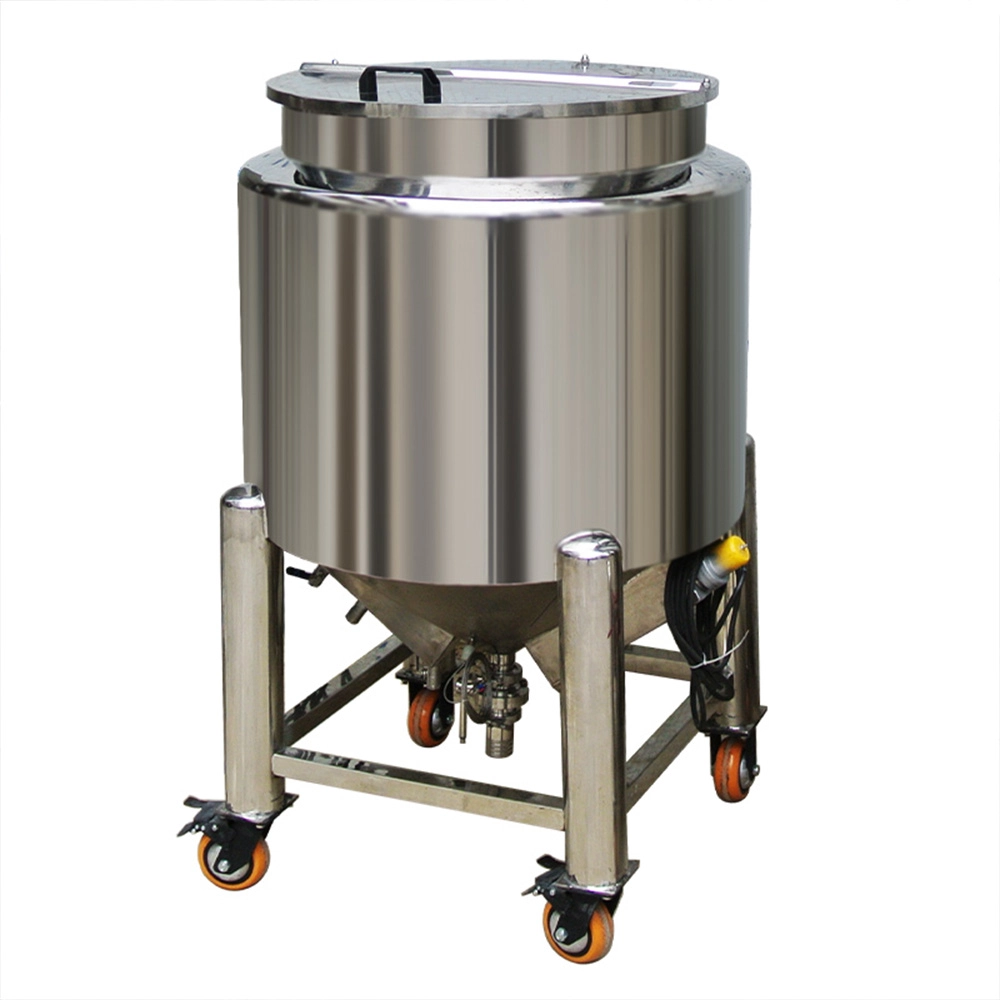
Storage Tank Mobile Fixed Chemical Liquid Storage Tank for Cosmetic, Perfume Food Grade Storage Tank Sealed Open Container
Get in touch with FULUKE
If you have any comments or good suggestions, please leave us a message, later our professional staff will contact you as soon as possible.

A leading manufacturer specializing in advanced machinery and complete production lines for the cosmetics, food, pharmaceutical, and chemical industries worldwide.
Contact FULUKE
Facebook
Instagram
YouTube