
Top 8 Cartridge Filling Machines for Cosmetics in 2026
- Understanding modern cartridge filling needs
- Why the right cartridge filling machine matters
- Key specifications and acceptance criteria
- How filling technology types differ
- Top 8 cartridge filling machines for cosmetics in 2026
- Selection methodology and evaluation criteria
- Comparison table: Top 8 cartridge filling machines
- Detailed recommendations per use case
- Selecting the right cartridge filling machine for your line
- Scale, layout and modularity
- Product compatibility and hygiene
- Automation, traceability and validation
- Why FULUKE stands out and how I recommend integrating their systems
- FULUKE’s capabilities and product scope
- Competitive differentiators
- How to engage FULUKE for a cartridge filling project
- Validation, lifecycle costs and future-proofing
- Validation essentials I require
- Total cost of ownership (TCO) and service network
- Technology trends to watch
- FAQ
- Q1: What is the best cartridge filling machine for high-viscosity creams?
- Q2: How do I test accuracy of a cartridge filling machine?
- Q3: Can I use the same machine for creams and serums?
- Q4: What regulatory documentation should the vendor provide?
- Q5: How do I minimize product waste during changeovers?
- Q6: How long does commissioning typically take?
- Contact & next steps
I write from three decades of hands-on experience in formulation, equipment selection, factory validation and packaging line optimization. In this article I compare and recommend the top 8 cartridge filling machines for cosmetics in 2026, showing how throughput, dose accuracy, product viscosity range, sanitation design and regulatory compliance (GMP/ISO/FDA) determine the best choice for your production needs. I also explain how to evaluate machines against real factory constraints and introduce FULUKE’s end-to-end solutions for manufacturers seeking turnkey systems. For regulatory context, see the FDA cosmetics overview: https://www.fda.gov/cosmetics and ISO cosmetics GMP guidance: https://www.iso.org/standard/36437.html.
Understanding modern cartridge filling needs
Why the right cartridge filling machine matters
Choosing the correct cartridge filling machine directly affects product yield, batch consistency and regulatory traceability. A mis-specified machine creates bottlenecks, leads to rework from incorrect fills, and increases contamination risk when cleanability is poor. I’ve seen lines where a marginally cheaper filler cost twice in downtime and validation hours.
Key specifications and acceptance criteria
When I evaluate a cartridge filling machine I prioritize: dose accuracy (typically ±0.5–1.5% for cosmetic creams), cycle speed (units/min), compatibility with viscosities up to 200,000 mPa·s for heavy creams, CIP/SIP capability, sanitary design (tri-clamp, 316L contact parts), and automation integration (PLC/SCADA). For hygiene and GMP alignment, manufacturers and buyers reference standards such as ISO 22716 and FDA guidelines (ISO, FDA).
How filling technology types differ
Cartridge filling machine types include piston/positive displacement, peristaltic, gear pumps with servo dosing, and gravity/overflow for low-viscosity gels. For most cosmetic creams and lotions I recommend precision piston or servo-driven pump systems because they balance speed and accuracy while handling shear-sensitive emulsions with minimal aeration.
Top 8 cartridge filling machines for cosmetics in 2026
Selection methodology and evaluation criteria
My shortlist derives from machine reliability, uptime in production environments, available sanitary features, vendor service footprint, and independent references. I scored machines across five weighted categories: accuracy (30%), throughput (20%), sanitary design (20%), automation & integration (15%), and total cost of ownership & service (15%). I validated claims against available product literature and field reports where possible (see general filler technologies: Wikipedia - Filling machine).
Comparison table: Top 8 cartridge filling machines
Below is a compact comparison; values are typical ranges or manufacturer-stated bands—always confirm with factory acceptance tests (FAT) for your specific product.
| Rank | Model / Vendor | Throughput (units/min) | Typical Accuracy | Best for | Notes |
|---|---|---|---|---|---|
| 1 | FULUKE FLK-C Series (FULUKE) | 20–120 | ±0.5–1.0% | Creams, lotions, high-viscosity emulsions | Vacuum emulsifying integration; GMP-ready; tailored automation |
| 2 | Syntegon / Bosch style servo piston filler | 30–200 | ±0.5–1.0% | High-speed cartridge & tube filling | Proven in pharma/cosmetics; strong uptime |
| 3 | IMA/Marchesini compact cartridge filler | 15–150 | ±0.8–1.5% | High Quality skincare, perfumes & gels | Excellent format changeover |
| 4 | Regional OEM servo pump filler | 10–100 | ±1.0–1.5% | SME brands, flexible batches | Lower capital, needs stricter calibration |
| 5 | Peristaltic-based cartridge filler | 5–60 | ±1.0–2.0% | Shear-sensitive serums, fragrances | Low contamination risk, limited speed |
| 6 | Rotary multi-head piston filler | 80–400 | ±0.5–1.0% | High-volume cartridge/ tube lines | Higher footprint, excellent throughput |
| 7 | Inline gear pump filler (servo-controlled) | 20–200 | ±0.8–1.5% | Lotions, body creams | Good for abrasive/filled products |
| 8 | Simple gravity/overflow filler | 10–120 | ±1.5–3.0% | Low-viscosity gels & aqueous serums | Low cost; limited to low-viscosity products |
Note: Throughput and accuracy are indicative. Vendors typically provide site-specific FAT documentation to establish guaranteed metrics under defined conditions.
Detailed recommendations per use case
For High Quality creams and high-viscosity emulsions I prefer piston or vacuum-assisted piston cartridge filling machine designs that reduce air entrapment and ensure repeatable dosing. For fragrance gels and serums where shear must be minimized, peristaltic or low-shear gear pump solutions work better.
Selecting the right cartridge filling machine for your line
Scale, layout and modularity
Ask yourself: is this machine for R&D/small batches or full-scale production? A rotary multi-head piston filler is great for high throughput but requires significant floor space and upstream material handling. I often recommend modular fillers that can be upgraded (additional heads, automation) so you match CAPEX with growth.
Product compatibility and hygiene
Verify wetted parts (316L stainless), surface finish (≤0.8 μm where required), clean-in-place (CIP) or manual cleanability, and compatibility with CIP chemistries. If you produce SPF or preservative-free formulations, emphasize sterile-compatible interfaces and validated cleaning protocols aligned with ISO/GMP guidance (ISO).
Automation, traceability and validation
Modern cartridge filling machine controls support recipe management, batch traceability, and OEE monitoring. Ensure PLCs support data export for electronic batch records and 21 CFR Part 11-compliant audit trails if you also service regulated products. For validation, require vendor-supplied IQ/OQ/PQ protocols and participate in FAT/SAT. The FDA highlights the importance of manufacturing controls for cosmetics: FDA Cosmetics.
Why FULUKE stands out and how I recommend integrating their systems
FULUKE’s capabilities and product scope
FULUKE (Guangzhou Fuluke Cosmetic Equipment Co., Ltd.) is a global manufacturer with over 30 years’ experience. They specialize in vacuum emulsifying mixers and provide complete packaging lines including filling and sealing machines. When I evaluate FULUKE’s cartridge filling machine offerings I note their integration strengths: they supply mixing, emulsifying, homogenization, filling, and final packaging—helpful when you require matched process history across the line. Learn more on their official site: https://www.fulukemix.com.
Competitive differentiators
FULUKE combines engineering design, precision machining, automation control and strict quality management to meet GMP and ISO standards. Their turnkey approach—ingredient prep to final labeling—reduces integration risks and simplifies validation. They offer intelligent control upgrades and ongoing service, which I consider crucial for minimizing downtime and protecting batch traceability.
How to engage FULUKE for a cartridge filling project
If you want a tailored cartridge filling machine with upstream vacuum emulsifying capability or an integrated packaging line, contact FULUKE for a site survey and ROI-focused proposal. Typical engagements include process mapping, FAT, on-site commissioning and long-term maintenance contracts. Contact: flk09@gzflk.com.
Validation, lifecycle costs and future-proofing
Validation essentials I require
For any cartridge filling machine I require vendor-supplied IQ/OQ/PQ protocols, sample traceability procedures, and FAT reports. Perform on-site production qualification with your standard formulations to confirm volumetric accuracy, speed, and cleanability. If ingredients are shear-sensitive, include texture and stability endpoints in PQ.
Total cost of ownership (TCO) and service network
TCO includes parts, spares, calibration, downtime risk, and software licenses. I advise calculating cost per filled unit over a five-year horizon under expected uptime. Vendors with global service networks or local certified partners (FULUKE offers global service) consistently reduce TCO by enabling faster repairs and better preventive maintenance.
Technology trends to watch
In 2026 I see increasing uptake of intelligent dosing with predictive maintenance, servo-driven multi-product recipes, and hygienic quick-change systems for rapid SKU transitions. Machines that enable remote diagnostics and integrate with MES/ERP systems will be standard for mid-sized and larger manufacturers.
FAQ
Q1: What is the best cartridge filling machine for high-viscosity creams?
A: For high-viscosity creams I favor piston or vacuum-assisted piston cartridge filling machine designs that provide positive displacement dosing, minimize air entrapment, and enable accurate filling at lower shear.
Q2: How do I test accuracy of a cartridge filling machine?
A: Conduct FAT using production formulations across full weight ranges. Measure mean fill, standard deviation and percent out-of-tolerance per your quality plan (commonly ±1% for High Quality cosmetics). Maintain raw data and control charts for trend analysis.
Q3: Can I use the same machine for creams and serums?
A: It is possible but depends on the filler’s pump type, CIP capability, and changeover design. Multi-product lines require validated clean procedures and may need different pump modules (e.g., gear pumps vs peristaltic) to optimize performance.
Q4: What regulatory documentation should the vendor provide?
A: Ask for material certificates (316L stainless), surface finish verification, IQ/OQ/PQ protocols, FAT reports, and calibration certificates for dosing instruments. Align documentation with ISO/GMP expectations: ISO GMP.
Q5: How do I minimize product waste during changeovers?
A: Use low-dead-volume piping, quick-disconnect modules, automated purge sequences, and validated drain/CIP routines. Plan batch sizes and sequencing to reduce the number of SKU changeovers during a production day.
Q6: How long does commissioning typically take?
A: Commissioning varies by complexity—single machine lines can be commissioned in days, while fully integrated turnkey lines with emulsifiers, homogenizers and packaging may take several weeks including IQ/OQ/PQ and operator training.
Contact & next steps
If you’d like a tailored recommendation for a cartridge filling machine, FAT templates, or a quotation for integrated mixing and filling lines, I recommend starting with a process map and target output. For turnkey systems and fast technical response, contact FULUKE: https://www.fulukemix.com or email flk09@gzflk.com. FULUKE’s main products include Filling machine, Multifunctional mixing tank, Perfume making equipment, Vacuum emulsifying machine, and RO water treatment. Their integrated engineering, machining and automation competence makes them a credible partner for cosmetic manufacturers seeking GMP/ISO-compliant solutions.
References: Wikipedia on filling machines (https://en.wikipedia.org/wiki/Filling_machine), ISO standards (https://www.iso.org/standard/36437.html), FDA cosmetics guidance (https://www.fda.gov/cosmetics).
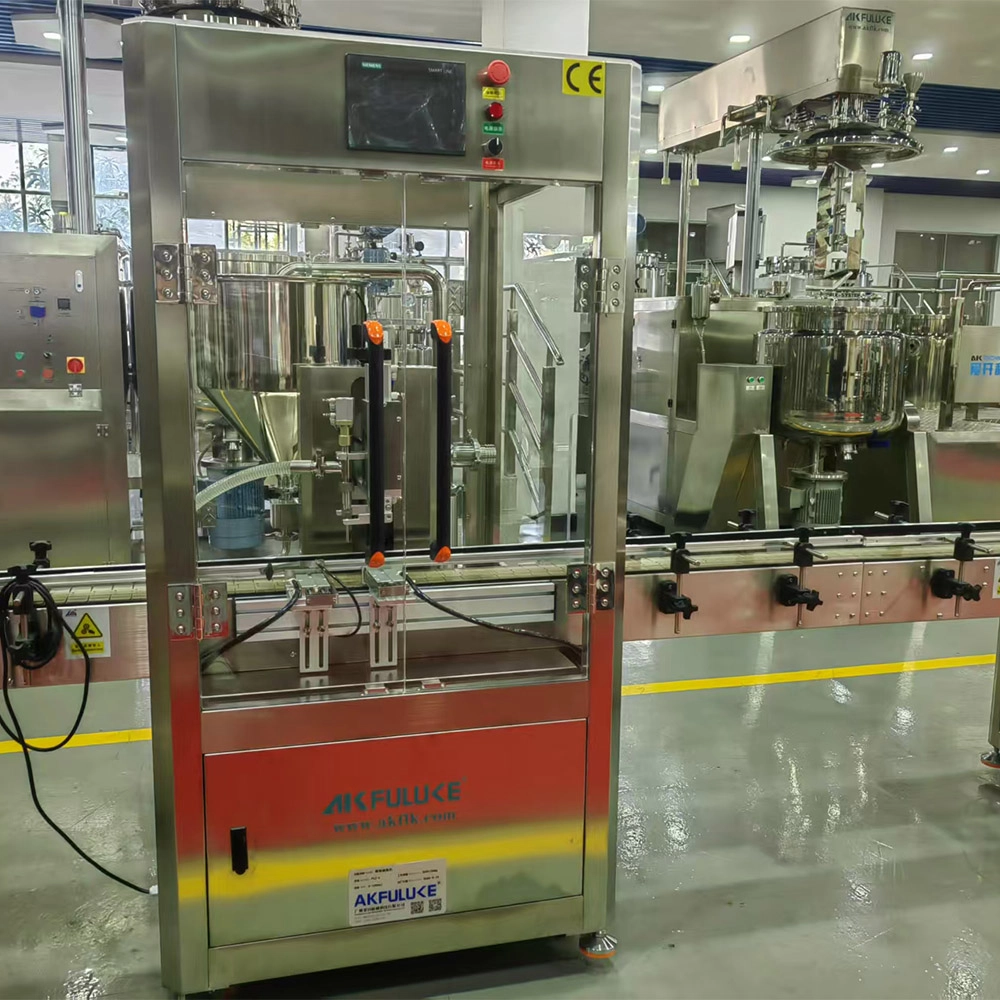
Training Staff to Operate High-Precision Fillers
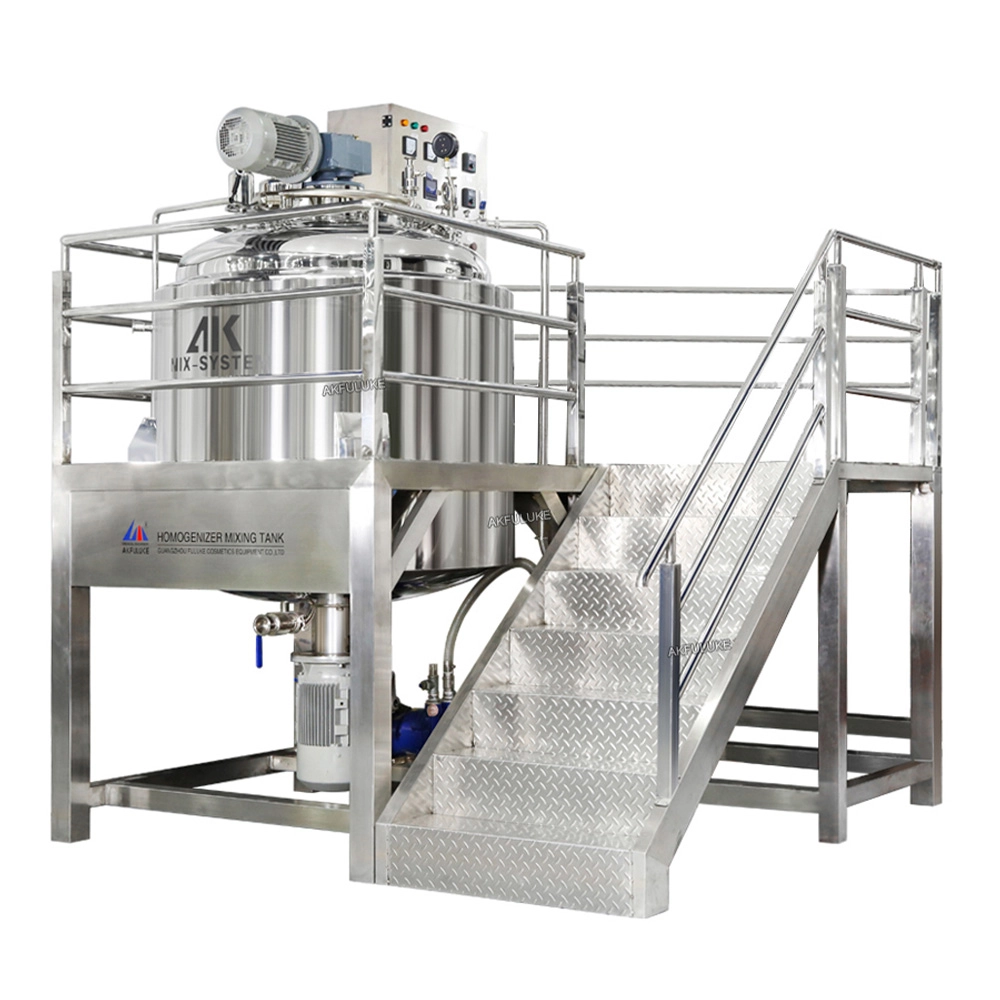
The Ultimate Guide to High-Performance Liquid Mixing and Homogenization in Cosmetic Manufacturing
Scale-Up Tips: From Lab Reactor to Industrial Mixing Tank
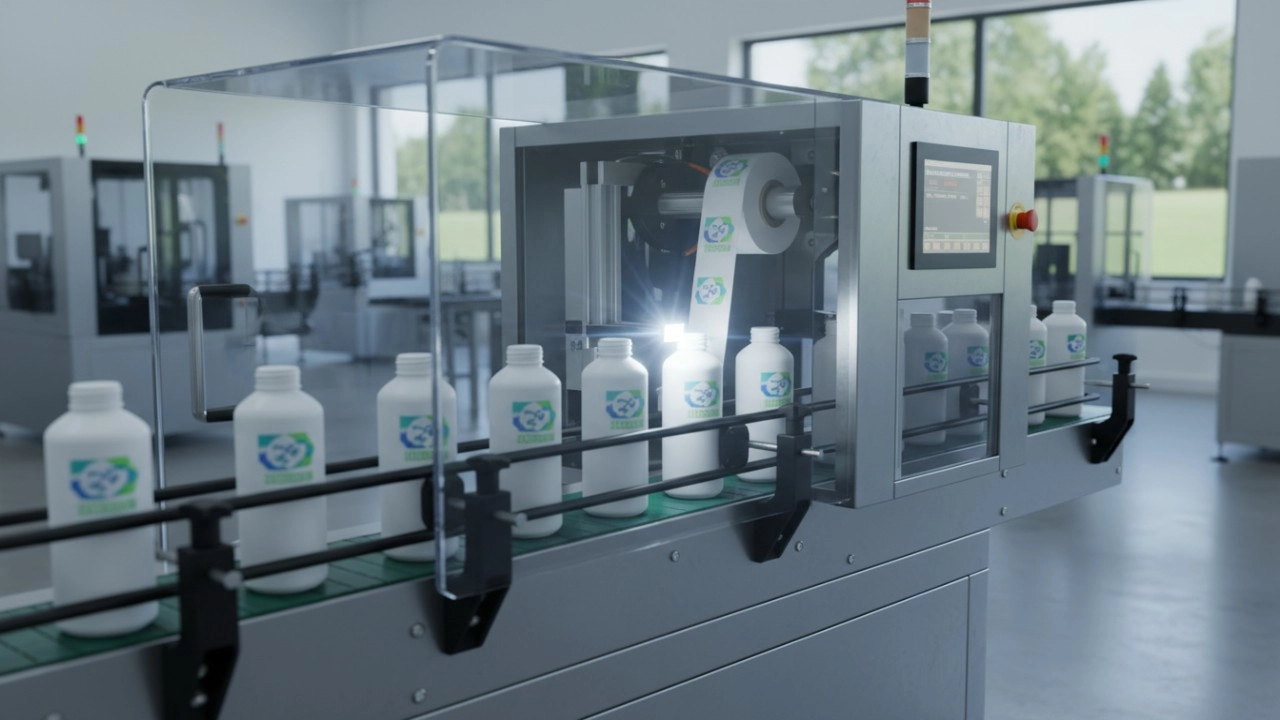
The Definitive Guide to Automatic Labeling Machines: 2026 Performance & Buying Strategies
You May Also Like
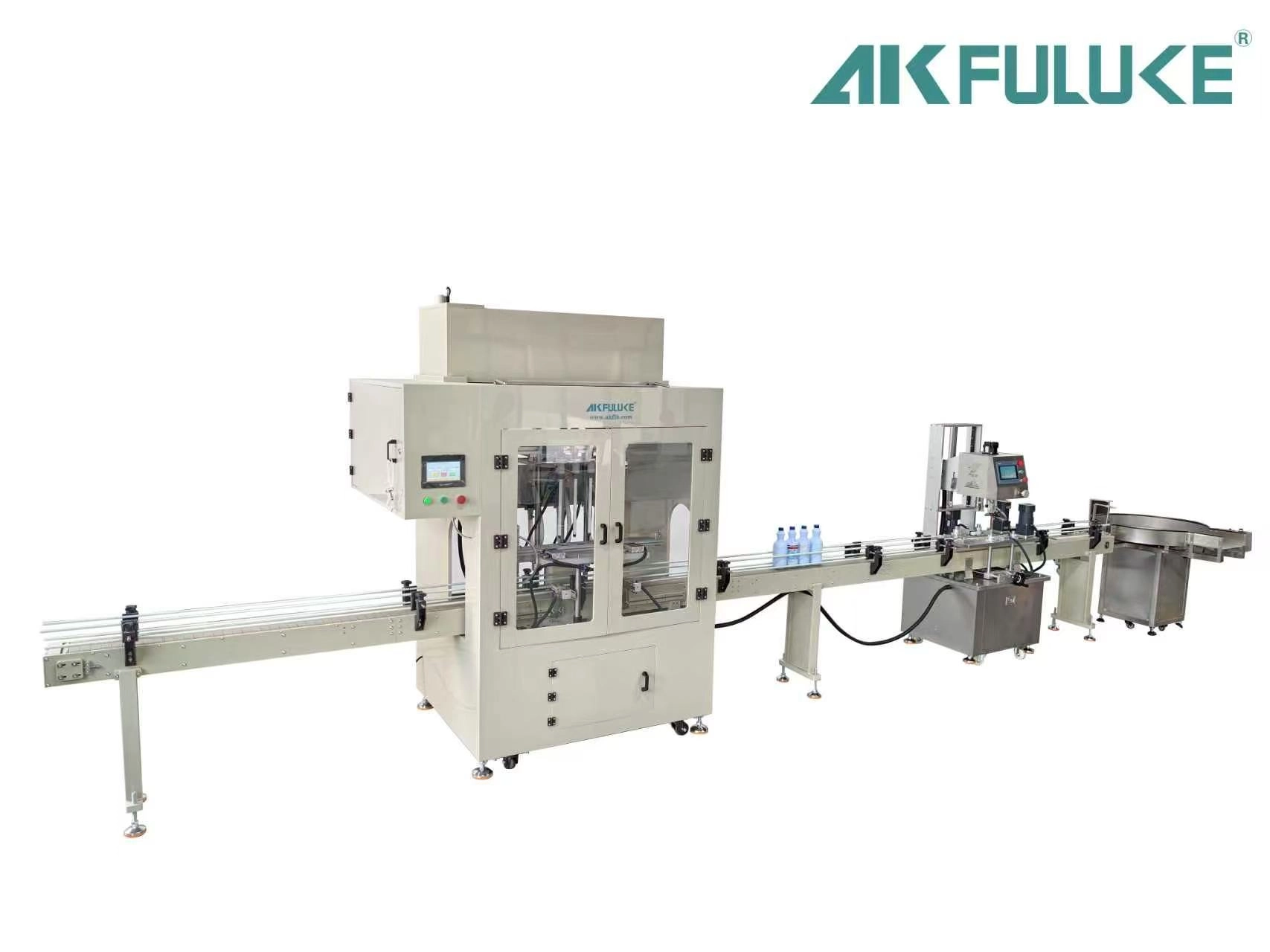
Automatic Acid Chemical Plastic Bottle Capping Anti Corrosion Bleach Filling Machine
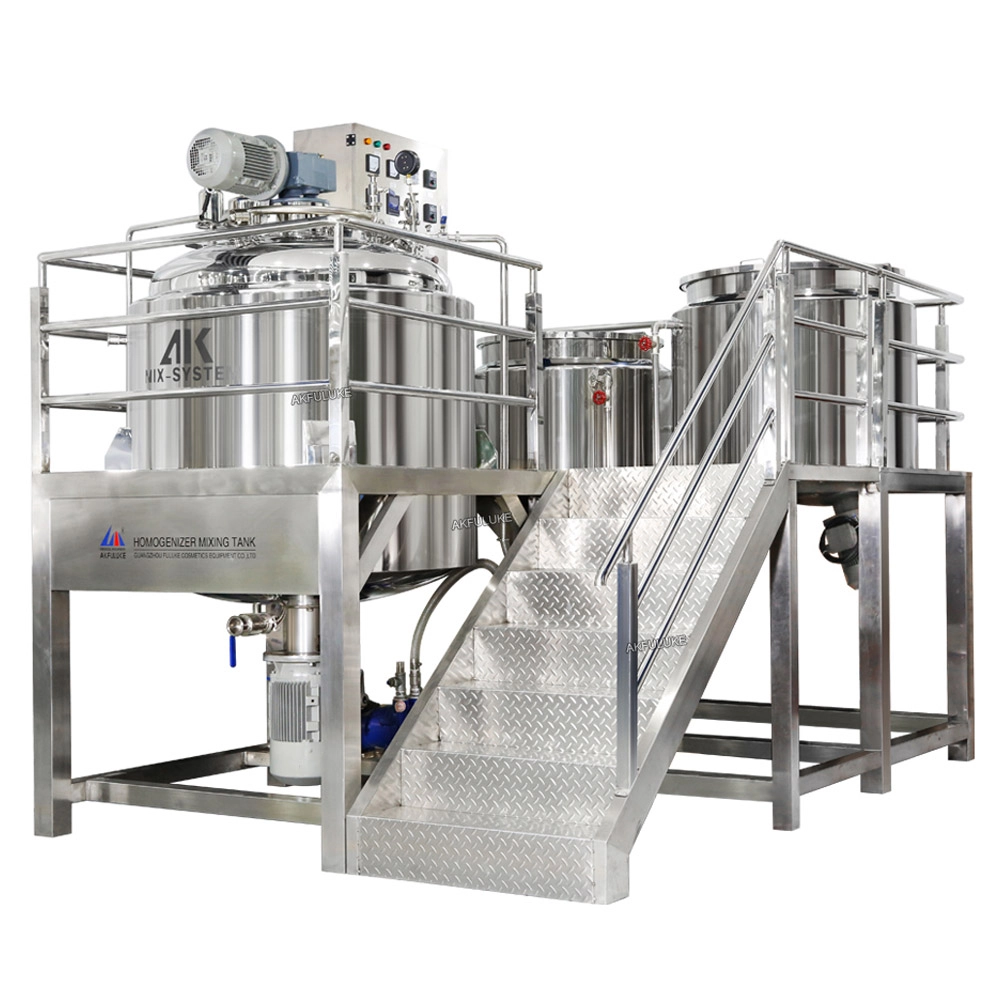
Fixed Type Vacuum Mixing Emulsifying Equipment for Cosmetic Cream Ointment Lotion Vacuum Homogenizer Mixer
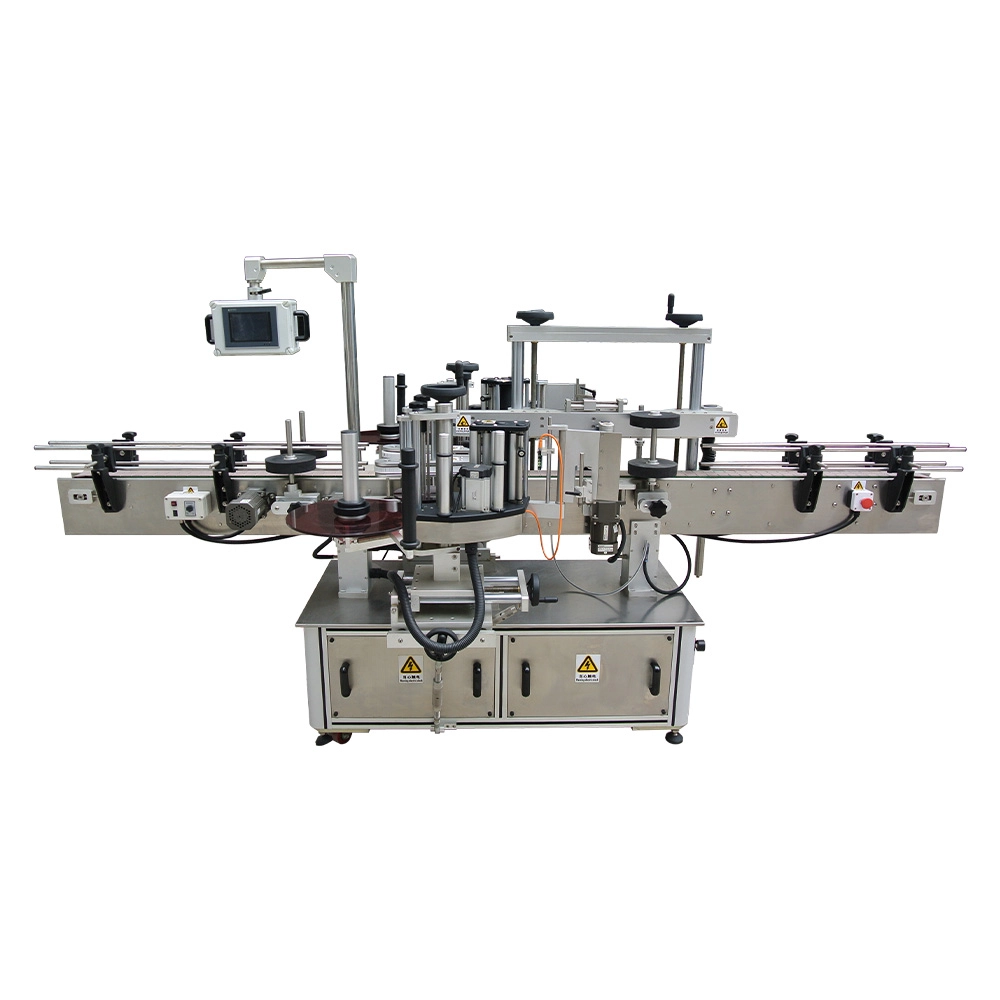
Automatic Labeling Machine Best Selling Automatic Tabletop Flat Surface Labeling Machine Round and Flat Bottle Automatic Labeler Machine
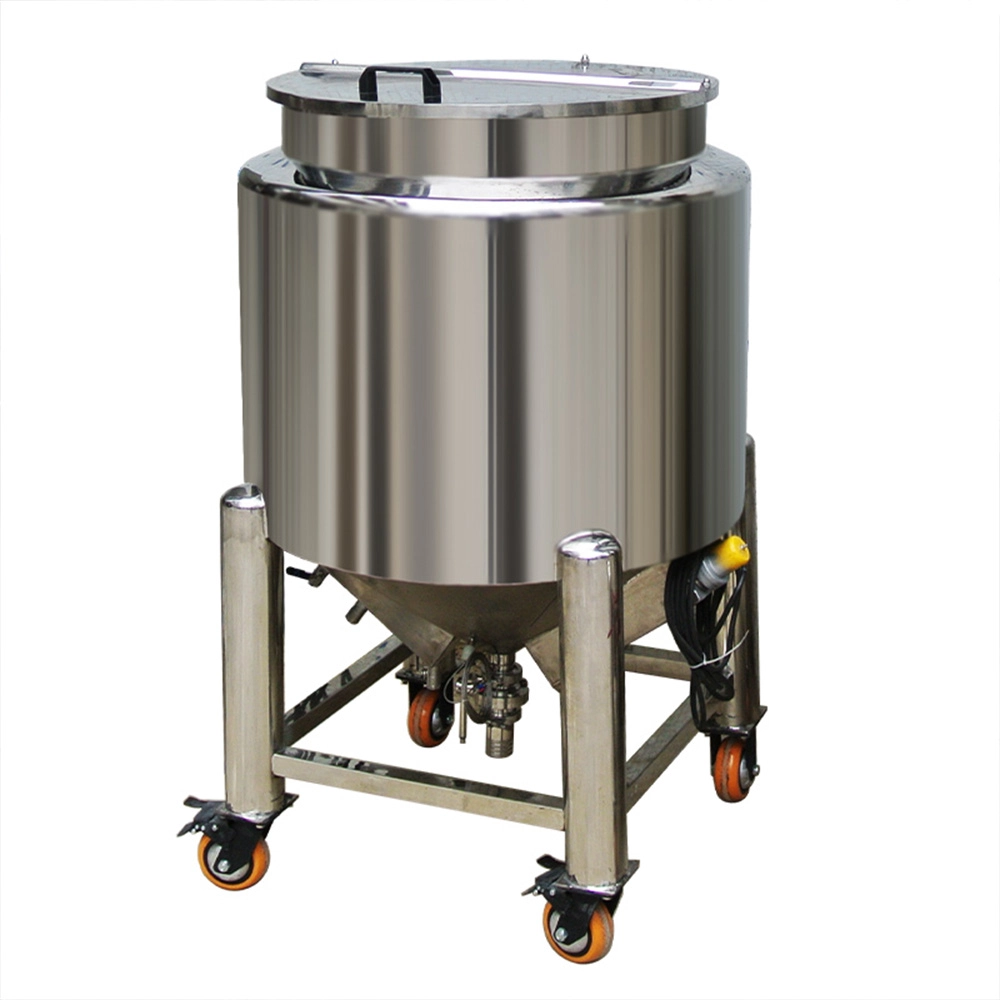
Storage Tank Mobile Fixed Chemical Liquid Storage Tank for Cosmetic, Perfume Food Grade Storage Tank Sealed Open Container
Get in touch with FULUKE
If you have any comments or good suggestions, please leave us a message, later our professional staff will contact you as soon as possible.

A leading manufacturer specializing in advanced machinery and complete production lines for the cosmetics, food, pharmaceutical, and chemical industries worldwide.
Contact FULUKE
Facebook
Instagram
YouTube