
Application of Vacuum Emulsifiers in Cosmetics Production: How Are Creams, Lotions, and Serums Produced?
As the cosmetics industry shifts toward high quality, high stability, and automated production, vacuum emulsifiers have become core equipment for manufacturing products such as face creams, lotions, serums, skincare creams, and body lotions. Compared to standard mixing equipment, vacuum emulsifiers integrate functions such as vacuum processing, heating, mixing, homogenization/emulsification, cooling, and automatic control. These capabilities help cosmetics manufacturers enhance emulsification efficiency, improve product texture and smoothness, and minimize air bubble formation during production.
How exactly are face creams, lotions, and serums produced using vacuum emulsifiers? What are the specific requirements for homogenization, mixing, vacuum levels, and temperature control for these different cosmetic products? This article provides a detailed overview covering production principles, equipment structure, specific manufacturing workflows, processing techniques for various products, equipment selection, and automation configurations, serving as a reference for cosmetics factories looking to select vacuum emulsification equipment.
I.Why is a vacuum emulsifier needed for cosmetics production?
Many skincare products involve more than just simply mixing a few raw materials together.
For instance, creams and lotions typically contain a variety of ingredients, such as water phases, oil phases, emulsifiers, thickeners, and active ingredients. These materials differ significantly in their physical properties; relying solely on standard mixing methods can easily lead to issues such as:
Oil-water separation
Incomplete emulsification
Coarse product texture
Insufficient product stability
Excessive air bubble formation during mixing
Poor batch-to-batch consistency
Vacuum emulsifiers combine mixing with high-speed homogenization to ensure thorough dispersion and emulsification of materials, while simultaneously using a vacuum system to reduce the air content within the product.
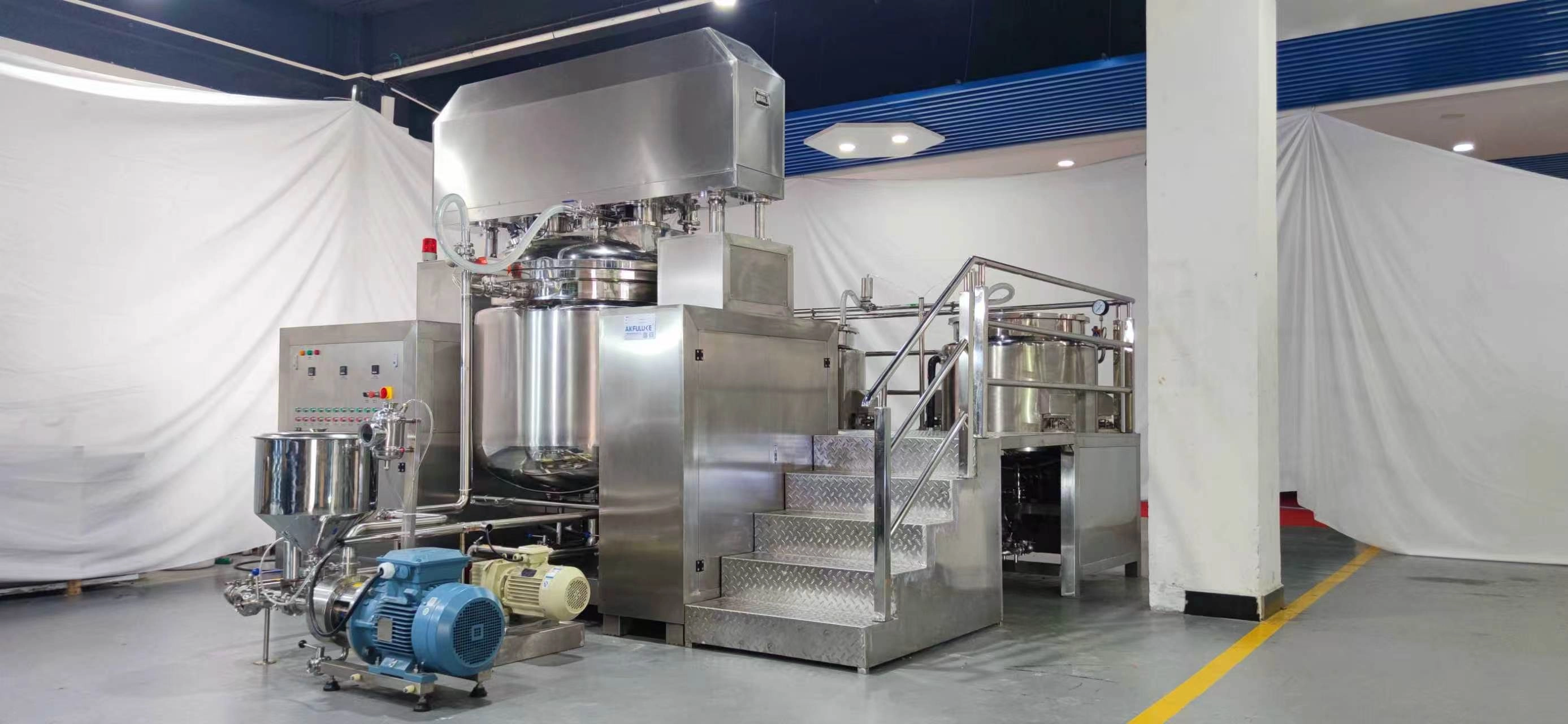
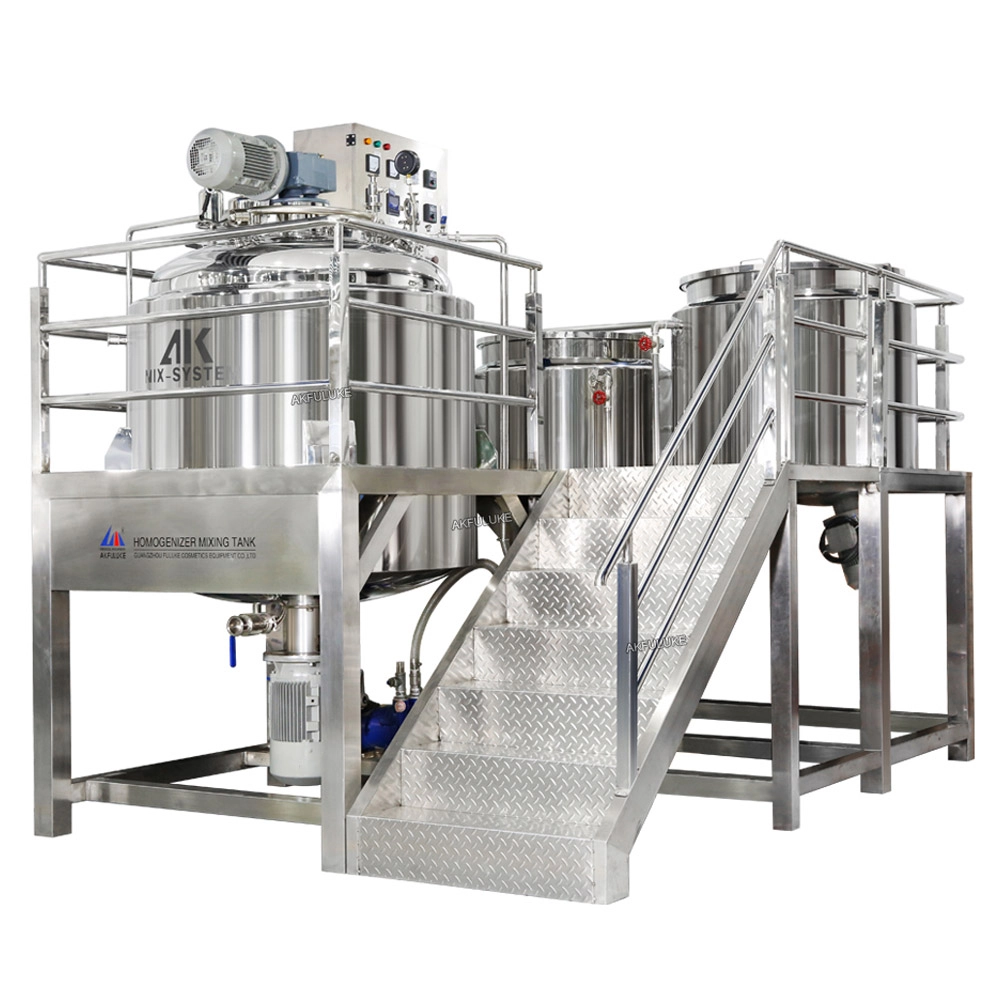
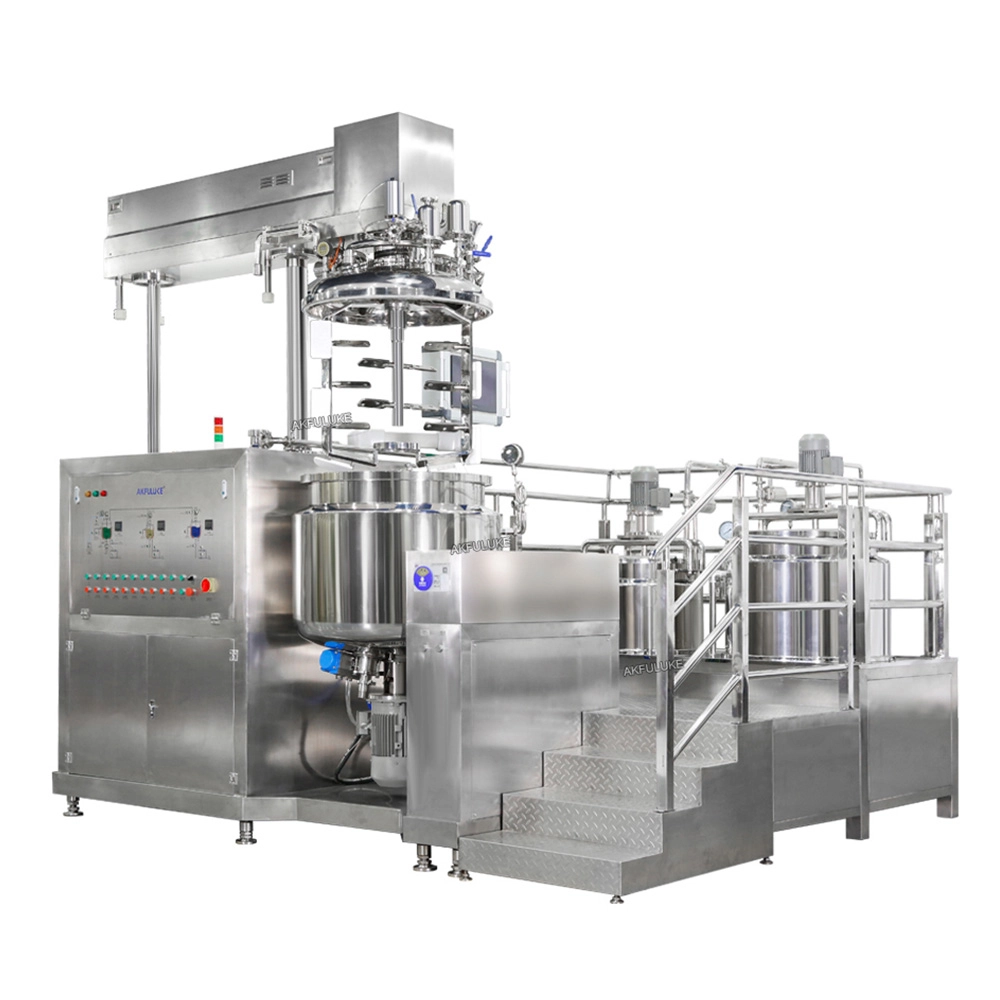
A typical vacuum emulsification production system generally comprises:
Water phase vessel + Oil phase vessel + Main emulsification vessel + Vacuum system + Homogenization system + Mixing system + Heating system + Cooling system + Control system.
Equipment can be customized based on the specific formula, viscosity, production scale, and process requirements of different products.
II. How does a vacuum emulsifier work?
The working process of a vacuum emulsifier can be summarized as follows:
Raw material pretreatment → Heating of water/oil phases → Vacuum suction → Mixing/blending → High-speed homogenization → Vacuum degassing → Cooling → Addition of heat-sensitive ingredients → Discharge.
While specific process parameters vary by product, the fundamental production logic remains similar.
1. Pretreatment of water and oil phases
When producing emulsions and creams, water-soluble ingredients are charged into the water-phase vessel, while oils and oil-soluble ingredients go into the oil-phase vessel.
Independent heating systems allow both phases to be heated to the temperatures required by the process.
This improves the fluidity of the raw materials and establishes optimal conditions for the subsequent emulsification stage.
2. Transfer of materials to the main emulsification vessel
The pretreated water and oil phases are transferred into the main emulsification vessel in accordance with the formulation and process requirements.
The mixing system within the main vessel activates, creating a thorough, continuous circulation of the materials.
3. High-speed homogenization and emulsification
This is a critical step in the production process.
The homogenizer rotates at high speed, subjecting the materials to intense shear, dispersion, and turbulent forces. This breaks down large droplets into finer particles, creating a highly uniform emulsion of the oil and water phases.
The structure, power, and rotational speed of the homogenization system are selected based on the specific characteristics of the product.
4. Vacuum degassing
Activating the vacuum system during emulsification lowers the internal pressure of the vessel, helping to remove air and eliminate bubbles from the product.
For high-end skincare products, appearance, texture, and stability are paramount; consequently, vacuum degassing is a vital function of the equipment.
5. Cooling and post-addition
Once the primary emulsification process is complete, the product enters the cooling phase.
Certain ingredients—such as fragrances, active agents, and preservative systems—are heat-sensitive and must be added at the appropriate temperature stage as specified by the formulation.
After passing quality inspections, the finished product proceeds to storage, filling, and packaging.
III. How is face cream produced using a vacuum emulsifying machine?
Face cream is a typical emulsion-based skincare product.
It is generally characterized by high viscosity and a rich texture, requiring a high degree of smoothness, stability, and a pleasant skin feel.
The typical production process can be summarized as follows:
Preparation of the water phase → Preparation of the oil phase → Mixing of the two phases → Vacuum homogenization and emulsification → Stirring while maintaining temperature → Cooling → Addition of heat-sensitive ingredients → Vacuum degassing → Discharge.
Step 1: Preparation of the water phase
Add purified water, humectants, water-soluble thickeners, and other ingredients to the water phase vessel according to the formula.
Heat and stir to ensure the raw materials are fully dissolved and dispersed.
Step 2: Preparation of the oil phase
Add oils/fats, emulsifiers, and other oil-soluble ingredients to the oil phase vessel.
Apply heat to fully melt solid fats or other high-melting-point raw materials.
Step 3: Transfer to the main emulsification vessel
Once the water and oil phases meet process requirements, transfer both phases to the main emulsification vessel.
Activate the main vessel's stirring system to thoroughly mix the materials.
Step 4: High-speed homogenization
Activate the homogenization system to subject the mixture to high-speed shearing and dispersion.
This stage directly determines the final smoothness, uniformity, and emulsification quality of the cream.
For high-viscosity creams, an appropriate bottom-mounted homogenization system or an external circulation homogenization system may be selected based on the specific material properties.
Step 5: Cooling and post-addition
Begin the cooling process after the primary emulsification is complete.
Once the material reaches the appropriate processing temperature, add ingredients such as fragrances and active agents according to the formula.
Finally, the product undergoes stirring, degassing, and quality inspection before being discharged.
IV. How are lotions produced?
Compared to creams, lotions typically have lower viscosity and better fluidity.
However, lotions still require effective emulsification; otherwise, issues such as phase separation, oil droplet formation, or reduced stability may occur during storage.
The typical production process is as follows:
Preparation of water phase → Preparation of oil phase → Mixing of phases → Homogenization and emulsification → Stirring → Cooling → Post-addition → Vacuum degassing → Discharge.
Key factors to control during lotion production include:
Temperature
Emulsifying only after the water and oil phases have reached the appropriate temperature helps improve emulsification results.
Homogenization time
Longer homogenization time is not necessarily better.
Insufficient time may lead to inadequate emulsification, while excessive time can increase energy consumption or negatively affect certain formulation systems.
Therefore, process testing should be conducted based on the specific product.
Stirring speed
Since lotions possess a certain degree of fluidity, the stirring speed must be matched to the material's characteristics.
Vacuum level
Appropriate vacuum conditions help minimize air bubbles during production and improve the visual quality of the finished product.
V. Do serums also require a vacuum emulsifier?
The answer depends on the specific formulation and product type of the serum.
Not all serums require the traditional vacuum emulsification process.
For instance, some water-based serums—typically transparent or translucent aqueous systems—may prioritize processes such as dissolution, dispersion, agitation, and gentle handling.
In contrast, products like emulsion-type serums or serum-lotions may require more intensive emulsification and homogenization processes.
Therefore, the choice of production equipment for serums must be determined based on the formulation.
If the serum product comprises an oil phase, an aqueous phase, and an emulsification system, a vacuum emulsifier can facilitate the creation of a stable, uniform emulsion through:
Vacuum mixing
High-speed homogenization
Agitation and dispersion
Temperature control
Vacuum deaeration
For serums containing special active ingredients, additional factors such as the temperature at which ingredients are added, shear intensity, and raw material stability must also be considered.
VI. How do equipment requirements differ for face creams, lotions, and serums?
| Product | Common Characteristics | Equipment Priorities |
| Face Cream | High viscosity, thick texture | Mixing, high-efficiency homogenization, wall scraping |
| Lotion | Good fluidity | Homogenization, mixing, temperature control |
| Emulsion Serum | Significant formulation variance | Mixing, homogenization, post-addition |
| Water-based Serum | High fluidity | Dissolution, dispersion, mixing, deaeration |
| High-end Skincare Cream | High requirement for smoothness | Vacuum processing, high-efficiency homogenization, precise temperature control |
This is why professional cosmetic equipment manufacturers typically design equipment based on a client's specific product formulations and processing requirements, rather than simply supplying the exact same vacuum emulsifier to every customer.
VII. How should the homogenization method for a vacuum emulsifier be selected?
This is a crucial question for cosmetics factories when selecting equipment.
Common configurations include bottom homogenization and external circulation homogenization.
Bottom Homogenization
The homogenizer is installed at the bottom of the main emulsification vessel.
Its advantages include a compact structure and a relatively small footprint, making it suitable for many standard products such as creams and lotions.
External Circulation Homogenization
The external circulation homogenizer is installed outside the main emulsification vessel.
Material flows from the bottom of the main vessel into the external circulation system, undergoes high-speed homogenization, and then returns to the main vessel.
This configuration enables continuous external circulation processing and is suitable for products requiring superior homogenization results, finer texture, and specific circulation processing capabilities.
How to choose?
If you are producing standard lotions or creams and are prioritizing equipment compactness and investment costs, bottom homogenization is a suitable option.
If your product demands high levels of emulsification fineness, uniformity, or circulation processing capability, external circulation homogenization should be prioritized.
The final choice should be based on the results of actual formulation testing.
VIII. Why do vacuum emulsifiers require a wall-scraping agitation system?
A wall-scraping agitation system is crucial for products such as high-viscosity creams and pastes.
As the viscosity of the material increases, standard agitation methods may fail to ensure adequate circulation of the material throughout the entire vessel.
The wall-scraping mechanism minimizes material accumulation on the vessel walls, ensuring that the material is more fully incorporated into the overall mixing process.
Additionally, wall-scraping agitation enhances heat transfer during heating and cooling operations.
Therefore, when manufacturing equipment for high-viscosity cosmetics, manufacturers typically design the agitation system by comprehensively considering the following factors:
Viscosity + Production capacity + Agitation speed + Vessel dimensions + Product characteristics
IX. How do vacuum emulsifiers help improve cosmetic production quality?
1. Improved emulsification uniformity
High-speed homogenization thoroughly disperses the oil and water phases, resulting in a more uniform emulsion system.
2. Reduced air bubbles
The vacuum environment minimizes the risk of air entrapment during production and facilitates product deaeration.
3. Enhanced product smoothness
An optimized homogenization process reduces the size of dispersed phase droplets, yielding a finer, smoother texture in the emulsion.
4. Improved batch consistency
Automated control systems allow for the programmed management of temperature, agitation, homogenization, and vacuum processes, helping to minimize variations caused by manual operation.
5. Increased production efficiency
The coordinated operation of the water phase vessel, oil phase vessel, and main emulsification vessel optimizes the overall production workflow and reduces unnecessary manual handling.
X. How is automation achieved in cosmetic vacuum emulsifiers?
Modern cosmetics factories are placing increasing emphasis on automated production.
Vacuum emulsifiers can be equipped with PLC control systems and touchscreen interfaces to meet specific production requirements.
Automated control systems enable the following functions:
Automatic temperature control
Automatic mixing control
Automatic homogenization control
Vacuum level control
Heating control
Cooling control
Production time control
Parameter display
Recipe program management
For large-scale cosmetics manufacturers, the equipment can be further integrated into a complete automated production line:
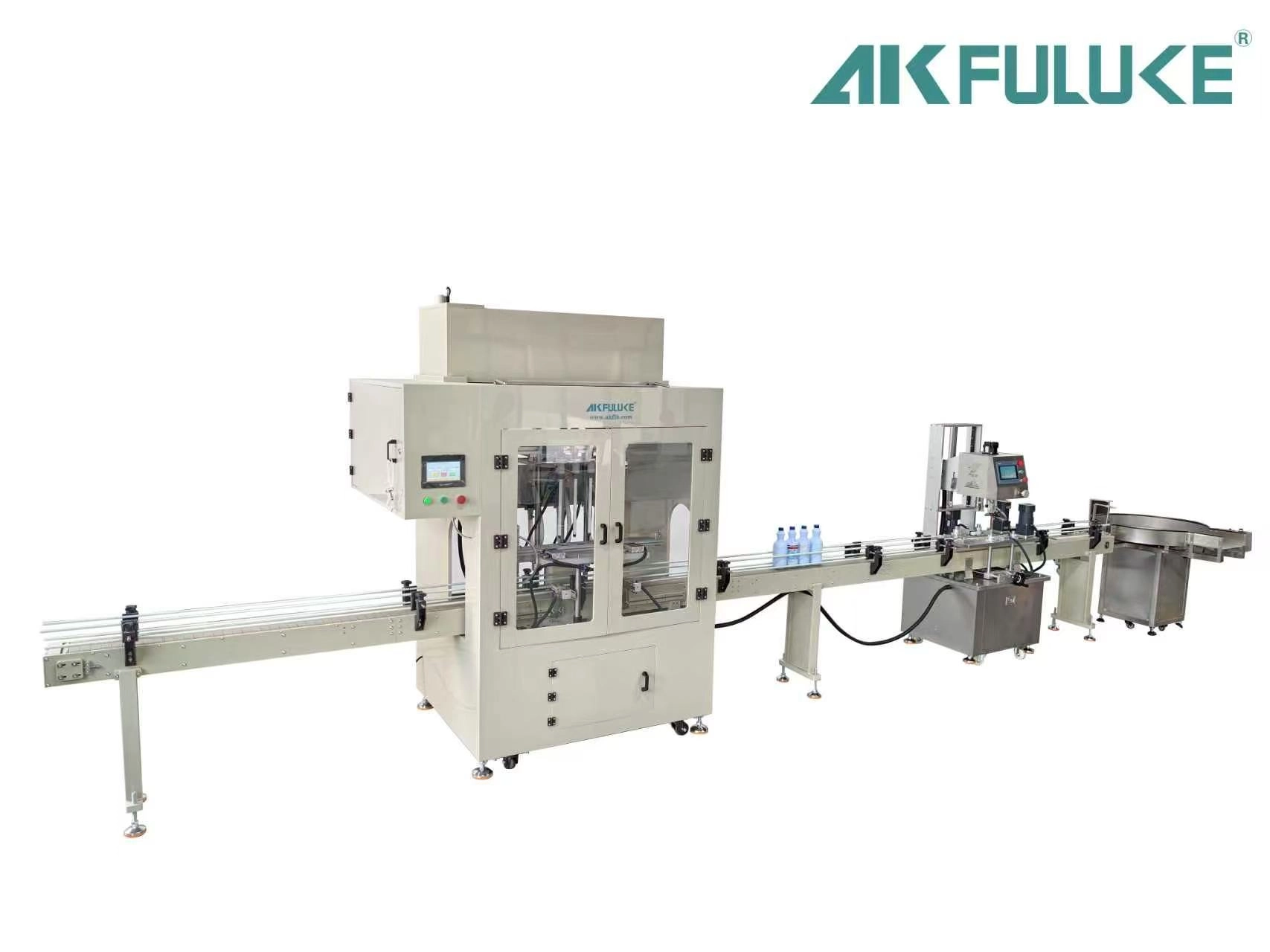
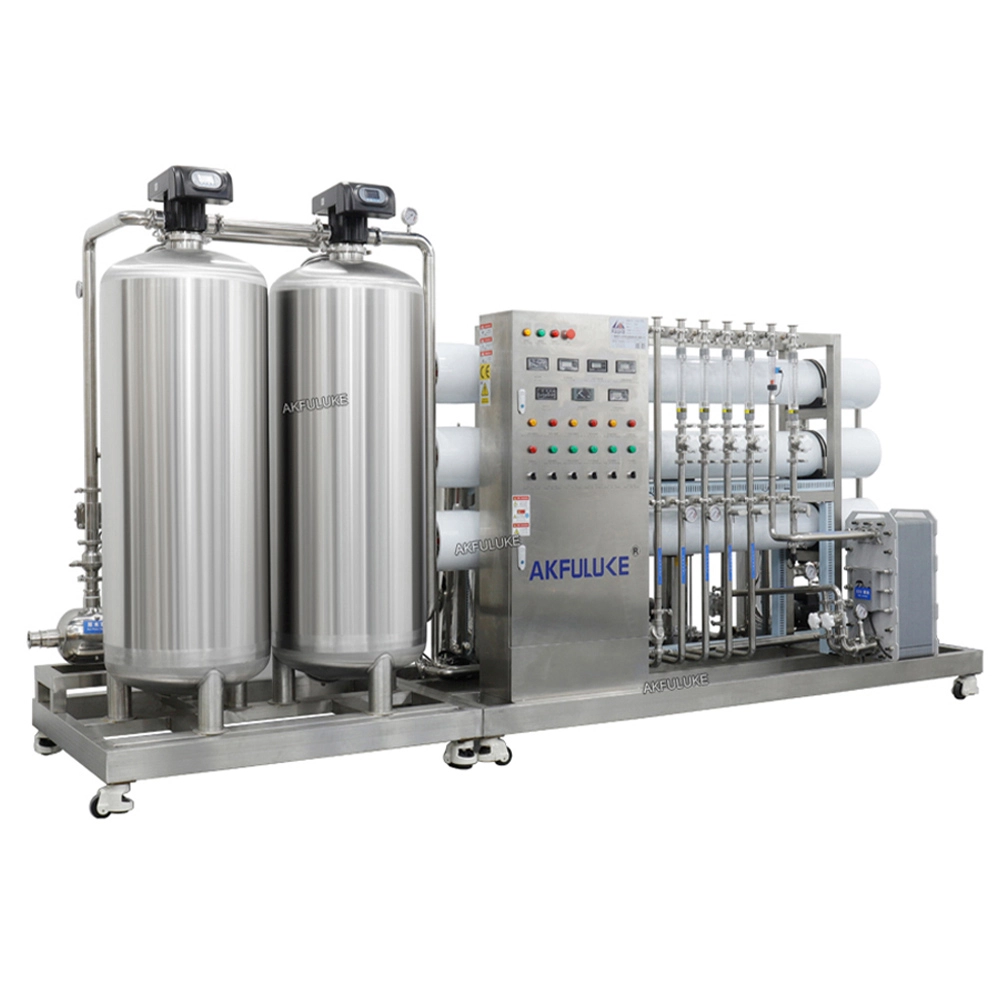
Purified water system → Ingredient dosing system → Vacuum emulsifier → Storage tank → Filling machine → Capping machine → Labeling machine
This allows for a gradual upgrade from standalone equipment operation to a comprehensive cosmetics production line solution.
Conclusion: The Vacuum Emulsifying Mixer is a Core Piece of Equipment in Cosmetics Manufacturing
While products range from face creams and lotions to emulsified serums, they all impose specific requirements regarding mixing, dispersion, homogenization, temperature control, and product stability.
By integrating functions such as vacuum processing, agitation, homogenization, heating, cooling, and automatic control, vacuum emulsifying mixers provide cosmetics manufacturers with stable and highly efficient emulsification solutions.
It is important to note that "bigger" (in terms of capacity) or "more powerful" (in terms of homogenization power) is not necessarily better. An appropriate vacuum emulsifying mixer should be customized based on the product formula, viscosity, production volume, emulsification requirements, and specific manufacturing processes.
If you are setting up a cosmetics factory or preparing to manufacture products such as face creams, lotions, serums, body lotions, or skincare creams, you can select the right vacuum emulsifying mixer based on the product type and target capacity. You can then configure additional equipment—such as water-phase tanks, oil-phase tanks, storage tanks, filling machines, capping machines, and labeling machines—to create a complete cosmetics production line.
Should a vacuum emulsifier choose bottom homogenization or external circulation homogenization?
The ideal solution for filling corrosive liquids.

Case Study: New Clients from a Trade Show Visit an Existing Client's Cosmetics Factory—Leveraging Real Production Lines to Assist in New Factory Plan

Stainless Steel Mixing Tanks for Industrial Production: The Ultimate Engineering Guide
Get in touch with FULUKE
If you have any comments or good suggestions, please leave us a message, later our professional staff will contact you as soon as possible.
You May Also Like
Fixed Type Vacuum Mixing Emulsifying Equipment for Cosmetic Cream Ointment Lotion Vacuum Homogenizer Mixer
Storage Tank Mobile Fixed Chemical Liquid Storage Tank for Cosmetic, Perfume Food Grade Storage Tank Sealed Open Container
Hydraulic lift Cosmetic Vacuum Homogenizer Emulsifying Mixer for Making Cream and Lotion Mayonnaise Mixing Machine
Reverse Osmosis / RO Water Treatment Water Filter System 99% Desalination Rate Industrial Purification Filtration Water treatment Machine

A leading manufacturer specializing in advanced machinery and complete production lines for the cosmetics, food, pharmaceutical, and chemical industries worldwide.
Contact FULUKE
Facebook
Instagram
YouTube