
Application of Vacuum Emulsifying Mixers in the Food Industry: Sauces, Dairy Products, and Condiments
As the food processing industry increasingly moves toward standardization, automation, and high quality, vacuum emulsifiers are gaining significant attention in the production of sauces, dairy products, condiments, and various other food items. For food manufacturers that need to thoroughly blend oil phases, aqueous phases, thickeners, stabilizers, and other ingredients, selecting the right vacuum emulsification equipment is essential for improving product uniformity, texture, and batch-to-batch consistency.
Vacuum emulsifiers integrate multiple functions—including mixing, homogenization, dispersion, heating, cooling, and vacuum deaeration—and can be customized to meet the specific requirements of different food recipes and production processes. This article provides a detailed overview of the application of vacuum emulsifiers in the production of mayonnaise, salad dressings, ketchup, dairy products, cream-based sauces, condiments, and more. It also examines their working principles, equipment configurations, key selection criteria, and solutions for automated production lines, helping food manufacturers choose the equipment best suited to their specific production needs.
I. What is a Vacuum Emulsifier?
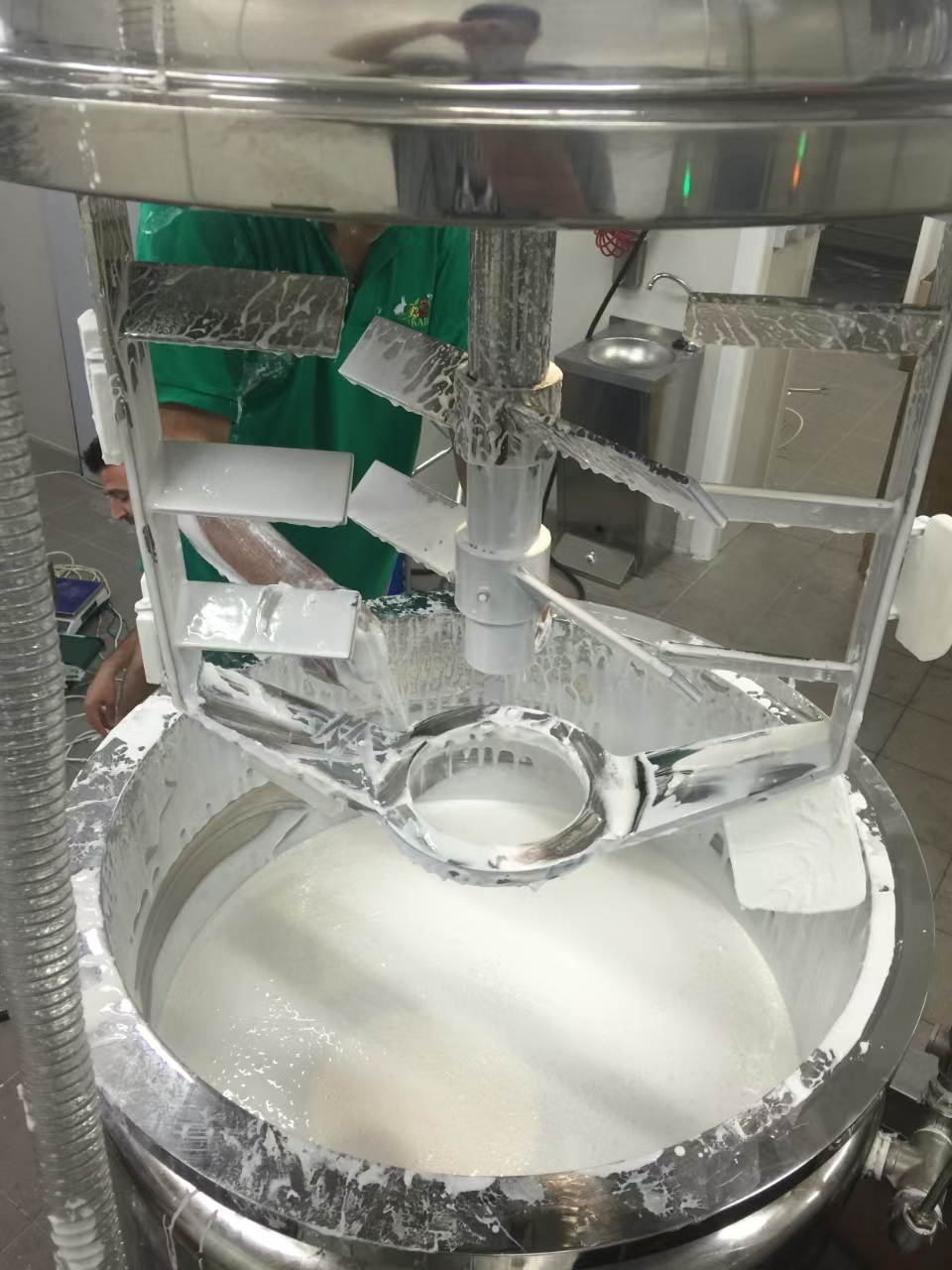
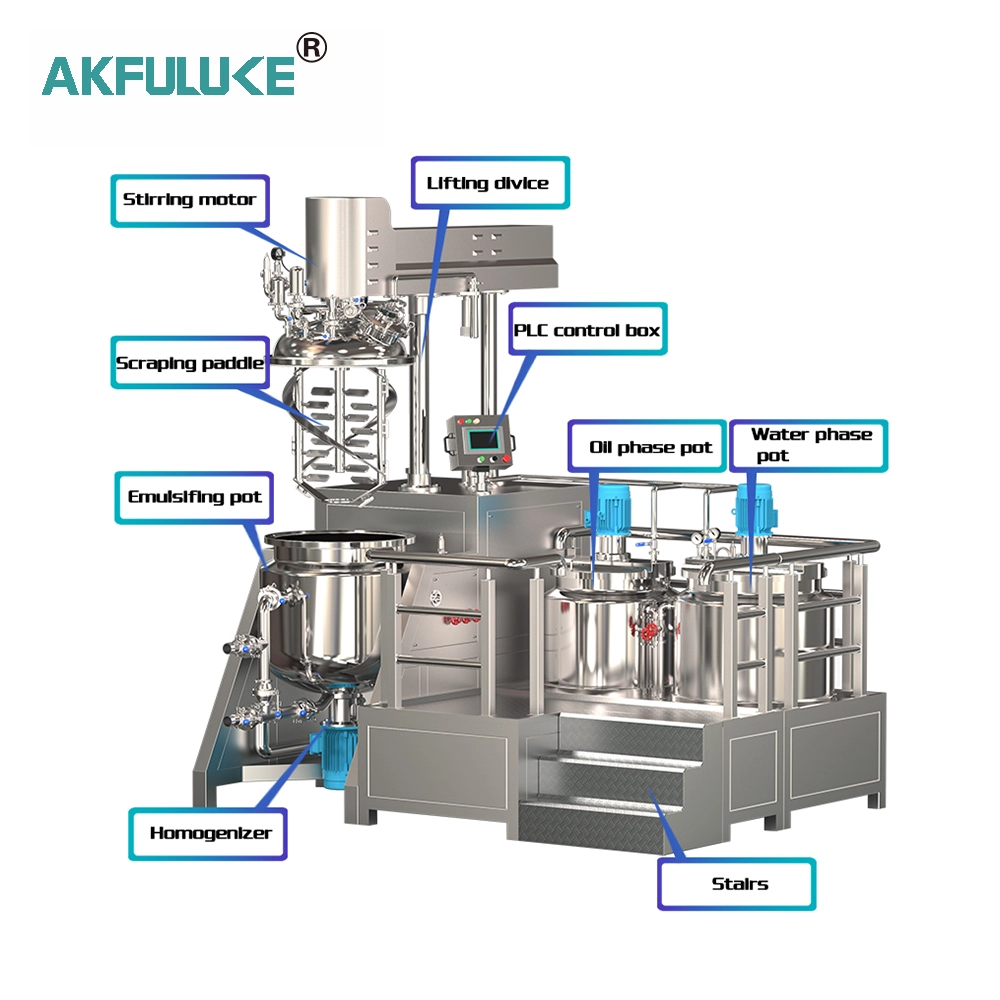
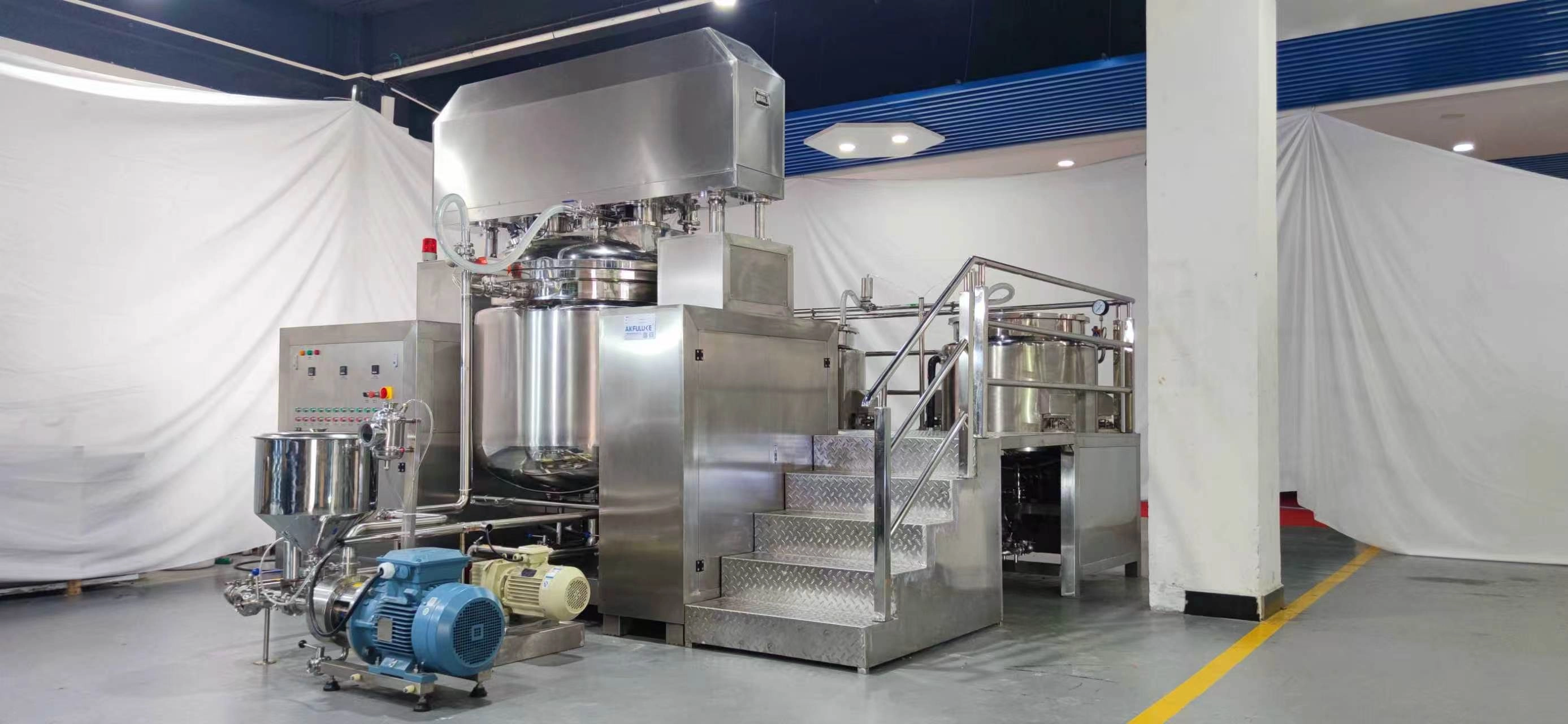
A vacuum emulsifier is a piece of processing equipment used for the mixing, dispersion, and emulsification of materials. It typically consists of a main emulsification tank, a stirring system, a homogenization system, a vacuum system, heating and cooling systems, and a control system.
In food production, certain products require the combination of oil, water, and other ingredients into a uniform and stable system. For instance, the production of mayonnaise and salad dressings often involves dispersing oil into an aqueous continuous phase to create an emulsified structure. Relying solely on conventional stirring may be insufficient to achieve the desired texture and stability.
Vacuum emulsifiers utilize a combination of stirring and high-speed homogenization to facilitate the mixing and dispersion of materials. The vacuum system helps minimize the incorporation of air during processing, thereby improving the appearance and texture of many products.
It should be noted that vacuum emulsifiers are not suitable for every type of food processing task. For applications requiring the chopping of large particles, the grinding of hard raw materials, or specific thermal treatments, additional equipment—such as colloid mills, choppers, specialized heating units, or other dedicated processing machinery—may be required.
II. Working Principle of the Vacuum Emulsifier
The basic operational workflow of a vacuum emulsifier typically includes raw material preparation, feeding, stirring, homogenization, deaeration, cooling, and discharging. The specific steps depend on the food recipe, product viscosity, and production process.
1. Raw Material Preparation
Prepare ingredients—such as oils, water, emulsifiers, thickeners, stabilizers, seasonings, and others—according to the recipe. Ingredients that require heating to dissolve should be pre-processed in accordance with the established production requirements.
2. Stirring and Mixing
Once the raw materials are introduced into the main vessel, the stirring system facilitates material circulation, ensuring that all components come into full contact and are thoroughly mixed.
3. High-Speed Homogenization and Emulsification
The homogenizer employs high-speed shearing and other fluid-dynamic forces to break down the dispersed phase into finer droplets or particles. For food products suitable for emulsification, this process helps create a uniform product structure.
The effectiveness of homogenization is influenced by factors such as the design of the homogenizer, rotational speed, power, processing duration, the specific recipe, and the viscosity of the materials.
4. Vacuum Deaeration
Under appropriate process conditions, the vacuum system removes air from the material, thereby minimizing the impact of air bubbles on the product’s appearance, filling process, and texture.
5. Temperature Control and Discharging
For food products requiring heating or cooling, a jacketed vessel or other temperature-control system is used to manage the processing temperature. Once the product meets the required process specifications, it is moved through the discharge system to the next stage of production.
Important Note: Vacuum emulsification is not equivalent to sterilization or commercial aseptic processing. For food products that require heat treatment, pasteurization, sterilization, or cold-chain management, separate processes must be designed and validated in compliance with relevant food safety standards.
III. Application of Vacuum Emulsifiers in Sauce Production
Sauce production is a key application area for vacuum emulsifiers in the food processing industry. Since different sauces vary significantly in terms of oil content, viscosity, particle size, and stability, processing solutions must be tailored to the specific characteristics of each product.
1. Mayonnaise Production
From the perspective of food emulsification, traditional mayonnaise is an oil-in-water emulsion—meaning oil droplets are dispersed within a continuous aqueous phase.
The production of mayonnaise typically involves the gradual addition of oil to a mixture of aqueous ingredients and emulsifying agents, followed by agitation and homogenization to create a uniform emulsion.
Vacuum emulsifiers are used for:
Thorough mixing of the oil and aqueous phases.
Dispersion of oil droplets during the emulsification process.
Process control of product viscosity and texture.
Minimizing the incorporation of air during processing.
In actual production, factors such as the rate of oil addition, homogenization intensity, temperature, and formulation ratios can all affect product stability. The equipment must undergo process validation based on the target formulation.
2. Salad Dressing Production
Salad dressing formulations may include vegetable oil, water, vinegar, sugar, salt, emulsifiers, thickeners, and various seasonings.
For smooth-textured salad dressings, vacuum emulsifiers help improve the dispersion of oil and water, resulting in a more uniform consistency.
If a product contains large vegetable pieces, spice particles, or other solid ingredients, the impact of the homogenizer on these particles must be evaluated. In such cases, staged ingredient addition or separate mixing steps may be necessary to prevent the particles from being subjected to excessive shear.
3. Ketchup and Other Condiment Sauces
The processing requirements for ketchup, chili sauce, barbecue sauce, and other compound condiments vary considerably.
Some products primarily require heating, agitation, thickening, and the dispersion of solid particles, while others demand intensive homogenization to achieve a finer, smoother texture.
Therefore, it should not be assumed that a vacuum emulsifier is required for every type of sauce. For sauces containing a significant amount of solid particles or fibers, the selection of equipment typically requires an integrated approach, encompassing processes such as raw material pretreatment, chopping, grinding, and mixing.
4. Cream-based Sauces and Compound Seasoning Sauces
Cream-based sauces, cheese sauces, and certain types of compound seasoning sauces may contain milk fats, oils, proteins, starches, or thickening agents. Such products are often sensitive to temperature, agitation, and homogenization conditions.
While a properly configured vacuum emulsifier can enhance the dispersion of ingredients and the uniformity of the final product, it is essential to verify—based on the specific formulation—whether the product is suitable for high-shear processing, and to determine if additional systems for heating, cooling, or sanitary control are required.
IV. Application of Vacuum Emulsifiers in Dairy Production
The composition of dairy products and the requirements for their processing are complex. While vacuum emulsifiers can be used for the mixing, dispersion, and emulsification of certain dairy products and dairy-based formulations, they cannot replace all types of dairy processing equipment.
1. Formulated Dairy Products and Dairy-Based Beverages
In the preparation of ingredients for certain dairy-based beverages, this equipment can assist in blending dairy bases, sugars, stabilizers, and other components.
If a product requires precise control over fat globule particle size, improved long-term stability, or adherence to specific homogenization standards, it is generally necessary to evaluate specialized dairy homogenizers or other dedicated processing equipment. A standard vacuum emulsifier is not necessarily a suitable substitute for high-pressure homogenization equipment.
2. Cream and Fat-Containing Dairy Products
For certain formulations containing fat, agitation and emulsification can help improve the dispersion of the fat phase.
However, processes such as whipping cream or manufacturing butter involve different mechanisms for structural formation and are not necessarily suited for a vacuum emulsifier. The choice of equipment must be determined based on the final product and the specific process requirements.
3. Yogurt and Dairy Ingredients
In the production of certain yogurts or dairy products, a vacuum emulsifier may be used to mix and disperse specific ingredients, such as syrups, stabilizers, or complex ingredient blends.
Nevertheless, processes like fermentation, pasteurization, cooling, and sanitary control typically require specialized, purpose-built processing systems. Furthermore, when live cultures are involved, care must be taken to ensure that high-shear processing—if not specifically validated—does not adversely affect the product structure or the microbial ecosystem.
4. Ice Cream Mixes and Dairy-Fat Bases
Certain ice cream mixes, dairy-fat bases, or complex emulsified formulations require the uniform blending of fats, sugars, proteins, and stabilizers.
While a vacuum emulsifier may be considered for specific ingredient-processing stages, a complete ice cream production line typically requires additional equipment, such as specialized homogenizers, pasteurization systems, aging tanks, continuous freezers, and more.
V. Application of Vacuum Emulsifiers in Condiment Production
Beyond sauces and dairy products, vacuum emulsifiers are also used in the processing of various compound condiments.
Common applications include:
Mayonnaise and salad dressings
Cream-based sauces
Cheese sauces
Certain compound dipping sauces
Oil-based emulsified condiments
Condiment bases requiring fine dispersion
For oil-in-water (or water-in-oil) condiments, the primary function of the equipment is to facilitate mixing and emulsification. For high-viscosity condiments, key considerations include mixing torque, discharge capability, and heat transfer.
If a condiment contains a significant amount of solid particles or long fibers—or if it is intended to retain a distinct, chunky texture—the equipment configuration must be selected with great care to ensure that the homogenization process does not alter the product's desired texture.
VI. What Are the Key Configurations for Food-Grade Vacuum Emulsifiers?
When selecting a vacuum emulsifier for food applications, in addition to considering homogenization performance, you should also focus on the following configurations:
1. Materials in Contact with Food
Components that come into contact with the product must be made of materials suitable for the specific type of food, cleaning methods, and applicable regulations. Common choices include stainless steel (such as 304 or 316L) that meets relevant standards; however, the final selection should be based on the product’s composition, corrosivity, and hygiene requirements.
2. Mixing and Homogenization Systems
The mixing system handles general blending and material circulation, while the homogenization system is responsible for finer dispersion and emulsification.
Since different food products have varying requirements for shear intensity, the system should be selected based on factors such as viscosity, formulation, particle size specifications, and production volume.
3. Heating and Cooling Systems
Certain sauces and dairy-based ingredients require specific temperatures for mixing, dissolving, or processing. A jacketed heating and cooling system helps control temperature; however, it does not automatically guarantee food safety—the effectiveness of any thermal treatment must still be validated.
4. Vacuum System
A vacuum system helps reduce air content during the processing stage. Design considerations should include the product’s tendency to foam, its viscosity, the batch volume, and the vacuum operating method, all while ensuring that product is not inadvertently drawn into the vacuum piping.
5. Discharge and Transfer Systems
For high-viscosity sauces, careful attention must be paid to the discharge port size, piping design, valve configuration, and transfer method to ensure the product can be smoothly moved to storage tanks or filling machines.
6. Control System
A PLC and touchscreen interface can be used to manage parameters such as mixing, homogenization, temperature, vacuum levels, and processing time. For manufacturers with stringent batch management requirements, features like parameter logging, recipe management, and production data traceability should also be considered.
7. Cleaning and Hygienic Design
Food-processing equipment should be easy to clean to minimize product residue and the risk of cross-contamination. Depending on production needs, one should evaluate features such as demountable components, cleaning ports, Clean-in-Place (CIP) capabilities, seal designs, and complete drainage (emptying) capacity. Whether effective Cleaning-in-Place (CIP) can be achieved depends on the specific equipment design, cleaning procedures, and validation results; it cannot be determined solely based on the name of the equipment.
VII. How to Choose the Right Vacuum Emulsifier for Food Production?
Selecting the appropriate equipment helps mitigate investment risks and ensures the machinery is well-aligned with your specific production requirements.
1. Identify the Product Type
First, determine the nature of your product—whether it is mayonnaise, salad dressing, cream-based sauce, dairy ingredients, or other types of condiments.
Different products may have vastly different requirements regarding emulsification structure, particle size, and processing temperatures.
2. Determine Production Capacity
Standard equipment capacities typically range from 100L, 200L, 500L, and 1000L to even larger sizes. However, the final selection should be based on factors such as the batch input volume, effective working volume, production cycle, and daily output requirements.
Do not simply equate the nominal capacity of the vessel with the actual yield per batch.
3. Assess Product Viscosity
Low-viscosity products and high-viscosity sauces have different requirements for mixing power, homogenization mechanisms, and discharge systems. It is advisable to provide actual material samples or reliable viscosity data to facilitate an accurate equipment assessment.
4. Define Texture and Particle Requirements
If a smooth, uniform emulsion is required, the focus should be on the homogenization capability. Conversely, if specific particles need to be preserved, you must verify whether the homogenizer will compromise that desired structure.
5. Consider Temperature and Food Safety Requirements
Clearly define the requirements for heating, cooling, thermal insulation, and cleaning based on the product's characteristics. If the process involves pasteurization, sterilization, or other critical control points, the equipment must be configured with specialized, process-validated systems.
6. Evaluate Downstream Production Lines
If your operation requires continuous production or automated packaging, ensure that the entire setup—including storage tanks, transfer pumps, filtration equipment, filling machines, and cleaning systems—is fully compatible and integrated.
VIII. How can a food vacuum emulsifier be integrated into an automated production line?
For medium-to-large-scale food manufacturing enterprises, a vacuum emulsifier can be integrated with other equipment to form a complete processing and packaging system.
A typical production line may include:
Raw material preparation → Ingredient dosing system → Heating or pre-treatment tanks → Vacuum emulsifier → Buffer storage tank → Conveying system → Filling machine → Sealing machine → Labeling machine → Packaging equipment.
Different products require specific configurations. For example:
Mayonnaise production line: Focuses on oil-phase addition, emulsification control, product transfer, and filling.
Salad dressing production line: Requires an assessment of the required degree of homogenization and the need to retain specific particles, based on the product formulation.
Dairy-based sauce production line: Emphasizes temperature control, hygienic design (for cleaning), and food safety processes.
High-viscosity sauce production line: Requires careful consideration of mixing torque, transfer pumps, and the compatibility of the filling system.
Effective production line planning helps reduce manual handling, optimize production workflows, and enhance the operational synergy between different pieces of equipment.
IX. What information should be provided to the manufacturer before purchasing a vacuum emulsifier for food production?
To obtain a more precise equipment solution, it is recommended to prepare the following information:
1. Product name: e.g., mayonnaise, salad dressing, cream-based sauces, dairy ingredients, or other products.
2. Batch production volume: e.g., 200L, 500L, or 1000L.
3. Material viscosity: Providing measured data or actual samples is ideal.
4. Formulation characteristics: Does it contain fats/oils, proteins, starches, colloids, particles, or fibers?
5. Processing requirements: Are homogenization, vacuum deaeration, heating, or cooling required?
6. Downstream equipment: Are storage tanks, transfer pumps, or automated filling and packaging equipment needed?
7. Target market: Does the equipment need to comply with specific safety standards or regulations regarding food-contact materials for a particular country or region?
Providing this information helps the manufacturer evaluate the required equipment capacity, mixing structure, homogenization power, heating/cooling methods, and automation configuration.
X. Conclusion: Selecting the Right Vacuum Emulsifier to Optimize Food Processing
Vacuum emulsifiers offer a wide range of potential applications in the food industry, particularly for products such as sauces, dairy-based ingredients, and seasonings that require mixing, homogenization, emulsification, and vacuum deaeration.
For products like mayonnaise, salad dressings, cream-based sauces, and other emulsified foods, the appropriate vacuum emulsification equipment can enhance material dispersion, product uniformity, and processing stability. Equipment selection must be tailored to the specific formulation and process requirements, accounting for factors such as viscosity, particle size specifications, and temperature sensitivity.
When procuring equipment, one should look beyond simple metrics like vessel capacity or the power of the homogenization motor. Instead, a comprehensive evaluation is required—considering product type, viscosity, target production volume, food-contact materials, cleaning methods, temperature control, and downstream packaging requirements.
If you are seeking a vacuum emulsifier for food processing, it is advisable to provide your equipment supplier with details regarding your product type, batch size, formulation characteristics, and process requirements. This will ensure the proposed solution is well-aligned with your actual production needs. For operations requiring continuous production, it is also possible to plan an integrated production line—encompassing everything from ingredient preparation and emulsification to storage, filling, and packaging.
Selecting a vacuum emulsifier that aligns with your specific food formulations and processing methods is a crucial step toward increasing production efficiency, ensuring consistent product quality, and optimizing your capital investment in equipment.
Application of Vacuum Emulsifiers in Cosmetics Production: How Are Creams, Lotions, and Serums Produced?
Should a vacuum emulsifier choose bottom homogenization or external circulation homogenization?
The ideal solution for filling corrosive liquids.
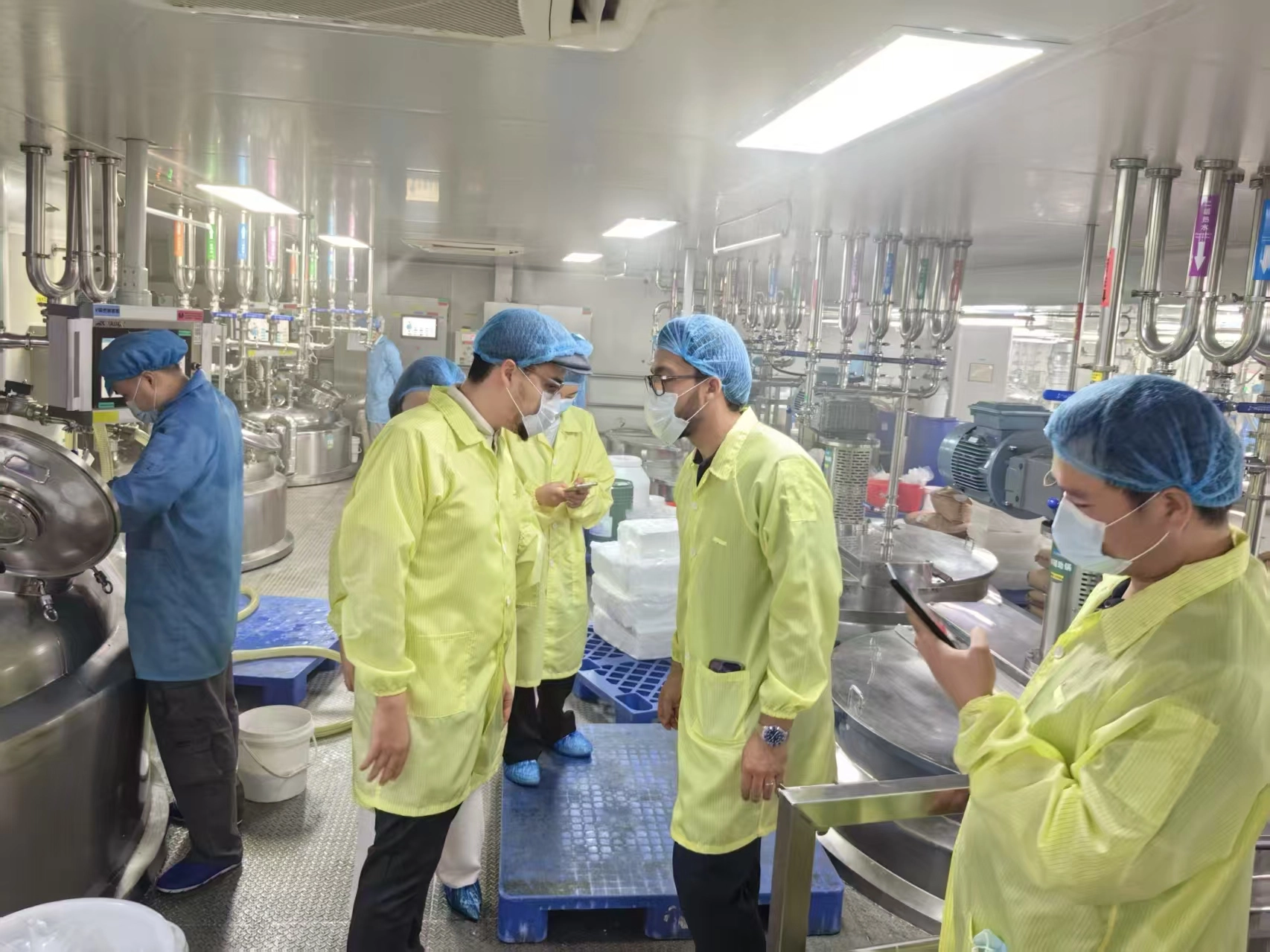
Case Study: New Clients from a Trade Show Visit an Existing Client's Cosmetics Factory—Leveraging Real Production Lines to Assist in New Factory Plan
Get in touch with FULUKE
If you have any comments or good suggestions, please leave us a message, later our professional staff will contact you as soon as possible.
You May Also Like
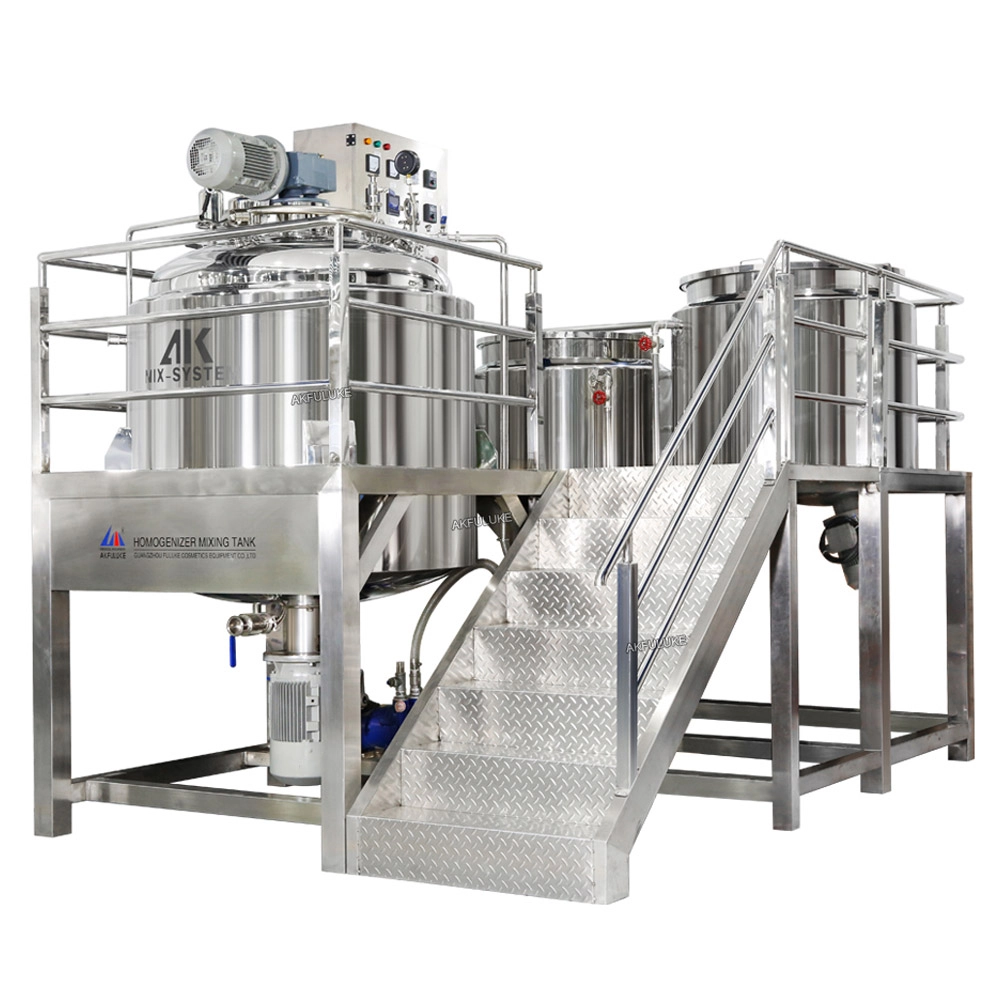
Fixed Type Vacuum Mixing Emulsifying Equipment for Cosmetic Cream Ointment Lotion Vacuum Homogenizer Mixer
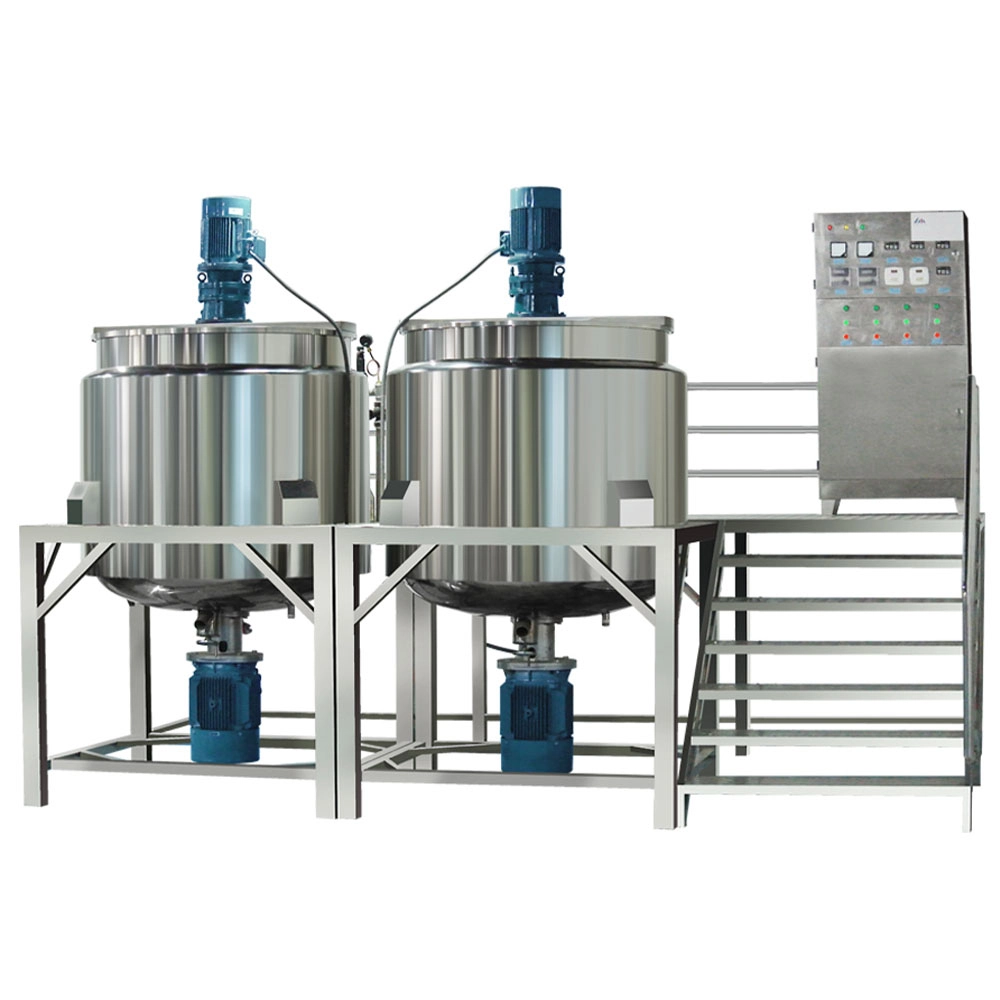
Flip Cover Multi-function Liquid Wash Mixing Tank Blender Liquid Detergent Mixer Homogenization Stirring Tank
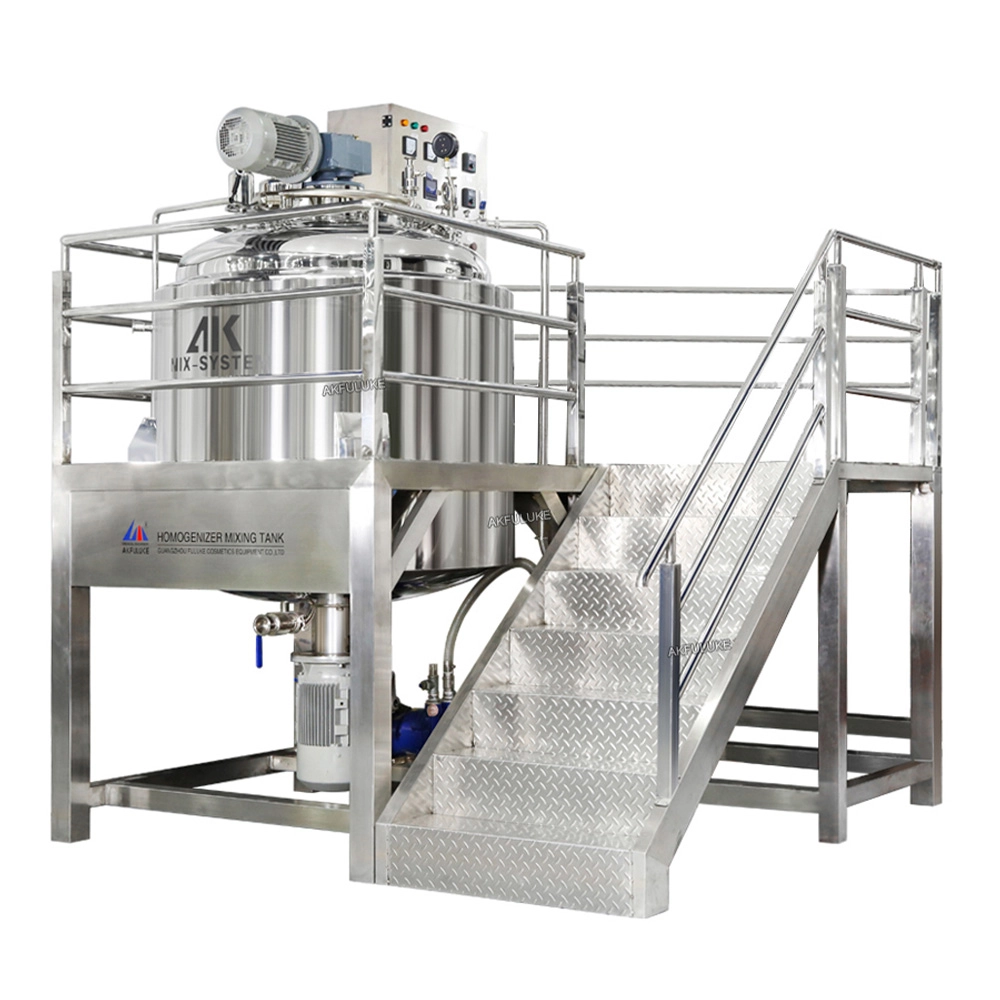
Stainless Steel Mixer Liquid Mixing tank with Agitator Homogenizing Mixing tank Vacuum Sealed Mixer Machine
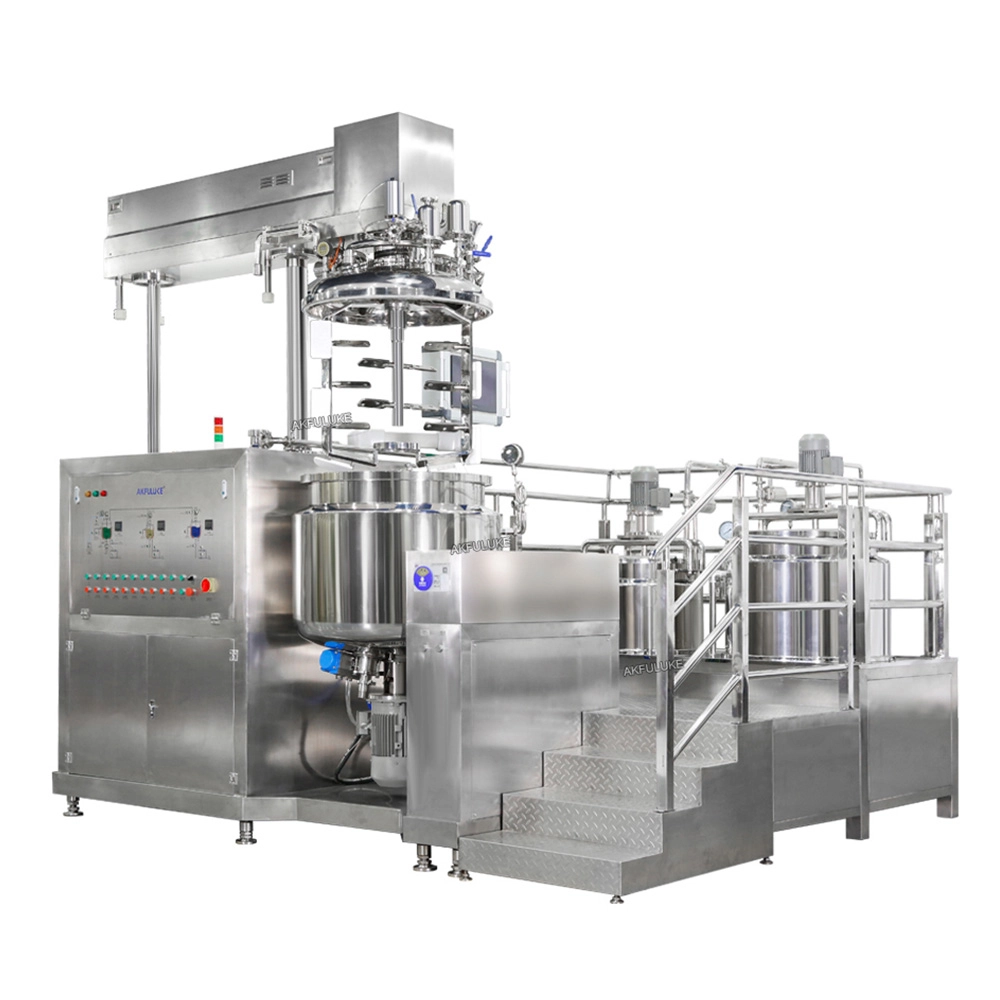
Hydraulic lift Cosmetic Vacuum Homogenizer Emulsifying Mixer for Making Cream and Lotion Mayonnaise Mixing Machine

A leading manufacturer specializing in advanced machinery and complete production lines for the cosmetics, food, pharmaceutical, and chemical industries worldwide.
Contact FULUKE
Facebook
Instagram
YouTube