
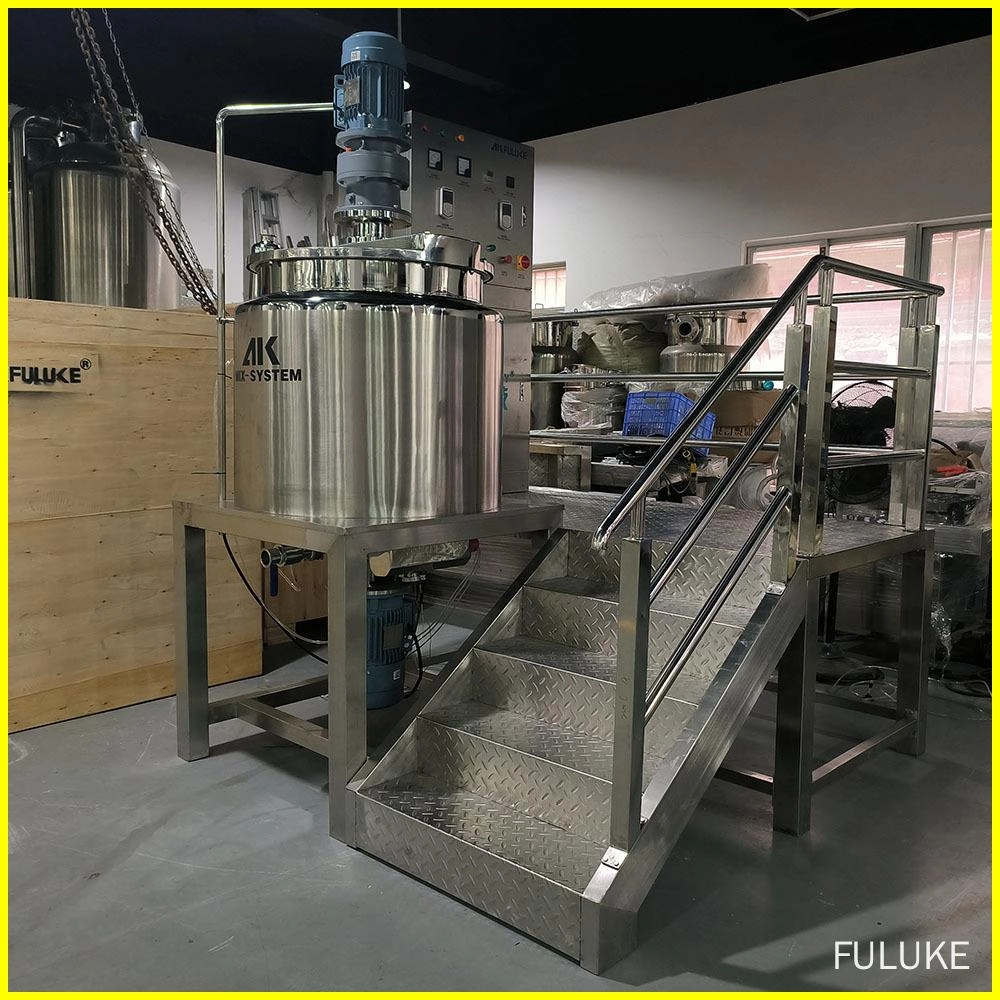
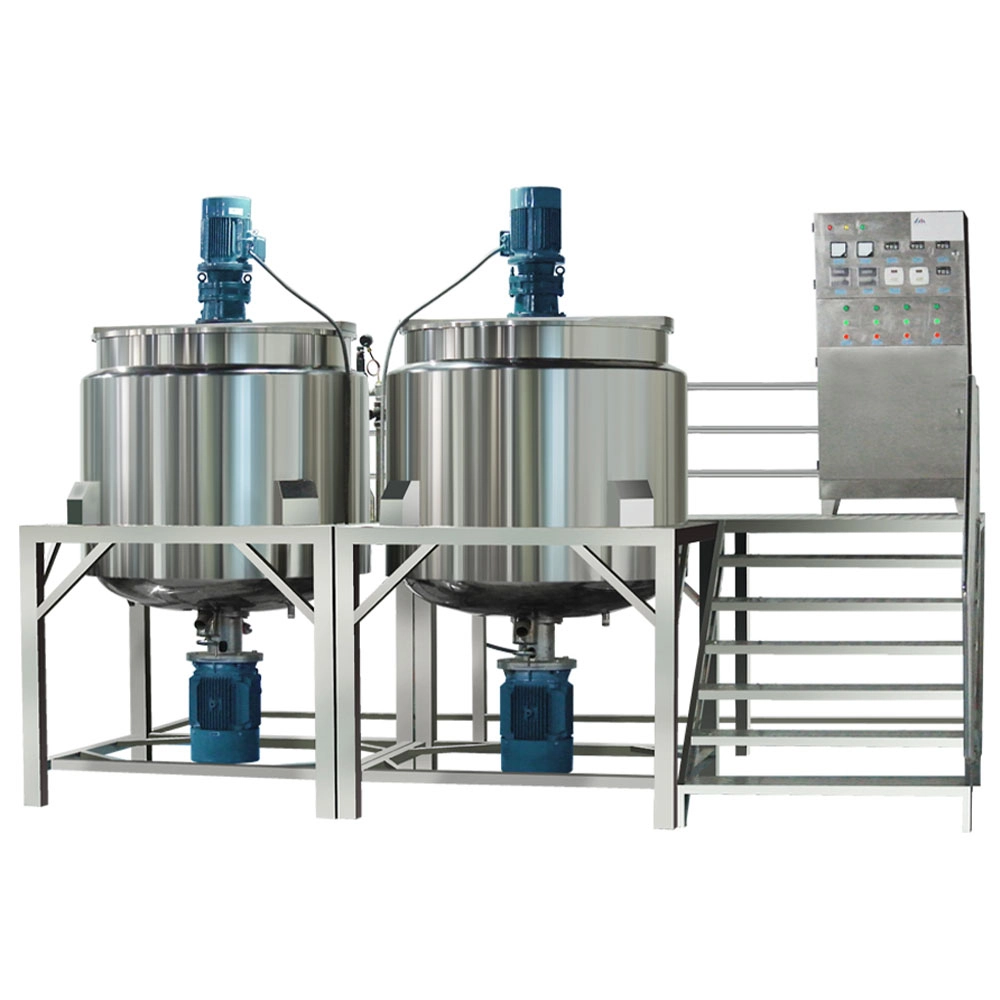
FULUKE Stainless Steel Mix Tank — Reliable Hygienic Mixing Solution
FULUKE Stainless Steel Mix Tank — Clean, Efficient Mixing
FULUKE stainless steel mix tanks are designed for manufacturers who need reliable, hygienic and scalable mixing solutions. Built for cosmetics, food, pharmaceutical and chemical production, each tank combines durable materials, practical features and easy maintenance to deliver consistent product quality.
Key Features
- High-grade stainless steel (SUS304 / SUS316L) for corrosion resistance and long service life.
- Jacketed design for precise heating and cooling control, compatible with steam, hot water or glycol.
- Sanitary agitators and wall-scraping mixers to prevent buildup and ensure uniform blending.
- Vacuum port and degassing function to reduce air entrainment and improve texture.
- CIP (Clean-In-Place) and SIP-ready construction for fast, validated cleaning and GMP compliance.
- Tri-clamp fittings, sight glasses and safety devices for easy operation and inspection.
Practical Benefits
With over 30 years of cosmetic equipment experience, FULUKE builds mixing tanks that reduce contamination risk, speed up cleaning, and cut production downtime. These tanks help maintain batch-to-batch consistency—critical for creams, lotions and sauces—while supporting energy-efficient production and straightforward scale-up from lab to full plant runs.
Customization and Support
FULUKE offers tailored stainless mixing tank solutions: multiple capacities, control options (manual, PLC or automated integration), and compatibility with vacuum emulsifying mixers and complete packaging lines. Our engineering, machining and automation teams ensure each system meets GMP, ISO and international hygiene standards. We provide installation, commissioning and long-term maintenance support to keep your line running smoothly.
Choose FULUKE for a trusted stainless steel mix tank that delivers hygiene, performance and measurable production value. Visit https://www.fulukemix.com or contact us at flk09@gzflk.com to discuss a customized solution.
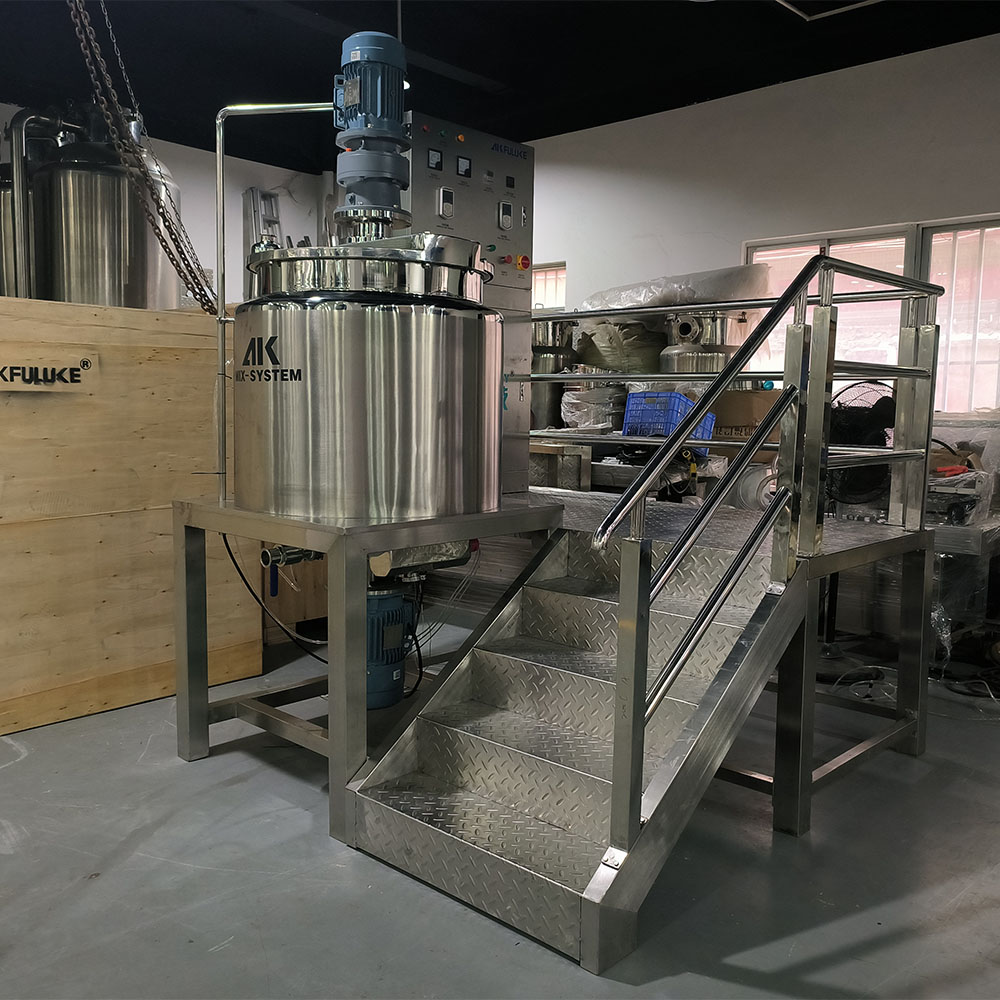
Detailed display
Our Certifications
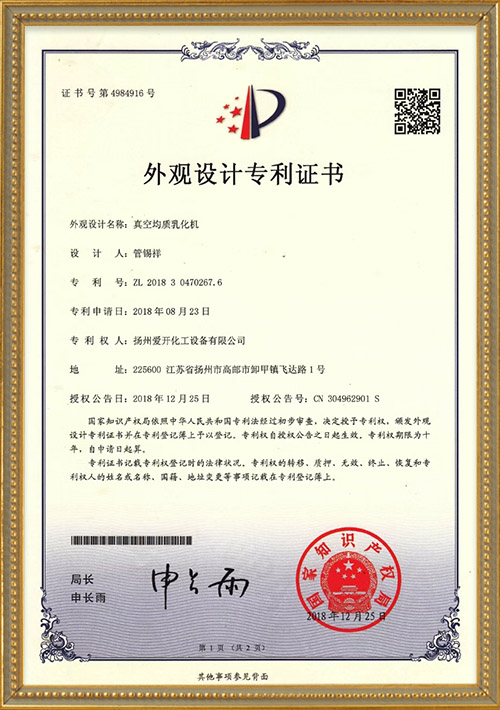
Patent certificate
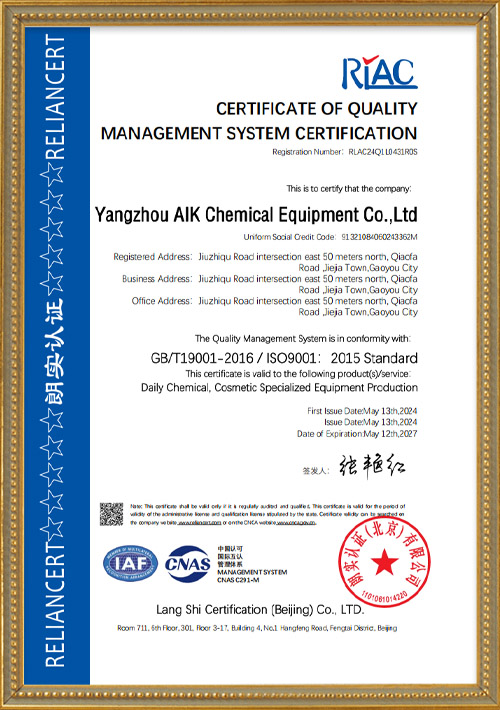
ISO certificate
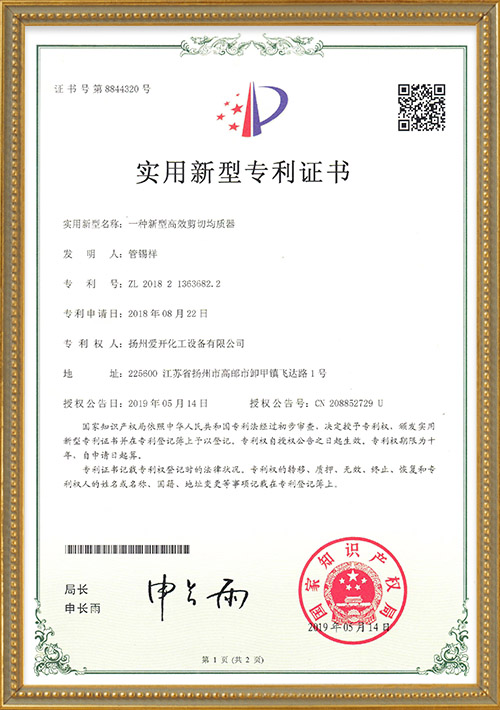
Patent certificate
Q&A
Which mixing pot should I choose between a PP and a stainless steel mixing pot?
When the material is corrosive, a PP mixing pot is more advantageous. Stainless steel (such as 304) has poor resistance to acids and alkalis (easily corroded by hydrochloric acid and sodium hydroxide). For corrosion protection, upgrading to 316L stainless steel is necessary, which costs 2-3 times more than PP. PP, on the other hand, can withstand low- to medium-concentration corrosive media and offers low maintenance (no rust removal required, and low scaling).
When the material is non-corrosive, a stainless steel mixing pot is more advantageous. Stainless steel offers higher temperature resistance (up to 200°C), greater strength (suitable for high-viscosity materials), and a higher hygienic grade (easy to clean aseptically), making it suitable for non-corrosive but demanding applications such as food and pharmaceuticals.
Can the perfume filling machine accommodate perfume bottles of varying materials and shapes?
Yes. The machine utilizes adjustable mold positions and a PLC control system that allows for one-touch parameter switching, allowing it to accommodate a wide range of bottle shapes, including round, square, and special-shaped ones. The filling capacity range can be flexibly adjusted, and format changeovers take as little as 10 minutes, meeting diverse production needs.
Can you customize the machine?
Of course, we provide customized services according to customer needs.
How does the vacuum homogenizer work?
The vacuum homogenizer's operating process revolves around four core steps: vacuum degassing, high-speed homogenization and emulsification, stirring and mixing, and temperature control. Through the coordinated operation of multiple systems, it achieves refined material processing. The following is its specific operating principle and process:
1. Pretreatment: Material feeding and vacuum environment establishment
Material preparation: First, add the basic materials, such as the oil phase (such as oils and waxes) and the aqueous phase (such as water and water-soluble ingredients), to their corresponding batching tanks or directly into the main emulsifier in sequence.
Evacuation: Activate the vacuum system (consisting of a vacuum pump, vacuum valve, etc.) to evacuate the interior of the emulsifier, creating a negative pressure environment (typically up to -0.09 MPa).
2. Core Process: Temperature Control (Heating/Cooling)
3. Core Process: Agitation and Mixing
Agitation Structure: Typically uses a "frame agitator + scraper" combination (for high-viscosity materials):
Through shearing, folding, and convection, the different materials are initially mixed and their stratification is broken down.
The PTFE scraper rotates closely against the pot wall, thoroughly scraping away any sticky material adhering to the pot wall, preventing localized overheating and residue, and ensuring zero dead zones.
4. Core Process: High-Speed Homogenization and Emulsification
Homogenizer Structure: A high-speed rotating homogenizer is installed at the bottom (or side) of the emulsifier, consisting of a rotor (with sharp teeth) and a stator (with fixed teeth). Working Principle: The rotor rotates at an extremely high speed, generating a strong centrifugal force that draws the material into the gap between the rotor and the stator. In this gap, the material is subjected to the triple effects of shear force, impact force, and turbulent force. The teeth of the rotor and stator quickly cut the material and generate high-frequency vibrations.
If you have another questions, please feel free to contact us.
You May Also Like
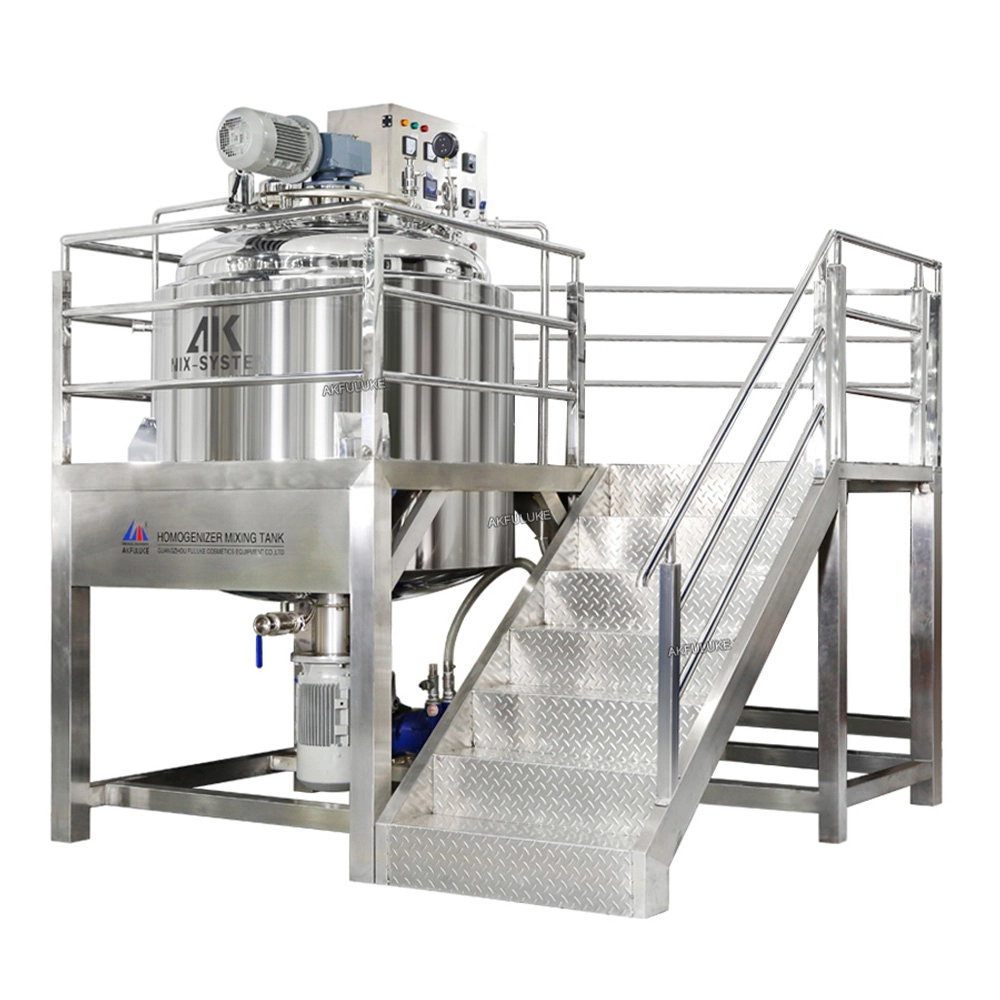
Stainless Steel Mixer Liquid Mixing tank with Agitator Homogenizing Mixing tank Vacuum Sealed Mixer Machine
Flip Cover Multi-function Liquid Wash Mixing Tank Blender Liquid Detergent Mixer Homogenization Stirring Tank
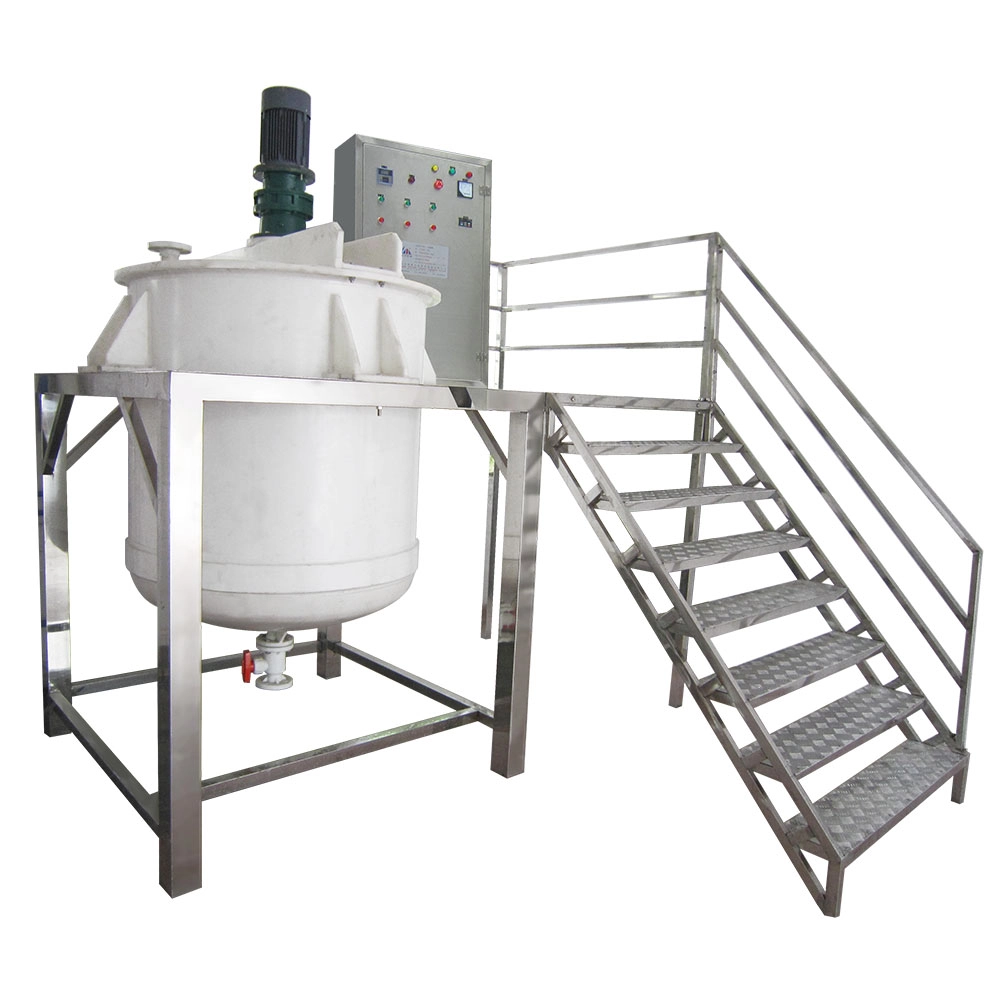
Polypropylene PP Mixing Tank Anti-Corrosion Mixer Reaction Kettle with Agitator Chemical Mixing Vessel
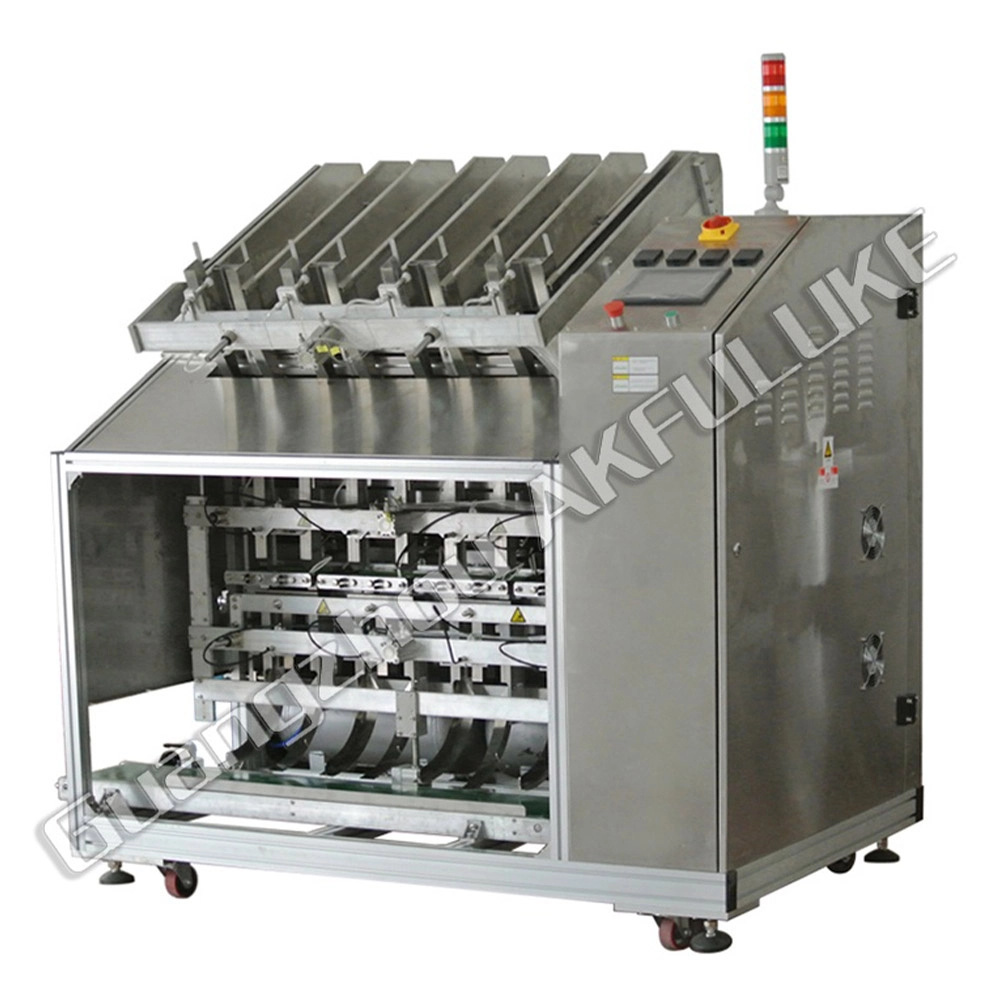
Effective Automatic Facial Mask Filling Machine 2/6/8 Heads Facial Mask Filling and Sealing Machine

A leading manufacturer specializing in advanced machinery and complete production lines for the cosmetics, food, pharmaceutical, and chemical industries worldwide.
Contact FULUKE
Facebook
Instagram
YouTube