
Assessing ROI and TCO for Industrial Reverse Osmosis Systems
- Assessing ROI and TCO for Industrial Reverse Osmosis Systems
- Why ROI and TCO matter for an industrial reverse osmosis system
- Core components that drive costs in an industrial reverse osmosis system
- How to structure an ROI and TCO analysis for an industrial reverse osmosis system
- Energy and efficiency: the single largest recurring cost for industrial reverse osmosis system
- Pre-treatment and membrane life: optimizing OPEX for reliable performance
- Estimating waste and environmental compliance costs for an industrial reverse osmosis system
- Comparative cost table: estimated CAPEX and OPEX ranges for typical industrial reverse osmosis system scales
- Modeling scenarios and sensitivity analysis for realistic ROI assessment
- Operational strategies to improve ROI for an industrial reverse osmosis system
- Risk factors and hidden costs to include in TCO
- Case example: estimating payback for a medium industrial reverse osmosis system
- How the Reverse Osmosis / RO Water Treatment Water Filter System 99% Desalination Rate product fits into ROI and TCO planning
- Brand advantages summary — why choose our industrial reverse osmosis system
- Practical checklist before purchasing an industrial reverse osmosis system
- FAQ — Common questions about ROI and TCO for industrial reverse osmosis system
- Next steps — contact and product action
- Authoritative references
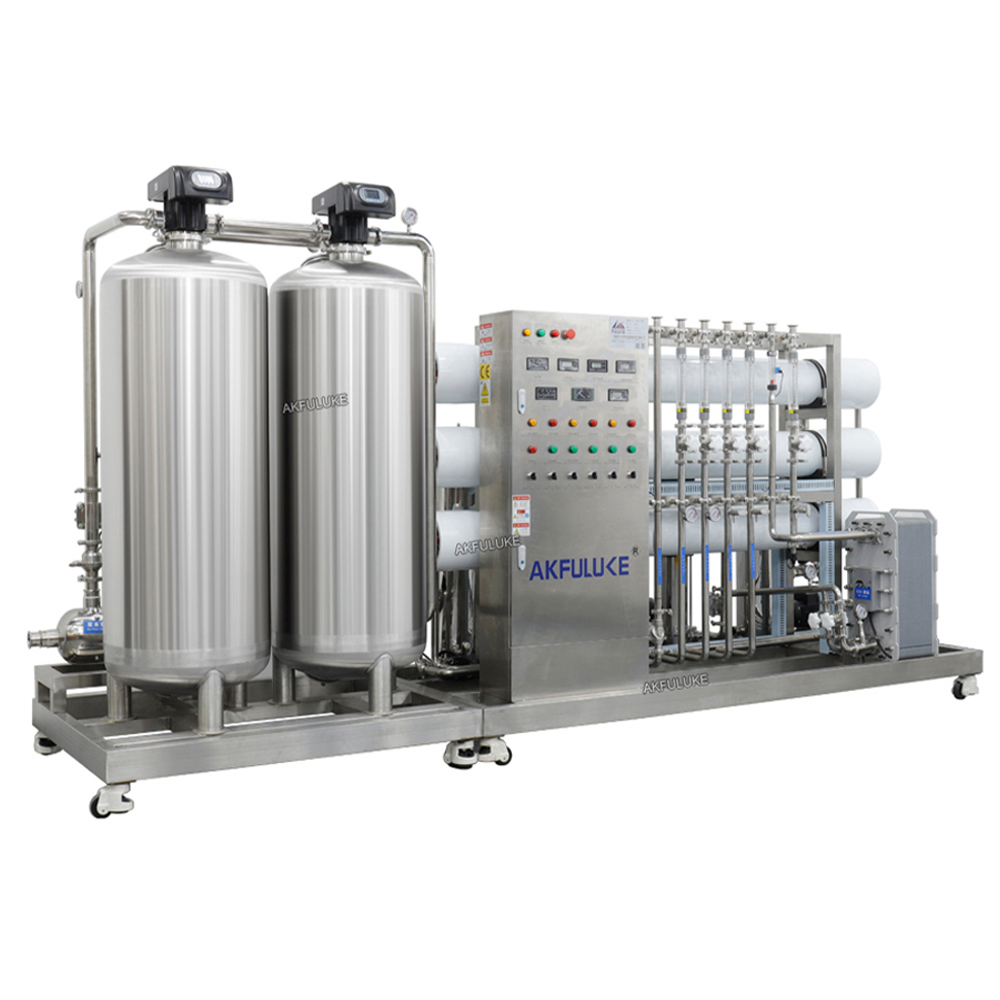
Assessing ROI and TCO for Industrial Reverse Osmosis Systems
Why ROI and TCO matter for an industrial reverse osmosis system
When selecting an industrial reverse osmosis system, decision-makers must evaluate more than the purchase price. The performance and lifecycle economics of a Reverse Osmosis / RO Water Treatment Water Filter System 99% Desalination Rate Industrial Purification Filtration Water treatment Machine determine whether the investment delivers expected savings, regulatory compliance, and reliable production feed water. ROI (return on investment) shows payback and profitability, while TCO (total cost of ownership) captures the full lifecycle expense including capital, energy, consumables, maintenance, downtime risks, and disposal. Once buyers have finished assessing ROI and TCO for industrial reverse osmosis systems, the next critical step is defining system requirements through a spec checklist covering capacity, recovery, and water quality for RO.
Core components that drive costs in an industrial reverse osmosis system
An industrial reverse osmosis system's costs are driven by predictable and variable elements. Key cost drivers include capital equipment (membrane skids, high-pressure pumps, pre-treatment units), installation and civil works, energy consumption (high-pressure pumps), pre-treatment chemicals and media, membrane replacement, labor and routine service, wastewater (brine) handling and disposal, and regulatory/compliance costs. Understanding each category is essential to create an accurate TCO model and realistic ROI forecast.
How to structure an ROI and TCO analysis for an industrial reverse osmosis system
A pragmatic analysis follows these steps: (1) quantify baseline costs of current water supply or alternative treatment; (2) calculate capital expenditures (CAPEX) for the proposed Reverse Osmosis / RO Water Treatment Water Filter System 99% Desalination Rate Industrial Purification Filtration Water treatment Machine including installation; (3) estimate operating expenditures (OPEX) such as energy, consumables, maintenance, and labor; (4) include ancillary costs (waste handling, permits, monitoring); (5) predict performance impacts (recovery rate, product water quality, downtime risk); (6) apply a financial model (net present value — NPV, payback period, internal rate of return — IRR) across an expected system life (commonly 10–15 years); and (7) run sensitivity scenarios for energy price, membrane life, feedwater variability, and production demands.
Energy and efficiency: the single largest recurring cost for industrial reverse osmosis system
Energy typically represents the largest OPEX component for industrial reverse osmosis systems because high-pressure pumping is required to overcome osmotic pressure. Energy cost is affected by feedwater salinity, desired recovery rate, pump efficiency and use of energy recovery devices (ERDs). Including energy cost per cubic meter of permeate in the TCO model allows comparison between system designs and helps quantify potential savings from higher-efficiency pumps or ERDs integrated into the reverse osmosis water treatment equipment.
Pre-treatment and membrane life: optimizing OPEX for reliable performance
Effective pre-treatment extends membrane life and stabilizes performance. Pre-treatment costs include media (sand, carbon), antiscalants and cleaning chemicals, filtering equipment, and monitoring instruments. Inadequate pre-treatment increases membrane fouling and oxidation damage, shortening membrane lifespan and increasing cleaning frequency—both of which raise TCO and lower ROI. Quantifying expected membrane replacement intervals (e.g., 3–7 years depending on feedwater) is essential for realistic lifecycle costing.
Estimating waste and environmental compliance costs for an industrial reverse osmosis system
Brine management and disposal are sometimes overlooked but can materially affect TCO. Depending on local regulation, disposal options may include sewer discharge (with permit and pre-treatment), evaporation ponds, deep well injection, or trucked off-site disposal. The choice affects operating cost and capital requirements. Including likely disposal costs and potential future regulatory tightening in the TCO supports robust investment decisions.
Comparative cost table: estimated CAPEX and OPEX ranges for typical industrial reverse osmosis system scales
The following table shows sample, industry-informed ranges for small, medium, and large industrial RO systems. Use these as planning-level estimates; project-specific engineering is required for accurate budgeting.
| Scale | Typical Flow | Estimated CAPEX | Estimated Annual OPEX | Energy (kWh/m3) | Membrane Replacement (annualized) | 10-year TCO (approx.) |
|---|---|---|---|---|---|---|
| Small industrial | 1–10 m3/hr | $10k–$60k | $2k–$10k | 2.0–4.5 | $1k–$5k | $30k–$120k |
| Medium industrial | 10–100 m3/hr | $50k–$400k | $10k–$80k | 1.2–3.0 | $5k–$40k | $200k–$1.2M |
| Large industrial | 100–2000+ m3/hr | $300k–$3M+ | $50k–$800k+ | 0.8–2.0 (with ERD) | $40k–$400k+ | $2M–$15M+ |
Notes: Ranges vary widely by feedwater salinity, site conditions, regulatory requirements, and inclusion of energy recovery devices. Sources: industry whitepapers and manufacturer datasheets.
Modeling scenarios and sensitivity analysis for realistic ROI assessment
Because parameters such as energy price, feedwater composition, and production demand can change, perform sensitivity analysis on at least three variables: energy cost per kWh, membrane life (years), and productivity (m3/day). For example, a 20% increase in energy price can extend payback by several months to years depending on system scale. Use NPV and IRR to compare alternatives (e.g., higher-capacity system with ERD vs. basic skid) and to validate financial viability under conservative assumptions.
Operational strategies to improve ROI for an industrial reverse osmosis system
Operational practices that improve ROI include: (1) investing in high-efficiency pumps and energy recovery devices to reduce energy per m3; (2) implementing robust pre-treatment to reduce membrane fouling; (3) remote monitoring and predictive maintenance to reduce downtime and unplanned service costs; (4) training onsite operators to follow optimized cleaning regimens; and (5) periodic water audits to ensure RO recovery and rejection rates remain within design expectations. These steps reduce OPEX and lengthen component life, improving TCO and ROI.
Risk factors and hidden costs to include in TCO
Hidden costs can erode ROI if not considered: unplanned downtime due to fouling, project delays during installation, costs of upgrading pre-treatment or brine handling mid-life, regulatory fines for non-compliant discharge, and replacement of substandard components. Contractual factors like warranty length, service-level agreements (SLAs), and spare parts availability also affect lifecycle cost. Incorporate contingency allowances and worst-case scenarios in your TCO model.
Case example: estimating payback for a medium industrial reverse osmosis system
Example (simplified): A medium plant replacing purchased water (cost $1.20/m3) with an RO system that produces 50 m3/hr (approx. 360,000 m3/year). If the RO system yields a 30% energy + OPEX cost per m3 ($0.36/m3), annual savings ~ $300,000. If installed CAPEX is $300,000, simple payback ~ 1 year. After accounting for membrane replacement and maintenance, realistic payback might be 1–3 years. This illustrates how substantial operational savings (reduced water purchase, lower wastewater penalties) can justify faster ROI when scale and utilization are significant.
How the Reverse Osmosis / RO Water Treatment Water Filter System 99% Desalination Rate product fits into ROI and TCO planning
The Reverse Osmosis / RO Water Treatment Water Filter System 99% Desalination Rate Industrial Purification Filtration Water treatment Machine is designed for high removal efficiency using membrane separation technology. Key selling points that impact TCO/ROI: high desalination rate (reducing downstream chemical costs), modular design for phased CAPEX deployment, and compatibility with standard pre-treatment packages to extend membrane life. When evaluating vendors, request transparent lifecycle cost models and references from installations with similar feedwater and duty cycles.
Brand advantages summary — why choose our industrial reverse osmosis system
Our system emphasizes: (1) performance transparency: published permeate rates and expected membrane life under specified feedwater; (2) energy efficiency: options to integrate energy recovery devices and high-efficiency pumps; (3) service and spare parts availability: dedicated technical support and predictable maintenance plans; (4) modular scalability: expand capacity with minimal downtime; and (5) compliance support: documentation to assist with discharge permits and water quality certification. These features mitigate lifecycle risk and improve ROI by lowering OPEX and reducing unexpected downtime.
Practical checklist before purchasing an industrial reverse osmosis system
Use this checklist to ensure your ROI and TCO model is robust: (1) obtain feedwater analysis and variability profile; (2) request vendor lifecycle cost data (10-year TCO) and references; (3) evaluate energy-saving options (ERDs); (4) confirm membrane warranty and spare parts lead times; (5) plan for brine disposal and compliance; (6) build sensitivity scenarios for energy and membrane life; (7) include training and remote monitoring costs; (8) validate expected water quality and recovery rates with a pilot or demonstration.
FAQ — Common questions about ROI and TCO for industrial reverse osmosis system
Q1: What is the typical payback period for an industrial reverse osmosis system?
A1: Payback varies widely by scale, water cost being replaced, and system design. Small systems may take 2–5 years; medium to large systems often see payback in 1–3 years when replacing expensive purchased water or reducing costly wastewater penalties.
Q2: How much energy does an industrial reverse osmosis system consume?
A2: Energy consumption depends on feedwater salinity and system design. Typical ranges: 0.8–4.5 kWh/m3. Use of energy recovery devices can reduce energy to the lower end for high-salinity applications.
Q3: How often must RO membranes be replaced?
A3: Membrane life varies with feedwater and maintenance. Expect 3–7 years under typical industrial conditions; excellent pre-treatment and cleaning regimens can extend life beyond this range.
Q4: Are there financing options to improve ROI for capital-intensive systems?
A4: Yes. Leasing, vendor financing, energy service company (ESCO) models, and pay-per-use contracts can align payments with realized savings and improve net cash flow during early operations.
Q5: What are the main risks that can reduce projected ROI?
A5: Major risks include underestimated energy costs, higher-than-expected fouling leading to frequent membrane replacement, regulatory changes affecting brine disposal costs, and underutilization of installed capacity.
Next steps — contact and product action
To evaluate ROI and TCO for your facility with site-specific data, contact our sales and engineering team for a free consultation and pilot test planning. Request detailed lifecycle cost modeling for the Reverse Osmosis / RO Water Treatment Water Filter System 99% Desalination Rate Industrial Purification Filtration Water treatment Machine and ask for customer case studies relevant to your industry. Contact our team to view product specifications, request a quote, or schedule a demo.
Authoritative references
For further technical background and regulatory context, consult these authoritative sources:
- U.S. Environmental Protection Agency (EPA) — Reverse Osmosis research and technology overview: https://www.epa.gov/water-research/reverse-osmosis
- World Health Organization (WHO) — Guidelines for Drinking-water Quality: https://www.who.int/publications/i/item/9789240034604
- Wikipedia — Reverse osmosis (technical overview and applications): https://en.wikipedia.org/wiki/Reverse_osmosis
- Xylem — Industrial water treatment solutions and whitepapers: https://www.xylem.com
- Industry whitepapers and membrane manufacturer datasheets (for energy and lifecycle data): consult relevant vendor sites and datasheets for accurate project-level inputs.
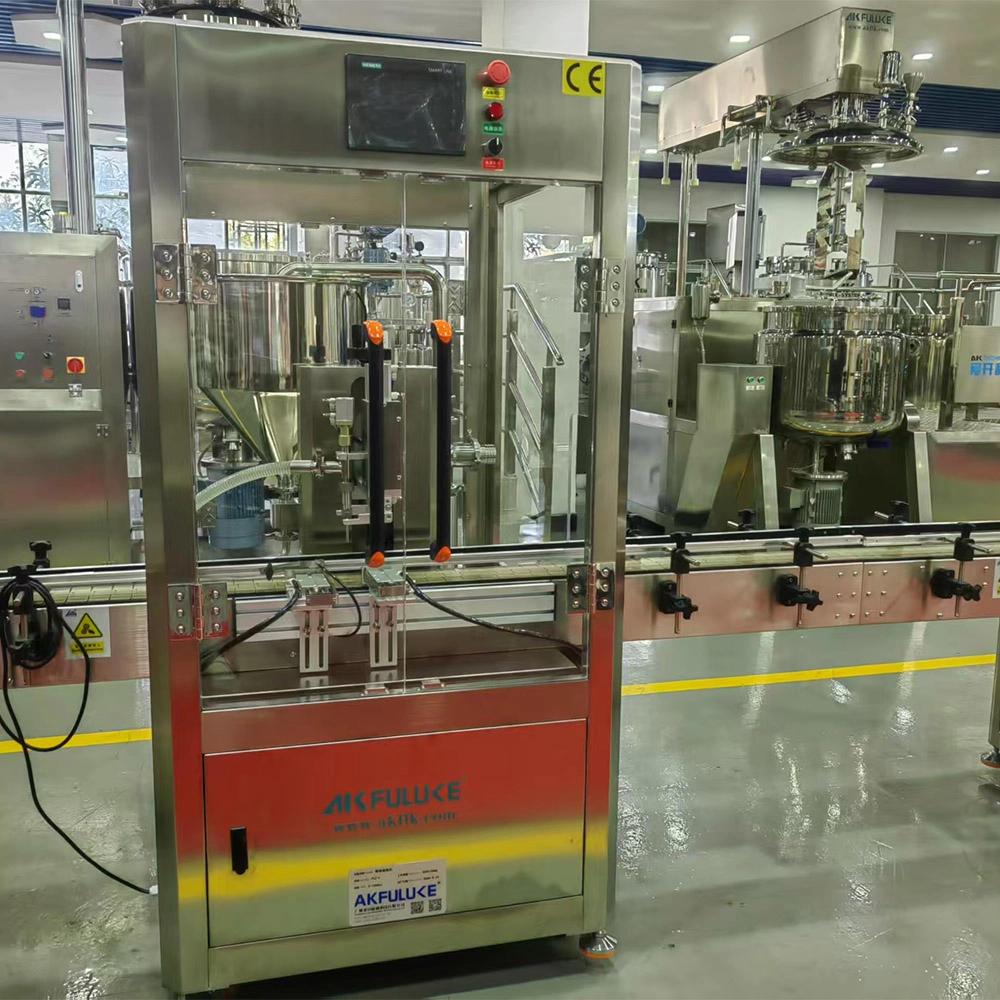
How Vision Systems Improve Filling Line Quality Control
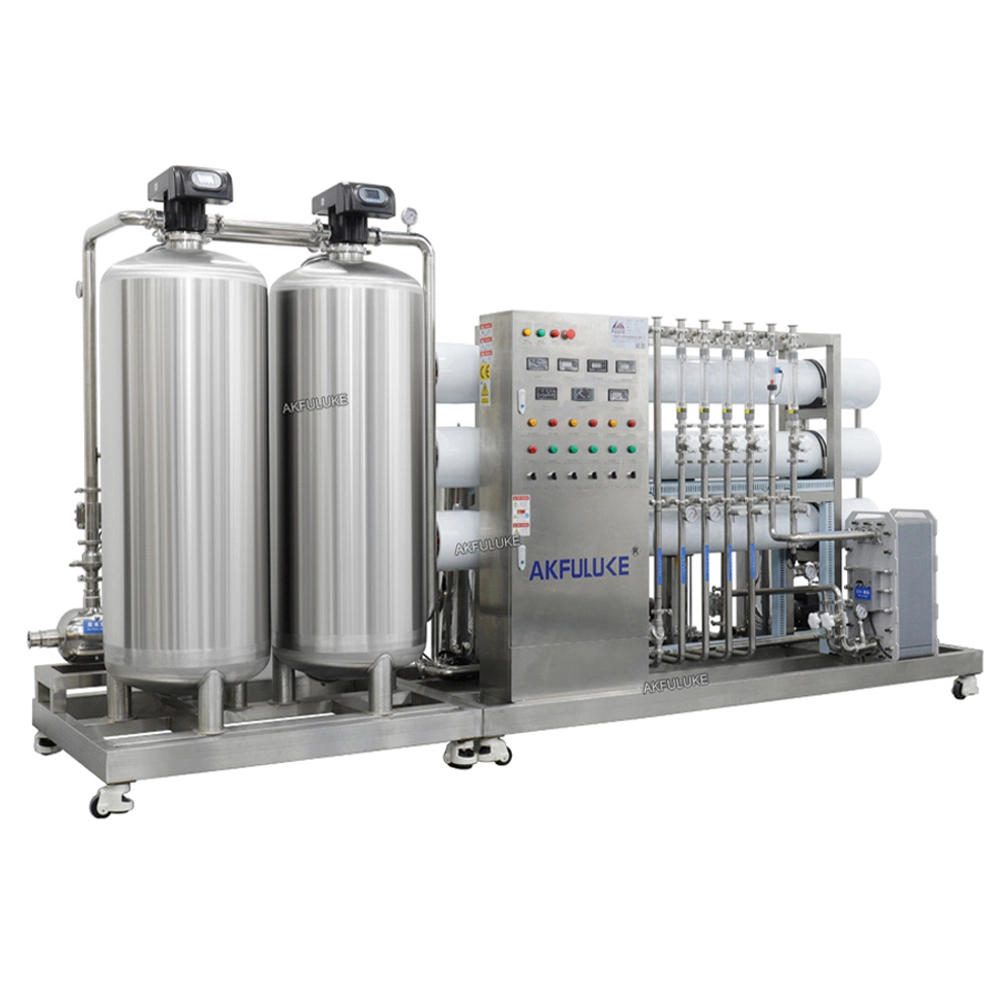
Spec Checklist: Capacity, Recovery, and Water Quality for RO
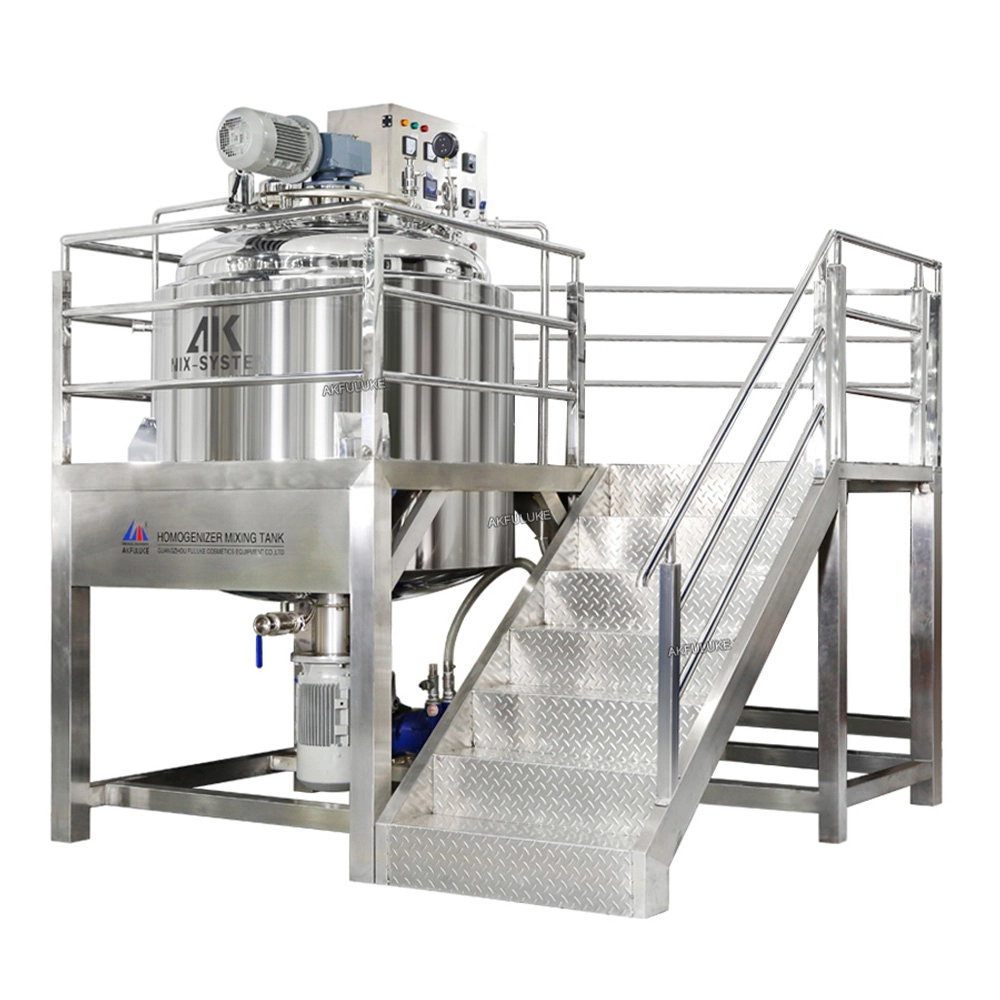
Integrating Mixer Tanks with Agitators into Automated Lines
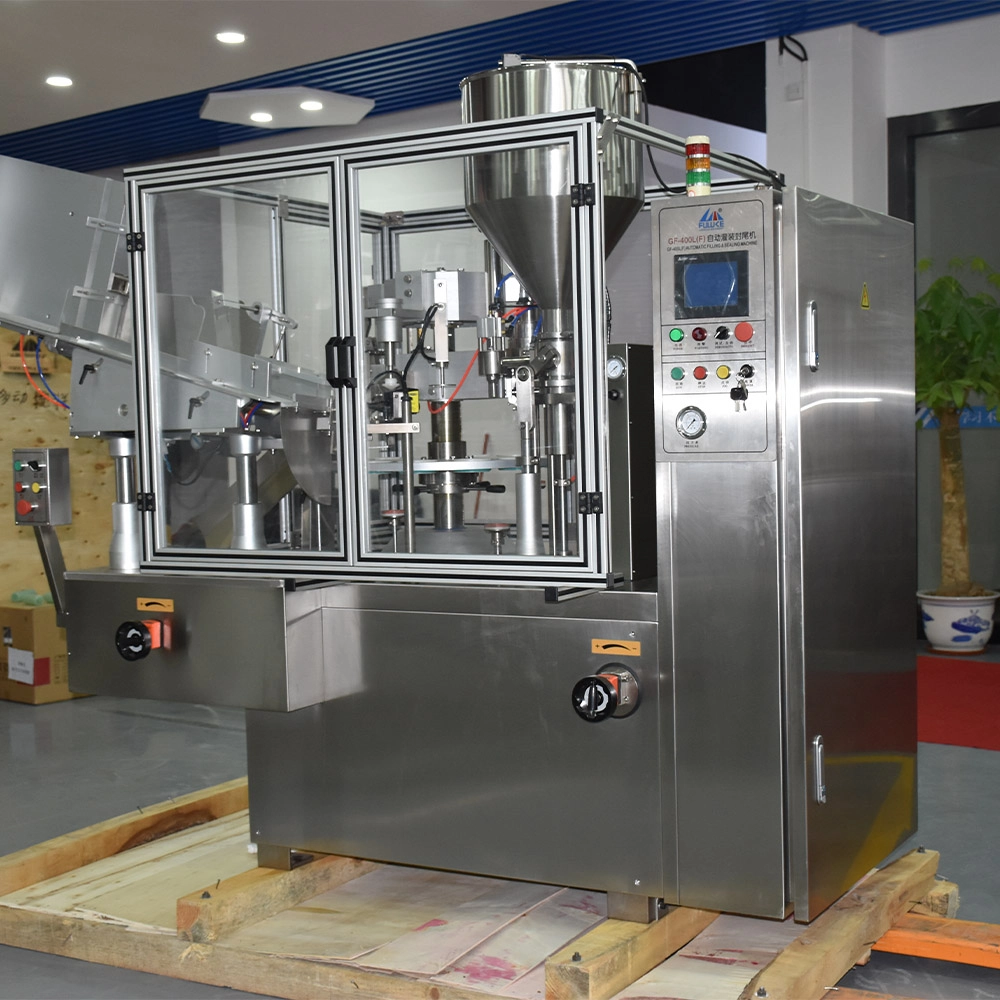
Selecting Filling Machines for Plastic and Aluminum-Plastic Tubes
Automatic Facial Mask Filling Machine
Can you make a design for us?
Yes, we can, we provide not only products, but also solutions and designs.
The Flip Cover Liquid Wash Mixing Homogenizing Tank
Who are we?
Our headquarters is located in Guangzhou, Guangdong, China, and our factory is located in Yangzhou, Jiangsu. Our products are sold all over the world. We have approximately 50 employees in our company and factory.
RO Water Treatment
Can you make a design for us?
Yes, we can, we provide not only products, but also solutions and designs.
Automatic Tube Filling and Sealing Machine
Can you make a design for us?
Yes, we can, we provide not only products, but also solutions and designs.
Perfume Filling Machine
Who are we?
Our headquarters is located in Guangzhou, Guangdong, China, and our factory is located in Yangzhou, Jiangsu. Our products are sold all over the world. We have approximately 50 employees in our company and factory.
You May Also Like
Stainless Steel Mixer Liquid Mixing tank with Agitator Homogenizing Mixing tank Vacuum Sealed Mixer Machine
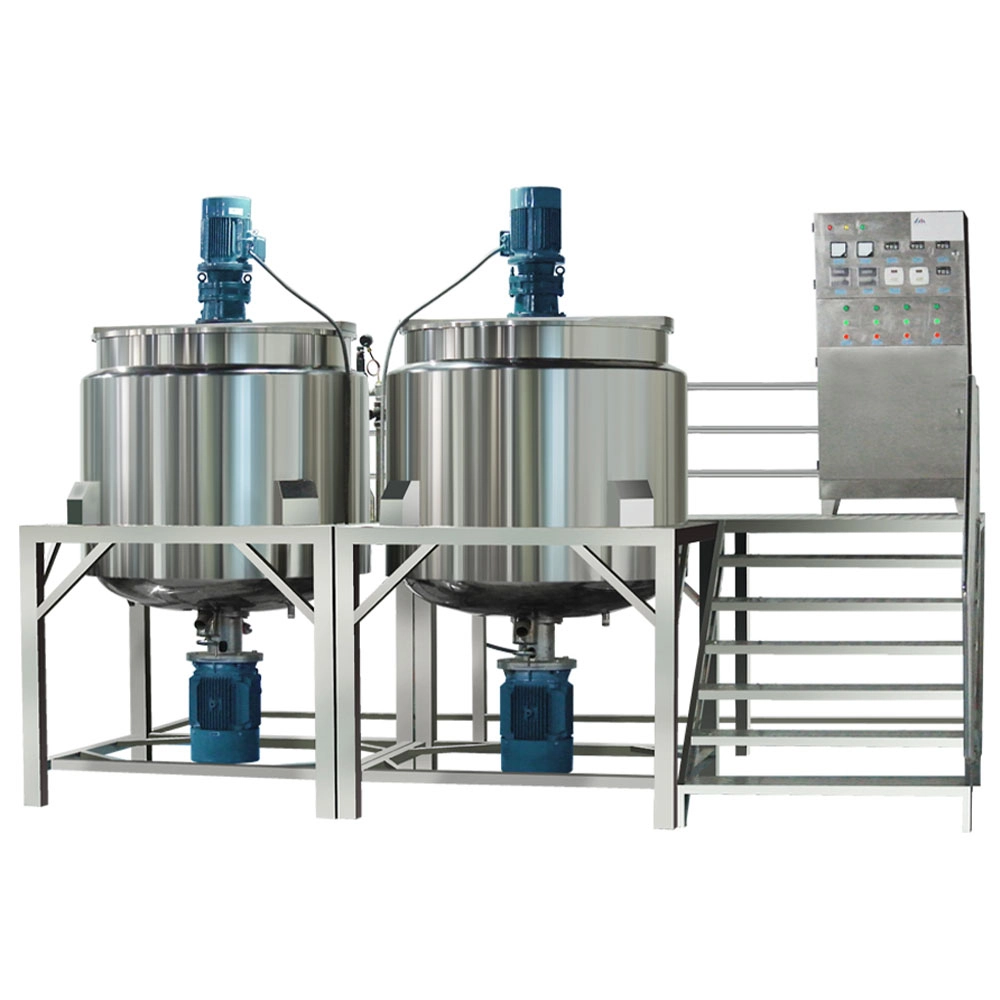
Flip Cover Multi-function Liquid Wash Mixing Tank Blender Liquid Detergent Mixer Homogenization Stirring Tank
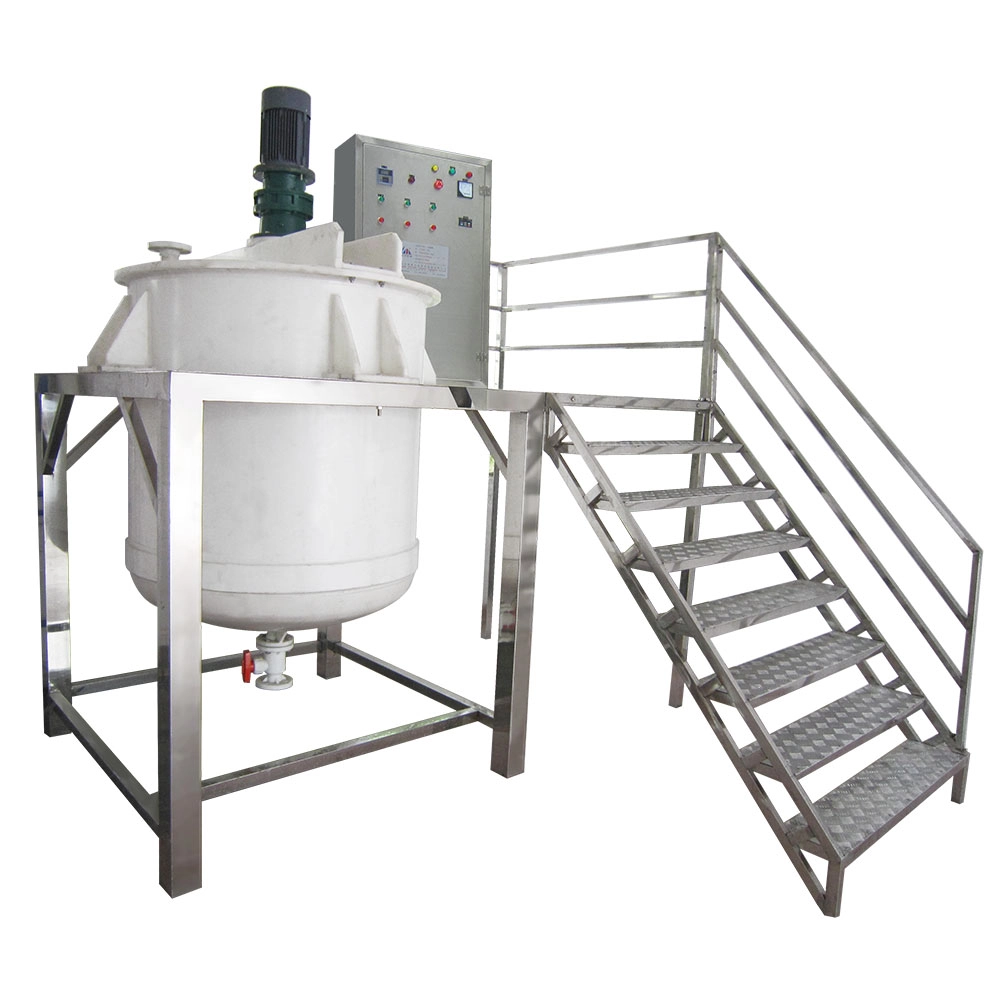
Polypropylene PP Mixing Tank Anti-Corrosion Mixer Reaction Kettle with Agitator Chemical Mixing Vessel
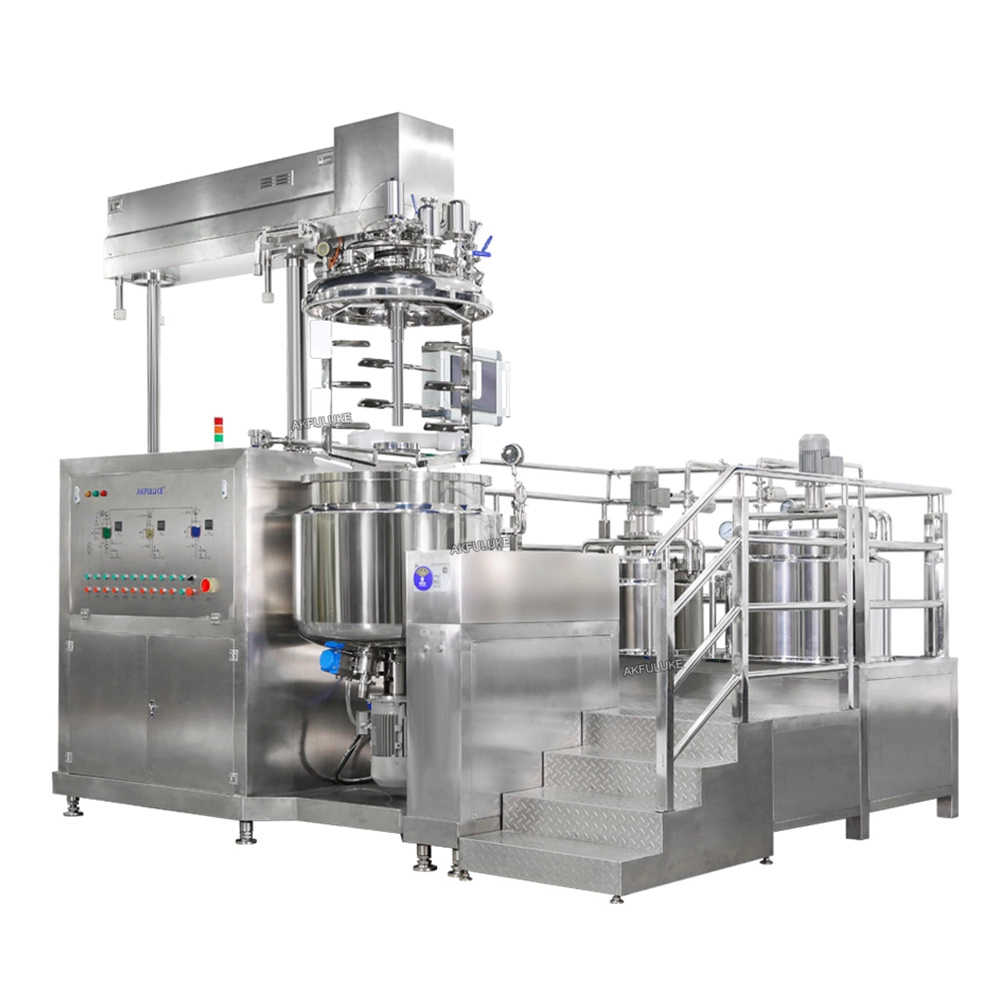
Hydraulic lift Cosmetic Vacuum Homogenizer Emulsifying Mixer for Making Cream and Lotion Mayonnaise Mixing Machine
Get in touch with FULUKE
If you have any comments or good suggestions, please leave us a message, later our professional staff will contact you as soon as possible.

A leading manufacturer specializing in advanced machinery and complete production lines for the cosmetics, food, pharmaceutical, and chemical industries worldwide.
Contact FULUKE
Facebook
Instagram
YouTube