
Blog
Insights from FULUKE on advanced cosmetics machinery, turnkey production lines and tailored solutions for the cosmetics, food, pharma and chemical industries.
Industry news, tips and case studies.

Understanding Servo Capping Machines: The Core Logic of Precise Capping – Understand the Entire Working Process in Seconds
The bottled beverages we drink, the skincare products we use, and the bottled snacks we eat—the caps always tighten just the right amount—neither too loose to leak nor too tight to open. This is thanks to servo capping machines. Unlike the uneven effort of traditional manual capping, and unlike the rough operation of ordinary capping machines, servo capping machines, with their advantages of "precise force control and intelligent following," have become core equipment in automated production lines in industries such as food, pharmaceuticals, and cosmetics.
Many people are curious about how this "capping expert" works. Why can it tighten every cap perfectly? Today, we'll break down the entire working process of a servo capping machine in the simplest terms, from its core structure to the complete workflow, and its unique advantages, explaining it all clearly so even beginners can easily understand.
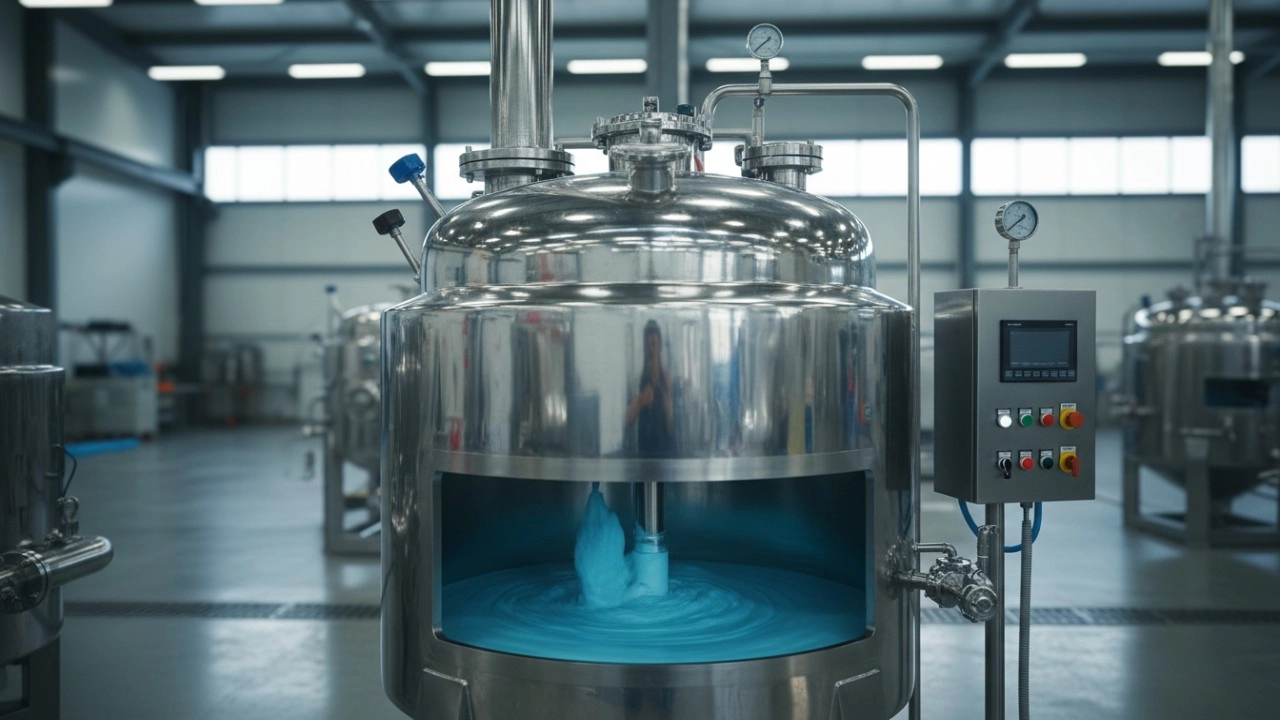
The Future of Industrial Agitation: 5 Smart Mixing Tank Technologies Changing the Game
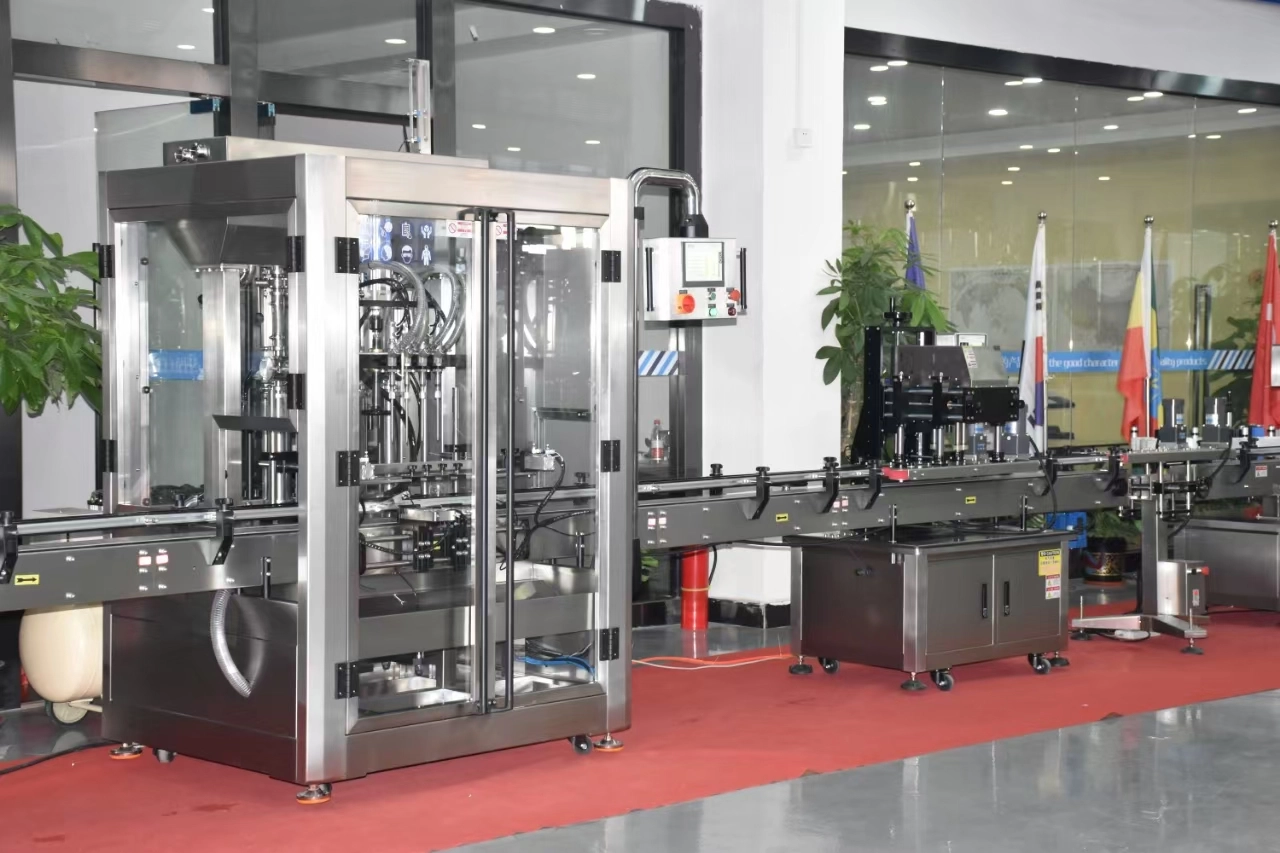
Gear pump filling machine vs. piston filling machine: Key differences broken down to avoid pitfalls in selection.
In the packaging process of industries such as food, pharmaceuticals, chemicals, and cosmetics, the selection of filling machines directly determines production efficiency, product qualification rate, and long-term operating costs. Among them, gear pump filling machines and piston filling machines are the two most widely used volumetric filling machines, often causing purchasers to struggle with the choice—both offer quantitative filling, but which one is more suitable for their production needs?
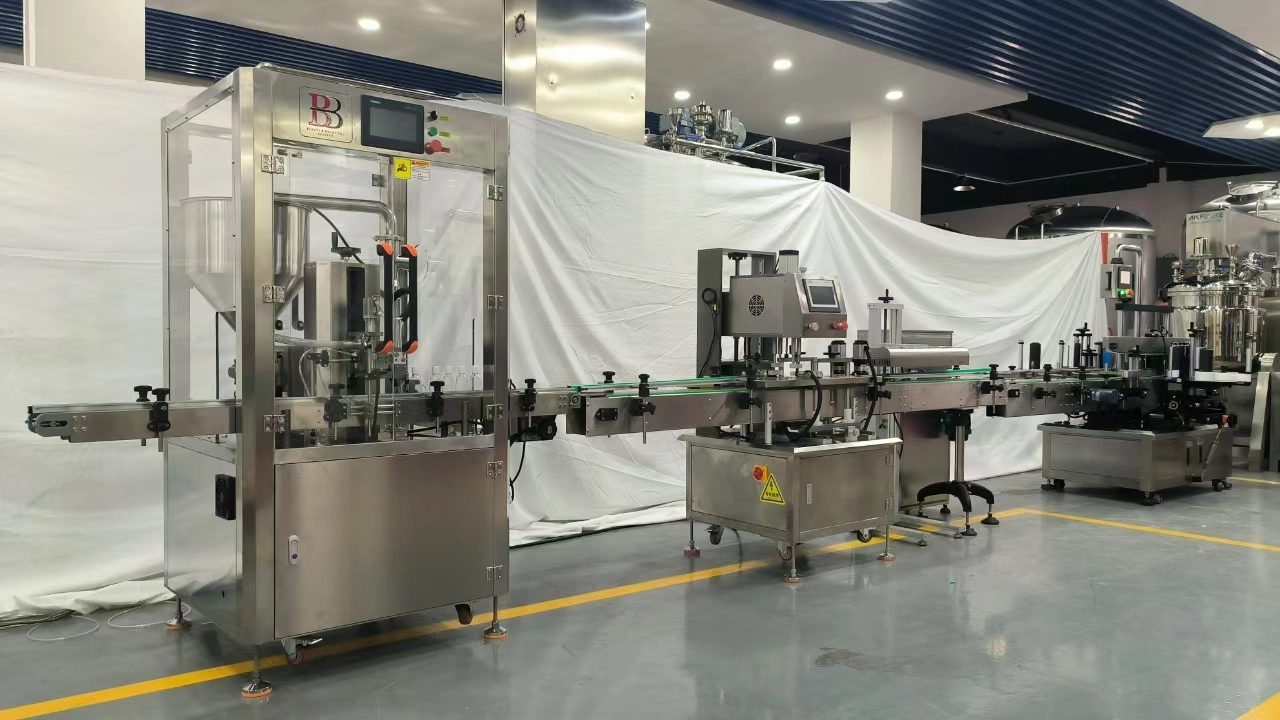
Understand the working principle of a servo gear pump filling machine!
In the food, pharmaceutical, daily chemical, and chemical industries, "precision filling" is an indispensable core requirement on production lines. From controlling errors of a few milliliters per bottle to dispensing kilogram-level quantities of sauce, reliable filling equipment is essential. Servo gear pump filling machines, with their advantages of high precision, high adaptability, and high stability, have become the preferred equipment for many companies.
Many industry professionals deal with them daily, yet may not fully understand their working logic: Why can it precisely control the dosage of each material? How exactly do the servo motor and gear pump work together? What is the key to its stable operation when dealing with viscous and foaming materials? Today, we'll break down the working principle of servo gear pump filling machines in the simplest terms, explaining everything from core components to the complete process!
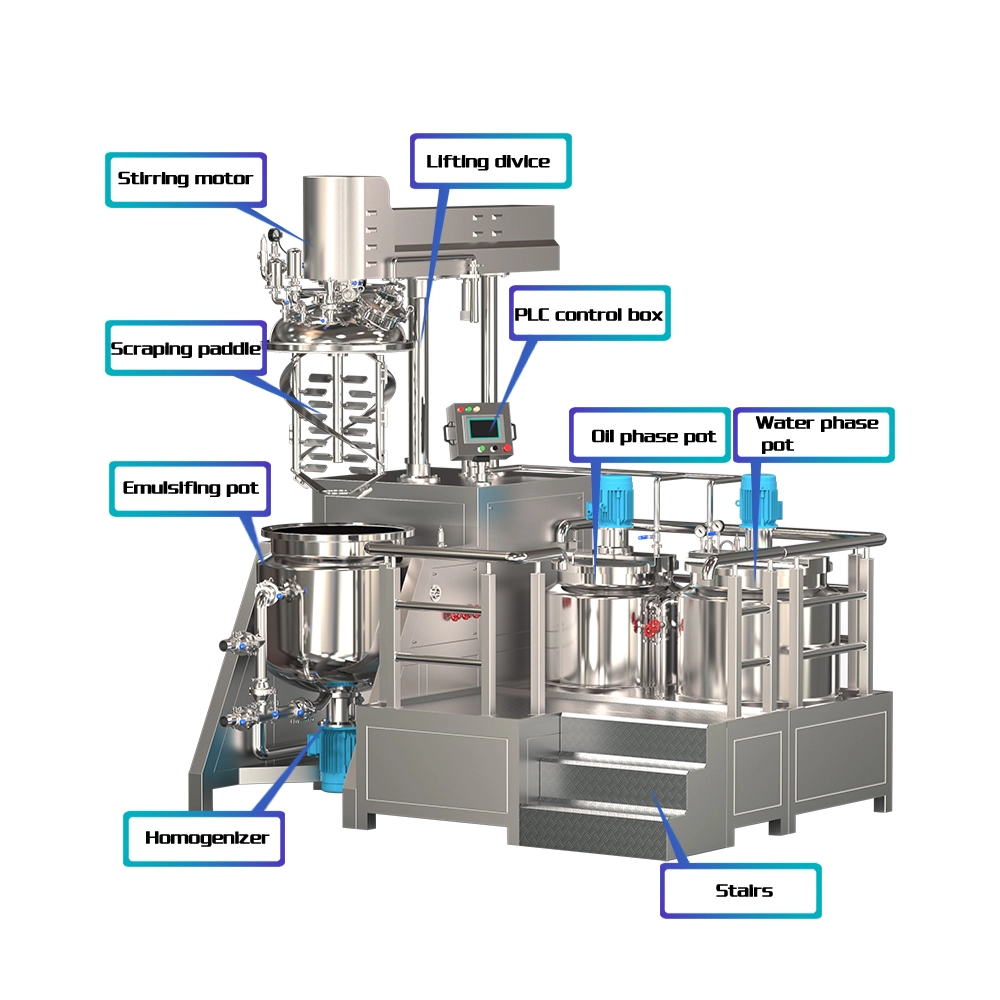
Unveiling the Working Principle of High-Shear Homogenizers: The Core Logic from "Rough Mixing" to "Fine Homogenization"
On production lines in industries such as food, cosmetics, pharmaceuticals, and chemicals, there's always an unsung hero quietly working – it perfectly blends previously separated oil and water, transforms rough materials into fine and uniform textures, and elevates the quality, stability, and overall quality of products. That hero is the high-shear homogenizer.
Many people have seen it, but few know how it simplifies complex processes and refines materials. Today, we'll set aside obscure technical jargon and use simple language to break down the entire working process of the high-shear homogenizer, revealing its core logic.
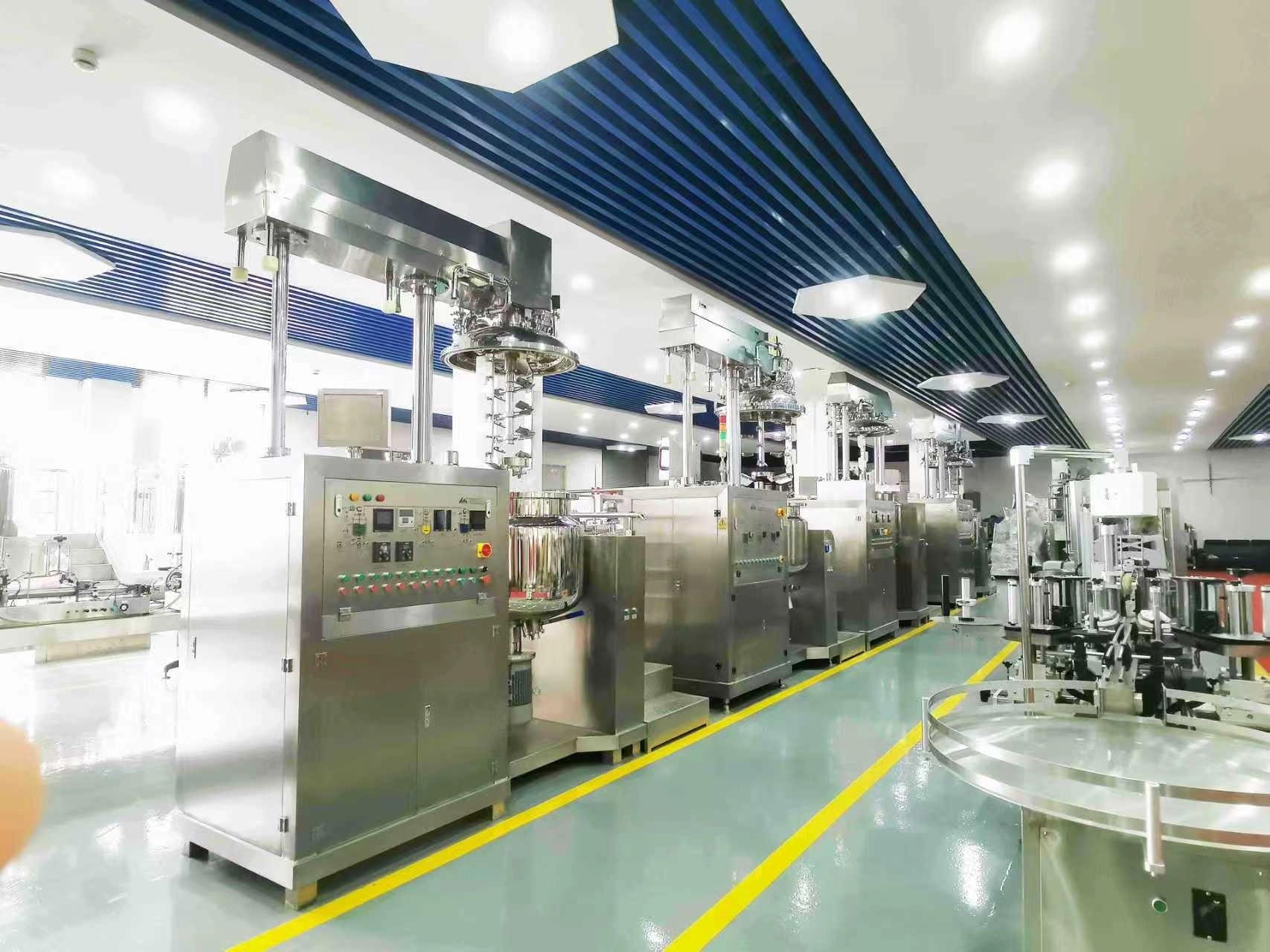
Vacuum Function: An Indispensable Quality and Compliance Key in Cosmetic Production
In cosmetics manufacturing, "appearance" and "safety" are core competitive advantages—fine texture, stable durability, and absence of pollutants are not only core consumer demands but also stringent industry compliance requirements. Vacuum technology, seemingly basic yet crucial, permeates multiple core stages of cosmetic production, including emulsification, mixing, filling, and defoaming, silently safeguarding product quality and serving as a vital support for achieving production compliance. Today, let's discuss just how important vacuum technology is in cosmetics manufacturing.
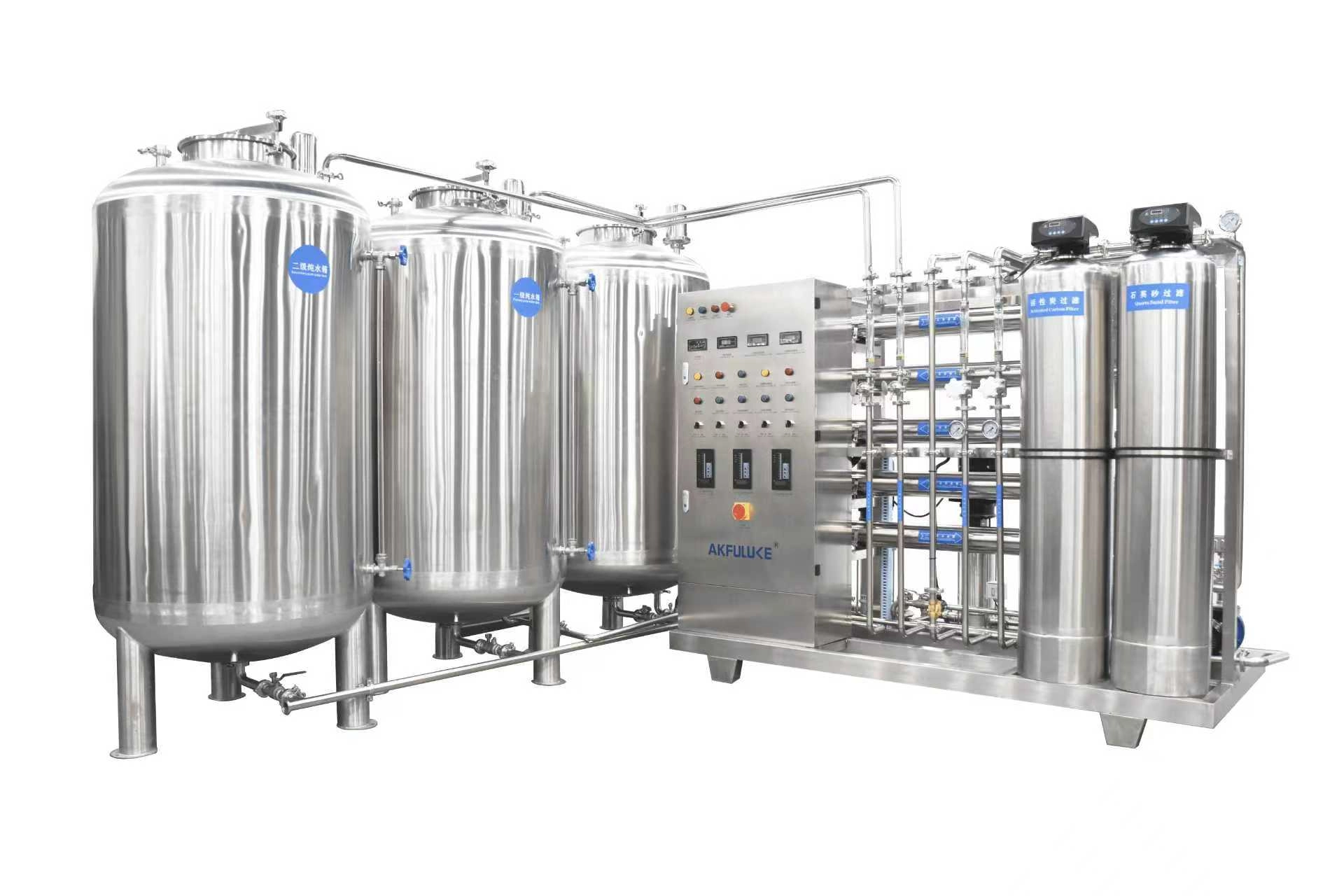
RO water treatment: From equipment to treated water, building a robust defense line for safe and compliant drinking water.
Reverse osmosis (RO) technology is currently the mainstream method for purifying drinking water, effectively filtering out impurities, heavy metals, and microorganisms. However, to consistently produce drinking water that meets national standards (GB 5749), it is crucial to control the four core aspects: equipment, process, operation and maintenance, and testing. Although the process is not complex, every step must adhere to compliance standards.
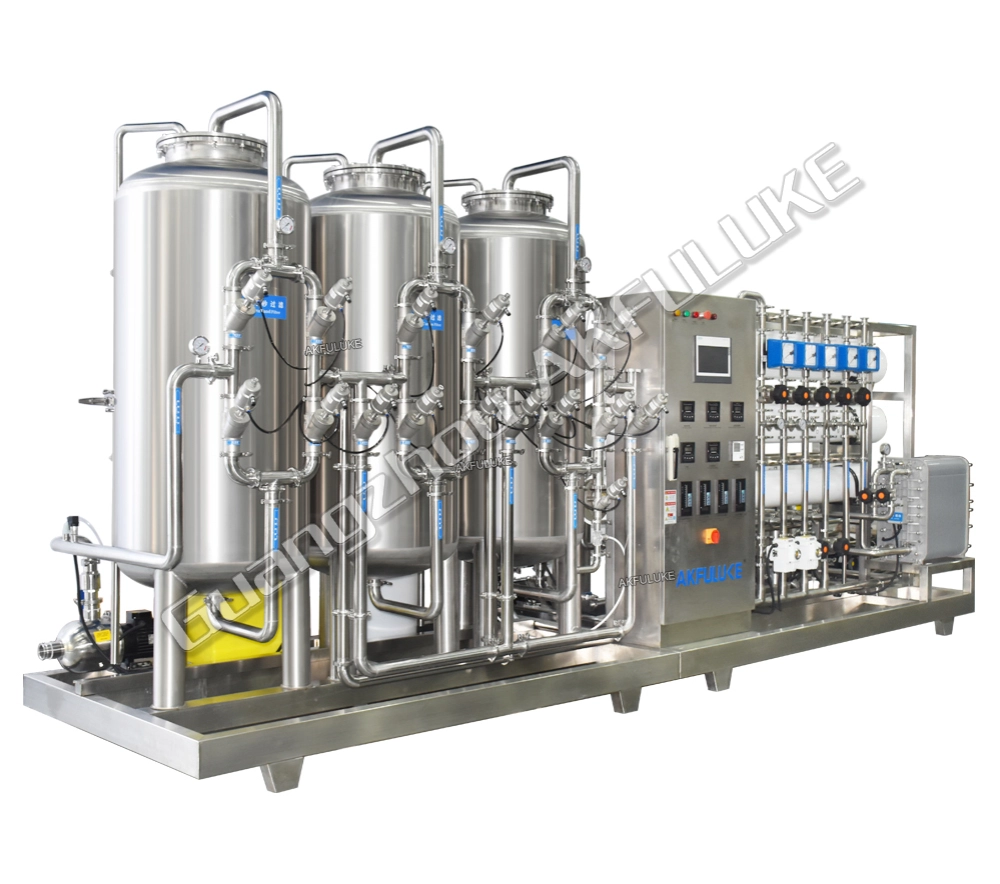
FULUKE reverse osmosis equipment empowers the pharmaceutical and cosmetics industries to achieve compliant production.
In the pharmaceutical and cosmetics industries, water is not only a raw material but also the core foundation of product safety and quality. Pharmaceutical preparations require the elimination of microbial and endotoxin contamination to ensure medication safety, while cosmetics need to avoid heavy metals and impurities that affect product stability and skin feel. Reverse osmosis (RO) technology, as a core solution for high-precision water treatment, is becoming crucial for both industries to maintain compliance and enhance product competitiveness. FULUKE deeply understands industry needs and develops customized reverse osmosis water treatment systems that precisely meet the stringent standards of the pharmaceutical and cosmetics industries.
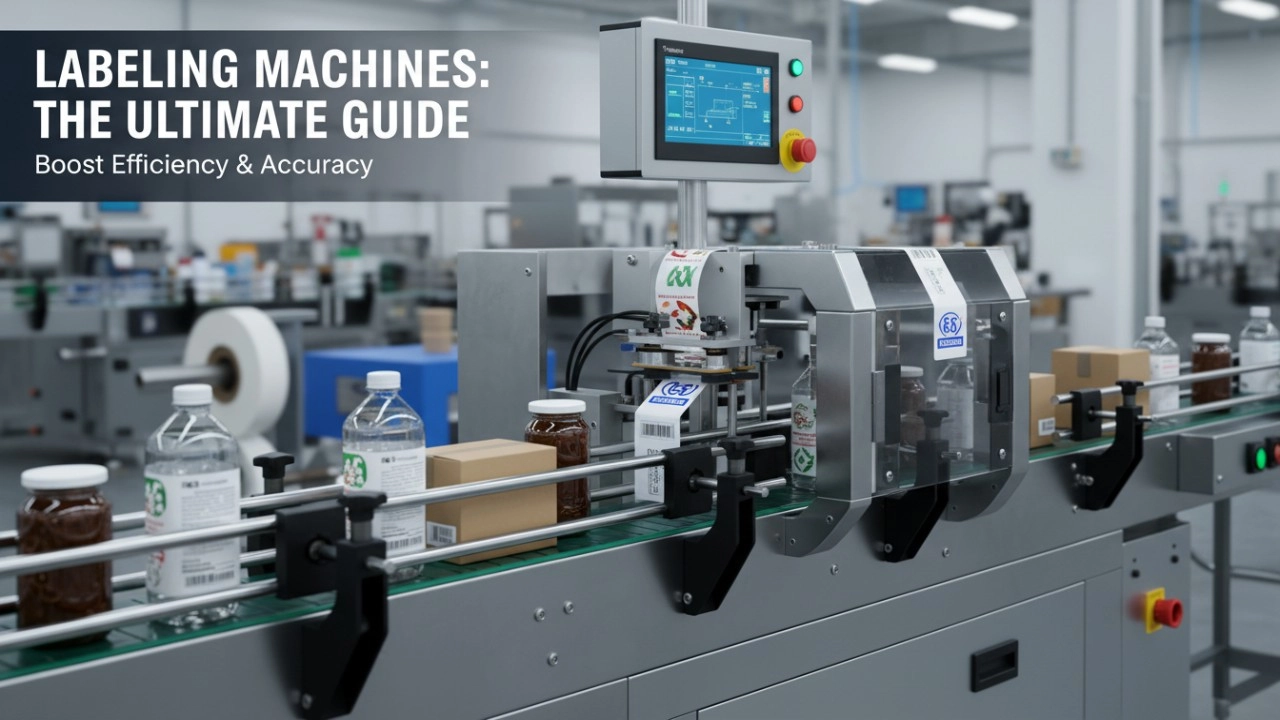
The Ultimate Guide to Labeling Machines 2026: A Critical Component in Modern Packaging Operations
A comprehensive 2026 guide to industrial labeling machines, covering types, mechanical components, ROI analysis, and future trends like AI and IoT integration for packaging efficiency.
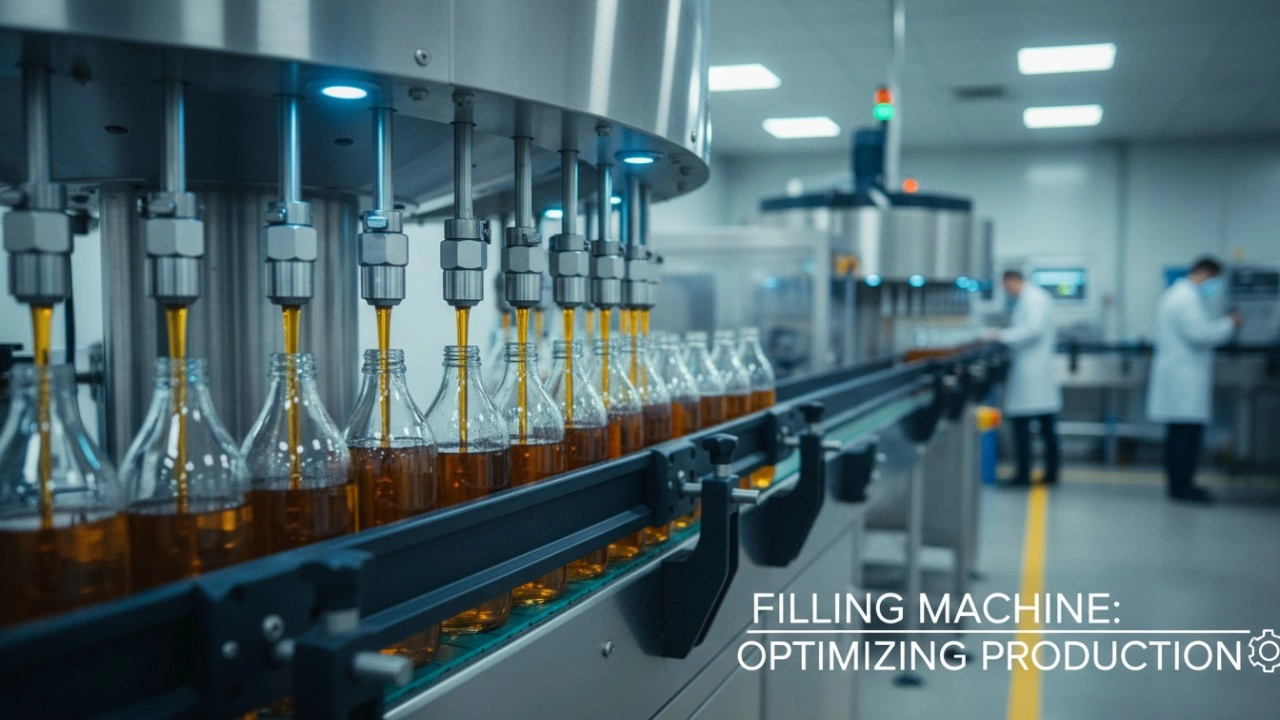
Top 15 Global Filling Machine Manufacturers: The Definitive Ranking for 2026
A definitive 2026 ranking of the top 15 global filling machine manufacturers, featuring market trends, buying advice, and a spotlight on industry leaders like Krones and FULUKE.
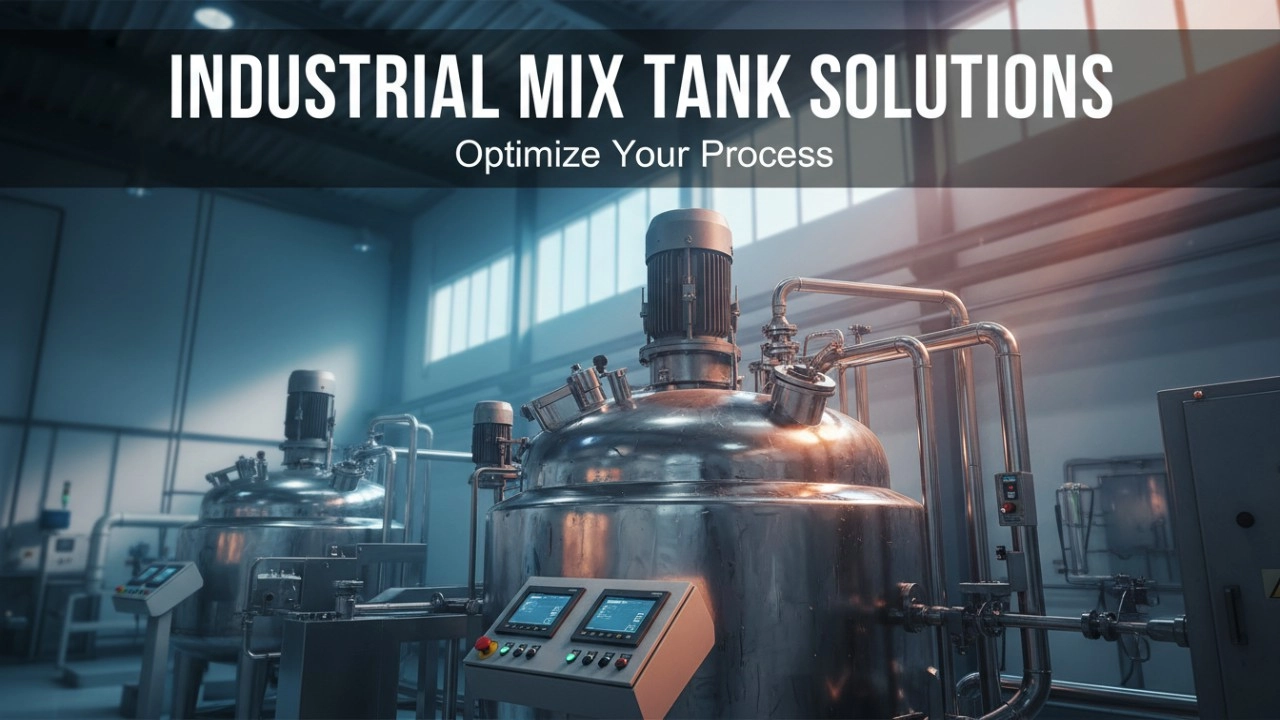
The Ultimate Guide to Mix Tanks: Design, Applications, and Future Trends for 2026
A comprehensive expert guide to industrial mix tanks, covering design, material selection, maintenance, and future trends for 2026. Learn how to optimize your mixing processes for efficiency and compliance.

Ultimate Guide to Industrial Reverse Osmosis Systems 2026: Innovations & Applications
A comprehensive guide to industrial reverse osmosis systems, covering working principles, cost analysis ($15k–$1M+), fluoride removal, and future trends like AI integration.
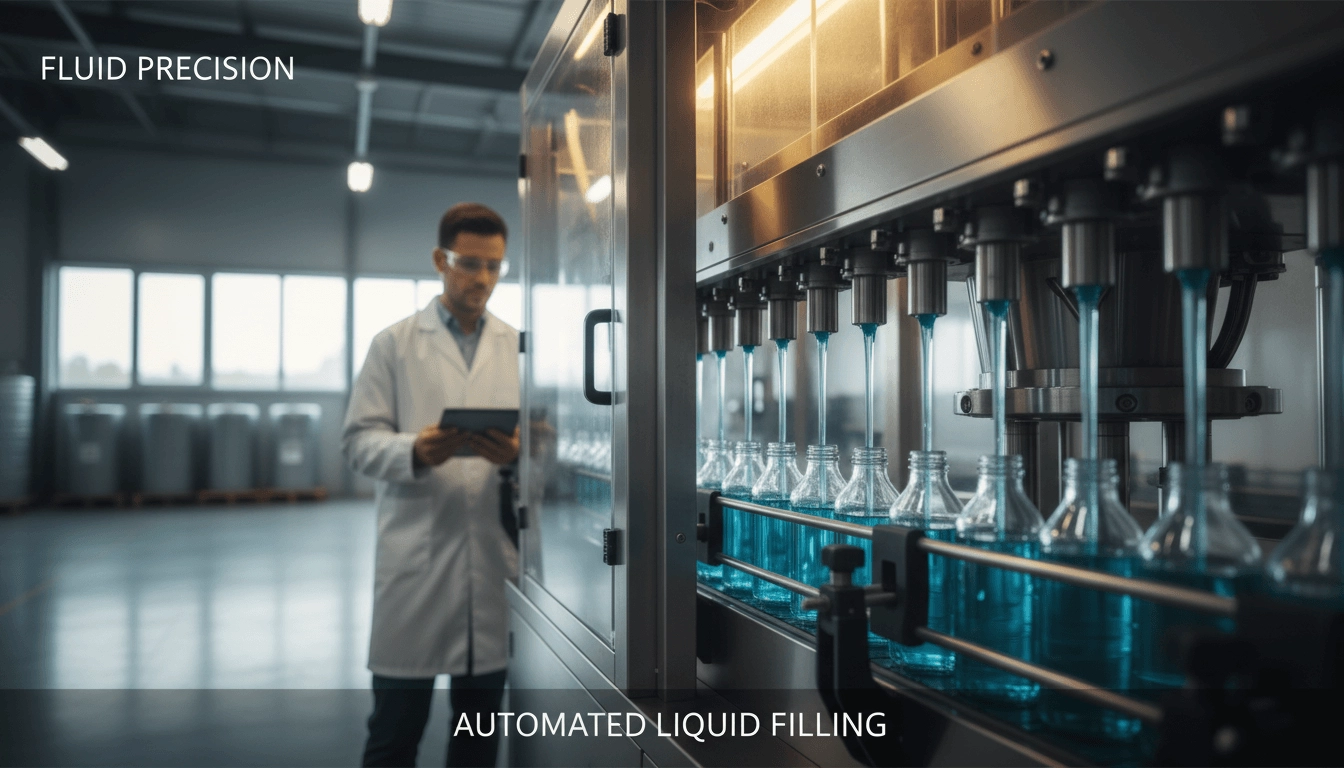
Ultimate Guide to Liquid Filling Machines in 2026: Types and Trends
A comprehensive 'Skyscraper' guide for industry professionals covering every aspect of liquid filling machines. From detailed comparisons of filling principles (piston, gravity, vacuum) to calculating Total Cost of Ownership (TCO) and navigating FDA regulations. This article explores cutting-edge trends like AI integration and sustainable packaging, positioning your production line for success in 2026.
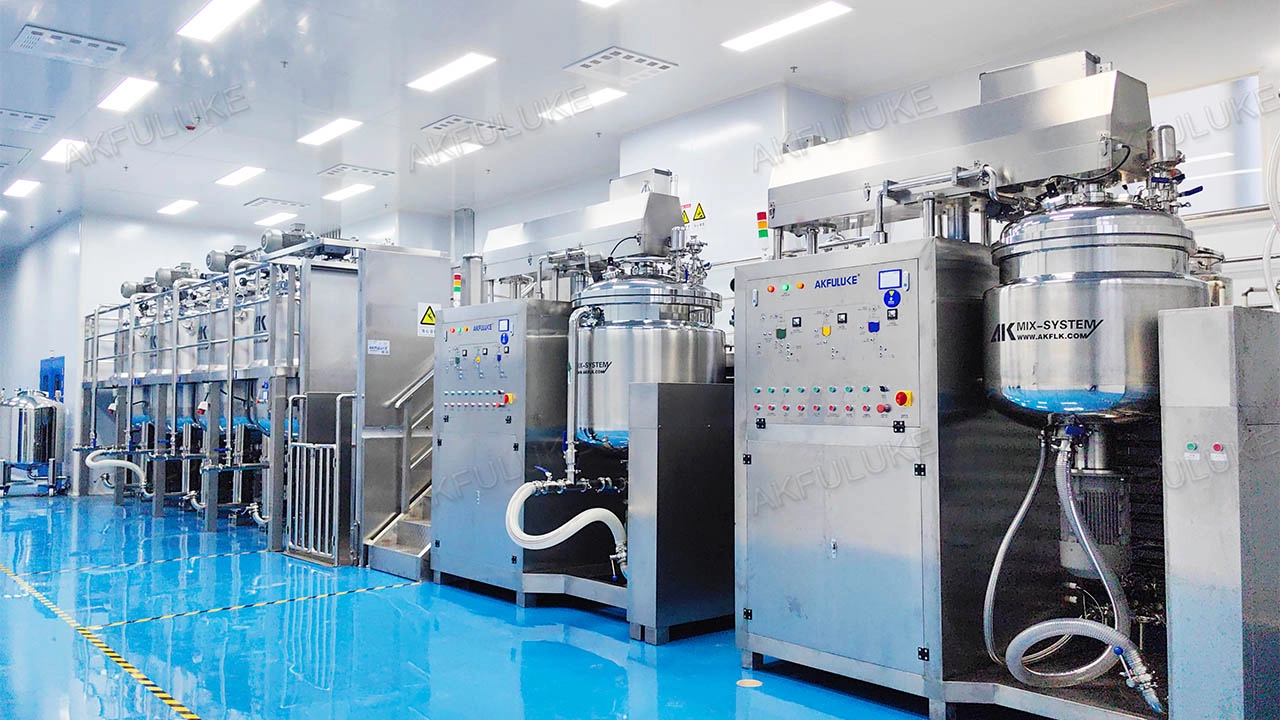
Vacuum Emulsifying machine: The Key to High-Quality Creams and Lotions
In the cosmetics industry, creams and lotions are popular among consumers, and their quality directly impacts a brand's reputation and market competitiveness. To create creams and lotions with a delicate texture, stability, and high efficiency, a vacuum emulsifying machine is undoubtedly the key equipment behind this.
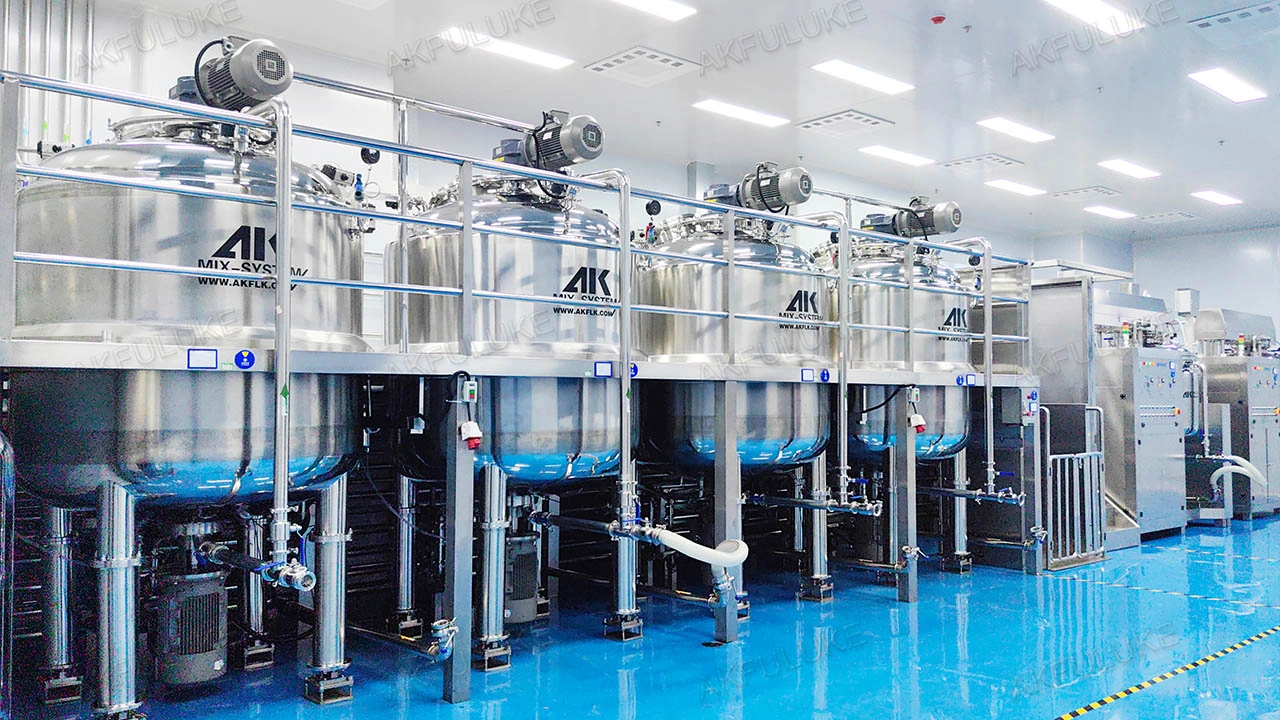
Multifunctional liquid detergent homogenizing and mixing pot: the core of shaping the high quality of liquid detergent products
In the fields of daily chemicals, household cleaning, and personal care, the quality of liquid detergent products directly determines market competitiveness. From the smoothness of shampoo to the detergency of laundry detergent, from the foam stability of dishwashing liquid to the mildness of shower gel, all rely on the precision support of production equipment.
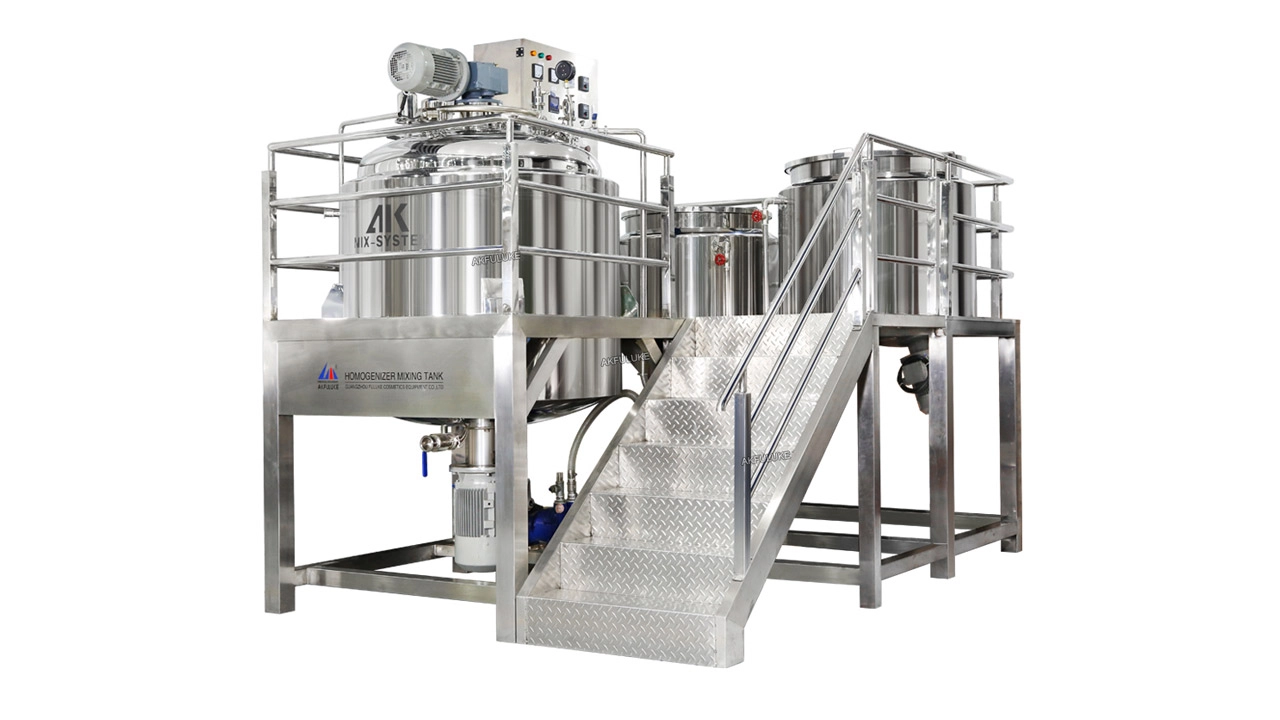
The Competitive Advantages of FULUKE Cosmetic Vacuum Emulsifying Machines
In the modern cosmetics industry, the quality and consistency of creams, lotions, and serums depend heavily on the equipment used in production. FULUKE’s hydraulic lift cosmetic vacuum homogenizer emulsifying mixers are designed to meet these needs. Combining advanced technology, precise control, and versatility, our machines ensure every batch achieves optimal texture, stability, and performance.
But what makes FULUKE vacuum emulsifying machines stand out from competitors? Let’s explore the competitive advantages in detail.
Get in Touch With FULUKE
We are here to assist you with any inquiries about our advanced cosmetics machinery and customized production solutions.
Reach out to us through the following channels to discuss your specific needs or request further information.

A leading manufacturer specializing in advanced machinery and complete production lines for the cosmetics, food, pharmaceutical, and chemical industries worldwide.
Contact FULUKE
Facebook
Instagram
YouTube