
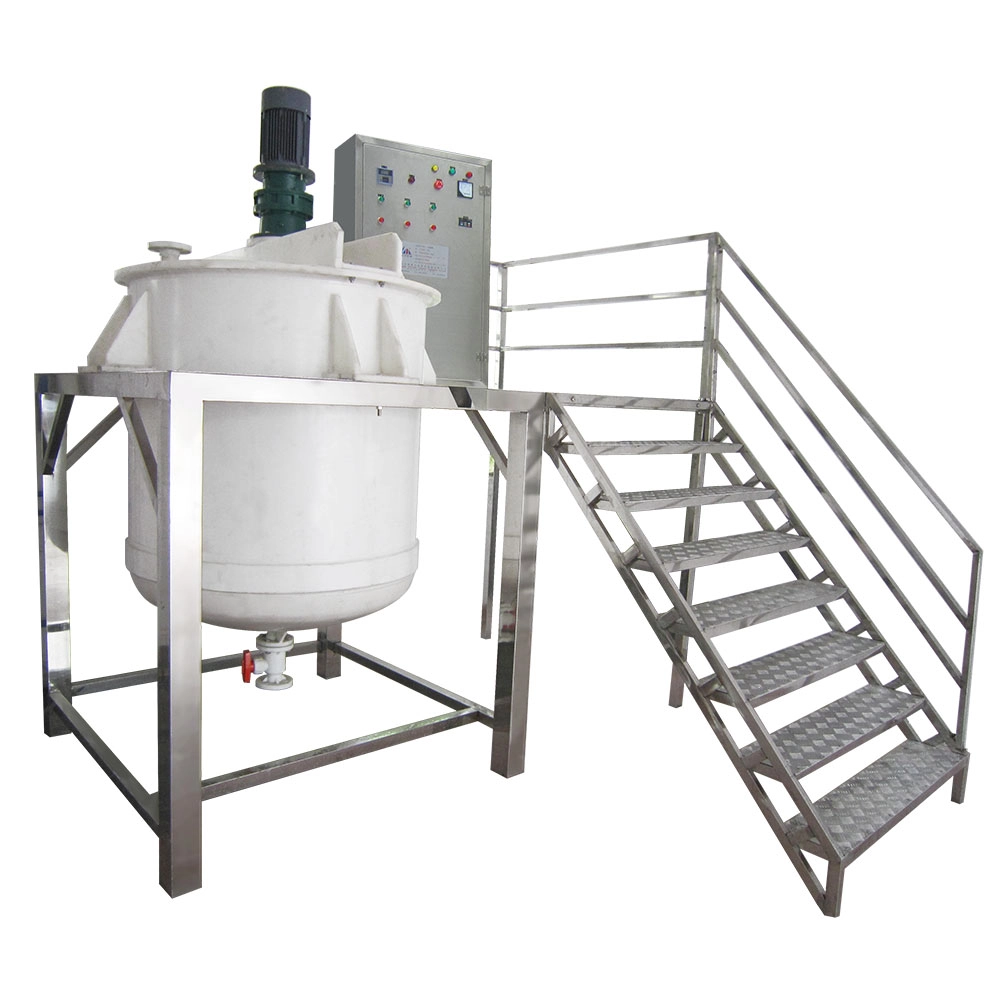
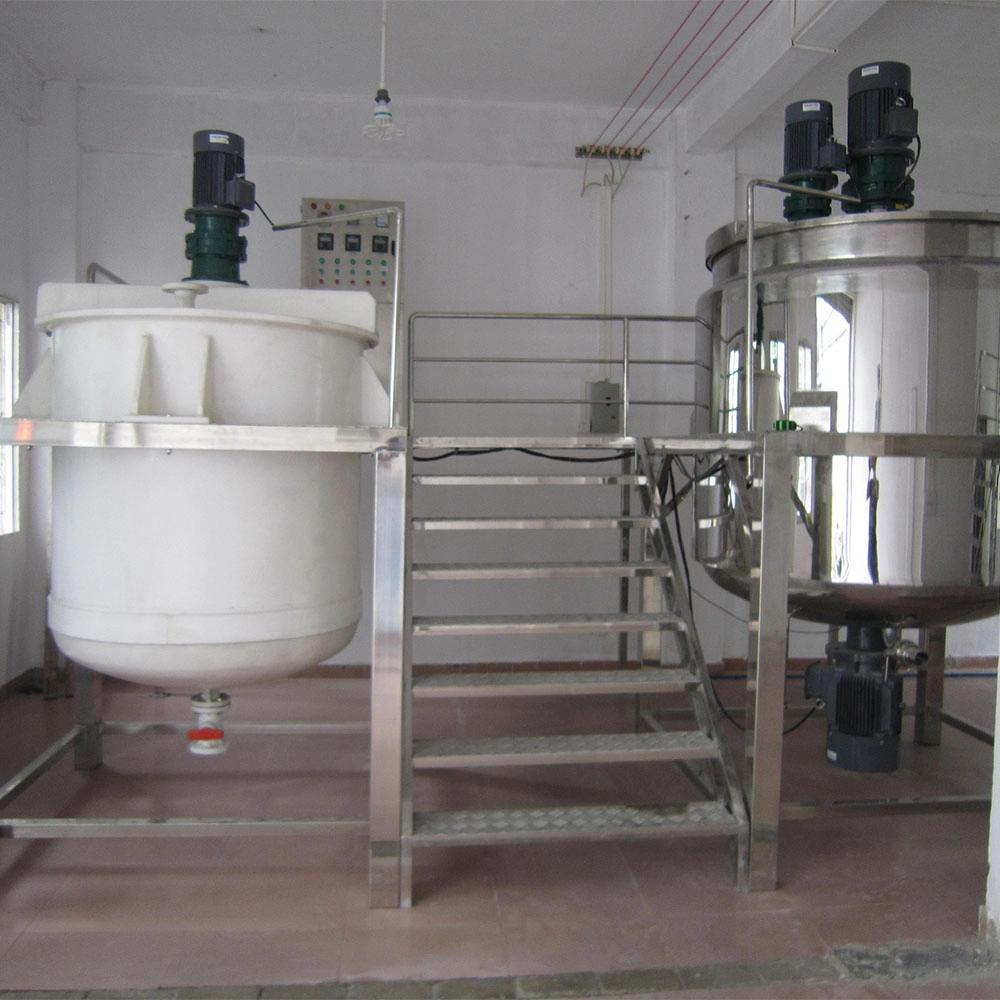
Polypropylene PP Mixing Tank Anti-Corrosion Mixer Reaction Kettle with Agitator Chemical Mixing Vessel
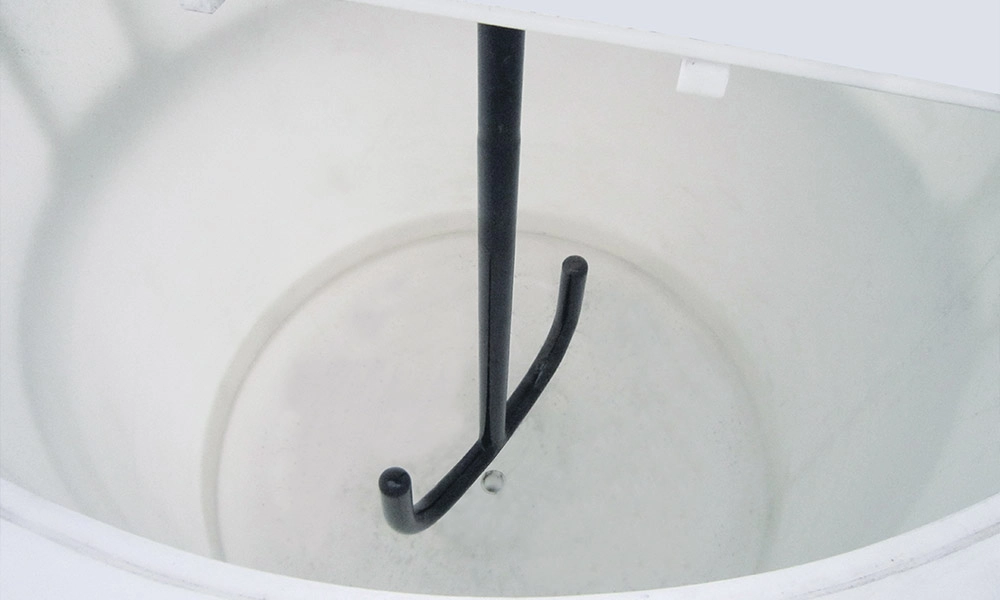
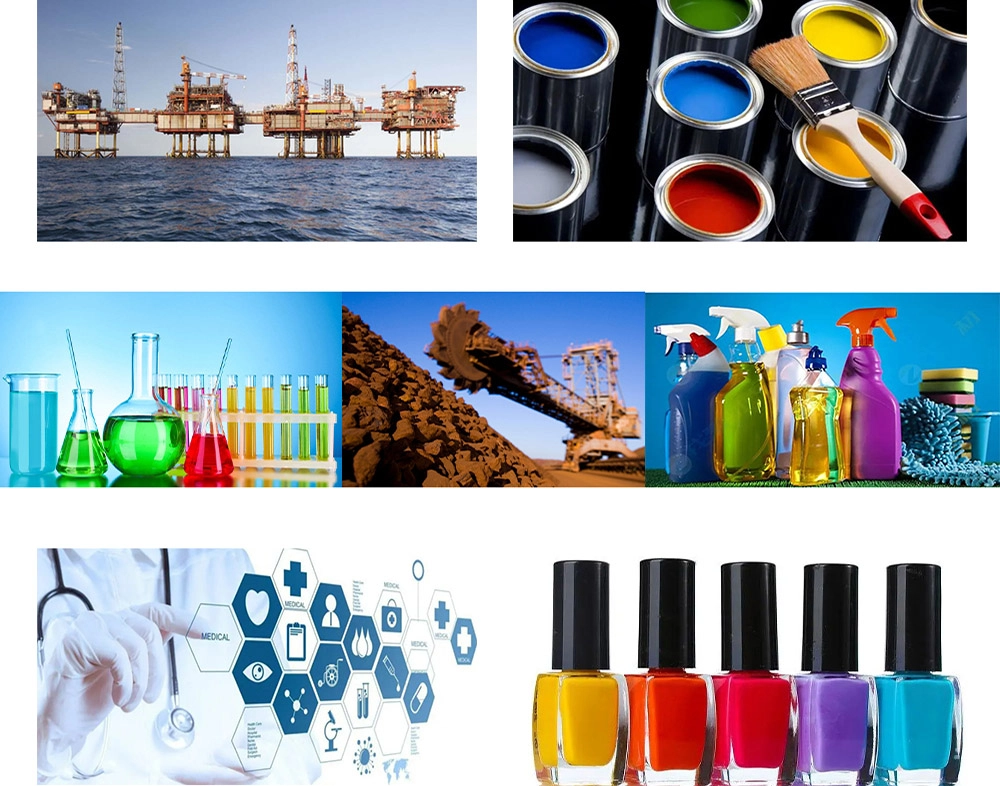
This PP polypropylene anti-corrosion mixing tank is mainly used in chemical, medicine, petroleum and other industrial lines. lt is especially suitable for any highly corrosive strong acid and strong alkali chemical production, and are also suitable for the production of permed water in the cosmetics industry.The mixer pot is made of PP, PVC, plastic material. it is very hard to reaction with any chemical product. The stirring blade is made of enamel. This machine has explosion prevent motor, it is very easy to operate, is light, and is also anti-corrosive.
The equipment also boasts lightweight and easy maintenance, making it convenient for transport and installation. Its smooth, non-stick interior and open-top design allow for quick cleaning, minimizing material residue and cross-contamination. The PP anti-corrosion mixing kettle is particularly well-suited for preparing electroplating solutions, mixing wastewater treatment agents, preparing corrosive samples in the laboratory, and performing chemical intermediate reactions. It is an ideal material handling device that balances corrosion resistance, cost-effectiveness, and ease of operation.
Polypropylene PP Mixing Tank: Key Features
Product Details
Machine Specifications
| Material | High-quality Polypropylene PP, PVC, plastic material. | ||
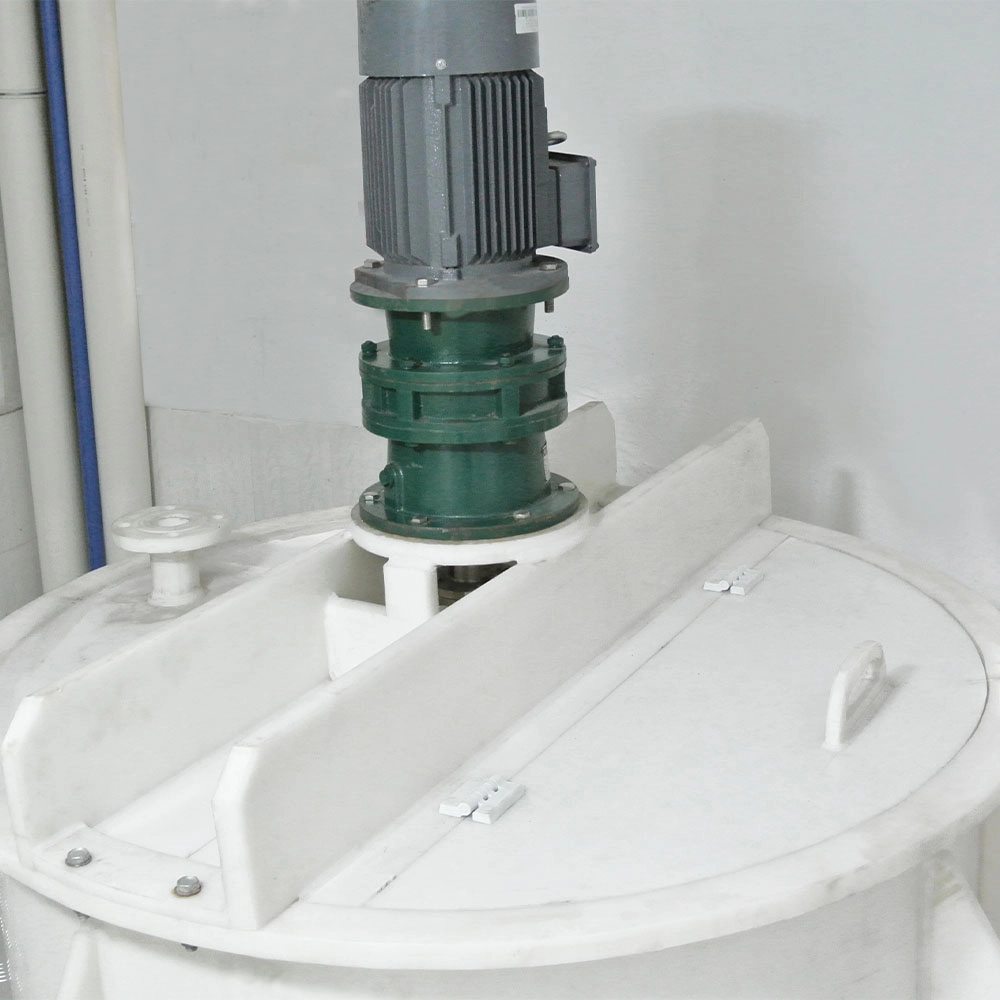
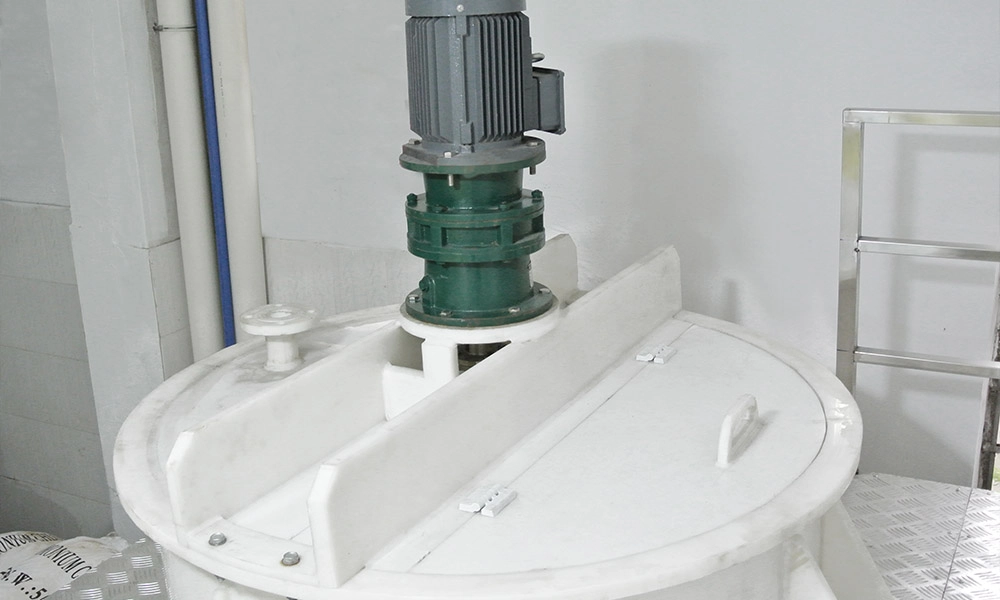
| Pot lid Type | Flip lid type, half of the lid can be opened. | ||
| Capacity | From 10L to 10000L (Customizable) | ||
| Main Components | The PP Polypropylene anti-corrosion mixing tank is mainly composed of mixing system, electric control system, operation platform, etc. | ||
| Mixing System | Enamel anchor agitator. | ||
| Motor brand | German Siemens or Swiss ABB | ||
| Customization | Available in various sizes, capacity, designs, function and branding options | ||
General Application
Machine Advantages
Customization Options


Packaging & Logistic
Frequently Asked Questions
Polypropylene PP Mixing Tank
What is the structure of an agitator?
The agitator usually consists of enamel anchor agitator.
Which mixing pot should I choose between a PP and a stainless steel mixing pot?
When the material is corrosive, a PP mixing pot is more advantageous. Stainless steel (such as 304) has poor resistance to acids and alkalis (easily corroded by hydrochloric acid and sodium hydroxide). For corrosion protection, upgrading to 316L stainless steel is necessary, which costs 2-3 times more than PP. PP, on the other hand, can withstand low- to medium-concentration corrosive media and offers low maintenance (no rust removal required, and low scaling).
When the material is non-corrosive, a stainless steel mixing pot is more advantageous. Stainless steel offers higher temperature resistance (up to 200°C), greater strength (suitable for high-viscosity materials), and a higher hygienic grade (easy to clean aseptically), making it suitable for non-corrosive but demanding applications such as food and pharmaceuticals.
Can you customize the machine?
Of course, we provide customized services according to customer needs.
Who are we?
Our headquarters is located in Guangzhou, Guangdong, China, and our factory is located in Yangzhou, Jiangsu. Our products are sold all over the world. We have approximately 50 employees in our company and factory.
What can you buy from us?
RO Water Treatment、Vacuum Emulsifying Machine、Homogenizer Mixing Tank、Filling and Capping、labeling Machine、Packing Machine、Storage Tank,etc.
The sticky material on the inner wall of a mixing pot is difficult to clean after use. What are some effective cleaning methods?
The inner wall of a PP mixing pot is smooth and rust-free. Cleaning the sticky material can be done based on the material characteristics and the type of material:
General cleaning (water-soluble/low-viscosity sticky materials): Use a high-pressure water jet to directly flush the inner wall, and use a soft-bristled brush (to avoid scratching the PP surface) to scrub any hard corners. If there is dried-on material, soak it in warm water (≤60°C) for 10-30 minutes to soften it before rinsing.
Stubborn sticky material (oily/high-viscosity materials): Use a neutral detergent (such as dishwashing liquid) or a suitable weak solvent (such as ethanol; verify compatibility between the material and the solvent) to wipe it clean, then rinse with clean water. Avoid using strong acid or alkaline cleaning agents (although PP is corrosion-resistant, they may react with residual material to produce harmful substances).
Long-term maintenance: Clean the pot promptly after each use to prevent material from drying out. After cleaning, wipe the inner wall dry to prevent microbial growth in a humid environment.
Get a free quote
Please fill out the form below to request detailed information about our advanced cosmetics machinery.
Our team at FULUKE will respond promptly to assist you with customized solutions for your production needs.
You May Also Like
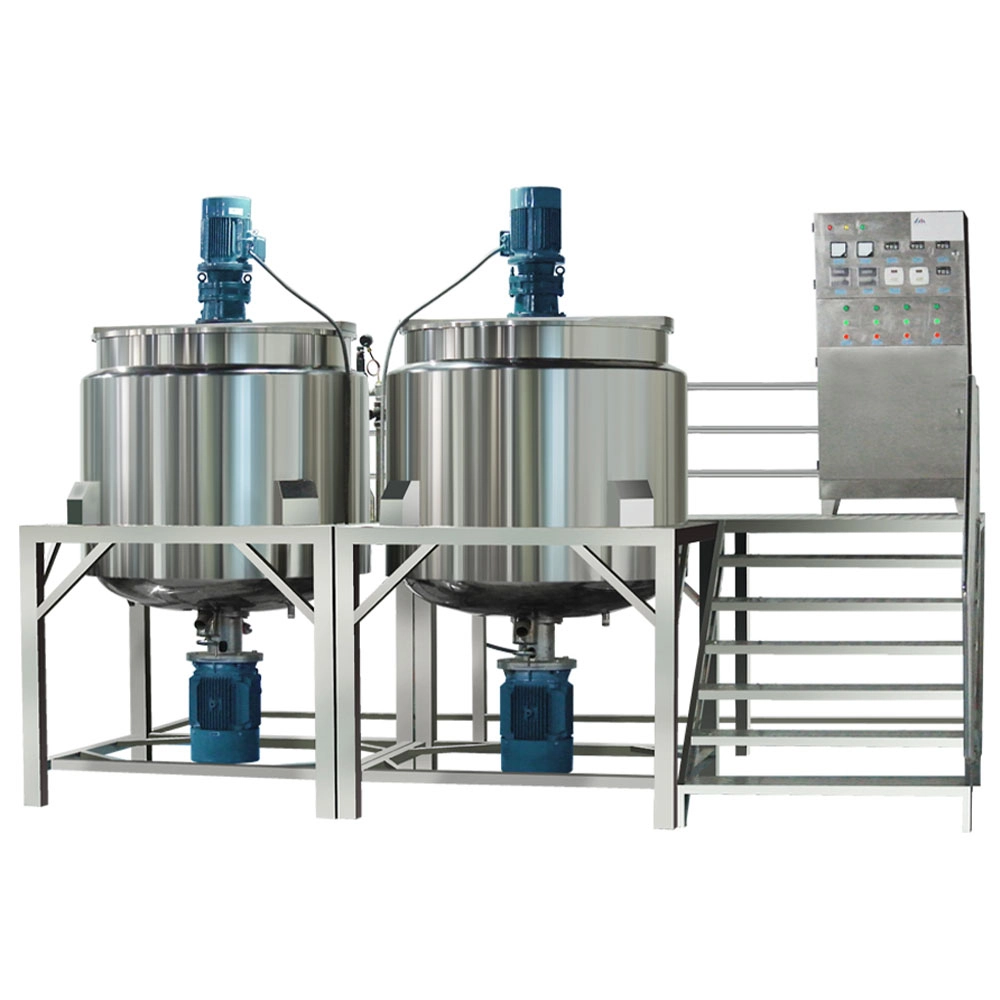
Flip Cover Multi-function Liquid Wash Mixing Tank Blender Liquid Detergent Mixer Homogenization Stirring Tank
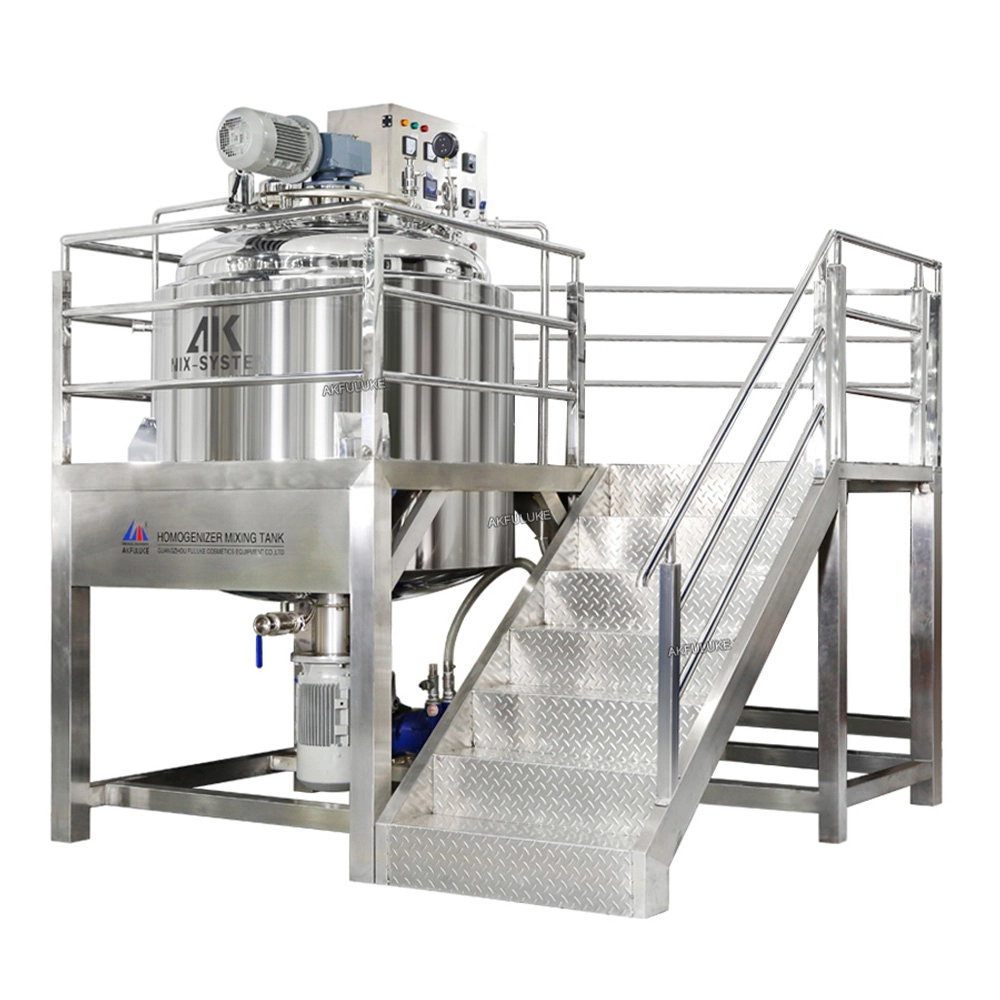
Stainless Steel Mixer Liquid Mixing tank with Agitator Homogenizing Mixing tank Vacuum Sealed Mixer Machine
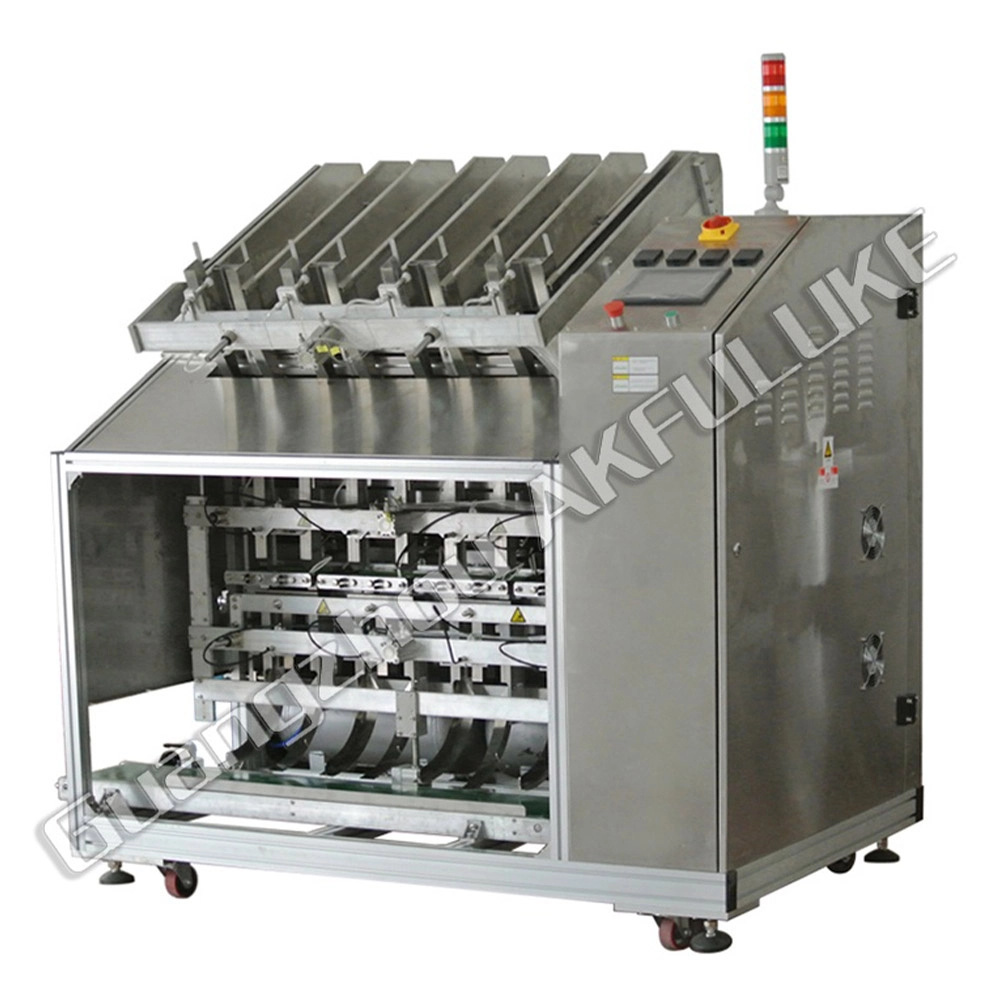
Effective Automatic Facial Mask Filling Machine 2/6/8 Heads Facial Mask Filling and Sealing Machine
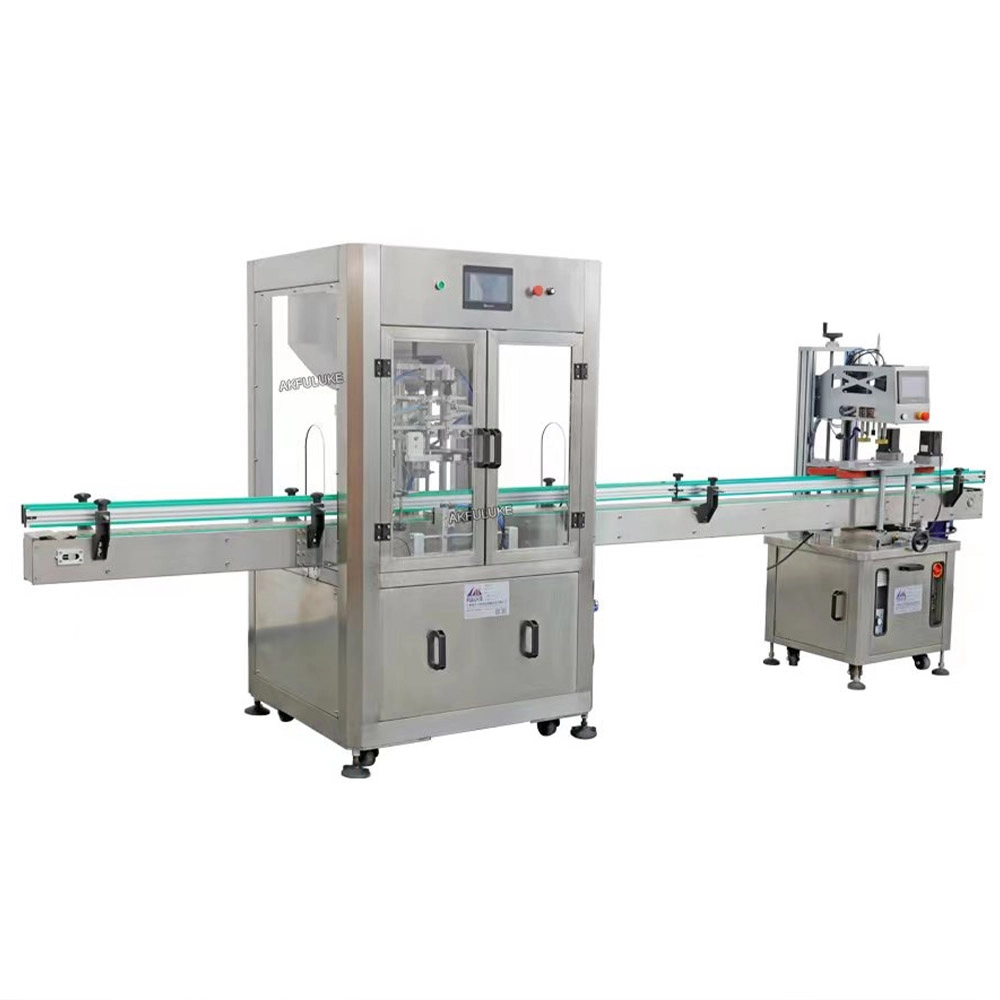
Automatic Filling Machine Quantitative Liquid Bottle Filling Machine High-precision cream and lotion filling machine

A leading manufacturer specializing in advanced machinery and complete production lines for the cosmetics, food, pharmaceutical, and chemical industries worldwide.
Contact FULUKE
Facebook
Instagram
YouTube