
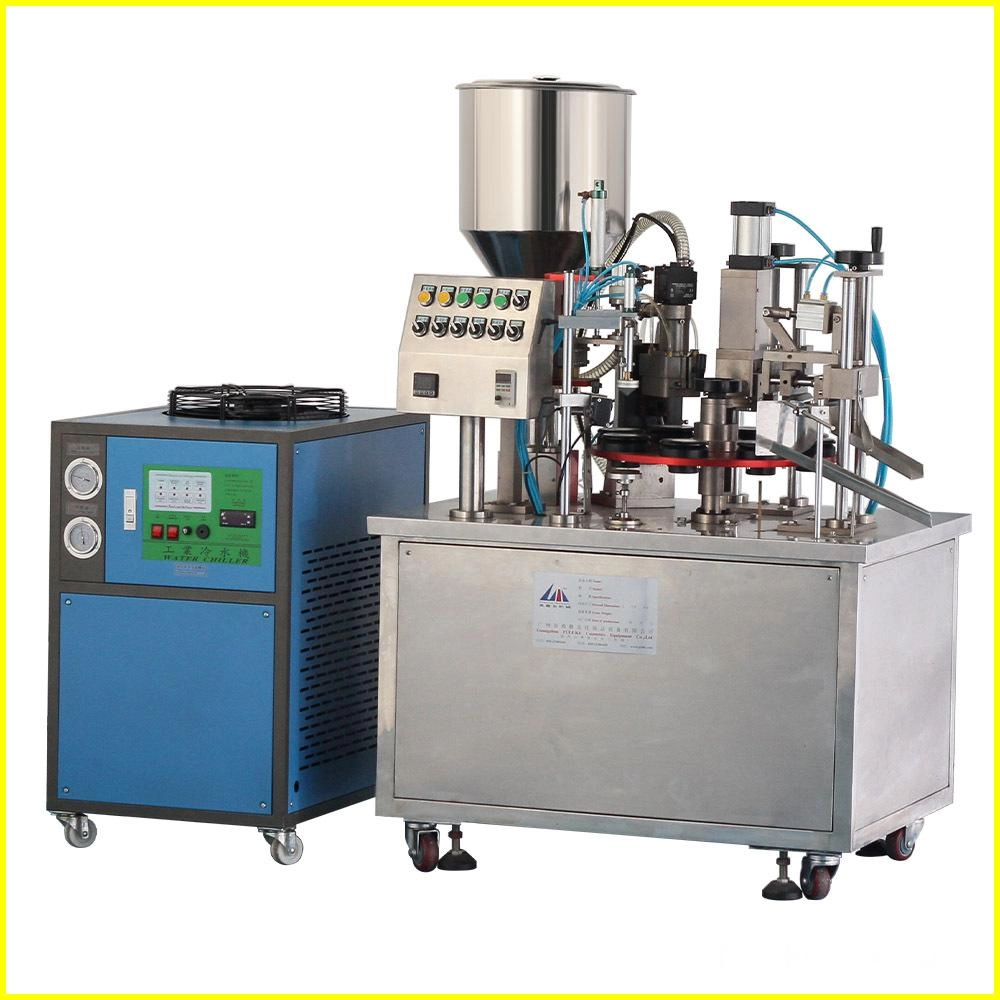
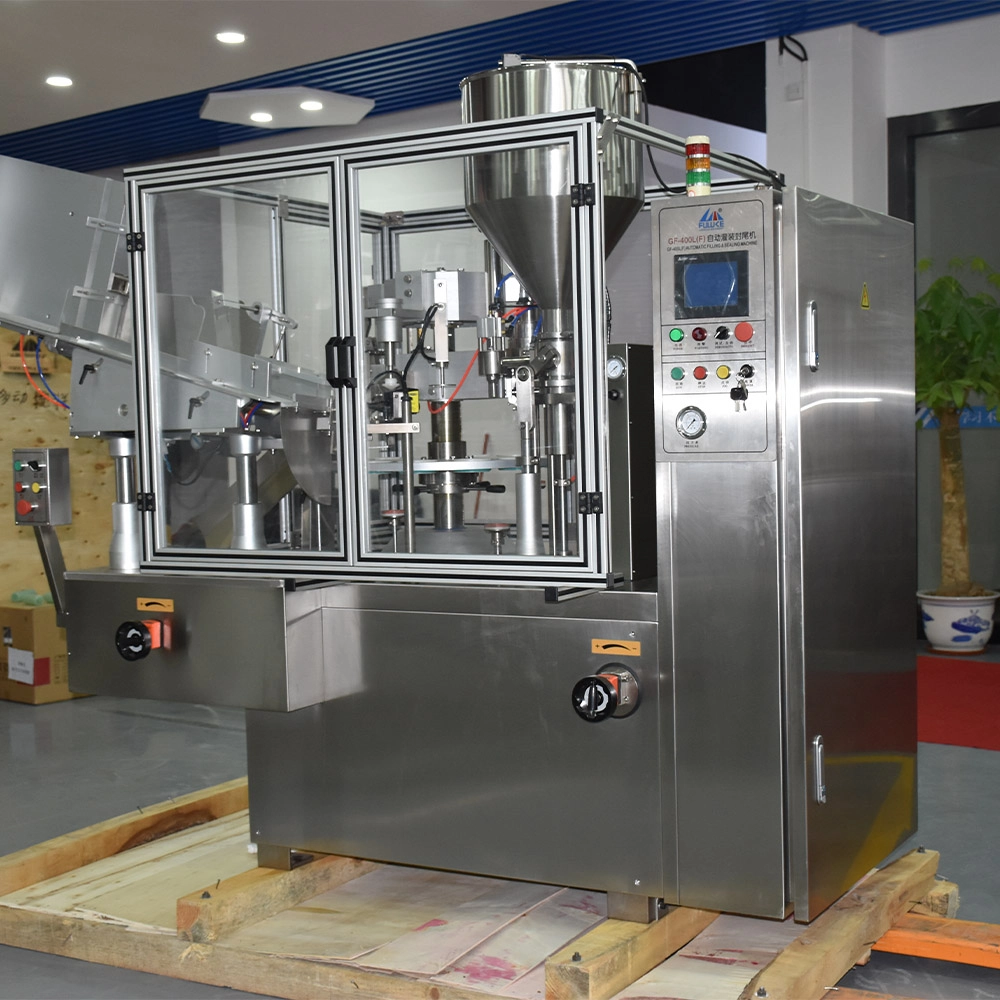
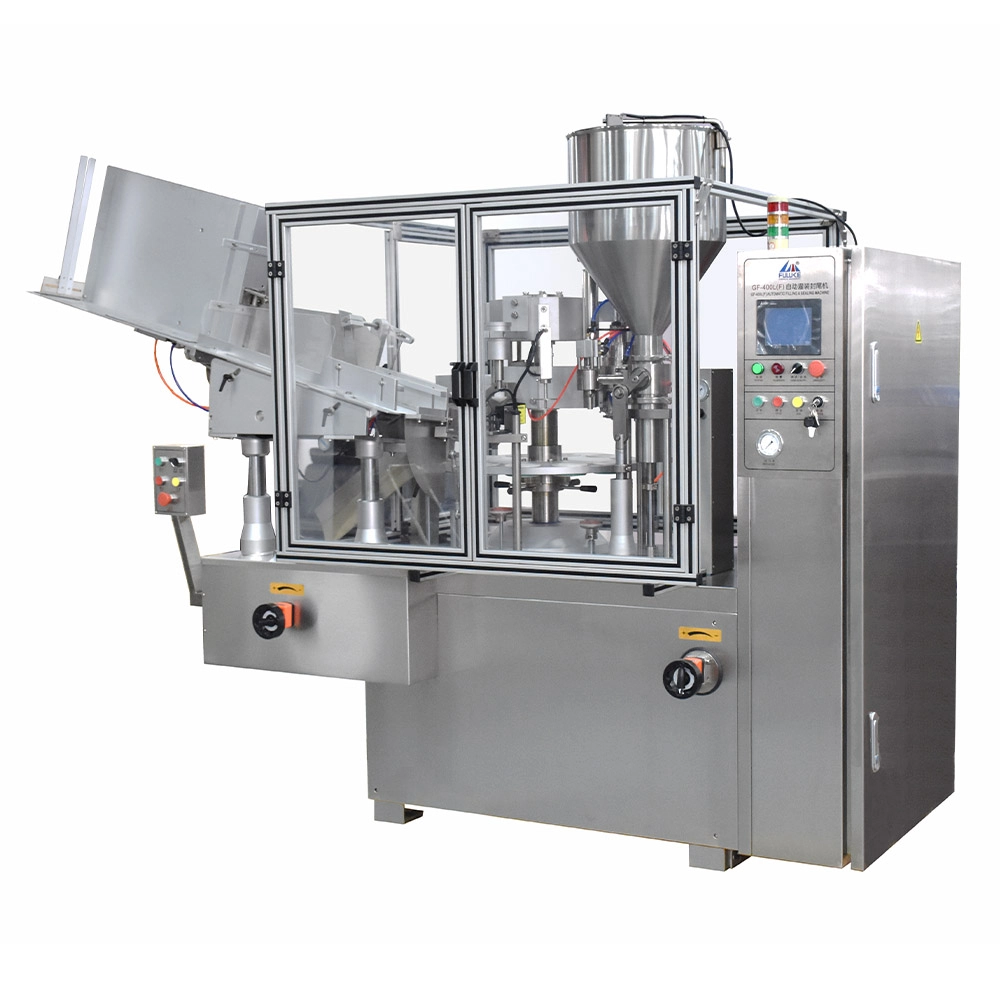
FULUKE Wine Bottle Filler Machine — Reliable, Hygienic, Efficient
FULUKE Wine Bottle Filler Machine — Built for Consistency and Speed
FULUKE (Guangzhou Fuluke Cosmetic Equipment Co., Ltd.) brings over 30 years of manufacturing experience to the wine industry with our wine bottle filler machine. Designed for wineries and beverage producers, this wine filling machine combines accuracy, hygiene, and easy operation to boost throughput and protect wine quality.
Key Features
- Precision filling heads for consistent volume and minimal waste — ideal for still and light sparkling wines.
- Automatic bottle filler with adjustable speed to match small-batch or high-volume lines.
- Sanitary design using food-grade materials and sealed components to meet GMP, ISO, and international hygiene standards.
- Simple touchscreen control for fast setup, recipe storage, and quick changeovers.
- Optional vacuum filling or counter-pressure modules to protect aroma and carbonation.
Practical Benefits for Your Winery
This bottle filling machine reduces labor costs and variability while improving production safety. Wineries see faster line speeds, fewer rejected bottles, and better shelf consistency. The machine is also easy to clean and maintain, lowering downtime and supporting regulatory inspections.
Why Choose FULUKE
As a global manufacturer based in Guangzhou, China, FULUKE integrates engineering design, precision machining, and automation control. Our systems are backed by decades of experience in mixing, emulsifying, and complete packaging lines. Choosing FULUKE means choosing tailored solutions, on-site commissioning, and long-term technical support to scale your production reliably.
Applications
Perfect for boutique wineries, contract bottlers, and larger production facilities, the wine bottle filler machine handles glass and PET bottles, various volumes, and both still and lightly carbonated products.
For inquiries, customization, or to request a quote, visit https://www.fulukemix.com or email flk09@gzflk.com. Our team will help match the right bottle filling machine to your production needs.
Product Images
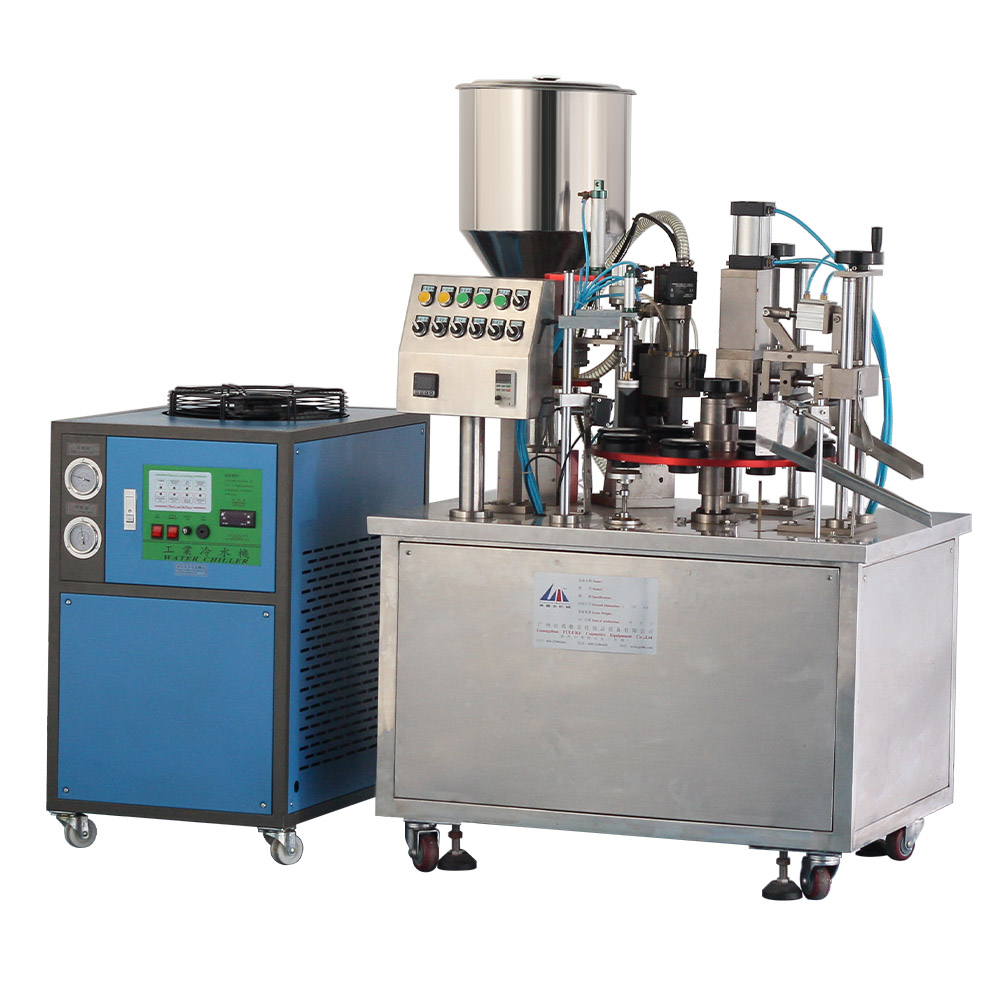
Qualification Certificate
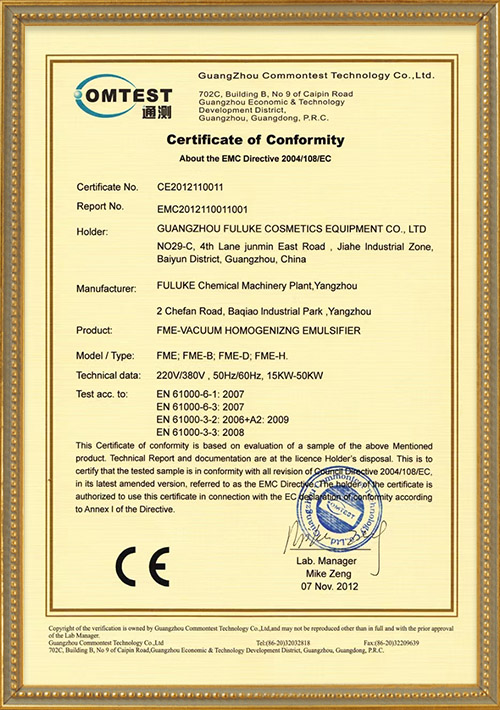
Certificate of conformity
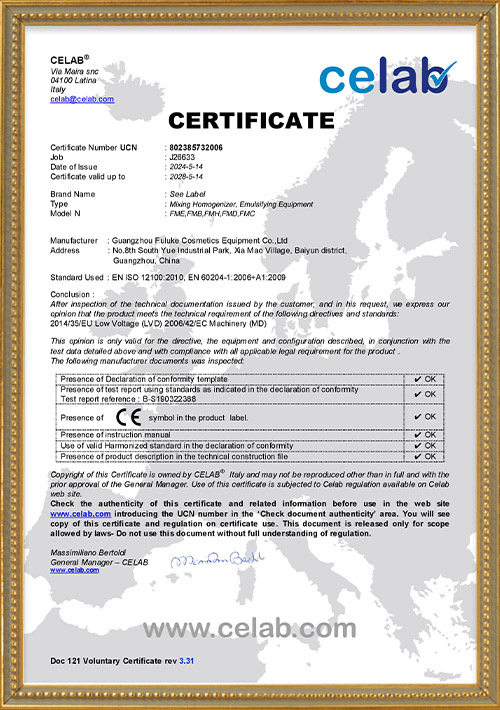
CE certificate
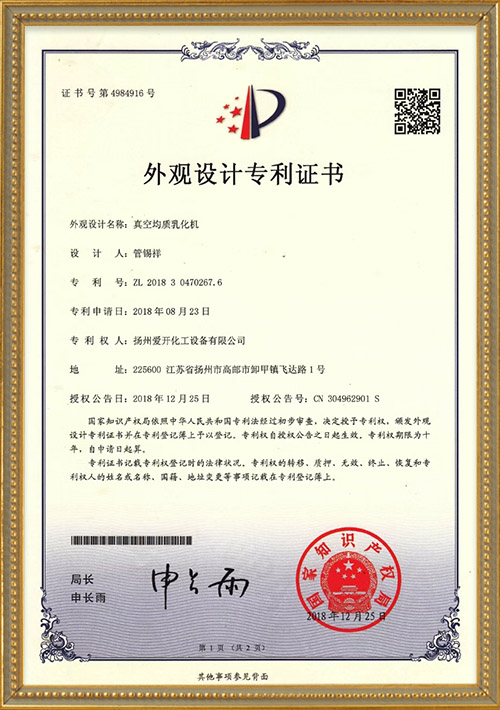
Patent certificate
FAQ
Who are we?
Our headquarters is located in Guangzhou, Guangdong, China, and our factory is located in Yangzhou, Jiangsu. Our products are sold all over the world. We have approximately 50 employees in our company and factory.
Why is the equipment suddenly noisier during operation?
There are three common causes: First, the disperser disc is colliding with the container wall, requiring the machine to be stopped and adjusted for lift height or container position; second, the motor bearings are worn, requiring inspection and replacement if wear is severe; and third, hard impurities (such as metal particles) may be mixed into the material, requiring the machine to be stopped and cleaned to prevent damage to the disperser disc.
What packaging materials are suitable for this equipment?
It is suitable for transparent paper, BOPP film, and PVC materials.
How does the vacuum homogenizer work?
The vacuum homogenizer's operating process revolves around four core steps: vacuum degassing, high-speed homogenization and emulsification, stirring and mixing, and temperature control. Through the coordinated operation of multiple systems, it achieves refined material processing. The following is its specific operating principle and process:
1. Pretreatment: Material feeding and vacuum environment establishment
Material preparation: First, add the basic materials, such as the oil phase (such as oils and waxes) and the aqueous phase (such as water and water-soluble ingredients), to their corresponding batching tanks or directly into the main emulsifier in sequence.
Evacuation: Activate the vacuum system (consisting of a vacuum pump, vacuum valve, etc.) to evacuate the interior of the emulsifier, creating a negative pressure environment (typically up to -0.09 MPa).
2. Core Process: Temperature Control (Heating/Cooling)
3. Core Process: Agitation and Mixing
Agitation Structure: Typically uses a "frame agitator + scraper" combination (for high-viscosity materials):
Through shearing, folding, and convection, the different materials are initially mixed and their stratification is broken down.
The PTFE scraper rotates closely against the pot wall, thoroughly scraping away any sticky material adhering to the pot wall, preventing localized overheating and residue, and ensuring zero dead zones.
4. Core Process: High-Speed Homogenization and Emulsification
Homogenizer Structure: A high-speed rotating homogenizer is installed at the bottom (or side) of the emulsifier, consisting of a rotor (with sharp teeth) and a stator (with fixed teeth). Working Principle: The rotor rotates at an extremely high speed, generating a strong centrifugal force that draws the material into the gap between the rotor and the stator. In this gap, the material is subjected to the triple effects of shear force, impact force, and turbulent force. The teeth of the rotor and stator quickly cut the material and generate high-frequency vibrations.
If you have any questions or concern, please contact us.
You May Also Like
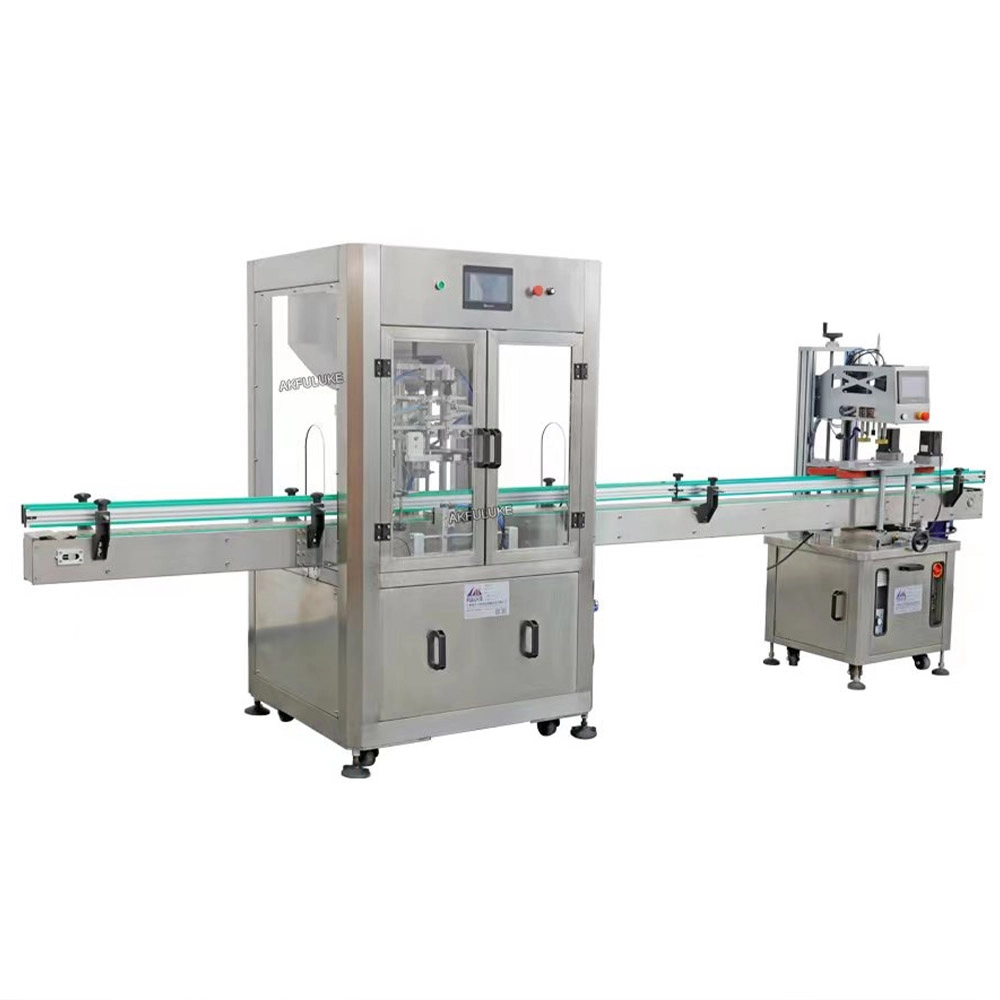
Automatic Filling Machine Quantitative Liquid Bottle Filling Machine High-precision cream and lotion filling machine
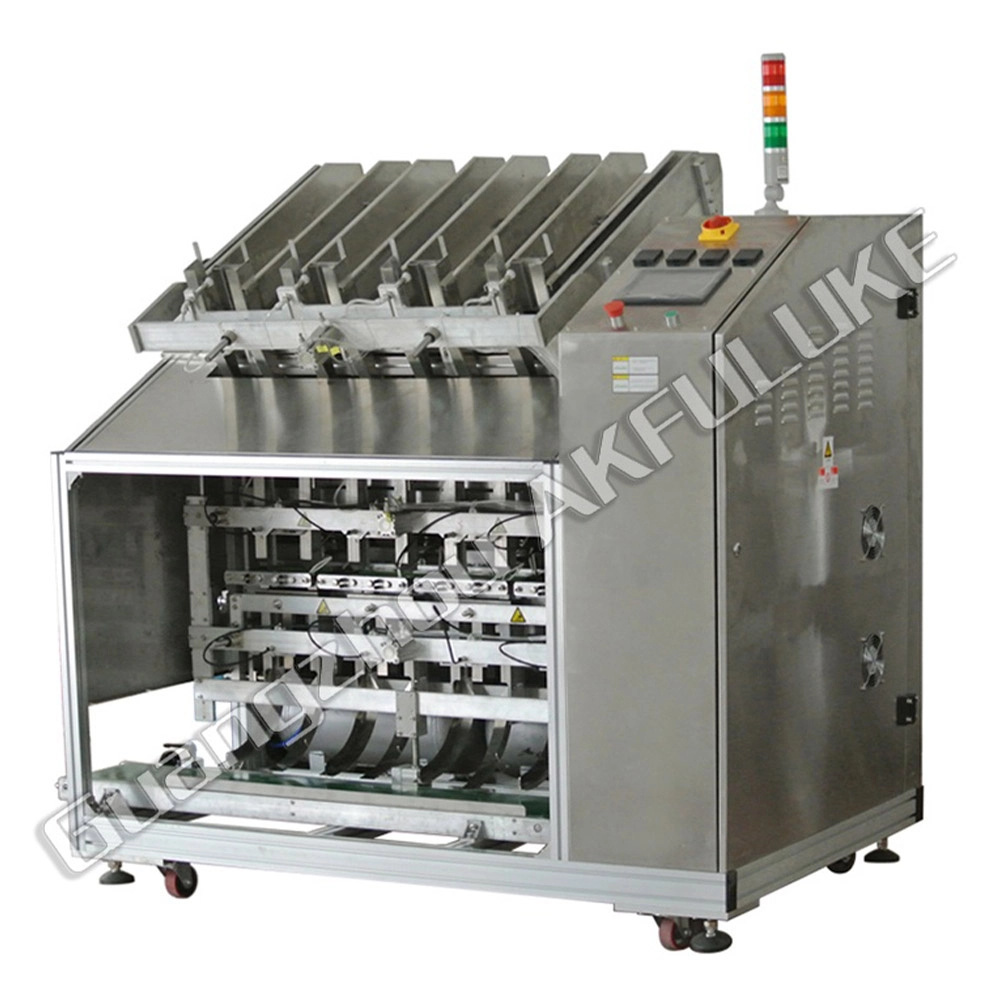
Effective Automatic Facial Mask Filling Machine 2/6/8 Heads Facial Mask Filling and Sealing Machine
Automatic Tube Filling and Sealing Machine Toothpaste Sunscreen and Facial Cleanser Filling and Sealing Machine for Plastic and Aluminum-plastic Tube
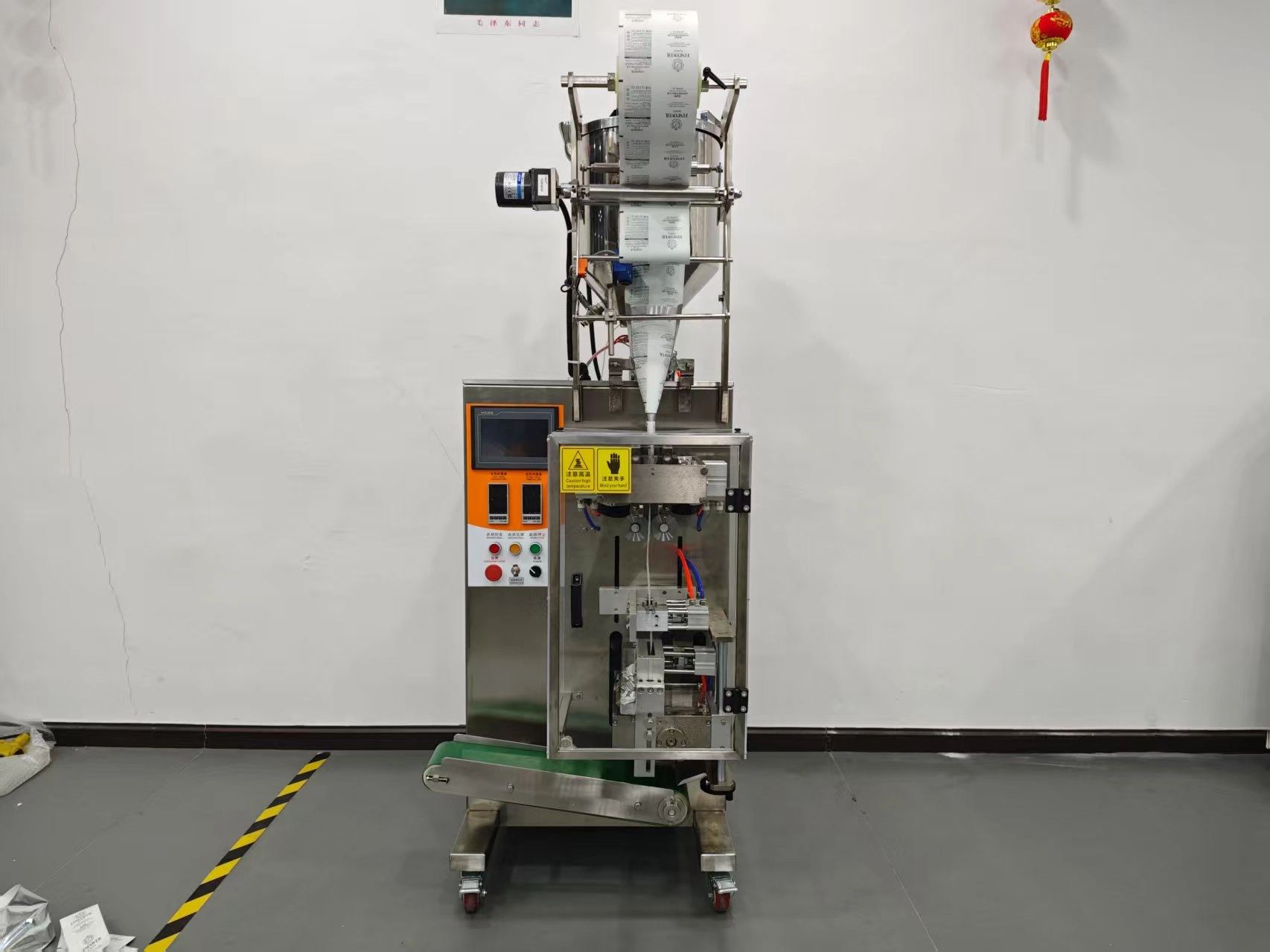
Three-side/four-side sealing bag packaging machine Liquid Paste Jam Cream Sachet Vertical Filling Pouch Packing Machine

A leading manufacturer specializing in advanced machinery and complete production lines for the cosmetics, food, pharmaceutical, and chemical industries worldwide.
Contact FULUKE
Facebook
Instagram
YouTube