
Adapting Filling Lines for Frequent SKU Changeovers
- Designing Filling Lines for Rapid SKU Flexibility
- Modular mechanical design and tool-free adjustments
- Flexible nozzles, change parts and container guides
- Automation, Software and Recipe Management
- Recipe libraries and touchscreen controls
- Integration with MES, traceability and PLC control
- Operational Strategies to Minimize Changeover Time
- SMED and pre-staging techniques
- Cleaning, CIP and cross-contamination prevention
- Measuring, Training and Continuous Improvement
- OEE, KPIs and data-driven improvements
- Operator training, checklists and standard work
- Practical Examples, Comparisons and Return on Investment
- Case example: reducing changeover time by 60%
- Comparing strategies and features
- Equipment Spotlight: What to look for in a liquid filling machine
- Key features that reduce SKU changeover friction
- Validation, Documentation and Regulatory Considerations
- Cleaning validation and batch records
- Traceability and recall readiness
- FAQ
- How much can a modern liquid filling machine reduce SKU changeover time?
- Can the same filler handle both low-viscosity lotions and thick creams?
- What cleaning strategies are best for frequent SKU swaps?
- Do recipe libraries pose cybersecurity or integrity risks?
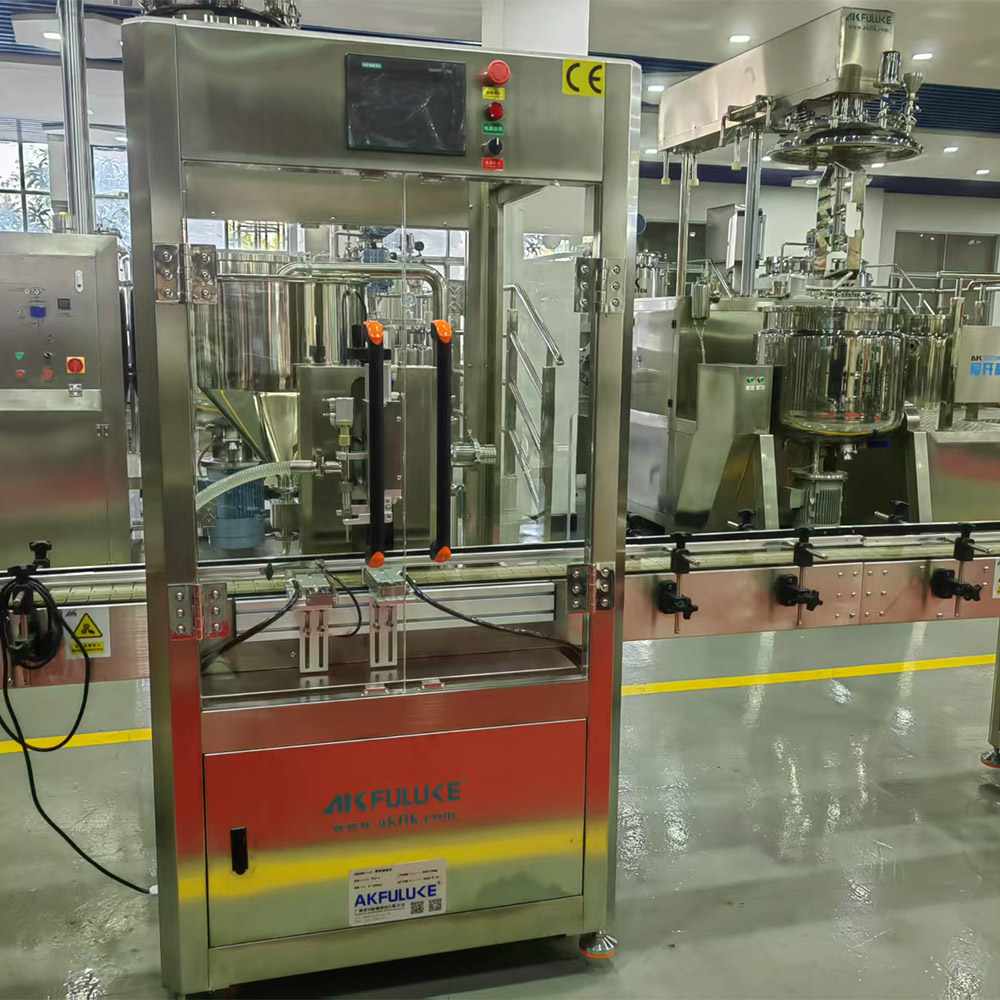
Adapting filling lines to frequent SKU changeovers requires a combination of adaptable equipment, disciplined procedures and data-driven controls. This article explains how manufacturers of creams, lotions and other liquid cosmetics can minimize downtime, avoid contamination and maintain consistent fill accuracy using modern liquid filling machine features, recipe management and lean changeover strategies.
Designing Filling Lines for Rapid SKU Flexibility
Modular mechanical design and tool-free adjustments
Designing the mechanical aspects of a filling line for flexibility is the first step. A liquid filling machine that supports quick swaps of change parts (such as star wheels, guide rails and filling heads) enables rapid transitions from one bottle shape or size to another. Look for features such as quick-release clamps, indexed mount points and standardized interfaces that allow operators to swap modules with minimal tools.
For example, a rotary bottle filler with modular turret sections lets you replace just the pocket inserts rather than reworking the entire filler. Servo-driven components that are electrically adjustable (height, infeed timing, and nozzle position) reduce the number of mechanical adjustments needed during changeovers.
Flexible nozzles, change parts and container guides
Nozzle flexibility is crucial when switching between low-viscosity lotions and higher-viscosity creams or emulsions. Consider a machine that supports interchangeable nozzle kits — gravity, pressure, piston or time/flow-based dosing — so you can choose the right method for each SKU without major retooling. Container guides and clamps should be adjustable in seconds and use visual indicators for correct placement, reducing setup variance and scrap.
Automation, Software and Recipe Management
Recipe libraries and touchscreen controls
Managing recipes (fill volume, fill speed, nozzle selection, line speed, and servo positions) on a touchscreen interface is a major productivity lever. The product Automatic Filling Machine Quantitative Liquid Bottle Filling Machine High-precision cream and lotion filling machine includes a touchscreen interface for quick parameter adjustment and intelligent control, which allows operators to load a saved recipe for a given SKU and restore optimal settings in seconds. The fewer manual dials and mechanical calibrations required, the faster the changeover.
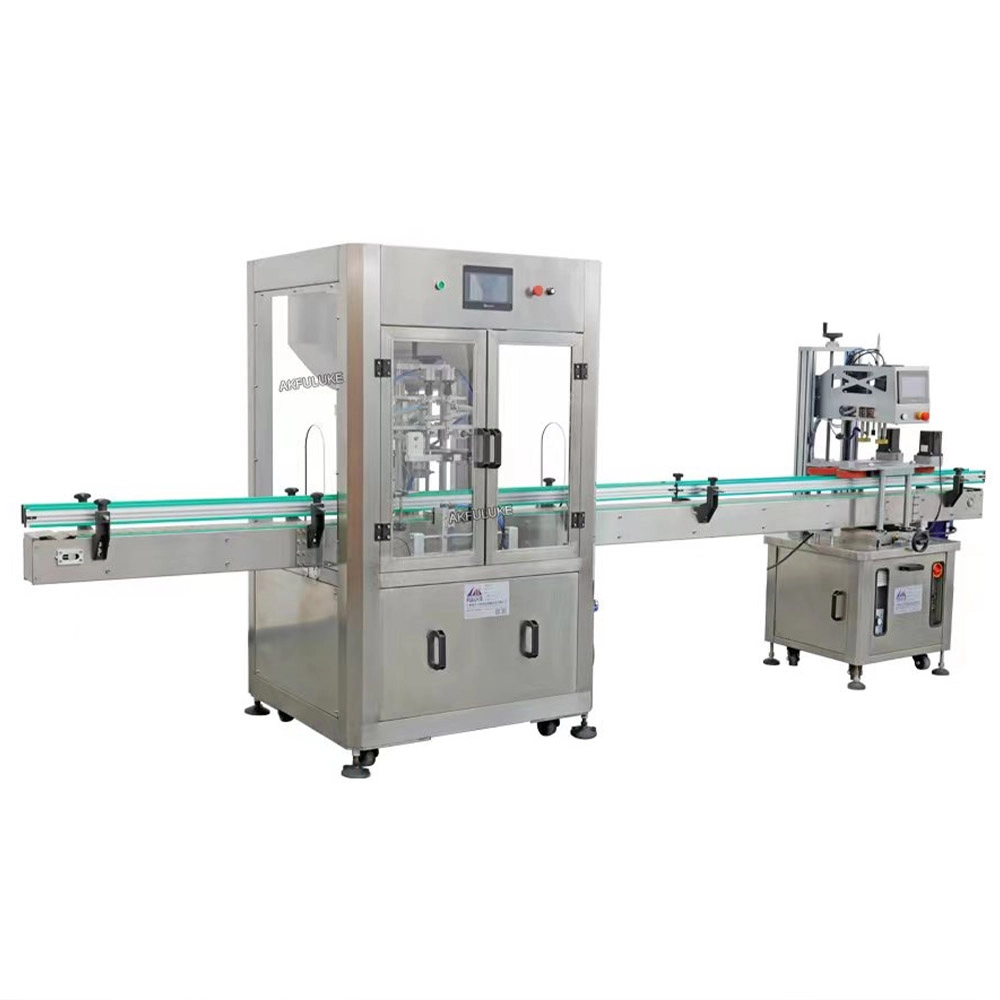
The automatic filling machine integrates automated conveying, precision filling, and intelligent control for packaging creams, lotions, and liquids. Suitable for a variety of containers, including glass and PET bottles, it can fill liquids, emulsions, and pastes with high precision.
Constructed with 316L/304 stainless steel contact components and compliant with GMP standards, it features a touchscreen interface for quick parameter adjustment and completes the entire process without manual intervention. Widely used in the cosmetics, food, daily chemical, pharmaceutical, and chemical industries, it helps companies reduce costs, increase efficiency, and ensure product standardization.
Integration with MES, traceability and PLC control
Integrating the filling line with a Manufacturing Execution System (MES) or a Supervisory Control and Data Acquisition (SCADA) platform enables automatic recipe selection based on the production schedule and provides electronic batch records. Traceability functions (serial numbers, batch codes, operator ID, and timestamps) help with post-changeover quality checks and regulatory compliance. Look for fillers with standard communication protocols (OPC-UA, Modbus, Ethernet/IP) to simplify integration.
Operational Strategies to Minimize Changeover Time
SMED and pre-staging techniques
Single-Minute Exchange of Die (SMED) is a lean methodology specifically designed to reduce setup time and is highly applicable to filling lines. SMED divides changeover steps into internal (must be done when the machine is stopped) and external (can be done while the machine is running) tasks. By externalizing as many activities as possible — preparing new change parts, pre-loading recipe settings on the HMI, staging empty bottles and caps — you reduce machine downtime to the minimum necessary.
For practical guidance, see the SMED page on Wikipedia for principles and examples: https://en.wikipedia.org/wiki/Single-minute_Exchange_of_Dies. Also consider lean training resources like the Shingo Institute or Lean Enterprise Institute that provide SMED playbooks: SMED basics (Lean).
Cleaning, CIP and cross-contamination prevention
Cleaning and validation are often the longest parts of a SKU changeover, especially when switching between different product families (e.g., from a brightly pigmented lotion to a clear serum). Implementing Clean-in-Place (CIP) systems and designing the filler with hygienic fittings (tri-clamp, drainable manifolds) reduces cleaning time and improves reproducibility. Validate cleaning procedures with swab tests and ATP or TOC monitoring as required by GMP standards.
Refer to GMP guidance for cosmetics and related products: the ISO standard for cosmetic GMP is ISO 22716 (Cosmetics — Good Manufacturing Practices), which provides a framework for quality and hygiene: https://www.iso.org/standard/36437.. For regulatory context in the U.S., see the FDA cosmetics resource: https://www.fda.gov/cosmetics.
Measuring, Training and Continuous Improvement
OEE, KPIs and data-driven improvements
Monitor Overall Equipment Effectiveness (OEE) and other KPIs (changeover time, yield, scrap rate, first-pass quality) to quantify the impact of improvements. A typical KPI dashboard for high-mix cosmetic production includes:
- Average changeover time per SKU
- Setup vs. runtime breakdown (internal/external)
- Fill accuracy and variance (ml or grams)
- Rework and product loss during changeover
Use these metrics to prioritize investments — for example, whether a servo-driven filler or additional pre-staging carts will yield a better ROI.
Operator training, checklists and standard work
Human factors matter. Detailed, visual standard operating procedures (SOPs) and laminated checklists at changeover stations reduce errors and speed up setups. Train staff on both the mechanical tasks and the recipe/HMI side. Cross-train teams so that more than one operator can perform rapid changeovers and troubleshooting, minimizing single-point failures.
Practical Examples, Comparisons and Return on Investment
Case example: reducing changeover time by 60%
Consider a mid-sized cosmetics line running 8 SKUs per day. By converting to a modular automated filler with recipe management, pre-staging, and a CIP loop, a typical facility reduced average changeover time from 30 minutes to 12 minutes — a 60% reduction. The reduced downtime increased daily throughput while lowering scrap and manual labor costs.
Comparing strategies and features
The table below compares common changeover strategies and equipment features to show relative impact on speed, cost and regulatory readiness.
| Strategy / Feature | Impact on Changeover Time | Implementation Cost | Regulatory / Quality Benefit |
|---|---|---|---|
| Manual mechanical adjustments | High (long) | Low | Low (higher human error) |
| Modular change parts + quick release | Medium (faster) | Medium | Medium |
| Recipe management + touchscreen | Low (fast) | Medium | High (consistent) |
| Servo-driven adjustable systems | Low (very fast) | High | High |
| CIP and hygienic design | Medium (reduces validation time) | Medium-High | High (GMP compliance) |
Equipment Spotlight: What to look for in a liquid filling machine
Key features that reduce SKU changeover friction
When evaluating filling machines for high-mix production, prioritize:
- Recipe-driven HMI and PLC with password control
- Modular nozzles and quick-change parts
- 316L/304 stainless contact surfaces for hygienic cleaning
- Multi-dosing options (piston, peristaltic, time/flow, gravity)
- Integrated CIP or rapid drain-down design
- Standard communication protocols for MES integration
The product Automatic Filling Machine Quantitative Liquid Bottle Filling Machine High-precision cream and lotion filling machine meets many of these requirements: it supports various container types (glass, PET), fills liquids and emulsions precisely and uses stainless-steel product-contact parts to meet GMP standards.
Validation, Documentation and Regulatory Considerations
Cleaning validation and batch records
Frequent changeovers increase the need for robust documentation. Develop and maintain cleaning validation protocols and electronic batch records. Validate that CIP or manual cleaning removes residue to acceptable limits — use analytical tests (e.g., HPLC, TOC) where appropriate. ISO 22716 provides a recognized GMP framework for cosmetic production: https://www.iso.org/standard/36437..
Traceability and recall readiness
Make sure each changeover is recorded with a timestamp, operator ID and recipe used. If a recall or customer complaint occurs, these records enable fast root-cause analysis and selective recalls rather than sweeping product withdrawals.
FAQ
How much can a modern liquid filling machine reduce SKU changeover time?
Reductions vary by baseline practices, but many operations see 40–70% reduction when combining modular equipment, recipe control and SMED-based procedures. Case studies often show changeovers drop from 30+ minutes to under 15 minutes.
Can the same filler handle both low-viscosity lotions and thick creams?
Yes — provided the machine supports multiple dosing methods (e.g., piston for viscous creams and time/flow for low-viscosity liquids) and uses interchangeable nozzles and pumps. The Automatic Filling Machine Quantitative Liquid Bottle Filling Machine High-precision cream and lotion filling machine supports emulsions, pastes and liquids, making it suitable for mixed production lines.
What cleaning strategies are best for frequent SKU swaps?
CIP systems are ideal where product compatibility allows; otherwise, design for rapid disassembly with hygienic fittings and validated manual cleaning SOPs. Use analytical methods to confirm cleaning efficacy and maintain validation records per GMP guidance (ISO 22716) and local regulations: https://www.fda.gov/cosmetics.
Do recipe libraries pose cybersecurity or integrity risks?
Recipe libraries improve consistency but must be protected with user permissions, audit trails and network security. Implement role-based access and maintain backups of recipe data to prevent accidental or malicious changes.
If you have additional questions or would like to see how the Automatic Filling Machine Quantitative Liquid Bottle Filling Machine High-precision cream and lotion filling machine can be configured for your SKUs, contact our sales team or request a demo.
Contact Us / View Product: View product page • Contact Sales
Further reading and references:
Compare Filling Technologies: Piston vs Peristaltic vs Pump
How to Validate Filling Accuracy for Regulatory Compliance
How to Handle Thick Creams in Automatic Fillers
Supplier Evaluation: Warranties, Service, and Spare Parts Support
Automatic Capping Machine
Can you customize the machine?
Of course, we provide customized services according to customer needs.
RO Water Treatment
Who are we?
Our headquarters is located in Guangzhou, Guangdong, China, and our factory is located in Yangzhou, Jiangsu. Our products are sold all over the world. We have approximately 50 employees in our company and factory.
Storage Tank
What should I check before daily use of a storage tank?
Inspect the tank for signs of deformation or leakage, and check that the sealing components are intact.
Confirm that the level gauge, pressure gauge, and other instruments are displaying normal readings and that the valves are opening and closing freely.
If storing flammable or explosive media, check that the anti-static device is effective.
The Flip Cover Liquid Wash Mixing Homogenizing Tank
Who are we?
Our headquarters is located in Guangzhou, Guangdong, China, and our factory is located in Yangzhou, Jiangsu. Our products are sold all over the world. We have approximately 50 employees in our company and factory.
Automatic Tube Filling and Sealing Machine
Can the device accommodate tubes of different materials and specifications?
Yes. The device supports plastic (PE, PP) and aluminum-plastic composite hoses. The compatible hose diameter range is typically Φ10-Φ60mm (customizable to user specifications), and the capacity range is 2.5ml-400ml. By replacing specialized molds (such as cylinders and filling heads), the device can be adapted to meet different filling volumes, providing flexible adaptability.
You May Also Like
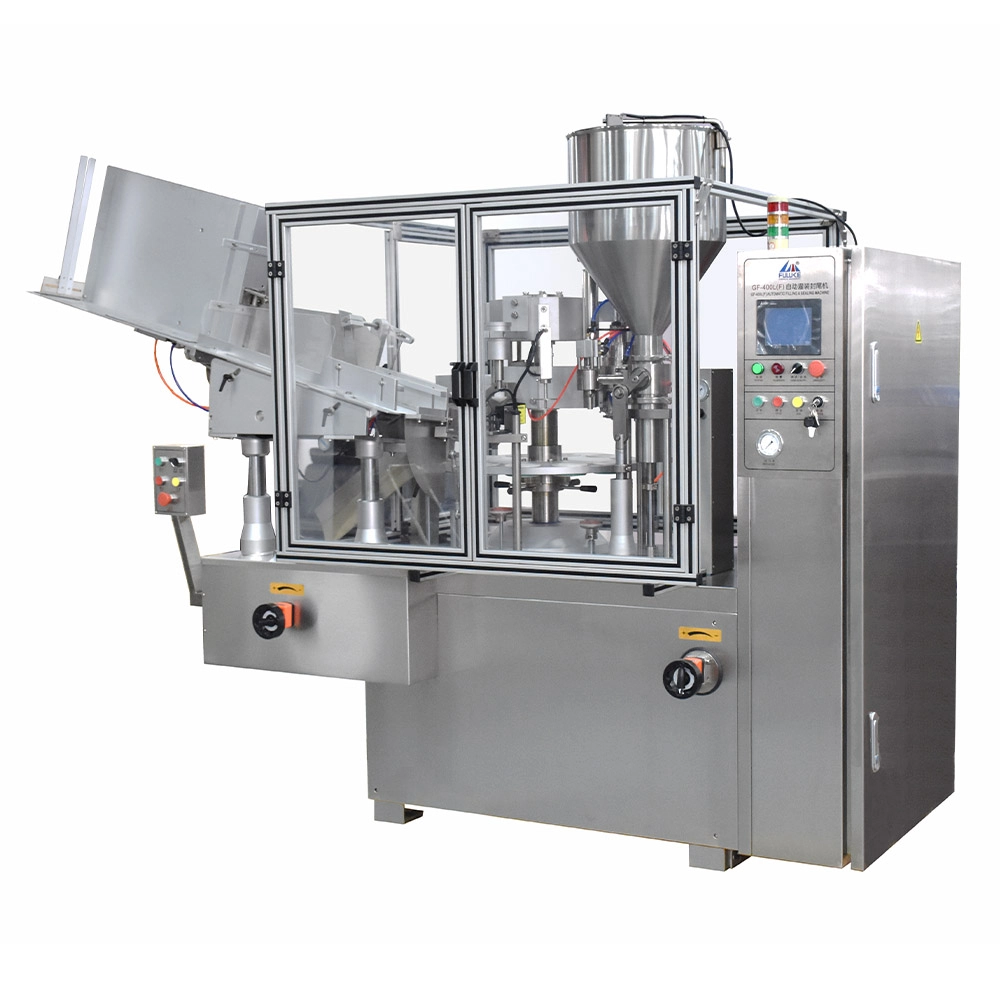
Automatic Tube Filling and Sealing Machine Toothpaste Sunscreen and Facial Cleanser Filling and Sealing Machine for Plastic and Aluminum-plastic Tube
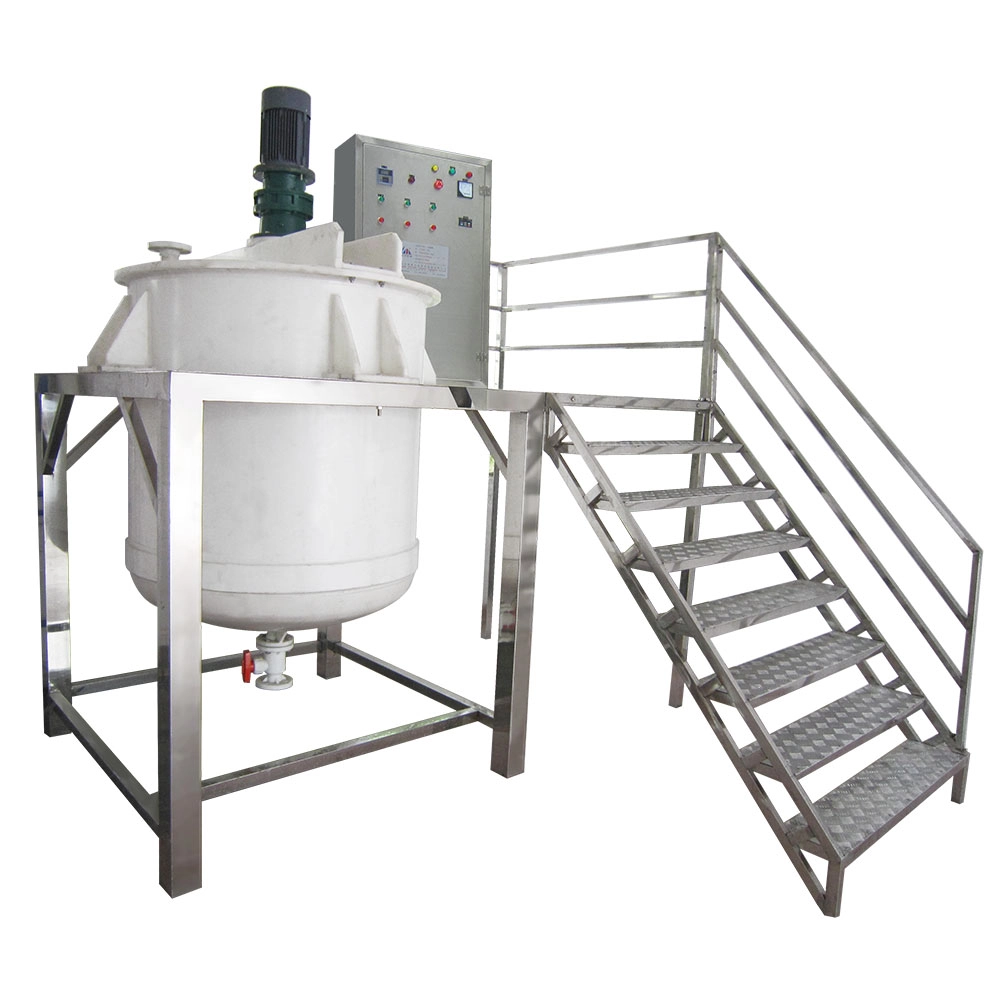
Polypropylene PP Mixing Tank Anti-Corrosion Mixer Reaction Kettle with Agitator Chemical Mixing Vessel
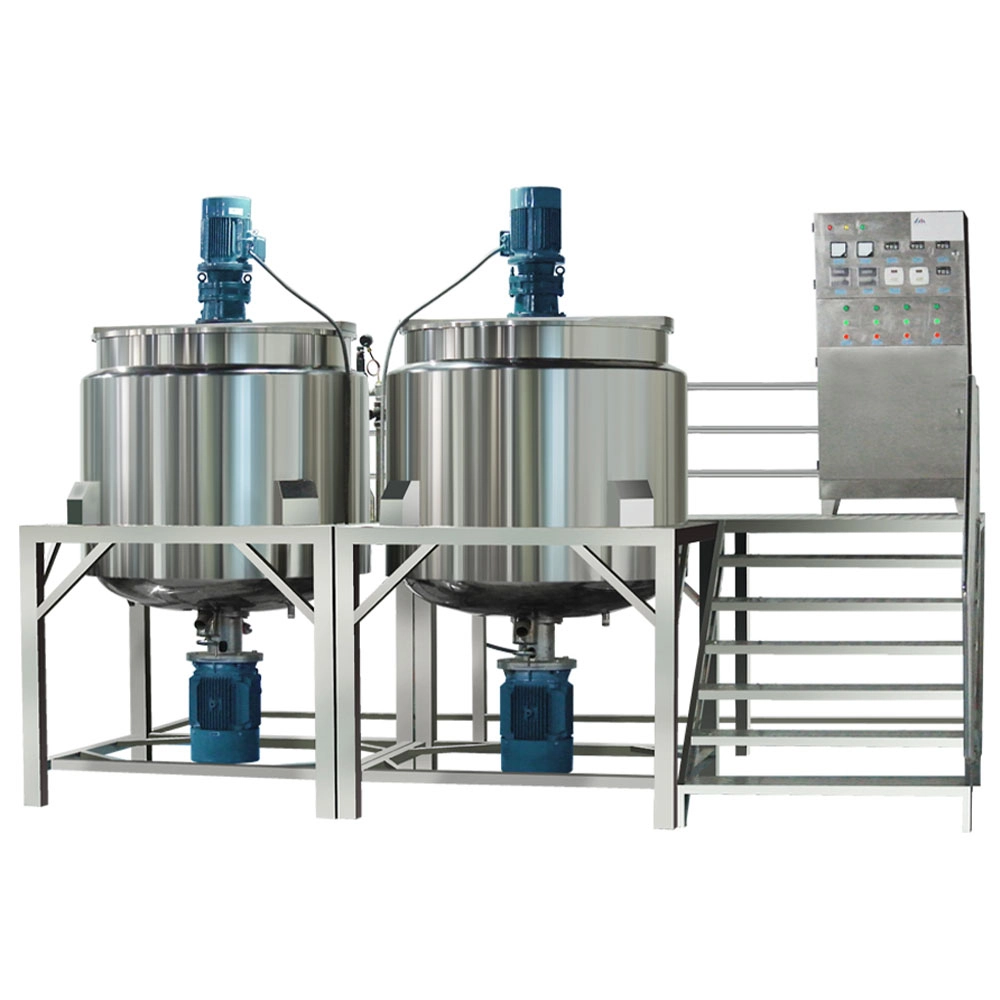
Flip Cover Multi-function Liquid Wash Mixing Tank Blender Liquid Detergent Mixer Homogenization Stirring Tank
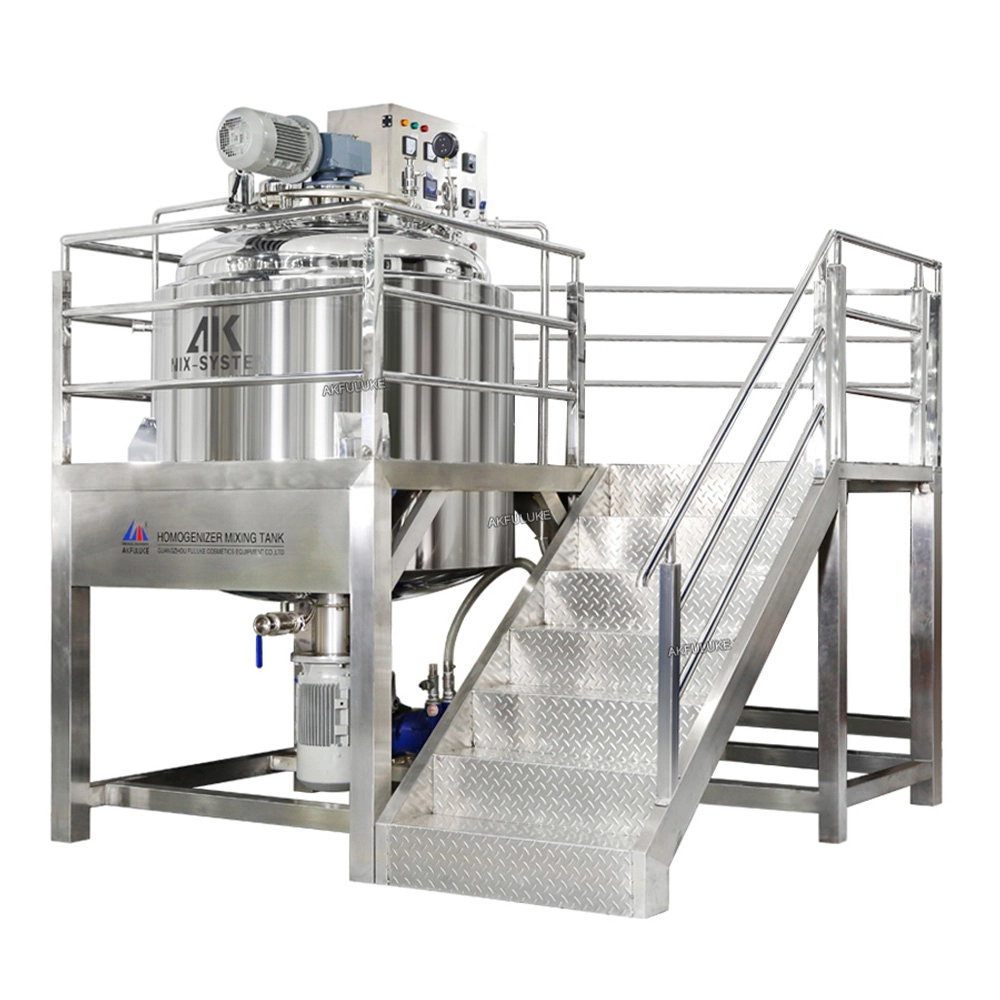
Stainless Steel Mixer Liquid Mixing tank with Agitator Homogenizing Mixing tank Vacuum Sealed Mixer Machine
Get in touch with FULUKE
If you have any comments or good suggestions, please leave us a message, later our professional staff will contact you as soon as possible.

A leading manufacturer specializing in advanced machinery and complete production lines for the cosmetics, food, pharmaceutical, and chemical industries worldwide.
Contact FULUKE
Facebook
Instagram
YouTube