
Addressing Foaming Issues During Liquid Filling
- Why Foaming Happens in Automatic Filling Processes
- Mechanical and equipment causes
- Formulation and raw material factors
- Operational and environmental influences
- Practical Machine-Level Fixes to Reduce Foam
- Adjust filling speed and fill profile
- Optimize nozzle design and positioning
- Choose appropriate pumps and flow control
- Process and Formulation Solutions
- Deaeration and degassing techniques
- Use of antifoam agents and formulation tweaks
- Temperature and viscosity control
- Maintenance, SOPs, and Line Design to Prevent Recurrence
- Cleaning, maintenance, and surface considerations
- Line balancing, sensors, and automation
- Operator training and SOP checklist
- Comparing Common Anti-Foam Strategies
- Implementation Example: Setting Up the Automatic Filling Machine
- Recipe and parameter recommendations
- Validation and process monitoring
- When to engage R&D vs engineering
- References and Further Reading
- FAQ — Frequently Asked Questions
- Q1: Why does my lotion foam even though I am using a low-speed fill?
- Q2: Are antifoam agents safe to use in cosmetic products?
- Q3: Will changing pump type void the machine warranty?
- Q4: How do I validate that a change reduced foam?
- Q5: Can CIP/SIP cycles influence foaming?
- Contact & Product Information
- Product Overview
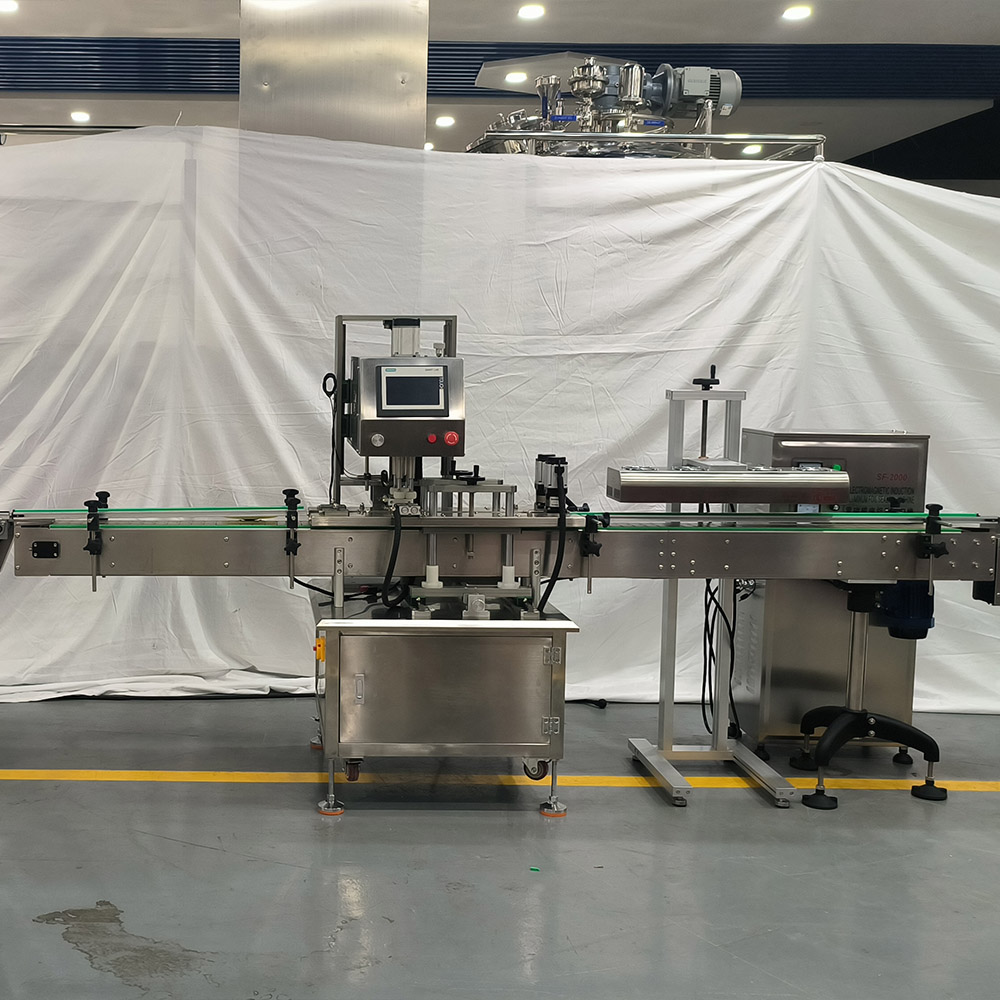
Foaming in production lines can undermine yield, accuracy, and product aesthetics. For manufacturers using an automatic filling machine, such as the Automatic Filling Machine Quantitative Liquid Bottle Filling Machine High-precision cream and lotion filling machine, understanding mechanical, process, and formulation drivers of foam—and applying targeted mitigation—keeps filling accuracy high and minimizes rejects. This article provides evidence-based, operational, and formulation-level solutions aligned with GMP and industry best practices to help production, quality, and engineering teams address foaming during liquid filling.
Why Foaming Happens in Automatic Filling Processes
Mechanical and equipment causes
Foam often originates from the way liquid interacts with filling components. High shear zones (nozzle tips, pumps, valves), entrainment at the fluid/air interface, and turbulence in transfer lines are common sources. Certain pump types—peristaltic or high-speed piston pumps—can introduce air pockets or shear that increase foam. Nozzle geometry, filling height, and absence of proper venting or return paths in the nozzle contribute to bubble formation. For machines like the Automatic Filling Machine Quantitative Liquid Bottle Filling Machine High-precision cream and lotion filling machine, careful selection and configuration of the nozzle and flow path are critical to reducing foam formation.
Formulation and raw material factors
Product composition drives foam propensity. Surfactants and emulsifiers, commonly present in creams and lotions, stabilize bubbles. Low viscosity liquids allow bubbles to rise and escape; high-viscosity emulsions can trap bubbles and carry them into the filled container. Temperature and dissolved gases (oxygen, CO2) influence foam stability. Addressing formulation factors often requires collaboration between process engineering and R&D teams to balance anti-foam strategies against product performance.
Operational and environmental influences
Operating parameters such as fill speed, fill volume, and headspace policy affect foam. Rapid filling into a narrow-neck bottle or filling from a high distance increases splashing and bubble entrapment. Ambient conditions—temperature and pressure—also influence gas solubility and foam behavior. Implementing controlled line speeds and consistent environmental conditions helps stabilize results.
Practical Machine-Level Fixes to Reduce Foam
Adjust filling speed and fill profile
Start by reducing fill speed, especially during the initial phase when the liquid first contacts the bottle. For automatic filling machine setups, adopt a two-stage filling profile: high initial flow to quickly fill most of the volume, then a slow, low-shear finish to avoid turbulence and foam formation. The touchscreen controls on modern machines make it straightforward to program these multi-stage fills.
Optimize nozzle design and positioning
Use bottom-up or overflow nozzles where appropriate. Bottom-up nozzles fill from the base of the container, displacing air upward and minimizing splashing at the liquid-air interface. Shorten nozzle-to-bottle distance and ensure the nozzle is centered to avoid side impingement. Anti-drip and vented nozzle designs further reduce air entrainment.
Choose appropriate pumps and flow control
Consider pump type and drive control. Gear pumps and low-pulsation progressive cavity pumps can provide gentler flow than high-speed piston pumps. For the Automatic Filling Machine Quantitative Liquid Bottle Filling Machine High-precision cream and lotion filling machine, matching pump selection to product rheology—coupled with servo or frequency-controlled drives—reduces shear and aeration.
Process and Formulation Solutions
Deaeration and degassing techniques
Degassing the bulk liquid reduces dissolved gases that later form foam. Vacuum degassing, nitrogen sparging, or membrane degassers can be integrated upstream of the filling line. For emulsions, gentle vacuum-assisted deaeration is often effective without destabilizing the product.
Use of antifoam agents and formulation tweaks
Antifoam agents (silicone or food-grade polyethers) can greatly reduce foam stability. Selection requires stability and regulatory compatibility testing. Alternatively, small adjustments in surfactant type/concentration, polymer viscosity modifiers, or humectants may reduce foam generation while preserving product attributes. Work with R&D to validate these changes under accelerated stability and application testing.
Temperature and viscosity control
Warming viscous products slightly lowers viscosity enabling bubbles to rise and collapse more quickly, reducing entrainment. Conversely, uncontrolled heating may damage heat-sensitive actives. Maintain tight temperature control in bulk tanks and transfer lines to keep rheology consistent with validated filling parameters.
Maintenance, SOPs, and Line Design to Prevent Recurrence
Cleaning, maintenance, and surface considerations
Residues and biofilms increase nucleation sites for bubbles. Constructing liquid-contact parts from polished 316L/304 stainless steel (as in the Automatic Filling Machine Quantitative Liquid Bottle Filling Machine High-precision cream and lotion filling machine) reduces adhesion and eases cleaning. Implement scheduled CIP/SIP procedures and monitor surface finish and welding quality to meet GMP expectations. For guidance on GMP principles, see the WHO GMP overview: WHO - Good Manufacturing Practices.
Line balancing, sensors, and automation
Install level sensors, pressure monitors, and flow meters to detect conditions that promote foaming. Automated feedback (using the machine's touchscreen control) can slow or pause filling when upstream turbulence or low-level bulk occurs. Modern automatic filling machine systems support recipe-based control so operators can recall validated settings for specific product SKUs.
Operator training and SOP checklist
Ensure operators understand foam sources and countermeasures. A short SOP checklist to include before each run:
- Verify bulk tank deaeration and temperature within spec
- Confirm nozzle type and position for product SKU
- Load validated multi-stage fill profile and test on sample bottles
- Inspect wetted surfaces for residues and verify CIP history
- Monitor first 50 fills and adjust fill finish if foam appears
Comparing Common Anti-Foam Strategies
| Strategy | Effectiveness | Typical Cost | Pros | Cons |
|---|---|---|---|---|
| Mechanical: nozzle redesign / bottom-up filling | High | Low–Medium | No formulation change, immediate impact | May require tooling change; limited for very viscous pastes |
| Process: reduce fill speed / multi-stage fills | High | Low | Easy to implement on automated filling machines | May lower throughput if not optimized |
| Formulation: antifoam agents | Medium–High | Low | Powerful for stabilized foams; minimal equipment change | Regulatory checks and sensory impacts require testing |
| Degassing (vacuum or membrane) | High | Medium–High | Addresses root cause (dissolved gases) | Capital cost; process integration required |
Implementation Example: Setting Up the Automatic Filling Machine
Recipe and parameter recommendations
For a high-precision cream and lotion filling operation, start with these baseline settings (adjust during validation):
- Fill profile: 80% bulk at 80% max flow, 20% at 25–35% flow for finish
- Nozzle: bottom-up or telescoping nozzle to reach near base
- Pump selection: progressive cavity or low-pulsation gear pump
- Temperature: maintain product at validated viscosity temperature ±1°C
Validation and process monitoring
Run a documented validation: produce three consecutive batches using final settings and record fill accuracy, visual inspection for foam, and headspace measurements. Use in-line reject counts and downstream cosmetic inspections to confirm effect. Keep records consistent with ISO and GMP expectations; see the ISO cosmetics GMP page for context: ISO 22716 - Cosmetics Good Manufacturing Practices.
When to engage R&D vs engineering
Use engineering interventions first (nozzle, speed, pump) when possible because they are typically faster to implement and reversible. If foam persists or product properties are impacted, involve R&D to evaluate minor formula adjustments or antifoam additions under stability and sensory testing.
References and Further Reading
For background on foam science and antifoaming approaches, authoritative sources include the general overview of foam behavior on Wikipedia: Foam — Wikipedia, and the antifoam agent reference: Antifoaming agent — Wikipedia. For GMP and regulatory context, consult the WHO GMP overview: WHO - GMP and the ISO 22716 standard information: ISO 22716.
FAQ — Frequently Asked Questions
Q1: Why does my lotion foam even though I am using a low-speed fill?
A: Low-speed filling reduces turbulence but foam may still occur due to dissolved gases, nozzle geometry, or stabilized surfactants. Check bulk tank deaeration, nozzle type (use bottom-up), and consider a vacuum degassing step or targeted antifoam compatible with the formulation.
Q2: Are antifoam agents safe to use in cosmetic products?
A: Many antifoam agents are widely used and safe, but any additive must be compatible with your formulation and comply with regional cosmetic regulations. Test for stability, sensory impact, and regulatory labeling requirements before full-scale use.
Q3: Will changing pump type void the machine warranty?
A: Consult your equipment supplier. Many automatic filling machine vendors support multiple pump modules; retrofits may be covered if performed by authorized technicians. Using recommended modular options preserves warranty and machine performance.
Q4: How do I validate that a change reduced foam?
A: Run a documented validation protocol: produce representative batches before and after the change, record fill accuracy, visual inspections, photographed samples, reject rates, and headspace volumes. Statistical comparison of key metrics confirms improvement.
Q5: Can CIP/SIP cycles influence foaming?
A: Yes. Poor rinsing or residues from cleaning agents can alter surface chemistry and increase nucleation sites for bubbles. Ensure CIP cycles are validated to leave no residues and consider final rinse quality checks.
Contact & Product Information
If you need a solution tailored to your product, contact our technical sales team at sales@example.com or view the product page for the Automatic Filling Machine Quantitative Liquid Bottle Filling Machine High-precision cream and lotion filling machine. The machine integrates automated conveying, precision filling, and intelligent control for packaging creams, lotions, and liquids and is constructed with 316L/304 stainless steel contact components in line with GMP requirements.
Product Overview
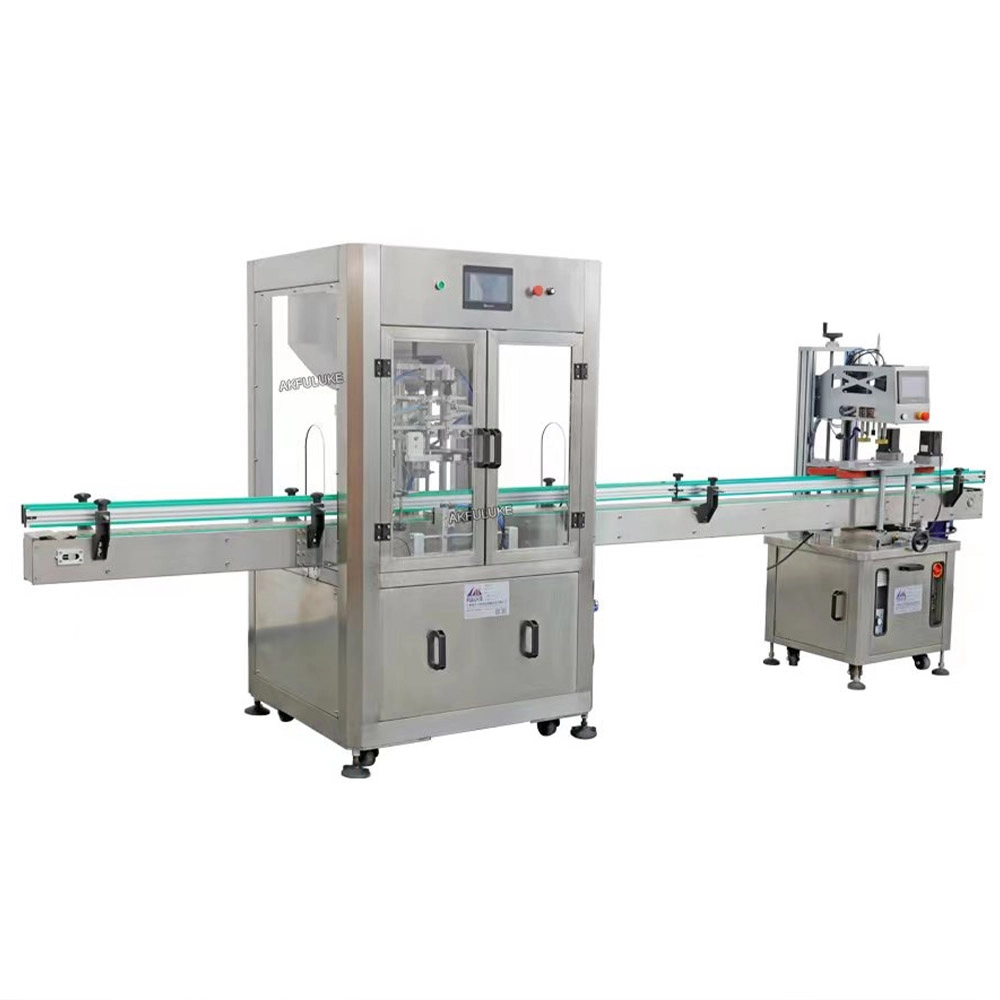
The automatic filling machine integrates automated conveying, precision filling, and intelligent control for packaging creams, lotions, and liquids. Suitable for a variety of containers, including glass and PET bottles, it can fill liquids, emulsions, and pastes with high precision.
Constructed with 316L/304 stainless steel contact components and compliant with GMP standards, it features a touchscreen interface for quick parameter adjustment and completes the entire process without manual intervention. Widely used in the cosmetics, food, daily chemical, pharmaceutical, and chemical industries, it helps companies reduce costs, increase efficiency, and ensure product standardization.
For hands-on troubleshooting or to request an on-site assessment and pilot run, click here to inquire: Contact Sales.
Customizable Nozzle Options for Precise Liquid Filling
Preventing Cross-Contamination in Multi-Product Lines
Customization Options for Bottle Filling Equipment
How to Choose the mixing tanks manufacturer and supplier ?
Storage Tank
Can you customize the machine?
Of course, we provide customized services according to customer needs.
Who are we?
Our headquarters is located in Guangzhou, Guangdong, China, and our factory is located in Yangzhou, Jiangsu. Our products are sold all over the world. We have approximately 50 employees in our company and factory.
Sealed Homogenizing Mixing Tank
Who are we?
Our headquarters is located in Guangzhou, Guangdong, China, and our factory is located in Yangzhou, Jiangsu. Our products are sold all over the world. We have approximately 50 employees in our company and factory.
Inkjet Printing Machine
What content can an inkjet printer print?
It can print text, time, date (Julian Year), logo, shift, SN, Dynamic Barcode/OR Code, Dynamic Serial Data, and Dynamic Database (additional content can be added as required).
Perfume Filling Machine
What are the key differences between semi-automatic and fully automatic models? How should I choose?
Semi-automatic: Semi-automatic perfume filling machines only perform the core filling process and require manual assistance for bottle loading and capping. Filling speed: 10-20 bottles/minute, suitable for small-batch production. One or two people are required for assistance.
Fully automatic: Automatic perfume filling machines integrate the entire filling, capping, capping, and inspection process.
Filling speed: 30-50 bottles/minute, suitable for large-scale production. The entire process is unmanned, requiring only regular inspections.
You May Also Like
Automatic Filling Machine Quantitative Liquid Bottle Filling Machine High-precision cream and lotion filling machine
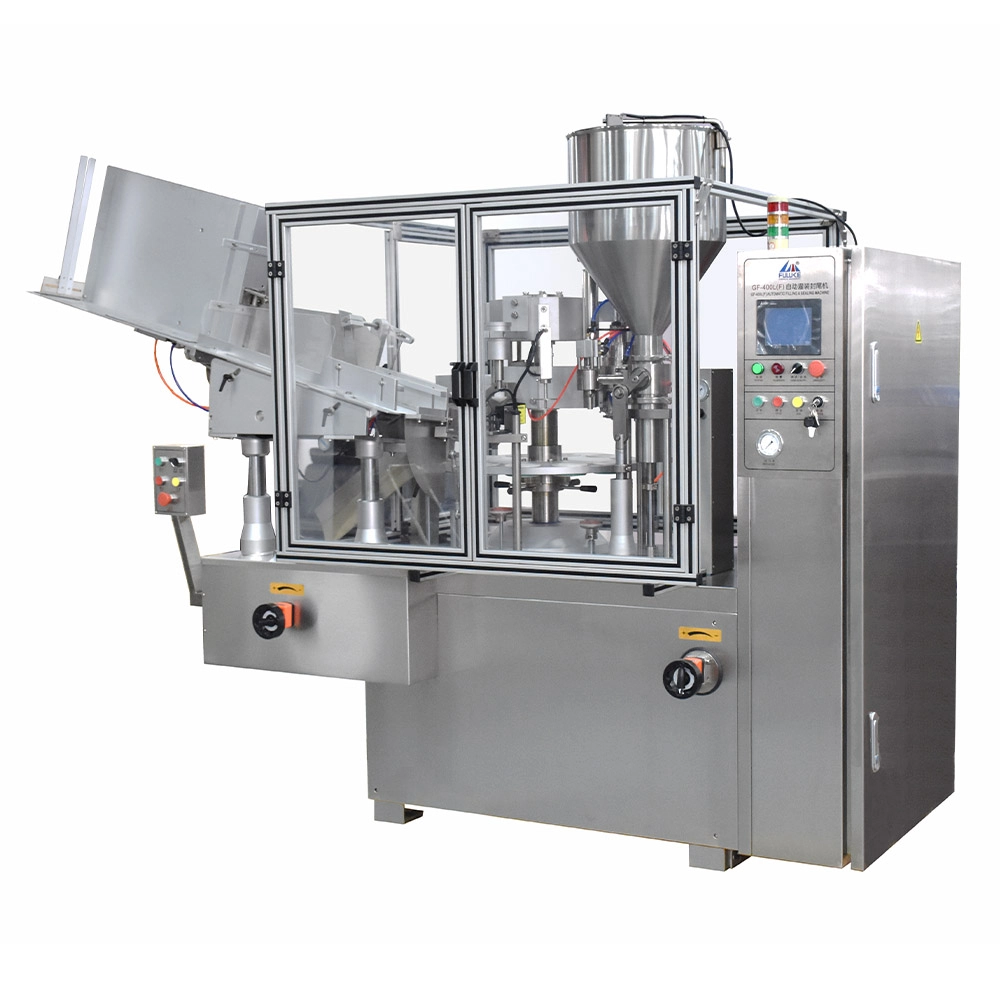
Automatic Tube Filling and Sealing Machine Toothpaste Sunscreen and Facial Cleanser Filling and Sealing Machine for Plastic and Aluminum-plastic Tube
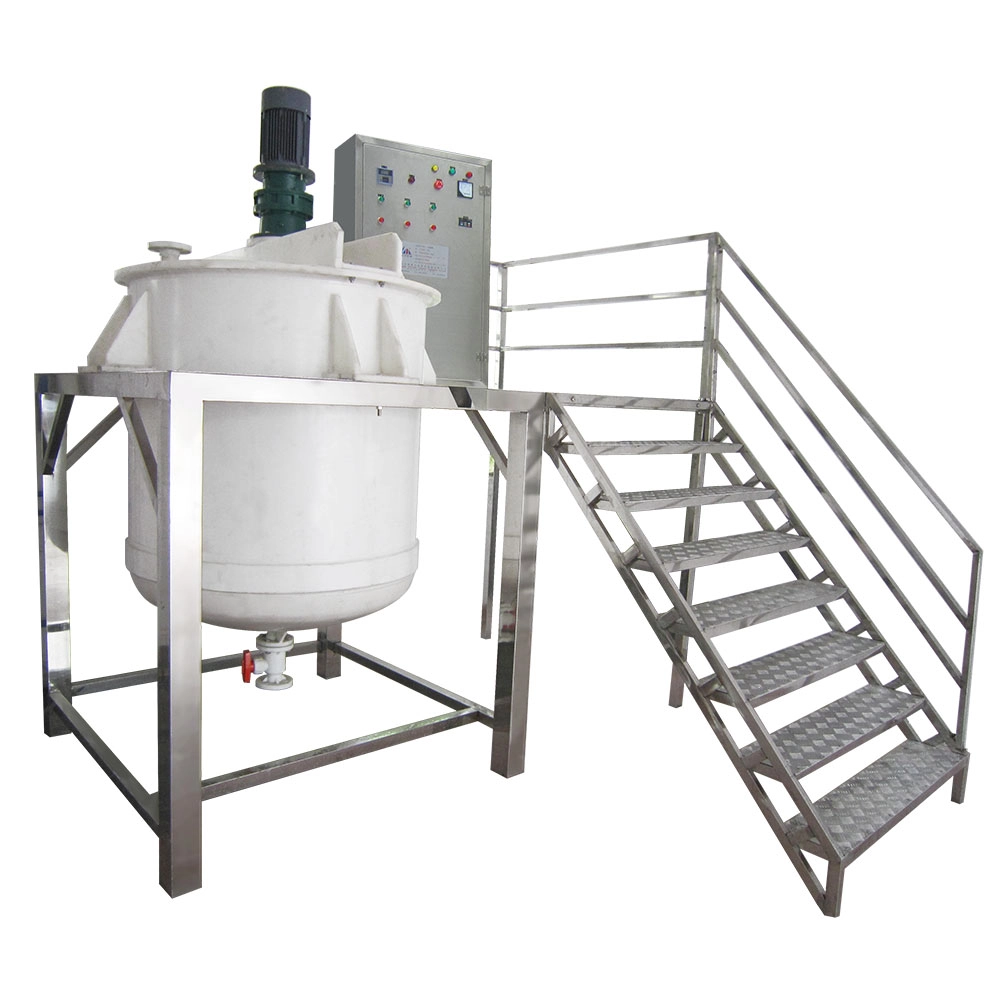
Polypropylene PP Mixing Tank Anti-Corrosion Mixer Reaction Kettle with Agitator Chemical Mixing Vessel
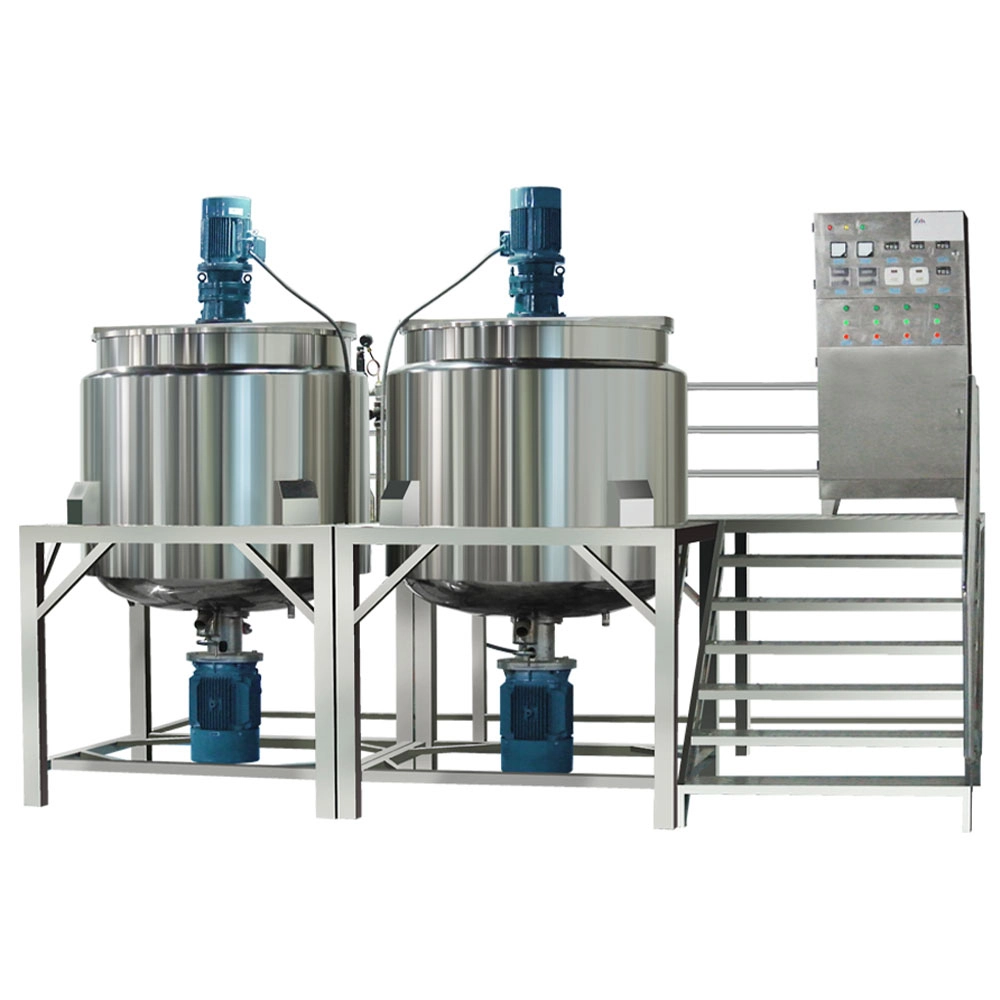
Flip Cover Multi-function Liquid Wash Mixing Tank Blender Liquid Detergent Mixer Homogenization Stirring Tank
Get in touch with FULUKE
If you have any comments or good suggestions, please leave us a message, later our professional staff will contact you as soon as possible.

A leading manufacturer specializing in advanced machinery and complete production lines for the cosmetics, food, pharmaceutical, and chemical industries worldwide.
Contact FULUKE
Facebook
Instagram
YouTube