
Advanced Controls for Multi-Product Filling Lines
- Design Principles for Flexible Filling Lines
- Modular mechanical and control architecture
- Recipe-based control and parameter storage
- Sanitation-by-design and material compatibility
- Control Technologies That Increase Throughput and Accuracy
- PLC and advanced HMI integration
- Servo-driven dosing and pump selection
- Machine vision, sensors and traceability
- Operational Considerations for Multi-Product Lines
- Fast changeover and format kits
- Cleaning, validation and electronic batch records
- Maintenance strategies and remote diagnostics
- Selecting the Right Automatic Filling Machine for Cosmetics
- Matching technology to product viscosity and container type
- Compliance, materials and contact parts
- Accounting for total cost of ownership and ROI
- Integration, Compliance and Future-Proofing
- Data integration with MES/ERP and Industry 4.0
- Cybersecurity and access control
- Scalability and upgrade paths
- Frequently Asked Questions (FAQ)
- Q: What level of accuracy can I expect from a high-precision cream and lotion filling machine?
- Q: How fast can I change from one product to another on a multi-product line?
- Q: Does the machine support regulatory compliance and traceability?
- Q: What types of containers and products does the machine handle?
- Q: How should I choose between piston, peristaltic and gravity fillers?
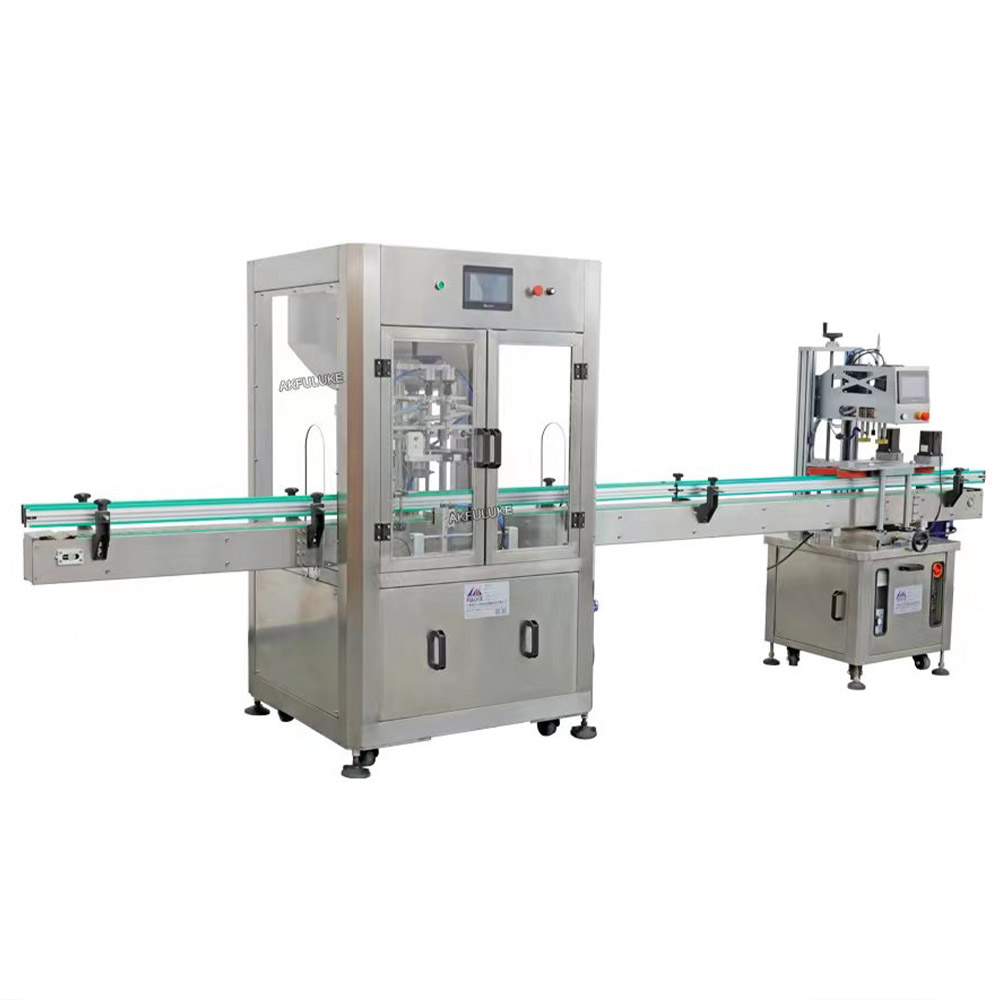
Advanced control systems are now essential for multi-product filling lines used by cosmetics manufacturers worldwide. From regional factories in China and India to GMP-certified facilities in Europe and North America, intelligent automation reduces changeover time, ensures repeatable accuracy for creams and lotions, and supports traceability for compliance. The following guide explains how modern controls, including PLC/HMI, servo dosing, recipe management and vision inspection, work together with an automatic filling machine — such as the Automatic Filling Machine Quantitative Liquid Bottle Filling Machine High-precision cream and lotion filling machine — to deliver flexibility, productivity, and regulatory compliance across global production sites.
Design Principles for Flexible Filling Lines
Modular mechanical and control architecture
Multi-product lines must be modular to support different container shapes, sizes and product viscosities without long downtimes. A modular design separates conveyor, filling, capping and labeling modules and exposes clear electrical and communication interfaces (e.g., Ethernet/IP, Profinet). Advanced controls should support hot-swappable modules and auto-detection so the PLC can recognize a module and load the correct control logic. This reduces electrical/interlock errors and shortens commissioning time when integrating an automatic filling machine into an existing line.
Recipe-based control and parameter storage
Recipe management is critical for rapid changeovers. A touchscreen HMI integrated with the PLC allows operators to select product recipes (fill volume, pump settings, nozzle height, speed, and vacuum/venting parameters). The Automatic Filling Machine Quantitative Liquid Bottle Filling Machine High-precision cream and lotion filling machine offers recipe recall so the system applies pre-validated parameters for emulsions, gels, creams and lotions. Storing recipes centrally reduces human error and ensures consistent fills across shifts and sites.
Sanitation-by-design and material compatibility
For cosmetics, GMP-compliant materials such as 316L/304 stainless steel and sanitary connections are mandatory. Controls must support CIP (clean-in-place) and SIP (sterilize-in-place) cycles with automated valve sequencing and interlocks to prevent process interruption. The control software should log CIP cycles and link them to batch records for audit trails, helping meet requirements from regulatory bodies like the WHO GMP guidance.
Control Technologies That Increase Throughput and Accuracy
PLC and advanced HMI integration
Programmable Logic Controllers (PLCs) remain the backbone of filling line control. Modern PLCs combined with intuitive touchscreens enable operators to visualize line status, change recipes, and run diagnostics. For multi-product lines, HMIs with role-based access and clear recipe selection reduce mistakes. Integration with MES/ERP systems provides production scheduling and traceability — critical when scaling production or running multiple SKUs in one line.
Servo-driven dosing and pump selection
Servo-driven piston pumps or positive displacement pumps deliver precise volumetric control needed for creams and lotions. Compared to gravity or basic peristaltic systems, servo dosing offers higher accuracy, faster response and programmable acceleration profiles that reduce splashing for emulsions. When paired with the Automatic Filling Machine Quantitative Liquid Bottle Filling Machine High-precision cream and lotion filling machine, servo dosing maintains filling accuracy across different viscosities, lowering giveaway and increasing yield.
Machine vision, sensors and traceability
Vision systems and sensors help assure correct product and label placement, detect cap presence and verify fill levels. Vision inspection integrated into the control layer enables automatic rejection of underfilled or mislabeled containers and logs images for quality records. Integration with barcode or RFID readers completes batch traceability: linking container ID to recipe, operator, and CIP history for full auditability required by regulators like the FDA.
Operational Considerations for Multi-Product Lines
Fast changeover and format kits
Multi-product lines require quick changeovers to stay profitable. Mechanically, format kits (simple fixtures and adjustable guides) enable fast manual swaps. From the controls standpoint, changeover should involve selecting a recipe on the HMI, automatic nozzle height adjustment, and motor speed profiles tailored to the product. The goal is to achieve safe changeover in minutes rather than hours, increasing overall equipment effectiveness (OEE).
Cleaning, validation and electronic batch records
CIP protocols should be fully automated, with programmable steps and verification sensors (e.g., conductivity, temperature). Validation reports and electronic batch records should be generated automatically by the control system to meet internal QA and external audits. Linking these logs to the machine's operation reduces paperwork and provides a searchable trail for regulatory inspections and quality investigations.
Maintenance strategies and remote diagnostics
Predictive maintenance driven by control-system analytics reduces unplanned downtime. By collecting vibration, current and temperature data, the PLC or edge gateway can predict pump wear or motor issues before failure. Remote diagnostics over secure connections allow OEM engineers to troubleshoot fast, reducing mean time to repair (MTTR) and supporting continuous operation across multiple sites.
Selecting the Right Automatic Filling Machine for Cosmetics
Matching technology to product viscosity and container type
Choosing between piston, gear, peristaltic or gravity fillers depends on viscosity range, particulates and container orientation. For high-viscosity creams and lotions, positive displacement piston or progressive cavity pumps typically provide the best accuracy. The featured product — the Automatic Filling Machine Quantitative Liquid Bottle Filling Machine High-precision cream and lotion filling machine — supports liquids, emulsions and pastes and is adaptable to glass and PET bottles, making it suitable for many cosmetic SKUs.
Compliance, materials and contact parts
Contact parts must be compatible with product chemistry and cleaning agents. Machines constructed with 316L/304 stainless steel and designed to meet GMP reduce contamination risk. Ensure the supplier provides documentation and material certificates for welding, passivation and surface finish. Refer to standards like ISO 9001 for quality system expectations and industry overviews for machine classifications.
Accounting for total cost of ownership and ROI
Evaluate cost beyond the purchase price: include reduced labor, lower giveaway, less rework, and increased throughput. Use a simple ROI table comparing two scenarios: manual/semi-automatic filling vs fully automated multi-product line with advanced controls.
| Metric | Semi-automatic Line | Automated Multi-product Line (Advanced Controls) |
|---|---|---|
| Average throughput (bph) | 300–1,000 | 1,500–6,000 |
| Filling accuracy (±) | ±1–3% | ±0.2–0.5% |
| Changeover time | 30–120 min | 5–20 min |
| Labor per shift | 4–8 operators | 1–3 operators |
| Expected payback | N/A | 12–30 months (depending on utilization) |
These numbers are indicative; actual results depend on factory layout, SKU mix and utilization. Advanced controls and accurate dosing reduce giveaway and rework, often producing payback within 1–2 years for mid-sized operations.
Integration, Compliance and Future-Proofing
Data integration with MES/ERP and Industry 4.0
Modern manufacturers need data flow from the filling line into business systems. Use OPC UA, MQTT or native MES connectors to transmit production counts, alarms, batch IDs, and QC data. That data helps planning and supports digital quality systems. Architect the system so firmware updates and new recipes can be deployed centrally to multiple machines for consistent rollouts across plants.
Cybersecurity and access control
As lines become connected, cybersecurity is critical. Implement role-based access, secure VPNs for remote support, and firewall segmentation between control networks and business networks. Ensure vendor-provided remote access adheres to your company cybersecurity policy and that logs of remote sessions are retained for audits.
Scalability and upgrade paths
Buy a platform with expansion capacity: spare I/O slots, additional servo channels and software licenses that can be enabled later. A scalable control platform protects capital investment and speeds deployment when adding SKUs or moving to higher speeds.
Frequently Asked Questions (FAQ)
Q: What level of accuracy can I expect from a high-precision cream and lotion filling machine?
A: Modern servo-driven quantitative fillers typically achieve ±0.2–0.5% accuracy for liquids and medium-viscosity creams when properly calibrated and maintained. Highly viscous pastes may have slightly higher variance; choose a pump type matched to product rheology.
Q: How fast can I change from one product to another on a multi-product line?
A: With recipe-based controls, automated nozzle adjustments and quick-change format kits, changeovers can be reduced to 5–20 minutes. Properly designed format kits and trained operators are essential to reach these times.
Q: Does the machine support regulatory compliance and traceability?
A: Yes — the Automatic Filling Machine Quantitative Liquid Bottle Filling Machine High-precision cream and lotion filling machine is built with GMP-compliant contact parts (316L/304 stainless steel) and supports electronic batch records, CIP logging and integration with MES for complete traceability.
Q: What types of containers and products does the machine handle?
A: It handles a variety of containers (glass, PET, and common bottle formats) and product types including liquids, emulsions and pastes. For unusual containers or very high-viscosity products, consult the vendor for customization.
Q: How should I choose between piston, peristaltic and gravity fillers?
A: Use gravity for low-viscosity, non-foaming liquids; peristaltic for aggressive or sterile products needing minimal contact; piston or progressive cavity pumps for viscosity and high-accuracy volumetric dosing of creams and lotions. See the comparative table above for guidance.
References and further reading: WHO GMP guidance: https://www.who.int/.../gmp/en/; ISO 9001 overview: https://www.iso.org/iso-9001-quality-management.; Filling machine (industry overview): https://en.wikipedia.org/wiki/Filling_machine; FDA guidance and CGMP resources: https://www.fda.gov/.
If you want to evaluate how an advanced automatic filling machine can improve your cosmetics line, request a consultation or a site assessment. Contact our sales team to discuss the Automatic Filling Machine Quantitative Liquid Bottle Filling Machine High-precision cream and lotion filling machine, arrange a demo, or get a customized ROI analysis.
Contact us: Sales Team — Email: sales@example.com | Phone: +1-800-123-4567. View the product page or request a quote today.
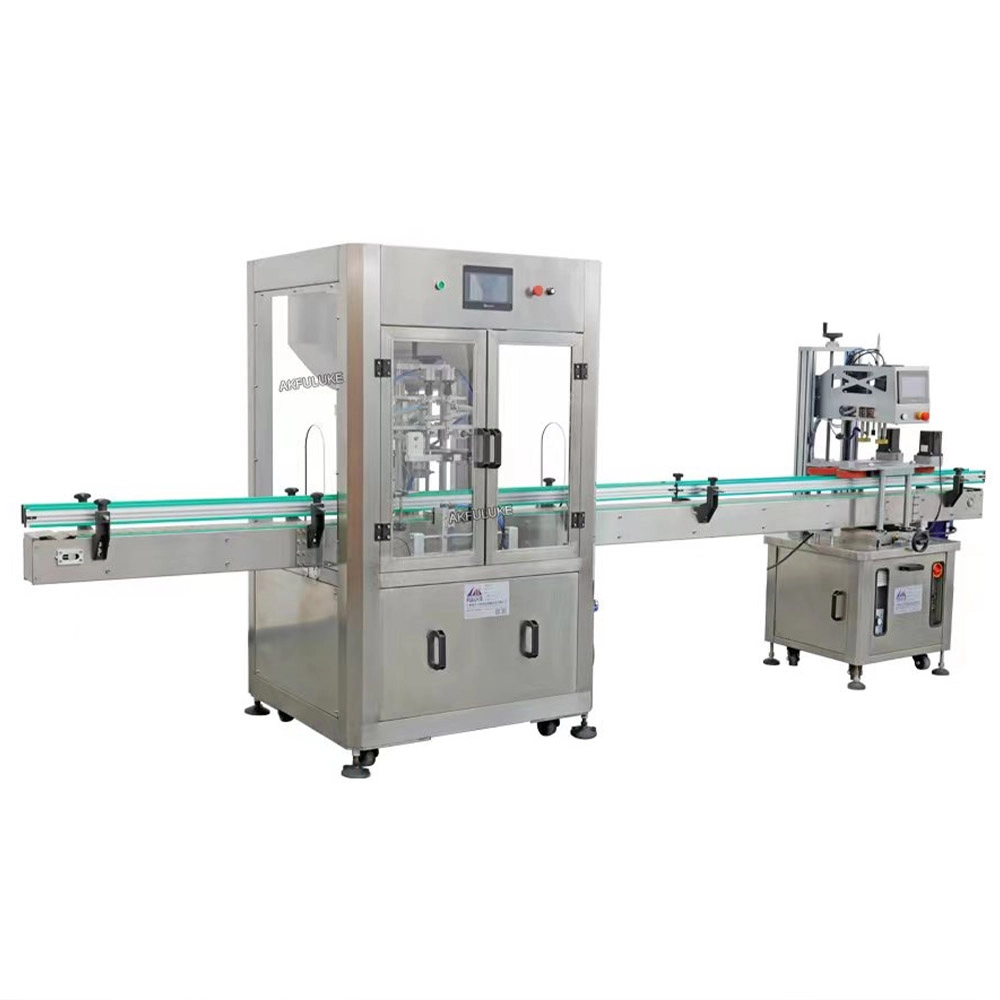
Selecting Filling Heads for Viscous Creams and Lotions
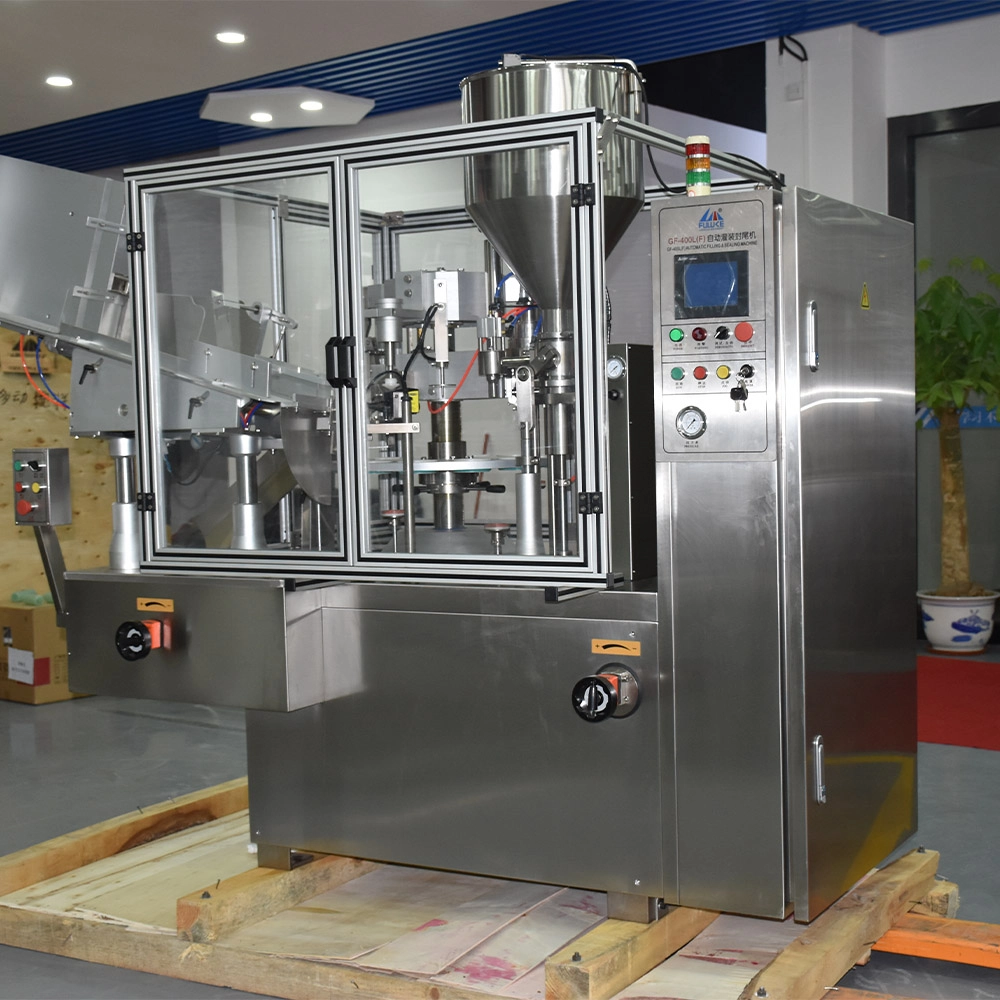
Filling Machine Buyers' Guide for Toothpaste, Sunscreen & Cleanser Tubes
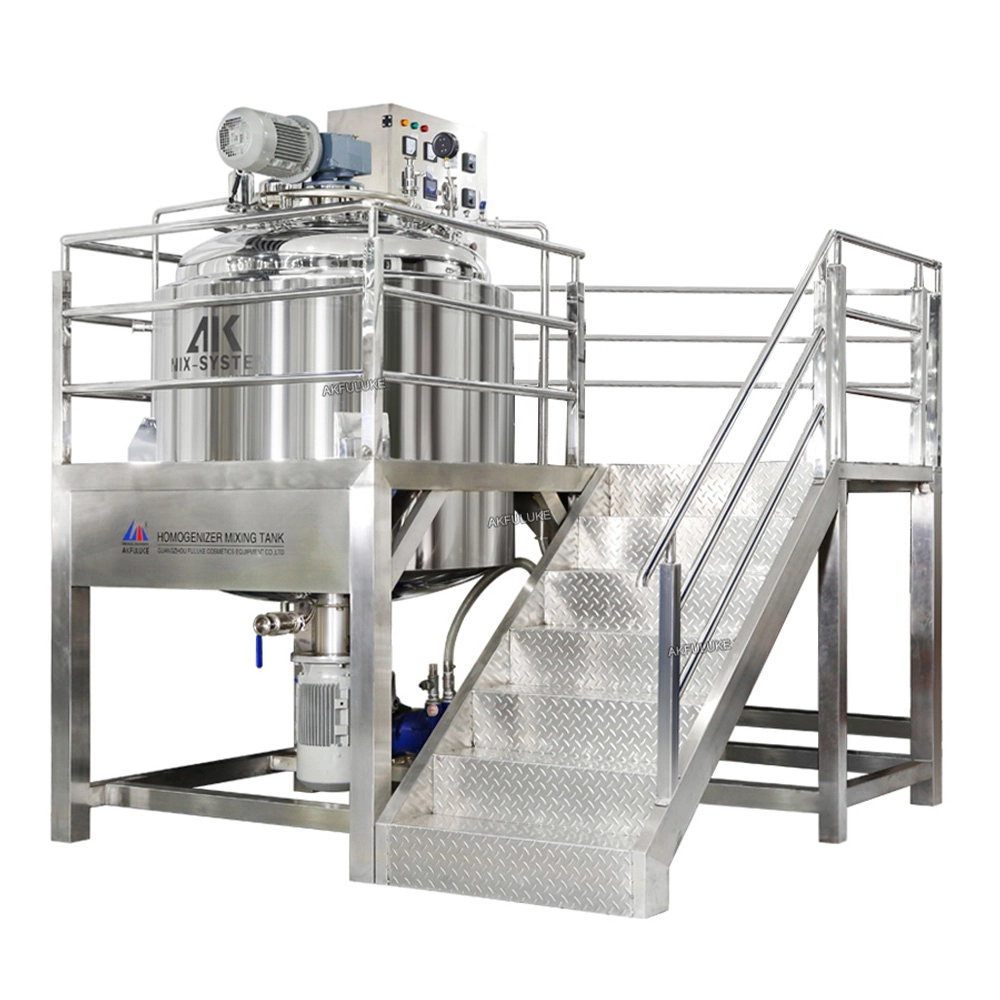
Integrating Mixer Tanks with Agitators into Automated Lines
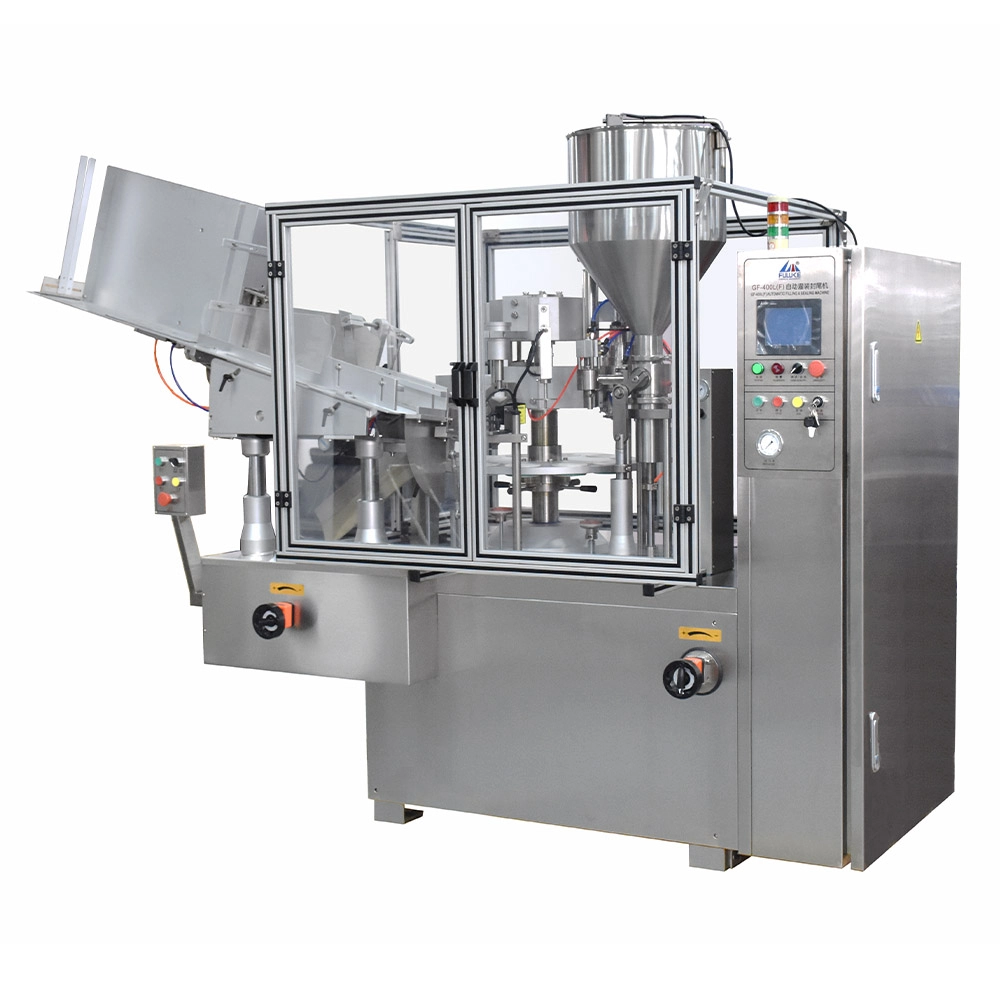
Key Specs B2B Buyers Need in Automatic Tube Filling Machines
FAQs
How can customers contact FULUKE for inquiries or support?
Vacuum Emulsifying Machine
Can you customize the machine?
Of course, we provide customized services according to customer needs.
Is it possible not to configure the oil and water pot?
Of course, if you have other containers to pre-treat and heat the materials, then you only need to configure an emulsifying pot.
Perfume Freezing Filter Making Machine
Why does perfume require freeze filtration? Is traditional filtration an alternative?
Traditional filtration only removes visible solid impurities. Soluble organic matter, colloids, and trace microorganisms in perfume are difficult to separate at room temperature, easily leading to turbidity, precipitation, and aroma deterioration after storage. Freeze filtration uses a low-temperature environment of -5°C to -15°C (depending on the formulation) to condense these hidden impurities into solid particles. These particles are then thoroughly trapped through precision filtration, while simultaneously allowing the fragrance components to fully blend. This is a core process that ensures the stability of high-end perfumes.
Sealed Homogenizing Mixing Tank
What is the structure of an agitator?
The agitator usually consists of a "frame agitator (SUS316L material) + scraper (PTFE)" or an anchor agitator.
You May Also Like
Automatic Filling Machine Quantitative Liquid Bottle Filling Machine High-precision cream and lotion filling machine
Automatic Tube Filling and Sealing Machine Toothpaste Sunscreen and Facial Cleanser Filling and Sealing Machine for Plastic and Aluminum-plastic Tube
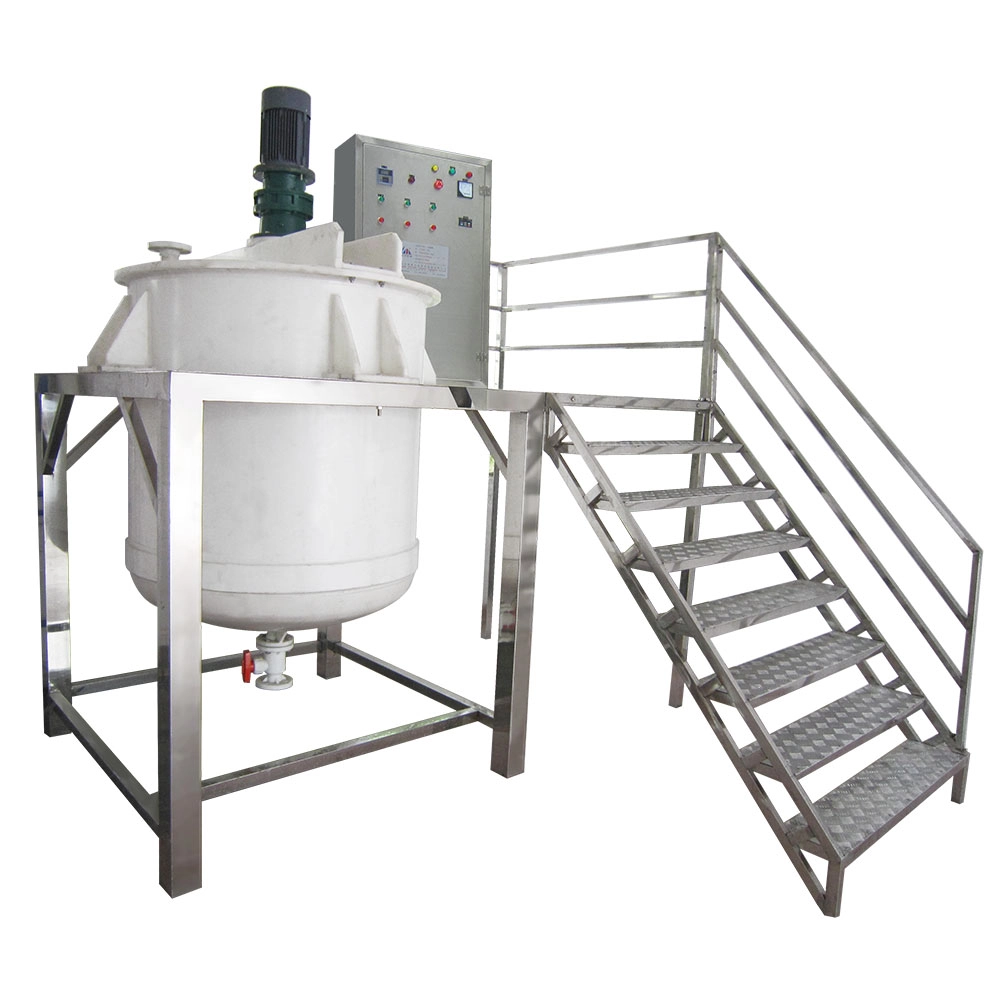
Polypropylene PP Mixing Tank Anti-Corrosion Mixer Reaction Kettle with Agitator Chemical Mixing Vessel
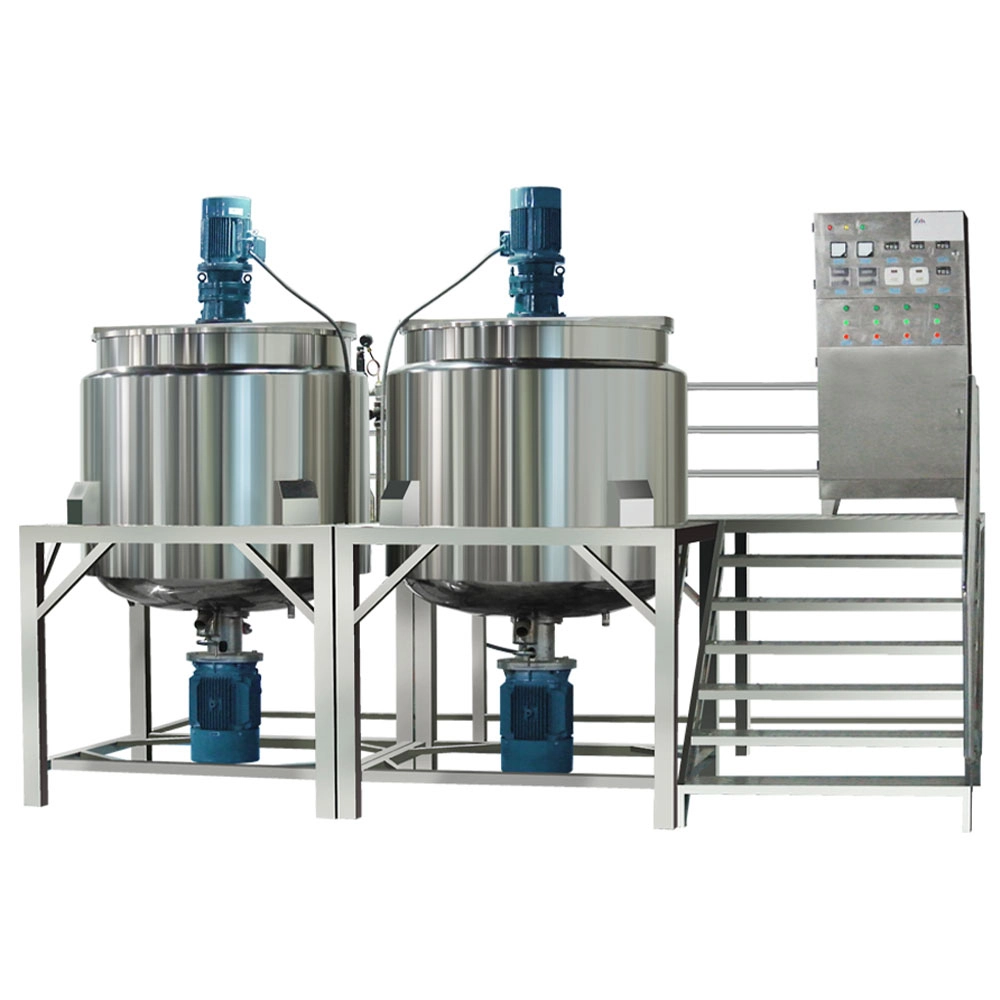
Flip Cover Multi-function Liquid Wash Mixing Tank Blender Liquid Detergent Mixer Homogenization Stirring Tank
Get in touch with FULUKE
If you have any comments or good suggestions, please leave us a message, later our professional staff will contact you as soon as possible.

A leading manufacturer specializing in advanced machinery and complete production lines for the cosmetics, food, pharmaceutical, and chemical industries worldwide.
Contact FULUKE
Facebook
Instagram
YouTube