
Agitator Homogenizing Tanks: Ensuring Consistent Product Quality
- Agitator Homogenizing Tanks: Ensuring Consistent Product Quality
- What is an Agitator Homogenizing Mixing Tank and why it matters for product quality
- Core functions explained: vacuum defoaming, homogenization, stirring and temperature control
- Vacuum defoaming (vacuum sealed mixer machine)
- High-speed homogenization (agitator homogenizing)
- Efficient stirring (mixing tank agitator)
- Precise temperature control
- Key selection criteria when choosing a mixing tank for your process
- Practical design features of the Stainless Steel Mixer Liquid Mixing tank with Agitator Homogenizing Mixing tank Vacuum Sealed Mixer Machine
- Comparing mixing equipment: choose what fits your formulation
- Process optimization and scale-up guidance for mixing tanks
- Maintenance, cleaning and validation best practices
- Troubleshooting common challenges in homogenizing mixing tanks
- Regulatory and quality considerations for cosmetics, pharma and food
- Brand advantages: Why choose our Stainless Steel Mixer Liquid Mixing tank with Agitator Homogenizing Mixing tank Vacuum Sealed Mixer Machine
- FAQ — Frequently Asked Questions
- Contact us / View product
- Authoritative references and further reading
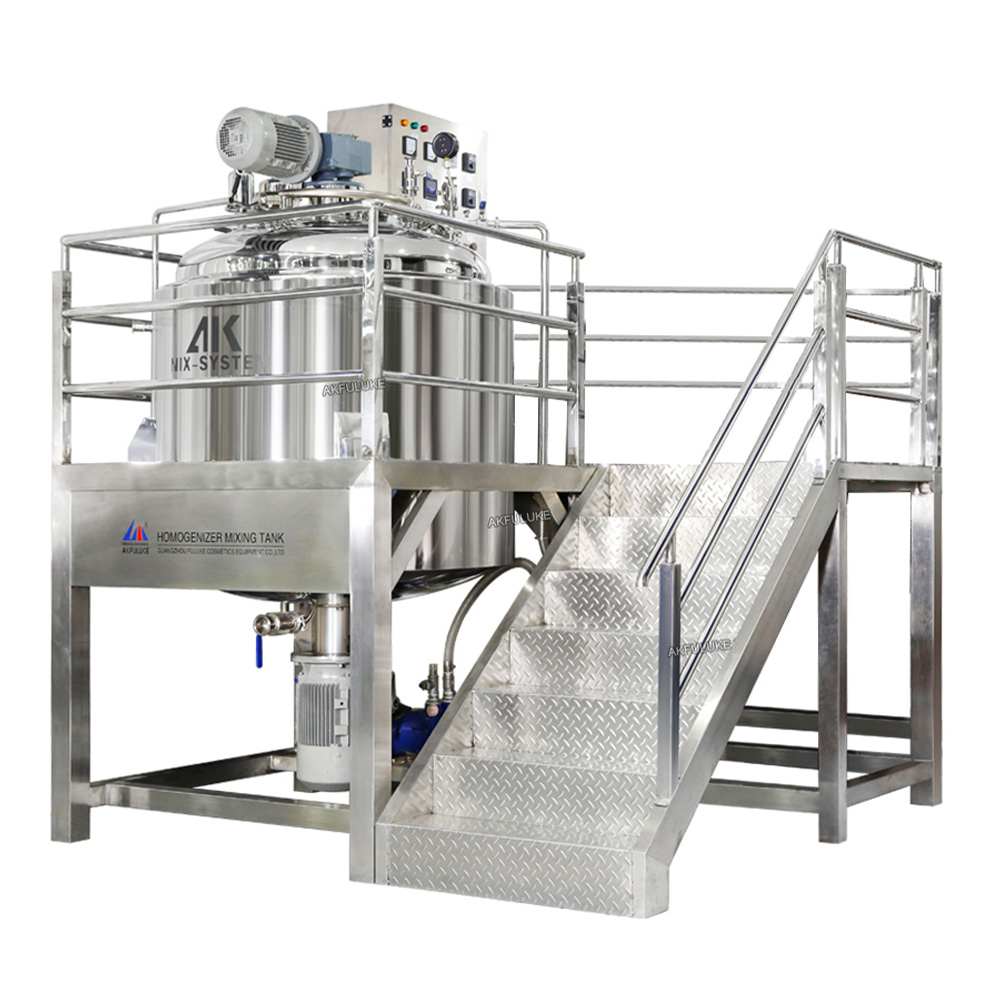
Agitator Homogenizing Tanks: Ensuring Consistent Product Quality
What is an Agitator Homogenizing Mixing Tank and why it matters for product quality
The Stainless Steel Mixer Liquid Mixing tank with Agitator Homogenizing Mixing tank Vacuum Sealed Mixer Machine is an industrial mixing tank engineered to deliver repeatable, high-quality emulsions and suspensions. The Sealed Homogenizing mixing tank integrates four core functions: vacuum defoaming, high-speed homogenization, efficient stirring, and precise temperature control. These capabilities make it ideal for cosmetics, pharmaceuticals, food, and chemical manufacturing where consistency, stability, and safety are non-negotiable.
Product manufacturers seeking consistent texture, long shelf-life, and batch-to-batch uniformity depend on advanced mixing tanks that combine mechanical and process controls. The sealed, vacuum-capable design reduces entrained air and oxidation; a homogenizer breaks down droplets and particles to a controlled size distribution; and precise temperature control allows sensitive formulations to be processed without thermal degradation. Consistent product quality must also be supported by hygienic system design, making CIP and SIP design considerations for industrial mixing tanks a key factor for operations in food, pharmaceutical, and cosmetic manufacturing.
Core functions explained: vacuum defoaming, homogenization, stirring and temperature control
Understanding how each function contributes to final product quality helps you specify the right mixing tank. Each function should be evaluated against your formulation needs.
Vacuum defoaming (vacuum sealed mixer machine)
Vacuum defoaming removes entrapped air and bubbles introduced during mixing. For creams, lotions and sauces, bubbles cause visual defects, inconsistent dosing, and reduced shelf stability. Sealed mixing tanks equipped with vacuum systems accelerate degassing and reduce oxidation of oxygen-sensitive ingredients.
High-speed homogenization (agitator homogenizing)
Homogenization applies intense shear to reduce droplet and particle sizes, producing fine, stable emulsions and dispersions. Reproducible droplet-size distribution directly impacts texture, absorbency (for cosmetics), mouthfeel (for food), and bioavailability (for pharmaceuticals). Homogenizing heads, rotor-stator systems or high-pressure units are selected based on viscosity and target particle size.
Efficient stirring (mixing tank agitator)
Agitators provide bulk transport, keep solids suspended, and ensure uniform temperature and concentration profiles. Proper impeller selection and placement prevent dead zones and reduce processing time. For high-viscosity systems, planetary or anchor-style agitators are commonly used; for low-viscosity fluids, turbine or propeller impellers are typical.
Precise temperature control
Integrated jackets or coils and accurate PID controls allow heating and cooling during processing. Many formulations are heat-sensitive or require controlled temperature ramps for phase inversion and optimal emulsification. Tight temperature control minimizes degradation and ensures repeatable rheology.
Key selection criteria when choosing a mixing tank for your process
Choosing the right mixing tank requires matching tank capabilities to your process. Below are primary selection factors that influence product quality and operational efficiency.
- Viscosity range: Low-viscosity liquids need high-speed agitation; high-viscosity creams require specialized agitators and powerful motors.
- Phase types: Multi-phase systems (solid-liquid, liquid-liquid) dictate homogenizer type and impeller design.
- Throughput and batch size: Scale affects agitator power, homogenizer capacity and tank geometry.
- Vacuum capability: Essential for degassing and oxidation-sensitive ingredients.
- Material of construction: Stainless steel (316/304) is standard for cosmetics, pharma and food due to corrosion resistance and cleanability.
- CIP/SIP compatibility: For regulated environments, clean-in-place and steam-in-place designs reduce contamination risk and validation burden.
- Control and automation: Recipe control, data logging and PLC/HMI integration ensure reproducibility and traceability.
Practical design features of the Stainless Steel Mixer Liquid Mixing tank with Agitator Homogenizing Mixing tank Vacuum Sealed Mixer Machine
The product combines design choices that address common manufacturing pain points:
- Fully sealed vessel with vacuum capability for rapid degassing and reduced oxidation.
- High-speed homogenizer module for controlled droplet and particle size reduction.
- Versatile agitator options (anchor, turbine, planetary) selectable by viscosity.
- Precision temperature control through heating/cooling jacket and integrated sensors.
- Stainless steel wetted parts for compatibility with cosmetic, pharmaceutical and food-grade standards.
- Options for CIP/SIP and sanitary tri-clamp fittings for quick maintenance.
Comparing mixing equipment: choose what fits your formulation
Below is a concise comparison between common mixing tank types to help selection based on product needs.
| Feature | Open Mixing Tank | Sealed Homogenizing Mixing Tank (vacuum sealed mixer machine) | High-Pressure Homogenizer (inline) |
|---|---|---|---|
| Best for | Simple blending, low-viscosity | Emulsions, creams, degassing, high-viscosity | Very fine droplet/particle reduction, lab-to-production |
| Vacuum degassing | No | Yes | Optional (usually inline without vacuum) |
| Cleaning (CIP) | Limited | Designed for CIP/SIP | Depends on system design |
| Typical applications | Simple blends, dilutions | Cosmetics, pharmaceuticals, sauces, gels | Pharma suspensions, biotech, certain foods |
Process optimization and scale-up guidance for mixing tanks
Process parameters should be defined and controlled to ensure consistent quality during scale-up:
- Shear rate and homogenization time: Determine the minimum energy needed to achieve target droplet size—over-processing can damage sensitive actives.
- Vacuum level and duration: Set vacuum parameters to remove entrained air without excessive boiling of volatile components.
- Temperature profile: Use ramped heating/cooling to reach phase inversion points safely and reproducibly.
- Mixing sequence: Define addition order of phases (aqueous vs oil phase) and when to start homogenization to avoid emulsification issues.
- Monitoring: Implement in-line or at-line measurements (viscosity, particle size, pH, temperature) to confirm process control.
Maintenance, cleaning and validation best practices
Routine maintenance and validated cleaning protocols preserve product quality and prolong equipment life. Key practices include:
- Documented CIP and SIP cycles aligned with your formulation residues and material compatibility.
- Scheduled inspection of homogenizer rotors/stators and agitator seals to prevent performance drift.
- Routine vacuum pump maintenance and leak testing of the sealed vessel.
- Calibration of temperature sensors, torque/ power monitors and control systems for traceable processing.
Troubleshooting common challenges in homogenizing mixing tanks
Even well-specified equipment can encounter operational issues. Common problems and fixes:
- Excess bubbles after processing: Increase vacuum hold time, check vacuum seals, reduce air introduction during ingredient additions.
- Poor droplet size control: Verify homogenizer speed, rotor/stator wear, and feed rate into the homogenizer; adjust shear energy.
- Local overheating: Ensure proper jacket circulation and mixing to eliminate hot zones and protect heat-sensitive actives.
- Solids settling: Increase agitator speed, change impeller type or add choppers for stubborn solids.
Regulatory and quality considerations for cosmetics, pharma and food
Manufacturers must design processes and equipment to meet applicable GMP and hygiene standards. Stainless steel tanks with sanitary finishes, validated CIP/SIP systems, and documented batch records help satisfy regulatory audits. Integrate automation that supports recipe control and electronic batch records to improve traceability and compliance.
Brand advantages: Why choose our Stainless Steel Mixer Liquid Mixing tank with Agitator Homogenizing Mixing tank Vacuum Sealed Mixer Machine
When selecting a mixing tank partner, consider the following strengths this product offers:
- Integrated functionality: A single vessel combines vacuum degassing, high-speed homogenization, and robust agitation with precise thermal control to reduce capital equipment footprint and streamline process flows.
- Industry-grade construction: All product-contact parts use high-grade stainless steel for corrosion resistance and sanitary cleanability—essential for cosmetics, food and pharmaceuticals.
- Flexible configurations: Modular homogenizer heads and a range of agitator types allow the system to be tailored from small R&D batches to full production volumes.
- Compliance-ready: Designed for CIP/SIP and traceable control systems to support GMP and audit readiness.
- After-sales support: Service, spare parts and validation documentation reduce downtime and support scale-up success.
FAQ — Frequently Asked Questions
Q1: What is the difference between a sealed homogenizing mixing tank and an open mixing tank?
A: A sealed homogenizing mixing tank offers vacuum degassing, controlled atmosphere processing, and integrated homogenization to create fine, stable emulsions—features typically not available on simple open tanks.
Q2: Can this mixing tank handle high-viscosity creams?
A: Yes. The system supports heavy-duty agitators (anchor, planetary) and homogenizer modules designed for high-viscosity materials.
Q3: Is the tank compatible with CIP and SIP?
A: Yes. Standard configurations include CIP/SIP-compatible surfaces, sanitary fittings, and documentation to support validation.
Q4: How do I choose the right homogenizer head?
A: Selection depends on target droplet size, viscosity and throughput. Our technical team can analyze your formulation and recommend rotor-stator, inline or high-pressure homogenizer options.
Q5: What parameters should I document for regulatory compliance?
A: Typical parameters include batch composition, mixing speeds, homogenization energy and duration, vacuum level and duration, temperature profiles, CIP/SIP cycles, and equipment calibration records.
Contact us / View product
For specification sheets, process trials, or to schedule a demonstration of the Stainless Steel Mixer Liquid Mixing tank with Agitator Homogenizing Mixing tank Vacuum Sealed Mixer Machine, contact our sales team. We provide application testing, scale-up support and validation documentation to help you achieve consistent product quality.
Authoritative references and further reading
Below are reputable sources used for technical context and best-practice guidance:
- Mixing (process engineering) — Wikipedia
- Homogenizer — Wikipedia
- Stainless steel — Wikipedia
- FDA — Drug Manufacturing and Quality Resources
- European Hygienic Engineering & Design Group (EHEDG)
- ISO 22716 — Cosmetics — Good Manufacturing Practices (ISO)
For tailored advice, sample processing, or a quotation, reach out to our team to discuss how the Sealed Homogenizing mixing tank fits your production line and quality objectives.
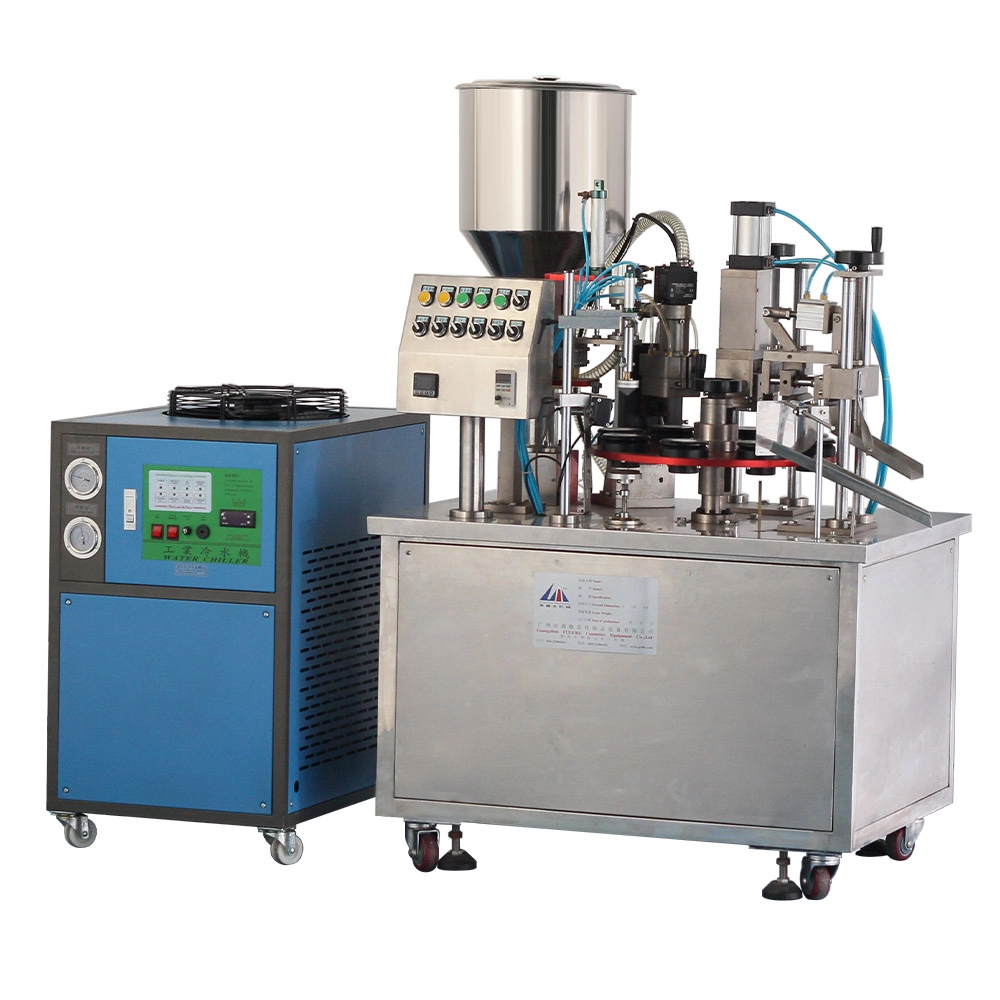
Sealing Integrity: Ensuring Quality in Toothpaste and Sunscreen Tubes
Top 10 perfume making machine Manufacturers and Supplier Brands in 2026
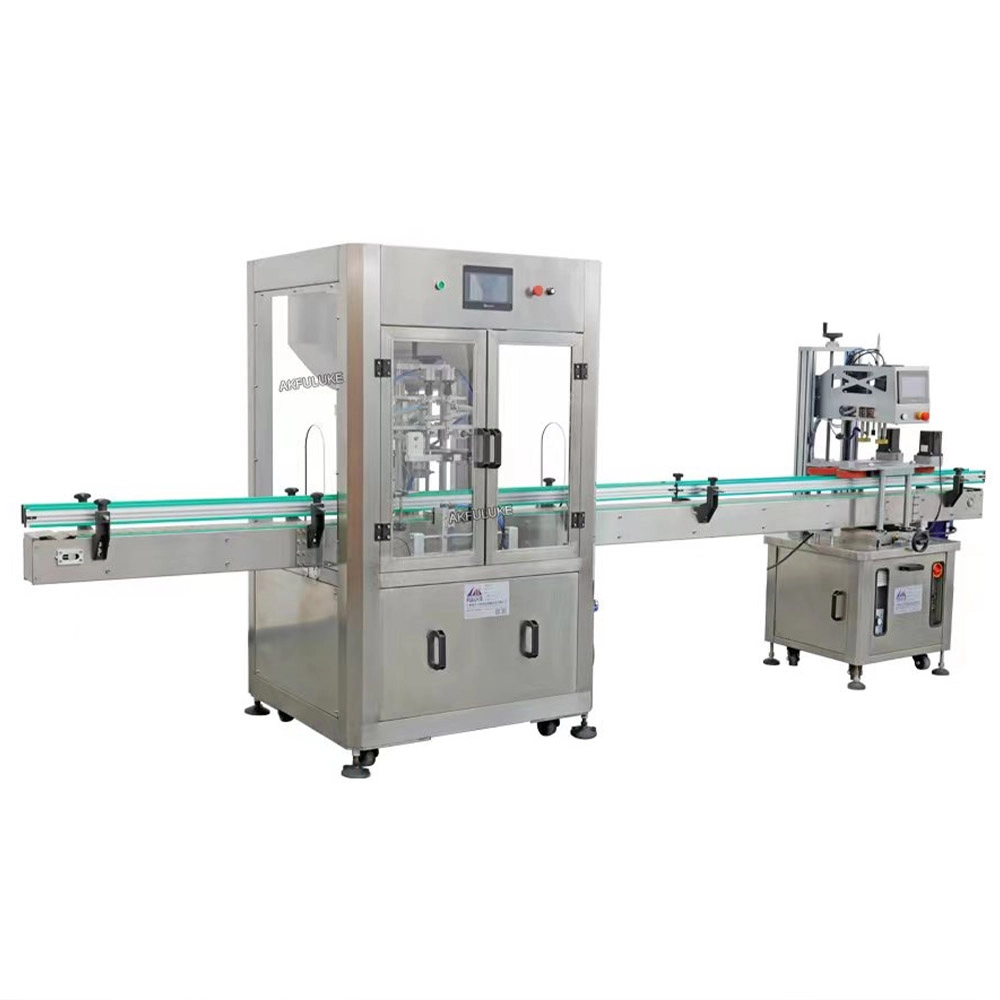
How to Validate Filling Accuracy for Regulatory Compliance
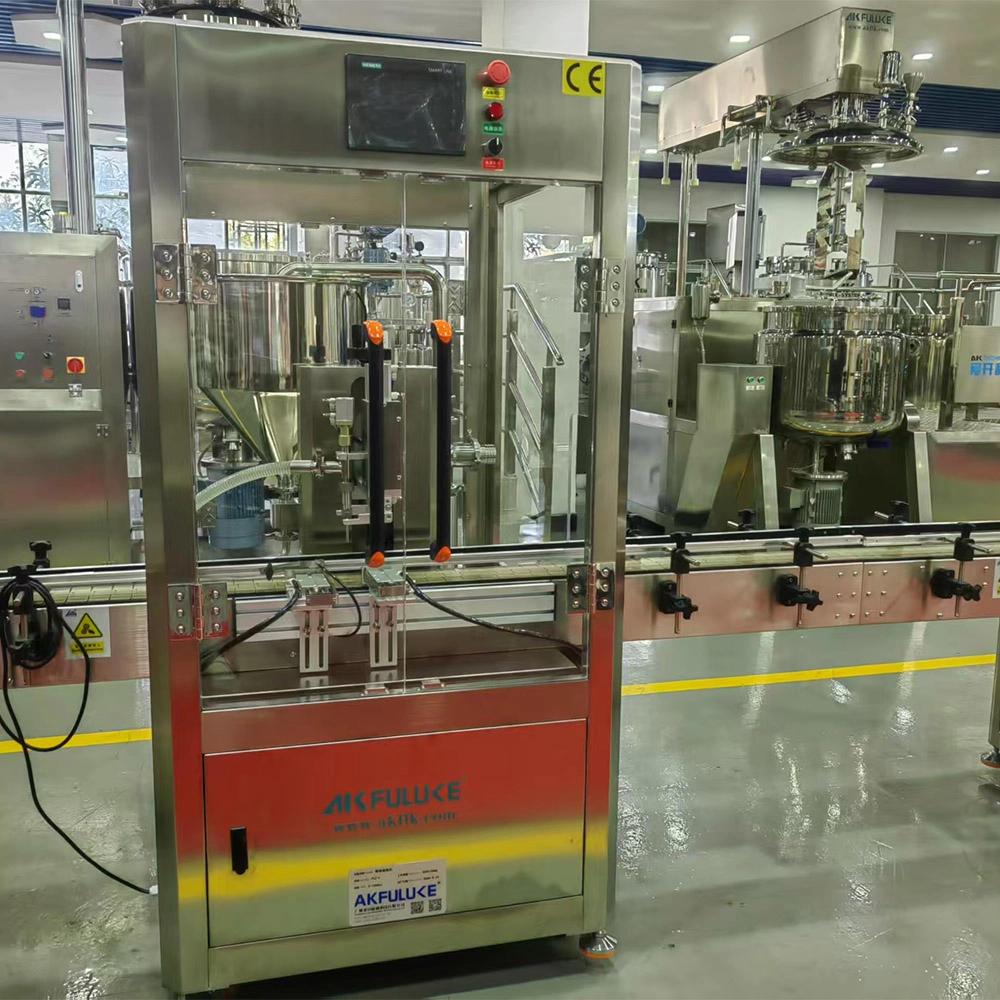
How Vision Systems Improve Filling Line Quality Control
Perfume Freezing Filter Making Machine
Can you customize the machine?
Of course, we provide customized services according to customer needs.
Automatic Filling Machine
We want to fill products in multiple volumes (e.g., 100ml, 250ml, 500ml). Do we need to purchase multiple filling machines?
No, most automatic filling machines support multiple volume adjustments. When purchasing, please confirm the machine's "volume adjustment range" (e.g., 50ml-2000ml) to ensure it covers your desired specifications. Changing volumes simply requires modifying the fill volume parameters on the touchscreen. If the volume difference is significant (e.g., from 100ml to 1000ml), minor adjustments to the filling head height or feed rate may be necessary, without replacing the machine.
Storage Tank
Can you make a design for us?
Yes, we can, we provide not only products, but also solutions and designs.
Vacuum Emulsifying Machine
Can you make a design for us?
Yes, we can, we provide not only products, but also solutions and designs.
Automatic Facial Mask Filling Machine
Can you customize the machine?
Of course, we provide customized services according to customer needs.
You May Also Like
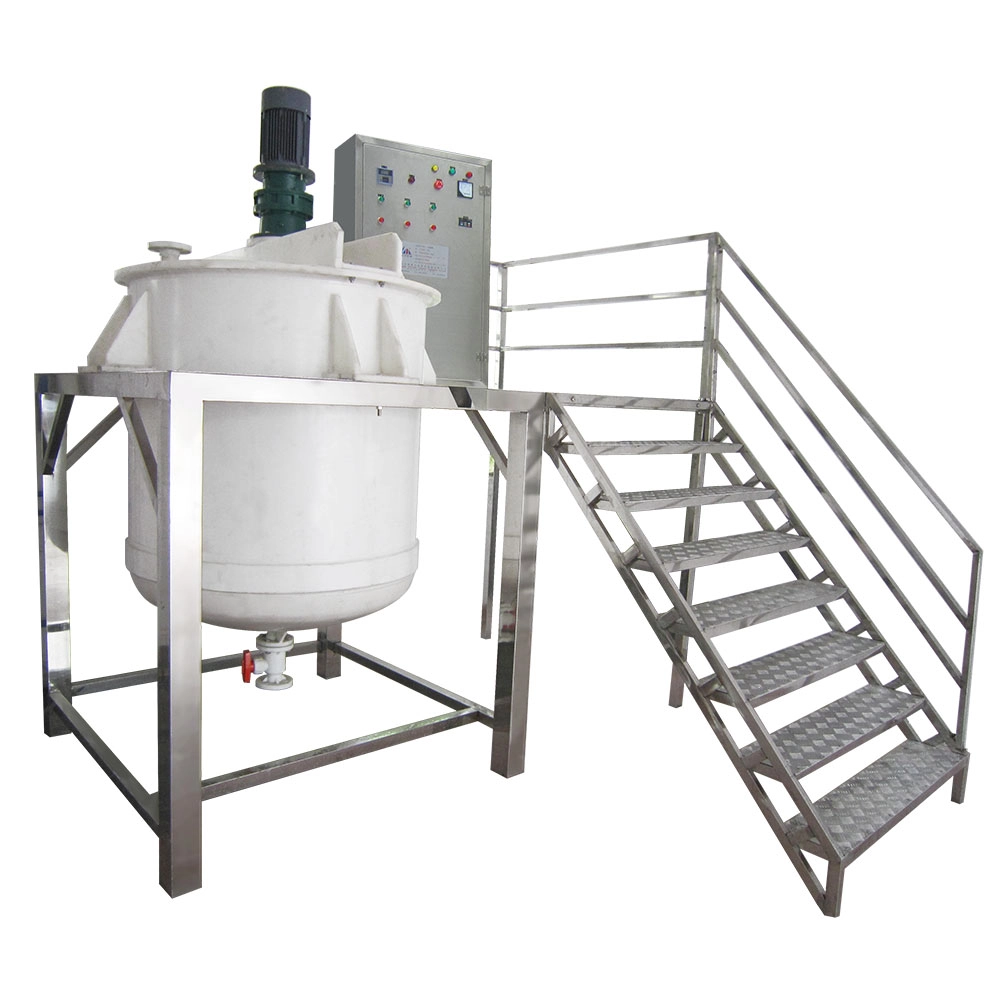
Polypropylene PP Mixing Tank Anti-Corrosion Mixer Reaction Kettle with Agitator Chemical Mixing Vessel
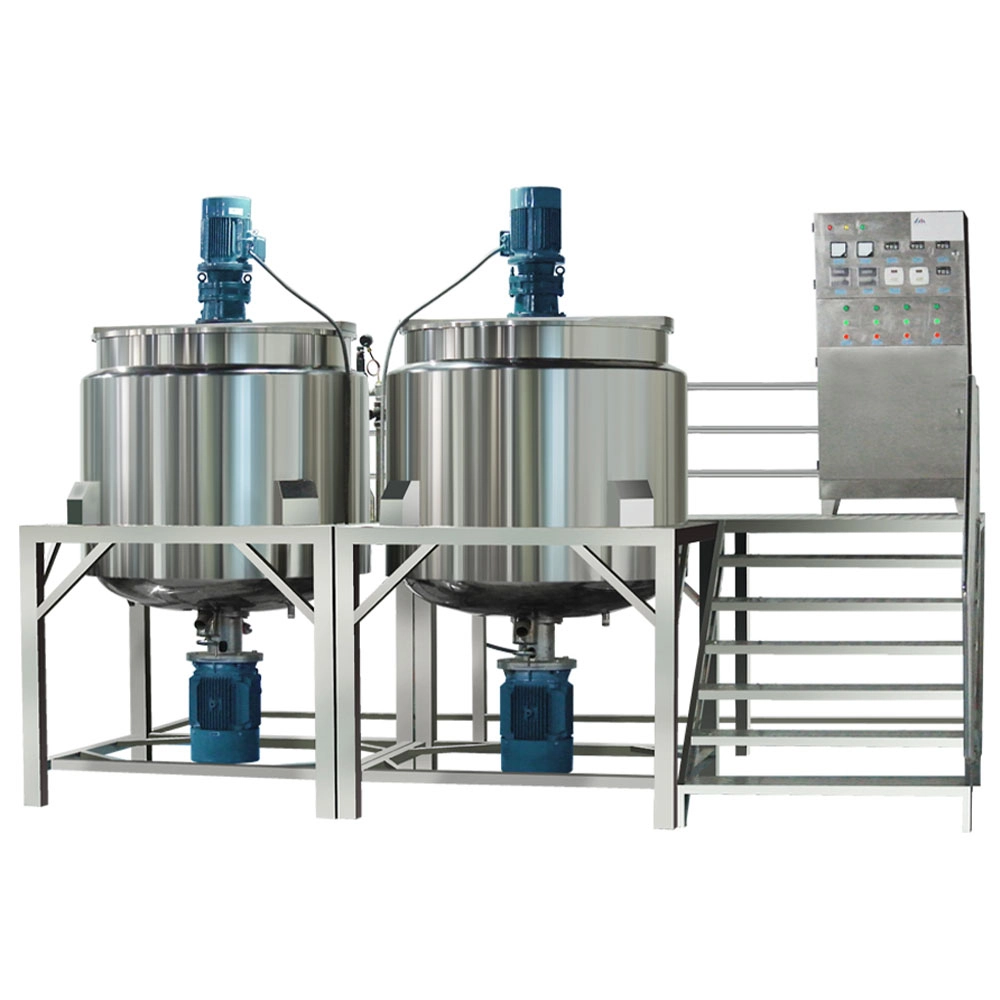
Flip Cover Multi-function Liquid Wash Mixing Tank Blender Liquid Detergent Mixer Homogenization Stirring Tank
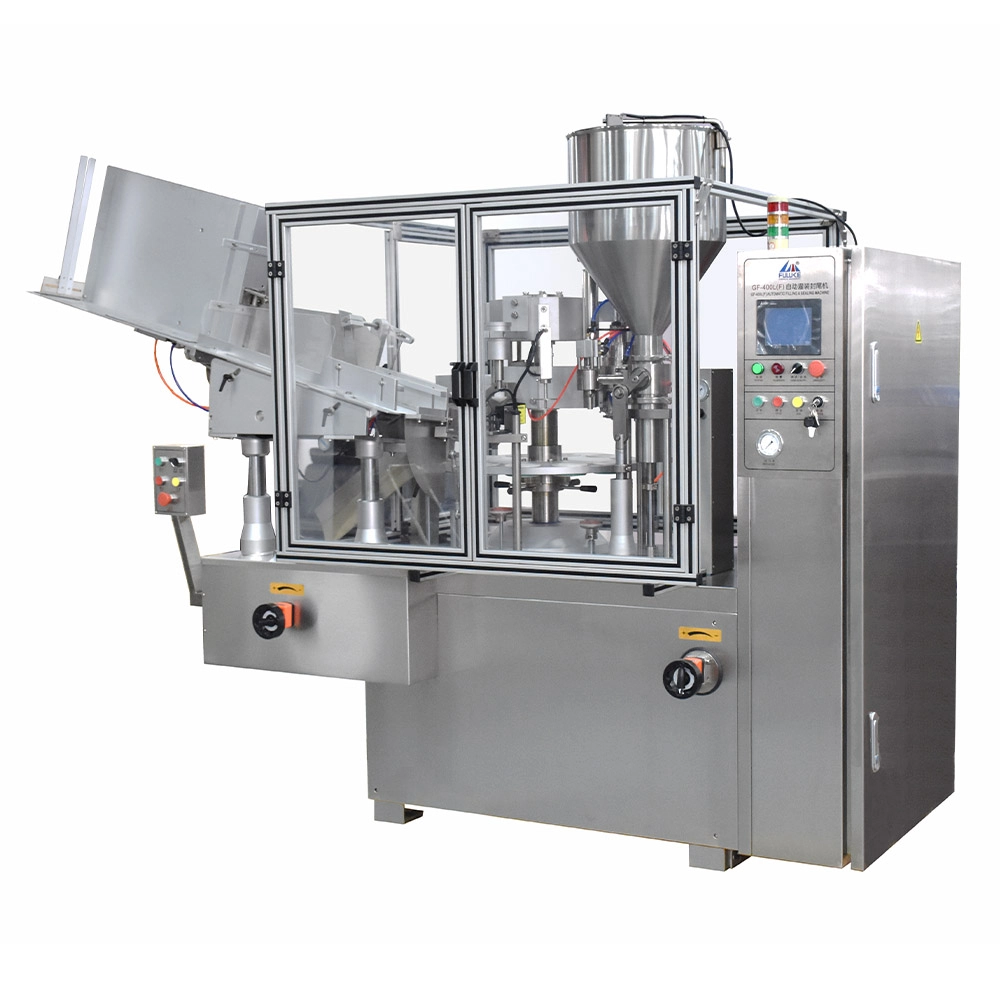
Automatic Tube Filling and Sealing Machine Toothpaste Sunscreen and Facial Cleanser Filling and Sealing Machine for Plastic and Aluminum-plastic Tube
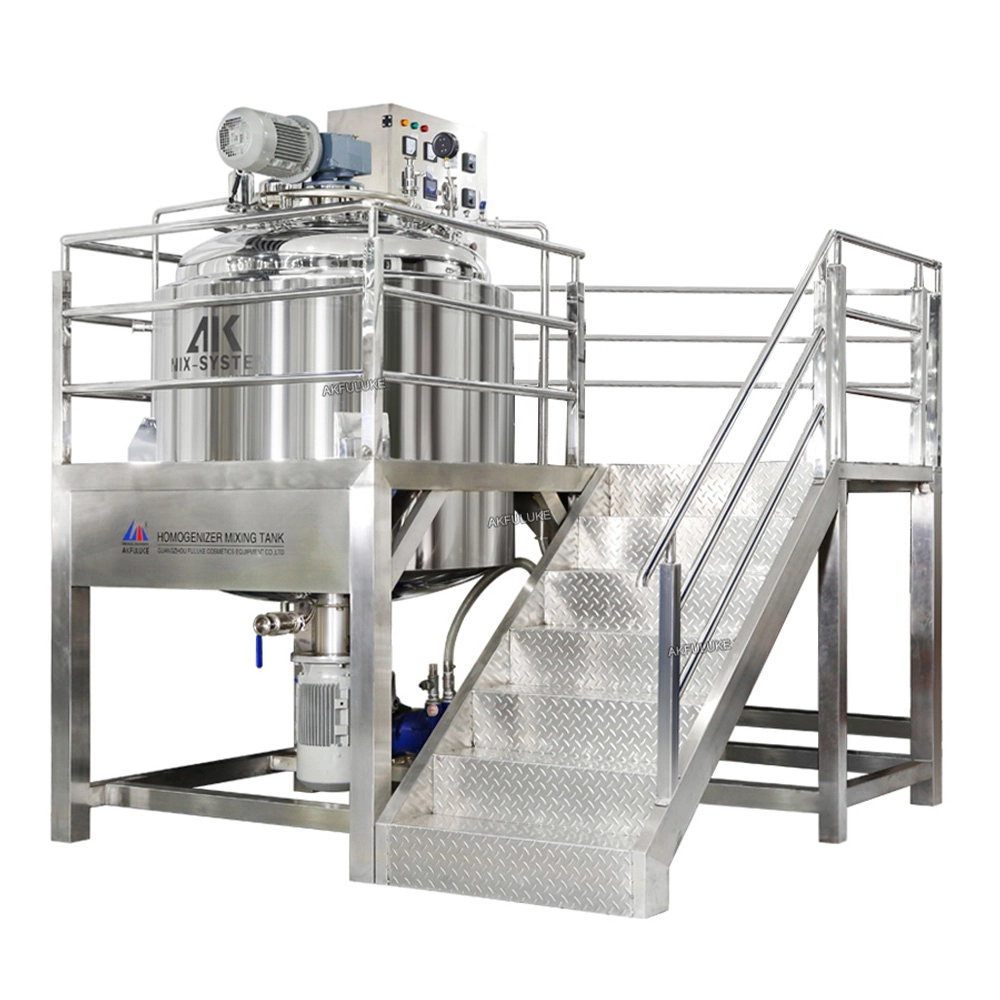
Stainless Steel Mixer Liquid Mixing tank with Agitator Homogenizing Mixing tank Vacuum Sealed Mixer Machine
Get in touch with FULUKE
If you have any comments or good suggestions, please leave us a message, later our professional staff will contact you as soon as possible.

A leading manufacturer specializing in advanced machinery and complete production lines for the cosmetics, food, pharmaceutical, and chemical industries worldwide.
Contact FULUKE
Facebook
Instagram
YouTube