
Automated Filling for Small Batch Cosmetic Production
- Advantages of Automation in Small Batch Cosmetic Manufacturing
- Improved Accuracy and Product Consistency
- Reduced Labor and Faster Turnaround
- Scalability Without Major Capital Upgrades
- Key Features to Look for in an Automatic Filling Machine
- Filling Technology and Fluid Types
- Construction Materials and Compliance
- Controls, HMI and Recipe Management
- Practical Considerations for Small Batch Users
- Changeover and Cleanability
- Throughput vs. Flexibility Trade-offs
- Regulatory and Quality Documentation
- How the Automatic Filling Machine Fits into Cosmetic Production Flow
- Line Integration and Container Handling
- Example Production Flow for Small Batch Orders
- Cost, ROI and Efficiency Gains
- Selecting and Specifying Your Machine: Checklist
- Technical Specification Checklist
- Operational and Service Considerations
- Customization and Add-ons
- Implementation: From Purchase to Production
- Installation and Qualification
- Operator Training and SOPs
- Continuous Improvement and Data Use
- References and Standards
- Frequently Asked Questions (FAQ)
- Q1: Is an automatic filling machine suitable for very small batches (dozens of units)?
- Q2: How do I choose between piston, peristaltic and gravity fillers?
- Q3: What are the sanitary requirements for cosmetic filling equipment?
- Q4: Can the machine handle different container shapes and sizes?
- Q5: What accuracy can I expect when filling creams and lotions?
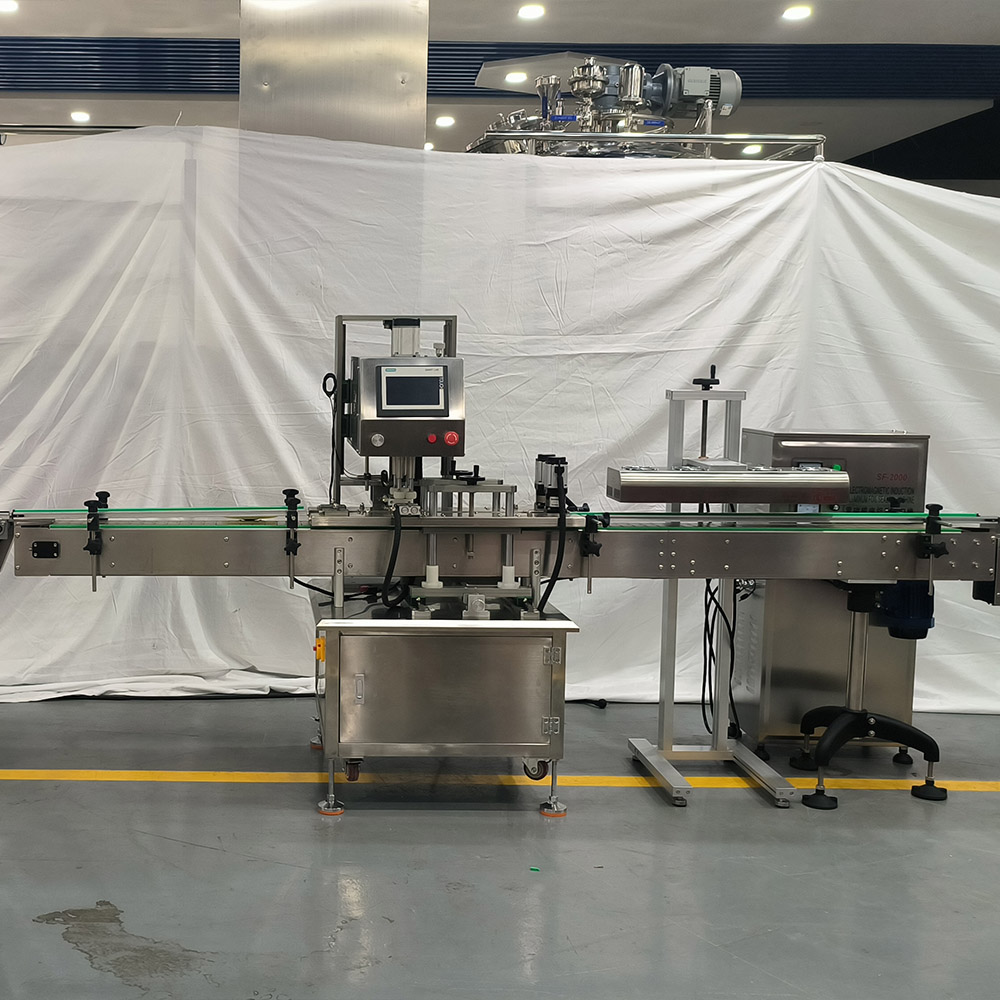
Automated filling for small-batch cosmetic production uses an automatic filling machine to combine precision dosing, automated conveying and intelligent control so brands can scale quality without large capital expense. For R&D, boutique brands and contract manufacturers, modern systems deliver volumetric accuracy, quick changeover, and compliance with GMP and ISO standards while accommodating glass, PET and a wide range of container shapes.
Advantages of Automation in Small Batch Cosmetic Manufacturing
Improved Accuracy and Product Consistency
One of the most common pain points for small-batch producers is inconsistent fill volumes that lead to product waste, customer complaints and regulatory risk. An automatic filling machine such as the Automatic Filling Machine Quantitative Liquid Bottle Filling Machine High-precision cream and lotion filling machine uses precision dosing mechanisms (servo-driven piston fillers or volumetric pistons) and closed-loop control to achieve consistent fills across a run. Typical industry-standard fill accuracy for high-precision lotion and cream filling is within ±0.5% to ±1.0% for properly configured machines.
Reduced Labor and Faster Turnaround
Automating filling and conveying eliminates repetitive manual tasks and reduces operator error. Machines with touchscreen interfaces and recipe memory enable quick parameter changes between small batches, and full-line automation allows continuous processing from infeed to capping and labeling, improving throughput while keeping headcount low.
Scalability Without Major Capital Upgrades
Small manufacturers often worry about investing in large equipment. Modular automatic filling systems scale: you can start with a single-head configuration and add filling heads, capping modules or an indexing conveyor as volumes grow. This approach preserves capital while enabling growth in a cost-effective manner.
Key Features to Look for in an Automatic Filling Machine
Filling Technology and Fluid Types
Different product rheologies require different filling technologies. For cosmetic creams and viscous lotions, piston or positive-displacement fillers are preferred for volumetric accuracy and minimal foaming. For low-viscosity liquids, peristaltic or gravity/overflow fillers may be suitable. The featured machine supports liquids, emulsions and pastes and is designed to work with a variety of containers including glass and PET.
Construction Materials and Compliance
Contact parts made from 316L or 304 stainless steel and hygienic design reduce contamination risk and simplify cleaning. The product description notes 316L/304 stainless-steel contact components and GMP compliance, matching industry expectations for cosmetic production safety and traceability. Aligning equipment choices with ISO 22716 (cosmetic GMP) is essential for global market access; see ISO 22716 details here.
Controls, HMI and Recipe Management
Touchscreen HMIs with recipe storage allow rapid changeover between SKUs. For small-batch cosmetics where multiple fragrances and formulas are processed, the ability to recall parameters (fill volume, filling speed, nozzle height) from the HMI reduces downtime and human error. Advanced models include traceability logs and batch reporting for quality control.
Practical Considerations for Small Batch Users
Changeover and Cleanability
Small-batch environments require fast, hygienic changeovers. Look for machines with tool-less nozzle removal, CIP (clean-in-place) or easy disassembly for manual cleaning, and minimal dead legs in fluid paths. Material compatibility and quick-release fittings reduce the time between batches.
Throughput vs. Flexibility Trade-offs
Evaluate typical batch sizes and SKU mix. A single-head piston filler is highly flexible and cost-effective for dozens-to-hundreds bottle runs, while multi-head systems increase throughput for larger batches. Consider both average and peak production when choosing a configuration.
Regulatory and Quality Documentation
Maintaining documentation such as equipment qualification (IQ/OQ) and preventative maintenance logs helps satisfy audits. Align on GMP guidelines from authoritative bodies (FDA cosmetics overview and GMP expectations can be reviewed at the FDA site here and WHO GMP resources here).
How the Automatic Filling Machine Fits into Cosmetic Production Flow
Line Integration and Container Handling
The automatic filling machine integrates automated conveying with precision filling and can be configured with orienting, unscrambling and accumulation conveyors to maintain smooth line flow. It supports glass and PET bottles and can be paired with capping, sealing and labeling stations to create a compact end-to-end line.
Example Production Flow for Small Batch Orders
Typical flow: raw material batching → mixing into homogenous emulsion → transfer to holding tank → dosing and filling with the automatic filling machine → cap/tamp/seal → label → batch QA sampling. Automated data logging and recipe management help maintain repeatability across batches.
Cost, ROI and Efficiency Gains
Automation reduces variable labor costs, scrap and overfilling. For small brands, the payback period often comes from reduced rework, fewer rejects and the ability to handle more SKUs without expanding labor. Table 1 below compares a typical small-batch manual vs. automated filling scenario.
| Metric | Manual Filling | Automatic Filling Machine |
|---|---|---|
| Average fill accuracy | ±3% to ±10% | ±0.5% to ±1.5% |
| Changeover time (per SKU) | 30–120 minutes | 5–30 minutes |
| Throughput (typical bottles/hr) | 200–600 | 600–3000 (depending on heads) |
| Labor requirement | 2–6 operators | 1–2 operators |
| Compliance & traceability | Manual logs | Electronic batch records |
Sources for equipment design and GMP expectations include industry and regulatory guidance such as the WHO GMP overview and ISO 22716 for cosmetics (links above) as well as general machine technology background provided by resources like the Filling machine article.
Selecting and Specifying Your Machine: Checklist
Technical Specification Checklist
- Target fill volume range and tolerance (minimum and maximum).
- Product viscosity and particulate content.
- Container materials and dimensions (glass, PET, tube, jar).
- Required throughput (bottles per hour) and future scaling plans.
- Cleaning method (CIP compatibility or manual disassembly).
- Material of contact parts (316L vs 304 SS) and surface finish.
- Control system features: recipe storage, data logging, connectivity (Industry 4.0/OPC-UA).
Operational and Service Considerations
Confirm spare parts availability, service response times, and training options. A strong supplier will offer installation, IQ/OQ qualification assistance and documented maintenance schedules to help maintain GMP compliance.
Customization and Add-ons
Common add-ons include heated filling for high-viscosity creams, nitrogen blanketing for oxidation-sensitive products, and integrated vision systems for cap alignment and fill level inspection. Discuss these early, as they impact overall system design.
Product introduction:
The automatic filling machine integrates automated conveying, precision filling, and intelligent control for packaging creams, lotions, and liquids. Suitable for a variety of containers, including glass and PET bottles, it can fill liquids, emulsions, and pastes with high precision.
Constructed with 316L/304 stainless steel contact components and compliant with GMP standards, it features a touchscreen interface for quick parameter adjustment and completes the entire process without manual intervention. Widely used in the cosmetics, food, daily chemical, pharmaceutical, and chemical industries, it helps companies reduce costs, increase efficiency, and ensure product standardization.
Implementation: From Purchase to Production
Installation and Qualification
After purchase, ensure the vendor supports installation and IQ/OQ documentation. Proper commissioning verifies the machine meets fill accuracy, speed and hygiene specifications before the first production run. Documentation simplifies regulatory audits and customer confidence.
Operator Training and SOPs
Provide targeted operator training and written Standard Operating Procedures (SOPs) for changeover, cleaning and maintenance. Well-written SOPs shorten onboarding time and reduce human error.
Continuous Improvement and Data Use
Use the machine’s electronic logs to analyze trends (fill variance, downtime) and drive continuous improvement. Simple statistical process control (SPC) can highlight when preventive maintenance is needed to avoid unexpected stops.
References and Standards
For readers seeking authoritative references, review ISO 22716:2007 for cosmetic GMP guidance here, FDA's cosmetics information here, WHO GMP resources here, and an overview of filling machine types on Wikipedia here. These resources help align equipment selection and operations with international expectations.
Frequently Asked Questions (FAQ)
Q1: Is an automatic filling machine suitable for very small batches (dozens of units)?
A1: Yes. Modern automatic filling machines can be configured for low-volume runs with fast changeover features and recipe memory. For very small runs, a single-head piston filler delivers high accuracy with minimal setup time.
Q2: How do I choose between piston, peristaltic and gravity fillers?
A2: Choose based on product viscosity and sensitivity. Piston/positive-displacement fillers excel for creams, lotions and viscous emulsions. Peristaltic and overflow/gravity fillers are better for clear, low-viscosity liquids.
Q3: What are the sanitary requirements for cosmetic filling equipment?
A3: Use hygienic construction (316L/304 stainless steel where product contacts), avoid dead legs, and implement appropriate cleaning procedures (CIP or validated manual cleaning). Follow ISO 22716 and maintain documentation for GMP compliance.
Q4: Can the machine handle different container shapes and sizes?
A4: Yes. The machine supports various container types including glass and PET bottles. Quick-change parts (nozzles, guides and fixtures) speed transitions between SKUs.
Q5: What accuracy can I expect when filling creams and lotions?
A5: High-precision cream and lotion filling machines typically achieve accuracy within ±0.5% to ±1.5% when properly calibrated and maintained. Actual performance depends on configuration, product properties and operator procedures.
If you have more questions or want a tailored quote, contact our sales team or view detailed product specifications for the Automatic Filling Machine Quantitative Liquid Bottle Filling Machine High-precision cream and lotion filling machine.
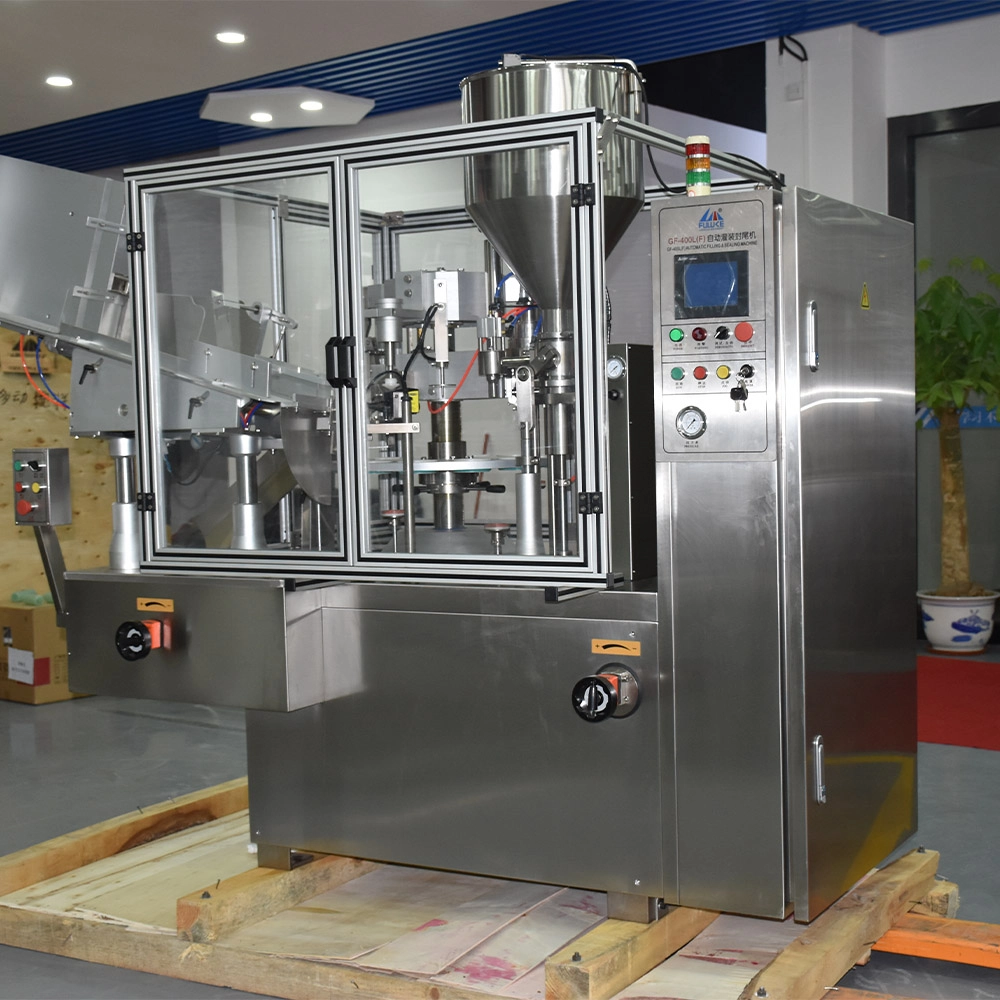
Maintenance & Servicing Best Practices for Automatic Filling Machines
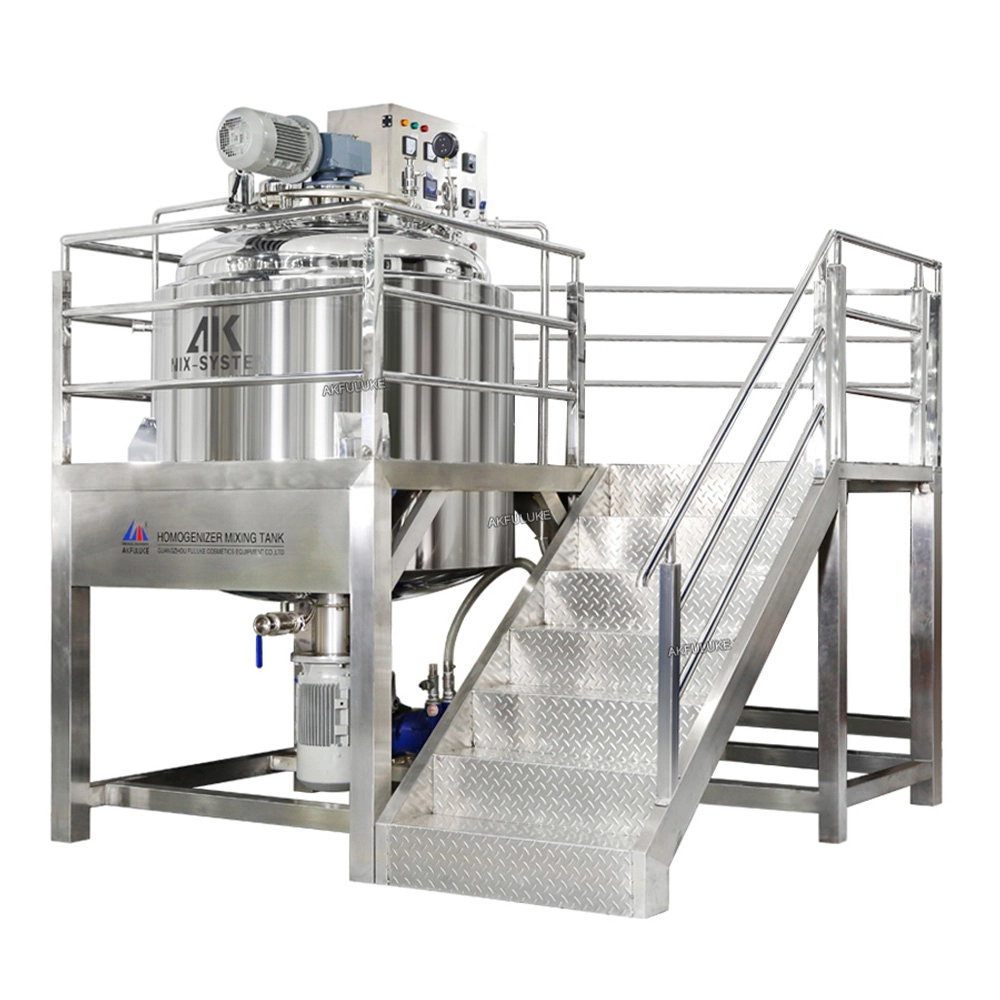
Customization Options for Homogenizing Mixing Tanks
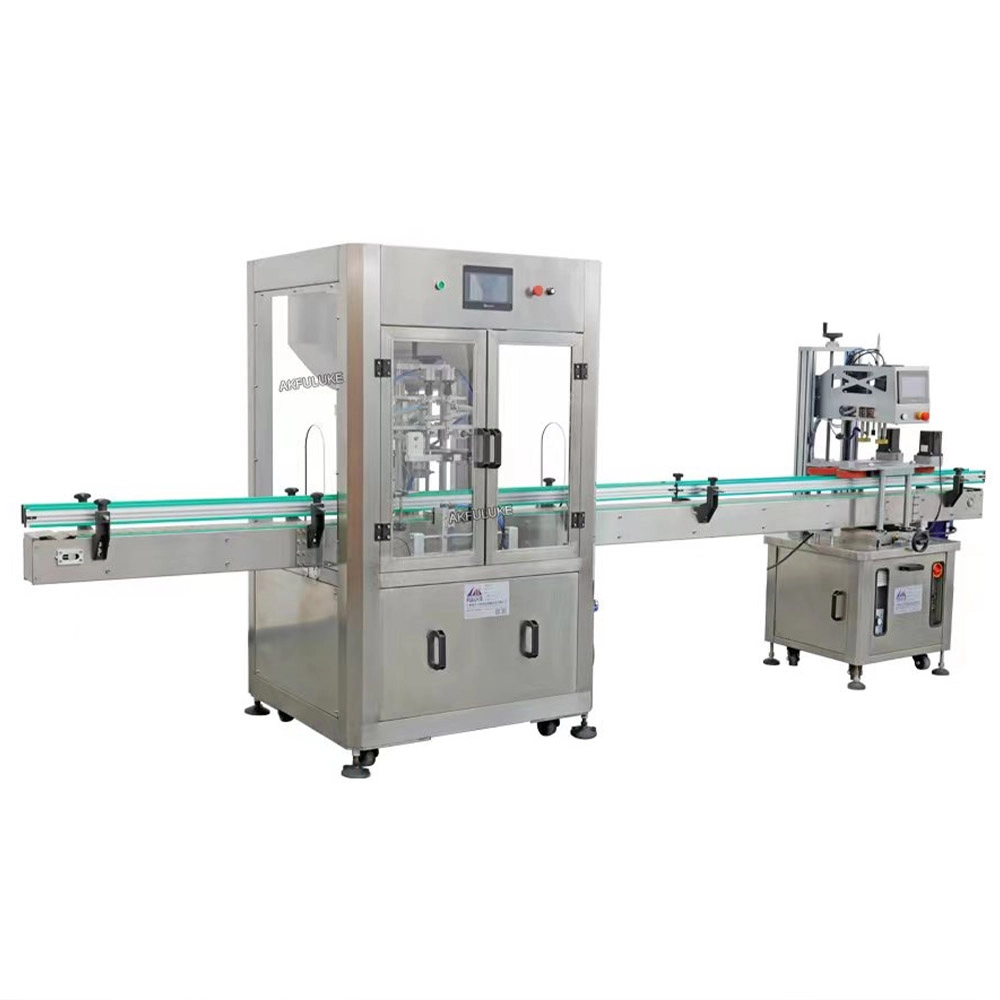
Why High-Precision Filling Matters for Premium Products
Evaluating Machine Footprint and Factory Space Requirements
Perfume Filling Machine
Can you customize the machine?
Of course, we provide customized services according to customer needs.
Sealed Homogenizing Mixing Tank
Who are we?
Our headquarters is located in Guangzhou, Guangdong, China, and our factory is located in Yangzhou, Jiangsu. Our products are sold all over the world. We have approximately 50 employees in our company and factory.
Storage Tank
Can you customize the machine?
Of course, we provide customized services according to customer needs.
How do I choose the right storage tank material?
Select based on the characteristics of the storage medium. For example, 316L stainless steel is preferred for food storage, while 304 or PE can be used for general water storage.
RO Water Treatment
Will poor raw water quality (such as high turbidity or hardness) affect the performance of RO equipment?
It can have a significant impact.
Highly turbid raw water (containing large amounts of sediment and colloids) can accelerate clogging of pre-filters (PP cotton) and activated carbon elements, shortening replacement cycles and increasing maintenance costs.Highly hard raw water (containing large amounts of calcium and magnesium ions) can easily form scale (calcium carbonate and magnesium carbonate) on the RO membrane surface, reducing filtration efficiency and even causing irreversible damage, shortening the life of the membrane.For this type of water quality, it is recommended to add a pretreatment device (such as a prefilter or softener) before the RO system to reduce the raw water's turbidity or hardness before entering the RO system.
You May Also Like
Automatic Filling Machine Quantitative Liquid Bottle Filling Machine High-precision cream and lotion filling machine
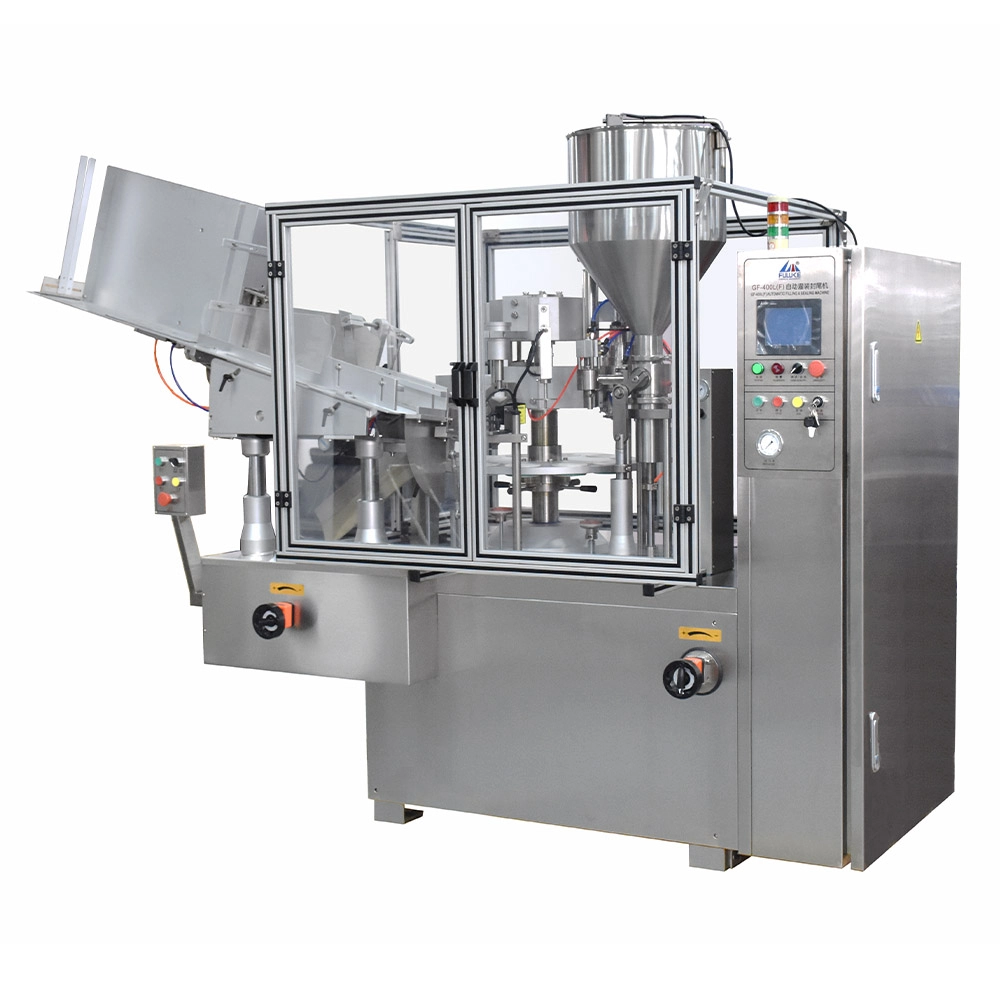
Automatic Tube Filling and Sealing Machine Toothpaste Sunscreen and Facial Cleanser Filling and Sealing Machine for Plastic and Aluminum-plastic Tube
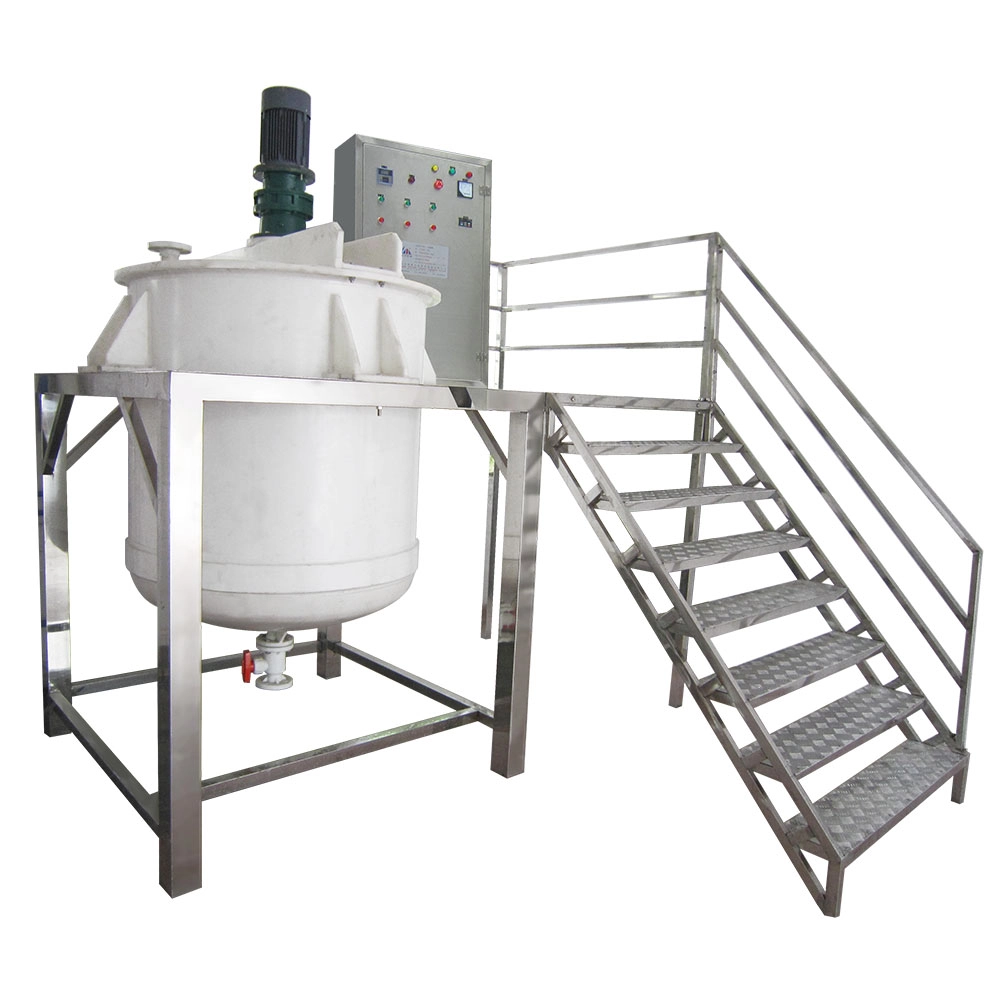
Polypropylene PP Mixing Tank Anti-Corrosion Mixer Reaction Kettle with Agitator Chemical Mixing Vessel
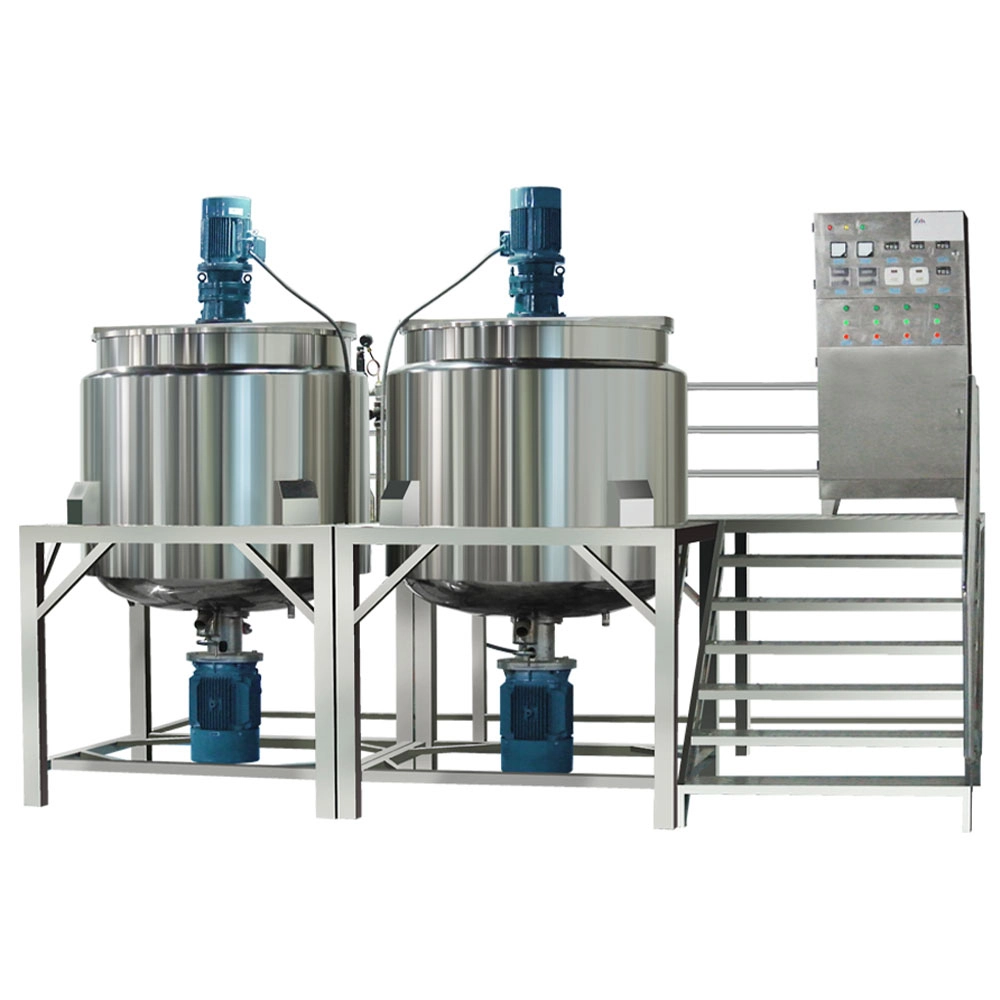
Flip Cover Multi-function Liquid Wash Mixing Tank Blender Liquid Detergent Mixer Homogenization Stirring Tank
Get in touch with FULUKE
If you have any comments or good suggestions, please leave us a message, later our professional staff will contact you as soon as possible.

A leading manufacturer specializing in advanced machinery and complete production lines for the cosmetics, food, pharmaceutical, and chemical industries worldwide.
Contact FULUKE
Facebook
Instagram
YouTube