
Automated vs. Semi-Automated Filling: Which Is Right?
- Choosing Between Fully Automated and Semi-Automated Filling Systems
- What automatic filling machine really means for production
- Typical roles of semi-automatic fillers
- When automation delivers measurable business impact
- Performance, Cost, and Quality: Practical Comparison
- Key metrics to evaluate
- Side-by-side cost and capability table
- Interpreting the table for real decisions
- Technical Considerations: Integration, Compliance, and Maintenance
- Materials, cleanability, and regulatory fit
- Automation, data, and traceability
- Maintenance, spare parts, and lifecycle
- Choosing the Right Machine: Use Cases and Decision Framework
- When to choose an automatic filling machine
- When semi-automatic is preferable
- Decision checklist
- Product Spotlight: Automatic Filling Machine Quantitative Liquid Bottle Filling Machine High-precision cream and lotion filling machine
- How this machine addresses the common pain points
- Integration tips
- Implementation Roadmap and ROI Considerations
- Phased implementation
- Estimating ROI
- Vendor selection and validation
- Frequently Asked Questions (FAQ)
- Q: What is the minimum production volume to justify an automatic filling machine?
- Q: Can an automatic filling machine handle creams and lotions without shear damage?
- Q: Are these machines easy to clean to meet GMP requirements?
- Q: How long does a typical changeover take?
- Q: What support should I expect from suppliers?
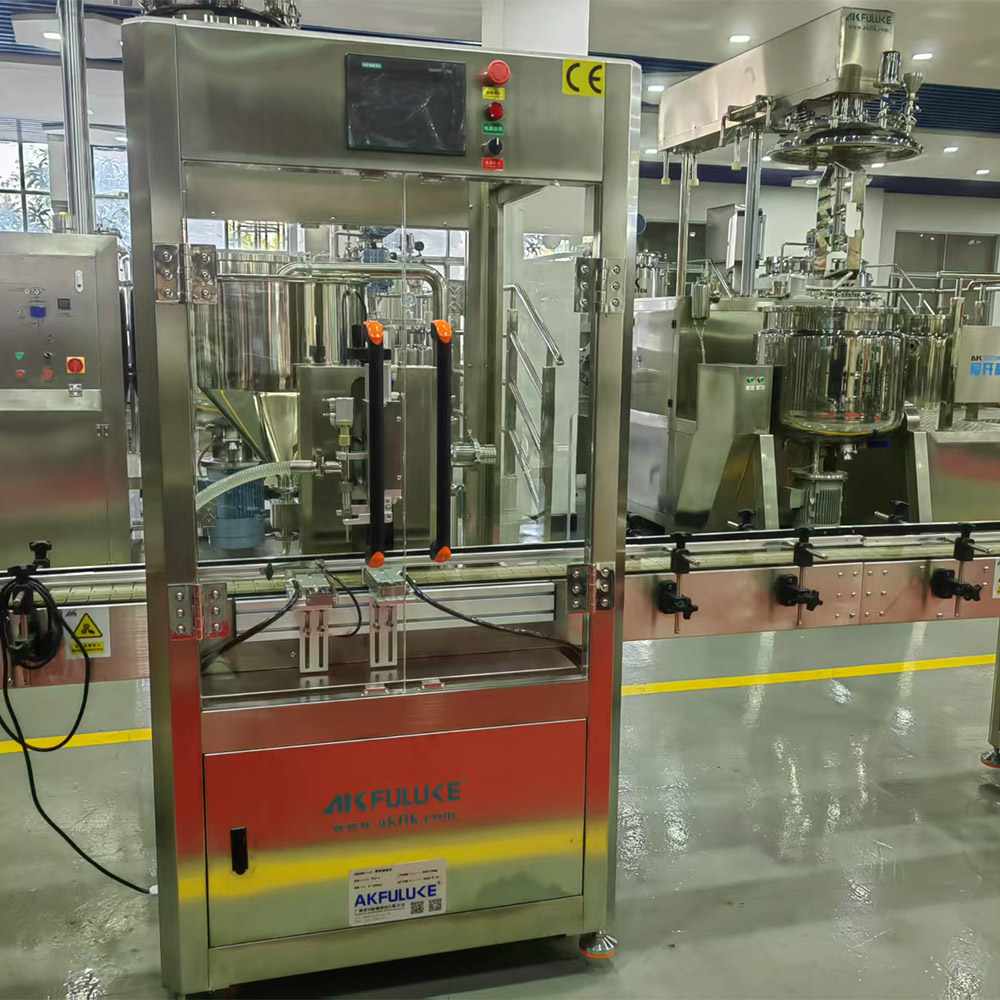
Deciding between an automated filling machine and a semi-automated filler is a strategic choice that affects unit cost, product consistency, compliance, and factory layout. This article compares technical performance, operational costs, regulatory fit, and practical deployment for cosmetics, lotions, creams, and liquids to help manufacturers, contract packers, and R&D teams choose the best path forward.
Choosing Between Fully Automated and Semi-Automated Filling Systems
What automatic filling machine really means for production
An automatic filling machine integrates automated conveying, precision filling, and intelligent control to move containers, fill to set volumes, and transfer finished product to the next station without operator intervention. Modern automatic filling machines can handle glass and PET bottles, emulsions, creams, and low-to-moderate viscosity pastes with high repeatability. Because they minimize manual handling, they reduce contamination risk and variation between units.
Typical roles of semi-automatic fillers
Semi-automatic fillers require human intervention for steps such as placing containers, starting cycles, or adjusting nozzles. They are commonly used in pilot runs, small-batch production, and low-volume contract manufacturing where flexibility and low capital outlay are priorities. While they are less capital intensive, they demand more operator training and produce greater variation if process controls are not rigorous.
When automation delivers measurable business impact
Automation shows clear benefits when throughput, product standardization, or compliance needs increase. For example, companies scaling from hundreds to thousands of units per day find automatic bottle filling machine solutions reduce labor costs, improve batch-to-batch consistency, and improve traceability when combined with MES or ERP systems.
Performance, Cost, and Quality: Practical Comparison
Key metrics to evaluate
When comparing automated and semi-automated systems evaluate throughput (bottles per hour), filling accuracy (e.g., ± ml), OEE impact, changeover time, and material contact compliance (316L/304 stainless steel, GMP). These metrics determine both short-term operational performance and long-term total cost of ownership.
Side-by-side cost and capability table
The following table provides a practical comparison. Values are representative bands; specific models and manufacturers will vary.
| Metric | Automatic Filling Machine | Semi-Automatic Filling |
|---|---|---|
| Typical throughput | 1,000 - 12,000 bottles/hour (model dependent) | 50 - 600 bottles/hour |
| Filling accuracy | High (e.g., ±0.5% - ±2% or ±0.1-0.5 mL) | Moderate (operator variability; ±2% - ±5%) |
| Labor requirement | Minimal (1-2 operators per line) | High (multiple operators for steady throughput) |
| Footprint | Larger; integrated conveyors and control cabinets | Smaller; bench/top-mounted units |
| Changeover flexibility | Moderate to high; recipe memory and quick-change parts | High for small batches; manual adjustments required |
| Capital expenditure | Higher initial investment; lower unit cost at scale | Lower initial capex; higher per-unit cost as volume rises |
| Compliance (GMP/cleanability) | Designed for GMP; 316L/304 stainless steel contact parts | Can meet GMP if properly designed; manual cleaning variability |
Interpreting the table for real decisions
If your production volume is growing and consistency is critical (e.g., cosmetics where texture and weight matter), the automatic liquid filling machine becomes cost-effective quickly. For startups or specialized R&D labs producing dozens to low hundreds of units per day, semi-automatic systems may be more appropriate until demand justifies automation.
Technical Considerations: Integration, Compliance, and Maintenance
Materials, cleanability, and regulatory fit
Automatic systems designed for cosmetics and pharmaceuticals will often use 316L or 304 stainless steel for product contact surfaces to ensure corrosion resistance and cleanability. Compliance to Good Manufacturing Practices (GMP) is crucial for cosmetic, food, and pharmaceutical lines; automatic filling machines with hygienic design reduce contamination risk and ease validation. See official guidance on GMP considerations from the World Health Organization: WHO GMP.
Automation, data, and traceability
Modern automatic filling machines include touchscreen HMI for recipe management, integrated sensors for level detection, and optional connectivity to MES/ERP for batch records. Digital traceability supports recall readiness and quality investigations. The FDA publishes quality and manufacturing resources that underline the importance of process monitoring: FDA pharmaceutical quality.
Maintenance, spare parts, and lifecycle
Automated lines require preventive maintenance programs and possible PLC or servo-drive expertise. Semi-automatic machines are simpler mechanically, but wear from manual handling can be higher. Consider vendor support, spare parts availability, and on-site service when choosing a system.
Choosing the Right Machine: Use Cases and Decision Framework
When to choose an automatic filling machine
Choose automation when you need high throughput, low unit variance, reduced labor dependency, and strong regulatory control. Typical adopters are cosmetic brands scaling national distribution, contract manufacturers serving multiple SKUs, and companies with high-value ingredients where waste reduction justifies the investment.
When semi-automatic is preferable
Semi-automatic filling is better for R&D, niche artisan products, or low-volume SKUs with frequent formula tweaks. It minimizes initial capital, speeds time-to-market for prototypes, and preserves flexibility for frequent manual quality interventions.
Decision checklist
Use this checklist to guide selection:
- Projected daily/weekly throughput
- Acceptable unit variance and tolerance
- Regulatory and cleanability requirements (GMP)
- Available floor space and utilities (power, compressed air)
- Budget for capex and lifecycle costs
- SKU complexity and expected changeovers
Product Spotlight: Automatic Filling Machine Quantitative Liquid Bottle Filling Machine High-precision cream and lotion filling machine
The automatic filling machine integrates automated conveying, precision filling, and intelligent control for packaging creams, lotions, and liquids. Suitable for a variety of containers, including glass and PET bottles, it can fill liquids, emulsions, and pastes with high precision.
Constructed with 316L/304 stainless steel contact components and compliant with GMP standards, it features a touchscreen interface for quick parameter adjustment and completes the entire process without manual intervention. Widely used in the cosmetics, food, daily chemical, pharmaceutical, and chemical industries, it helps companies reduce costs, increase efficiency, and ensure product standardization.
How this machine addresses the common pain points
This high-precision cream and lotion filling machine reduces overfill and product giveaway through tight volumetric or piston control. By automating bottle indexing and nozzle actuation, it lowers operator contact with product and supports consistent filling across batches. Its touchscreen recipes simplify changeovers between SKUs and record key parameters for QA.
Integration tips
For best results, integrate the automatic filling machine into a controlled area with validated CIP (clean-in-place) or simplified clean-down procedures. Consider pairing it with automatic capping, labeling, and in-line vision inspection to create a complete automated filling line. For guidance on quality systems and process validation, ISO 9001 provides a framework for continuous improvement: ISO 9001.
Implementation Roadmap and ROI Considerations
Phased implementation
Start with a pilot or single-line installation to validate recipes and operator training. Use early runs to collect data on cycle time, rejects, and cleaning time. Once validated, roll out additional lines or automation modules to scale while minimizing production risk.
Estimating ROI
ROI depends on throughput, labor savings, and reduction in product giveaway. A simplified ROI model considers:
- Capital cost of the automatic filling machine
- Annual labor savings (operators reduced)
- Product savings from reduced overfill
- Quality-related cost reductions (returns, rejects)
Many mid-size cosmetic manufacturers recoup an automated filling line investment in 18-36 months when moving from semi-automatic to automatic at medium-high volumes.
Vendor selection and validation
Choose vendors with demonstrated experience in cosmetic applications, capable of providing IQ/OQ documentation and service. Ask for references and factory acceptance testing (FAT) where possible. Packaging machine overviews and industry context are available on general references like Wikipedia’s Packaging Machine page: Packaging machine.
Frequently Asked Questions (FAQ)
Q: What is the minimum production volume to justify an automatic filling machine?
A: There is no single threshold; many manufacturers find automation attractive once daily production regularly exceeds several hundred to a few thousand units, depending on product value, labor cost, and desired consistency. Use the ROI factors described above to estimate your break-even.
Q: Can an automatic filling machine handle creams and lotions without shear damage?
A: Yes. Machines designed for emulsions and creams use low-shear piston or gear pumps and gentle nozzle designs. Confirm with the vendor that the model supports your product viscosity and that materials in contact are compatible.
Q: Are these machines easy to clean to meet GMP requirements?
A: Machines built with hygienic design, 316L/304 stainless steel product contact parts, and accessible surfaces simplify cleaning. Some systems support CIP; others require manual disassembly. Ensure you validate cleaning procedures and document per GMP guidance.
Q: How long does a typical changeover take?
A: Changeover time varies by design: quick-change nozzles and recipe memory can reduce changeover to 10-30 minutes for similar-sized containers. More complex size and format changes may take longer.
Q: What support should I expect from suppliers?
A: Expect installation support, operator training, IQ/OQ documentation, and recommended spare parts. Prefer vendors who offer on-site commissioning and remote diagnostics to reduce downtime.
If you would like to see specifications, request a quote, or arrange a factory acceptance test for the Automatic Filling Machine Quantitative Liquid Bottle Filling Machine High-precision cream and lotion filling machine, please contact our sales team or click to view the product details. Our experts can help size the right system for your SKU mix and production goals.
Top 10 reverse osmosis water treatment systems Manufacturers and Supplier Brands
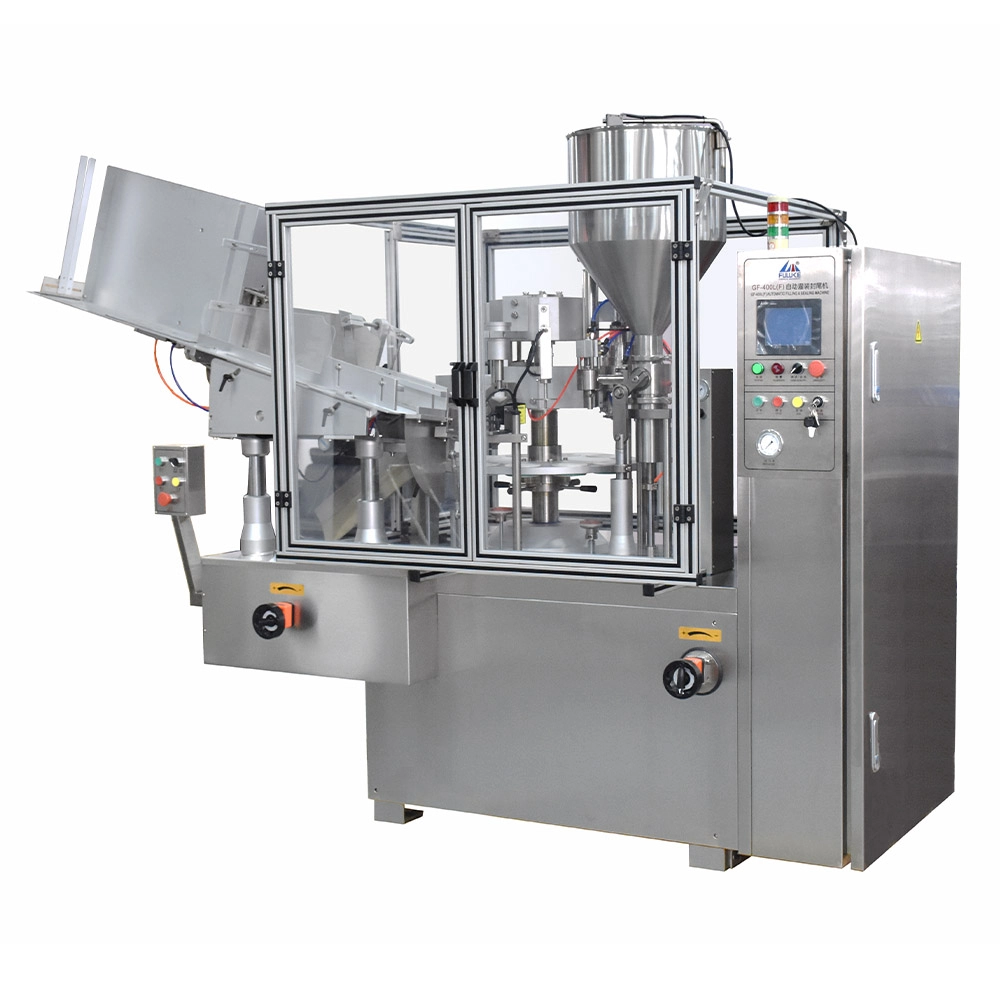
Key Specs B2B Buyers Need in Automatic Tube Filling Machines
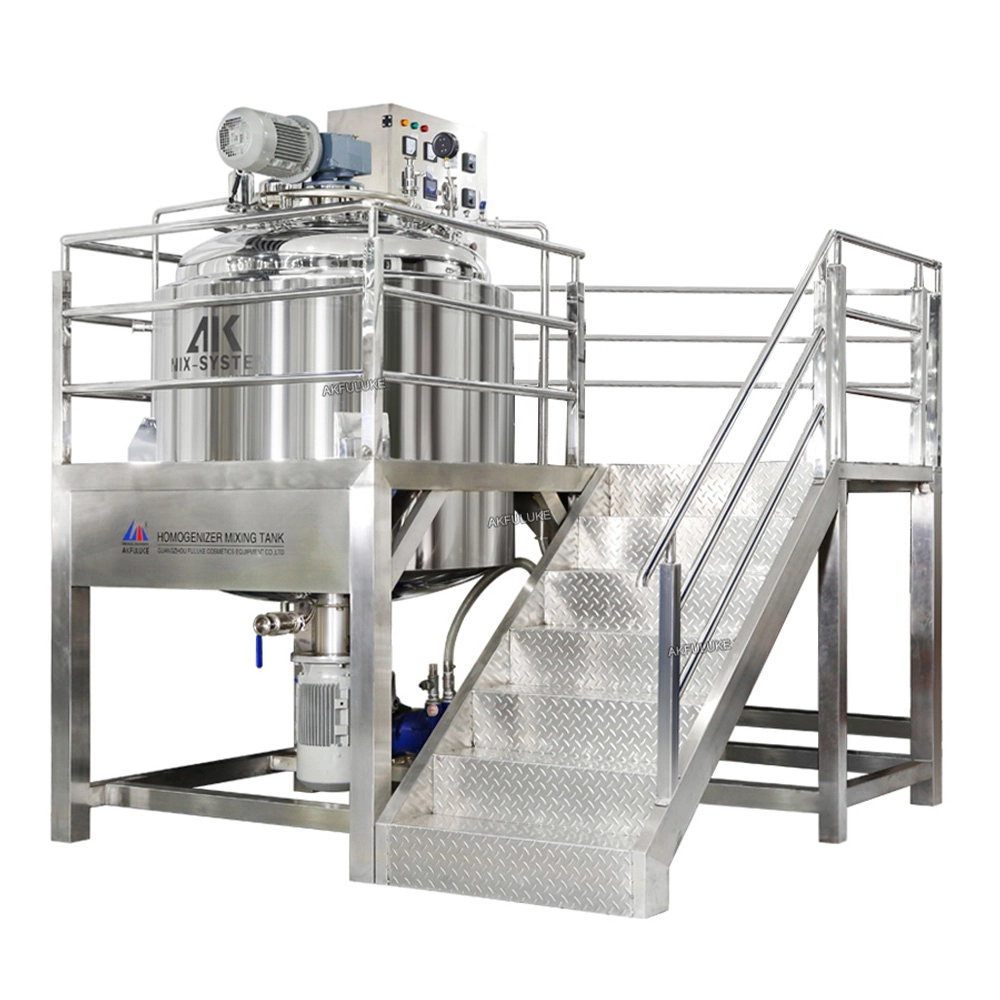
Vacuum Sealed Mixer Machine: Compliance and Quality Control
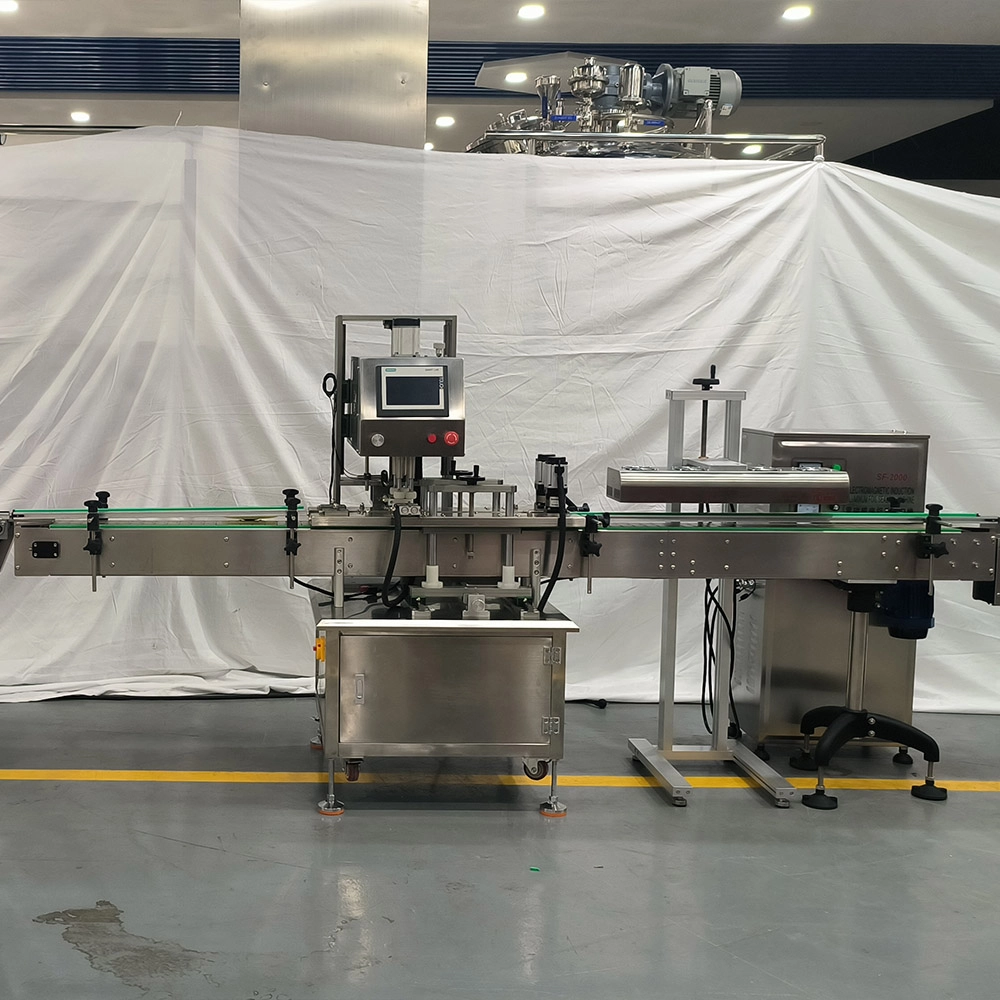
How Fillers Improve Consistency in Product Lines
Automatic Tube Filling and Sealing Machine
Can you customize the machine?
Of course, we provide customized services according to customer needs.
Polypropylene PP Mixing Tank
Can you customize the machine?
Of course, we provide customized services according to customer needs.
RO Water Treatment
Can you make a design for us?
Yes, we can, we provide not only products, but also solutions and designs.
Automatic Labeling Machine
What can you buy from us?
RO Water Treatment、Vacuum Emulsifying Machine、Homogenizer Mixing Tank、Filling and Capping、labeling Machine、Packing Machine、Storage Tank,etc.
Perfume Freezing Filter Making Machine
Does the filtration process cause loss of fragrance components?
High-quality equipment uses a gradient filtration design (such as a 0.22μm precision filter membrane) to capture only condensed impurities and avoid adsorbing active fragrance molecules.
You May Also Like
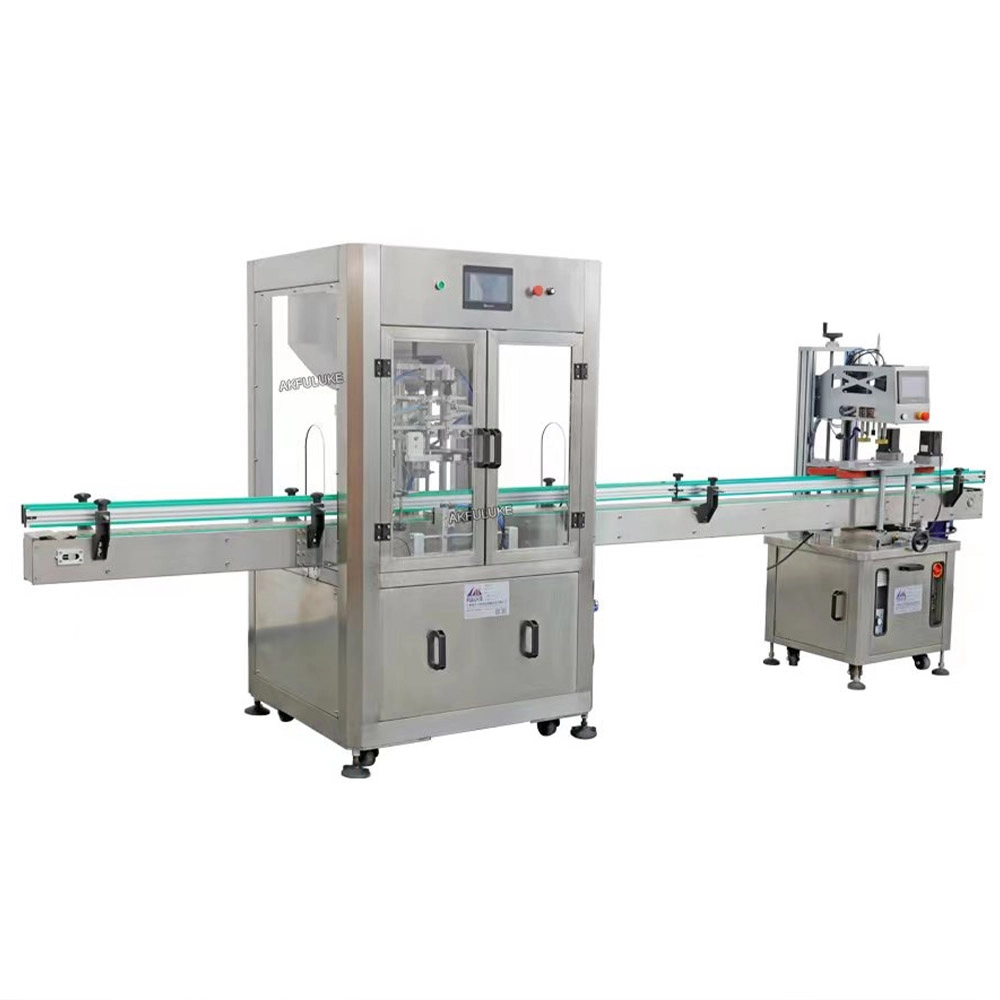
Automatic Filling Machine Quantitative Liquid Bottle Filling Machine High-precision cream and lotion filling machine
Automatic Tube Filling and Sealing Machine Toothpaste Sunscreen and Facial Cleanser Filling and Sealing Machine for Plastic and Aluminum-plastic Tube
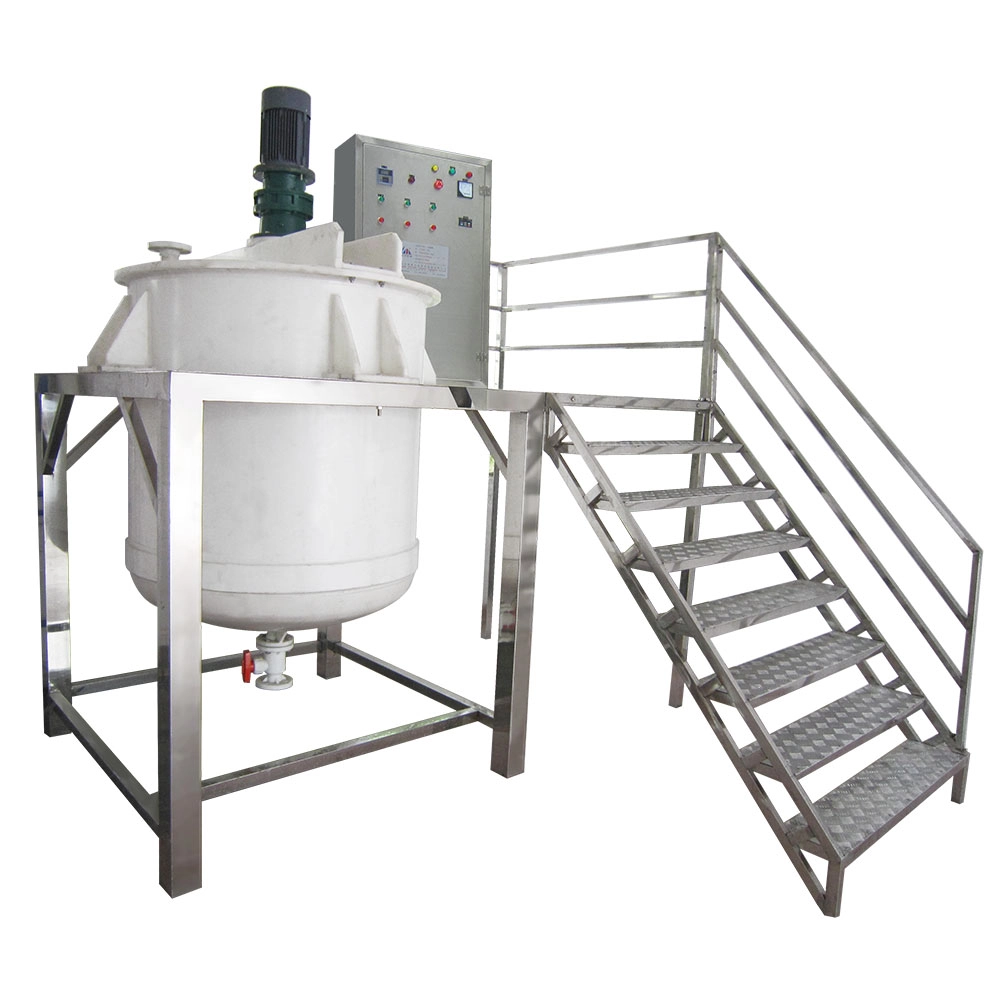
Polypropylene PP Mixing Tank Anti-Corrosion Mixer Reaction Kettle with Agitator Chemical Mixing Vessel
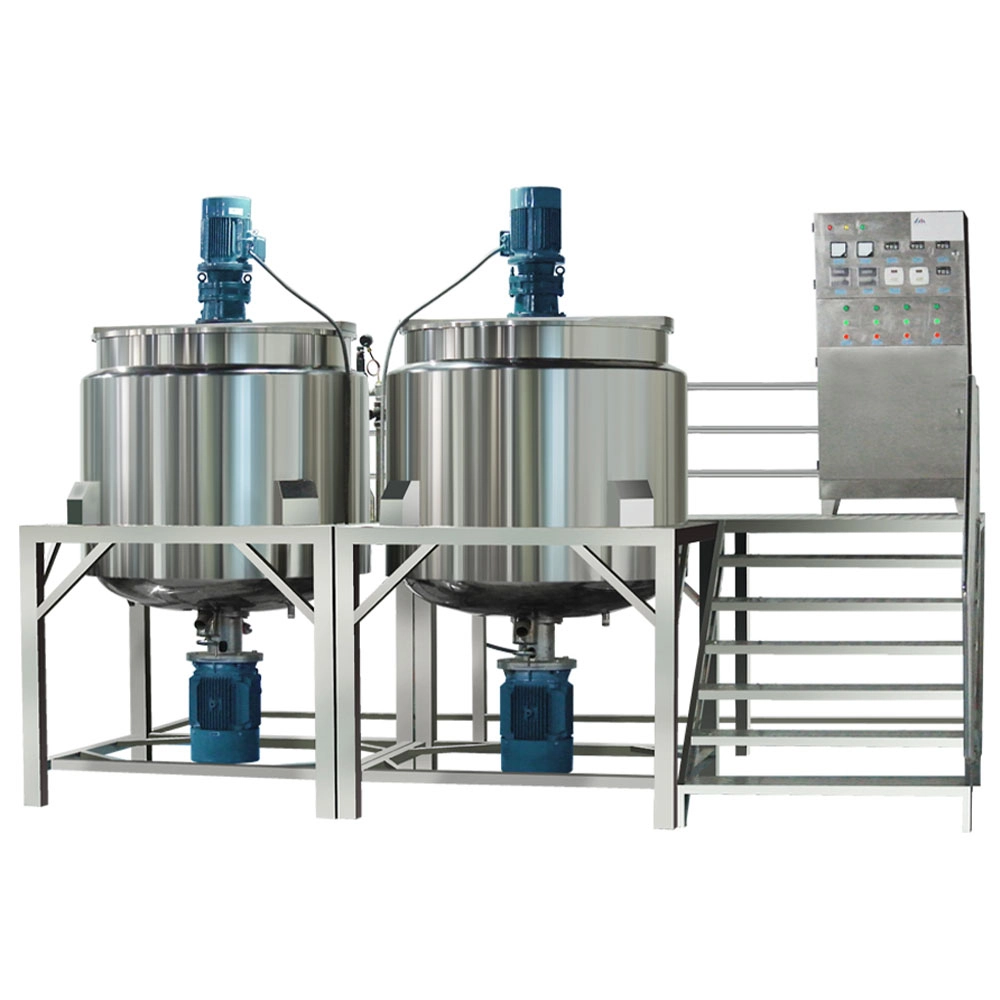
Flip Cover Multi-function Liquid Wash Mixing Tank Blender Liquid Detergent Mixer Homogenization Stirring Tank
Get in touch with FULUKE
If you have any comments or good suggestions, please leave us a message, later our professional staff will contact you as soon as possible.

A leading manufacturer specializing in advanced machinery and complete production lines for the cosmetics, food, pharmaceutical, and chemical industries worldwide.
Contact FULUKE
Facebook
Instagram
YouTube