
Key Specs B2B Buyers Need in Automatic Tube Filling Machines
- Technical Performance: What Determines Filling and Sealing Quality
- Filling Accuracy and Volume Range
- Filling Heads, Nozzles and Viscosity Handling
- Sealing Methods and Tail-Cutting Quality
- Throughput, Integration and Compliance Requirements
- Production Speed, OEE and Downtime Considerations
- Material Compatibility, Tube Orientation and Eye-Mark Systems
- Regulatory Compliance, Date Printing and Traceability
- Usability, Maintenance and Total Cost of Ownership (TCO)
- Control Systems: PLC, Touchscreen and Recipe Management
- Cleaning, Sanitation and Changeover
- Spare Parts, Service Network and Lifecycle Costs
- Selection, Customization and Business Considerations
- Scalability: Modular Designs and Multi-Product Lines
- Product Examples and Technical Fit: Toothpaste, Sunscreen and Facial Cleanser
- ROI, Payback and Purchasing Checklist
- Brand and Product Advantages — Why This Model Stands Out
- Integrated Automation from Orientation to Tail Cutting
- High-Quality Heating and Flow Control
- Operator-Friendly Controls and Versatility
- Frequently Asked Questions (FAQ)
- Q: What tube materials will the machine handle?
- Q: Can I run different products (e.g., toothpaste and sunscreen) on the same machine?
- Q: How accurate is the filling system?
- Q: What maintenance is required?
- Q: Is the machine compliant with cosmetic manufacturing requirements?
- Next Steps: How to Evaluate Suppliers and Place a Trial Order
- Authoritative References and Further Reading
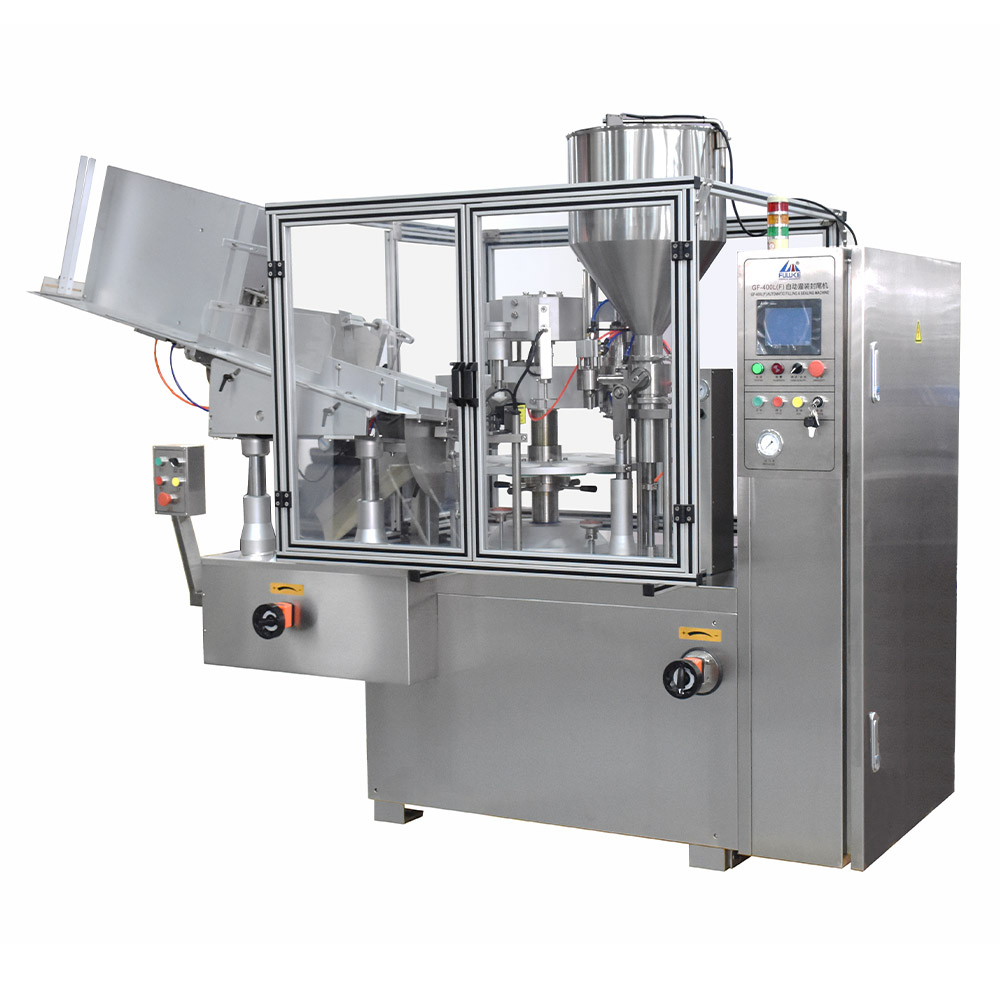
This concise guide helps B2B buyers and production managers quickly identify the essential specifications of an automatic tube filling and sealing machine. It highlights the functional requirements—filling accuracy, sealing quality, throughput, material compatibility, and regulatory readiness—that determine successful integration into daily chemical, healthcare, and food production lines. Use this as a checklist when evaluating vendors and models to ensure the machine meets product, quality, and business goals.
Technical Performance: What Determines Filling and Sealing Quality
Filling Accuracy and Volume Range
Accuracy directly affects product yield, customer satisfaction, and compliance. For creams, toothpaste, and gels, look for filling tolerance expressed as a percentage (e.g., ±0.5% to ±1.0%) or as an absolute volume error (e.g., ±0.1g). Machines that use high-stability flow needles and precision volumetric or piston pumps provide consistent dosing across different viscosities. The Automatic Tube Filling and Sealing Machine Toothpaste Sunscreen and Facial Cleanser Filling and Sealing Machine for Plastic and Aluminum-plastic Tube features adjustable filling heads to accommodate multiple volume ranges and viscosities—critical when switching between products like toothpaste (high viscosity) and sunscreen (medium viscosity).
Filling Heads, Nozzles and Viscosity Handling
Pay attention to the number and type of filling heads. Options include single, multi-head, and modular heads for swift scalability. For high-viscosity materials, choose machines with heated tanks and appropriate nozzle geometry to prevent clogging and ensure smooth dispensing. The described machine supports interchangeable filling heads and a heat phoenix heating system, which improves material flow for viscous formulas and reduces stringing and bubbles during filling.
Sealing Methods and Tail-Cutting Quality
Sealing integrity is crucial for shelf life and appearance. Heat-seal systems for plastic tubes and aluminum-plastic composite tubes must provide a clean, consistent weld without burning or deforming the tube. Look for machines with controlled temperature zones, quick-response heaters (such as imported fast-heaters mentioned in the product brief), and high-quality sealing jaws. Tail cutting and trimming must be precise to ensure a neat finish; automated tail-cutting minimizes manual rework and scrap.
Throughput, Integration and Compliance Requirements
Production Speed, OEE and Downtime Considerations
Throughput is not just machine speed in tubes per minute; factor in changeover time, cleaning cycles, and maintenance. Calculate effective output by removing planned and unplanned downtime. For B2B buyers, request an Overall Equipment Effectiveness (OEE) projection from suppliers and sample cycle charts. The machine's PLC and touch-screen control enable fast diagnostics and reduce mean time to recovery.
Material Compatibility, Tube Orientation and Eye-Mark Systems
Verify compatibility with tube types used in your production—plastic, laminated aluminum-plastic composite, different diameters, and closures. Automatic orientate eye-mark systems are necessary for printed tubes where label positioning matters (e.g., front-panel alignment). The product includes automatic orientate eye marks and positioning which is essential for consistent brand presentation and automated downstream packaging.
Regulatory Compliance, Date Printing and Traceability
For cosmetics, pharmaceuticals and food-adjacent products, regulatory traceability (batch code, date printing) is mandatory in many markets. Integrated date printing modules and batch coding improve traceability. Buyers should confirm the machine's compatibility with in-line coders and whether the machine's frame and components meet Good Manufacturing Practices (GMP) and local regulatory expectations (e.g., FDA cosmetics guidance). For reference, see the FDA cosmetics overview at https://www.fda.gov/cosmetics.
Usability, Maintenance and Total Cost of Ownership (TCO)
Control Systems: PLC, Touchscreen and Recipe Management
Modern filling machines rely on PLCs and intuitive HMI touchscreens for recipe storage, fault diagnostics, and SPC data. Recipe management allows instant recall of set-ups for different tube sizes, filling volumes, and sealing parameters—reducing changeover time and operator error. The featured machine uses PLC and touch-screen control to automate tube loading, positioning, filling and sealing operations, making operator training shorter and production more consistent.
Cleaning, Sanitation and Changeover
Cleaning complexity affects downtime and compliance. For food or personal-care lines, inspect if the filling system allows CIP (clean-in-place) or easy disassembly of pump and nozzle parts. Machines that permit rapid changeover of filling heads and have accessible product-contact surfaces reduce labor and increase uptime. Organic glass anti-seal guards and reachable flow needles, as offered on the described machine, make inspections and cleaning faster and safer.
Spare Parts, Service Network and Lifecycle Costs
Evaluate spare-part availability and local service. Ask suppliers for Mean Time Between Failure (MTBF) metrics and recommended spare-part kits. Warranty terms, remote service options, and on-site training significantly affect lifecycle costs. A machine with globally sourced core components—like imported heaters and high-stability flow needles—can provide performance advantages but verify replacement lead times with the vendor.
Selection, Customization and Business Considerations
Scalability: Modular Designs and Multi-Product Lines
Choose modular machines that can scale: add filling heads, integrate printing/coding modules, or upgrade control systems. If you plan multiple SKUs (toothpaste, facial cleanser, sunscreen), a flexible tube filling system with quick-change tooling and programmable recipes will reduce future capital expenditures.
Product Examples and Technical Fit: Toothpaste, Sunscreen and Facial Cleanser
Different products have different needs: toothpaste typically requires high pressure and robust nozzle geometry; sunscreen formulations may be sensitive to heat and require gentle handling to preserve UV filters; facial cleansers (often lower viscosity) may need different pump settings to avoid foaming. The machine described supports a range of filling heads to meet varying viscosities and includes a heat system suitable for temperature-sensitive but flow-challenged products.
ROI, Payback and Purchasing Checklist
Calculate ROI using these inputs: expected daily throughput, reduced product giveaway from improved dosing accuracy, labor savings from automation, and reduced rework from better sealing. Create a checklist when evaluating vendors: accuracy specs, throughput under real conditions (not just theoretical max), cleaning and changeover time, certified materials, local service capabilities, spare parts lead times, and upgrade path.
| Specification | Minimum Acceptable | Recommended for High-Volume Cosmetics |
|---|---|---|
| Filling Accuracy | ±1.0% | ±0.5% or better |
| Tube Types | Plastic & laminate | Plastic, aluminum-plastic composite, multiple diameters |
| Sealing Method | Hot air/heat seal | Controlled heating zones + fast-response heaters |
| Throughput | 20–30 tubes/min | 40–120+ tubes/min depending on heads |
| Control Interface | Basic PLC | PLC + HMI touchscreen + recipe storage |
Brand and Product Advantages — Why This Model Stands Out
Integrated Automation from Orientation to Tail Cutting
The Automatic Tube Filling and Sealing Machine product integrates automatic orientation with eye-mark detection, filling, sealing, date printing, and tail cutting in one workflow. Reducing manual handling minimizes contamination risk and yields consistent finished-tube quality across runs.
High-Quality Heating and Flow Control
Imported fast and efficient heaters combined with a heat phoenix heating system ensure stable, uniform sealing temperatures and efficient material flow for viscous products. High-stable flow needles reduce product variability, improving yield and lowering giveaway.
Operator-Friendly Controls and Versatility
PLC and touchscreen controls simplify recipe management and diagnostics. The machine's compatibility with a variety of filling head specifications—plus organic glass anti-seal protection—makes it suitable for small to mid-size production runs and multi-SKU lines covering toothpaste, sunscreen, and facial cleanser.
Frequently Asked Questions (FAQ)
Q: What tube materials will the machine handle?
A: It handles common plastic tubes and aluminum-plastic composite tubes. Confirm the exact diameter and wall thickness ranges with the vendor during specification review.
Q: Can I run different products (e.g., toothpaste and sunscreen) on the same machine?
A: Yes—provided you specify the appropriate filling heads, heating settings and cleaning procedures. Use recipe management to store optimal parameters for each SKU to speed changeovers.
Q: How accurate is the filling system?
A: Accuracy depends on the filling technology and maintenance. The described machine supports precise dosing via high-stability flow needles and adjustable heads. Expect typical tolerances of ±0.5%–±1.0% depending on product viscosity and calibration.
Q: What maintenance is required?
A: Regular maintenance includes nozzle and pump inspection, heater checks, lubrication of moving parts, and replacing wear parts such as seals and gaskets. The machine design with accessible components and organic glass anti-seal guards simplifies routine tasks.
Q: Is the machine compliant with cosmetic manufacturing requirements?
A: The machine provides features that support GMP-style production (e.g., enclosed product-contact parts, traceable date coding). Buyers should confirm specific compliance needs for their market and request documentation and validation support from the vendor. For general regulatory guidance, consult the FDA cosmetics page at https://www.fda.gov/cosmetics and EU cosmetics information at https://ec.europa.eu/growth/sectors/cosmetics_en.
Next Steps: How to Evaluate Suppliers and Place a Trial Order
1) Create a technical brief: list tube sizes, product viscosities, target throughput, and integration needs (coding, cartoning). 2) Request factory acceptance test (FAT) videos and sample runs with your product. 3) Compare total cost of ownership, spare part logistics, and support contracts. 4) Negotiate acceptance criteria for filling accuracy and sealing quality before placing an order. With specifications set, manufacturers focus on operational savings by minimizing product waste with accurate tube filling technology.
Contact our sales and technical team to request detailed specifications, arrange a demonstration, or obtain a customized quotation for the Automatic Tube Filling and Sealing Machine Toothpaste Sunscreen and Facial Cleanser Filling and Sealing Machine for Plastic and Aluminum-plastic Tube. Email us at sales@example.com or visit the product page at https://www.example.com/products/automatic-tube-filling-machine for full specs and videos.
Authoritative References and Further Reading
- Filling machine — Wikipedia
- Packaging machine — Wikipedia
- U.S. Food & Drug Administration: Cosmetics
- European Commission: Cosmetics sector
Contact & Product View: For specifications, FAT videos, viscosity handling charts and to schedule a live demo, please contact our sales team or view the product page.
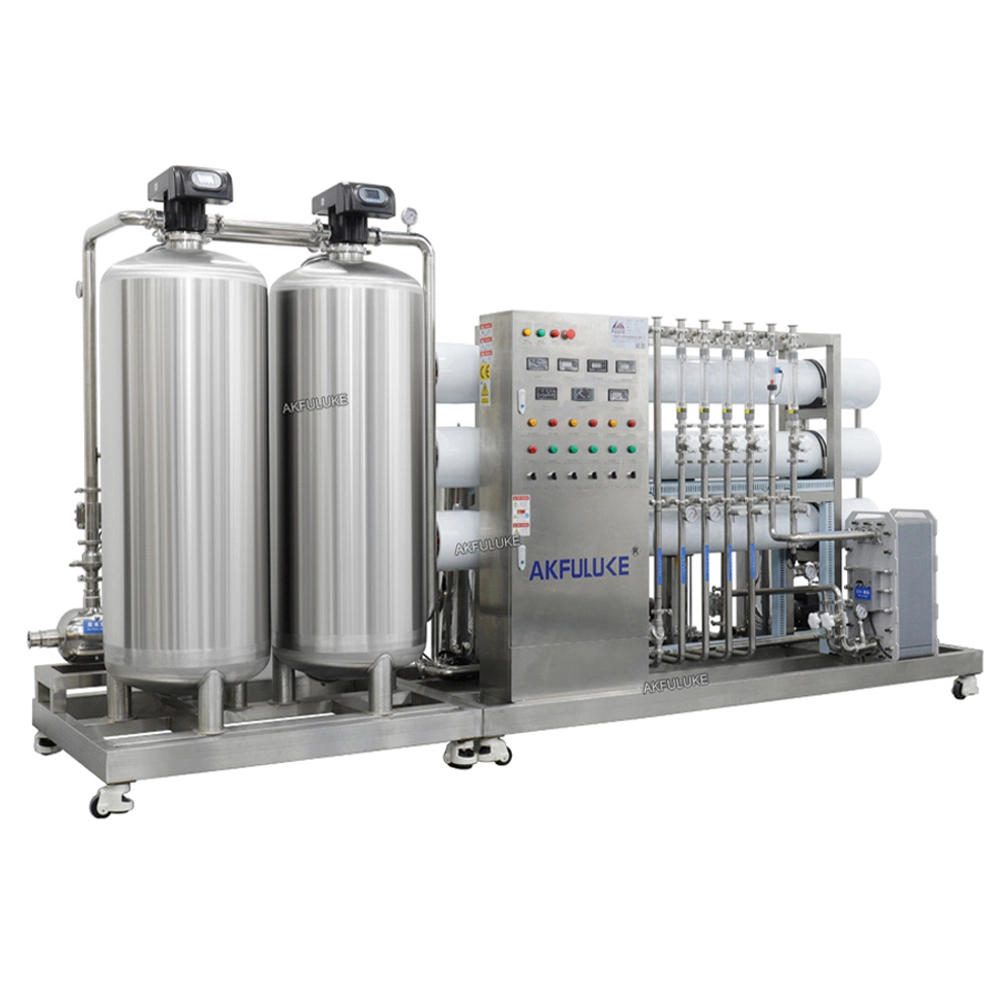
Selecting Materials and Membranes for 99% Desalination Needs
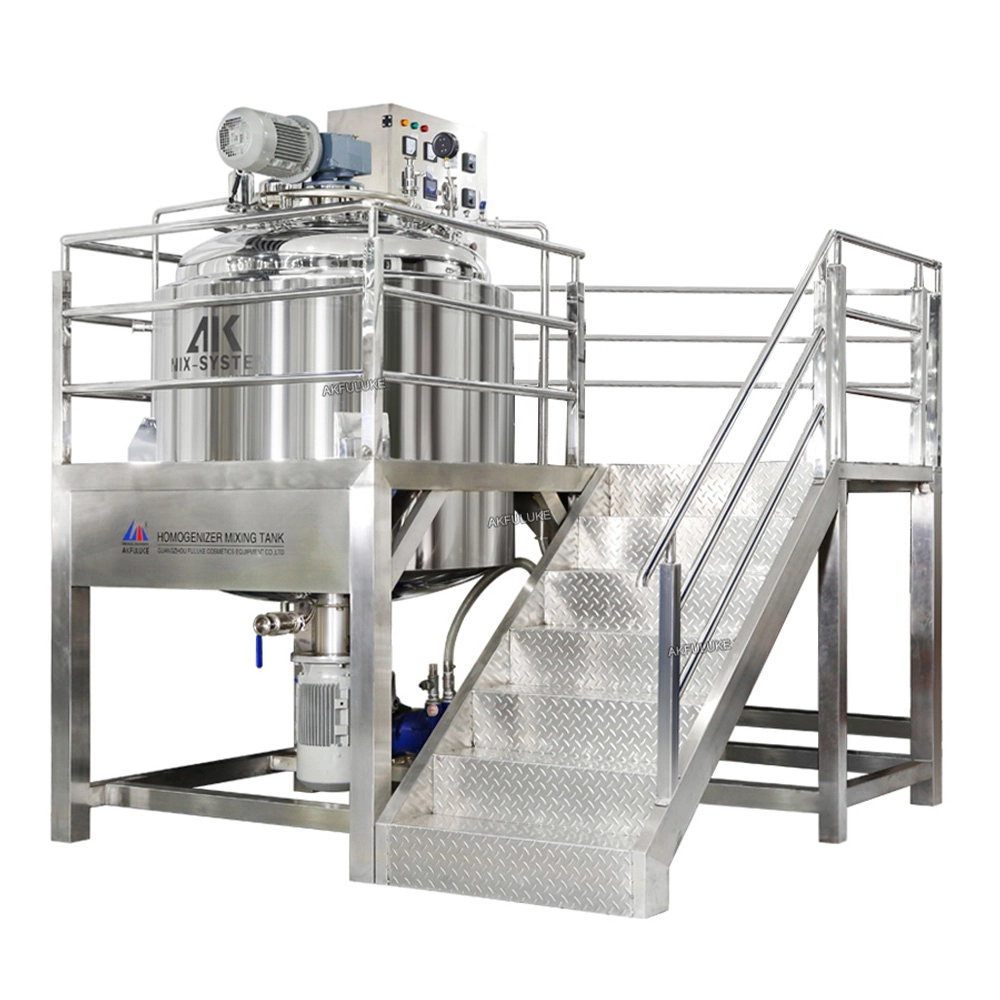
Choosing the Right Mixing Tank with Agitator for Production Lines
Integrating Mixing Tanks into Automated Production Lines
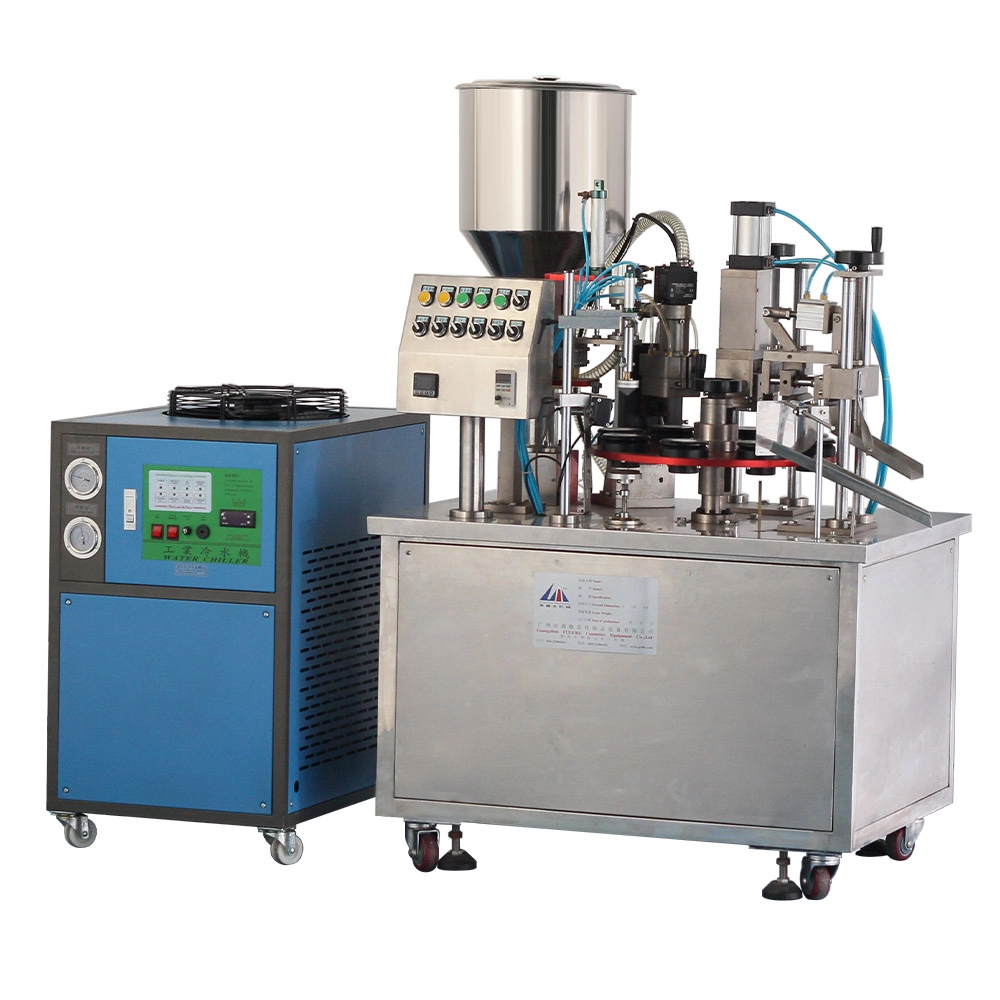
Integration Tips: Adding Tube Filling Machines to Production Lines
Film Packaging Machine
Can you customize the machine?
Of course, we provide customized services according to customer needs.
Can you make a design for us?
Yes, we can, we provide not only products, but also solutions and designs.
Polypropylene PP Mixing Tank
Which mixing pot should I choose between a PP and a stainless steel mixing pot?
When the material is corrosive, a PP mixing pot is more advantageous. Stainless steel (such as 304) has poor resistance to acids and alkalis (easily corroded by hydrochloric acid and sodium hydroxide). For corrosion protection, upgrading to 316L stainless steel is necessary, which costs 2-3 times more than PP. PP, on the other hand, can withstand low- to medium-concentration corrosive media and offers low maintenance (no rust removal required, and low scaling).
When the material is non-corrosive, a stainless steel mixing pot is more advantageous. Stainless steel offers higher temperature resistance (up to 200°C), greater strength (suitable for high-viscosity materials), and a higher hygienic grade (easy to clean aseptically), making it suitable for non-corrosive but demanding applications such as food and pharmaceuticals.
Automatic Capping Machine
What can you buy from us?
RO Water Treatment、Vacuum Emulsifying Machine、Homogenizer Mixing Tank、Filling and Capping、labeling Machine、Packing Machine、Storage Tank,etc.
Automatic Labeling Machine
Can the labeling speed of the machine be adjusted to suit my production line's pace?
It can be flexibly adjusted to suit different production line speeds.
You May Also Like
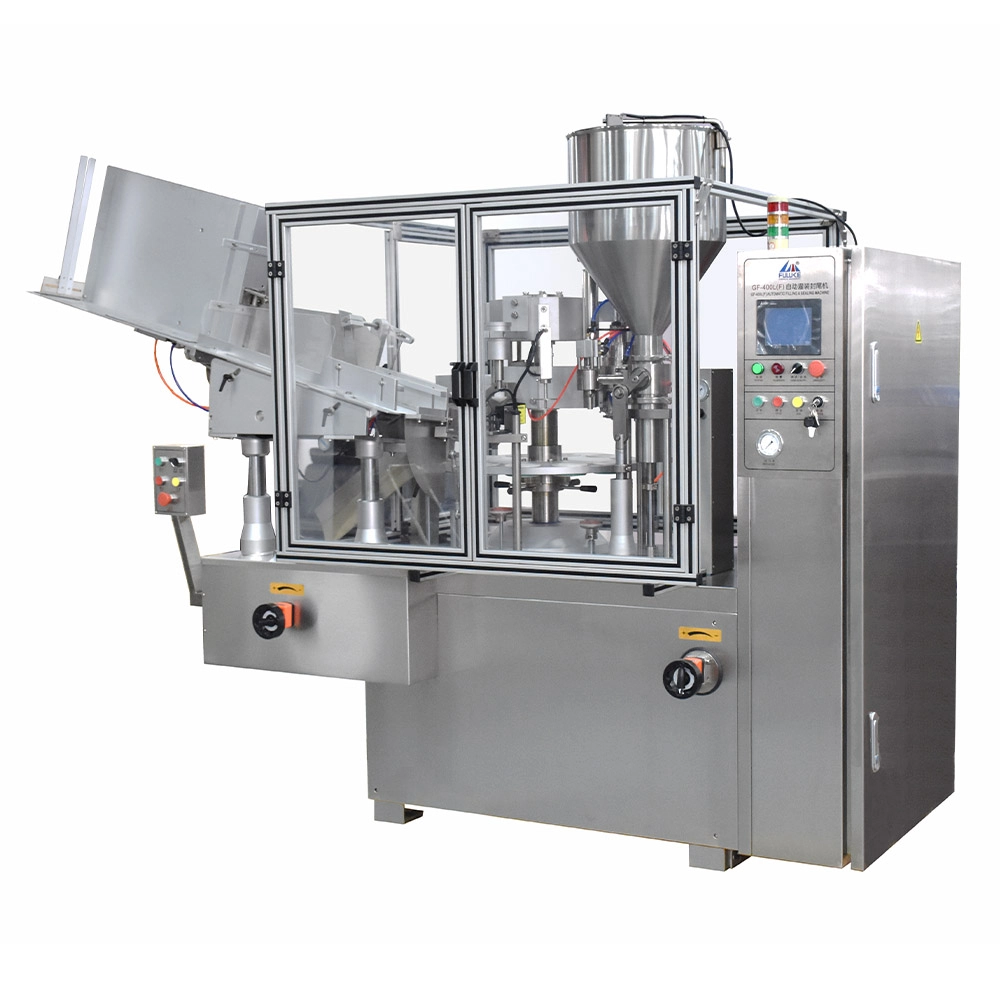
Automatic Tube Filling and Sealing Machine Toothpaste Sunscreen and Facial Cleanser Filling and Sealing Machine for Plastic and Aluminum-plastic Tube
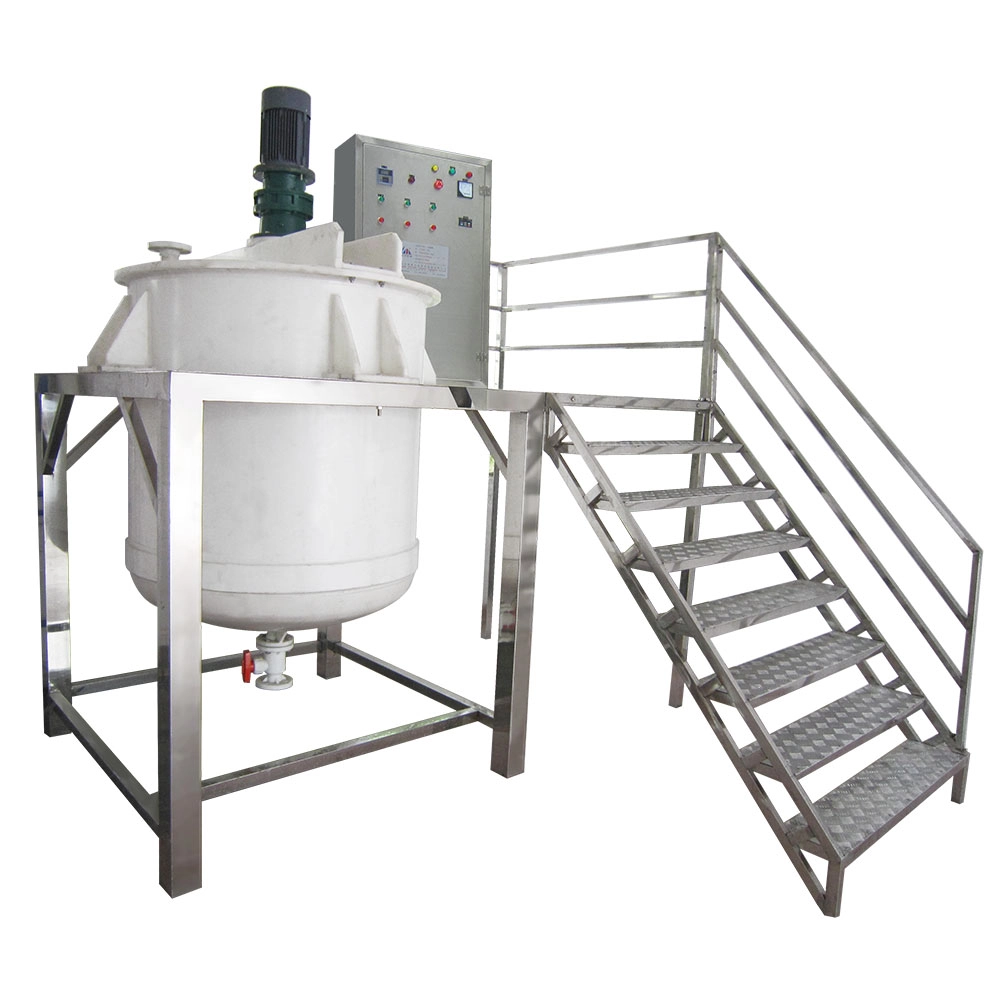
Polypropylene PP Mixing Tank Anti-Corrosion Mixer Reaction Kettle with Agitator Chemical Mixing Vessel
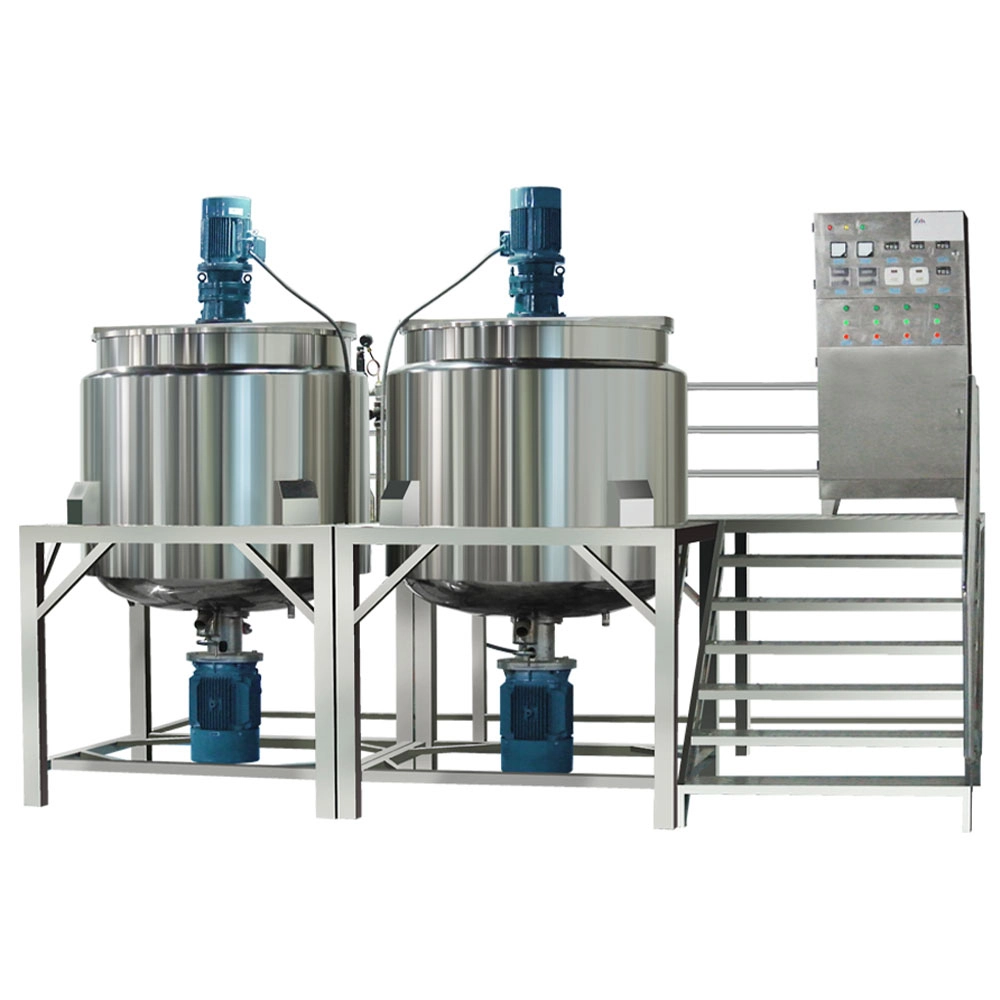
Flip Cover Multi-function Liquid Wash Mixing Tank Blender Liquid Detergent Mixer Homogenization Stirring Tank
Stainless Steel Mixer Liquid Mixing tank with Agitator Homogenizing Mixing tank Vacuum Sealed Mixer Machine
Get in touch with FULUKE
If you have any comments or good suggestions, please leave us a message, later our professional staff will contact you as soon as possible.

A leading manufacturer specializing in advanced machinery and complete production lines for the cosmetics, food, pharmaceutical, and chemical industries worldwide.
Contact FULUKE
Facebook
Instagram
YouTube