
Avoiding Overfill and Underfill in Lotion Packaging
- Understanding the Root Causes of Fill Variance
- Physical and material factors
- Container and nozzle interactions
- Process and environmental variables
- Choosing the Right Filling Technology and Machine
- Compare filling technologies for lotions
- Why a high-precision automatic filling machine matters
- Control, Calibration and Validation to Prevent Fill Errors
- Closed-loop control and feedback systems
- Calibration protocols and IQ/OQ/PQ
- Routine verification and SPC
- Operational Best Practices and Troubleshooting
- Start-up and warm-up procedures
- Nozzle management and anti-drip strategies
- Maintenance, cleaning and hygienic design
- Implementation Roadmap and ROI Considerations
- Step-by-step implementation checklist
- Cost savings and payback factors
- Recommended Equipment Example
- Troubleshooting: Common Issues and Fixes
- Issue: Progressive underfill during a shift
- Issue: Random overfill spikes
- Issue: Cosmetic defects despite correct weight
- Regulatory and Industry Guidance
- FAQ
- Q: What is an acceptable fill tolerance for lotion bottles?
- Q: Can we retrofit our existing filler to reduce overfill?
- Q: How often should we recalibrate filling heads?
- Q: Which filling technology minimizes foam and air entrapment?
- Contact & Next Steps
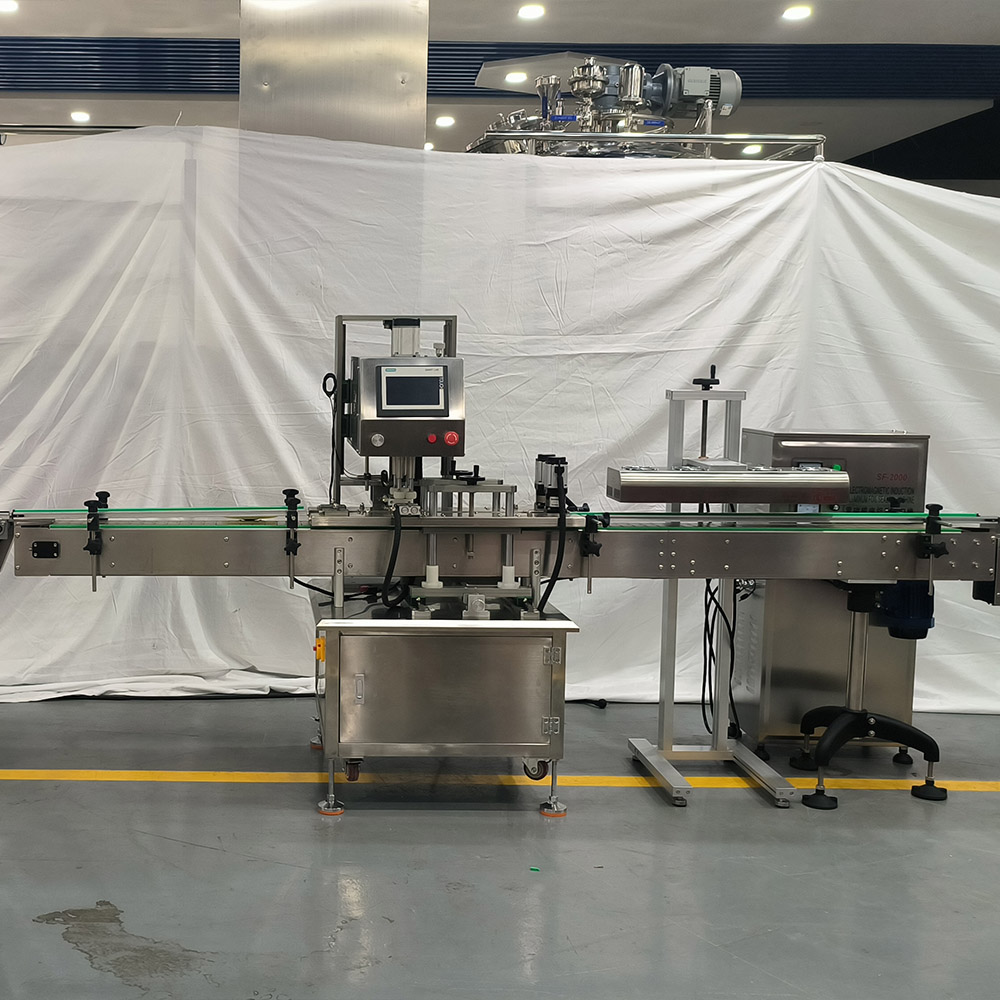
Avoiding overfill and underfill in lotion packaging is critical for cost control, regulatory compliance, and customer satisfaction. By combining the correct filling technology, robust control systems, and repeatable validation protocols—backed by an automatic filling machine with high-precision metering—you can achieve stable fills across variable containers and product viscosities. This article outlines causes, practical solutions, and implementation steps to minimize fill variance for creams, lotions and emulsions.
Understanding the Root Causes of Fill Variance
Physical and material factors
Lotion and cream fillings are affected by viscosity, thixotropy (time-dependent viscosity), temperature sensitivity, and surface tension. Highly viscous or shear-thinning products (creams, heavy emulsions) resist flow and can cause incomplete fills at high speeds. Conversely, low-viscosity lotions may splash or foam, causing inconsistent meniscus and variable apparent fill volumes. Knowing rheological properties helps choose the right filling principle and parameter set.
Container and nozzle interactions
Variability in bottle neck diameter, inner volume tolerances, mouth shape (wide vs narrow), and material (glass vs PET) create different back-pressure and flow dynamics. Nozzle design (dip tube vs drop/close nozzle), nozzle-to-container distance, and anti-drip features all influence whether product is deposited accurately or drips away causing underfill/overfill. Proper fixturing and container handling that an automatic filling machine provides reduce these variables.
Process and environmental variables
Line speed, pump pulsation, product temperature, and ambient humidity can change filling behavior during a run. For lotions, slight temperature changes alter viscosity significantly. Without active compensation or real-time control, fills drift—resulting in overfill to avoid batch recalls or underfill that risks regulatory non-compliance.
Choosing the Right Filling Technology and Machine
Compare filling technologies for lotions
Different metering principles suit different product types. The table below summarizes common options for cream and lotion filling:
| Filling Type | How it Works | Pros (for lotions/creams) | Cons |
|---|---|---|---|
| Piston (positive displacement) | Fixed-volume stroke displaces product into container. | High accuracy, good for high-viscosity creams, repeatable dosing. | Requires seals & maintenance; slower for very small doses. |
| Time-pressure (gravity/pressure fill) | Pressurizes hopper and times valve opening. | Simple for low-viscosity lotions; easy CIP. | Less accurate with viscosity changes; foaming issues. |
| Peristaltic | Tube compression moves measured volume. | Sanitary, low shear, easy changeover for small batches. | Tubing wear affects accuracy; limited for heavy pastes. |
| Volumetric pump (gear/rotary) | Fixed displacement per revolution. | Continuous flow, good for consistent viscosities. | Pump calibration needed; sensitive to particulates. |
For many cosmetics manufacturers the best compromise for creams and viscous lotions is a high-precision piston or volumetric dosing heads integrated in an automatic filling machine. These technologies offer the repeatability and control needed to minimize underfill and overfill.
Why a high-precision automatic filling machine matters
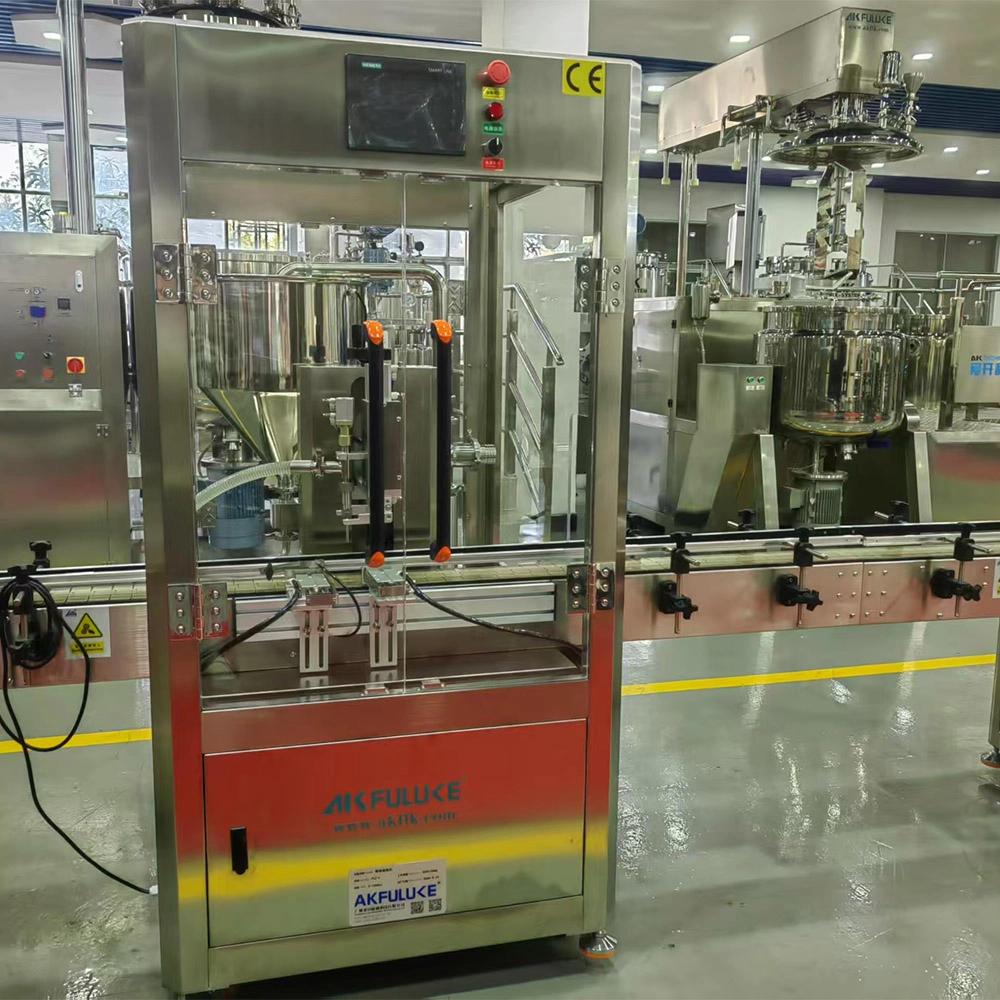
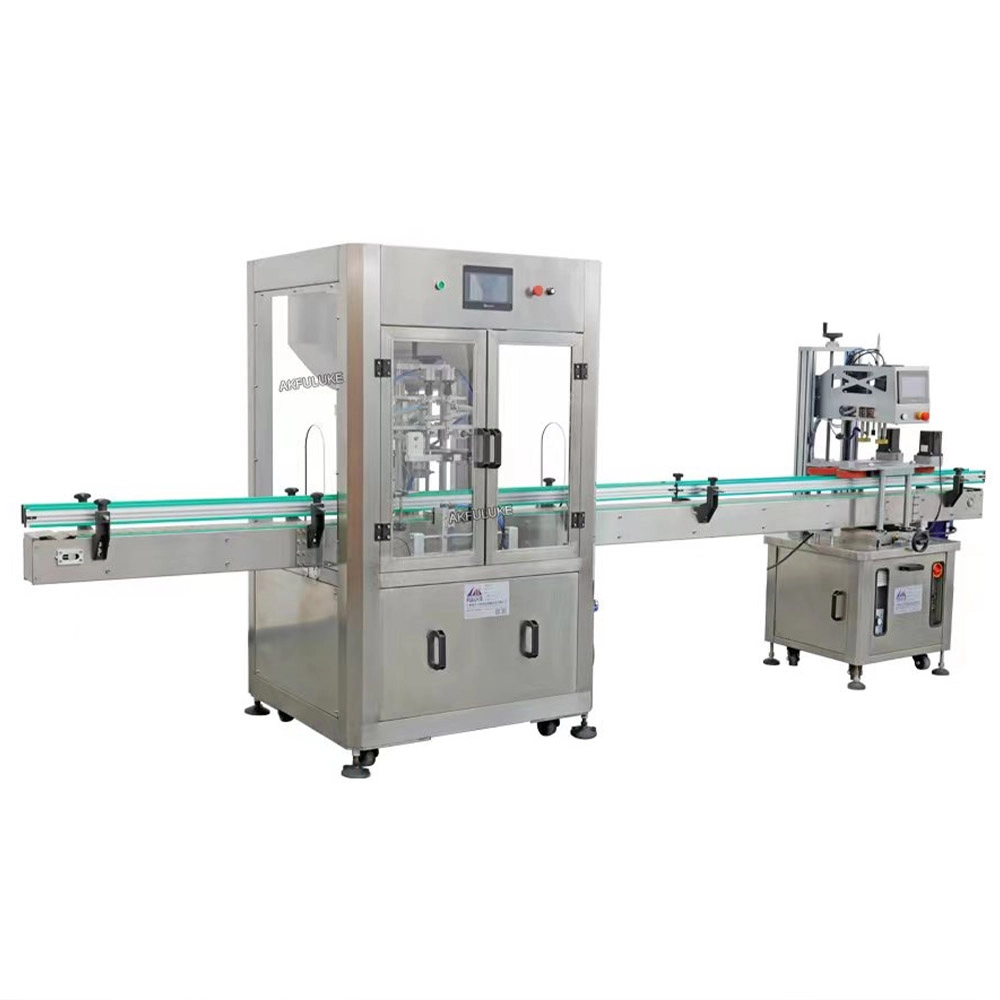
An Automatic Filling Machine Quantitative Liquid Bottle Filling Machine High-precision cream and lotion filling machine integrates automated conveying, precision filling and intelligent control to maintain consistent fill volumes. Modern units include touchscreen parameter sets, recipe management, and closed-loop weighing integration to correct for drift. Choosing equipment constructed with food- and pharma-grade stainless steel (316L/304) and GMP-compliant design ensures cleanliness and regulatory compatibility.
Control, Calibration and Validation to Prevent Fill Errors
Closed-loop control and feedback systems
Closed-loop systems use sensors (flow meters, load cells) to measure actual volumes or weights and adjust each shot in real time. For lotions, integrating a check weigher downstream allows automatic compensation: if the check weigher reports a slight underfill, the filling control can increase the next stroke volume marginally. Implementing PID control algorithms and anti-pulse dampers on pumps reduces transient variations that cause fills to drift.
Calibration protocols and IQ/OQ/PQ
Establish and document calibration and validation procedures: Installation Qualification (IQ), Operational Qualification (OQ), and Performance Qualification (PQ). Verify fill accuracy across production speeds and container types. Perform repeated sampling (statistical sampling plans) and keep records per GMP expectations. ISO 22716 and FDA guidance outline the need for documented procedures and traceability; see ISO's overview at ISO 22716 and FDA cosmetics guidance at FDA Cosmetics.
Routine verification and SPC
Use Statistical Process Control (SPC) charts to monitor fill weight trends and implement control limits. Daily verification checks (start-of-shift) and batch-end sampling guard against drift. When a trend approaches control limits, scheduled maintenance or re-calibration prevents out-of-spec production and costly rework.
Operational Best Practices and Troubleshooting
Start-up and warm-up procedures
Standardize start-up routines: product pre-heating (if needed) to stabilize viscosity, priming lines to remove air pockets, and running a small number of sacrificial containers until steady-state fills are achieved. Documented start-up sequences reduce variability between shifts and operators.
Nozzle management and anti-drip strategies
Nozzle selection and anti-drip design matter. Non-drip valves, controlled back-pressure, and close-proximity nozzles prevent stringing and drips that create underfills or cosmetic defects. For highly viscous creams a fill-then-skim approach (slightly overfill then level with a scraper) can be used for cosmetic level consistency, but must be validated to avoid excess waste.
Maintenance, cleaning and hygienic design
Use machines with hygienic construction (316L/304 surfaces, easy disassembly) and plan regular maintenance—especially seal and piston wear items that slowly affect stroke volume. Clean-in-place (CIP) or easy disassembly for manual cleaning reduces downtime and maintains accuracy. The World Health Organization and other regulators emphasize good manufacturing practices for product quality; see WHO GMP resources at WHO TRS 986.
Implementation Roadmap and ROI Considerations
Step-by-step implementation checklist
- Characterize product rheology and container tolerances.
- Select filling type (piston/volumetric/peristaltic) based on product profile.
- Procure an automatic filling machine with recipe control and closed-loop feedback.
- Develop IQ/OQ/PQ protocols and SPC sampling plans.
- Train operators and document start-up/cleaning/maintenance procedures.
- Run pilot production, monitor fills, adjust PID parameters and validate results.
Cost savings and payback factors
Overfill directly reduces gross margin by wasting product; even a 1% reduction in average overfill can represent a large annual cost saving in high-volume production. Conversely, underfill risks regulatory fines, recalls, or customer complaints. Investing in a high-precision automatic filling machine reduces both risks and contributes to faster line speeds and less rework. Calculate ROI by modeling product cost saved from reduced overfill, labor savings from automation, and reduced scrap/rework.
Recommended Equipment Example
Automatic Filling Machine Quantitative Liquid Bottle Filling Machine High-precision cream and lotion filling machine
The automatic filling machine integrates automated conveying, precision filling, and intelligent control for packaging creams, lotions, and liquids. Suitable for a variety of containers, including glass and PET bottles, it can fill liquids, emulsions, and pastes with high precision.
Constructed with 316L/304 stainless steel contact components and compliant with GMP standards, it features a touchscreen interface for quick parameter adjustment and completes the entire process without manual intervention. Widely used in the cosmetics, food, daily chemical, pharmaceutical, and chemical industries, it helps companies reduce costs, increase efficiency, and ensure product standardization.
Key features to demand from such a machine include:
- Multi-head piston or volumetric dosing with independent control
- Closed-loop weighing or flow-meter feedback
- Recipe storage for quick changeovers
- Hygienic design, easy CIP capability and GMP compliance
- Touchscreen HMI with alarm logging and traceability
Troubleshooting: Common Issues and Fixes
Issue: Progressive underfill during a shift
Likely causes: pump slip, piston seal wear, temperature-driven viscosity increase, or progressive air ingress into lines. Immediate actions: stop line, run a short priming sequence, inspect seals, check product temperature. Long-term: add check-weigher feedback and schedule preventive maintenance.
Issue: Random overfill spikes
Likely causes: mechanical shock (conveyor stop/start), air pockets releasing product, or intermittent valve sticking. Immediate actions: reduce line speed, purge air from hopper, clean/inspect valves. Consider installing dampers or pulse suppressors on pumps.
Issue: Cosmetic defects despite correct weight
Surface bubbles, inconsistent meniscus or stringing may meet weight specs but fail visual standards. Address nozzle design, anti-foaming agents, fill sequencing (fill-and-wait), or post-fill leveling. A two-step approach—gross volumetric fill followed by a finishing pump—often improves surface quality.
Regulatory and Industry Guidance
Complying with industry standards reduces audit risk and improves consumer safety. Relevant references include the Filling Machine overview on Wikipedia for technology background, ISO 22716 for cosmetics GMP at ISO, and regulatory guidance from the U.S. FDA. These resources explain documentation, hygienic design, and validation practices that should be built into your filling operations.
FAQ
Q: What is an acceptable fill tolerance for lotion bottles?
A: Tolerances vary by market and product type. Common acceptable tolerances are ±1%–3% by weight for higher-value creams, but you should consult regional regulations and customer specifications. Implement SPC to set realistic internal control limits tighter than regulatory requirements to prevent excursions.
Q: Can we retrofit our existing filler to reduce overfill?
A: Many retrofits are possible: adding closed-loop weight feedback (check-weigher), installing better nozzles, upgrading to PID control for piston drives, or integrating mass flow meters. Some older machines may not support modern electronics—evaluate cost vs. replacement.
Q: How often should we recalibrate filling heads?
A: Calibrate on a scheduled basis determined by production volume and risk—commonly daily checks, weekly calibrations and monthly full calibrations. More frequent checks are recommended when line conditions or product formulations change.
Q: Which filling technology minimizes foam and air entrapment?
A: Low-shear dosing solutions (peristaltic pumps or controlled piston fills with gentle fill profiles) and bottom-up filling/nozzle-in-contact strategies minimize foam. Anti-foam formulation changes and vacuum deaeration upstream also help.
Contact & Next Steps
If you want to reduce overfill/underfill and improve packaging efficiency, contact our sales/technical team to discuss pilot testing and machine specifications tailored to your lotion products. View the product page or request a quote: Contact Sales or View Product Details.
How to Ensure Repeatable Fills in Cosmetic Manufacturing
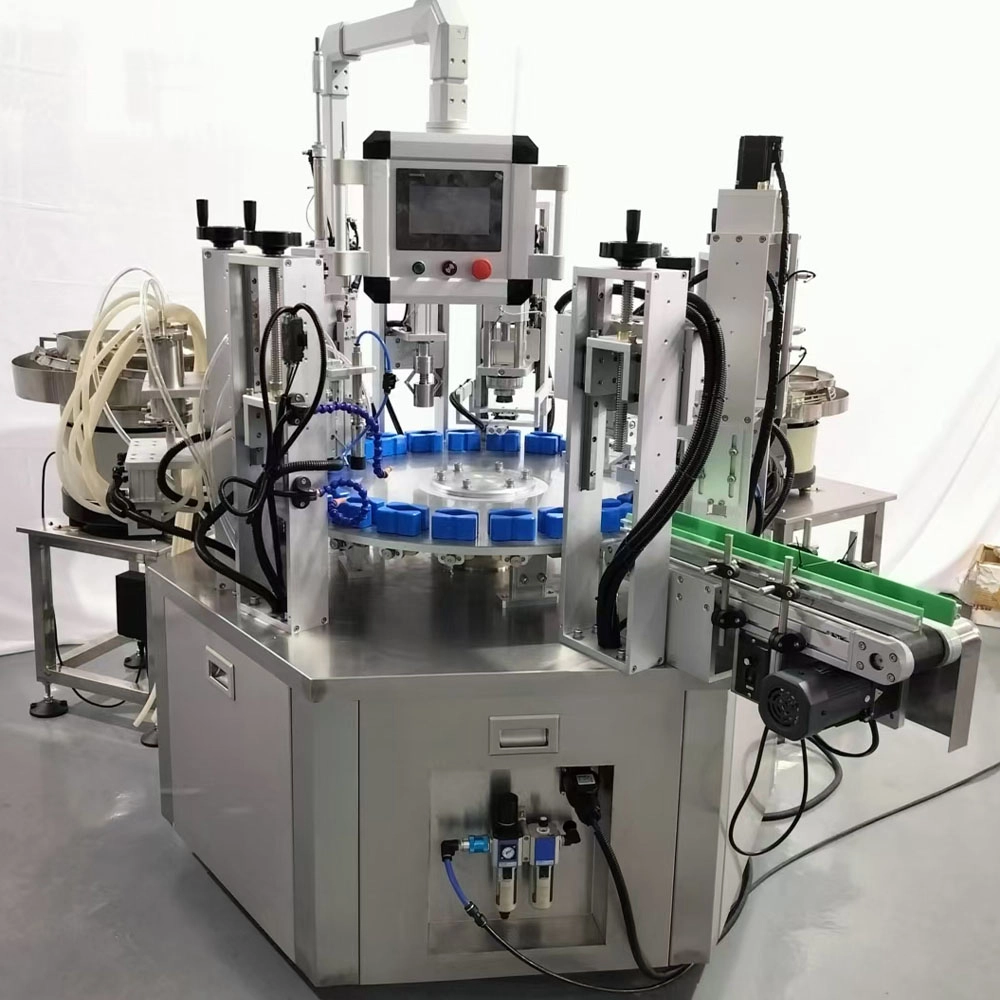
Top 10 Perfume Filling Machine Manufacturers for Bulk Production
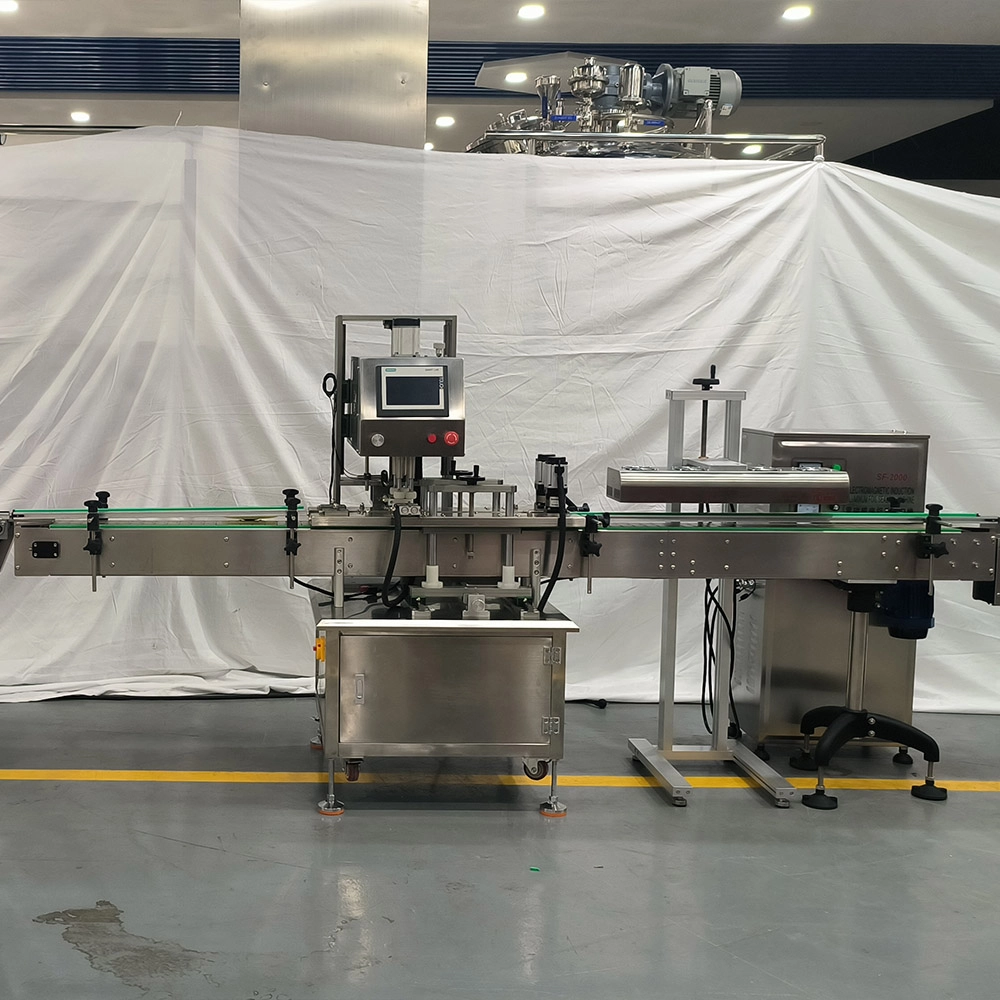
Integrating Filling Machines with Labeling and Capping
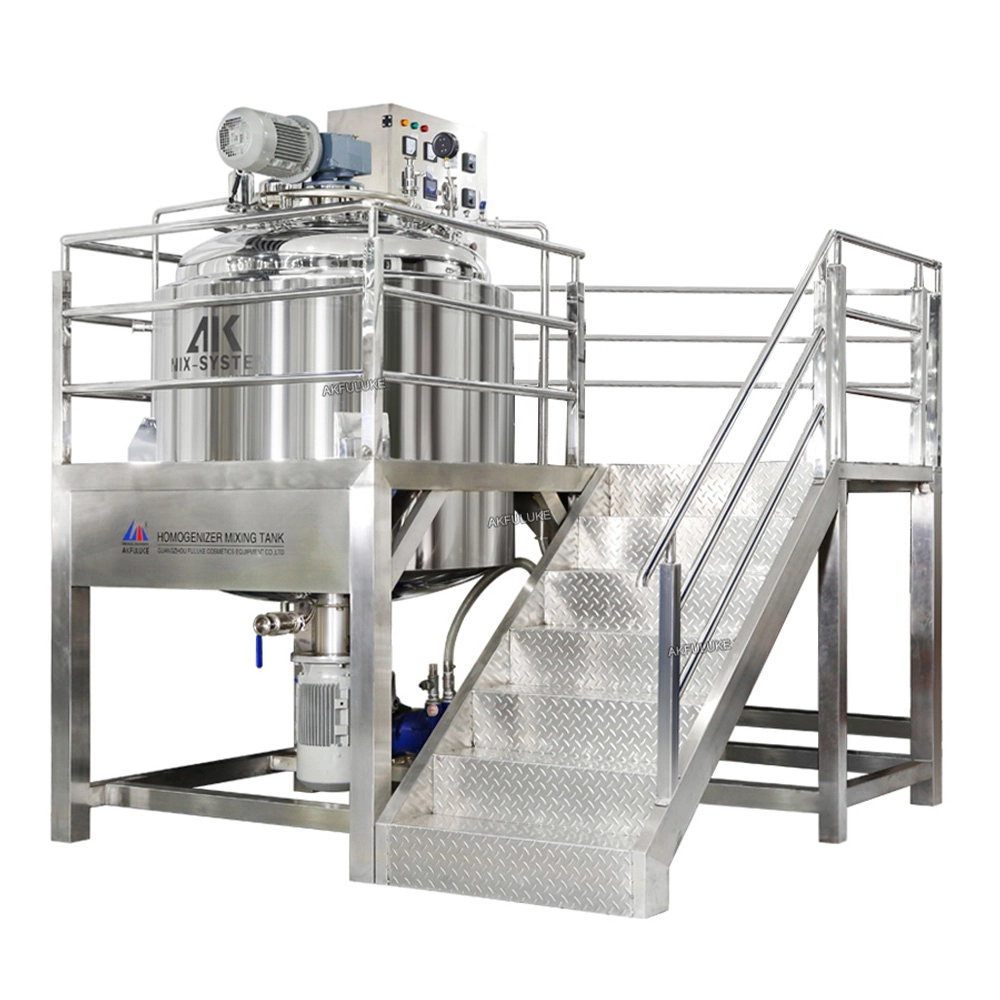
Spec Checklist: Homogenizing Mixing Tank for B2B Buyers
The Flip Cover Liquid Wash Mixing Homogenizing Tank
Flip cover homogenizing mixing tank lacks a vacuum system. How should bubbles generated during mixing be handled?
Open mixing tank certainly can't remove air through vacuum like sealed equipment. However, if bubbles are affecting product quality, the following methods can be used to improve the process:
Process Adjustment: Reduce the mixing speed to prevent excessive air from being drawn into the material by high-speed turbulence. If homogenization is required, proceed in stages to reduce bubbles generated by a single shearing operation.
Assisted Degassing: For materials that can be heated, increase the temperature appropriately to reduce viscosity and promote bubble bubbling. Alternatively, allow the material to rest for a period of time after mixing to allow bubbles to dissipate naturally before proceeding to the next step.
Suitable Applications: This equipment is more suitable for products that are not sensitive to bubbles. For precision products requiring bubble-free production, a model with a vacuum function is recommended.
Is it possible to not have a heating function?
Of course, if your product's production process doesn't require heating and cooling functions, then you can just make it a single-layer pot.
Lift-type Homogenizing Disperser
Can you make a design for us?
Yes, we can, we provide not only products, but also solutions and designs.
Film Packaging Machine
Can you customize the machine?
Of course, we provide customized services according to customer needs.
Sealed Homogenizing Mixing Tank
What is the speed of the high shear homogenizer?
The standard speed is 0-3000 rpm, but higher speeds can be customized upon request.
You May Also Like
Automatic Filling Machine Quantitative Liquid Bottle Filling Machine High-precision cream and lotion filling machine
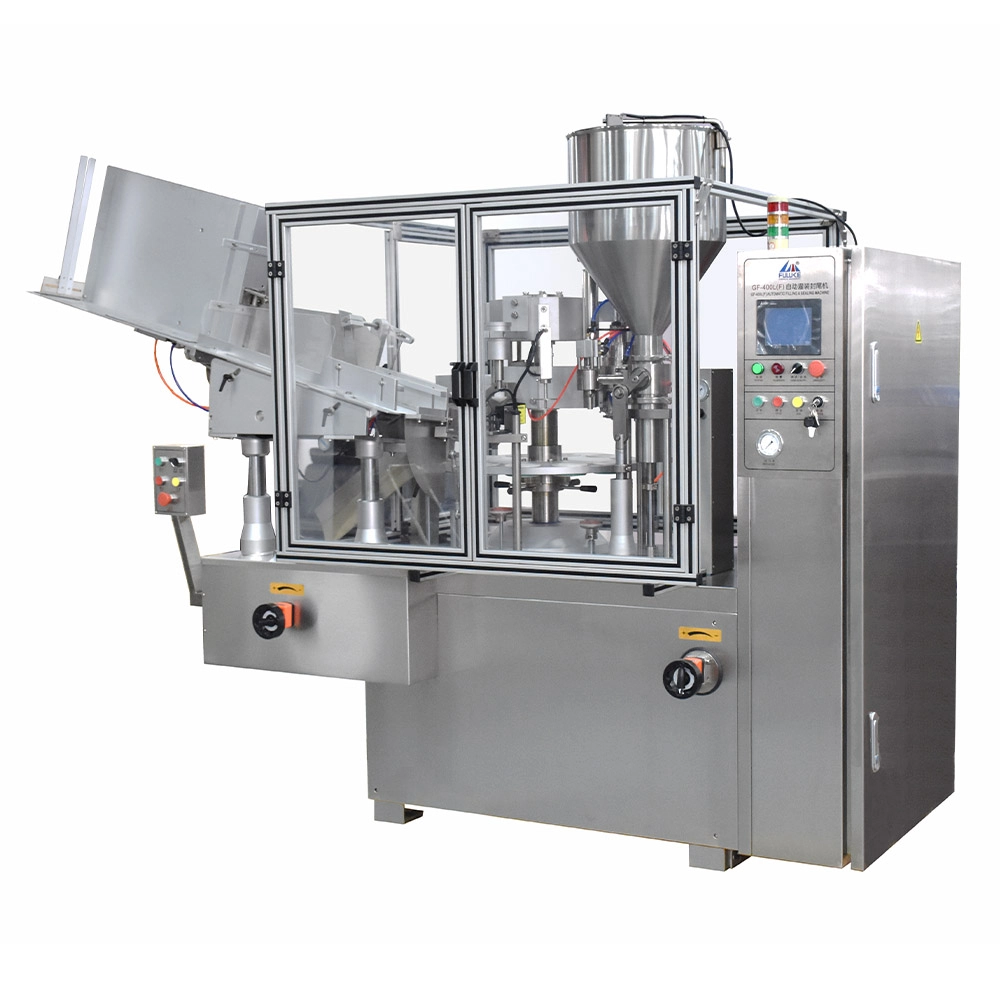
Automatic Tube Filling and Sealing Machine Toothpaste Sunscreen and Facial Cleanser Filling and Sealing Machine for Plastic and Aluminum-plastic Tube
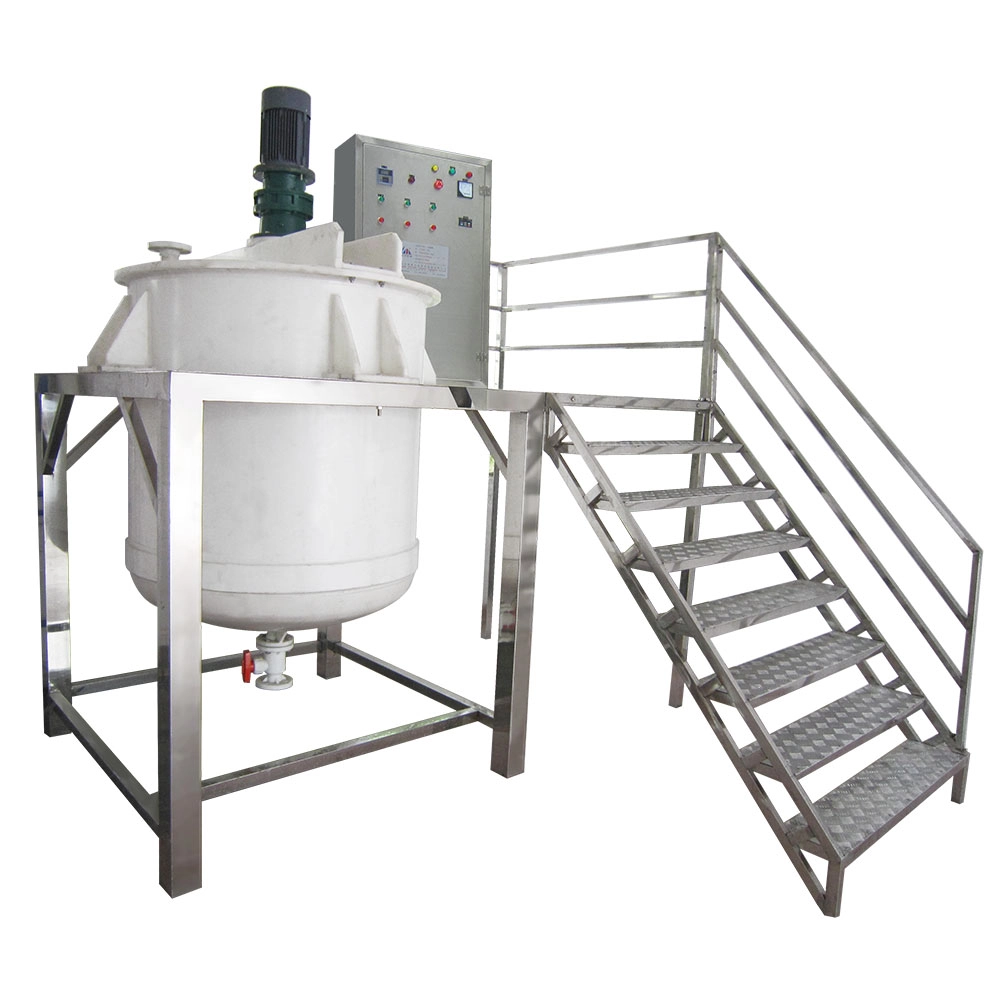
Polypropylene PP Mixing Tank Anti-Corrosion Mixer Reaction Kettle with Agitator Chemical Mixing Vessel
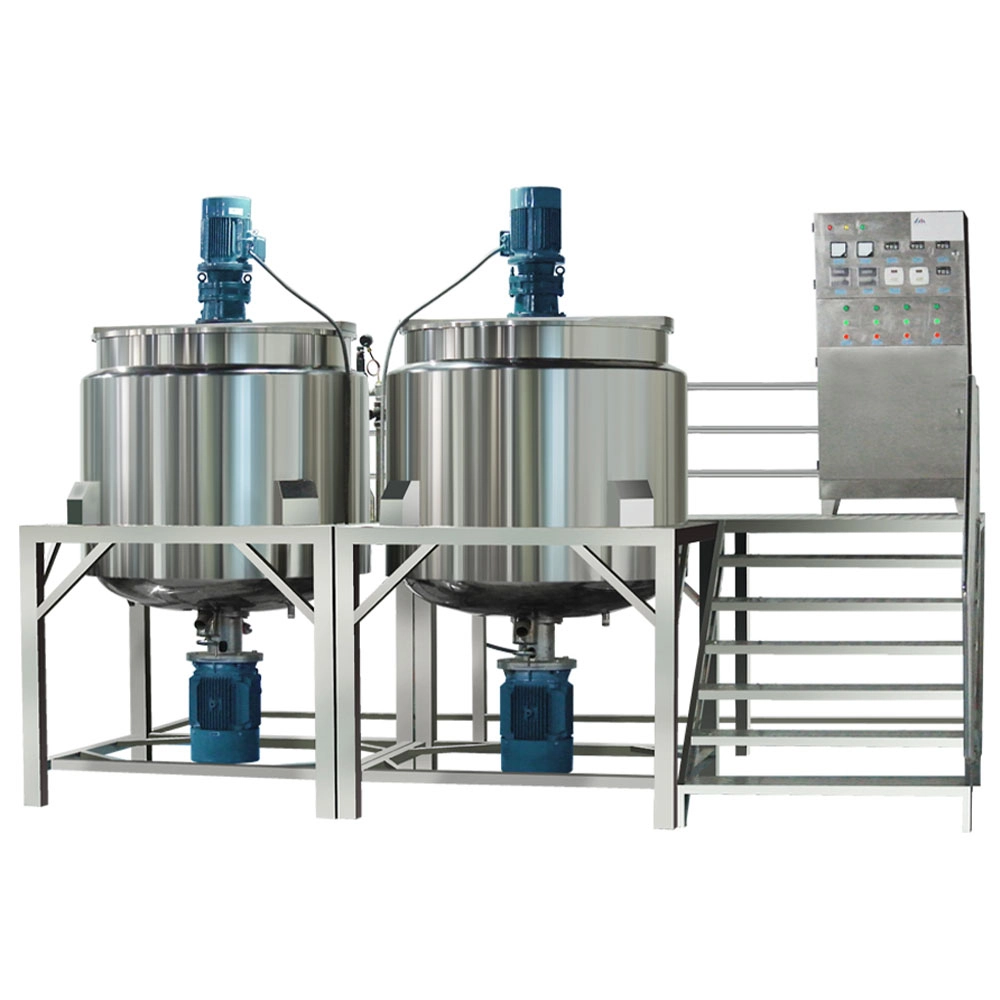
Flip Cover Multi-function Liquid Wash Mixing Tank Blender Liquid Detergent Mixer Homogenization Stirring Tank
Get in touch with FULUKE
If you have any comments or good suggestions, please leave us a message, later our professional staff will contact you as soon as possible.

A leading manufacturer specializing in advanced machinery and complete production lines for the cosmetics, food, pharmaceutical, and chemical industries worldwide.
Contact FULUKE
Facebook
Instagram
YouTube