
Best Practices for Filling Thin and Thick Formulas
- Key Principles for Filling Thin and Thick Formulas
- Understanding Rheology and Its Impact on Filling
- Define Accuracy, Speed, and Acceptable Variability
- Sanitation and Material Compatibility
- Machine Selection and Configuration
- Selecting the Right Pump and Dosing Technology
- Nozzle Design and Anti-drip Systems
- Container Handling and Orientation
- Process Optimization and Quality Control
- Parameter Tuning: Speed, Pressure, and Dwell Time
- In-line Measurement and Feedback
- Temperature and Viscosity Control
- Cleaning, Validation, and Troubleshooting
- CIP/SIP and Cleaning Validation
- Common Troubleshooting Scenarios
- Changeover and Batch Traceability
- Practical Comparisons and Data
- Regulatory and Industry Best Practices
- Follow GMP and ISO Guidance
- Industry Associations and Standards
- Documentation and Training
- FAQ
- Q: Can one automatic filling machine handle both thin and thick formulas?
- Q: What filling accuracy can I expect for creams and lotions?
- Q: How do I reduce stringing and drips with high-viscosity creams?
- Q: What cleaning strategies work best for both types of products?
- Q: Which references should I consult for compliance?
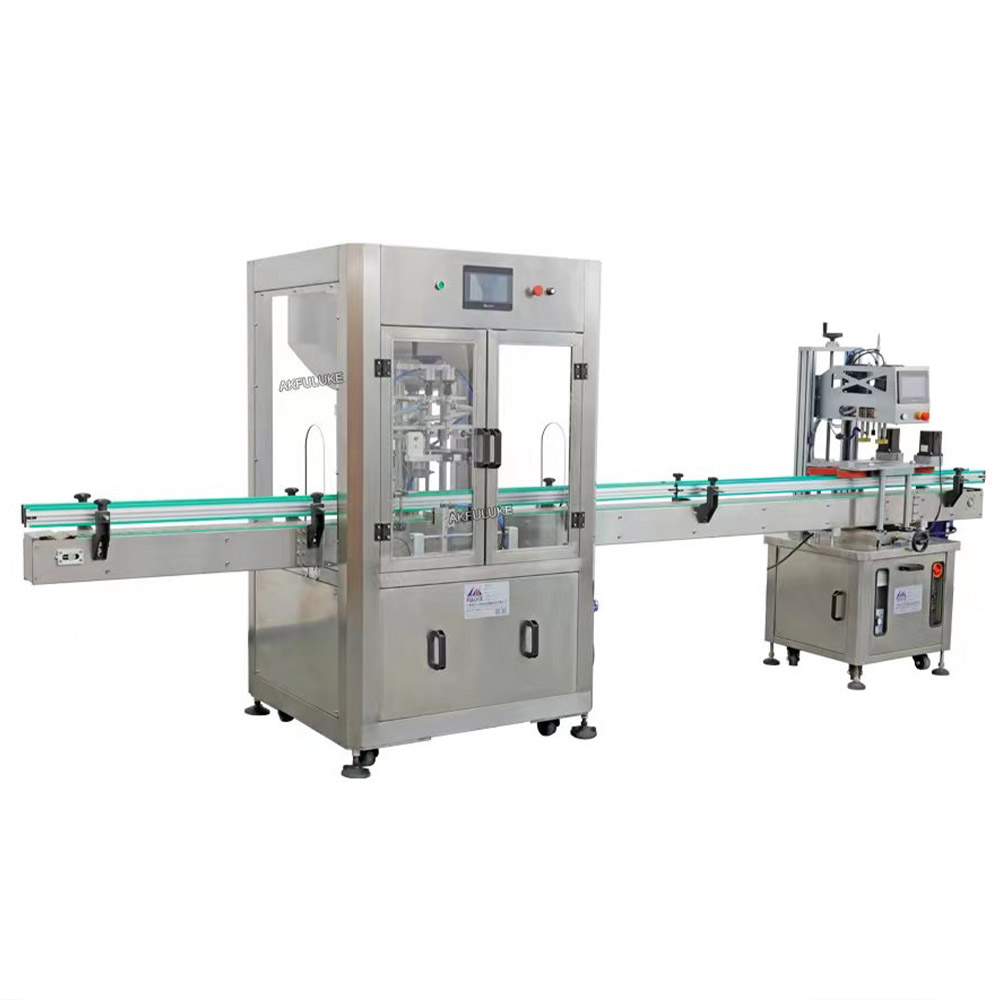
This article provides actionable guidance for manufacturers and process engineers on filling thin and thick cosmetic formulas using automatic filling machine systems. It focuses on machine selection, dosing strategies, parameter settings, cleaning and validation, and troubleshooting to maximize accuracy, minimize waste, and ensure compliance with GMP and ISO standards while integrating with high-precision cream and lotion filling lines.
The automatic filling machine integrates automated conveying, precision filling, and intelligent control for packaging creams, lotions, and liquids. Suitable for a variety of containers, including glass and PET bottles, it can fill liquids, emulsions, and pastes with high precision.
Constructed with 316L/304 stainless steel contact components and compliant with GMP standards, it features a touchscreen interface for quick parameter adjustment and completes the entire process without manual intervention. Widely used in the cosmetics, food, daily chemical, pharmaceutical, and chemical industries, it helps companies reduce costs, increase efficiency, and ensure product standardization.
Key Principles for Filling Thin and Thick Formulas
Understanding Rheology and Its Impact on Filling
Thin formulas (e.g., toners, serums) and thick formulas (e.g., creams, balms) behave very differently in filling systems because of viscosity, shear-thinning behavior, thixotropy, and particulate load. Accurately characterizing viscosity (in mPa·s or cP) and flow behavior helps determine pump selection, nozzle design, and fill timing. For example, many lotions are shear-thinning: they flow under shear during pumping but recover viscosity once static — this lowers required pumping torque but affects dribble and settling at nozzle exit.
Define Accuracy, Speed, and Acceptable Variability
Set target fill accuracy (for cosmetics typically ±0.5–2% depending on container size and product value) and production throughput. Accuracy, speed, and product handling are interrelated: increasing line speed can increase volumetric error for viscous products if pump recovery time or valve timing is insufficient. Use statistical process control (SPC) to define control limits and aim to keep process capability (Cpk) > 1.33 for critical fills where possible.
Sanitation and Material Compatibility
Ensure all wetted parts comply with hygienic standards (316L/304 stainless steel, appropriate seals) to prevent contamination and product interaction. GMP guidance for cosmetics and ISO 22716 provide frameworks to design hygienic equipment and cleaning regimes — see ISO 22716: Good Manufacturing Practices (GMP) for cosmetics (ISO.org) and FDA cosmetic guidelines (FDA - Cosmetics).
Machine Selection and Configuration
Selecting the Right Pump and Dosing Technology
Choose dosing technology by viscosity and particulates:
- Peristaltic pumps: good for low- to medium-viscosity fluids and hygienic, low-shear transfer; easy clean or replaceable tubing but limited for heavy pastes.
- Piston (positive displacement) pumps: excellent for high-viscosity creams and pastes, high accuracy, suitable for abrasive or particulate formulas.
- Gear pumps: continuous flow for mid-viscosity liquids; requires stable viscosity and may need preheating for high-viscosity fluids.
An automatic filling machine that combines piston dosing with servo control often offers the best balance of accuracy and flexibility for both thin and thick formulas, especially when paired with a hopper and agitator for viscous products.
Nozzle Design and Anti-drip Systems
Nozzle diameter and geometry control flow, drooling, and surface finish. For thin liquids use small nozzles with vacuum or anti-drip valves. For thick creams, short, wide- bore nozzles reduce shear and prevent product hang-up. Consider nozzle-actuated valves or time-pressure relief to minimize stringing on high-viscosity fills.
Container Handling and Orientation
Matching conveyor speed, star wheels, and container support to the fill method prevents spillage and misalignment. For viscous creams, allow containers to be stabilized and use intermittent motion conveyors or indexing to synchronize piston strokes with container dwell time. For thin formulas, continuous-motion fillers with synchronized nozzles reduce cycle times without compromising accuracy.
Process Optimization and Quality Control
Parameter Tuning: Speed, Pressure, and Dwell Time
Optimize three primary parameters:
- Fill speed/stroke frequency — too fast increases air entrainment and overshoot; too slow reduces throughput.
- Pump pressure or torque — set to allow smooth flow without blocking.
- Dwell/open time at nozzle tip — helps the product settle and reduces stringing (especially for viscous formulas).
Use stepwise trials with small sample sizes, measure filled weights, and plot fill error vs speed to find the plateau where accuracy meets throughput goals.
In-line Measurement and Feedback
Integrate in-line weighing, vision inspection, and level sensors to automatically detect underfills, overfills, and visual defects. Combining a servo-driven piston with closed-loop feedback reduces variability — the machine adjusts strokes or pump timing in real time based on measured fill mass.
Temperature and Viscosity Control
Viscosity is temperature-sensitive. For waxy or high-viscosity creams, maintain a heated hopper and jacketed lines to keep viscosity in target range. Monitor and log temperature alongside fill weight for traceability. Consider installing inline viscometers for critical products to trigger process adjustments if viscosity drifts.
Cleaning, Validation, and Troubleshooting
CIP/SIP and Cleaning Validation
Design the automatic filling machine for easy cleaning: quick-release fittings, drainable piping, and smooth welds. For cosmetic products, cleaning validation should demonstrate acceptable residues below defined limits. Follow GMP/ISO 22716 principles and document cleaning cycles, agents, and sampling results (ISO 22716; FDA - Cosmetics).
Common Troubleshooting Scenarios
Examples and fixes:
- Stringing on nozzle (viscous products): shorten nozzle-to-container distance, add anti-drip valve, reduce stroke speed, or slightly increase nozzle bore.
- Air bubbles/foaming (thin emulsions): reduce pump shear, deaerate feed tank under vacuum, or slow filling rate.
- Inconsistent fills: check for worn seals, degraded pump tubing, or slip in feed agitator leading to inconsistent supply.
Changeover and Batch Traceability
Quick changeovers reduce downtime between product runs. Use recipe-driven HMI (touchscreen) to load saved parameters for each SKU. Ensure batch records capture operator, recipe, machine settings, and in-line inspection data for audit readiness.
Practical Comparisons and Data
The following table summarizes typical best-practice choices for thin vs thick formulas and machine responses.
| Parameter | Thin Formulas (serums, toners) | Thick Formulas (creams, balms) |
|---|---|---|
| Typical viscosity | 1–500 cP | 5,000–1,000,000+ cP |
| Recommended pump | Peristaltic, gear, or time-pressure | Piston/positive displacement |
| Nozzle | Small bore, anti-drip | Short, wide bore, non-shear geometry |
| Best anti-foam/degassing | Inline filters, low-shear pumps | Vacuum deaeration of hopper, slow dispensing |
| Typical line speed | High (continuous motion possible) | Moderate to low (intermittent indexing) |
| Common issues | Foam, splashing, drip | Stringing, incomplete fill, high torque |
Regulatory and Industry Best Practices
Follow GMP and ISO Guidance
Cosmetic manufacturers should align equipment and processes with GMP frameworks. ISO 22716 provides specific guidance on production, control, storage, and shipment of cosmetic products (ISO 22716), and regulatory bodies such as the U.S. FDA provide oversight and public guidance on cosmetic product safety (FDA Cosmetics).
Industry Associations and Standards
Reference industry resources for standards and trends. Cosmetics Europe and other associations publish guidance on safety assessments, labeling, and good manufacturing practices (Cosmetics Europe). For mechanical and electrical safety and design best practices, consult relevant machine safety standards and local regulatory requirements.
Documentation and Training
Maintain changeover logs, calibration records for volumetric systems, and validation reports. Train operators in both routine and emergency procedures and require sign-off for critical operations. Use digital logs on the automatic filling machine HMI to capture real-time production metadata for traceability.
FAQ
Q: Can one automatic filling machine handle both thin and thick formulas?
A: Yes — modern automatic filling machine platforms with modular dosing (servo-driven piston units, easily swapped pump heads, adjustable nozzles, heated hoppers, and recipe-driven HMI) can handle a range of viscosities. However, ensure the chosen machine supports the maximum viscosity, has appropriate seals, and provides quick changeover features to avoid cross-contamination.
Q: What filling accuracy can I expect for creams and lotions?
A: High-quality quantitative fillers can achieve accuracy typically within ±0.5–1.5% depending on container size and product viscosity. Servo-driven piston fillers paired with closed-loop weighing provide the highest accuracy for high-value products.
Q: How do I reduce stringing and drips with high-viscosity creams?
A: Use short, wide nozzles, anti-drip valves, correct travel distance between nozzle and container, slower final stroke, heated nozzles or hopper if appropriate, and optimize dwell time so the product detaches cleanly.
Q: What cleaning strategies work best for both types of products?
A: Design equipment for easy disassembly, use CIP where possible, validate cleaning with swab tests or extractable residue limits, and document cleaning cycles. For heavy creams, mechanical disassembly and manual cleaning of seals and lines may be needed in addition to CIP.
Q: Which references should I consult for compliance?
A: Key references include ISO 22716 for cosmetic GMP (ISO.org), FDA guidance on cosmetics (FDA), and industry guidance from organizations like Cosmetics Europe (Cosmetics Europe).
If you have more specific questions about integrating a high-precision cream and lotion line or want assistance selecting the right automatic filling machine model, contact our sales & technical team or view the product page for the Automatic Filling Machine Quantitative Liquid Bottle Filling Machine High-precision cream and lotion filling machine.
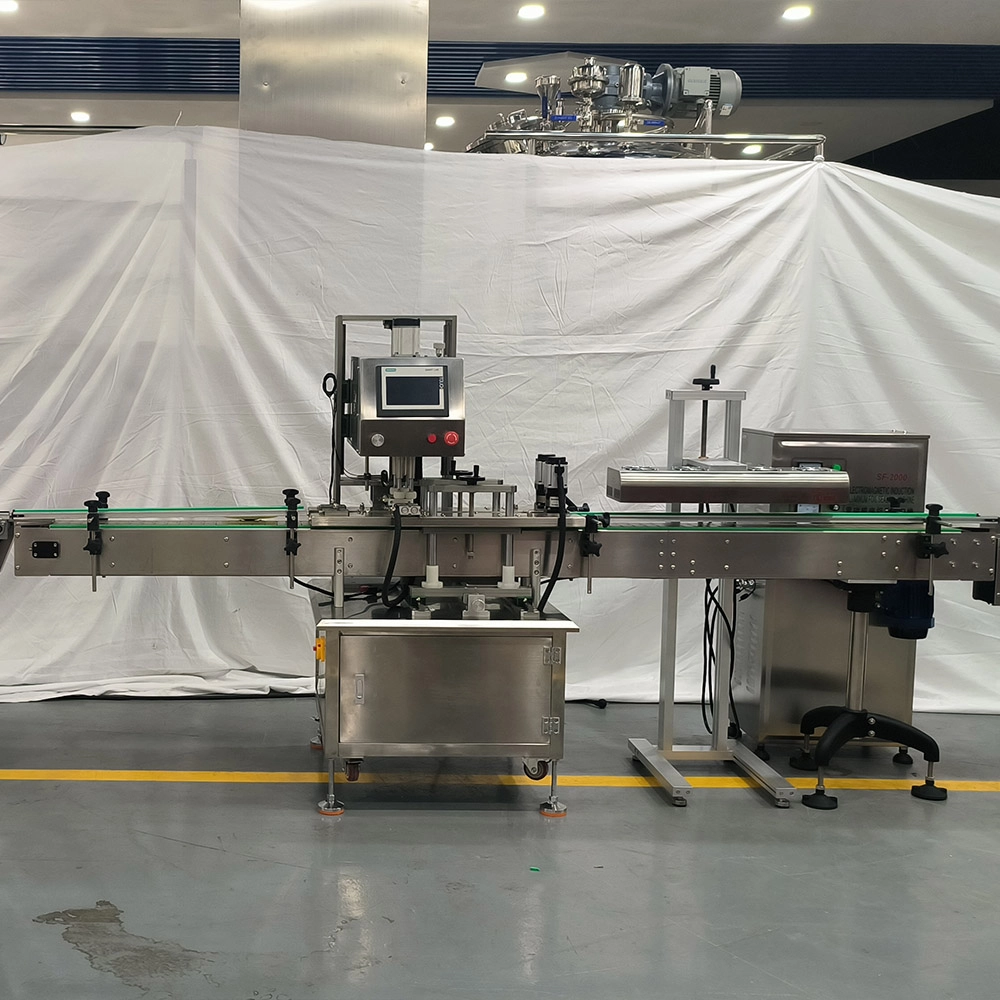
Quantitative Bottle Filling: Improve Accuracy for Creams
How to Choose the storage tank manufacturer and supplier ?
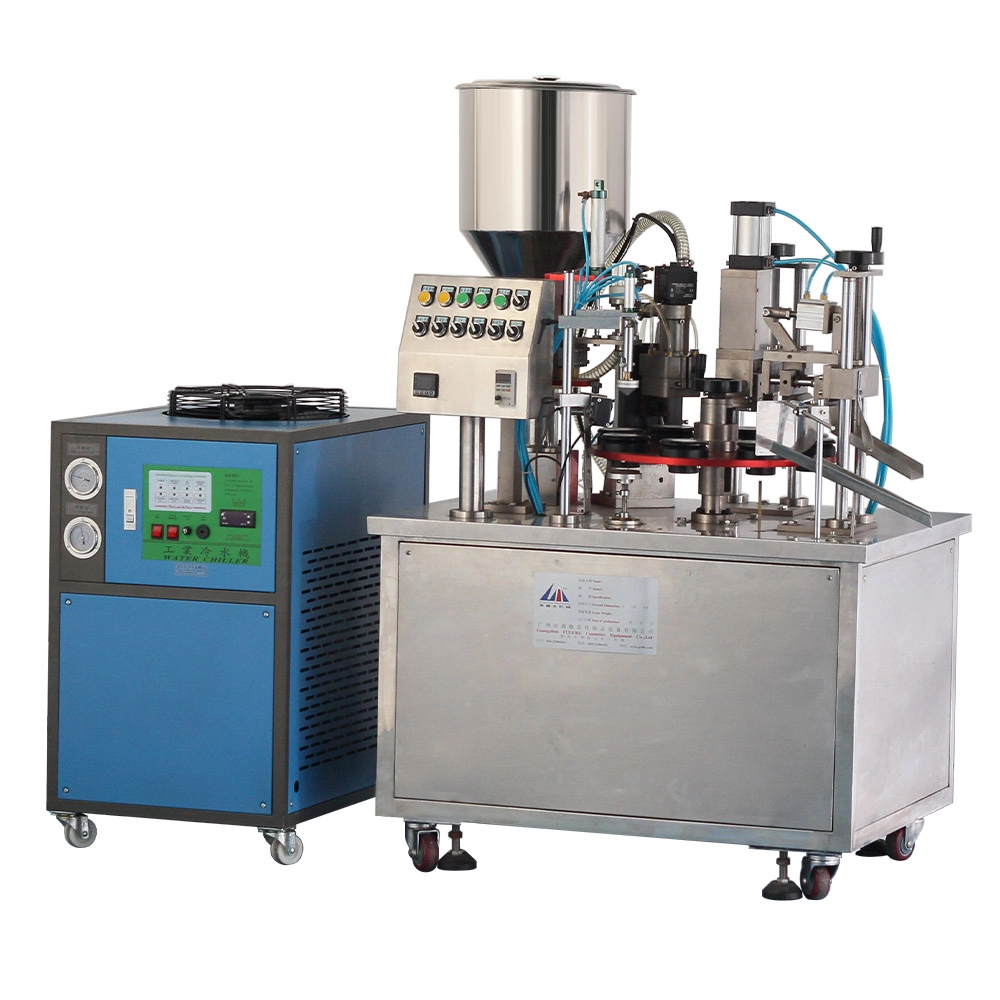
Integration Tips: Adding Tube Filling Machines to Production Lines
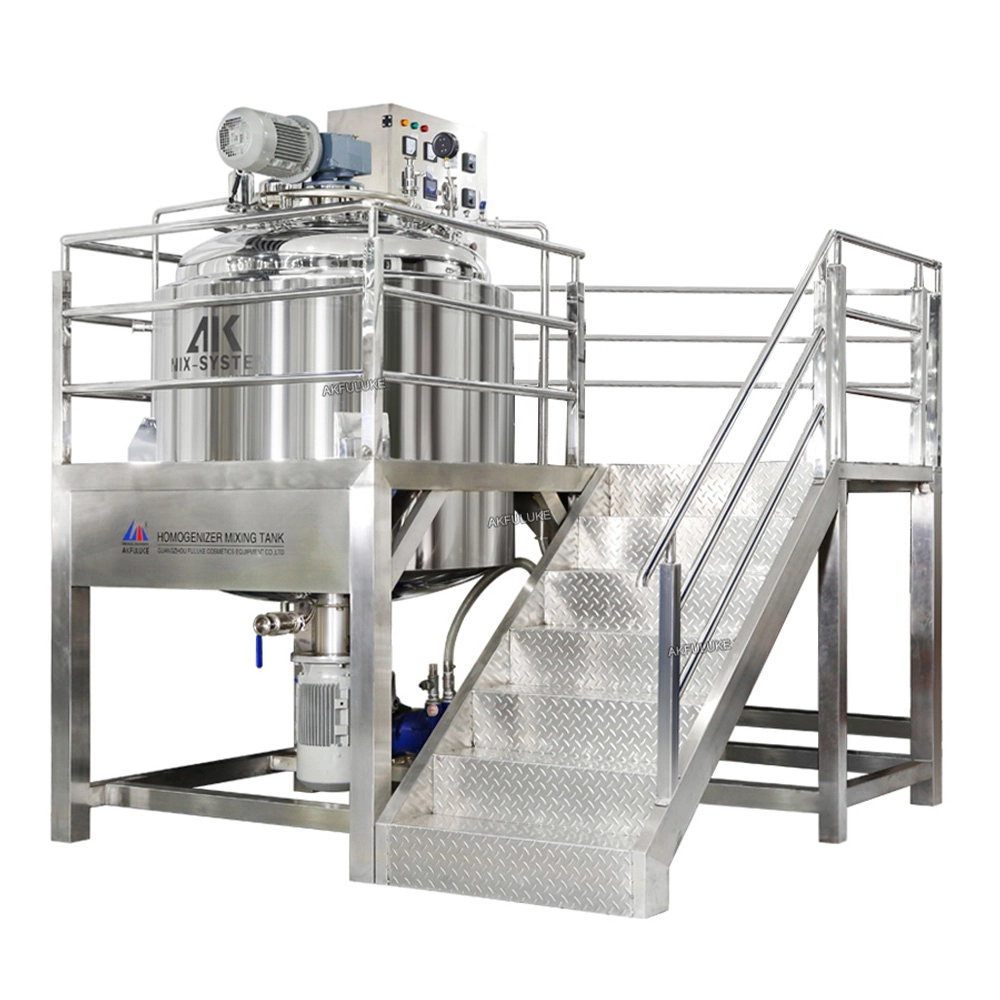
Material and Surface Finish Standards for Hygienic Mixing Tanks
Automatic Filling Machine
We want to fill products in multiple volumes (e.g., 100ml, 250ml, 500ml). Do we need to purchase multiple filling machines?
No, most automatic filling machines support multiple volume adjustments. When purchasing, please confirm the machine's "volume adjustment range" (e.g., 50ml-2000ml) to ensure it covers your desired specifications. Changing volumes simply requires modifying the fill volume parameters on the touchscreen. If the volume difference is significant (e.g., from 100ml to 1000ml), minor adjustments to the filling head height or feed rate may be necessary, without replacing the machine.
Lift-type Homogenizing Disperser
Can you customize the machine?
Of course, we provide customized services according to customer needs.
Perfume Filling Machine
After purchasing the equipment, what after-sales services does the supplier typically provide?
General services include on-site installation and commissioning (including workshop layout planning), operator training (theoretical and practical training to ensure workers can operate independently), a one-year full machine warranty, and lifetime technical support (24-hour telephone and video troubleshooting).
Perfume Freezing Filter Making Machine
How should the equipment be cleaned daily? Can it be rinsed directly with water?
Wipe the exterior with a dry cloth first. Stubborn stains can be removed with a soft cloth dampened with a neutral detergent. Never use hard objects such as steel wool to scratch the surface. Internal piping that comes into contact with materials should be rinsed with purified water and then disinfected with anhydrous ethanol. However, the entire device should not be immersed in water or rinsed with a high-pressure water jet to avoid damage to electrical components.
Vacuum Emulsifying Machine
How does the vacuum homogenizer work?
The vacuum homogenizer's operating process revolves around four core steps: vacuum degassing, high-speed homogenization and emulsification, stirring and mixing, and temperature control. Through the coordinated operation of multiple systems, it achieves refined material processing. The following is its specific operating principle and process:
1. Pretreatment: Material feeding and vacuum environment establishment
Material preparation: First, add the basic materials, such as the oil phase (such as oils and waxes) and the aqueous phase (such as water and water-soluble ingredients), to their corresponding batching tanks or directly into the main emulsifier in sequence.
Evacuation: Activate the vacuum system (consisting of a vacuum pump, vacuum valve, etc.) to evacuate the interior of the emulsifier, creating a negative pressure environment (typically up to -0.09 MPa).
2. Core Process: Temperature Control (Heating/Cooling)
3. Core Process: Agitation and Mixing
Agitation Structure: Typically uses a "frame agitator + scraper" combination (for high-viscosity materials):
Through shearing, folding, and convection, the different materials are initially mixed and their stratification is broken down.
The PTFE scraper rotates closely against the pot wall, thoroughly scraping away any sticky material adhering to the pot wall, preventing localized overheating and residue, and ensuring zero dead zones.
4. Core Process: High-Speed Homogenization and Emulsification
Homogenizer Structure: A high-speed rotating homogenizer is installed at the bottom (or side) of the emulsifier, consisting of a rotor (with sharp teeth) and a stator (with fixed teeth). Working Principle: The rotor rotates at an extremely high speed, generating a strong centrifugal force that draws the material into the gap between the rotor and the stator. In this gap, the material is subjected to the triple effects of shear force, impact force, and turbulent force. The teeth of the rotor and stator quickly cut the material and generate high-frequency vibrations.
You May Also Like
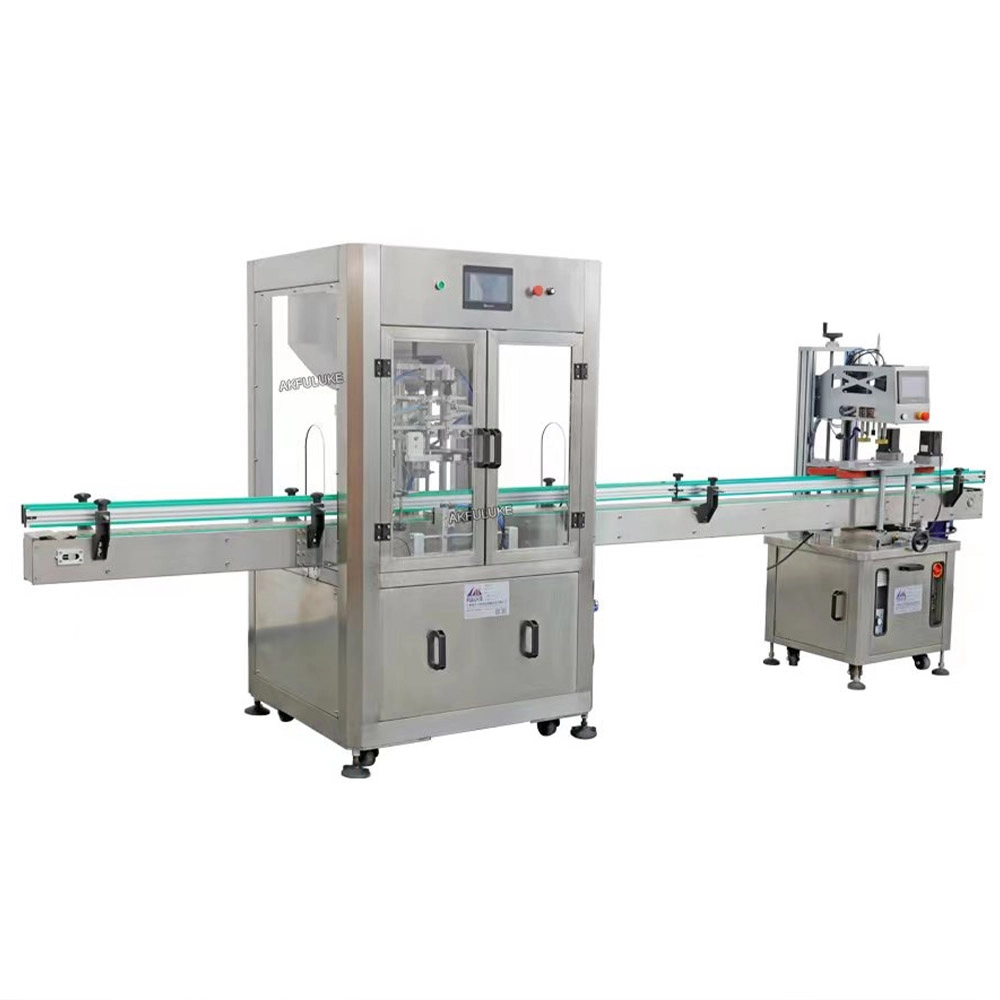
Automatic Filling Machine Quantitative Liquid Bottle Filling Machine High-precision cream and lotion filling machine
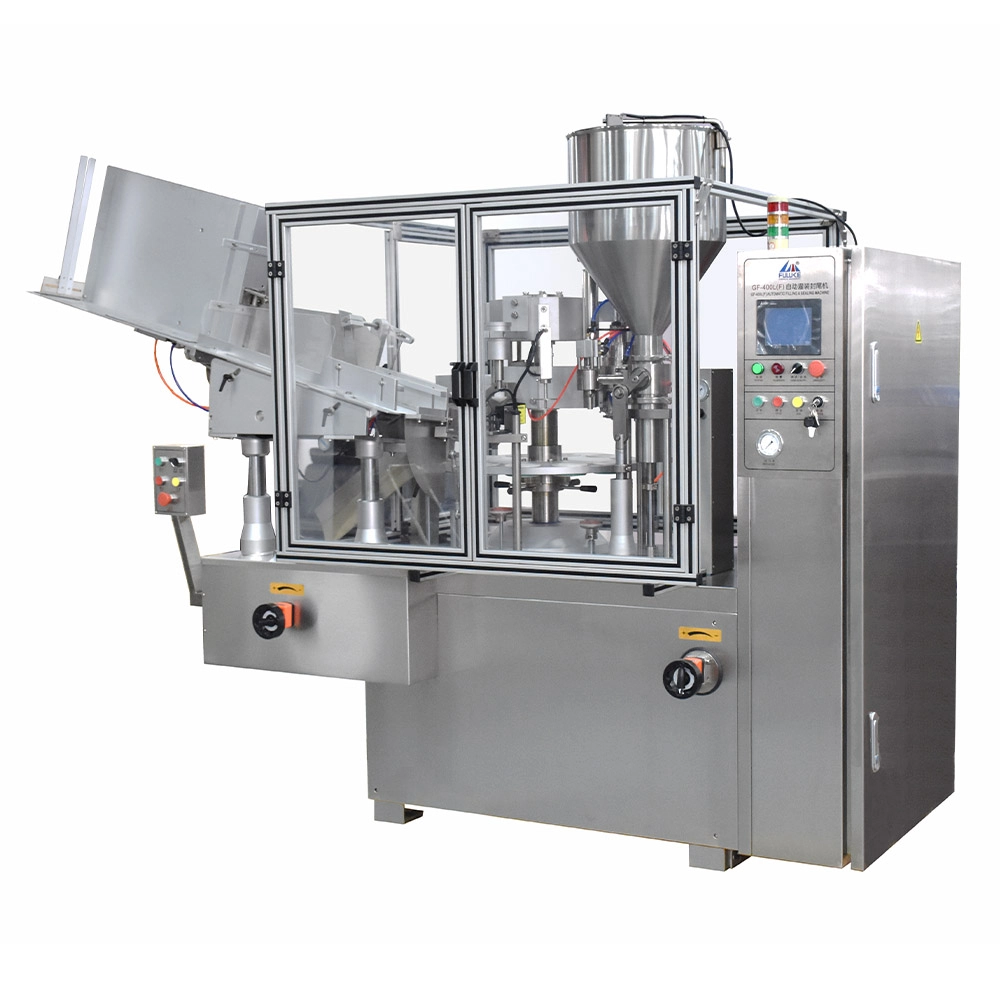
Automatic Tube Filling and Sealing Machine Toothpaste Sunscreen and Facial Cleanser Filling and Sealing Machine for Plastic and Aluminum-plastic Tube
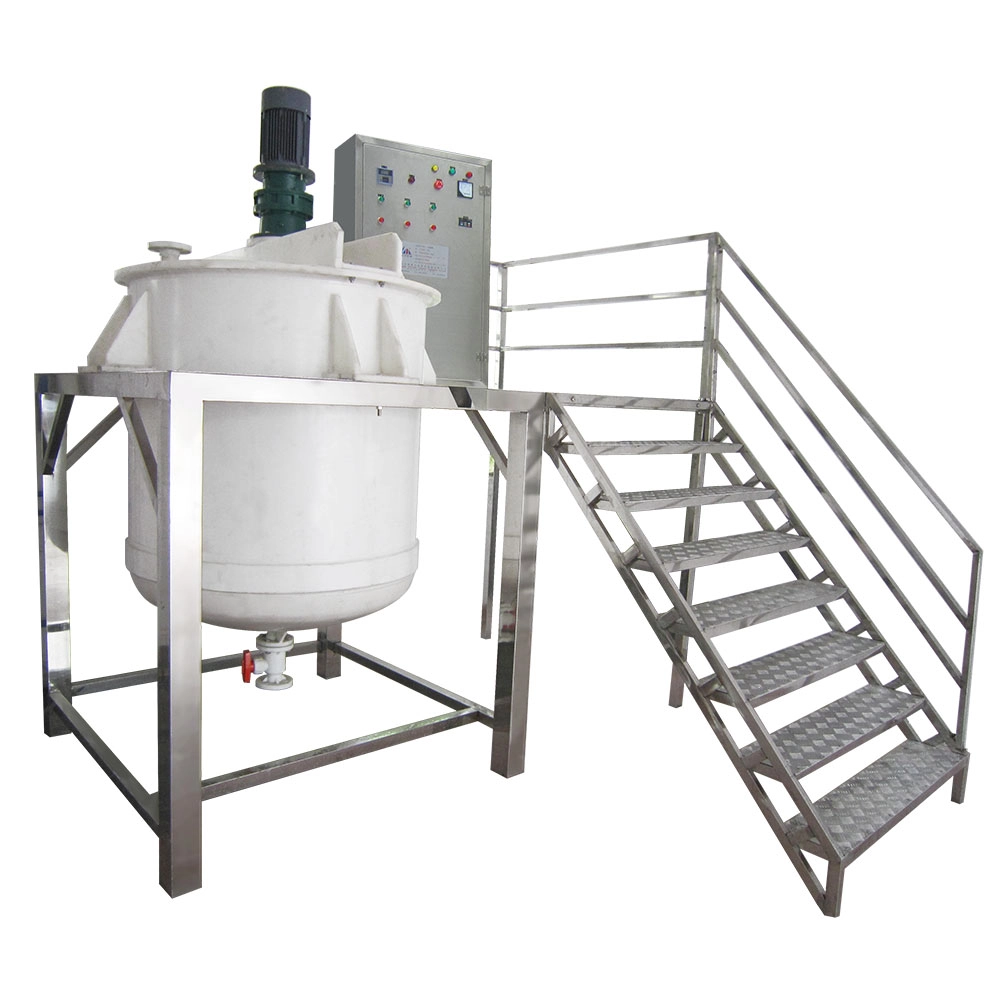
Polypropylene PP Mixing Tank Anti-Corrosion Mixer Reaction Kettle with Agitator Chemical Mixing Vessel
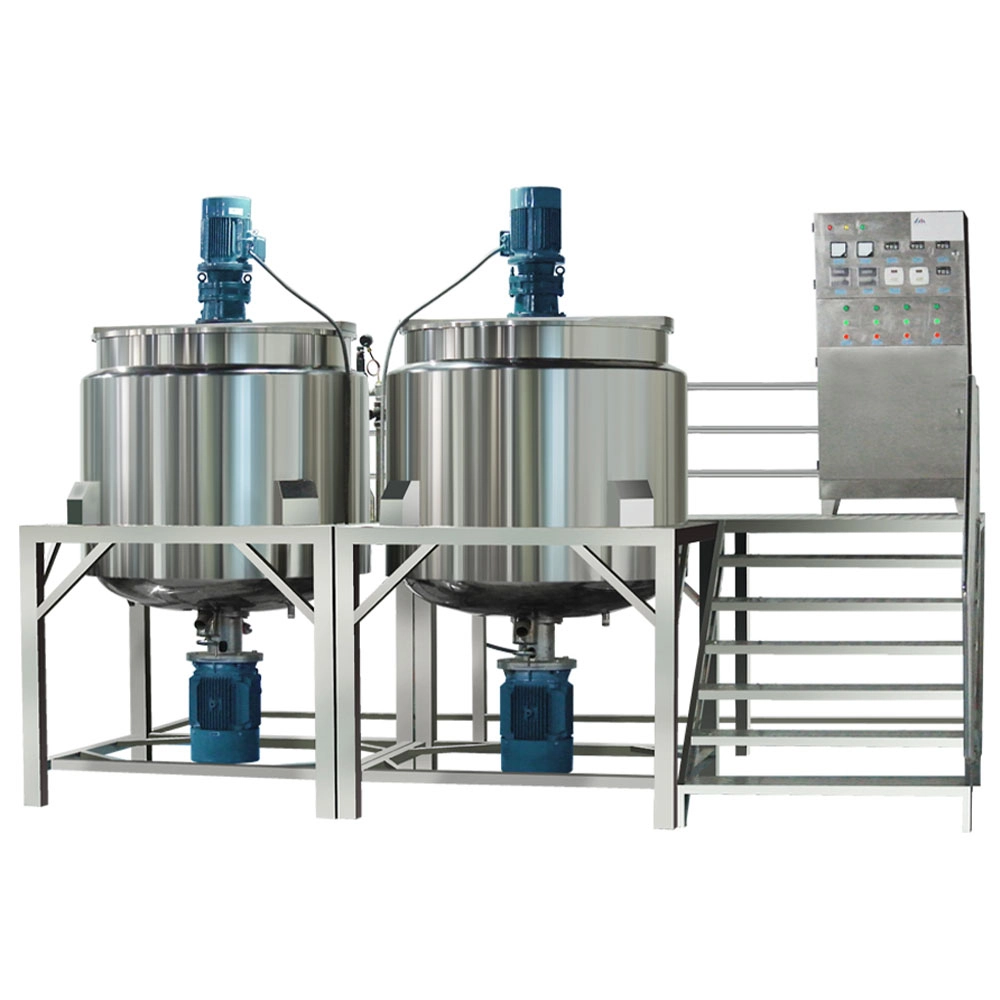
Flip Cover Multi-function Liquid Wash Mixing Tank Blender Liquid Detergent Mixer Homogenization Stirring Tank
Get in touch with FULUKE
If you have any comments or good suggestions, please leave us a message, later our professional staff will contact you as soon as possible.

A leading manufacturer specializing in advanced machinery and complete production lines for the cosmetics, food, pharmaceutical, and chemical industries worldwide.
Contact FULUKE
Facebook
Instagram
YouTube