
How to Choose a High-Precision Liquid Filling Machine
- Key Criteria for Selecting a Liquid Filling Machine
- 1. Filling Accuracy and Precision Requirements
- 2. Product Compatibility and Material Contact
- 3. Container Types and Line Flexibility
- Types of Filling Technologies and When to Use Them
- 1. Piston Fillers (Positive Displacement)
- 2. Peristaltic and Time-Pressure Fillers
- 3. Rotary and Inline Systems for High-Speed Lines
- Comparison Table: Common Filling Technologies
- Installation, Validation, and Maintenance Best Practices
- 1. Site Preparation and Installation Requirements
- 2. IQ/OQ/PQ and Regulatory Compliance
- 3. Preventive Maintenance and Cleaning
- Operational Considerations: Controls, Automation, and ROI
- 1. HMI, Recipes, and Line Integration
- 2. Throughput vs. Quality Trade-offs
- 3. Safety, Ergonomics, and Operator Efficiency
- Why Choose Our Automatic Filling Machine Quantitative Liquid Bottle Filling Machine
- Product Overview
- Brand Advantages and Differentiators
- ROI Example
- FAQ
- Q: What filling accuracy can I expect from a high-precision cream and lotion filling machine?
- Q: Is 316L stainless steel necessary for cosmetic production?
- Q: How do I validate a new filling line for cosmetic products?
- Q: Can the machine handle both glass and PET bottles without major modification?
- Q: What supporting documentation should a reputable supplier provide?
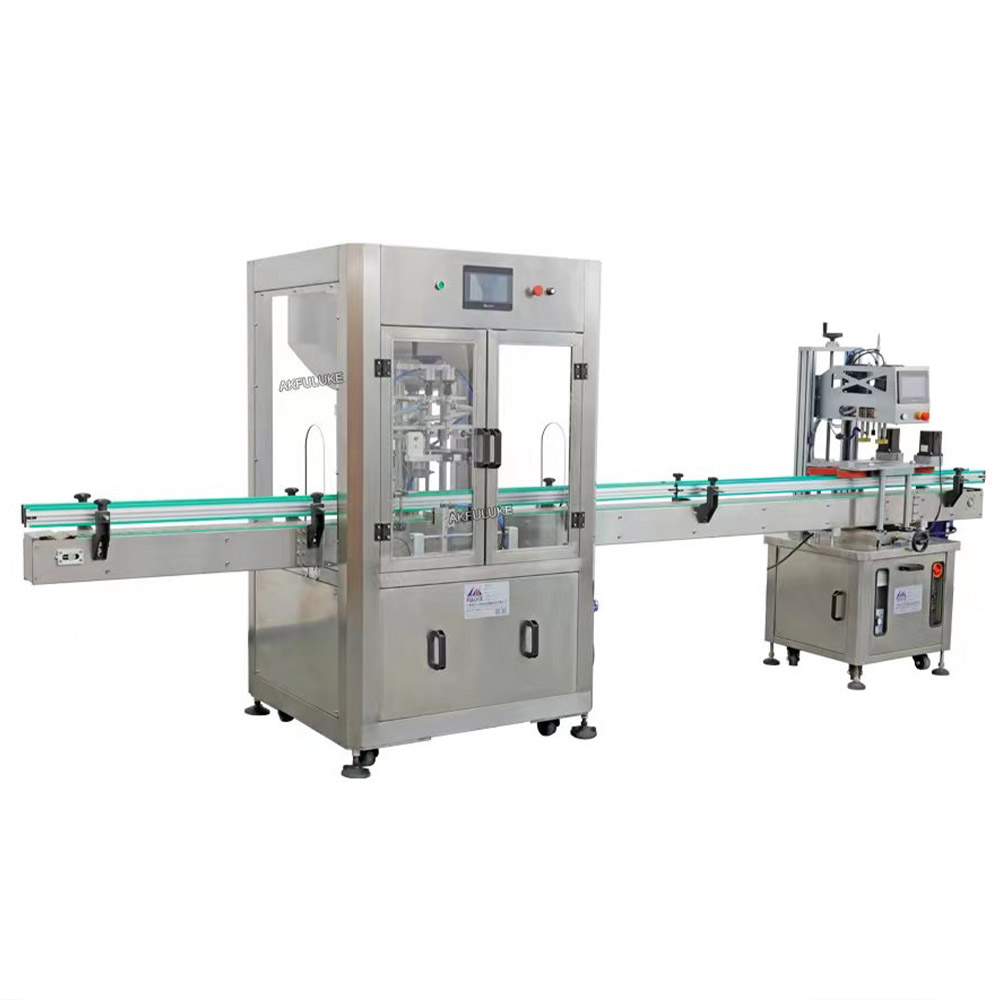
Choosing the right liquid filling machine is critical for manufacturers who need to ensure consistent fill volumes, reduce waste, and comply with regulatory standards. This guide covers core selection factors — accuracy, filling technology, container handling, materials of construction, control systems, and validation — and helps you compare options, evaluate ROI, and select a machine that matches your production needs. Whether you're filling low-viscosity lotions or thicker creams, understanding how machine design and components influence performance will let you make a cost-effective, future-proof purchase.
Key Criteria for Selecting a Liquid Filling Machine
1. Filling Accuracy and Precision Requirements
Accuracy is the single most important metric for a liquid filling machine. Precision affects product yields, customer satisfaction, and regulatory compliance. For high-value products like High Quality creams or pharmaceuticals, target a repeatability within ±0.5–1% of nominal volume where possible. Filling accuracy depends on:
- Filling mechanism (piston, peristaltic, gravity, time-pressure, or rotary piston).
- Viscosity and rheology of the product (shear-thinning lotions vs. Newtonian liquids).
- Nozzle design and anti-drip features.
- Stability of supply pressure and feed system.
For authoritative background on filling machines in general, see the Wikipedia overview of Filling machine.
2. Product Compatibility and Material Contact
Your chosen liquid filling machine must handle your product's physical properties without contamination or degradation. Key considerations:
- Material of contact parts: 316L or 304 stainless steel is standard for cosmetic and pharmaceutical use because of corrosion resistance and cleanability. See stainless steel properties for reference.
- Ability to process emulsions, suspensions, or shear-sensitive formulations without separation or foaming.
- Sealing and gaskets compatible with solvents and fragrances commonly found in cosmetics.
Our Automatic Filling Machine Quantitative Liquid Bottle Filling Machine High-precision cream and lotion filling machine is constructed with 316L/304 stainless steel contact components and designed to meet GMP requirements, making it suitable for a wide range of formulations.
3. Container Types and Line Flexibility
Consider the containers you will use now and in the future: glass, PET bottles, jars, tubes. A good liquid filling machine supports quick changeovers and adjustable guides or tooling. Features to look for:
- Universal or quick-change star wheels and nozzles for different neck sizes.
- Automated conveying and clamping to reduce manual handling and improve consistency.
- PLC-controlled recipes for fast parameter recall when switching SKUs.
Types of Filling Technologies and When to Use Them
1. Piston Fillers (Positive Displacement)
Piston fillers are excellent for high-precision filling of viscous liquids, creams, and lotions. They measure volume by stroke length and are highly repeatable. Advantages include:
- High accuracy and minimal foaming.
- Suitable for a wide viscosity range, from thin lotions to pastes.
- Easy to clean and CIP-capable when designed accordingly.
2. Peristaltic and Time-Pressure Fillers
Peristaltic pumps are sanitary and good for sensitive or shear-sensitive products; they avoid contact between pump internals and product (only tubing contacts the product). Time-pressure and gravity fillers are best for low-viscosity liquids like water-based serums.
- Peristaltic: gentle, easy to change flow rate by tubing profile.
- Time-pressure: cost-effective for simple liquids but less precise for variable viscosities.
3. Rotary and Inline Systems for High-Speed Lines
Rotary piston fillers and multi-head inline solutions scale well for higher throughput. They're commonly used in large cosmetic plants where dozens of bottles per minute are required. Consider these only after ensuring your product's viscosity and container handling needs are met.
Comparison Table: Common Filling Technologies
| Type | Typical Accuracy | Suitable For | Speed | Typical Applications |
|---|---|---|---|---|
| Piston (Positive Displacement) | ±0.5%–1% | High-viscosity creams, lotions, pastes | Medium | Cosmetics, pharmaceuticals, heavy creams |
| Peristaltic | ±1%–2% | Shear-sensitive, sanitary products | Low–Medium | Serums, labile formulations |
| Gravity / Time-Pressure | ±2%–5% | Low-viscosity liquids | Medium–High | Water-like cosmetics, food sauces |
| Rotary Multi-head | ±0.5%–1% | High-speed production for compatible viscosities | High | High-volume cosmetic lines, bottled products |
Installation, Validation, and Maintenance Best Practices
1. Site Preparation and Installation Requirements
Before delivery, verify floor loading, power supply, air supply (clean, dry), drainage, and headroom. Ensure utilities meet machine specs. Proper levelling and anchoring improve accuracy and reduce wear.
2. IQ/OQ/PQ and Regulatory Compliance
If you operate in regulated sectors (cosmetics with stringent claims, pharmaceuticals, or food), perform Installation Qualification (IQ), Operational Qualification (OQ), and Performance Qualification (PQ). Maintain traceable documentation and batch records. For GMP guidance, refer to the FDA documentation on CGMPs.
3. Preventive Maintenance and Cleaning
Establish a preventive maintenance schedule covering pump seals, valves, nozzles, and electrical components. Clean-in-place (CIP) or clean-out-of-place (COP) procedures should be validated to avoid cross-contamination. Use calibration routines to check volumetric accuracy monthly or per production batch, depending on product criticality.
Operational Considerations: Controls, Automation, and ROI
1. HMI, Recipes, and Line Integration
An intuitive touchscreen HMI reduces training time and changeover errors. Look for recipe management to store fill volumes, speeds, and nozzle heights for each SKU. PLC control with Ethernet/IP or OPC-UA makes integration with MES and SCADA simpler for traceability and Industry 4.0 readiness.
2. Throughput vs. Quality Trade-offs
High-speed filling reduces labor cost per unit but can compromise fill accuracy and create splashing/foaming if the product is not compatible with the filling technology. Run pilot trials to quantify rejects, overfill loss, and cycle time. Use pilot data to model ROI including reduced labor, material savings from lowered overfill, and time-to-market improvements.
3. Safety, Ergonomics, and Operator Efficiency
Choose machines with guarded moving parts, emergency stops, and ergonomic access for routine tasks. Automated conveying and capping reduce repetitive tasks and improve ergonomics. These changes lower workplace injuries and increase uptime.
Why Choose Our Automatic Filling Machine Quantitative Liquid Bottle Filling Machine
Product Overview
Automatic Filling Machine Quantitative Liquid Bottle Filling Machine High-precision cream and lotion filling machine
The automatic filling machine integrates automated conveying, precision filling, and intelligent control for packaging creams, lotions, and liquids. Suitable for a variety of containers, including glass and PET bottles, it can fill liquids, emulsions, and pastes with high precision.
Constructed with 316L/304 stainless steel contact components and compliant with GMP standards, it features a touchscreen interface for quick parameter adjustment and completes the entire process without manual intervention. Widely used in the cosmetics, food, daily chemical, pharmaceutical, and chemical industries, it helps companies reduce costs, increase efficiency, and ensure product standardization.
Brand Advantages and Differentiators
When evaluating suppliers, consider these differentiators that indicate a mature, sustainable vendor:
- Material and sanitary design: 316L/304 stainless steel contact parts and hygienic finishes for easy cleaning and corrosion resistance.
- GMP-aware engineering: design features and documentation that facilitate IQ/OQ/PQ and routine audits.
- Intelligent control: touchscreen HMI, multi-recipe storage, and PLC connectivity for line integration and data capture.
- Service and lifecycle support: responsive spare parts, calibration services, and training reduce downtime over the machine’s life.
Because the machine integrates automated conveying, precision filling, and intelligent control, it's a one-stop solution for companies looking to scale production while maintaining product consistency and regulatory compliance.
ROI Example
Here is a simplified ROI comparison between manual filling and an automated high-precision filler for a mid-size cosmetics line:
| Metric | Manual Filling | Automated High-Precision Filler |
|---|---|---|
| Throughput (bottles/hr) | 150 | 900 |
| Overfill Waste | ~3% of batch | ~0.8% of batch |
| Labor Required | 6 operators | 1 operator |
| Estimated Payback | N/A | 12–24 months (typical) |
This table is illustrative; use pilot trials with your formulation and containers for exact figures.
FAQ
Q: What filling accuracy can I expect from a high-precision cream and lotion filling machine?
A: High-precision piston or rotary fillers commonly achieve repeatability of ±0.5%–1% depending on product viscosity, nozzle design, and proper calibration. Regular calibration and validated CIP/COP procedures are essential to maintain accuracy.
Q: Is 316L stainless steel necessary for cosmetic production?
A: 316L is preferred for its increased corrosion resistance and easier cleaning characteristics, especially with products containing salts, acids, or certain solvents. Many regulatory frameworks and quality programs recommend 316L for contact parts; see stainless steel for material specifics.
Q: How do I validate a new filling line for cosmetic products?
A: Execute IQ/OQ/PQ protocols: confirm proper installation, verify operational parameters over the expected range, and demonstrate consistent performance under real production conditions. Maintain traceable calibration records and batch documentation to satisfy audits.
Q: Can the machine handle both glass and PET bottles without major modification?
A: Many modern machines offer quick-change tooling and adjustable guides to handle glass and PET with minimal downtime. Always verify with the vendor that the model supports the neck diameters, heights, and bottle shapes you plan to use.
Q: What supporting documentation should a reputable supplier provide?
A: Expect machine manuals, electrical and pneumatic diagrams, material certificates for contact parts (e.g., 316L/304), FAT/SAT reports, IQ/OQ templates, and maintenance guides. A strong supplier should also provide training and after-sales support.
If you have more specific requirements or want to schedule a demo or pilot trial, contact our sales team or view the full product page to request specifications and pricing.
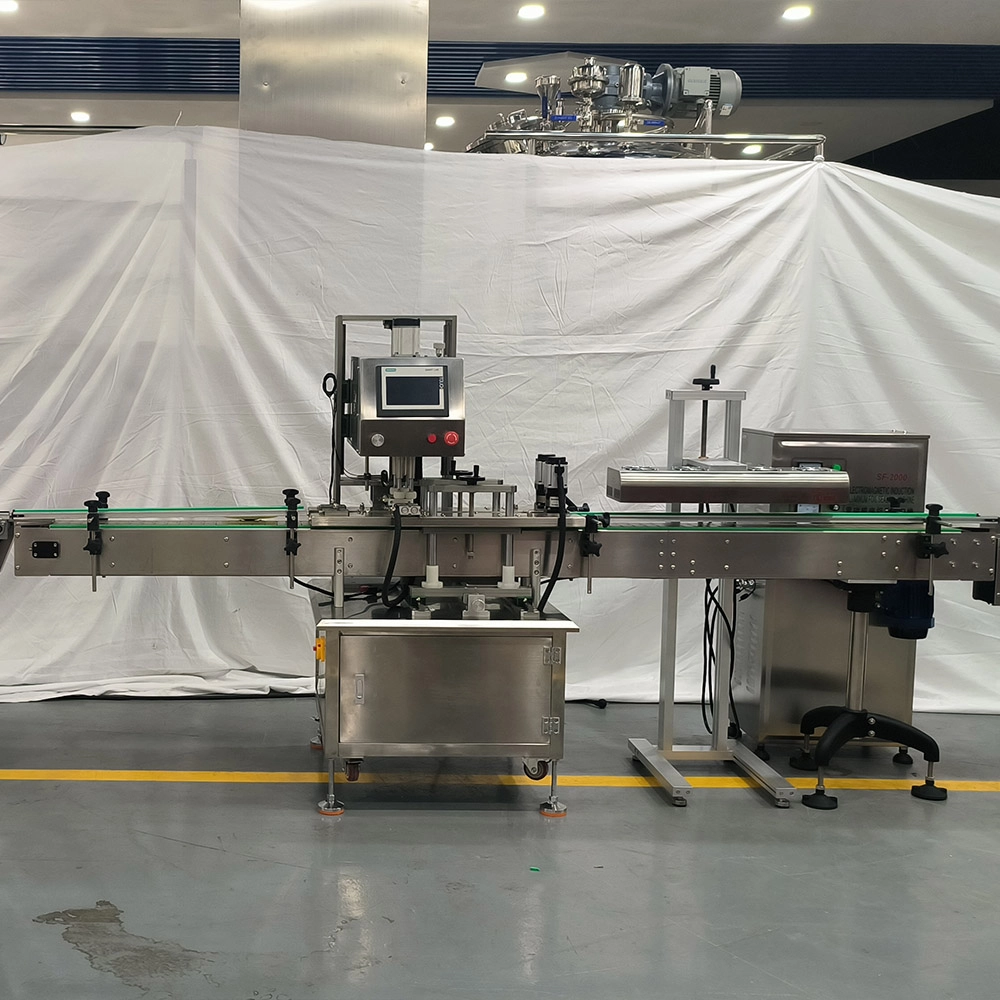
Integrating Automatic Filling Machines into Production Lines
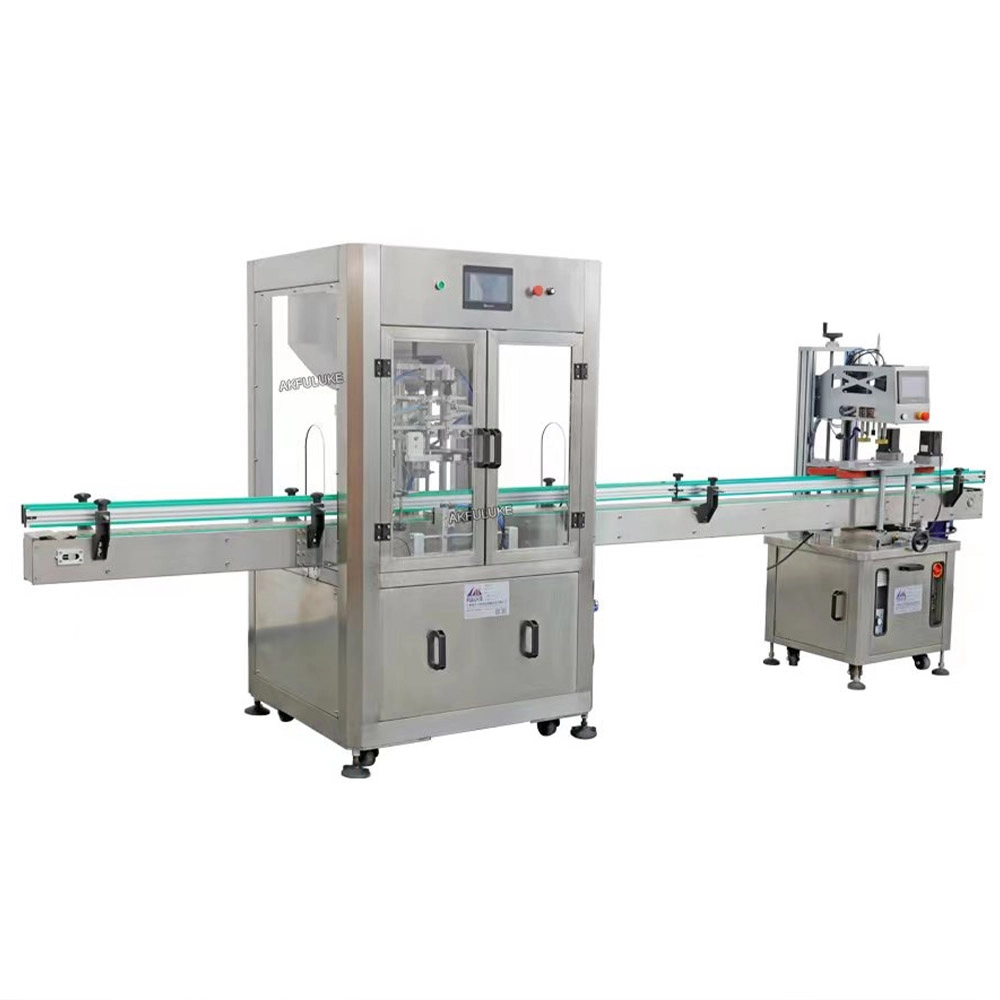
How to Validate Filling Accuracy for Regulatory Compliance
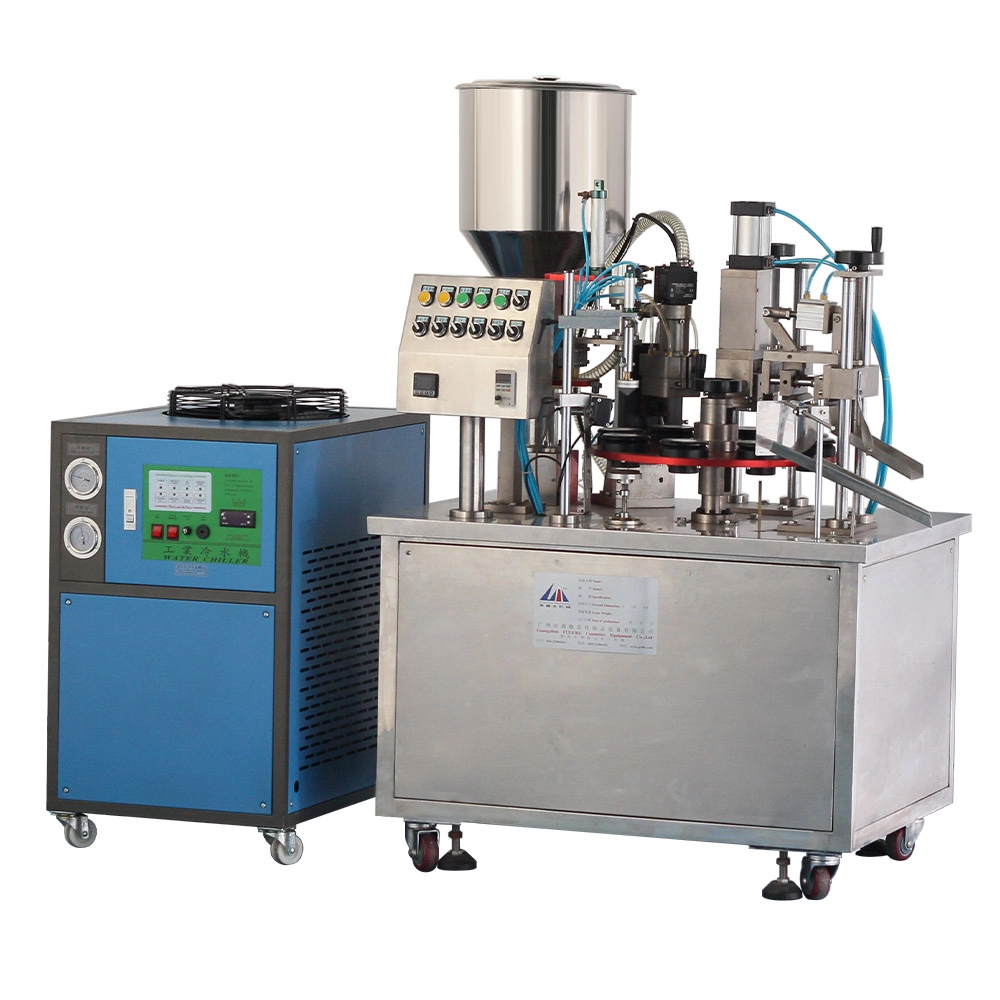
Sealing Integrity: Ensuring Quality in Toothpaste and Sunscreen Tubes
Top 10 vacuum emulsifying machine Manufacturers and Supplier Brands
Perfume Freezing Filter Making Machine
If the liquid is still turbid after filtration, what could be the cause?
Common causes include: ① Insufficient freezing (low temperature or too short a freezing time); ② Clogged filter element or overly large pore size; ③ Uneven material flow leading to insufficient localized condensation. Solution: Extend the freezing time, replace the 0.1μm precision filter element, check the pipes for blockage, and optimize flow control.
Sealed Homogenizing Mixing Tank
Can you customize the machine?
Of course, we provide customized services according to customer needs.
Automatic Labeling Machine
Can you make a design for us?
Yes, we can, we provide not only products, but also solutions and designs.
Perfume Filling Machine
Can you make a design for us?
Yes, we can, we provide not only products, but also solutions and designs.
Storage Tank
Can you customize the machine?
Of course, we provide customized services according to customer needs.
You May Also Like
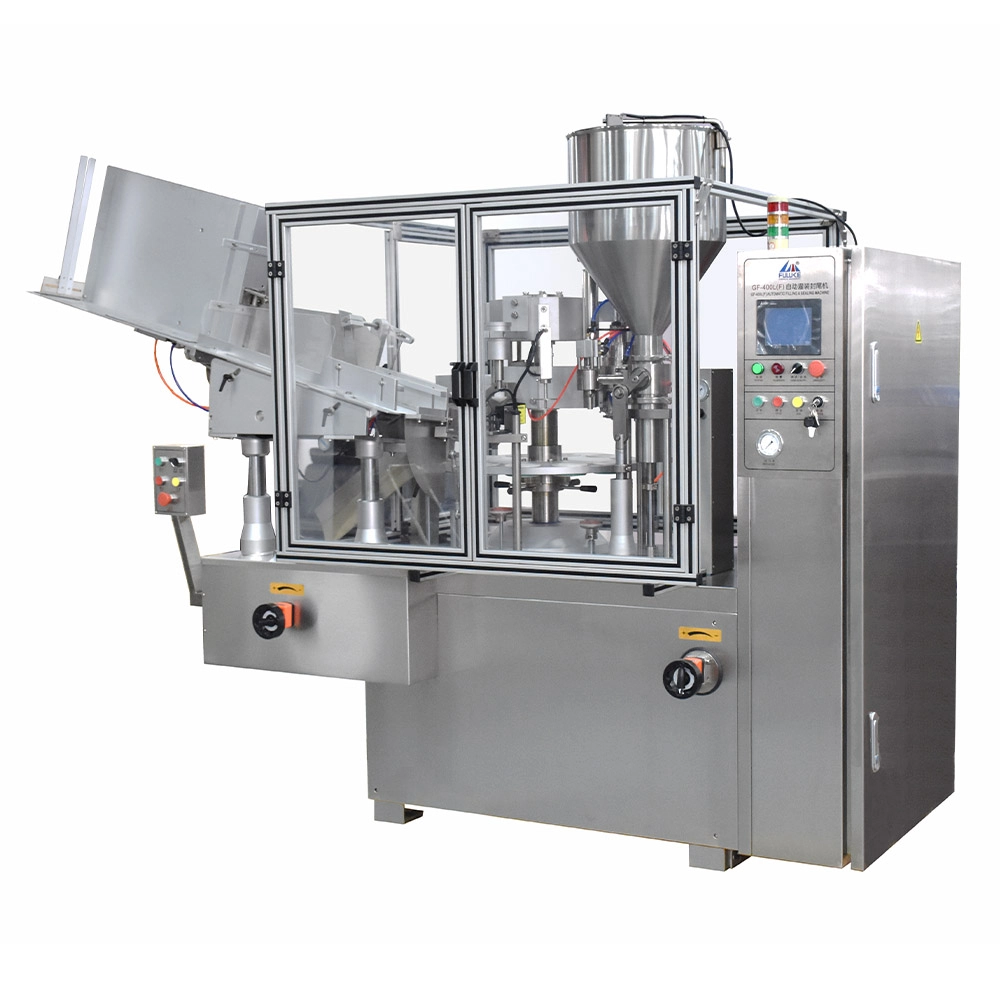
Automatic Tube Filling and Sealing Machine Toothpaste Sunscreen and Facial Cleanser Filling and Sealing Machine for Plastic and Aluminum-plastic Tube
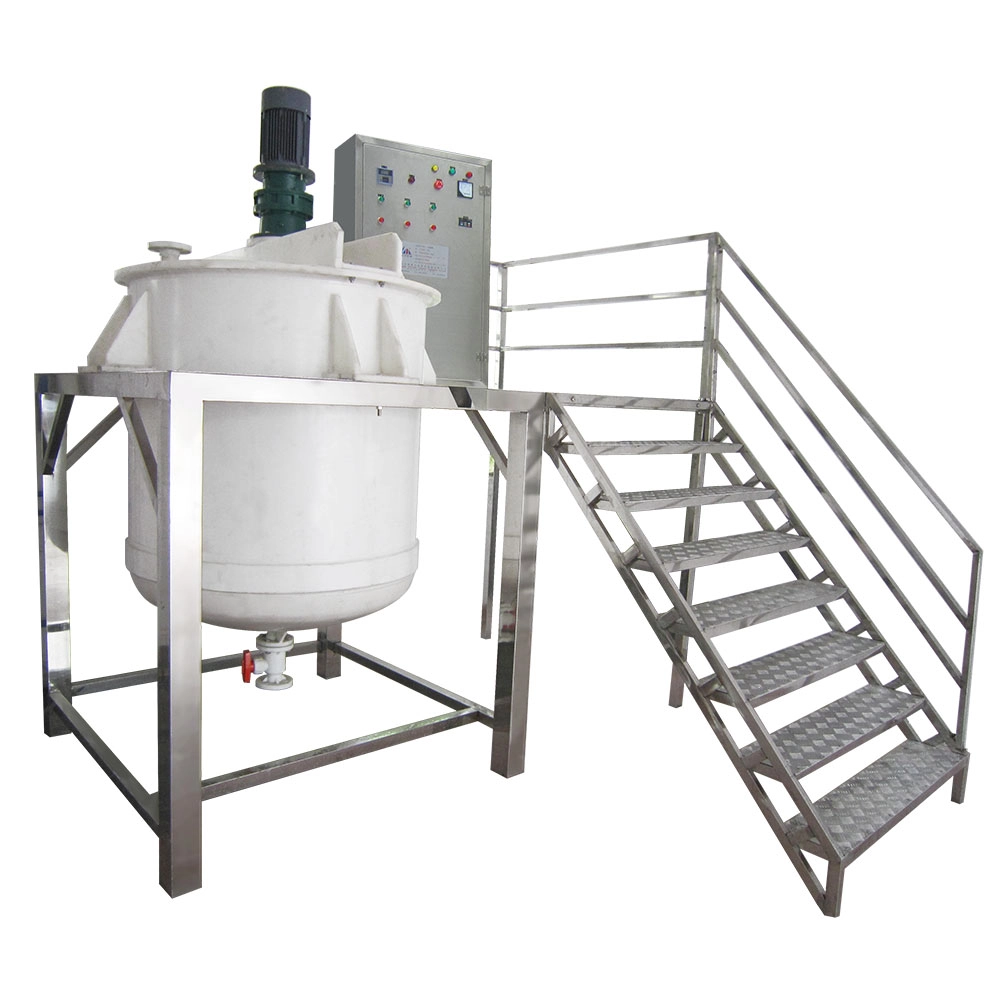
Polypropylene PP Mixing Tank Anti-Corrosion Mixer Reaction Kettle with Agitator Chemical Mixing Vessel
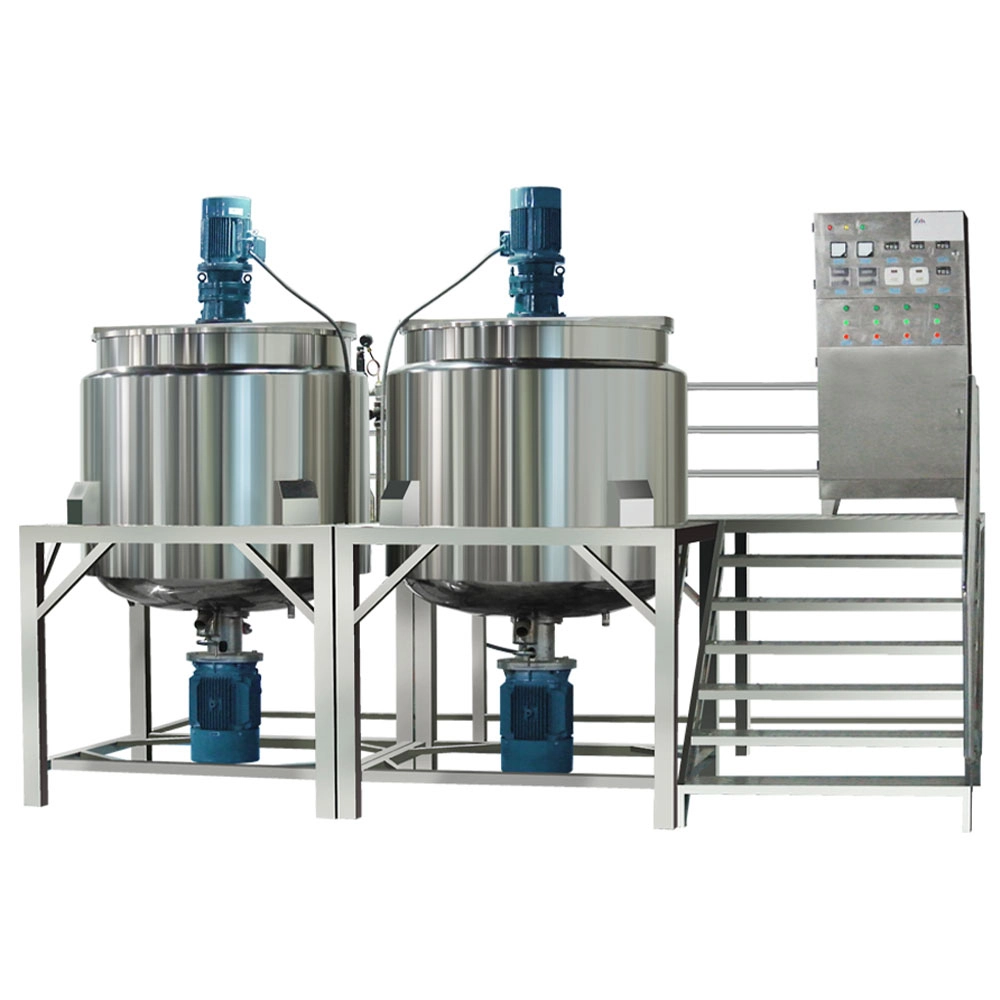
Flip Cover Multi-function Liquid Wash Mixing Tank Blender Liquid Detergent Mixer Homogenization Stirring Tank
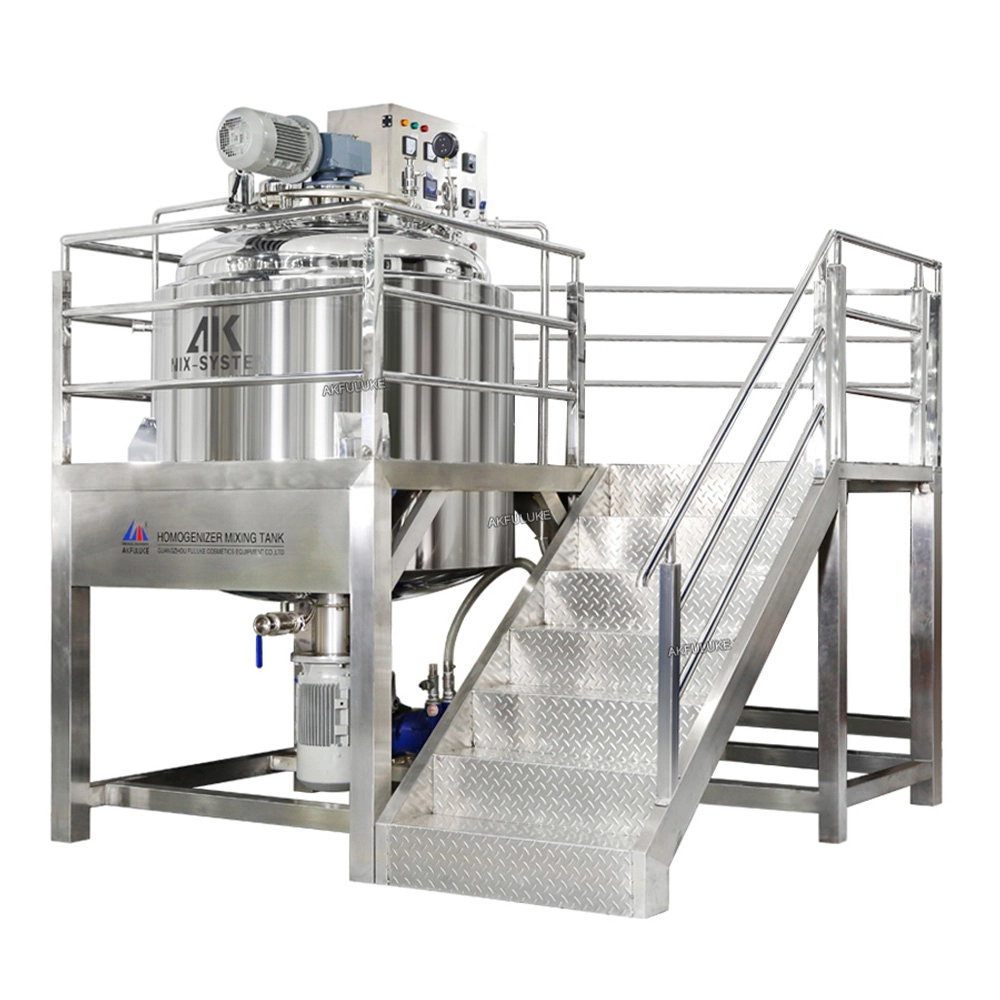
Stainless Steel Mixer Liquid Mixing tank with Agitator Homogenizing Mixing tank Vacuum Sealed Mixer Machine
Get in touch with FULUKE
If you have any comments or good suggestions, please leave us a message, later our professional staff will contact you as soon as possible.

A leading manufacturer specializing in advanced machinery and complete production lines for the cosmetics, food, pharmaceutical, and chemical industries worldwide.
Contact FULUKE
Facebook
Instagram
YouTube