
How to Choose the mixing tanks manufacturer and supplier ?
- How to Choose the mixing tanks Manufacturer and Supplier?
- Introduction: Why choosing the right mixing tanks manufacturer matters
- Understand your process requirements before contacting suppliers
- Material selection: stainless steel choices and why they matter
- Design standards and regulatory compliance you must confirm
- Mixing and emulsification technologies to evaluate
- Customization capability and engineering support from suppliers
- Factory audit checklist: what to inspect when visiting a mixing tanks manufacturer
- Testing and acceptance criteria you should require
- Total cost of ownership (TCO): beyond the purchase price
- After-sales service, spare parts and global support
- Lead time, project management and delivery milestones
- Quality assurance and certifications to request from suppliers
- Commercial terms: warranties, spare parts, and training
- Supplier comparison table: features to compare
- Sample technical specification checklist to send suppliers
- keywords and procurement language to use
- Case example: what a robust supplier proposal includes
- How FULUKE supports customers selecting mixing tanks
- Red flags when evaluating mixing tanks suppliers
- Negotiation tips to secure the best supplier agreement
- Conclusion: a practical procurement roadmap
- Frequently Asked Questions
How to Choose the mixing tanks Manufacturer and Supplier?
Introduction: Why choosing the right mixing tanks manufacturer matters
Selecting the right mixing tanks manufacturer and supplier is a business decision with direct impact on product quality, production uptime, regulatory compliance, and total cost of ownership (TCO). Whether you produce creams, lotions, sauces, or pharmaceutical suspensions, a reliable mixing tanks supplier helps ensure consistent batches, hygienic design, and scalable production. In this guide you will find a practical checklist and actionable steps to evaluate manufacturers and suppliers of mixing tanks, with emphasis on mixing tanks for cosmetics where vacuum emulsifying mixers and hygienic finishes are essential.
Understand your process requirements before contacting suppliers
Before you approach any mixing tanks manufacturer or mixing tanks supplier, document your process: batch size, product viscosity, temperature range, heating/cooling needs, required shear (homogenization), and cleaning protocols (CIP/SIP). These process parameters determine the tank volume, impeller type, motor power, jacket design, and material selection. Clear technical requirements save time and produce more accurate quotes from prospective mixing tanks manufacturers.
Material selection: stainless steel choices and why they matter
For cosmetic, food, and pharmaceutical mixing tanks, stainless steel is the standard material. Typical choices are SS304 and SS316L. SS316L provides superior corrosion resistance to chlorides and certain acids and is often preferred when product stability and long-term hygiene matter. Ask prospective mixing tanks suppliers which stainless grades they use, and whether welds are ground and passivated to remove surface contaminants.
Design standards and regulatory compliance you must confirm
Verify that the manufacturer follows applicable hygiene and pressure/structure standards. For cosmetics, ISO 22716 (cosmetic Good Manufacturing Practices) is the industry guideline for manufacturing hygiene. For food and pharma, hygienic design guidance from EHEDG and pressure vessel codes such as ASME may apply. A reputable mixing tanks supplier will provide documentation demonstrating compliance, such as material certificates (e.g., EN 10204 3.1), welding procedure specifications, and surface finish measurements.
Mixing and emulsification technologies to evaluate
Different products require different mixing technologies. Low-shear anchors and propellers work for low-viscosity liquids; high-viscosity creams may need planetary mixers or sigma blades. Vacuum emulsifying mixers and high-pressure homogenizers are essential for stable emulsions in cosmetics. When evaluating mixing tanks manufacturers, request demonstration data or trial runs showing droplet size distribution, batch reproducibility, and heating/cooling performance for products similar to yours.
Customization capability and engineering support from suppliers
Commercially-driven suppliers often provide off-the-shelf mixing tanks, but your process may need a custom jacket, specialized impeller, vacuum system, or automation integration. Ask whether the mixing tanks manufacturer has in-house engineering, 3D CAD, CNC machining, and electrical control expertise. A supplier that integrates engineering design and automation reduces engineering hours and mitigates integration risks when installing mixing tanks into your production line.
Factory audit checklist: what to inspect when visiting a mixing tanks manufacturer
When you visit a supplier’s factory, focus on welding quality, surface finish inspection, test procedures, and assembly practices. Check for a quality management system (ISO 9001), documented FAT (Factory Acceptance Test) protocols, and an organized spare-parts warehouse. A supplier that offers FAT for mixing tanks and a full commissioning plan demonstrates a higher level of reliability and commercial readiness.
Testing and acceptance criteria you should require
Include specific acceptance tests in contracts: dimensional checks, surface finish Ra value (e.g., Ra ≤ 0.8 μm for product-contact surfaces where required), pressure and leak tests for jackets and vacuum vessels, motor and speed verification, and CIP trials. For emulsions, require a sample batch with analytical data (viscosity, droplet size distribution, pH, stability) to validate that the mixing tanks and emulsifying system meet your product specs.
Total cost of ownership (TCO): beyond the purchase price
Evaluate costs beyond the initial quotation. Consider energy consumption (motor efficiency and heating/cooling design), maintenance intervals, spare part availability, expected component lifetime (seals, bearings, homogenizer heads), and service contract fees. A lower upfront price from a mixing tanks supplier could mean higher lifetime costs due to poorer insulation, less-efficient motors, or inferior seals.
After-sales service, spare parts and global support
Reliable after-sales service shortens downtime. Check whether the mixing tanks manufacturer provides technician training, local spare-part warehouses, remote troubleshooting, and documented MTTR (mean time to repair) commitments. Manufacturers with global service networks or authorized local partners are especially valuable if you manufacture in multiple countries.
Lead time, project management and delivery milestones
Commercial production schedules are sensitive to equipment lead time. Ask suppliers for a project timeline that includes design approval, component procurement, FAT, shipping, installation, SAT (site acceptance test), and training. Insist on milestone-based payments tied to deliverables; this aligns supplier performance with your project schedule.
Quality assurance and certifications to request from suppliers
Ask for ISO 9001 certification, material traceability (e.g., EN 10204 3.1 certificates), welding qualifications (e.g., WPS/PQR), and calibration certificates for installed sensors. For cosmetics and pharmaceutical plants, confirm the supplier understands and supports ISO 22716 and relevant local regulatory expectations. Documentation builds confidence that the mixing tanks manufacturer follows repeatable quality processes.
Commercial terms: warranties, spare parts, and training
Negotiate warranties that cover workmanship, materials, and performance for a defined period. Confirm spare-part lead times and whether the supplier bundles a spare-parts kit. Ask for onsite commissioning and operator/maintenance training as part of the contract, ideally with training materials and maintenance checklists for the delivered mixing tanks.
Supplier comparison table: features to compare
| Criteria | FULUKE (example) | Generic Local Supplier | Offshore OEM |
|---|---|---|---|
| Experience | 30+ years in cosmetic equipment; vacuum emulsifying mixers | 5–15 years, limited product range | 10–20 years, variable QA |
| Engineering & customization | In-house design, CNC machining, automation integration | Minor customizations | Custom, but remote engineering support |
| Compliance & docs | Provides material certs, FAT, supports GMP/ISO | Basic certificates | Certificates vary by order |
| After-sales & service | Global technical support, commissioning, spare kits | Local support only | Remote support, longer spare lead times |
| Price vs TCO | Competitive price + focus on TCO | Lower price, higher maintenance risk | Lowest price, longer shipping |
Sample technical specification checklist to send suppliers
Provide a clear technical RFQ with these items: required batch volume (L), maximum product viscosity (mPa·s), operating temperature range (°C), heating/cooling method, CIP/SIP needs, vacuum level (mbar), required homogenizer specs (if any), motor speed range, material grade (SS304/SS316L), and target delivery date. This helps the mixing tanks manufacturer give precise proposals and reduces change orders.
keywords and procurement language to use
When communicating with suppliers, use procurement-focused phrases: FAT and SAT included, material traceability EN 10204 3.1, CIP validation support, performance warranty for X months, and spare parts kit availability. These terms make expectations explicit and make supplier proposals easier to compare across quotes for mixing tanks.
Case example: what a robust supplier proposal includes
A high-quality proposal from a mixing tanks manufacturer should include: equipment drawings, a detailed bill of materials, material certificates, FAT procedure, performance guarantees, installation and commissioning plan, training plan, spare parts list, warranty terms, and an itemized quotation including shipping and duties. Evaluating proposals against this template lets you compare suppliers on equal terms.
How FULUKE supports customers selecting mixing tanks
FULUKE (Guangzhou Fuluke Cosmetic Equipment Co., Ltd.) combines over 30 years of cosmetic equipment experience with integrated engineering, precision machining, automation control, and strict quality management. FULUKE offers vacuum emulsifying mixers, mixing tanks, and turnkey packaging lines designed to meet GMP and international hygiene standards, with FAT, commissioning, and global technical support to reduce implementation risk and support scalable production.
Red flags when evaluating mixing tanks suppliers
Watch for these warning signs: inability to provide material certificates, vague FAT procedures, no demonstrable hygienic design experience, missing after-sales support plan, or refusal to allow a FAT with your product. These are common causes of delays and product-quality issues after installation.
Negotiation tips to secure the best supplier agreement
Negotiate on deliverables (FAT results, delivery milestones), include penalties for missed dates, request training and spare parts in the base contract, and ask for extended performance guarantees on critical items like homogenizers and seals. Clear payment terms tied to milestones reduce financial risk while incentivizing supplier performance.
Conclusion: a practical procurement roadmap
To choose the right mixing tanks manufacturer and supplier, prepare a detailed RFQ, evaluate hygiene and material credentials, require FAT and validation data, compare TCO rather than just price, and confirm after-sales and spare-part support. Using a structured checklist and standardized acceptance tests will help you select a supplier who delivers consistency, compliance, and long-term value for your mixing tanks.
References
- ISO 22716 - Cosmetics — Good Manufacturing Practices (GMP) — Guidance on Good Manufacturing Practices, International Organization for Standardization. Accessed June 2024. https://www.iso.org/standard/36437.
- EHEDG — European Hygienic Engineering & Design Group, guidance on hygienic equipment design. Accessed June 2024. https://www.ehedg.org/
- ASME — American Society of Mechanical Engineers (pressure vessel and mechanical standards). Accessed June 2024. https://www.asme.org/
- FDA Cosmetics — U.S. Food & Drug Administration, Cosmetics Overview. Accessed June 2024. https://www.fda.gov/cosmetics
- Material guidance on stainless steel grades and uses (SS304 vs SS316L), Outokumpu technical resources. Accessed June 2024. https://www.outokumpu.com/
Frequently Asked Questions
What documentation should I always request from a mixing tanks manufacturer?Always request material certificates (e.g., EN 10204 3.1), welding qualifications (WPS/PQR), FAT procedure, dimensional drawings, surface finish measurements for product-contact surfaces, and a commissioning plan including SAT and operator training.
How do I validate that a mixing tank meets hygienic design requirements?Run a FAT that includes CIP trials and visual inspection of welds and seals. Require surface finish Ra values where relevant and verify that all product-contact parts are accessible for cleaning. Request third-party or in-house hygienic design attestations if needed.
Is SS304 acceptable for cosmetic mixing tanks, or should I insist on SS316L?SS304 is acceptable for many cosmetic applications, but SS316L is recommended when increased corrosion resistance is needed (e.g., products with salts, acids, or long-term storage). Decide based on product formulation and cleaning chemicals used.
What is the difference between FAT and SAT, and why both matter?FAT (Factory Acceptance Test) is performed at the supplier’s site to verify equipment meets agreed specifications before shipment. SAT (Site Acceptance Test) is done after installation to confirm performance in your production environment. FAT reduces on-site surprises; SAT verifies integration with utilities and production lines.
How should I evaluate the long-term cost of a mixing tank beyond purchase price?Assess energy use, maintenance intervals, spare part lead times and costs, expected lifetime of consumables (seals, homogenizer parts), downtime risk, and availability of service. Request historical data or references from suppliers to estimate maintenance needs.
Can suppliers run trials with my formulation before purchase?Many reputable mixing tanks manufacturers, especially those focused on cosmetics and pharma, offer pilot trials or lab-scale testing to validate mixing, emulsification, and scale-up. Include trial requirements in RFQs to ensure your product performance is verified before full-scale purchase.
How long does it typically take from order to delivery for custom mixing tanks?Lead time varies by customization, materials, and supplier workload. Typical lead times range from 8 to 20 weeks for custom mixing tanks with integration and FAT. Confirm project milestones in the contract to lock timelines.
What happens if a delivered mixing tank fails performance tests onsite?Include acceptance criteria and remediation clauses in your contract. The supplier should be responsible for adjustments, repairs, or replacement to meet the agreed specifications, with clear timelines and costs covered by warranty terms.
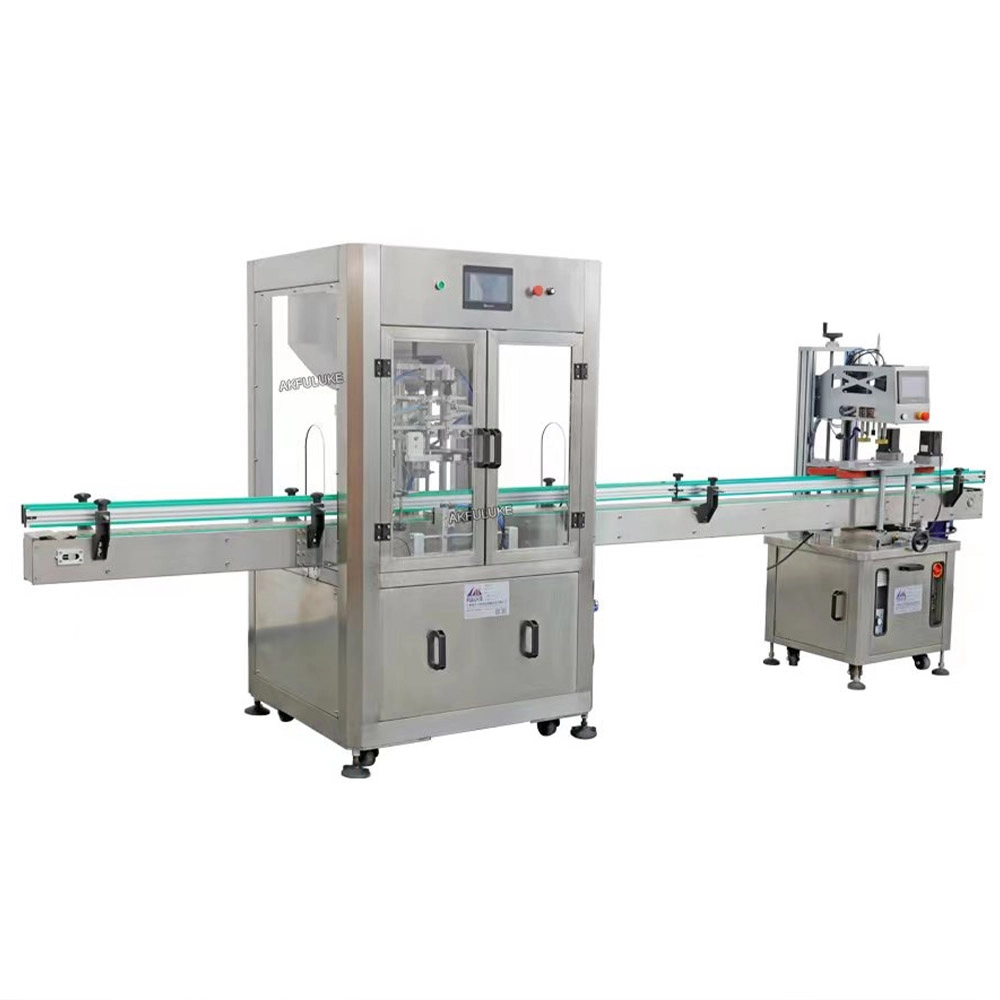
Choosing Conveyor and Starwheel Systems for Bottle Handling
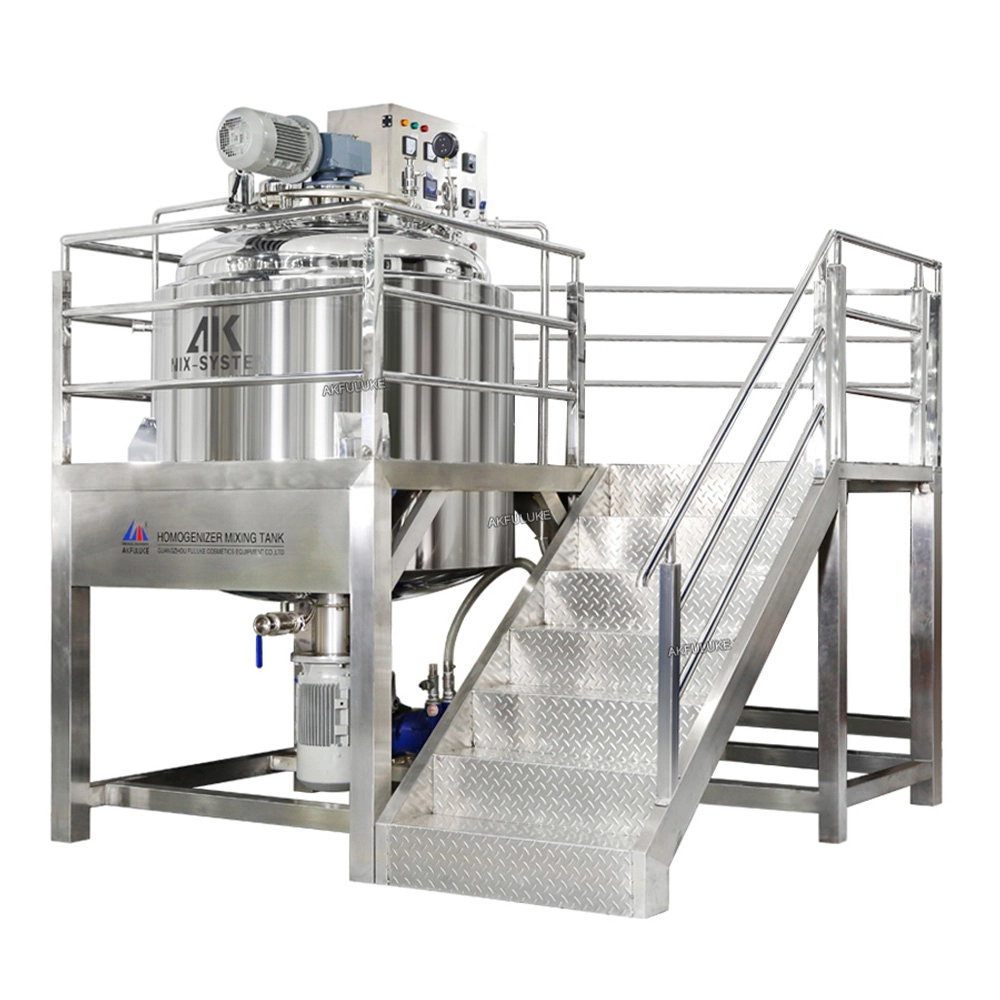
Integrating Mixing Tanks into Automated Production Lines
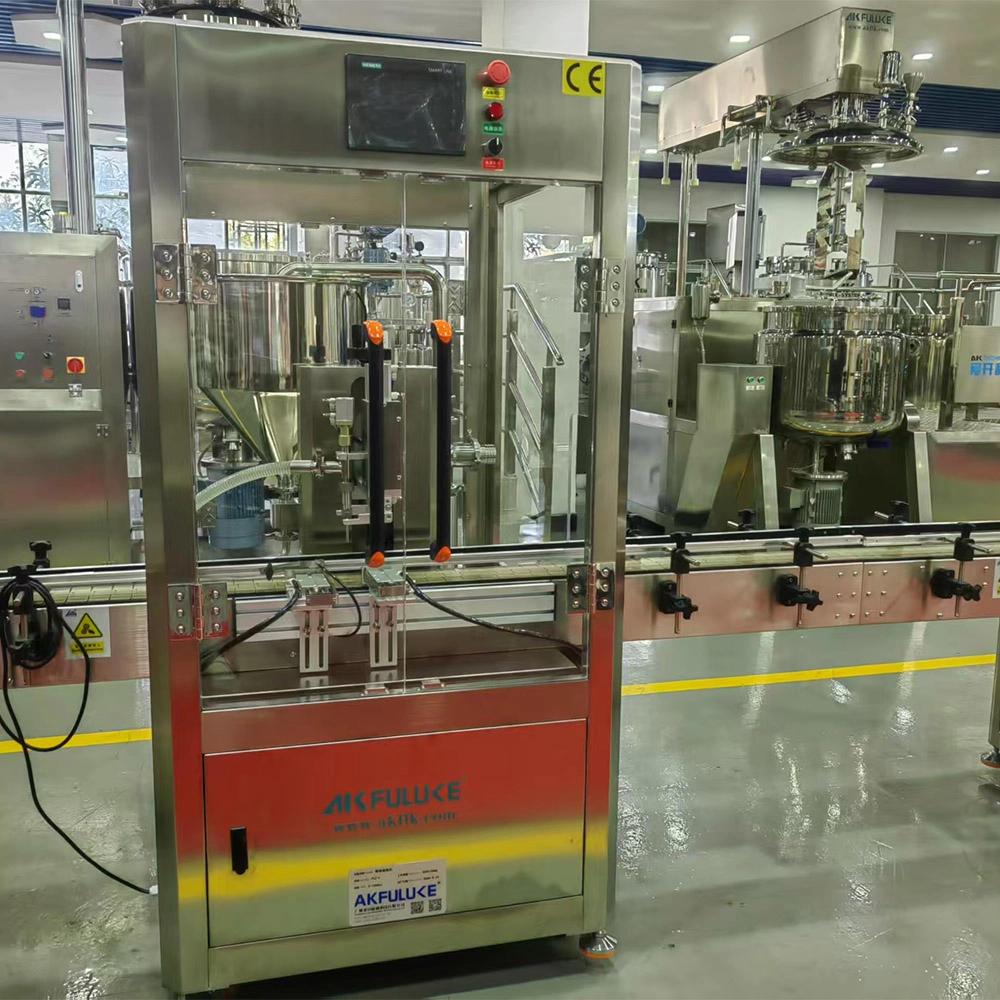
Training Staff to Operate High-Precision Fillers
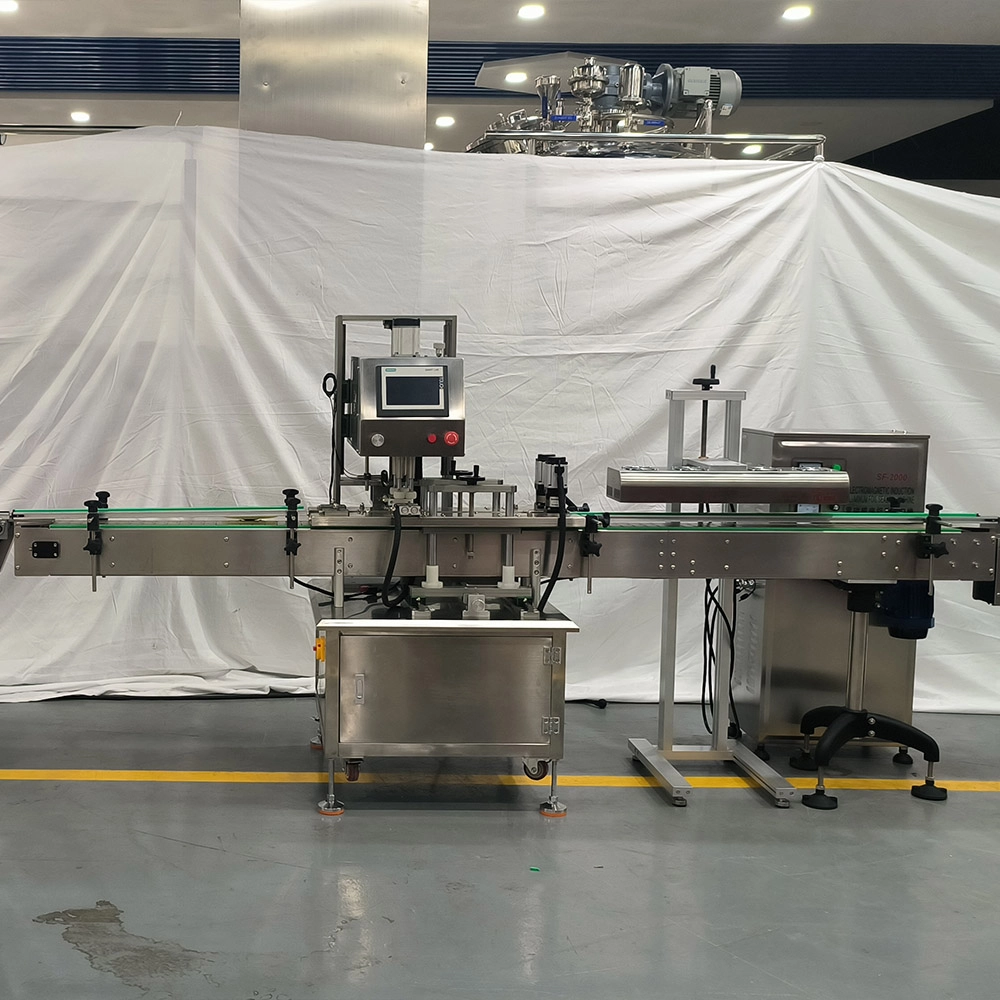
Top Features Buyers Need in Automatic Lotion Filling Machines
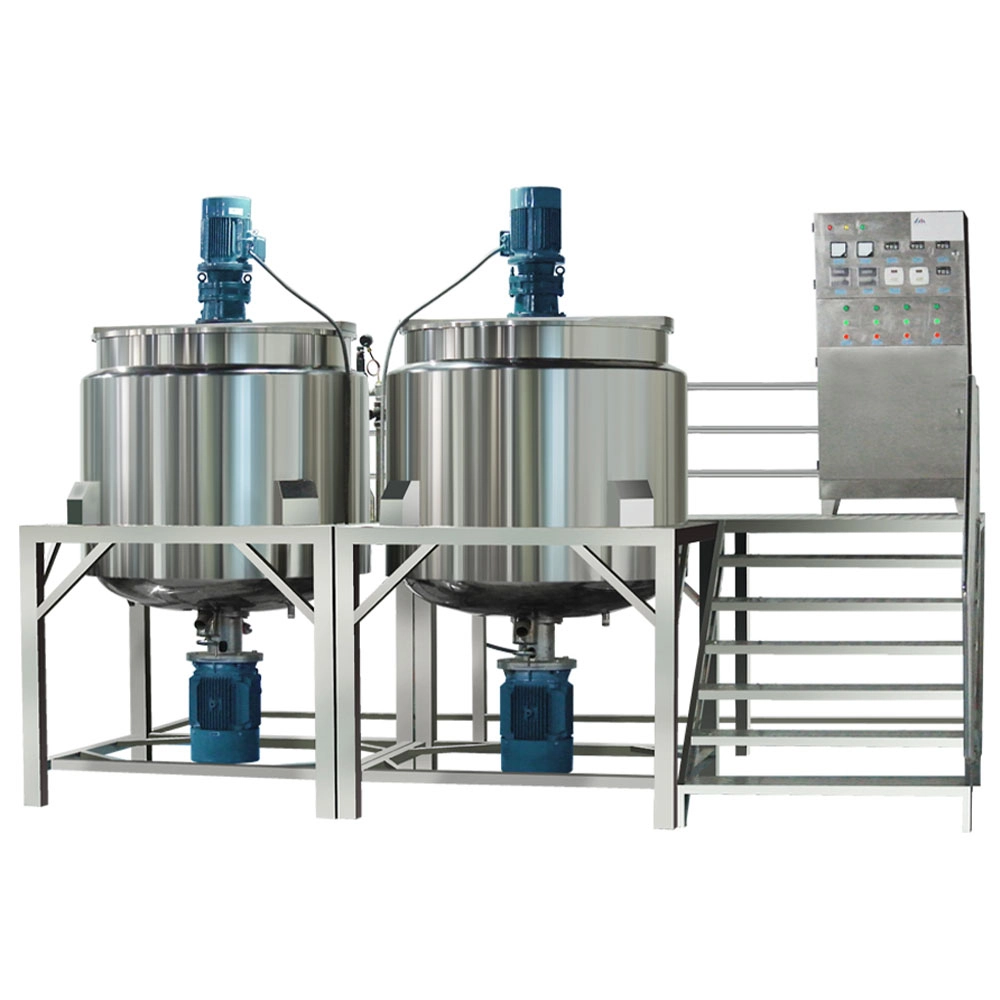
The Flip Cover Liquid Wash Mixing Homogenizing Tank
Is it possible to not have a heating function?
Of course, if your product's production process doesn't require heating and cooling functions, then you can just make it a single-layer pot.
Vacuum Emulsifying Machine
Is it possible not to configure the oil and water pot?
Of course, if you have other containers to pre-treat and heat the materials, then you only need to configure an emulsifying pot.
What industries is the vacuum emulsifier suitable for?
It is widely applicable to the production needs of creams, lotions, gels, ointments, etc. in the cosmetics, pharmaceutical, food, chemical and other industries.
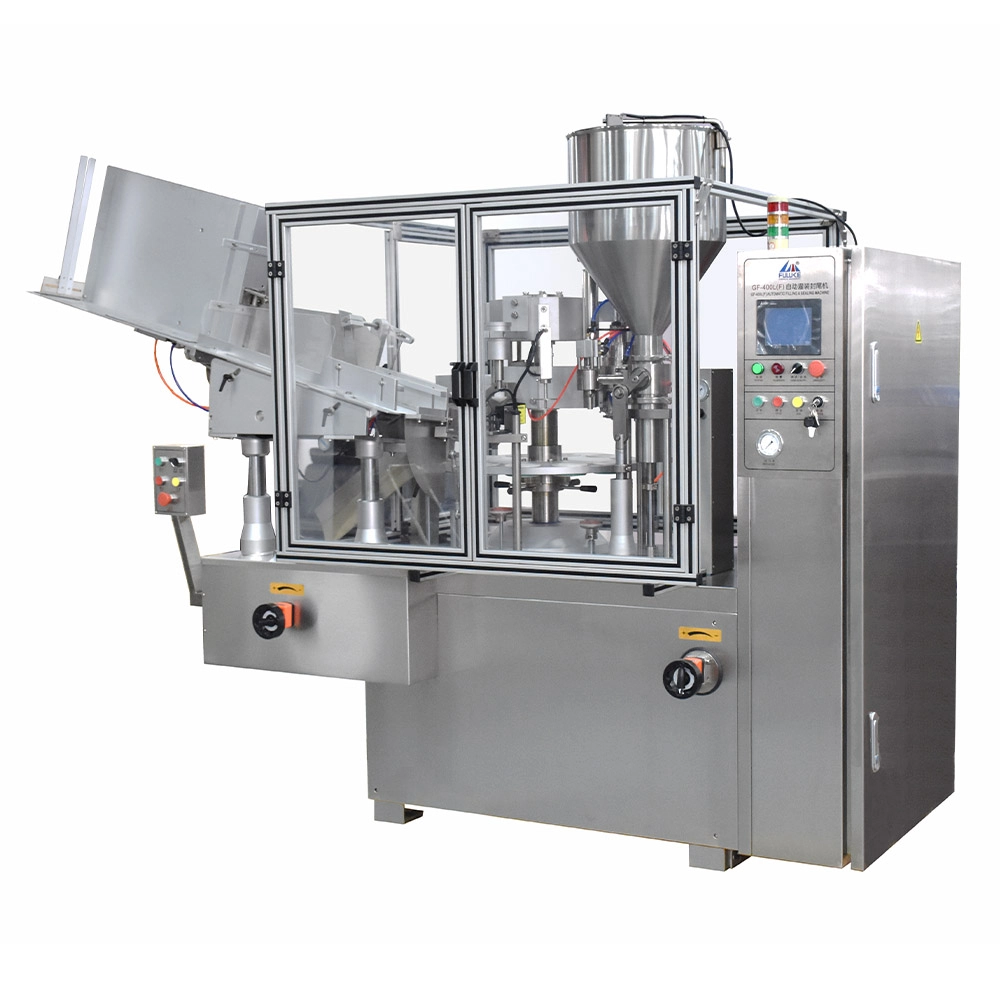
Automatic Tube Filling and Sealing Machine
Can the device accommodate tubes of different materials and specifications?
Yes. The device supports plastic (PE, PP) and aluminum-plastic composite hoses. The compatible hose diameter range is typically Φ10-Φ60mm (customizable to user specifications), and the capacity range is 2.5ml-400ml. By replacing specialized molds (such as cylinders and filling heads), the device can be adapted to meet different filling volumes, providing flexible adaptability.
Automatic Capping Machine
What types of bottle caps and bottles does the automatic capping machine support?
Mainstream models are compatible with screw caps, duckbill caps, pump caps, spray caps, and other threaded caps. They are also suitable for round, square, and oval bottles made of glass, PET, and HDPE.
You May Also Like
Automatic Tube Filling and Sealing Machine Toothpaste Sunscreen and Facial Cleanser Filling and Sealing Machine for Plastic and Aluminum-plastic Tube
Polypropylene PP Mixing Tank Anti-Corrosion Mixer Reaction Kettle with Agitator Chemical Mixing Vessel
Flip Cover Multi-function Liquid Wash Mixing Tank Blender Liquid Detergent Mixer Homogenization Stirring Tank
Stainless Steel Mixer Liquid Mixing tank with Agitator Homogenizing Mixing tank Vacuum Sealed Mixer Machine
Get in touch with FULUKE
If you have any comments or good suggestions, please leave us a message, later our professional staff will contact you as soon as possible.

A leading manufacturer specializing in advanced machinery and complete production lines for the cosmetics, food, pharmaceutical, and chemical industries worldwide.
Contact FULUKE
Facebook
Instagram
YouTube