
How to Choose the perfume making machine manufacturer and supplier ?
- Why choosing the right perfume making machine manufacturer matters
- Understand your production needs before contacting suppliers
- Key technical features to demand from a perfume making machine
- Material and surface finish
- Mixing and homogenization capability
- Temperature and vacuum control
- Filtration and particle control
- Automation and traceability
- Compare manufacturers on objective criteria
- Typical perfume making machine types and where they fit
- Certifications, hygiene and regulatory compliance
- Customization, engineering design and turnkey capability
- After-sales support, spare parts and remote services
- Evaluating cost: price vs total cost of ownership
- Factory visits, references and acceptance testing
- How to shortlist and run supplier evaluations (practical checklist)
- Why an experienced partner like FULUKE can shorten your path to scale
- Common pitfalls and how to avoid them
- Conclusion: a balanced, evidence-driven supplier selection
- Sources and further reading
- Frequently asked questions
Why choosing the right perfume making machine manufacturer matters
Choosing the right perfume making machine manufacturer and supplier directly affects product consistency, regulatory compliance, production efficiency, and long-term costs. A poor choice can lead to contamination risks, unstable fragrance batches, frequent downtime, or costly retrofits. Conversely, a reputable machinery partner helps you scale production, meet hygiene standards, and achieve predictable yields—especially important in a competitive fragrance market where time-to-market and repeatable scents matter.
Understand your production needs before contacting suppliers
Before you evaluate manufacturers, map your production reality and growth plan. This saves time and ensures suppliers propose the right equipment. Key parameters include:
- Target annual production volume and batch sizes (lab, pilot, full production)
- Product forms: alcohol-based perfumes, oil-based perfumes, eau de parfum, eau de toilette, body mists
- Required process steps: mixing, maceration, filtration, blending, degassing, filling, capping
- Production environment requirements: GMP, cleanroom classes, explosive atmospheres (ATEX) for alcohol-handling
- Integration needs: connection to existing filling lines, MES/ERP for traceability
Documenting these needs will help you get accurate proposals and avoid costly overspecification.
Key technical features to demand from a perfume making machine
When evaluating machinery for fragrance production, focus on features that impact product quality and safety:
Material and surface finish
Food- and cosmetic-grade materials such as 316L stainless steel and high-sheen internal finishes (Ra <0.8 μm where required) reduce contamination and simplify cleaning. Ask for material certificates and welding traceability.
Mixing and homogenization capability
Perfume blends often need low-shear mixing for delicate aromatic compounds, and occasional high-shear homogenization for emulsified or solubilized products. Ensure the machine offers adjustable shear, payload balance, and variable-speed control.
Temperature and vacuum control
Precise temperature control and vacuum degassing are critical for removing air and preserving volatile aromatic notes. Verify the temperature range, PID control stability, and vacuum levels the system can achieve.
Filtration and particle control
Inline filtration options (mesh or membrane) and CIP (clean-in-place) compatibility help maintain product clarity and reduce cross-contamination risk.
Automation and traceability
Modern perfume making lines should support PLC/HMI controls, recipe storage, batch number printing, and optional MES integration to enable traceability and minimize operator error.
Compare manufacturers on objective criteria
Not all suppliers are equal. Use this comparison table to score potential partners across the most important categories.
| Evaluation criterion | What to ask | Why it matters |
|---|---|---|
| Experience in fragrance/cosmetics | Years in industry, references for perfume or cosmetic houses | Reduces risk; experience with volatility and fragrance stability |
| Certifications & standards | ISO 9001, GMP compliance, sanitary design documentation | Ensures quality systems and regulatory alignment |
| Materials & fabrication | 316/316L stainless steel, surface polish, traceable welds | Crucial for hygiene and cleaning performance |
| Customization & engineering support | Ability to adapt designs, offer turnkey lines, R&D support | Aligns equipment to your unique formulations and layout |
| After-sales service | Spare parts lead times, service contracts, remote support | Downtime reduction and predictable OPEX |
| Price & total cost of ownership (TCO) | Initial price, expected energy use, maintenance frequency | Low purchase price can hide higher lifetime costs |
Typical perfume making machine types and where they fit
Understanding machine categories helps you match supplier offerings to your process. Below is a simplified table of common machines used in perfume production with typical capacity ranges and core uses.
| Machine type | Typical capacity range | Main uses |
|---|---|---|
| Lab & pilot mixers | 1–50 L | R&D, small-batch prototypes, stability testing |
| Vacuum emulsifying mixers | 50–3000 L | Maceration, blending, degassing, homogenization |
| High-shear homogenizers | 50–2000 L | Create stable emulsions or solubilize hydrophobic notes |
| Inline mixers & static mixers | Flow-based, from 10 L/h to several m3/h | Continuous blending for high-throughput lines |
| Filling, capping & labeling lines | From 20 to 5000+ containers/hour | Accurate dosing of volatile liquids, sealing, labeling |
Certifications, hygiene and regulatory compliance
Perfume manufacturing intersects cosmetic regulations and hygiene standards. Verify that your supplier understands and can document compliance with the following:
- Good Manufacturing Practices (GMP) for cosmetics and guidance for building hygienic production systems
- ISO 9001 quality management systems for consistent delivery
- Local cosmetics regulations (for example, EU Cosmetics Regulation EC No 1223/2009 for selling in the EU)
- Material certifications (e.g., 316L stainless steel certificates, surface finish reports)
Ask manufacturers for documentation, sanitation validation reports, and case studies demonstrating compliance in real production environments.
Customization, engineering design and turnkey capability
Your ideal supplier should offer more than off-the-shelf tanks. Look for manufacturers that provide:
- Process engineering to adapt equipment to your formulas and cycle times
- Layout and utility design (power, steam, chilled water, compressed air, vacuum)
- Controls integration (PLC recipes, HMI, MES-ready interfaces)
- Turnkey project management—if you prefer a single supplier for mixing, homogenizing, filling and packaging
FULUKE (Guangzhou Fuluke Cosmetic Equipment Co., Ltd.) brings over 30 years of experience delivering customized vacuum emulsifying mixers, filling and sealing machines, and turnkey packaging lines—making them an option to consider if you need end-to-end solutions from engineering to commissioning.
After-sales support, spare parts and remote services
After-sales service is often the deciding factor. Ask suppliers specifically about:
- Warranty terms and what is covered
- Spare parts availability and typical lead times
- Remote diagnostics and software support for PLC/HMI systems
- Local field service network or authorized partners for installation and maintenance
Evaluate the supplier’s service response times relative to your critical spare parts and mean time to repair (MTTR) targets.
Evaluating cost: price vs total cost of ownership
Don’t let sticker price be your only criterion. Consider:
- Energy consumption (motors, heating/cooling utilities)
- Consumables and filters
- Maintenance labor and recommended service intervals
- Depreciation and expected useful life
- Downtime costs due to reliability issues
Request a simple TCO comparison from each supplier to see lifecycle costs—machines that optimize energy use and reduce cleaning time often recover higher initial investments in 1–3 years for high-throughput plants.
Factory visits, references and acceptance testing
Where possible, visit the manufacturer’s factory to inspect workmanship, quality control and fabrication processes. If a visit is not possible, ask for virtual factory tours, assembly photos, and client references. Ensure the supplier offers FAT (Factory Acceptance Test) and SAT (Site Acceptance Test) protocols with documented performance acceptance criteria for:
- Mixing homogeneity
- Filling accuracy and speed
- Vacuum and temperature control validation
How to shortlist and run supplier evaluations (practical checklist)
Use this step-by-step checklist to evaluate finalists:
- Prepare your technical brief (batch sizes, formulations, utilities, certifications required)
- Request detailed proposals including equipment datasheets, QA docs, timelines and pricing
- Score proposals across capability, compliance, service, TCO and lead time
- Visit factories or request FAT/virtual inspection
- Check references and ask for case studies similar to your product
- Negotiate service agreements and spare parts availability
- Confirm FAT acceptance criteria and delivery/installation milestones
Why an experienced partner like FULUKE can shorten your path to scale
FULUKE (Guangzhou Fuluke Cosmetic Equipment Co., Ltd.) is a global manufacturer with over 30 years in cosmetic equipment. They specialize in vacuum emulsifying mixers, mixing tanks, filling and sealing machines, and complete packaging lines tailored to cosmetics, food, pharmaceutical, and chemical industries. Key advantages when working with an experienced supplier like FULUKE include:
- Proven designs that meet GMP and international hygiene standards
- End-to-end solutions from lab to production—reducing integration risk
- Local and global after-sales support, including installation, commissioning and maintenance
When contacting suppliers, ask for similar project references, documentation of hygiene design, and details on how they have optimized energy use and batch consistency for other customers.
Common pitfalls and how to avoid them
A few common selection mistakes and mitigations:
- Buying the largest machine “for growth” — Mitigation: plan modular expansion or scalable lines.
- Focusing only on purchase price — Mitigation: ask for a TCO analysis that includes energy and maintenance.
- Ignoring documentation — Mitigation: require material certificates, welding records and FAT reports before shipment.
Conclusion: a balanced, evidence-driven supplier selection
Choosing the right perfume making machine manufacturer and supplier is a multi-dimensional decision that must balance technical fit, regulatory compliance, lifecycle costs, and after-sales service. Prioritize suppliers that provide clear documentation, proven sanitary designs, transparent TCO, and strong service commitments. A partner with industry experience and turnkey capabilities—such as FULUKE—can significantly reduce time-to-market and ensure consistent, compliant fragrance production.
Sources and further reading
- World Health Organization — Good manufacturing practices for pharmaceutical products: main principles. https://www.who.int/publications-detail-redirect/9789241546244 (accessed 2025-12-13)
- ISO — ISO 9001 Quality Management. https://www.iso.org/iso-9001-quality-management. (accessed 2025-12-13)
- European Commission — Regulation (EC) No 1223/2009 of the European Parliament on cosmetic products. https://eur-lex.europa.eu/eli/reg/2009/1223/oj (accessed 2025-12-13)
- Stainless Steel 316L — material properties and suitability for hygienic equipment (overview). https://en.wikipedia.org/wiki/316_stainless_steel (accessed 2025-12-13)
Frequently asked questions
Note: Answers appear on the next line as requested.
Q: What is the minimum documentation I should require from a perfume making machine supplier?A: At minimum ask for material certificates (e.g., 316L), welding traceability, FAT protocol, cleaning and CIP validation data, and evidence of quality management (ISO 9001). These documents prove hygienic design and consistent manufacturing.
Q: How important is vacuum capability in a perfume making machine?A: Vacuum degassing is very important for removing entrained air and protecting volatile aromatic compounds. It improves clarity and stability of blends and reduces oxidation of sensitive fragrance notes.
Q: Can I start with small equipment and scale later?A: Yes. Many suppliers offer modular or scalable solutions. Choose equipment with transferable process parameters (e.g., shear rates, temperature profiles) so formulas scale predictably from pilot to production.
Q: How do I ensure the filling machine handles alcohol-based perfumes safely?A: Require ATEX or local explosion-risk compliance if applicable, ensure proper ventilation, grounding and spark-free components, and confirm materials resistant to solvents. Also validate sealing and vapor recovery systems.
Q: How long does installation and commissioning typically take for a small perfume line?A: For a basic mixing and filling line, expect 4–12 weeks for delivery and 1–4 weeks for onsite installation and commissioning depending on complexity, site readiness, and utility setup.
Q: What is the typical payback period when upgrading to higher-quality equipment?A: Payback varies, but many manufacturers see returns in 1–3 years due to reduced downtime, lower cleaning times, improved yield and energy savings—this depends on throughput and current inefficiencies.
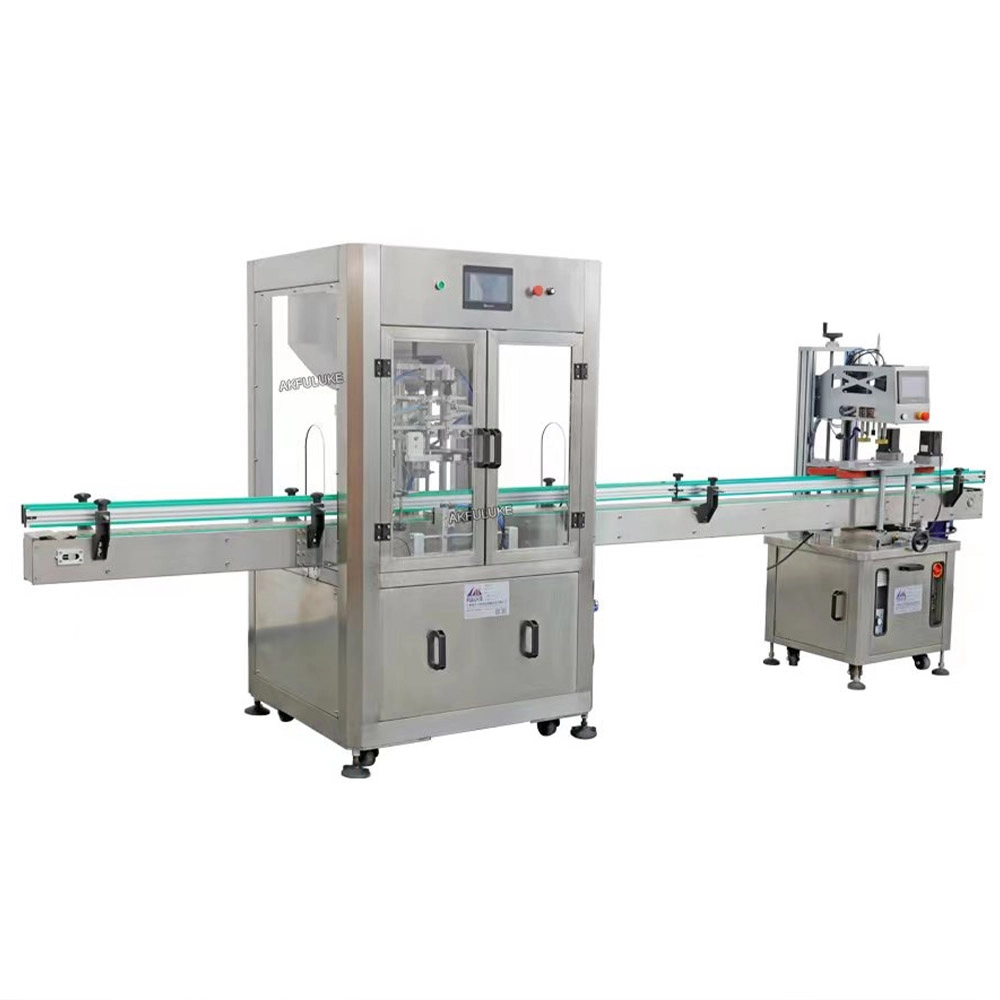
Benefits of Automatic Quantitative Liquid Bottle Filling Machines
Energy Efficiency Considerations for Filling Equipment
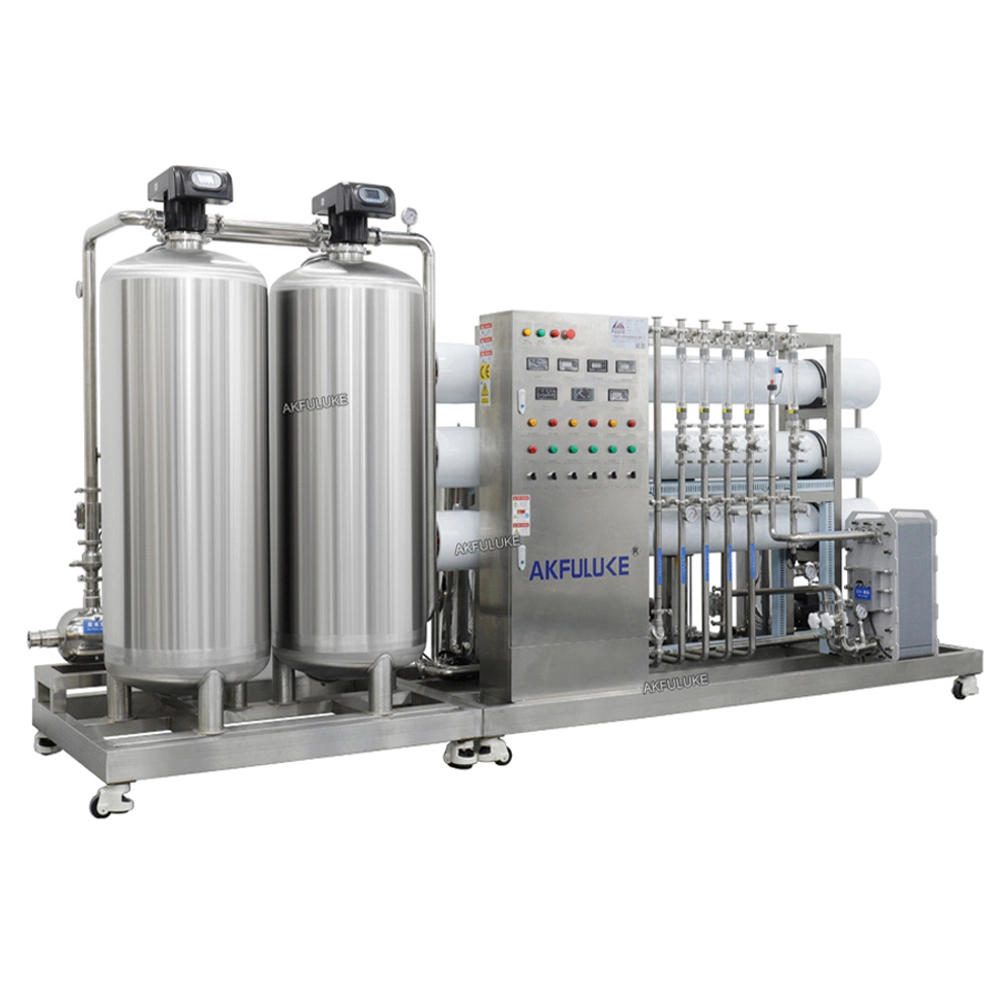
Integration: Pre-treatment and Post-treatment for RO Installations
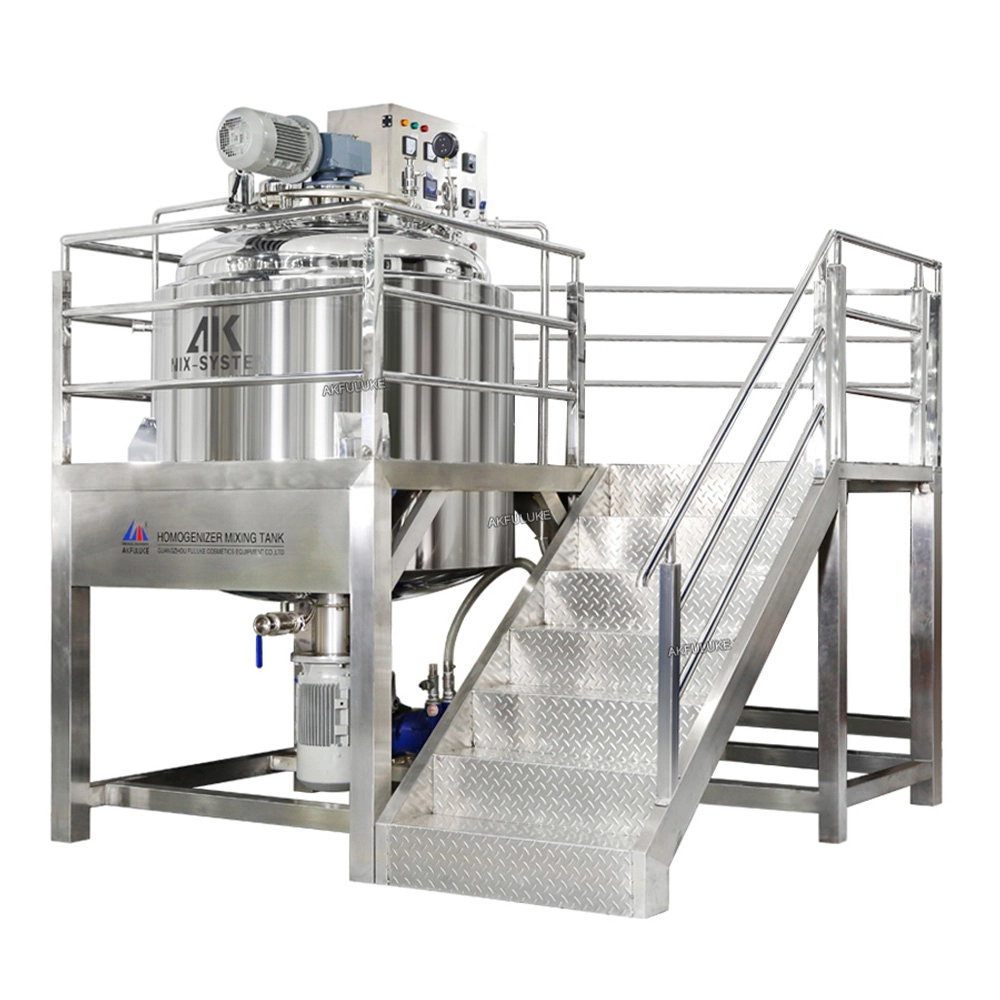
Vacuum Sealed Mixer Machines: Benefits for Sensitive Formulations
Polypropylene PP Mixing Tank
The sticky material on the inner wall of a mixing pot is difficult to clean after use. What are some effective cleaning methods?
The inner wall of a PP mixing pot is smooth and rust-free. Cleaning the sticky material can be done based on the material characteristics and the type of material:
General cleaning (water-soluble/low-viscosity sticky materials): Use a high-pressure water jet to directly flush the inner wall, and use a soft-bristled brush (to avoid scratching the PP surface) to scrub any hard corners. If there is dried-on material, soak it in warm water (≤60°C) for 10-30 minutes to soften it before rinsing.
Stubborn sticky material (oily/high-viscosity materials): Use a neutral detergent (such as dishwashing liquid) or a suitable weak solvent (such as ethanol; verify compatibility between the material and the solvent) to wipe it clean, then rinse with clean water. Avoid using strong acid or alkaline cleaning agents (although PP is corrosion-resistant, they may react with residual material to produce harmful substances).
Long-term maintenance: Clean the pot promptly after each use to prevent material from drying out. After cleaning, wipe the inner wall dry to prevent microbial growth in a humid environment.
Storage Tank
Who are we?
Our headquarters is located in Guangzhou, Guangdong, China, and our factory is located in Yangzhou, Jiangsu. Our products are sold all over the world. We have approximately 50 employees in our company and factory.
Do special operating conditions (such as high temperature or high pressure) require special customization?
Yes. High-temperature applications require the use of heat-resistant materials and additional insulation. High-pressure applications require enhanced tank wall thickness and sealing structures. Both require individual designs according to corresponding industry standards.
Vacuum Emulsifying Machine
Who are we?
Our headquarters is located in Guangzhou, Guangdong, China, and our factory is located in Yangzhou, Jiangsu. Our products are sold all over the world. We have approximately 50 employees in our company and factory.
FAQs
Which industries does FULUKE serve besides cosmetics?
You May Also Like
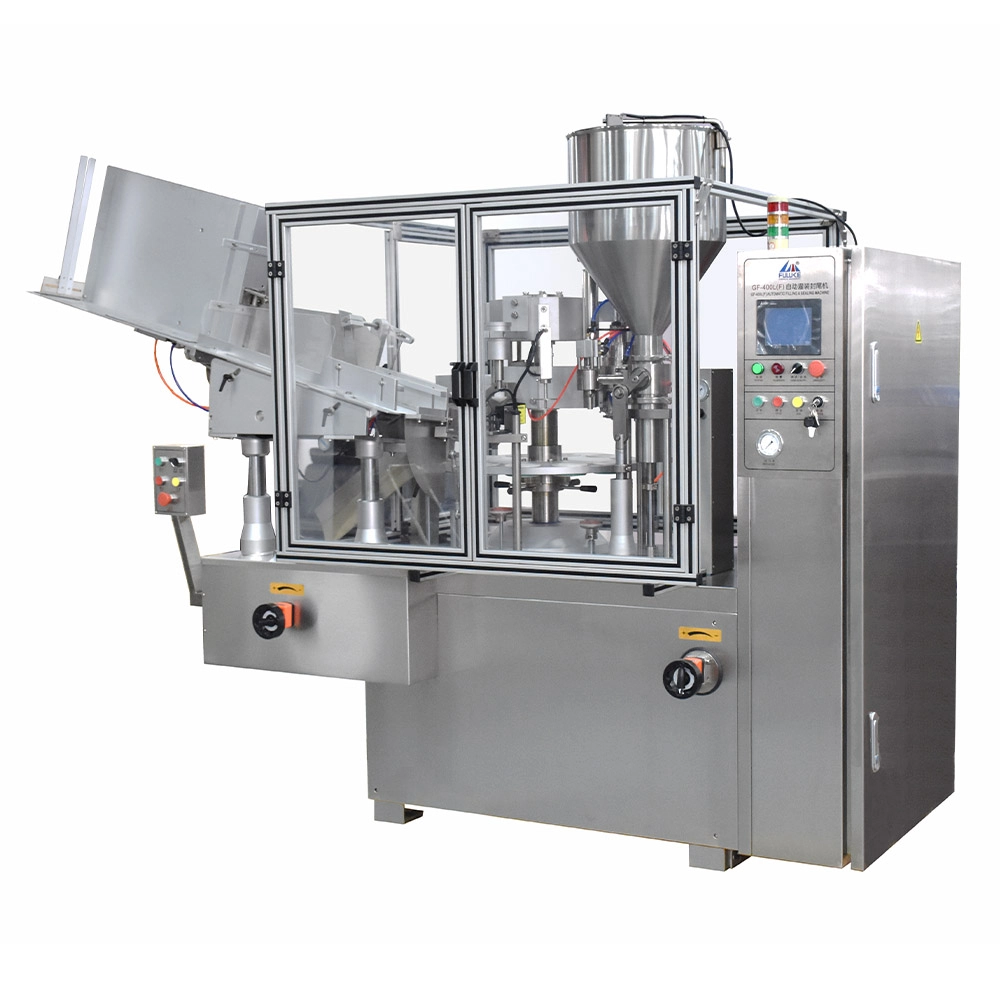
Automatic Tube Filling and Sealing Machine Toothpaste Sunscreen and Facial Cleanser Filling and Sealing Machine for Plastic and Aluminum-plastic Tube
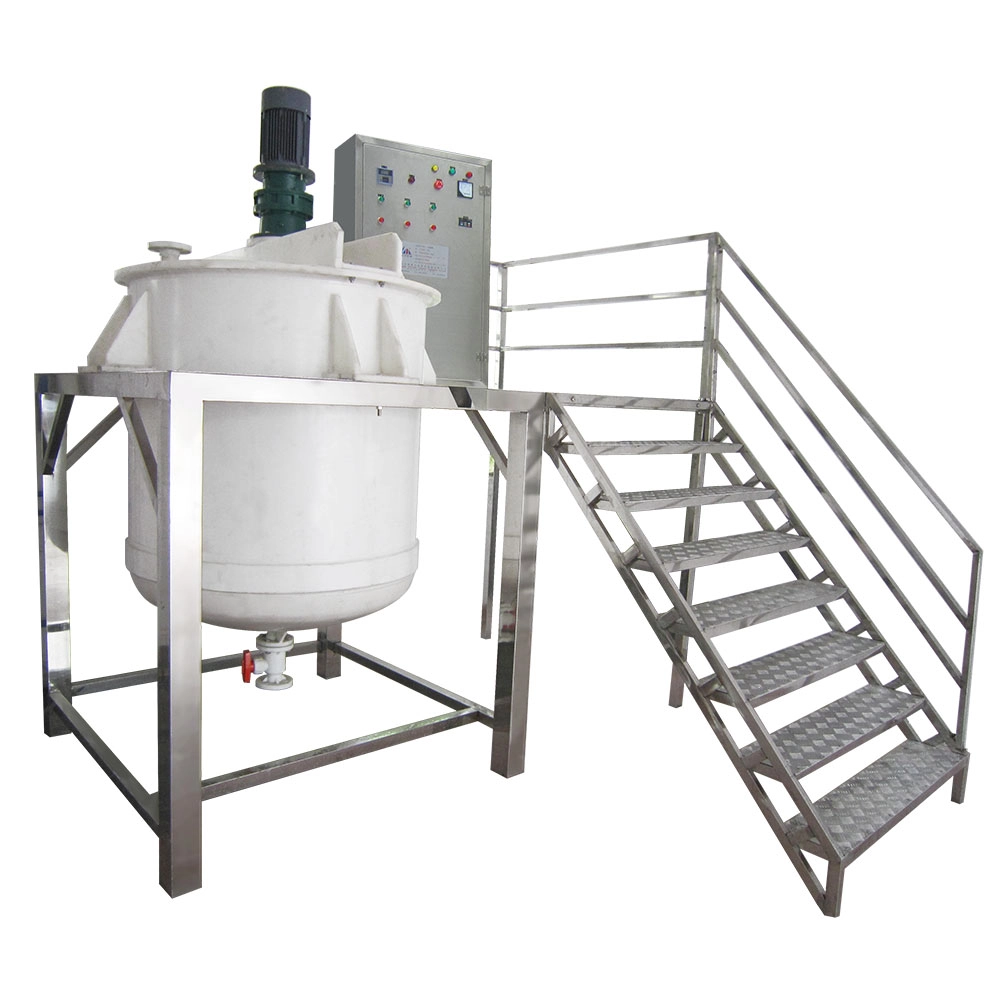
Polypropylene PP Mixing Tank Anti-Corrosion Mixer Reaction Kettle with Agitator Chemical Mixing Vessel
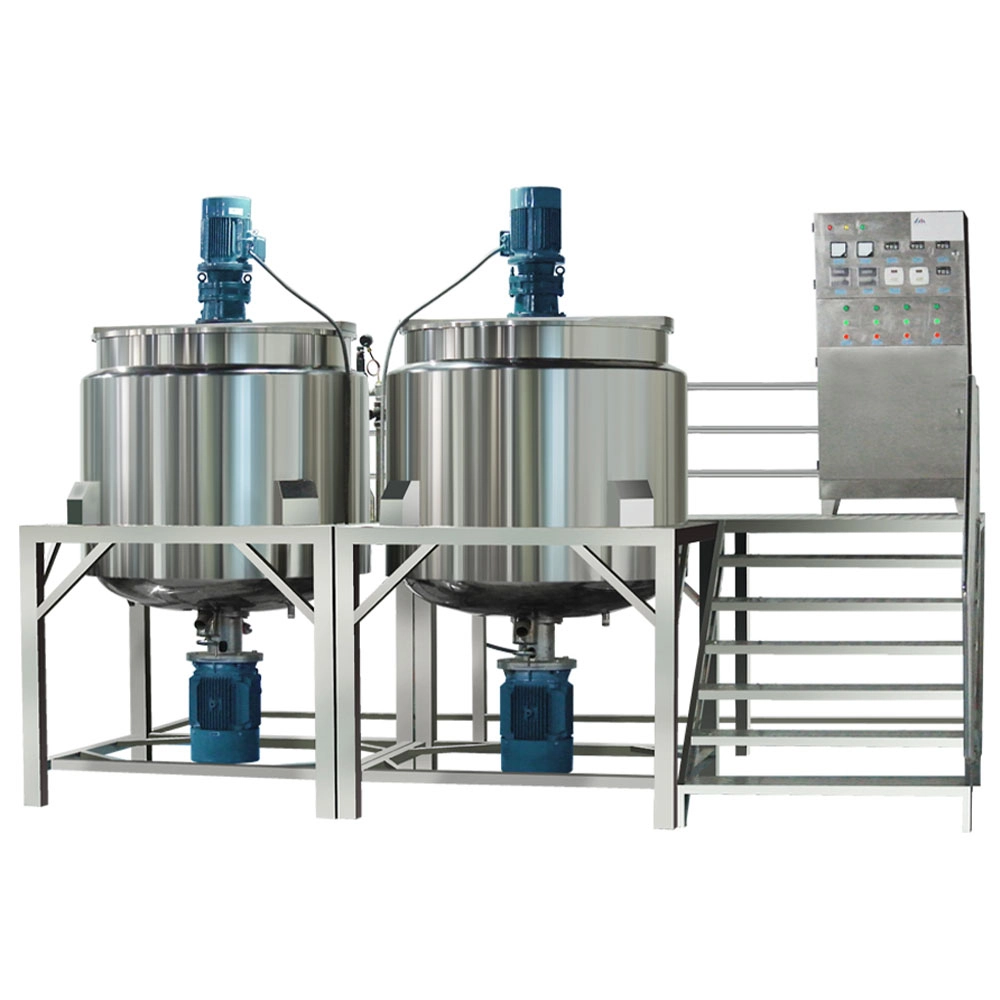
Flip Cover Multi-function Liquid Wash Mixing Tank Blender Liquid Detergent Mixer Homogenization Stirring Tank
Stainless Steel Mixer Liquid Mixing tank with Agitator Homogenizing Mixing tank Vacuum Sealed Mixer Machine
Get in touch with FULUKE
If you have any comments or good suggestions, please leave us a message, later our professional staff will contact you as soon as possible.

A leading manufacturer specializing in advanced machinery and complete production lines for the cosmetics, food, pharmaceutical, and chemical industries worldwide.
Contact FULUKE
Facebook
Instagram
YouTube