
How to Choose the ro water treatment system manufacturer and supplier ?
- Introduction: Why choosing the right RO water treatment system manufacturer matters
- Understand the role of an RO water treatment system in your production
- What does an RO water treatment system do?
- Key performance metrics to require from suppliers
- Evaluate technical and hygienic design — what to inspect
- Sanitary construction and materials
- System layout and automation
- Membrane selection and performance guarantees
- Supplier capabilities and experience
- Industry experience and reference projects
- Engineering, fabrication, and quality systems
- After-sales service and spare parts
- Commercial and contractual considerations
- Warranty, performance guarantees, and acceptance testing
- Cost factors and total cost of ownership (TCO)
- Comparing supplier types
- Checklist: Questions to ask every manufacturer or supplier
- Case study: Why an integrated approach reduces risk (example scenario)
- Why choose a specialized manufacturer like FULUKE?
- FULUKE’s strengths for cosmetics and related industries
- Common pitfalls and how to avoid them
- Pitfall: Buying undersized systems
- Pitfall: Ignoring pre-treatment
- Pitfall: Overlooking documentation and validation support
- How to run a fair comparison of bids
- Conclusion: Prioritize engineering, hygiene, and service
- Additional resources and comparison references
Introduction: Why choosing the right RO water treatment system manufacturer matters
Choosing the right ro water treatment system manufacturer is a critical business decision for cosmetics, food, pharmaceutical, and chemical manufacturers. Water quality affects product safety, stability, texture, and shelf life. A poorly designed RO (reverse osmosis) system can lead to inconsistent batches, higher operational costs, regulatory non-conformity, and production downtime. This guide explains how to evaluate prospective manufacturers and suppliers so you get a system that meets GMP, hygiene, and production goals while providing reliable long-term performance.
Understand the role of an RO water treatment system in your production
What does an RO water treatment system do?
An ro water treatment system uses semipermeable membranes to remove dissolved salts, many organic compounds, and microorganisms from feedwater. In manufacturing environments it is typically configured with pre-treatment (sediment filters, activated carbon, softening), the RO skid, and post-treatment (UV, electrodeionization, storage, and distribution). For cosmetics and food production, consistent low-TDS water, microbial control, and material hygiene are the top priorities.
Key performance metrics to require from suppliers
- Permeate quality (TDS, conductivity, microbial counts)
- Recovery rate (how much feed becomes product water)
- Salt rejection percentage
- Flow capacity (m3/h or L/h) and scalability
- Energy consumption and operating pressures
- Cleaning protocols (CIP capability) and chemical compatibility
- Sanitary materials and finishes (e.g., 316L stainless steel, surface finish Ra values)
Evaluate technical and hygienic design — what to inspect
Sanitary construction and materials
For cosmetic, food, and pharmaceutical production, choose a manufacturer that uses certified hygienic materials (316L stainless steel for piping and tanks, food-grade gaskets like EPDM or silicone, hygienic clamps and tri-clamp fittings). Surface finish and weld quality matter: specify polish and passivation procedures appropriate for product contact. Ask for documented hygienic design practices and compliance with standards such as GMP and ISO 9001.
System layout and automation
Modern RO systems should be skid-mounted with clear labeling, accessible valves, and integrated PLC/HMI control for automated operations, alarms, and remote monitoring. Look for suppliers that can integrate water analysis, automatic flushing, and cleaning-in-place (CIP) cycles, and that provide SCADA or Industry 4.0-ready options where appropriate.
Membrane selection and performance guarantees
Membrane choice impacts recovery, rejection rate, and cleaning schedules. Request the membrane brand and model, expected life under your feedwater conditions, and guarantees for salt rejection and permeability. Good manufacturers will perform feedwater testing and provide an engineered design rather than a one-size-fits-all solution.
Supplier capabilities and experience
Industry experience and reference projects
Look for manufacturers with proven experience in your industry (cosmetics, food, pharma). They should provide case studies or references showing they understand product hygiene, regulatory audits, batch consistency, and production line integration. Experience in turnkey projects is valuable if you need a full packaging-to-process water solution.
Engineering, fabrication, and quality systems
Prefer suppliers who control engineering and fabrication under strict quality systems (ISO 9001, GMP alignment). This reduces risks of miscommunication between design and manufacturing and improves lead times. Ask about in-house CNC machining, welding qualifications (e.g., WPQ), surface treatment, and final inspection procedures.
After-sales service and spare parts
Reliable after-sales service is essential. Confirm local or regional service availability, typical response times, supply of spare membranes, pumps, and instrumentation, and whether the supplier offers commissioning, operator training, and preventive maintenance contracts.
Commercial and contractual considerations
Warranty, performance guarantees, and acceptance testing
Obtain written warranty terms for equipment, membranes, and critical components. Insist on factory acceptance tests (FAT) and site acceptance tests (SAT) that include performance data (flow, TDS, rejection, pressures) under standard feedwater conditions. Define acceptance criteria and remedies in the contract.
Cost factors and total cost of ownership (TCO)
Don't choose purely on capital cost. TCO includes energy consumption, membrane replacement frequency, chemical use for cleaning, labor for operation and maintenance, and downtime risk. Request an estimated lifecycle cost model from suppliers so you can compare offers on equal footing.
Comparing supplier types
Below is a simple comparative table to help you weigh different supplier categories:
| Supplier Type | Typical Strengths | Typical Weaknesses | Best Use Case |
|---|---|---|---|
| Integrated manufacturer (OEM) | Full engineering, factory testing, customization, spare parts support | Longer lead time; higher initial CAPEX than brokers | Turnkey systems for production lines, high hygiene requirements |
| Local fabricator/trader | Faster delivery; lower CAPEX | Limited engineering depth; variable QA | Simple, small-capacity systems |
| Membrane brand + system integrator | Access to top membrane tech and specialized integration | Coordination between vendors can be complex | High-performance applications requiring specific membranes |
Checklist: Questions to ask every manufacturer or supplier
- Can you provide references for projects in cosmetics, food, or pharma?
- What are the guaranteed permeate quality and salt rejection under my feedwater?
- Do you provide FAT and SAT reports with measured data?
- Which membrane brand and model do you use, and what is expected life?
- What sanitary materials, surface finishes, and weld standards do you apply?
- What automation, remote monitoring, and alarm features are included?
- What are warranty terms, and what spare parts are included?
- What are typical energy consumption and expected chemical usage for CIP?
- Do you offer local service, training, and preventive maintenance?
- Can the system be scaled or duplicated for future capacity growth?
Case study: Why an integrated approach reduces risk (example scenario)
Imagine a mid-sized cosmetics manufacturer upgrading to a 2 m3/h production line. A supplier that provides pre-treatment, RO skid, EDI/UV post-treatment, storage and a hygienic distribution loop will align water quality targets, reduce microbial risk, and simplify validation during regulatory audits. If this supplier also provides FAT/SAT, operator training, and a spare-part kit, the chance of early failures and production delays is much lower than sourcing major components from disparate vendors.
Why choose a specialized manufacturer like FULUKE?
FULUKE’s strengths for cosmetics and related industries
FULUKE (Guangzhou Fuluke Cosmetic Equipment Co., Ltd.) is a global manufacturer with over 30 years of experience in cosmetic equipment. FULUKE specializes in mixing and emulsifying equipment and turnkey packaging lines for creams, lotions, and sauces. Their strengths relevant to RO water systems include:
- Deep industry knowledge of hygienic production and GMP-related requirements.
- Capabilities in engineering design, precision machining, automation control, and quality management.
- Experience integrating process equipment (mixers, homogenizers) with utilities such as water systems to ensure consistent production.
- Global service network for commissioning and long-term maintenance.
Choosing a supplier experienced in both process equipment and utilities reduces integration risk and supports faster validation and startup.
Common pitfalls and how to avoid them
Pitfall: Buying undersized systems
Undersized systems struggle during peak demand and increase TMP (transmembrane pressure) and fouling. Avoid this by providing accurate production schedules and peak demand multipliers and insisting on engineered capacity with margin.
Pitfall: Ignoring pre-treatment
Pre-treatment is as important as the RO skid. Hardness, iron, organics, and chlorine damage membranes. A competent supplier will design pre-treatment tailored to feedwater to prolong membrane life and reduce chemical costs.
Pitfall: Overlooking documentation and validation support
Regulated industries need qualification documents (IQ/OQ) and traceable quality records. Ensure your supplier includes documentation, FAT/SAT data, and support for validation.
How to run a fair comparison of bids
Request a standardized Request for Proposal (RFP) that specifies feedwater data, required permeate quality, flow profile, space constraints, and regulatory expectations. Ask vendors to provide a detailed bill of materials, FAT/SAT plan, warranty, service terms, and TCO estimate. Score proposals on technical fit, hygienic design, lifecycle cost, and support. Do factory visits when possible.
Conclusion: Prioritize engineering, hygiene, and service
Selecting the right ro water treatment system manufacturer is about more than price. Prioritize vendors who demonstrate engineering rigor, sanitary materials and practices, proven performance in your industry, and strong after-sales support. For cosmetics and food producers, choosing an integrated supplier—one experienced with both process equipment and utilities—reduces integration risk and supports regulatory compliance. FULUKE’s three decades of experience in cosmetic equipment and turnkey production lines make it a strong candidate when you need an RO system that integrates seamlessly with mixing, emulsification, and packaging operations.
Additional resources and comparison references
Below are some helpful references to guide technical specs and regulatory expectations. Use them when discussing requirements with potential suppliers.
- Membrane performance and typical applications (overview)
- GMP and hygienic design guidelines for food and cosmetics
- Energy considerations for RO in industrial applications
References:
- World Health Organization (WHO) — Drinking-water: key facts and guidance. https://www.who.int/news-room/fact-sheets/detail/drinking-water (accessed 2024-06-01)
- U.S. Environmental Protection Agency (EPA) — Membrane Filtration Guidance materials and technology overview. https://www.epa.gov (search: Membrane Filtration Guidance Manual) (accessed 2024-05-15)
- Water industry technical overviews (membrane performance and typical rejection rates) — Water Research resources. https://www.water-research.net/index.php/reverse-osmosis (accessed 2024-04-20)
- FULUKE (Guangzhou Fuluke Cosmetic Equipment Co., Ltd.) company profile and equipment scope — company technical brochures and service pages. (accessed 2024-06-01)
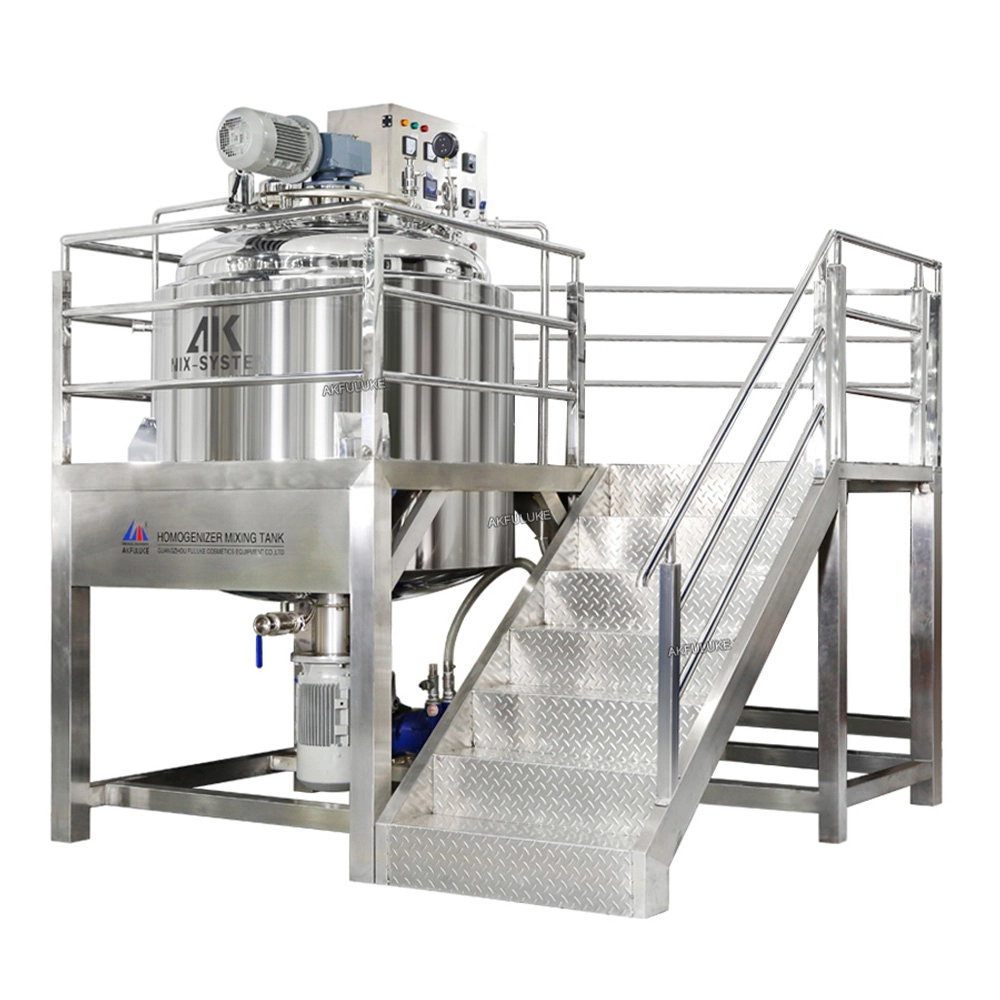
Maintenance and Sanitation Best Practices for Mixer Tanks
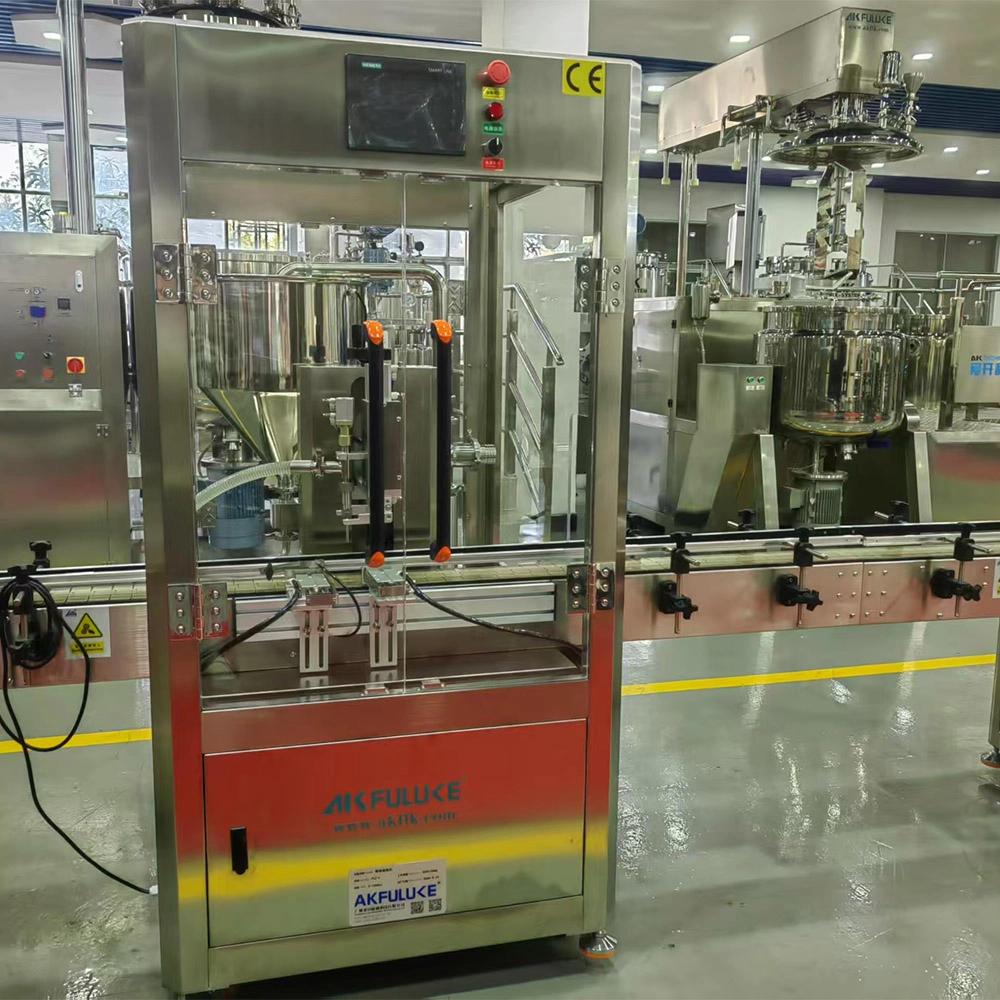
Selecting a Supplier for High-Precision Filling Machines
Software Features That Improve Filling Accuracy
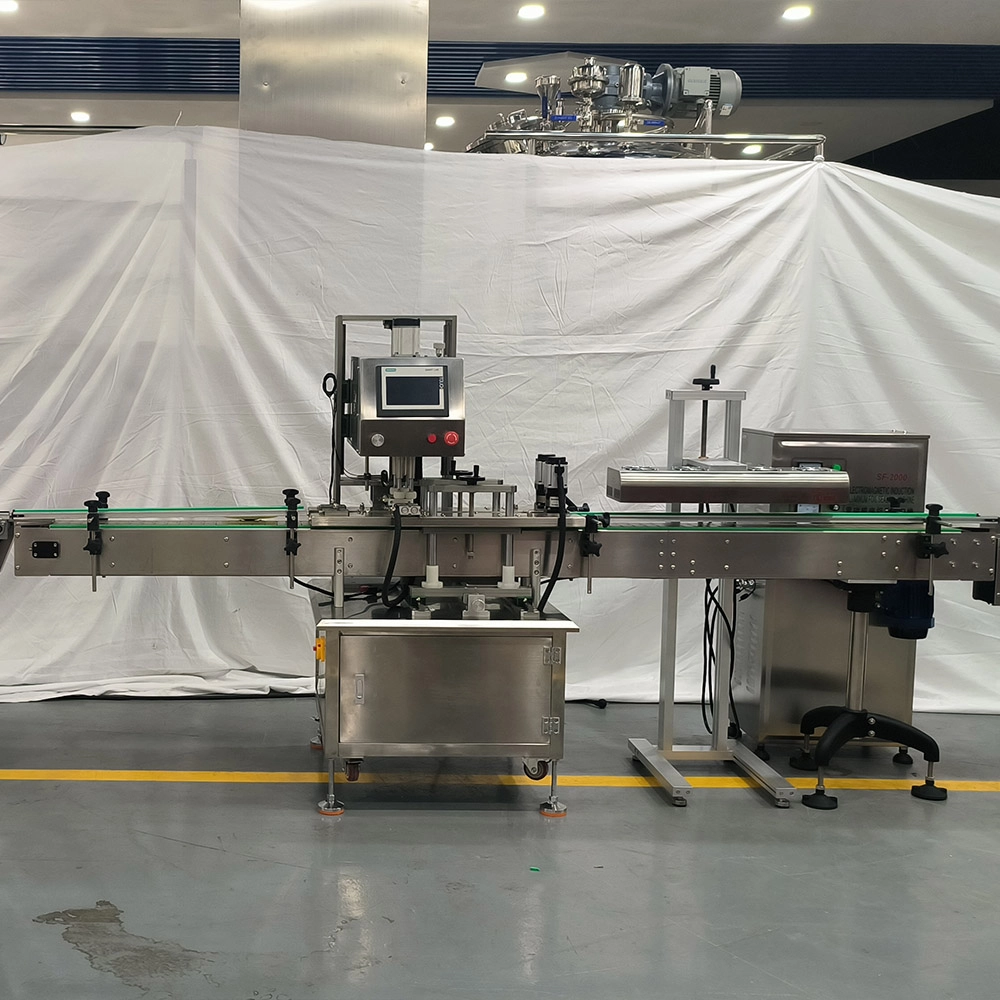
Managing Viscous Liquids: Best Practices for Cream Fillers
Vacuum Emulsifying Machine
Can you customize the machine?
Of course, we provide customized services according to customer needs.
Storage Tank
Who are we?
Our headquarters is located in Guangzhou, Guangdong, China, and our factory is located in Yangzhou, Jiangsu. Our products are sold all over the world. We have approximately 50 employees in our company and factory.
How do I choose the right storage tank material?
Select based on the characteristics of the storage medium. For example, 316L stainless steel is preferred for food storage, while 304 or PE can be used for general water storage.
Polypropylene PP Mixing Tank
Can you customize the machine?
Of course, we provide customized services according to customer needs.
Automatic Capping Machine
Can this machine be directly integrated into my production line? Does it require any additional modifications?
Most models have standard conveyor belt interfaces, allowing them to be directly connected to filling machines, labeling machines, and other production line equipment without requiring major modifications. Simply fine-tune the conveyor speed based on the production line height and speed to synchronize.
You May Also Like
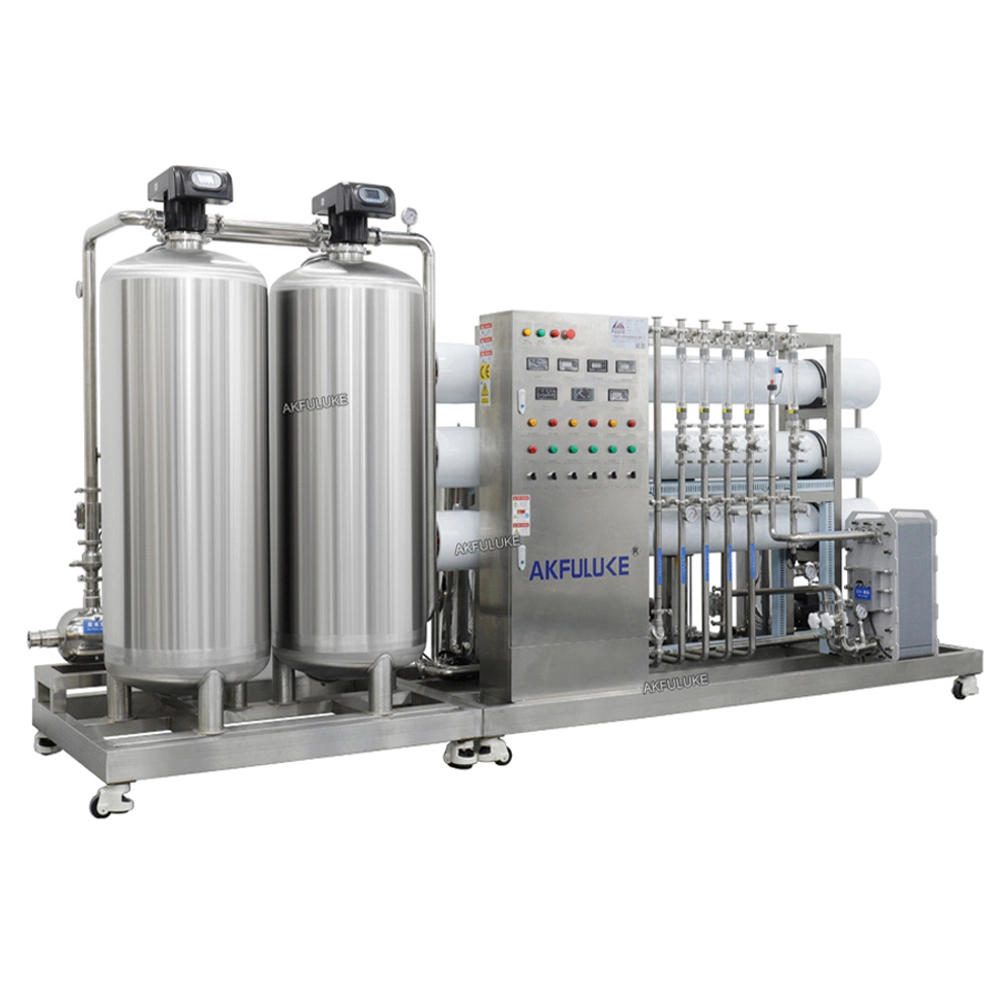
Reverse Osmosis / RO Water Treatment Water Filter System 99% Desalination Rate Industrial Purification Filtration Water treatment Machine
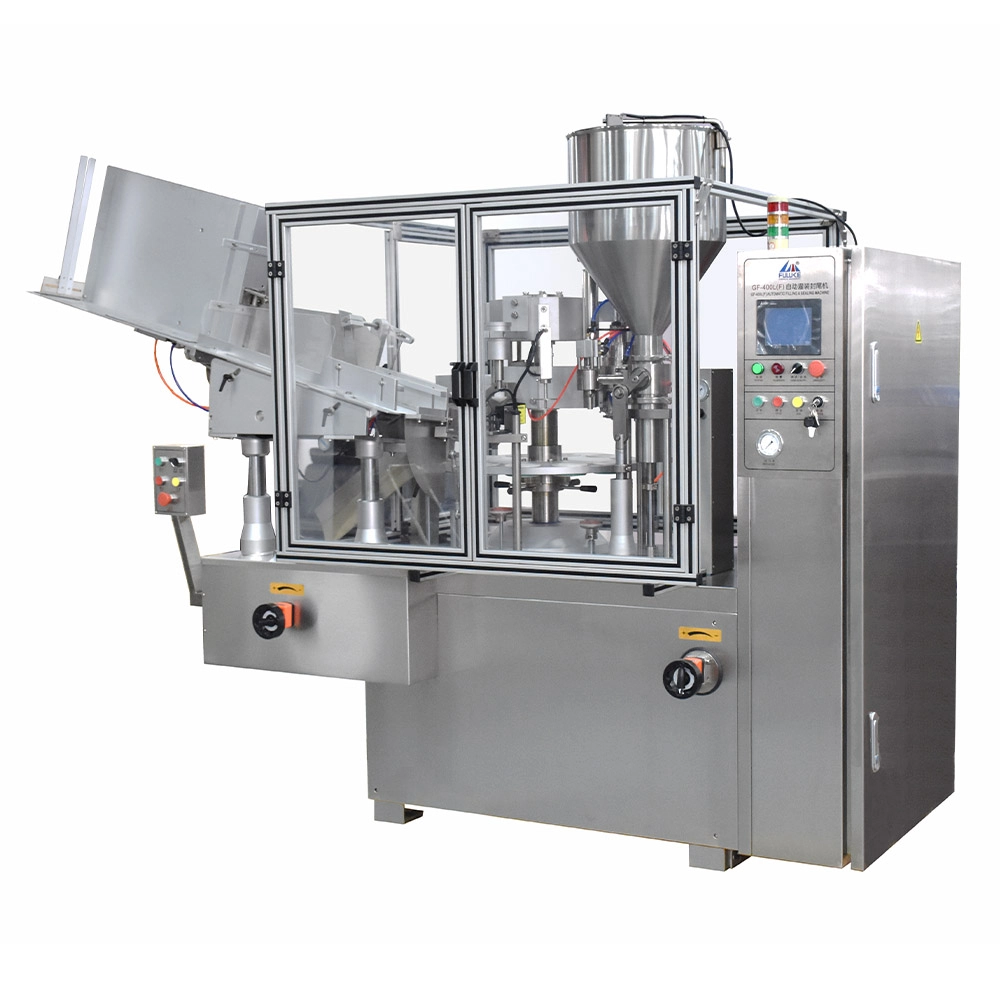
Automatic Tube Filling and Sealing Machine Toothpaste Sunscreen and Facial Cleanser Filling and Sealing Machine for Plastic and Aluminum-plastic Tube
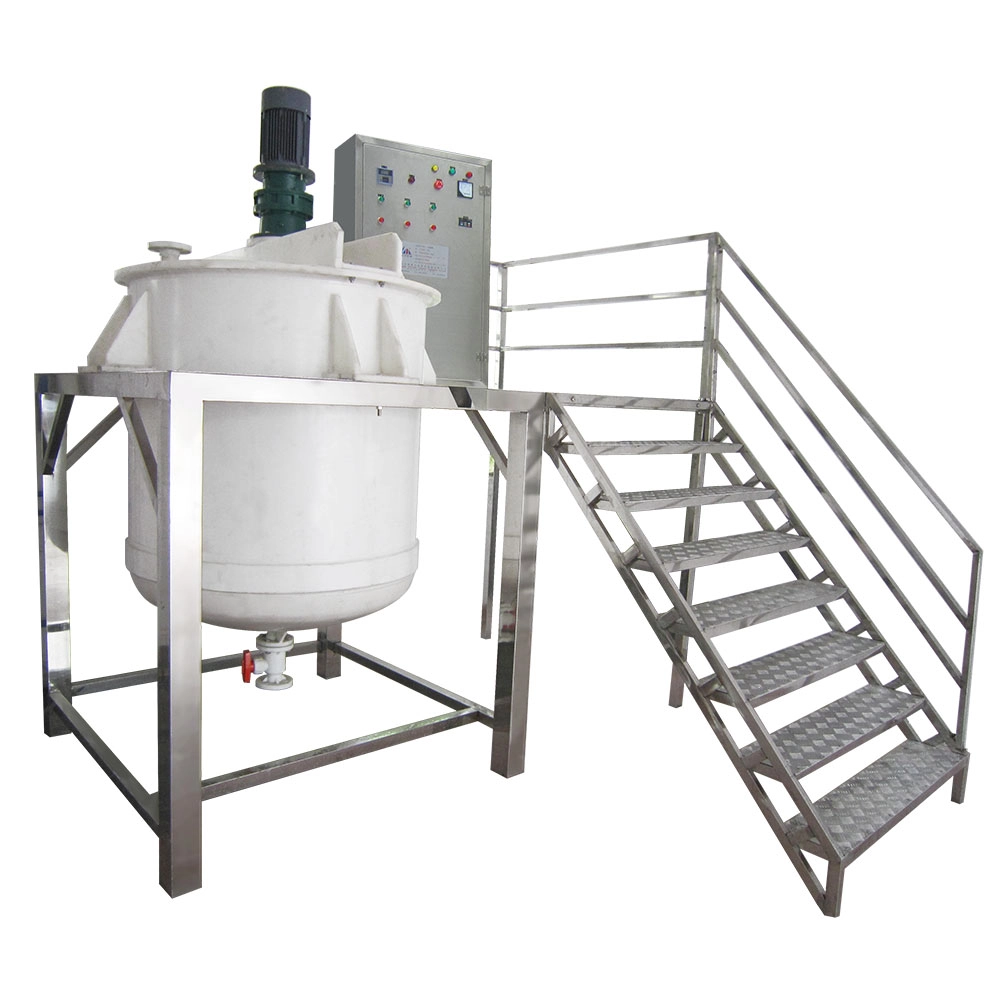
Polypropylene PP Mixing Tank Anti-Corrosion Mixer Reaction Kettle with Agitator Chemical Mixing Vessel
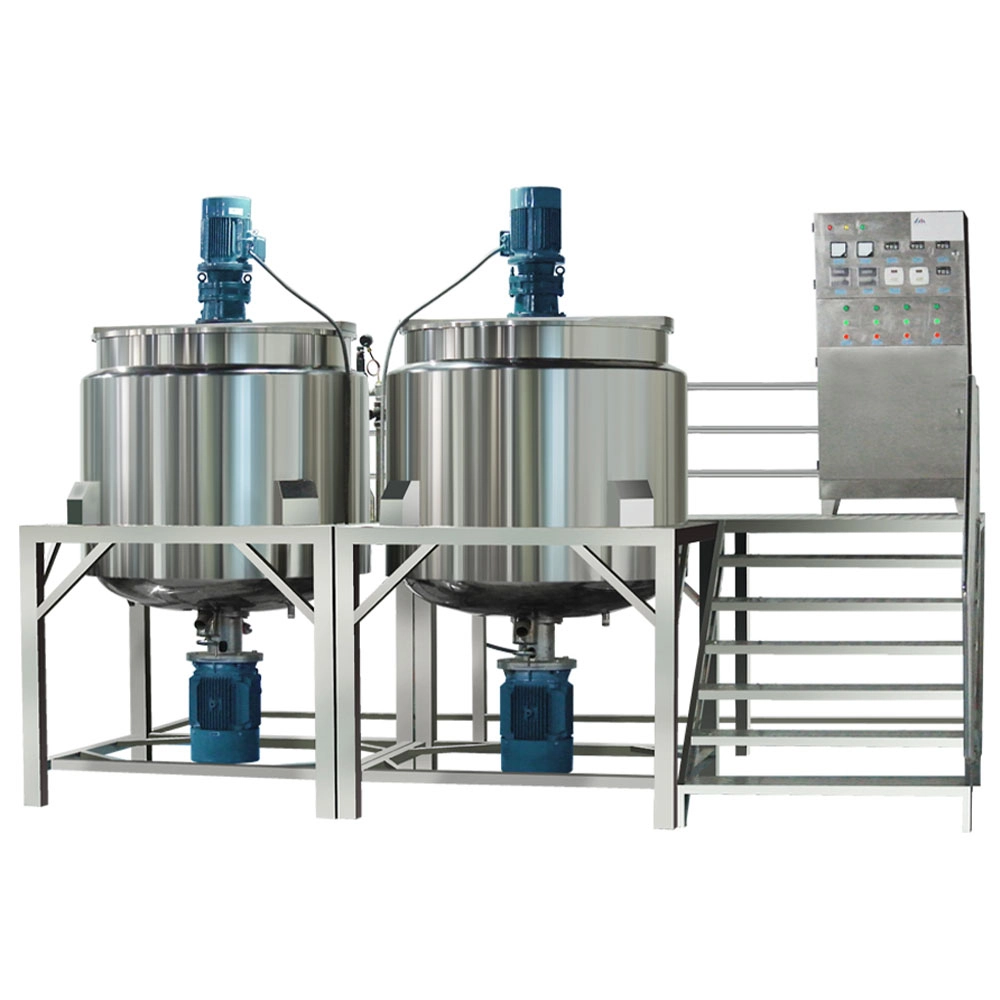
Flip Cover Multi-function Liquid Wash Mixing Tank Blender Liquid Detergent Mixer Homogenization Stirring Tank
Get in touch with FULUKE
If you have any comments or good suggestions, please leave us a message, later our professional staff will contact you as soon as possible.

A leading manufacturer specializing in advanced machinery and complete production lines for the cosmetics, food, pharmaceutical, and chemical industries worldwide.
Contact FULUKE
Facebook
Instagram
YouTube