
How to Choose the storage tank manufacturer and supplier ?
- How to Choose the Right Storage Tank Manufacturer and Supplier
- Why readers search “How to choose the storage tank manufacturer and supplier”
- Key technical criteria when selecting a storage tank supplier
- 1. Materials and surface finish: prioritize sanitary materials
- 2. Design and construction standards
- 3. Compatibility with process equipment
- 4. Certifications and regulatory compliance
- 5. Fabrication quality and welding workmanship
- Commercial criteria: what affects procurement decisions
- 6. Lead time, capacity, and scalability
- 7. Total cost of ownership (TCO)
- 8. After-sales support and spare parts
- 9. References, case studies and factory visits
- Practical selection process: step-by-step checklist
- Step 1 — Define process requirements
- Step 2 — Shortlist suppliers and request an RFQ
- Step 3 — Compare proposals with a weighted scoring model
- Comparison table: typical supplier attributes
- Special considerations for cosmetic product manufacturers
- Hygiene and cross-contamination control
- Batch traceability and documentation
- Integration with emulsifying and homogenizing systems
- Red flags to watch for
- 1. Vague or missing documentation
- 2. Low price with unclear service commitments
- 3. No local support or spare-part channel
- Case study example (illustrative)
- How FULUKE (Guangzhou Fuluke Cosmetic Equipment Co., Ltd.) helps
- Decision checklist before placing an order
- Conclusion
- Sources and further reading
- FAQ
How to Choose the Right Storage Tank Manufacturer and Supplier
Choosing the right storage tank manufacturer and supplier is critical for product quality, regulatory compliance, and operational efficiency—especially in the cosmetics industry where hygiene, batch consistency, and traceability matter. This guide explains the buyer’s , key selection criteria, technical specifications, supplier evaluation steps, and post-purchase considerations tailored to cosmetics, food, pharmaceutical, and chemical manufacturers.
Why readers search “How to choose the storage tank manufacturer and supplier”
behind this query is typically commercial and technical: procurement managers, process engineers, R&D leads, or business owners want a reliable supplier for tanks used in mixing, holding, or processing. They need actionable criteria—materials, sanitary design, certifications (GMP / ISO / CE), customization, lead time, costs, and service—to shortlist and select a vendor that minimizes production risk and supports scale-up.
Key technical criteria when selecting a storage tank supplier
1. Materials and surface finish: prioritize sanitary materials
For cosmetics, food, and pharmaceutical products, stainless steel 316L is the standard choice for wetted parts due to its corrosion resistance and cleanliness. Look for electropolished interiors and pinhole-free welding to reduce biofilm risk. Typical interior surface roughness expectations are Ra ≤ 0.8 µm for many sanitary applications and Ra ≤ 0.4 µm when stricter pharmaceutical or aseptic processes are required.
2. Design and construction standards
Ensure tanks meet sanitary design principles: sloped bottoms for drainability, sanitary tri-clamp connections, CIP/SIP capability, and hygienic manways. Ask whether manufacturers follow recognized codes for pressure, structural integrity, and welding (e.g., ASME for pressure vessels where applicable) and whether 3rd-party inspection is available.
3. Compatibility with process equipment
Tanks are often integrated with mixers, vacuum emulsifying systems, homogenizers, heating/cooling jackets, and automation. Verify flange sizes, mechanical interfaces, mixer mounting (top-entry vs side-entry), motor specifications, shaft seals, and bearing designs. If you need vacuum emulsifying capability, confirm the supplier can integrate vacuum systems and high-shear or high-pressure homogenizers.
4. Certifications and regulatory compliance
Ask for documentary evidence: ISO 9001 (quality management), CE marking (when selling in EU), GMP compliance or documentation demonstrating sanitary manufacturing processes, and material traceability certificates (e.g., 3.1/3.2 mill test reports for stainless steel). For export to regulated markets, ensure the supplier understands relevant national regulations (EU Cosmetic Regulation EC 1223/2009, national GMP guidance, etc.).
5. Fabrication quality and welding workmanship
Inspect welding quality (TIG welds are common), polishing continuity, and presence of radiographic or dye-penetrant inspection reports when required. Uniform passivation to restore corrosion resistance after fabrication is critical.
Commercial criteria: what affects procurement decisions
6. Lead time, capacity, and scalability
Confirm the manufacturer’s production lead times and ability to scale if additional tanks or upgrades are needed. Typical lead times for custom sanitary tanks vary from 6 to 14 weeks depending on complexity and capacity. Vendors with modular designs and local assembly can shorten delivery and commissioning times.
7. Total cost of ownership (TCO)
Don’t focus solely on purchase price. Calculate TCO including energy efficiency (insulation and jacket design), maintenance (seal and agitator life), spare parts availability, warranty, and downtime costs. A slightly higher-capital tank with better finish and reliable seals often saves money over the equipment life.
8. After-sales support and spare parts
Assess the supplier’s technical support, field service, installation and commissioning capabilities, remote diagnostics, and spare parts lead time. For critical production assets, local service presence or authorized service partners reduce MTTR (mean time to repair).
9. References, case studies and factory visits
Ask for customer references in your industry, photos or videos of similar installations, and third-party performance tests. If possible, visit their manufacturing facility to audit quality systems, skilled workforce, and traceability procedures.
Practical selection process: step-by-step checklist
Step 1 — Define process requirements
Detail product characteristics (viscosity, solids %, pH, abrasiveness), required capacities (batch and storage), mixing or heating needs, environmental conditions, and cleaning/sterilization methods. This technical brief becomes the basis for vendor proposals.
Step 2 — Shortlist suppliers and request an RFQ
Solicit proposals with the same technical specification. Include required documentation: material certificates, weld inspection records, surface finish specs, test reports, and 3D drawings for approval.
Step 3 — Compare proposals with a weighted scoring model
Use a scoring matrix to compare offers on technical fit, certifications, price, lead time, warranty, and service. Weight items according to business priorities (e.g., regulatory compliance and finish may be higher weight for cosmetics).
Comparison table: typical supplier attributes
| Criteria | What to expect / Typical value | Why it matters |
|---|---|---|
| Materials | SS 316L for wetted parts; SS 304 acceptable for non-critical parts | Corrosion resistance and contamination control |
| Interior finish | Electropolished; Ra ≤ 0.8 μm (pharma: ≤ 0.4 μm) | Reduces microbial adhesion and eases cleaning |
| Design pressure | Atmospheric to low vacuum for emulsifying tanks; ASME-rated for pressurized vessels | Safety and suitability for vacuum/CIP/SIP |
| Typical capacities | Small: 50–500 L; Mid: 500–2,000 L; Large: >2,000 L | Matches production scale and batch sizes |
| Lead time | Standard: 6–14 weeks (custom longer) | Affects project schedules |
| Certifications | ISO 9001; CE; GMP documentation; material traceability | Regulatory acceptance and quality assurance |
| Warranty & service | 12–24 months typical; optional extended support | Reduces long-term maintenance risk |
Special considerations for cosmetic product manufacturers
Hygiene and cross-contamination control
Cosmetic formulations are sensitive to contamination and stability issues. Ensure tanks are designed to enable full CIP (clean-in-place) cycles, have minimal dead legs, and use sanitary fittings to avoid crevices where residues accumulate. Material passivation and validated cleaning protocols should be provided.
Batch traceability and documentation
Demand material certificates (MTCs) for all wetted parts, serial-numbered tank IDs, as-built drawings, and maintenance manuals. This documentation supports product safety investigations and regulatory audits.
Integration with emulsifying and homogenizing systems
For creams and lotions, vacuum emulsifying mixers and high-shear homogenizers are often integrated with storage tanks. Confirm mechanical and control system compatibility to maintain process consistency and reduce scale-up risk.
Red flags to watch for
1. Vague or missing documentation
If a supplier cannot supply material certificates, weld reports, or surface finish data, treat this as high risk.
2. Low price with unclear service commitments
Extremely low quotes may mean corners are cut on materials, finish, or post-sale service. Clarify spare parts availability and who will perform commissioning.
3. No local support or spare-part channel
Long downtime for spare parts shipment can cost more than the equipment. Confirm regional stocking or fast-shipping agreements.
Case study example (illustrative)
A mid-size cosmetics manufacturer upgrading from 500 L to 2,000 L batch size chose a supplier that provided: SS316L tanks with electropolished interiors, integrated vacuum emulsifier, CIP/SIP capability, and a local field service team. The supplier’s documentation package met EU cosmetic regulation documentation standards, and the purchase included a 24-month warranty and annual maintenance plan. The result: consistent product batches, reduced cleaning time by 35% and faster scale-up (project completed in 10 weeks).
How FULUKE (Guangzhou Fuluke Cosmetic Equipment Co., Ltd.) helps
FULUKE is a global manufacturer with over 30 years of experience in mixing, emulsifying, and complete packaging lines for creams, lotions, and sauces. Based in Guangzhou, China, FULUKE integrates engineering design, precision machining, automation control, and strict quality management to deliver equipment that meets GMP, ISO, and international hygiene standards. Their product portfolio includes vacuum emulsifying mixers, mixing tanks, filling and sealing machines, and turnkey packaging lines. FULUKE offers tailored systems, process optimization, intelligent control upgrades, and full technical support—from installation and commissioning to long-term maintenance—helping manufacturers improve efficiency and product consistency.
Decision checklist before placing an order
- Have you provided a complete product brief (viscosity, solids % and process temperatures)?
- Does the supplier provide 3.1/3.2 material test reports and weld inspection records?
- Are interior surface finish and passivation methods specified and certified?
- Is the tank design compatible with your mixers, homogenizers and automation controls?
- What are the agreed lead times, warranty terms, and spare parts commitments?
- Can the supplier perform FAT (Factory Acceptance Test) and SAT (Site Acceptance Test)?
- Is local after-sales service available, or is there a qualified service partner?
Conclusion
Selecting the right storage tank manufacturer and supplier requires a balance of technical suitability, regulatory compliance, commercial terms, and post-sale support. Prioritize sanitary materials and finishes (SS316L, electropolish), evidence of quality (material certificates, weld inspection), and supplier capabilities (integration, local service, documentation). Use a structured RFQ, scoring model, and factory audit where possible. For cosmetics manufacturers, integrating tanks with vacuum emulsifying and homogenizing systems and ensuring CIP/SIP compatibility will protect product quality and shorten time-to-market.
FULUKE’s decades of experience and turnkey capabilities make it a practical partner for brands and manufacturers seeking custom, compliant storage and mixing solutions that scale.
Sources and further reading
- World Health Organization, Good manufacturing practices for pharmaceutical products: main principles. (WHO Technical Report Series). Link: https://www.who.int/publications/i/item/9789241546236 — (Accessed: 2024-05-10)
- European Commission, Regulation (EC) No 1223/2009 on cosmetic products. Link: https://eur-lex.europa.eu/eli/reg/2009/1223/oj — (Accessed: 2024-05-10)
- ISO, ISO 9001 — Quality management systems. Link: https://www.iso.org/iso-9001-quality-management. — (Accessed: 2024-05-10)
- 3-A Sanitary Standards (overview of sanitary design). Link: https://www.3-a.org/ — (Accessed: 2024-05-10)
- Outokumpu, Stainless steel 316L material information. Link: https://www.outokumpu.com/en/knowledge/materials-guide/austenitic-stainless-steel-316l — (Accessed: 2024-05-10)
FAQ
Q: What is the best material for cosmetic storage tanks?A: For wetted parts, stainless steel 316L is the preferred material due to corrosion resistance and cleanability. Electropolished interiors and documented passivation improve hygienic performance.
Q: How do I verify a supplier's quality claims?A: Request material certificates (3.1/3.2 MTCs), weld inspection reports (dye-penetrant or RT when requested), surface finish measurements (Ra), and records of factory testing (FAT). Perform a factory audit when possible.
Q: What certifications should a reputable supplier hold?A: Important certifications include ISO 9001 for quality systems, CE marking for EU marketplace compliance, and documented GMP-friendly manufacturing practices. Material traceability documentation is also essential.
Q: How long are typical lead times for custom storage tanks?A: Lead times vary by complexity and capacity; typical ranges are 6–14 weeks for custom sanitary tanks, longer for highly customized or large-scale vessels.
Q: Should I buy a standard tank or a custom-engineered tank?A: Choose standard tanks for simple storage when process needs are basic. For mixing, emulsifying, CIP/SIP, or product-sensitive processes, custom-engineered tanks ensure proper integration and regulatory compliance.
Q: How important is local after-sales support?A: Very important. Local or regionally available service reduces downtime, shortens spare parts delivery, and supports timely commissioning and maintenance.
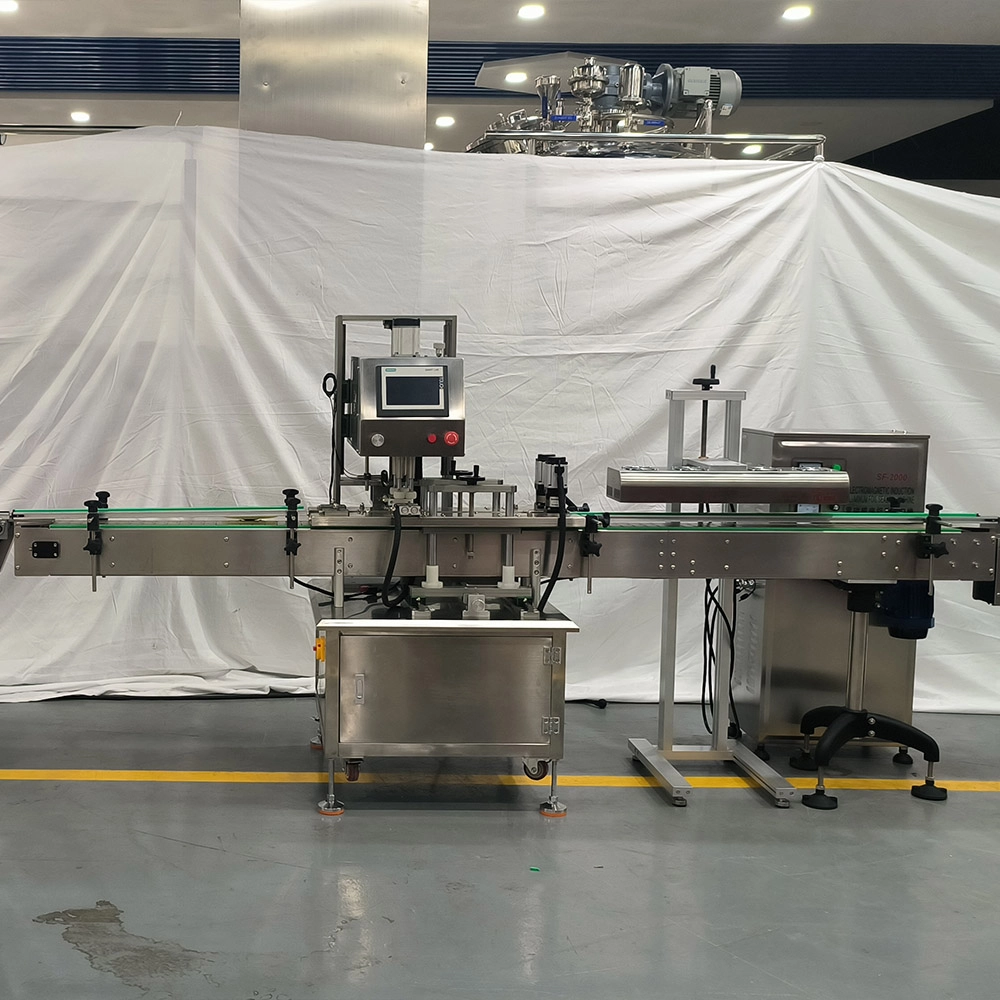
Cleaning and Sanitation Tips for Cream and Lotion Fillers
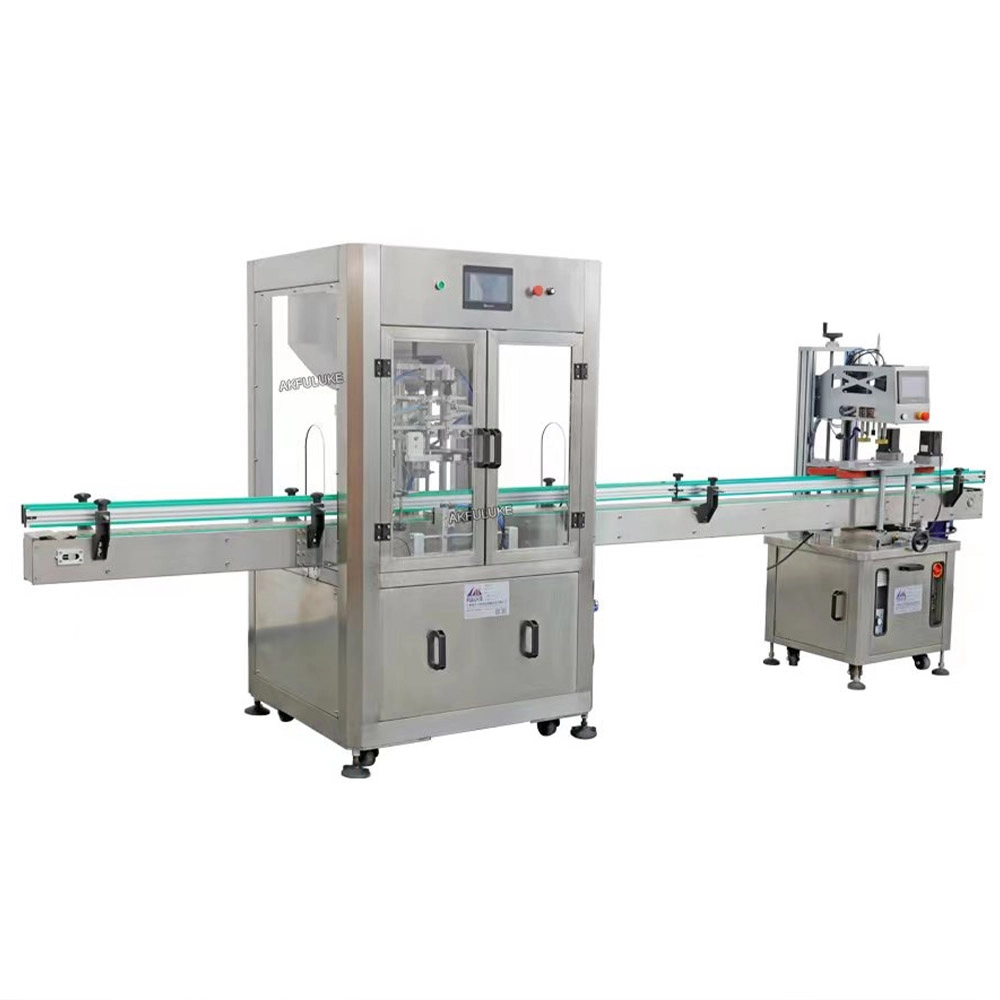
Selecting Filling Heads for Viscous Creams and Lotions
Implementing Safety Interlocks on Filling Equipment
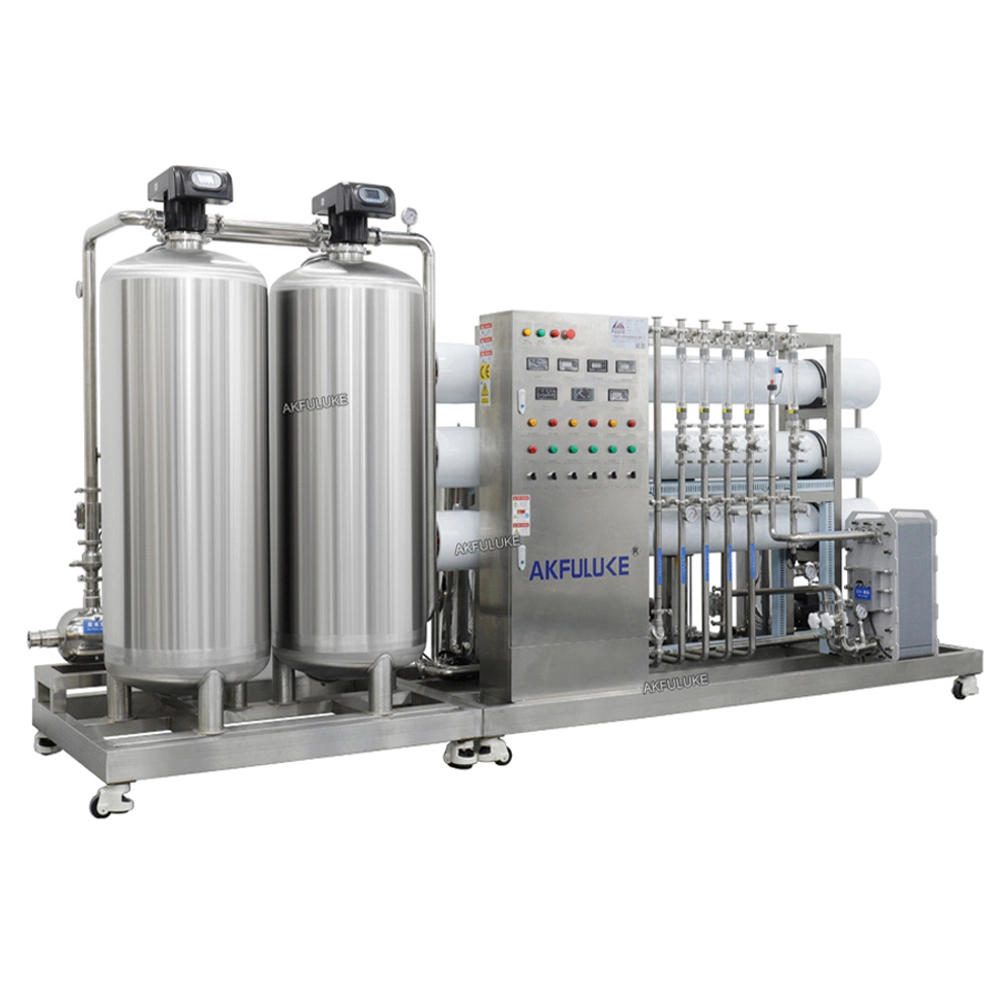
Maintenance Plan to Maximize Uptime of Industrial RO Units
Perfume Freezing Filter Making Machine
Who are we?
Our headquarters is located in Guangzhou, Guangdong, China, and our factory is located in Yangzhou, Jiangsu. Our products are sold all over the world. We have approximately 50 employees in our company and factory.
Automatic Facial Mask Filling Machine
After purchasing the equipment, what after-sales services does the supplier typically provide?
General services include on-site installation and commissioning (including workshop layout planning), operator training (theoretical and practical training to ensure workers can operate independently), a one-year full machine warranty, and lifetime technical support (24-hour telephone and video troubleshooting).
RO Water Treatment
What can you buy from us?
RO Water Treatment、Vacuum Emulsifying Machine、Homogenizer Mixing Tank、Filling and Capping、labeling Machine、Packing Machine、Storage Tank,etc.
Storage Tank
How do I choose the right storage tank material?
Select based on the characteristics of the storage medium. For example, 316L stainless steel is preferred for food storage, while 304 or PE can be used for general water storage.
Polypropylene PP Mixing Tank
Can you customize the machine?
Of course, we provide customized services according to customer needs.
You May Also Like
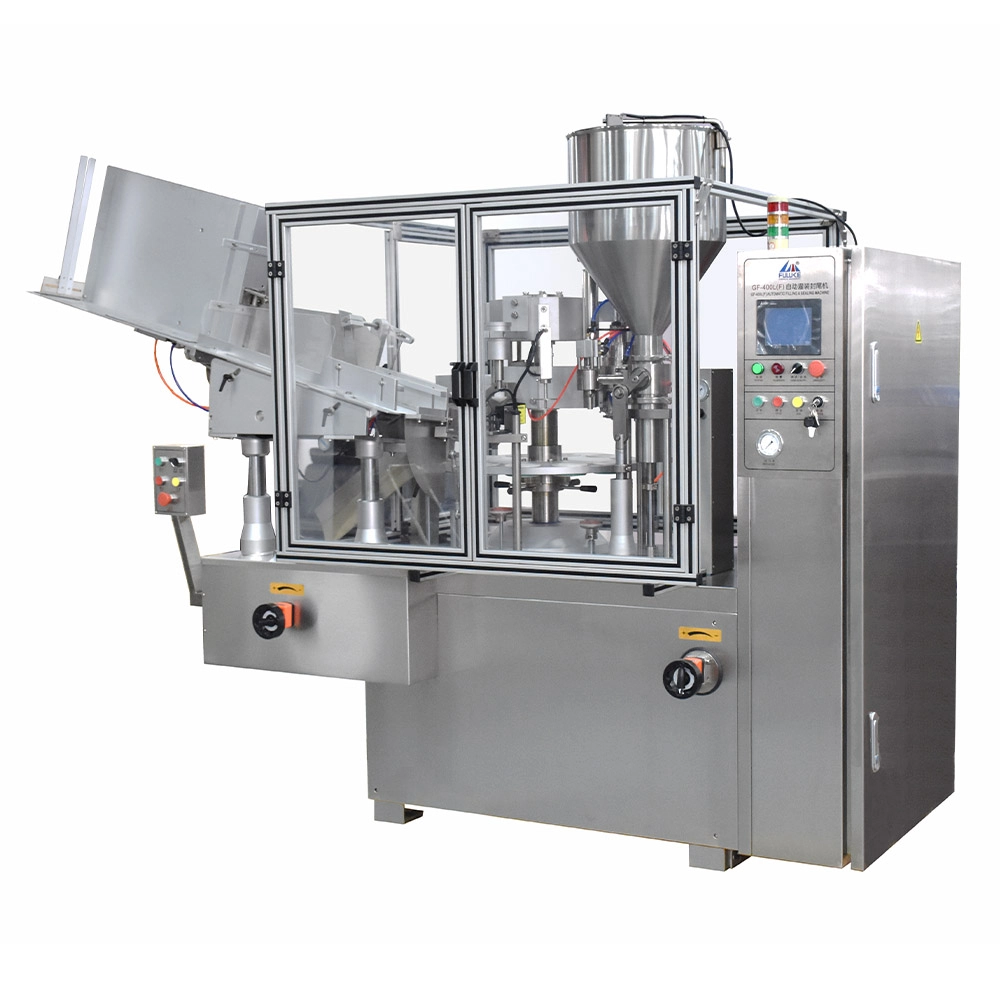
Automatic Tube Filling and Sealing Machine Toothpaste Sunscreen and Facial Cleanser Filling and Sealing Machine for Plastic and Aluminum-plastic Tube
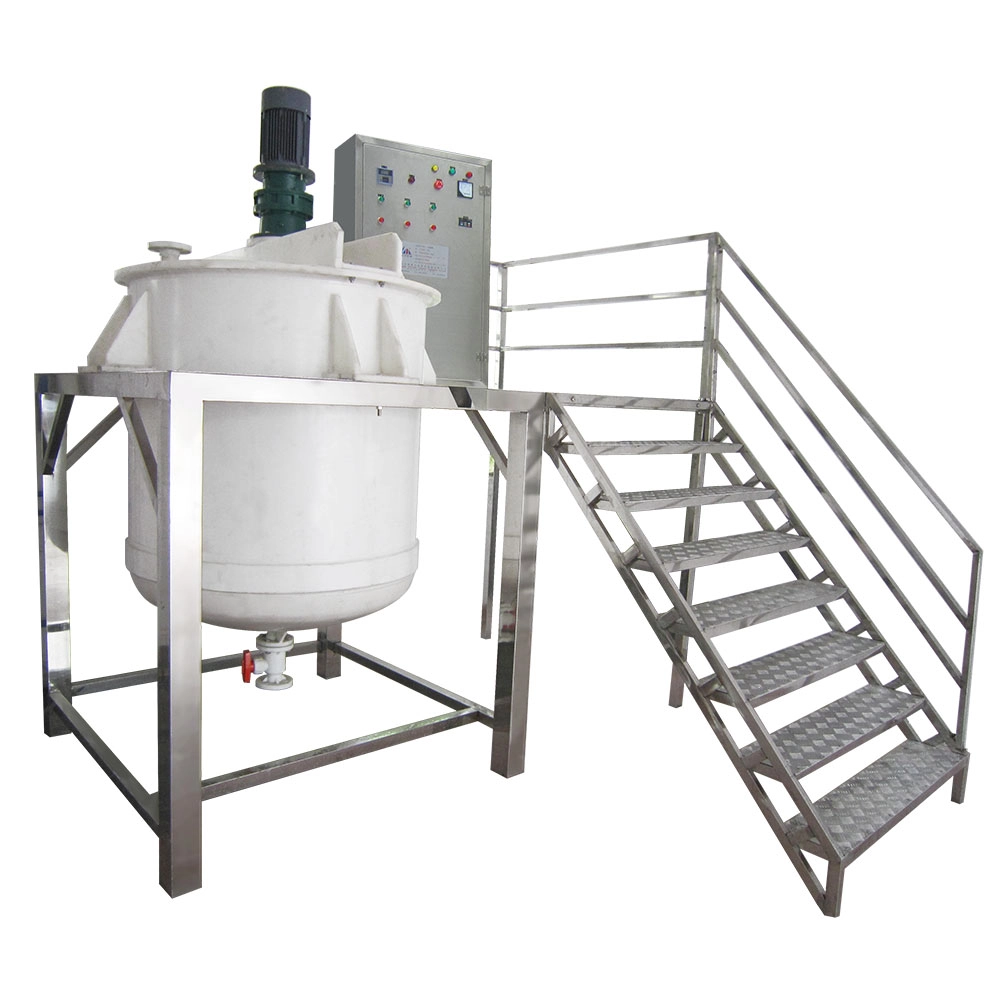
Polypropylene PP Mixing Tank Anti-Corrosion Mixer Reaction Kettle with Agitator Chemical Mixing Vessel
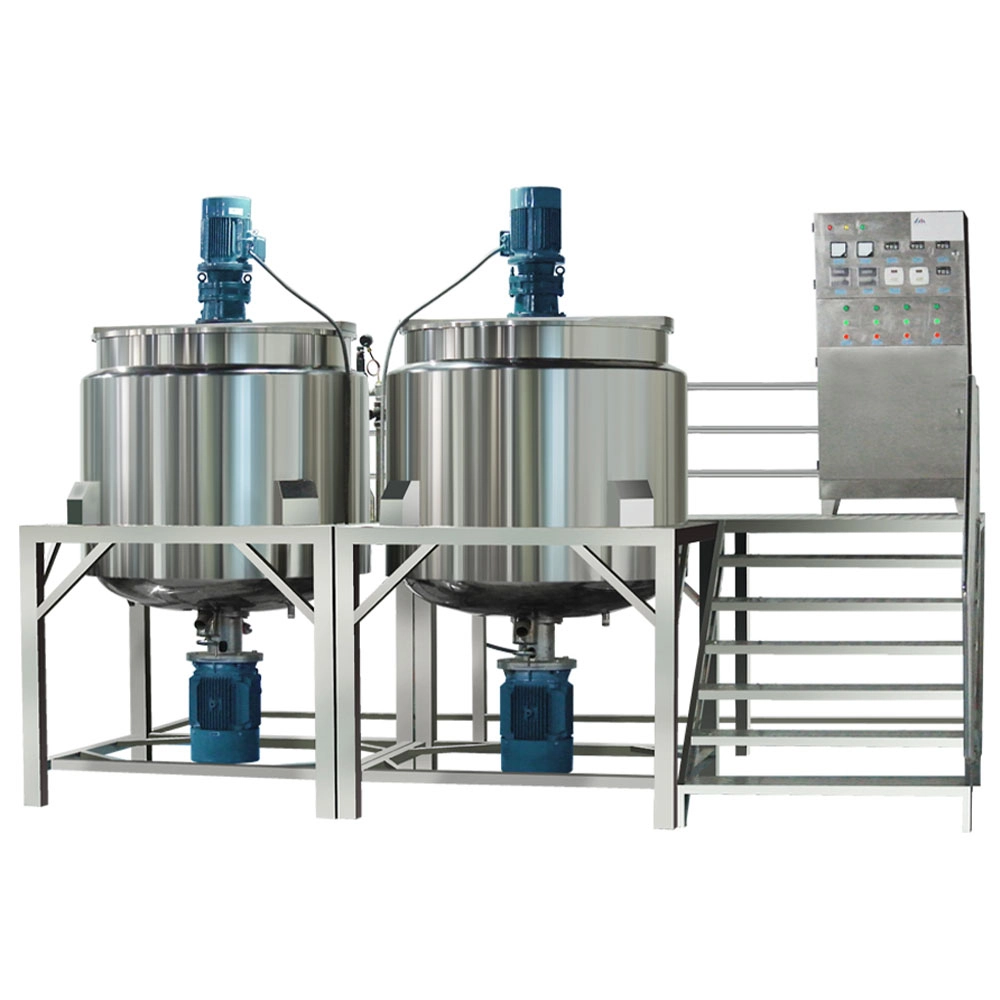
Flip Cover Multi-function Liquid Wash Mixing Tank Blender Liquid Detergent Mixer Homogenization Stirring Tank
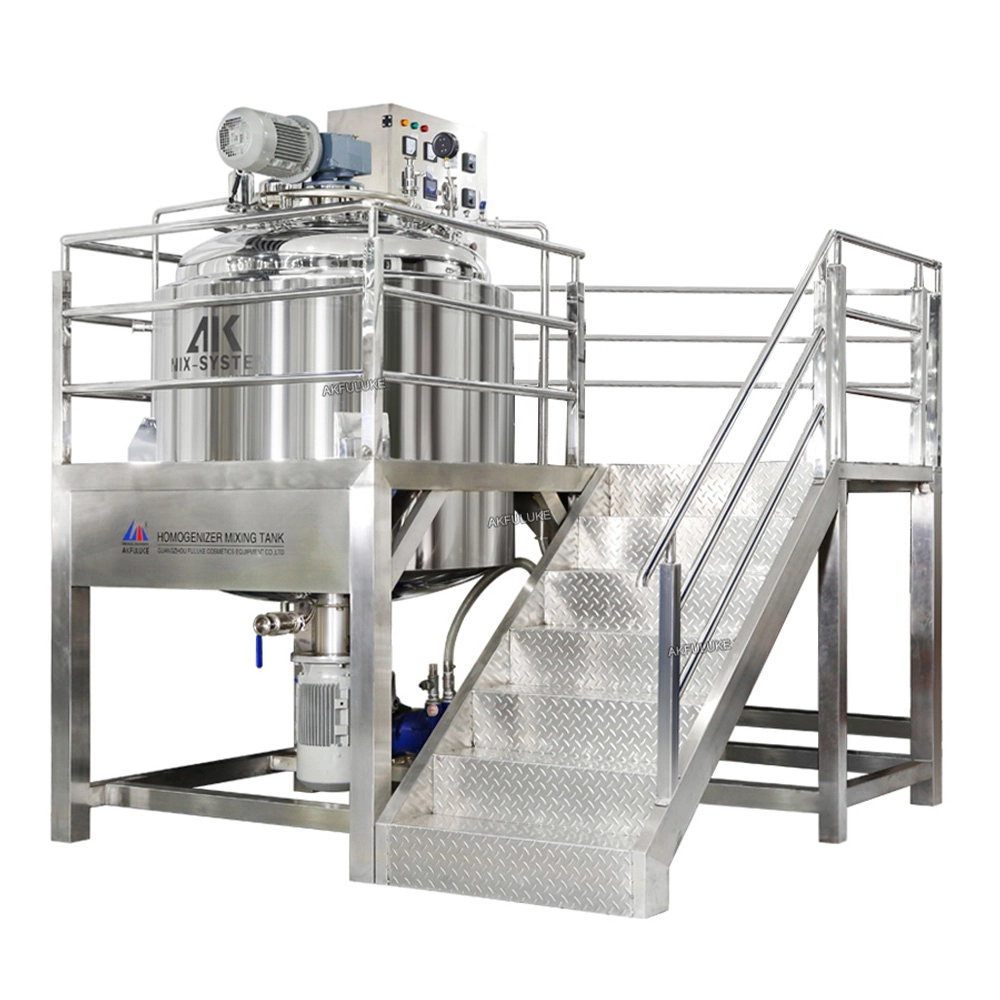
Stainless Steel Mixer Liquid Mixing tank with Agitator Homogenizing Mixing tank Vacuum Sealed Mixer Machine
Get in touch with FULUKE
If you have any comments or good suggestions, please leave us a message, later our professional staff will contact you as soon as possible.

A leading manufacturer specializing in advanced machinery and complete production lines for the cosmetics, food, pharmaceutical, and chemical industries worldwide.
Contact FULUKE
Facebook
Instagram
YouTube