
Choosing the Right Liquid Filling Machine for Your Production Line
- Why the Right Liquid Filling Machine Matters for Your Production Goals
- Production efficiency and cost control
- Product quality, dosing accuracy and traceability
- Compliance with GMP and material safety
- Key Technical Considerations When Selecting a Liquid Filling Machine
- Filling accuracy and measurement method
- Compatibility with viscosity, emulsions and pastes
- Container types and changeover flexibility
- Operational Features and Automation Options
- Integration with upstream/downstream equipment
- Controls, HMI and Industry 4.0 readiness
- Cleaning, maintenance and hygienic design
- Comparing Filling Technologies and Matching to Your Product
- Common filling technologies
- Technology comparison
- Which to choose for creams and lotions?
- Evaluating Vendors and Long-term Considerations
- Factory acceptance tests and on-site trials
- Service, spare parts and training
- Scalability and future-proofing
- How the Automatic Filling Machine Quantitative Liquid Bottle Filling Machine Meets These Needs
- Brand advantages and why manufacturers choose this model
- Frequently Asked Questions (FAQ)
- Q: What filling accuracy can I expect for creams and lotions?
- Q: Is the machine suitable for fragile glass bottles?
- Q: How easy is it to clean between product changes?
- Q: What industries commonly use this type of filling machine?
- Q: How should I evaluate return on investment (ROI)?
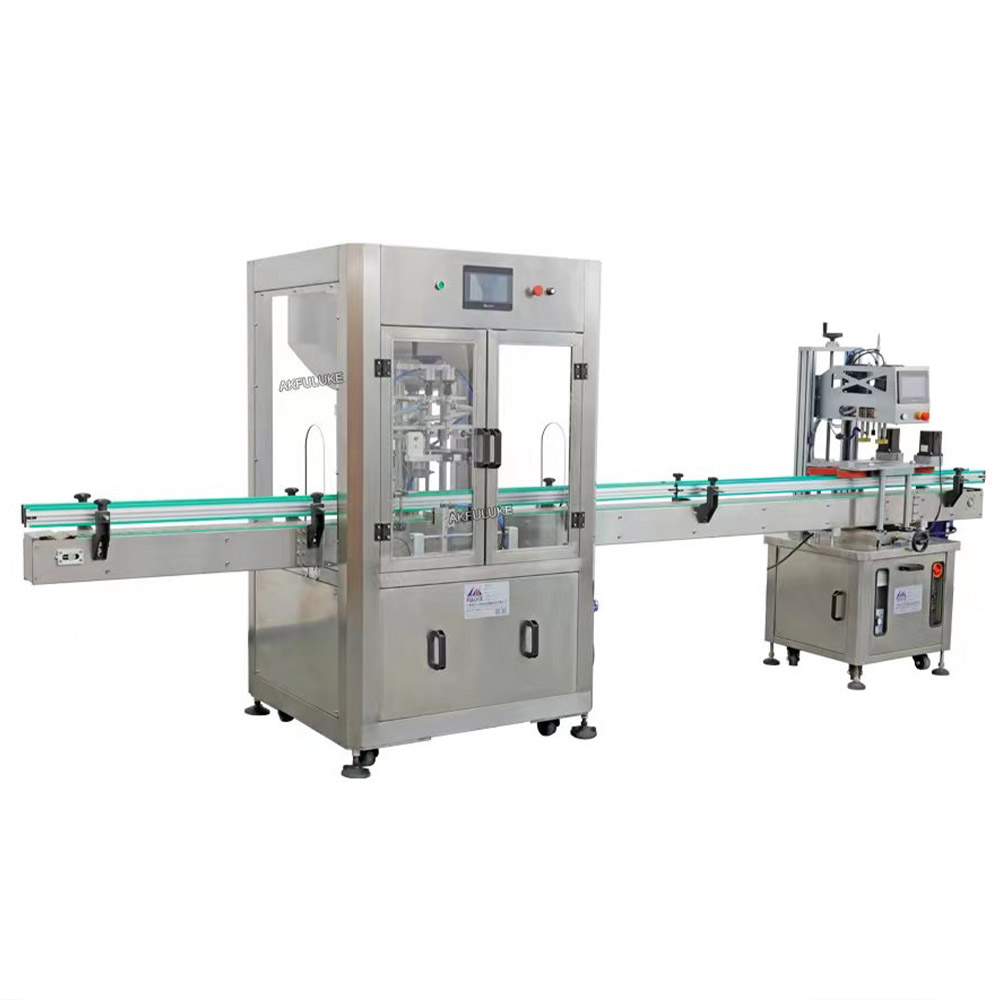
The right liquid filling machine can make or break a production line: affecting throughput, product consistency, regulatory compliance and operating costs. This guide explains how to evaluate filling accuracy, viscosity handling, container compatibility, materials and automation features so you can choose a solution that scales with your business and meets industry standards for cosmetics, food and pharmaceuticals.
Why the Right Liquid Filling Machine Matters for Your Production Goals
Production efficiency and cost control
Choosing an appropriate liquid filling machine directly affects cycle time, changeover speed and labor requirements. Modern automatic filling machines reduce manual handling, lower error rates, and improve line uptime. For manufacturers aiming to reduce per-unit cost, investing in equipment that minimizes waste and supports quick changeovers is essential. When evaluating options, calculate cost-per-bottle including labor, downtime and scrap.
Product quality, dosing accuracy and traceability
High-precision dosing ensures consistent product performance and customer satisfaction. A liquid filling machine that delivers repeatable volumes within tight tolerances prevents overfilling or underfilling that can lead to regulatory issues or customer complaints. Traceability features (batch codes, integration with MES) support recalls and quality investigations. Refer to industry concepts on filling machines for an overview of common technologies and accuracy expectations (Wikipedia: Filling machine).
Compliance with GMP and material safety
For cosmetics, pharma, and food production, compliance with Good Manufacturing Practice (GMP) is a baseline requirement. Machines with sanitary designs and hygienic materials (316L/304 stainless steel contact parts) help maintain product safety and cleanability. See global GMP guidance for reference (GMP overview).
Key Technical Considerations When Selecting a Liquid Filling Machine
Filling accuracy and measurement method
Understand acceptable tolerances for your product. Volumetric piston fillers deliver high reproducibility for viscous creams and lotions, while time-pressure or gravity fillers may be appropriate for low-viscosity solutions. Check the specified accuracy and repeatability in the machine datasheet and request evidence (test reports or demo fills) with your product formulation.
Compatibility with viscosity, emulsions and pastes
Not all liquid filling machines handle emulsions or shear-sensitive formulations the same way. For creams and lotions, select a machine designed for viscous media — often piston or positive-displacement pump systems reduce air entrainment and maintain emulsion stability. The Automatic Filling Machine Quantitative Liquid Bottle Filling Machine High-precision cream and lotion filling machine is engineered for liquids, emulsions and pastes, offering precise dosing for a broad viscosity range.
Container types and changeover flexibility
Consider the range of container sizes and materials you use: glass, PET, plastic tubes, jars or bottles. Look for machines that support quick format changeovers and modular tooling to minimize downtime. If your product line includes multiple container types, choose equipment with adjustable conveyors, easily swappable nozzles and memory recipes in the HMI.
Operational Features and Automation Options
Integration with upstream/downstream equipment
An automated filling machine should integrate smoothly with your conveyor, capping, labeling and inspection systems. PLC and I/O compatibility, as well as support for common industrial communication protocols, enable synchronized production and centralized control. The goal is a continuous, automated process from empty containers to finished, labeled products.
Controls, HMI and Industry 4.0 readiness
A user-friendly touchscreen HMI speeds operator training and reduces setup errors. Features such as recipe management, batch records and remote monitoring support scalable operations. For manufacturers pursuing digital transformation, ensure the machine supports connectivity for data collection and predictive maintenance.
Cleaning, maintenance and hygienic design
Sanitary design reduces downtime from cleaning and risk of cross-contamination. Look for machines with easy-to-disassemble contact parts, smooth surfaces, CIP (clean-in-place) or simple manual cleanability. Using 316L or 304 stainless steel for contact components is standard; these metals balance corrosion resistance and cost for cosmetics and pharmaceuticals. The product described here cites 316L/304 stainless steel contact components and GMP compliance, which aligns with these expectations.
Comparing Filling Technologies and Matching to Your Product
Common filling technologies
Choose the technology by matching product characteristics and production goals. Basic choices include:
- Piston/positive-displacement: excellent for viscous creams and lotions.
- Peristaltic: avoids product contact with pump internals; good for sterility but limited for high viscosity.
- Gravity: suitable for low-viscosity liquids with low solids content.
- Time-pressure: flexible for liquids but can be less accurate with changing viscosity.
- Pump (gear, lobe): good for a wide viscosity range with consistent flow.
Technology comparison
Use this table to compare typical filling technologies against the needs of creams, lotions and liquid soaps:
| Technology | Best for | Viscosity Range | Accuracy |
|---|---|---|---|
| Piston / Positive-displacement | Thick creams, lotions, pastes | High | High |
| Peristaltic | Sterile liquids, corrosive fluids | Low to Medium | Medium |
| Gravity | Thin, low-solids liquids | Low | Medium |
| Time-pressure | Thin to medium liquids; flexible volumes | Low to Medium | Variable |
| Gear / Lobe Pump | Viscous creams and shear-sensitive fluids | Medium to High | High |
Which to choose for creams and lotions?
For cream and lotion production lines, piston or gear-pump based liquid filling machines are typically preferred. They provide precise dosing, consistent throughput and gentle handling of emulsions. The Automatic Filling Machine Quantitative Liquid Bottle Filling Machine High-precision cream and lotion filling machine is specified for creams, lotions and emulsions and incorporates precision filling and intelligent control suitable for these applications.
Evaluating Vendors and Long-term Considerations
Factory acceptance tests and on-site trials
Always request factory acceptance testing (FAT) and, if possible, on-site demonstration (SAT) with your exact product and container. Verify accuracy, cycle speed, foaming/splashing behavior and changeover times. Insist on written performance guarantees tied to acceptance criteria.
Service, spare parts and training
After-sales support is as important as machine specs. Choose vendors with local support, rapid spare parts supply and operator/maintenance training programs. Consider the Total Cost of Ownership (TCO): availability of consumables, frequency of preventive maintenance and mean time between failures (MTBF).
Scalability and future-proofing
Plan for capacity growth. A modular filling machine that accepts add-on modules (more filling heads, higher-speed conveyors, in-line quality checks) will protect your capital investment. Machines with digital controls and open protocols are easier to integrate into evolving production ecosystems.
How the Automatic Filling Machine Quantitative Liquid Bottle Filling Machine Meets These Needs
The Automatic Filling Machine Quantitative Liquid Bottle Filling Machine High-precision cream and lotion filling machine is designed to address the main selection criteria discussed above. Product highlights include:
- Precision filling suitable for liquids, emulsions and pastes, reducing overfill/underfill risks.
- Compatibility with a variety of containers including glass and PET bottles.
- 316L/304 stainless steel contact components and GMP-compliant design to support sanitary processing.
- Automated conveying, precision filling and intelligent control to minimize manual intervention and labor costs.
- Touchscreen HMI for quick parameter adjustment and recipe management.
Product introduction:
The automatic filling machine integrates automated conveying, precision filling, and intelligent control for packaging creams, lotions, and liquids. Suitable for a variety of containers, including glass and PET bottles, it can fill liquids, emulsions, and pastes with high precision.
Constructed with 316L/304 stainless steel contact components and compliant with GMP standards, it features a touchscreen interface for quick parameter adjustment and completes the entire process without manual intervention. Widely used in the cosmetics, food, daily chemical, pharmaceutical, and chemical industries, it helps companies reduce costs, increase efficiency, and ensure product standardization.
Brand advantages and why manufacturers choose this model
Key competitive advantages include:
- Proven accuracy for high-value cosmetics and pharmaceuticals where dosing precision matters.
- Hygienic construction (316L/304 stainless contact surfaces) aligned with GMP expectations (WHO: GMP guidance).
- Integrated automation reduces manual handling and standardizes output across shifts and operators.
- Flexible configuration supports a wide range of containers and facilitates fast product changeovers.
Frequently Asked Questions (FAQ)
Q: What filling accuracy can I expect for creams and lotions?
A: Accuracy depends on the technology and machine calibration. Well-designed piston or gear-pump filling machines typically achieve tight tolerances (often within ±0.5-1% for target volumes). Always request test fills with your product to validate accuracy.
Q: Is the machine suitable for fragile glass bottles?
A: Yes, if configured with appropriate conveyors, bottle guides and gentle handling modules. Specify glass handling when ordering to ensure tooling and conveyor speeds are optimized.
Q: How easy is it to clean between product changes?
A: Hygienic design, quick-disconnect nozzles and accessible contact parts reduce cleaning time. For critical hygiene needs, verify whether CIP-compatible options are available or if manual clean-down procedures meet your SOPs.
Q: What industries commonly use this type of filling machine?
A: Cosmetics, food, daily chemicals (soaps, detergents), pharmaceuticals and specialty chemicals commonly use this class of filling machine due to its versatility handling liquids, emulsions and pastes.
Q: How should I evaluate return on investment (ROI)?
A: Calculate ROI by comparing labor savings, reduced waste, increased throughput, and improved product consistency against equipment cost and maintenance. Include intangible benefits such as improved compliance and reduced recall risk.
If you want to see technical specifications, watch a demo, or request a factory acceptance test with your product, contact our sales team or view the product page.
Contact us: For personalized consultation, demonstration scheduling, or quoting, please email our sales team or click to view the product brochure and specifications.
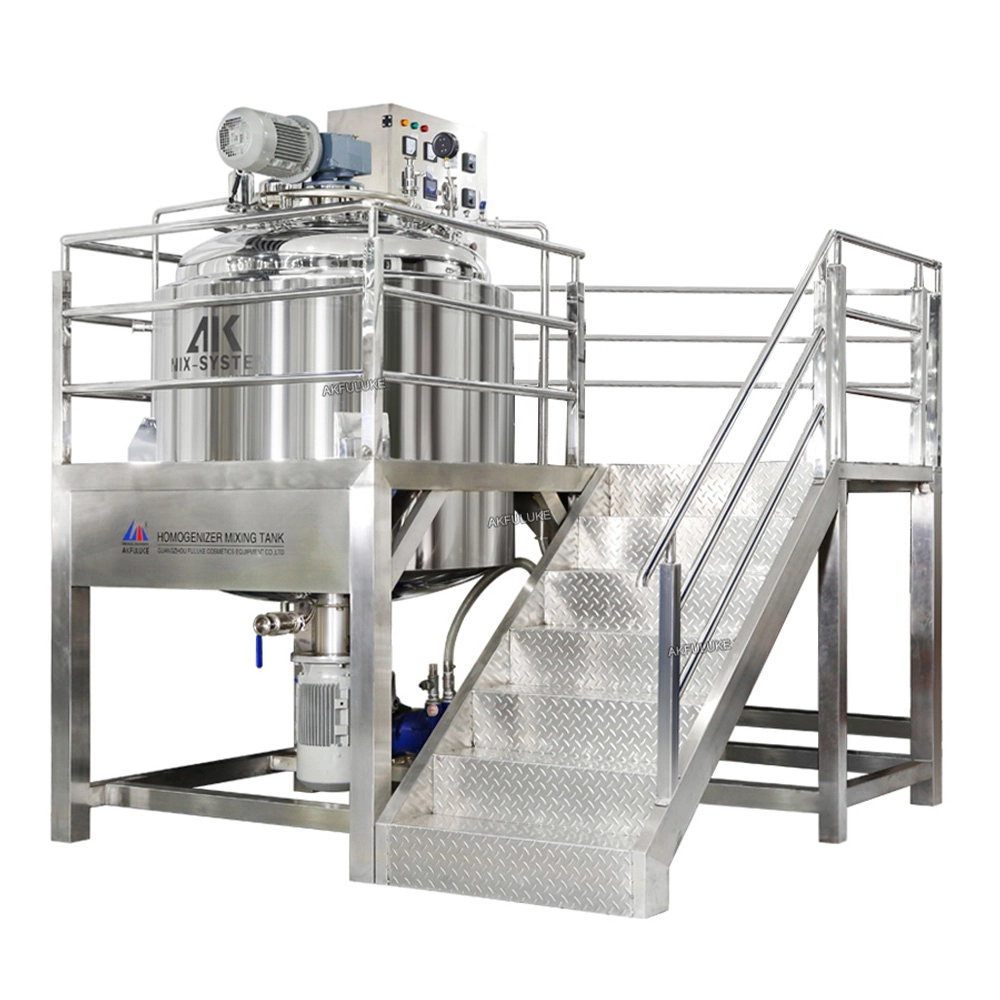
Cost of Ownership: Stainless Steel Mixing Tank ROI Analysis
Top 10 filling capping machine Manufacturers and Supplier Brands in 2026
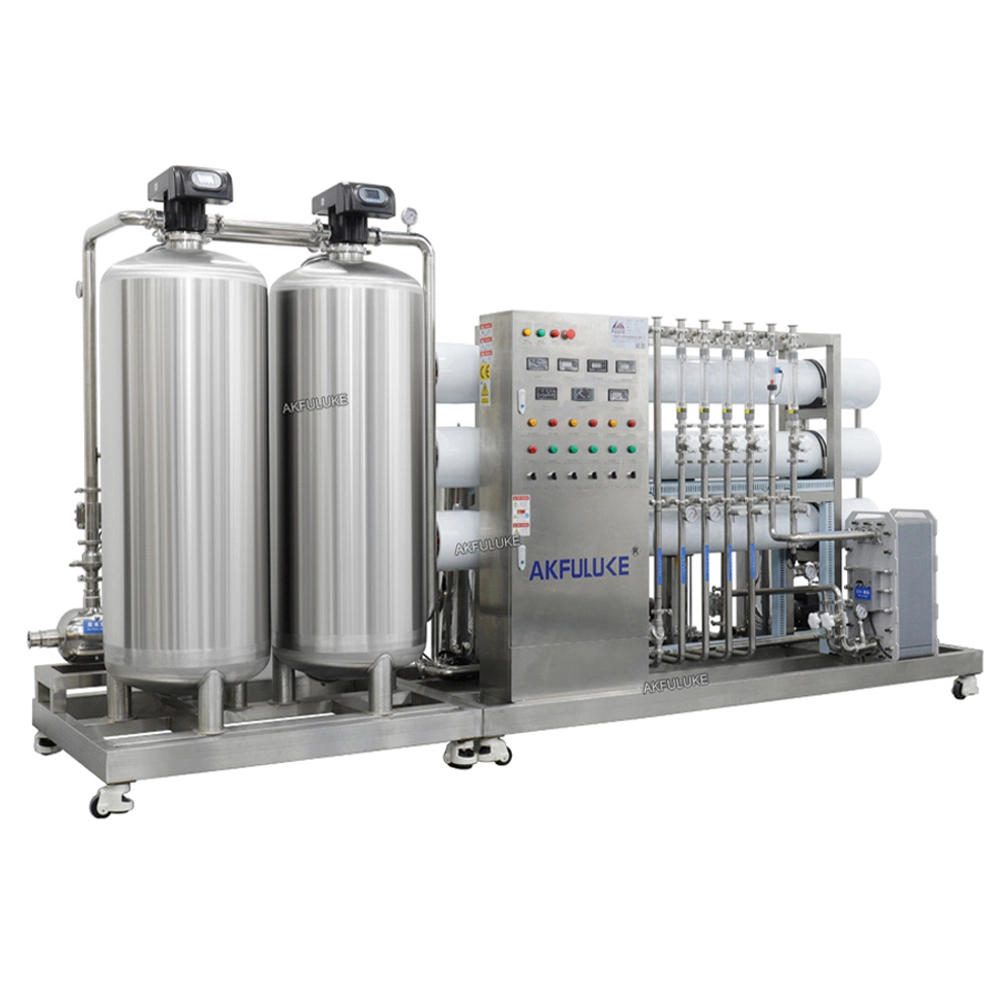
Spec Checklist: Capacity, Recovery, and Water Quality for RO
Top 10 cosmetics equipment Manufacturers and Supplier Brands
RO Water Treatment
Who are we?
Our headquarters is located in Guangzhou, Guangdong, China, and our factory is located in Yangzhou, Jiangsu. Our products are sold all over the world. We have approximately 50 employees in our company and factory.
Polypropylene PP Mixing Tank
Which mixing pot should I choose between a PP and a stainless steel mixing pot?
When the material is corrosive, a PP mixing pot is more advantageous. Stainless steel (such as 304) has poor resistance to acids and alkalis (easily corroded by hydrochloric acid and sodium hydroxide). For corrosion protection, upgrading to 316L stainless steel is necessary, which costs 2-3 times more than PP. PP, on the other hand, can withstand low- to medium-concentration corrosive media and offers low maintenance (no rust removal required, and low scaling).
When the material is non-corrosive, a stainless steel mixing pot is more advantageous. Stainless steel offers higher temperature resistance (up to 200°C), greater strength (suitable for high-viscosity materials), and a higher hygienic grade (easy to clean aseptically), making it suitable for non-corrosive but demanding applications such as food and pharmaceuticals.
What can you buy from us?
RO Water Treatment、Vacuum Emulsifying Machine、Homogenizer Mixing Tank、Filling and Capping、labeling Machine、Packing Machine、Storage Tank,etc.
Film Packaging Machine
What can you buy from us?
RO Water Treatment、Vacuum Emulsifying Machine、Homogenizer Mixing Tank、Filling and Capping、labeling Machine、Packing Machine、Storage Tank,etc.
Storage Tank
Do special operating conditions (such as high temperature or high pressure) require special customization?
Yes. High-temperature applications require the use of heat-resistant materials and additional insulation. High-pressure applications require enhanced tank wall thickness and sealing structures. Both require individual designs according to corresponding industry standards.
You May Also Like
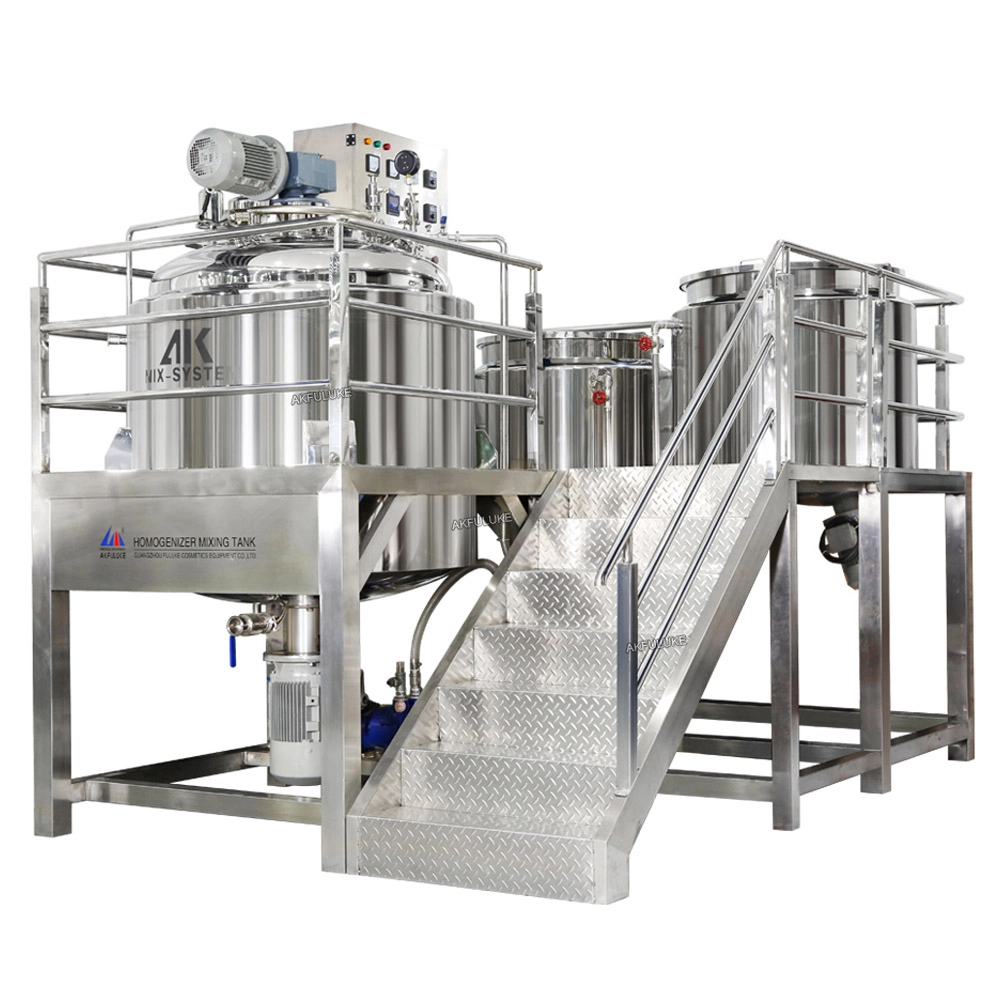
Fixed Type Vacuum Mixing Emulsifying Equipment for Cosmetic Cream Ointment Lotion Vacuum Homogenizer Mixer
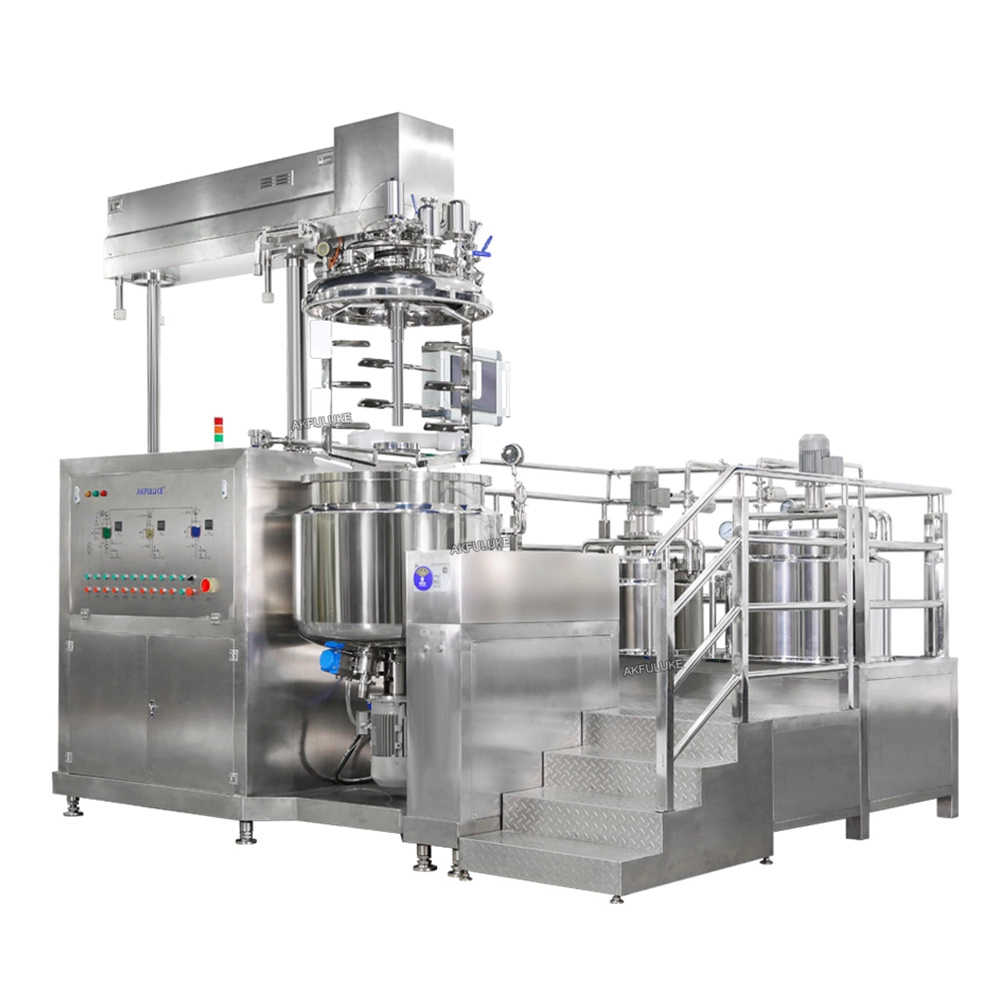
Hydraulic lift Cosmetic Vacuum Homogenizer Emulsifying Mixer for Making Cream and Lotion Mayonnaise Mixing Machine
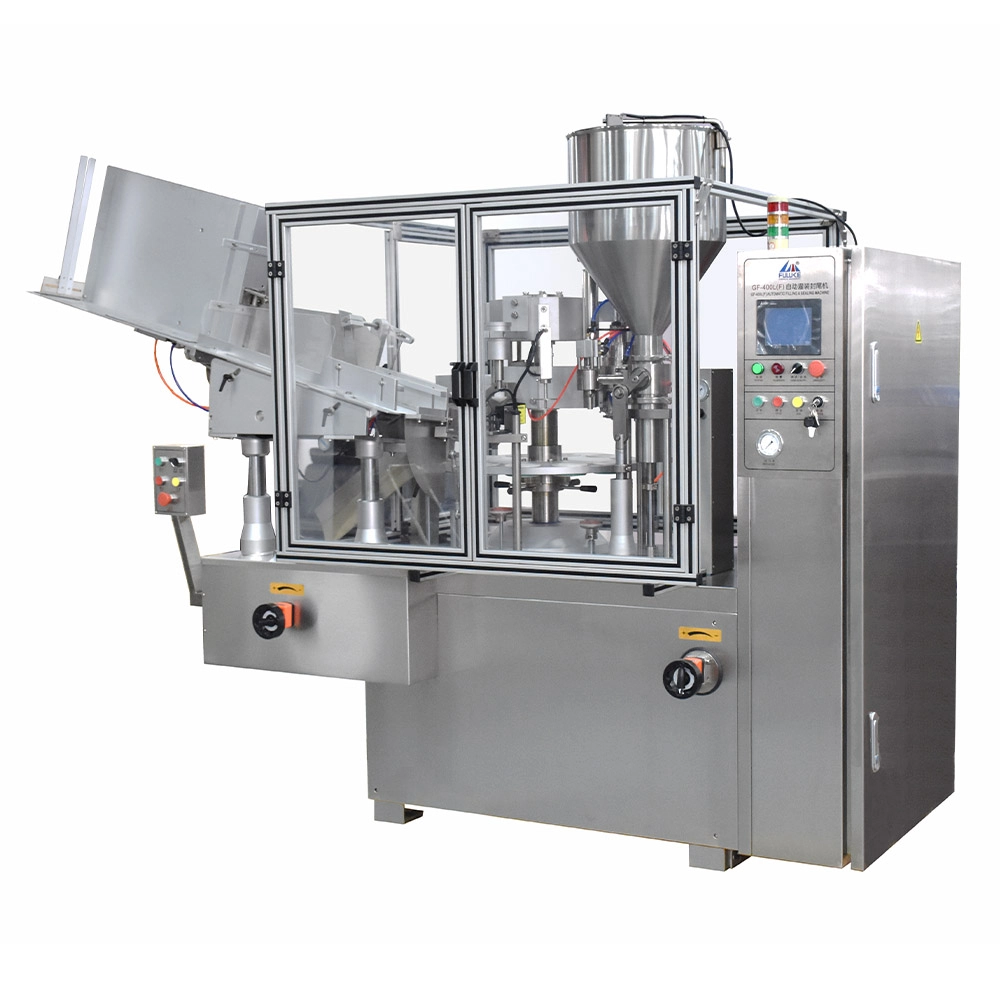
Automatic Tube Filling and Sealing Machine Toothpaste Sunscreen and Facial Cleanser Filling and Sealing Machine for Plastic and Aluminum-plastic Tube
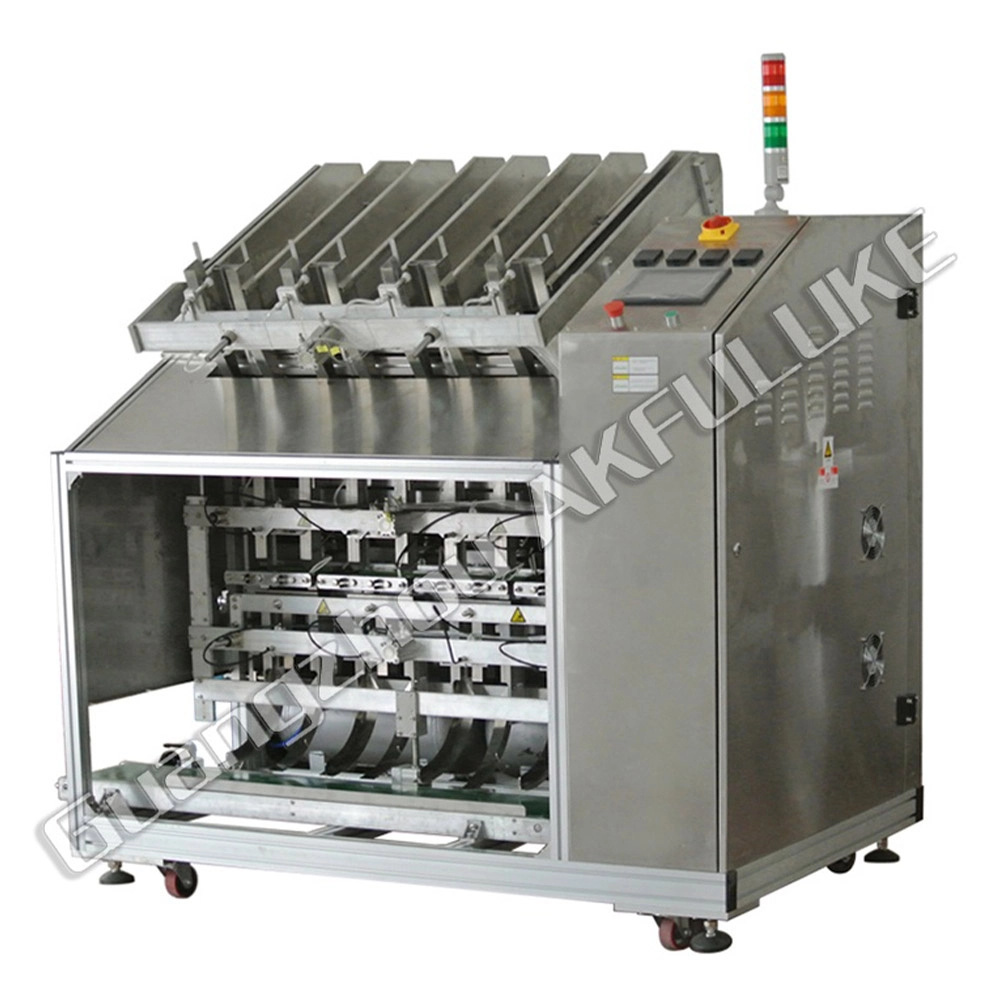
Effective Automatic Facial Mask Filling Machine 2/6/8 Heads Facial Mask Filling and Sealing Machine
Get in touch with FULUKE
If you have any comments or good suggestions, please leave us a message, later our professional staff will contact you as soon as possible.

A leading manufacturer specializing in advanced machinery and complete production lines for the cosmetics, food, pharmaceutical, and chemical industries worldwide.
Contact FULUKE
Facebook
Instagram
YouTube