
Cleaning and Sanitation Tips for Cream and Lotion Fillers
- Cleaning fundamentals for cream and lotion filling systems
- Why specific cleaning matters for creams and lotions
- Materials and design considerations
- Regulatory and quality frameworks
- Validated cleaning procedures: CIP, SIP and manual methods
- Cleaning-in-place (CIP) workflow for viscous products
- Steam-in-place (SIP) and its role
- Manual cleaning and disassembly for nozzles and pumps
- Practical sanitation tips and troubleshooting
- Choosing the right chemicals and concentrations
- Temperature, contact time and mechanical action
- Common cleaning problems and fixes
- Monitoring, validation and documentation
- Swab and rinse testing for residue and microbes
- Validation and acceptance criteria
- Recordkeeping and continuous improvement
- Integrating sanitation with high-precision filling equipment
- Design features that simplify cleaning
- Automation benefits for sanitation
- Maintenance and spare parts
- Comparison: cleaning approaches for cream and lotion fillers
- Brand advantages and why the Automatic Filling Machine is suited for cosmetics
- Precision and material compliance
- Automation for consistent sanitation
- Cross-industry versatility and support
- Frequently Asked Questions (FAQ)
- Q: How often should I run a CIP cycle on a cream or lotion line?
- Q: Are there cleaners that are incompatible with stainless steel 316L/304?
- Q: Can automated liquid filling machines be retrofitted for CIP/SIP?
- Q: What are practical indicators of inadequate cleaning?
- Contact us / See the product
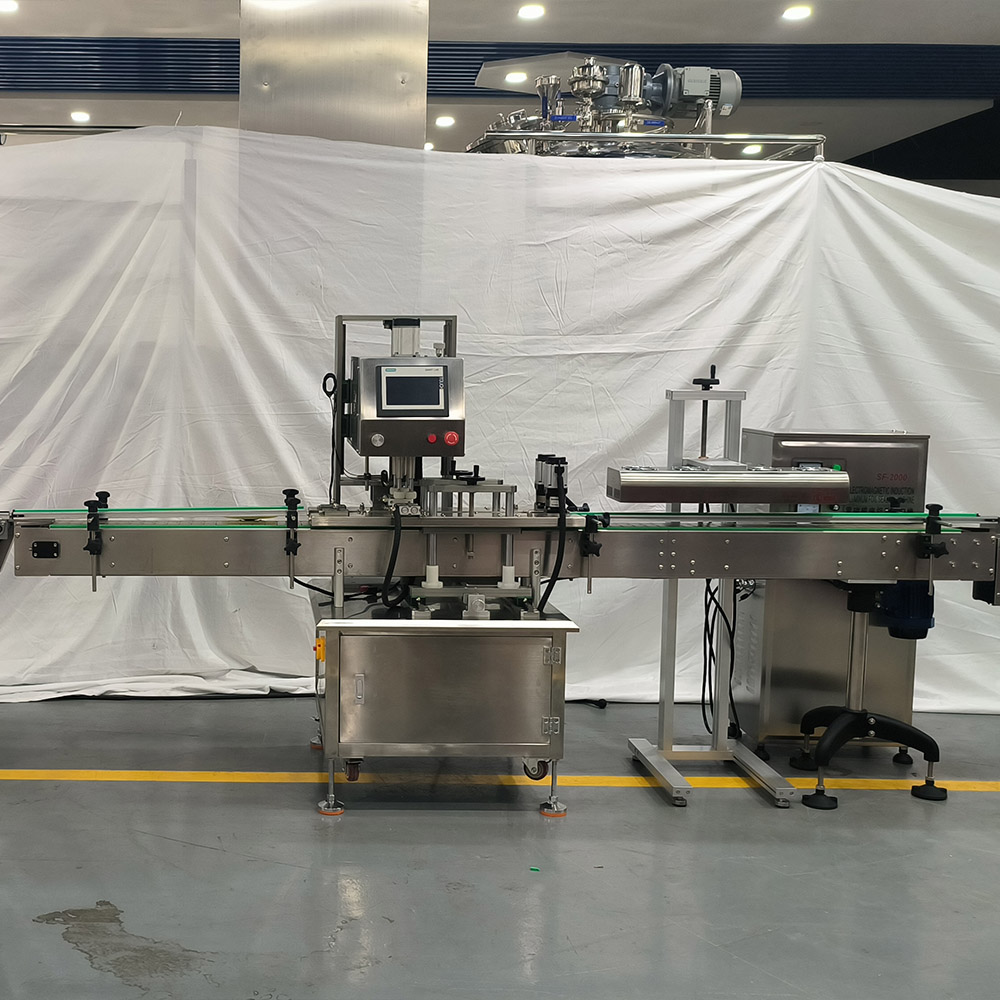
Effective cleaning and sanitation of cream and lotion fillers is critical to product quality, compliance, and operational efficiency. For manufacturers using a liquid filling machine—especially high-precision systems designed for creams, lotions and emulsions—establishing validated cleaning protocols, material-appropriate chemistries, and robust monitoring controls reduces cross-contamination risk, minimizes downtime, and supports GMP compliance.
Cleaning fundamentals for cream and lotion filling systems
Why specific cleaning matters for creams and lotions
Creams and lotions are emulsions or semi-solid formulations that readily adhere to surfaces and can trap microbes or residues in valves, nozzles and dead legs. Without proper cleaning, residues can lead to rancidity, microbial growth, off-odors, and batch rejection. Adopting sanitation practices tailored to viscous and oil-containing liquids is necessary for any high-precision cream filling machine.
Materials and design considerations
Equipment contact parts are typically 316L or 304 stainless steel; these materials resist corrosion and are compatible with common cleaning chemistries when properly maintained. Systems with smooth surface finishes (Ra ≤ 0.8 µm for many cosmetic applications), minimal dead legs, and sanitary fittings simplify cleaning. When selecting or auditing a liquid filling machine, prioritize accessible manifolds, quick-disconnect couplings, hygienic valves, and CIP-compatible nozzles.
Regulatory and quality frameworks
Follow GMP principles such as segregation of product zones, validated cleaning, and documented procedures. Authoritative resources include the FDA guidance for cosmetics (FDA Cosmetics) and general GMP principles (Good manufacturing practice), which emphasize validated controls and traceability. While not all cosmetic operations are regulated like pharmaceuticals, aligning with these standards reduces risk and improves customer confidence.
Validated cleaning procedures: CIP, SIP and manual methods
Cleaning-in-place (CIP) workflow for viscous products
CIP is the preferred approach for high-throughput liquid filling machine lines. A typical CIP cycle for cream and lotion fillers includes: pre-rinse to remove bulk residues, caustic circulation to emulsify oils and remove organic residues, intermediate rinse, acid passivation to remove mineral scale if needed, final rinse, and sanitization. For oily or highly viscous residues, use higher temperatures and increased mechanical action (flow velocity, spray balls, or specialized nozzles) to improve efficacy.
Steam-in-place (SIP) and its role
SIP is used primarily for sterilization rather than gross cleaning. When microbial control is critical, follow CIP with SIP of components that tolerate elevated temperatures. Ensure seals, polymers and sensors are rated for SIP conditions. SIP can be integrated into automated cleaning cycles on advanced liquid filling machines for added assurance.
Manual cleaning and disassembly for nozzles and pumps
Not all components are CIP-compatible—some nozzles, piston parts or pumps require periodic disassembly. Establish step-by-step SOPs describing safe removal, ultrasonic or brush cleaning, and inspection for wear. Use validated brushes and detergents that do not shed particles or leave residues. After manual cleaning, reassemble using aseptic technique and perform leak and function tests before returning to production.
Practical sanitation tips and troubleshooting
Choosing the right chemicals and concentrations
Cleaning agents commonly used include alkaline detergents (sodium hydroxide or proprietary caustic blends) to break oils and proteins, acidic cleaners (phosphoric or citric acid blends) for inorganic scale, and sanitizers such as peracetic acid or hydrogen peroxide for microbial control. Typical guidance (consult your chemical supplier and internal validation): alkaline wash 0.5–2.0% w/w at 40–70°C; acid rinse 0.5–1.5% at ambient to 50°C; sanitizer per supplier directions. Always verify material compatibility with 316L/304 stainless and elastomers (EPDM, silicone, PTFE).
Temperature, contact time and mechanical action
Effective cleaning is a function of chemistry, temperature, contact time and mechanical action. For viscous creams and lotions, raise temperature (within formulation stability limits) and use longer recirculation times or higher flow rates. If the filling machine supports variable-speed pumps or spray heads, adjust to increase turbulence in manifolds and nozzles. Record and monitor these parameters in the batch or CIP log for traceability.
Common cleaning problems and fixes
Problem: Persistent oil film or lipstick-like residue.
Fix: Increase caustic concentration or temperature, add enzymatic pre-wash to break down lipids, and increase mechanical action in the nozzle region.
Problem: Microbial regrowth between batches.
Fix: Review sanitization step—consider switching to a broad-spectrum sanitizer like peracetic acid, ensure adequate contact time, and implement environmental monitoring of clean zones.
Problem: Discoloration or pitting of stainless surfaces.
Fix: Check for chloride-induced corrosion from aggressive cleaners or improper passivation. Restore passivation and evaluate chemical choices; consult stainless steel guidelines.
Monitoring, validation and documentation
Swab and rinse testing for residue and microbes
Implement routine swab testing on contact surfaces (nozzles, manifold interiors, valve seats) and TOC (total organic carbon) or conductivity rinse tests to verify removal of residues. Use microbiological environmental monitoring in filling and filling-adjacent areas, following a risk-based sampling plan. Recording results supports root-cause analysis if product contamination is detected.
Validation and acceptance criteria
Define acceptance limits for visual cleanliness, TOC, microbial counts, and endotoxins where applicable. Validate cleaning cycles under worst-case conditions—most viscous product, most difficult-to-clean components, and longest dwell time. Document validation reports and keep change control when formulas or equipment change. For guidance on establishing GMP-consistent systems, review FDA resources (FDA Cosmetics) and GMP references (GMP).
Recordkeeping and continuous improvement
Maintain CIP logs, chemical usage records, validation reports, training records and deviation logs. Analyze trends for increased cleaning time, elevated microbial counts, or frequent manual interventions—these signal opportunities for engineering improvements or better SOPs. A closed-loop corrective action system reduces recurring sanitation issues.
Integrating sanitation with high-precision filling equipment
Design features that simplify cleaning
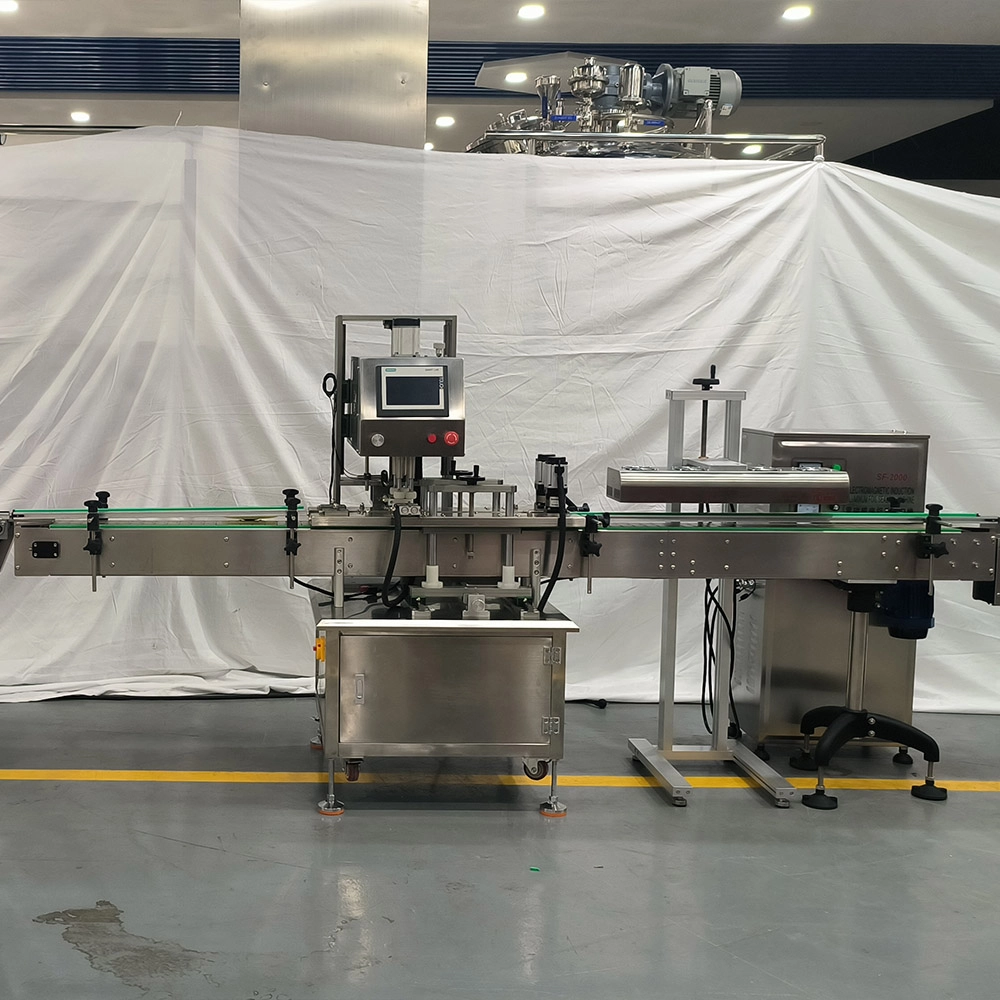
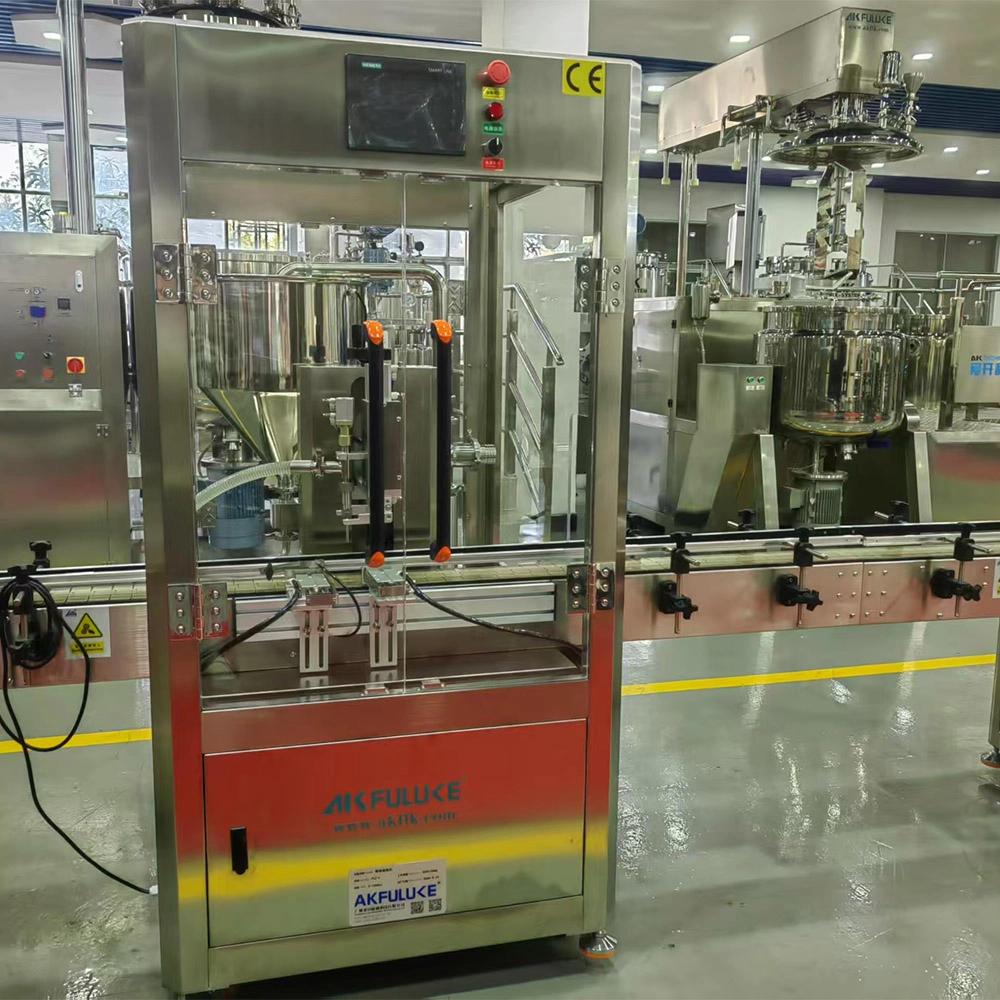
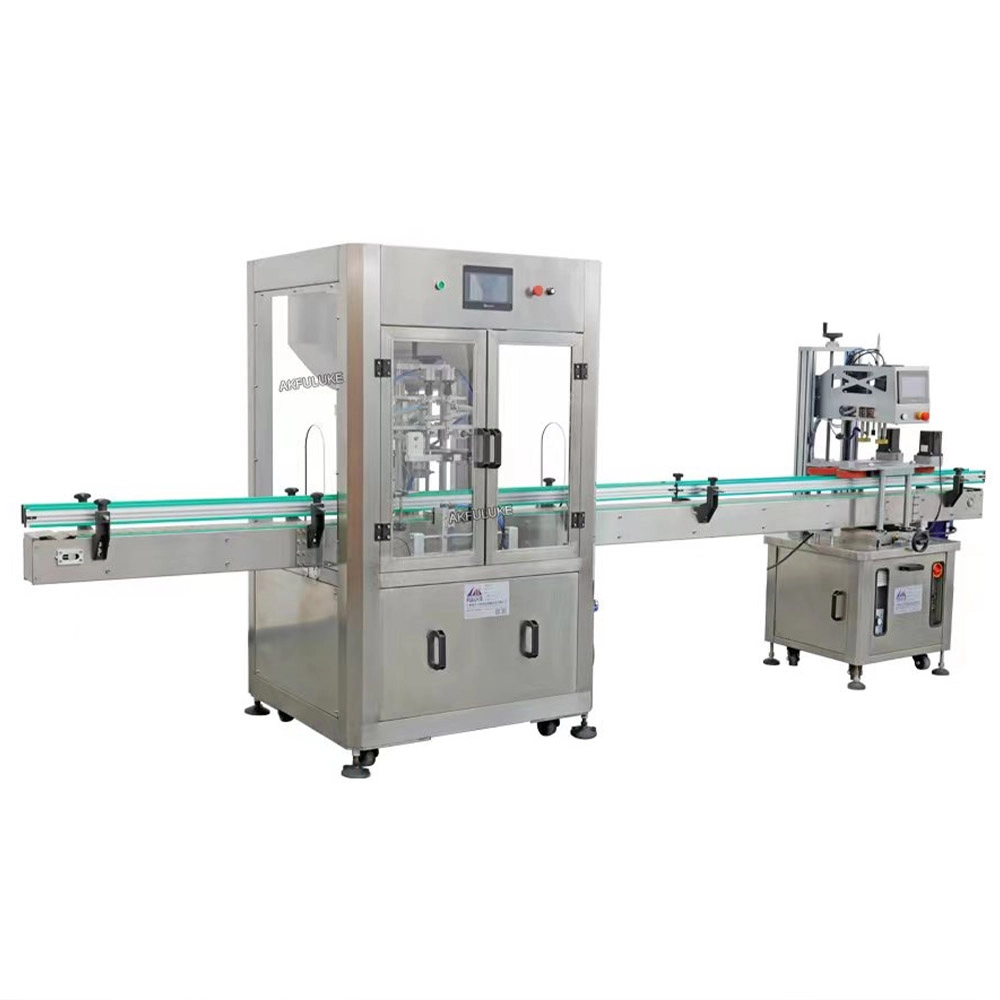
When choosing or upgrading a liquid filling machine, look for hygienic design: sloped surfaces to avoid pooling, seamless welds, sanitary clamps, and CIP-compatible valves. The Automatic Filling Machine Quantitative Liquid Bottle Filling Machine High-precision cream and lotion filling machine integrates automated conveying, precision filling, and intelligent control to reduce manual handling—reducing contamination risk and making sanitation cycles more consistent.
The automatic filling machine integrates automated conveying, precision filling, and intelligent control for packaging creams, lotions, and liquids. Suitable for a variety of containers, including glass and PET bottles, it can fill liquids, emulsions, and pastes with high precision.
Constructed with 316L/304 stainless steel contact components and compliant with GMP standards, it features a touchscreen interface for quick parameter adjustment and completes the entire process without manual intervention. Widely used in the cosmetics, food, daily chemical, pharmaceutical, and chemical industries, it helps companies reduce costs, increase efficiency, and ensure product standardization.
Automation benefits for sanitation
Automated systems reduce human touchpoints, enabling repeatable cleaning cycles and accurate recording of parameters. Touchscreen-controlled recipes allow pre-programmed CIP sequences (chemistry, temperature, flow and time) to be applied consistently between production runs. Integration with MES or SCADA systems enables automated logging of CIP cycles and alarms on deviations.
Maintenance and spare parts
Plan preventive maintenance focusing on seals, pump diaphragms and nozzles. Replace elastomers on schedule and verify surface finish after repair work. Keep a small inventory of commonly used spares to minimize downtime during sanitation-related disassembly.
Comparison: cleaning approaches for cream and lotion fillers
| Method | Best for | Pros | Cons |
|---|---|---|---|
| Automated CIP | High-volume, CIP-capable liquid filling machine lines | Repeatable, reduced manual labor, good for emulsions | Requires system design, chemical consumption |
| SIP (Steam) | Sterilization of steam-tolerant components | High microbial kill, chemical-free | Not for all materials; does not remove bulk oils |
| Manual disassembly & clean | Nozzles, pumps, hard-to-CIP parts | Thorough component-level cleaning | Labor-intensive; higher contamination risk if poorly controlled |
Brand advantages and why the Automatic Filling Machine is suited for cosmetics
Precision and material compliance
The Automatic Filling Machine Quantitative Liquid Bottle Filling Machine High-precision cream and lotion filling machine is engineered with 316L/304 stainless steel contact parts and designed to meet GMP standards, reducing corrosion risks and enabling effective cleaning. Precision dosing reduces product waste and minimizes residue buildup caused by overfilling or inconsistent dosing.
Automation for consistent sanitation
Integrated automation allows pre-set CIP and sanitation recipes, touchscreen control for quick adjustments, and full-process automation that reduces human touchpoints. These features lower cross-contamination risk and facilitate regulatory documentation.
Cross-industry versatility and support
Because the machine supports glass and PET containers and handles liquids, emulsions, and pastes, it fits a wide range of cosmetics formulations. Manufacturer support for validation, spare parts, and maintenance programs further shortens downtime and ensures long-term sanitation performance.
Frequently Asked Questions (FAQ)
Q: How often should I run a CIP cycle on a cream or lotion line?
A: CIP frequency depends on product risk, colorants, and production scheduling. At minimum, run CIP at every product change or at scheduled intervals per your risk assessment. High-risk or long-run oily products may require CIP between batches. Validate the frequency through monitoring (TOC, microbial) and adjust SOPs accordingly.
Q: Are there cleaners that are incompatible with stainless steel 316L/304?
A: Strong chloride-containing cleaners and some concentrated bleach solutions can cause pitting corrosion over time. Always check manufacturer compatibility and follow passivation protocols. When in doubt, consult stainless steel guidance and your chemical supplier.
Q: Can automated liquid filling machines be retrofitted for CIP/SIP?
A: Many modern machines offer CIP-ready designs or retrofit kits for CIP/SIP. Discuss options with the equipment supplier to ensure sanitary valves, spray devices and plumbing are compatible with your intended cleaning chemistries and temperatures.
Q: What are practical indicators of inadequate cleaning?
A: Visual residues, unusual product odors, higher-than-normal microbial counts, increased TOC in rinse samples, and frequent product rejections are common indicators. Address them by reviewing the entire cleaning cycle, chemistry, temperature and mechanical action.
Contact us / See the product
After ensuring hygienic operation, manufacturers often focus on line efficiency, where the integration of filling machines with bottle cappers and labelers plays a major role in streamlining production workflows.For personalized advice on cleaning protocols, validation support, or to see how the Automatic Filling Machine Quantitative Liquid Bottle Filling Machine High-precision cream and lotion filling machine can improve sanitation and throughput, contact our team or view product details: View product page or Contact our experts.
References: FDA Cosmetics (https://www.fda.gov/cosmetics), Good manufacturing practice (https://en.wikipedia.org/wiki/Good_manufacturing_practice), CDC disinfection guidelines (https://www.cdc.gov/infectioncontrol/guidelines/disinfection/index.).
How to Choose a Quantitative Liquid Bottle Filling Machine
Reducing Product Waste with Advanced Filling Controls
How to Manage Viscosity Variations During Production
Advanced Controls for Multi-Product Filling Lines
Automatic Labeling Machine
After a few years of use, the equipment's labeling accuracy has decreased. What could be the problem?
Decreased accuracy is often related to component wear. Focus on inspecting three areas.
Inspect the labeling roller: Surface wear or adhesive buildup can cause unstable label feeding and require replacement.
Inspect the servo motor: Motor aging can cause unstable speed. Contact maintenance personnel to inspect the motor's performance.
Inspect the photoelectric sensor: Dust accumulation or reduced sensitivity on the lens can affect positioning. Clean the lens or recalibrate it.
Storage Tank
Can tank capacities be customized?
Yes, we can. We offer custom capacities ranging from tens of liters to tens of thousands of cubic meters. Please provide us with the media type, storage environment, and site dimensions in advance so we can find the optimal design.
Polypropylene PP Mixing Tank
Can you customize the machine?
Of course, we provide customized services according to customer needs.
Vacuum Emulsifying Machine
What kind of heating method is there?
The heating methods include electric heating (heating medium is water or thermal oil) and steam heating. Generally, we recommend steam heating for pots larger than 500L.
RO Water Treatment
What can you buy from us?
RO Water Treatment、Vacuum Emulsifying Machine、Homogenizer Mixing Tank、Filling and Capping、labeling Machine、Packing Machine、Storage Tank,etc.
You May Also Like
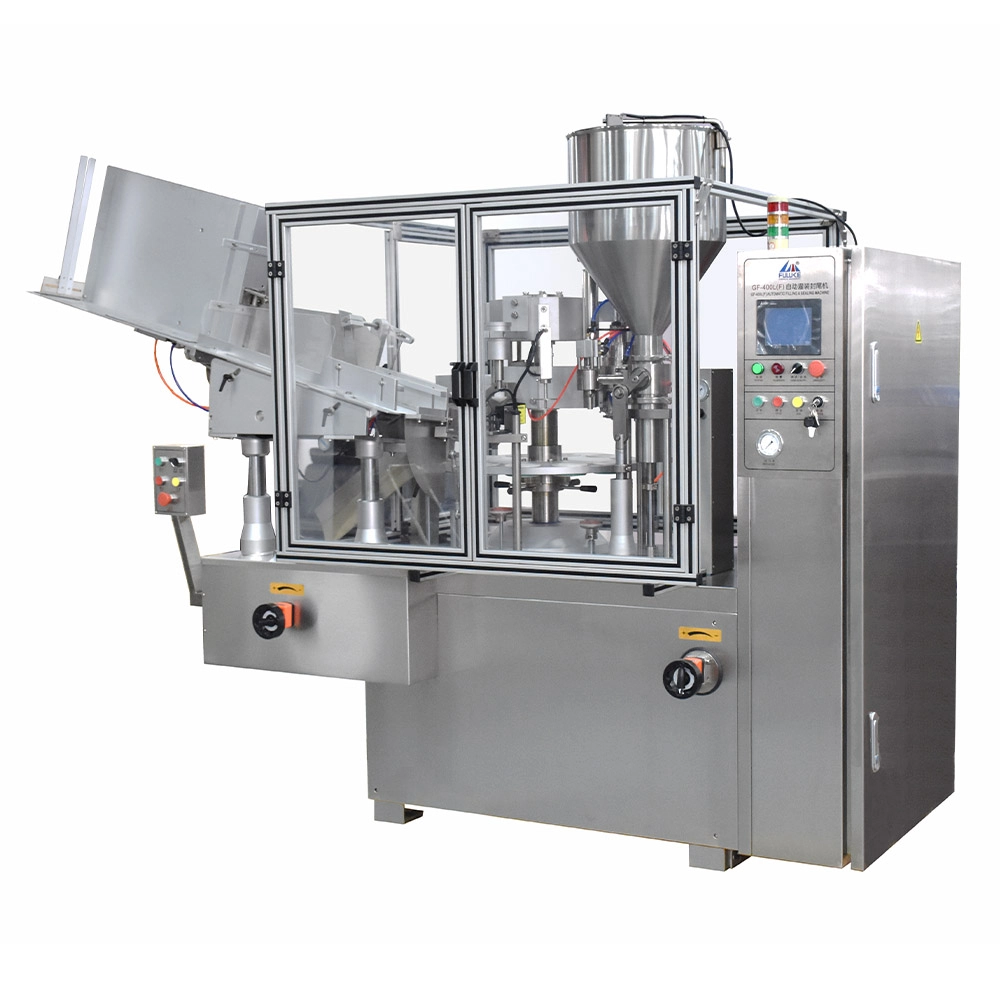
Automatic Tube Filling and Sealing Machine Toothpaste Sunscreen and Facial Cleanser Filling and Sealing Machine for Plastic and Aluminum-plastic Tube
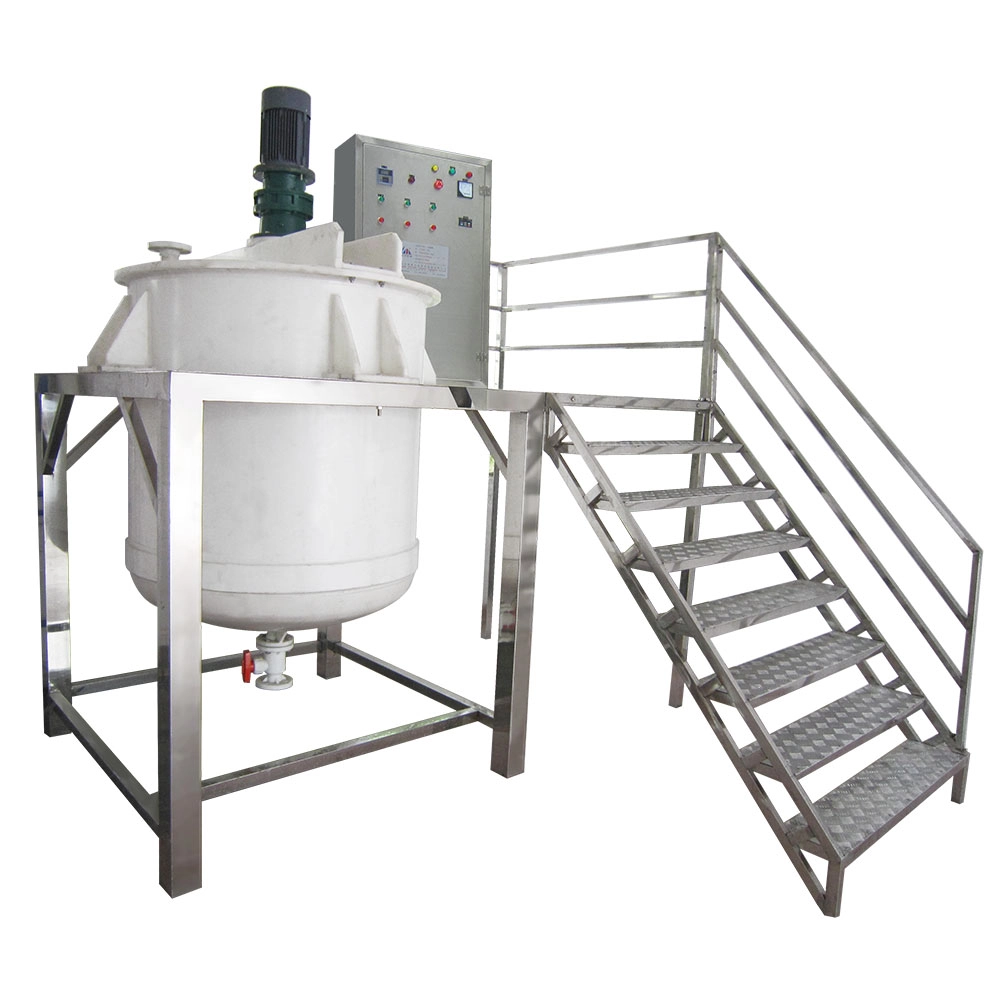
Polypropylene PP Mixing Tank Anti-Corrosion Mixer Reaction Kettle with Agitator Chemical Mixing Vessel
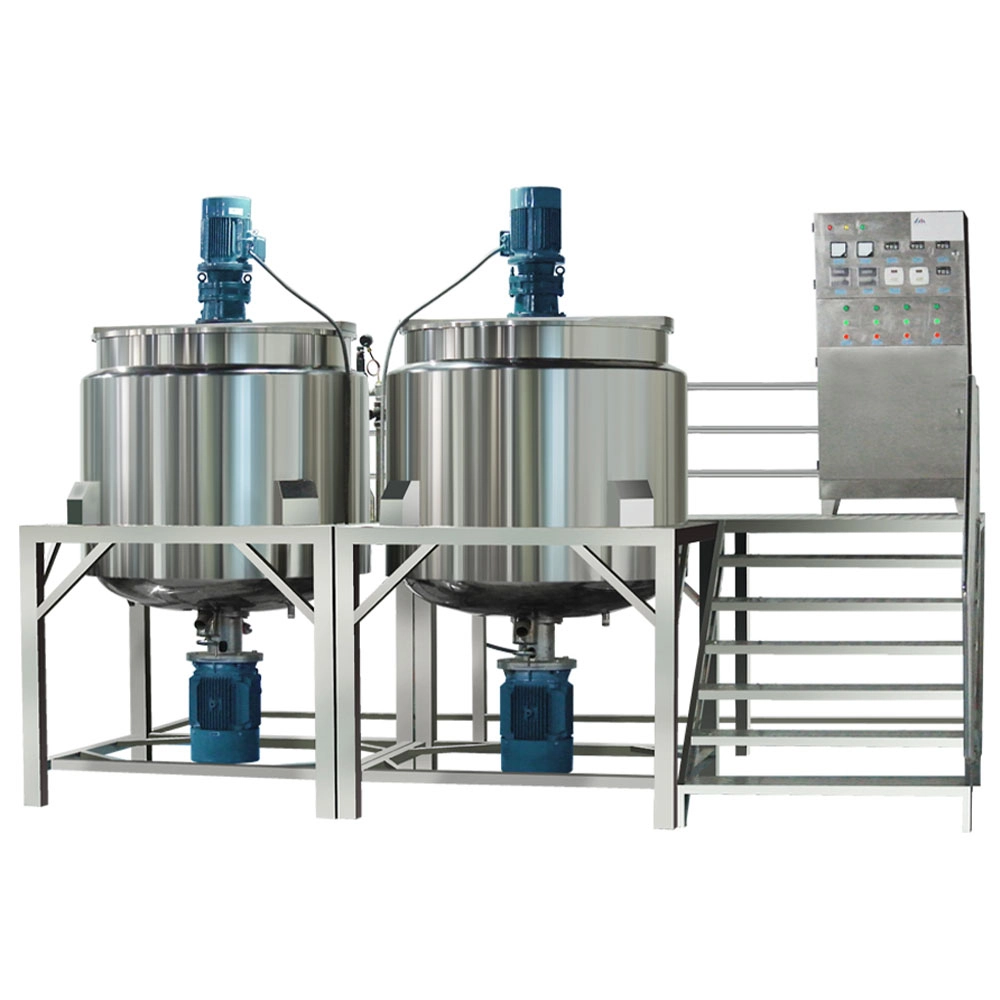
Flip Cover Multi-function Liquid Wash Mixing Tank Blender Liquid Detergent Mixer Homogenization Stirring Tank
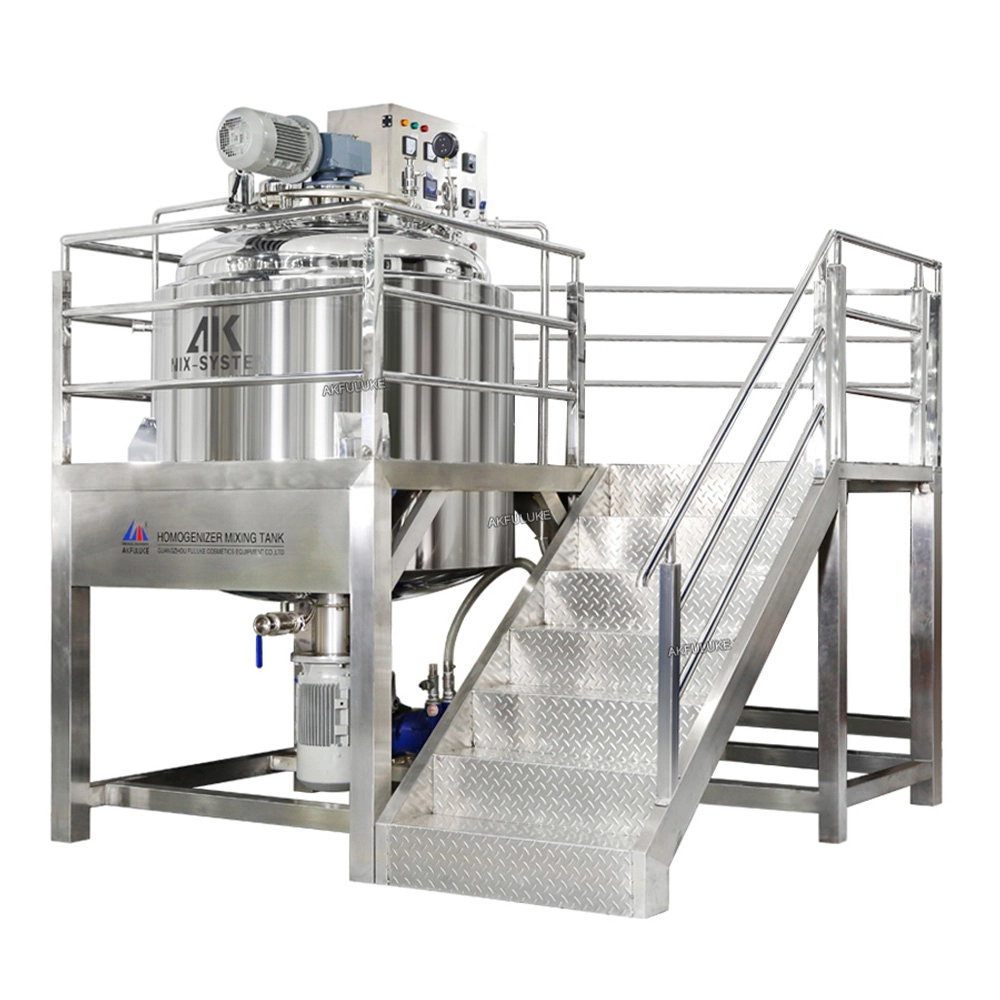
Stainless Steel Mixer Liquid Mixing tank with Agitator Homogenizing Mixing tank Vacuum Sealed Mixer Machine
Get in touch with FULUKE
If you have any comments or good suggestions, please leave us a message, later our professional staff will contact you as soon as possible.

A leading manufacturer specializing in advanced machinery and complete production lines for the cosmetics, food, pharmaceutical, and chemical industries worldwide.
Contact FULUKE
Facebook
Instagram
YouTube