
Compare Filling Technologies: Piston vs Peristaltic vs Pump
- Core principles of each filling technology and typical use-cases
- Piston filling: how it works and where it shines
- Peristaltic filling: gentle handling for sensitive formulations
- Other pump-based filling (gear, diaphragm, centrifugal): strengths and limits
- Comparative analysis: accuracy, sanitation, speed and total cost
- Accuracy and precision
- Sanitation, materials and regulatory compliance
- Operational speed and total cost of ownership
- Choosing the right liquid filling machine for cosmetics
- Match technology to viscosity, shear sensitivity and formulation
- Sanitation and materials: why 316L/304 stainless and GMP matter
- Automation, integration and production scalability
- Product spotlight: Automatic Filling Machine Quantitative Liquid Bottle Filling Machine High-precision cream and lotion filling machine
- Implementation, validation and long-term considerations
- Installation, validation and qualification
- Common operational issues and troubleshooting
- Return on investment and scaling a production line
- Brand advantage and why this solution fits cosmetic manufacturers
- FAQ — Common questions about piston, peristaltic and pump filling for cosmetics
- Q: Which filling technology provides the best accuracy for creams and lotions?
- Q: Is peristaltic filling hygienic enough for cosmetic production?
- Q: Can a single filling machine handle multiple product viscosities?
- Q: How do I ensure my filling line meets GMP and audit expectations?
- Q: What are the ongoing maintenance costs for peristaltic vs piston systems?
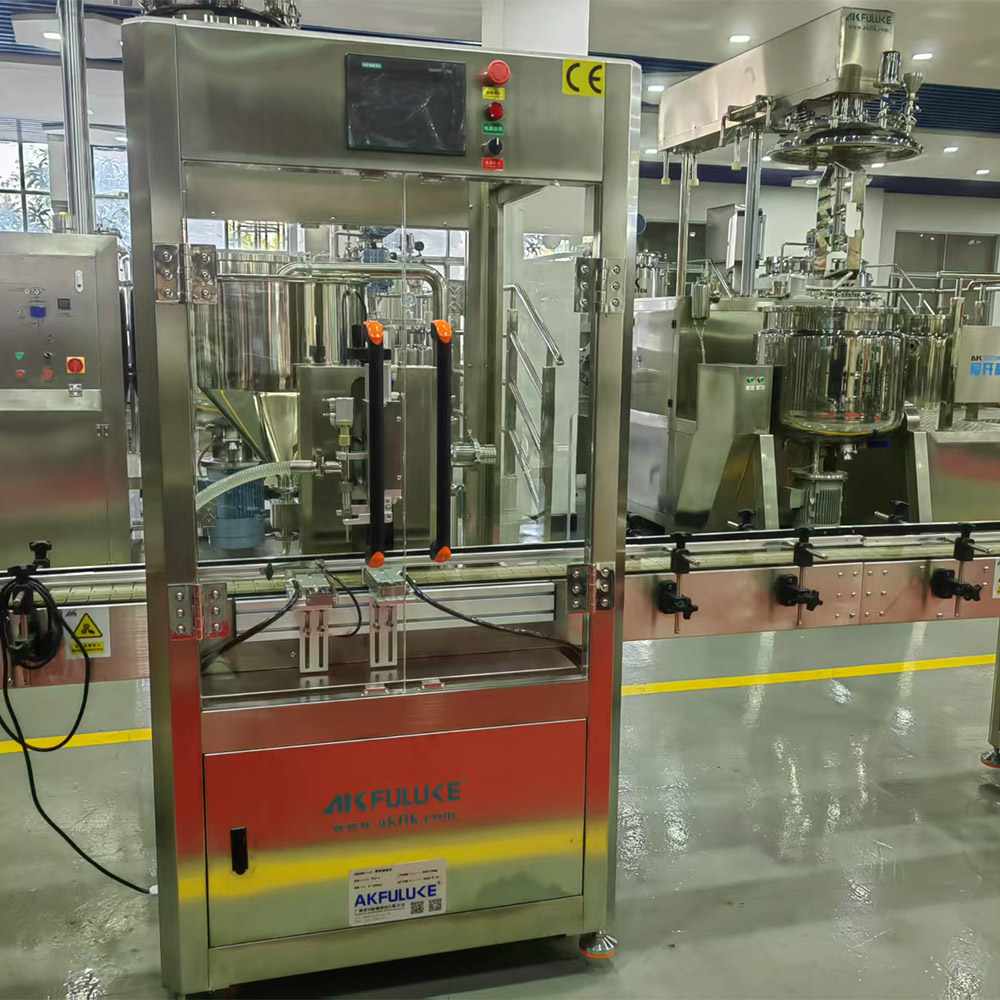
This comparison focuses on practical decision points for choosing a liquid filling machine for cosmetics and related industries: precision, viscosity range, shear sensitivity, sanitation, maintenance burden and compliance. The discussion links technology characteristics to product quality outcomes and production economics to help manufacturers choose between piston, peristaltic and other pump-based filling systems.
Core principles of each filling technology and typical use-cases
Piston filling: how it works and where it shines
Piston filling machines use a reciprocating piston inside a cylinder to draw a set volume of product, then dispense it into a container. This positive-displacement mechanism delivers excellent volumetric accuracy and repeatability, making piston fillers popular for thicker creams, lotions, gels and pastes where precise quantitative filling is required. Piston systems are commonly used in cosmetics, pharmaceuticals and food sectors because they handle a wide range of viscosities with minimal change in accuracy.
Peristaltic filling: gentle handling for sensitive formulations
Peristaltic pumps move fluid through a flexible tube by sequentially compressing the tube (the peristaltic action). Because the product only contacts the tubing surface, peristaltic filling is hygienic, easy to clean (tube replacement), and ideal for shear-sensitive formulations, biologics, and high-purity lines. For low-to-medium viscosities such as serums, light lotions and aqueous solutions, peristaltic systems reduce contamination risk and eliminate valves or seals contacting the product. See the peristaltic pump overview on Wikipedia for principles and typical applications: Peristaltic pump.
Other pump-based filling (gear, diaphragm, centrifugal): strengths and limits
Pump-based fillers include gear, diaphragm and progressive cavity pumps. Each type has a different balance of flow stability, shear, and material compatibility. Gear pumps offer stable flow for medium-to-high viscosity liquids but can create shear; diaphragm pumps are good for abrasive or particulate-containing products; centrifugal pumps are used mainly for low-viscosity liquids at high speeds. When selecting a pump-type filler, consider product abrasiveness, presence of solids/particles, and required sanitation levels. For fundamentals on reciprocating and piston-like pump technologies, see Piston pump and general pump principles on Wikipedia: Pump.
Comparative analysis: accuracy, sanitation, speed and total cost
Accuracy and precision
For cosmetics manufacturers where fill weight tolerance and product standardization are critical, piston fillers generally deliver the best volumetric accuracy, especially for viscous and non-Newtonian products. Peristaltic fillers perform well for low-to-medium viscosities but tubing wear may gradually affect volume. Gear and progressive cavity pumps offer steady flow but can require calibration to maintain tight tolerances.
Sanitation, materials and regulatory compliance
Sanitation considerations are central in cosmetics and pharma production. Peristaltic pumps isolate product inside tubing (single-use or replaceable), reducing cross-contamination risk. Piston and pump systems often rely on hygienic designs with 316L/304 stainless steel contact parts and CIP (Clean-In-Place) or SIP (Steam-In-Place) capability. Complying with GMP and industry hygiene standards is essential; see FDA cosmetics information: U.S. FDA - Cosmetics and WHO GMP guidance: WHO - Good Manufacturing Practices.
Operational speed and total cost of ownership
Throughput needs influence technology choice. Centrifugal or high-speed piston machines can meet very high line speeds. Peristaltic systems are often slower per head but scale easily with multiple heads. Consider maintenance intervals and consumables (e.g., tubing for peristaltic pumps, seals for piston pumps) when calculating lifecycle cost. A lower upfront cost pump may incur higher labor and replacement costs over time.
| Metric | Piston Filling | Peristaltic Filling | Other Pump-based Filling |
|---|---|---|---|
| Typical accuracy | High (±0.5–1% achievable) | Medium (±1–3%, dependent on tube wear) | Variable (±1–5% depending on pump type) |
| Viscosity range | Low to very high (creams, pastes) | Low to medium (serums, light lotions) | Low to high (depends on pump) |
| Shear on product | Low–medium | Low (gentle) | Medium–high (gear pumps can be high) |
| Sanitation & cleaning | CIP possible; hygienic stainless options | Easy tubing change; limited CIP for tubing path | Depends on design; hygienic options available |
| Maintenance | Moderate (seals, valves) | Low to moderate (tubing lifetime) | Variable (diaphragm/gear service) |
| Typical application | Creams, lotions, gels, pastes | Serums, sterile liquids, shear-sensitive | Large-volume low-viscosity or specific handling |
Choosing the right liquid filling machine for cosmetics
Match technology to viscosity, shear sensitivity and formulation
Start by mapping product properties: viscosity, solids/particles, shear sensitivity (e.g., emulsions sensitive to over-shearing), and presence of abrasives. For high-viscosity creams and emulsions, piston filling is frequently the best match due to volumetric stability. For low-viscosity or biologic-type products, peristaltic filling minimizes contamination risk and mechanical stress.
Sanitation and materials: why 316L/304 stainless and GMP matter
Contact materials determine corrosion resistance, cleanability and regulatory compliance. 316L stainless steel is widely used for its corrosion resistance in cosmetic and pharmaceutical machinery; 304 is also common for less aggressive environments. Equipment designed to GMP principles reduces contamination risk and simplifies audits. For background on stainless steel properties, see: Stainless steel - Wikipedia.
Automation, integration and production scalability
Modern liquid filling lines require integration with conveying, capping, labeling and inspection systems. Choose a liquid filling machine that supports PLC control, touchscreen HMI, recipe storage and data logging for batch traceability. The right automation reduces manual steps, increases consistency, and yields faster ROI.
Product spotlight: Automatic Filling Machine Quantitative Liquid Bottle Filling Machine High-precision cream and lotion filling machine
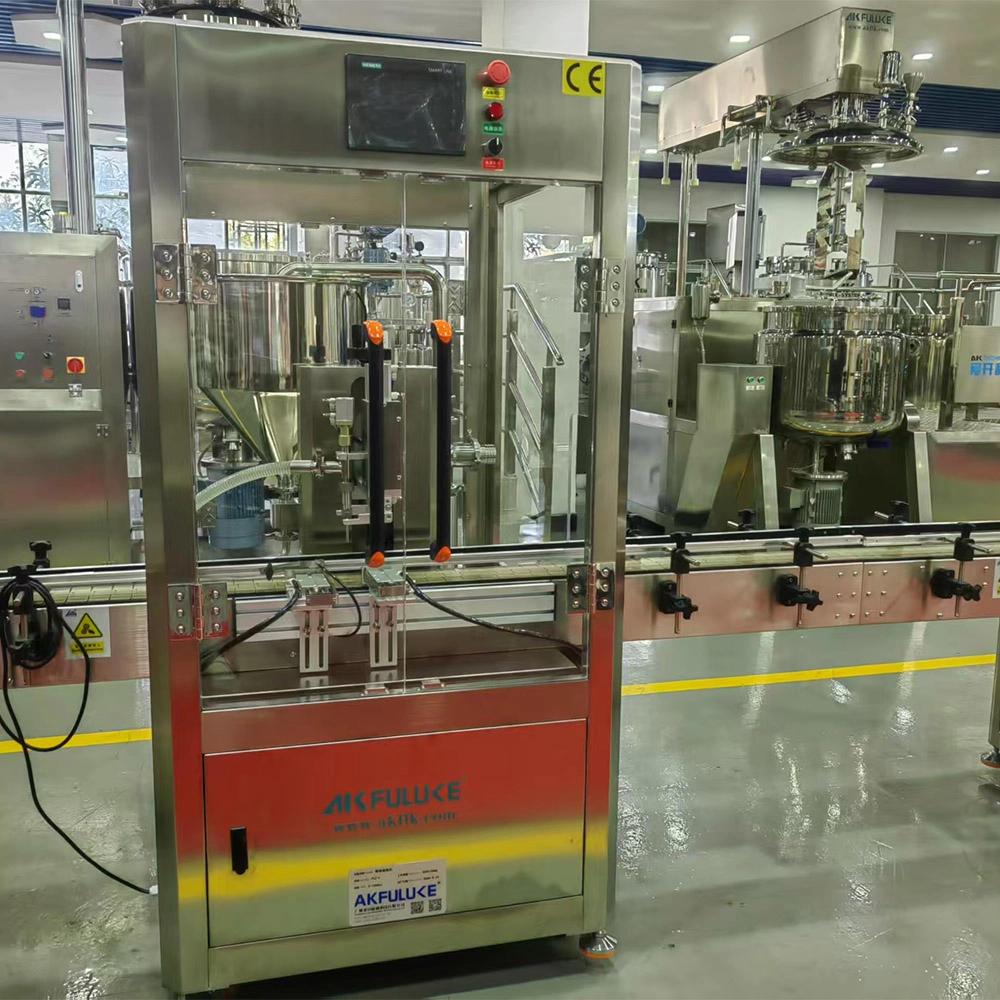
The automatic filling machine integrates automated conveying, precision filling, and intelligent control for packaging creams, lotions, and liquids. Suitable for a variety of containers, including glass and PET bottles, it can fill liquids, emulsions, and pastes with high precision.
Constructed with 316L/304 stainless steel contact components and compliant with GMP standards, it features a touchscreen interface for quick parameter adjustment and completes the entire process without manual intervention. Widely used in the cosmetics, food, daily chemical, pharmaceutical, and chemical industries, it helps companies reduce costs, increase efficiency, and ensure product standardization.
This Automatic Filling Machine Quantitative Liquid Bottle Filling Machine High-precision cream and lotion filling machine is optimized for manufacturers who require:
- High volumetric precision for viscous creams and lotions
- Hygienic construction with 316L/304 stainless steel contact parts
- Touchscreen HMI and recipe memory for quick product changeovers
- Full automation from infeed to filled containers to minimize manual contact and contamination
Implementation, validation and long-term considerations
Installation, validation and qualification
For regulated environments, equipment must be installed and qualified (IQ/OQ/PQ) to demonstrate it meets process requirements. Validation protocols should include accuracy testing across volumes, cleaning validation, and software/recipe validation. Refer to GMP guidance for validation expectations: WHO - GMP.
Common operational issues and troubleshooting
Typical challenges include inconsistent fills (air entrainment, worn seals/tubing), sanitation concerns, and product foaming. Mitigations: implement preventive maintenance, scheduled tubing/seal replacement, install venting/degassing steps upstream, and use low-shear pump settings for emulsions. For peristaltic systems, maintain a tubing replacement schedule to preserve accuracy.
Return on investment and scaling a production line
Consider ROI drivers: reduced fill variation (less product giveaway), lower labor cost due to automation, fewer recalls, and faster changeover times. The right liquid filling machine reduces waste and increases throughput—often delivering payback within months to a few years depending on production scale and labor costs.
Brand advantage and why this solution fits cosmetic manufacturers
The featured Automatic Filling Machine Quantitative Liquid Bottle Filling Machine High-precision cream and lotion filling machine combines piston-style precision with hygienic design and automation capabilities. Its advantages for cosmetics producers include:
- Consistent quantitative filling for creams and lotions, reducing product giveaway
- Hygienic 316L/304 stainless construction and GMP-oriented design to ease audits
- Touchscreen controls and recipe management for fast product changeovers
- Versatile container compatibility (glass, PET) and material compatibility for emulsions and pastes
FAQ — Common questions about piston, peristaltic and pump filling for cosmetics
Q: Which filling technology provides the best accuracy for creams and lotions?
A: For viscous creams and lotions, piston filling typically delivers the best volumetric accuracy and repeatability. Properly maintained piston machines can achieve tight tolerances suitable for cosmetic product standardization.
Q: Is peristaltic filling hygienic enough for cosmetic production?
A: Yes. Peristaltic systems confine product to tubing, minimizing cross-contamination risk. They are especially useful for sterile or sensitive formulations, but tubing lifespan and disposal should be considered in cost calculations.
Q: Can a single filling machine handle multiple product viscosities?
A: Many modern liquid filling machines are configurable—different pump heads, piston sizes, or programming allow a range of viscosities. However, extreme viscosity differences (very thin to very thick pastes) may require different technologies or additional hardware adjustments.
Q: How do I ensure my filling line meets GMP and audit expectations?
A: Choose equipment constructed from hygienic materials (316L/304 stainless), with cleanable designs, documented materials and control systems that support batch records and traceability. Perform IQ/OQ/PQ and maintain cleaning validation records. Refer to WHO/FDA guidance for regulatory expectations: FDA - Cosmetics, WHO - GMP.
Q: What are the ongoing maintenance costs for peristaltic vs piston systems?
A: Peristaltic systems require regular tubing replacement; costs depend on tube material and replacement frequency. Piston systems need periodic seal and valve service. Total cost of ownership depends on run hours, product abrasiveness, and spare parts pricing; estimate both consumables and downtime in ROI calculations.
If you have further questions about selecting the right liquid filling machine for your product line, or want a quote, contact our sales team or view the product details:
Contact our sales team | View product: Automatic Filling Machine Quantitative Liquid Bottle Filling Machine High-precision cream and lotion filling machine
Key Specs B2B Buyers Need in Automatic Tube Filling Machines
How to Ensure Repeatable Fills in Cosmetic Manufacturing
Integration: Pre-treatment and Post-treatment for RO Installations
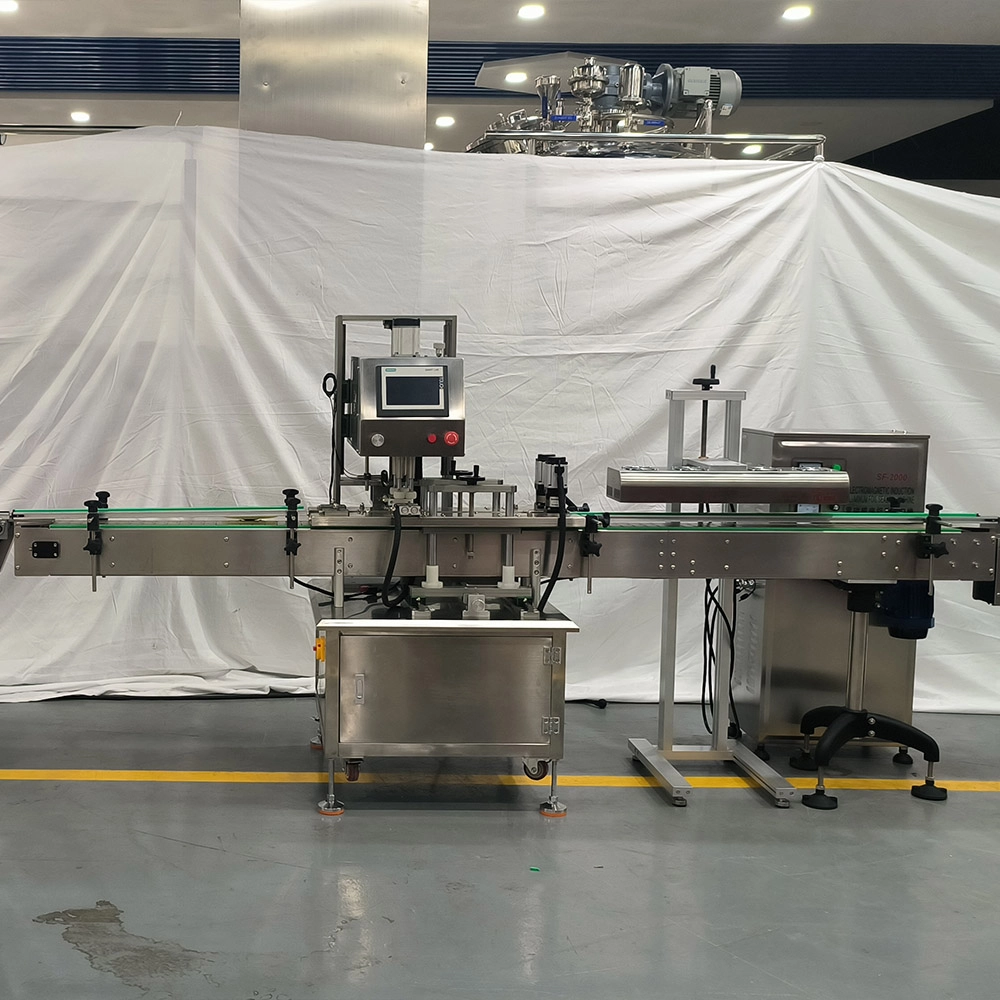
Troubleshooting Common Issues with Liquid Filling Machines
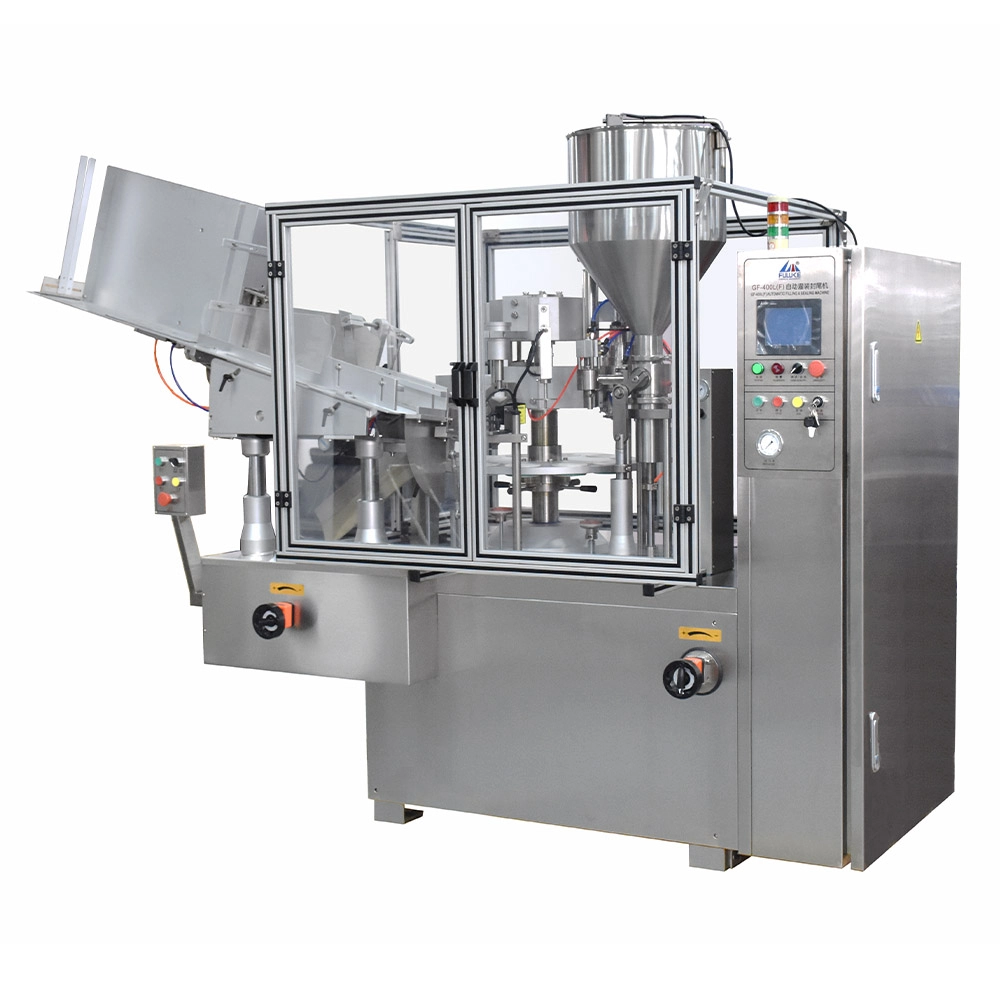
Automatic Tube Filling and Sealing Machine
Do you have a complete production line for facial masks?
Of course, we can also provide high-speed facial mask folding machine + online weighing and rejecting machine + automatic sheet counting machine + automatic cartoning machine + automatic three-dimensional cigarette packaging machine + online inkjet printer, etc.
Can the device accommodate tubes of different materials and specifications?
Yes. The device supports plastic (PE, PP) and aluminum-plastic composite hoses. The compatible hose diameter range is typically Φ10-Φ60mm (customizable to user specifications), and the capacity range is 2.5ml-400ml. By replacing specialized molds (such as cylinders and filling heads), the device can be adapted to meet different filling volumes, providing flexible adaptability.
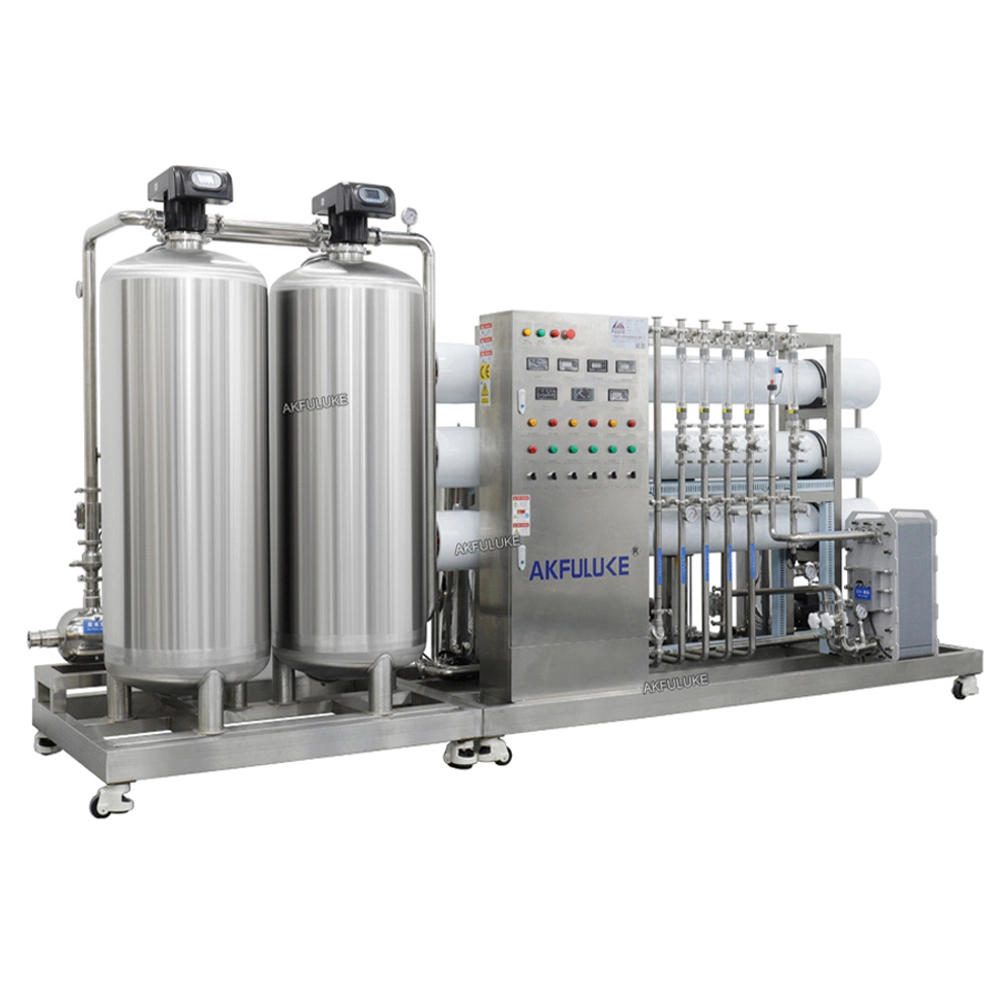
RO Water Treatment
Can you make a design for us?
Yes, we can, we provide not only products, but also solutions and designs.
Lift-type Homogenizing Disperser
What precautions should be taken before and during equipment startup?
Before startup: Check that the disperser disc is securely installed, the container is clamped securely, and the lifting mechanism is flexible. Also, verify the material level (it must be submerged above the disperser disc to prevent damage from idling or material splashing).During operation: Start at a low speed and gradually increase to the target speed. Manually adjusting the lifting height during operation is prohibited; always stop the machine to avoid hand entanglement.
Perfume Filling Machine
Can you customize the machine?
Of course, we provide customized services according to customer needs.
You May Also Like
Automatic Tube Filling and Sealing Machine Toothpaste Sunscreen and Facial Cleanser Filling and Sealing Machine for Plastic and Aluminum-plastic Tube
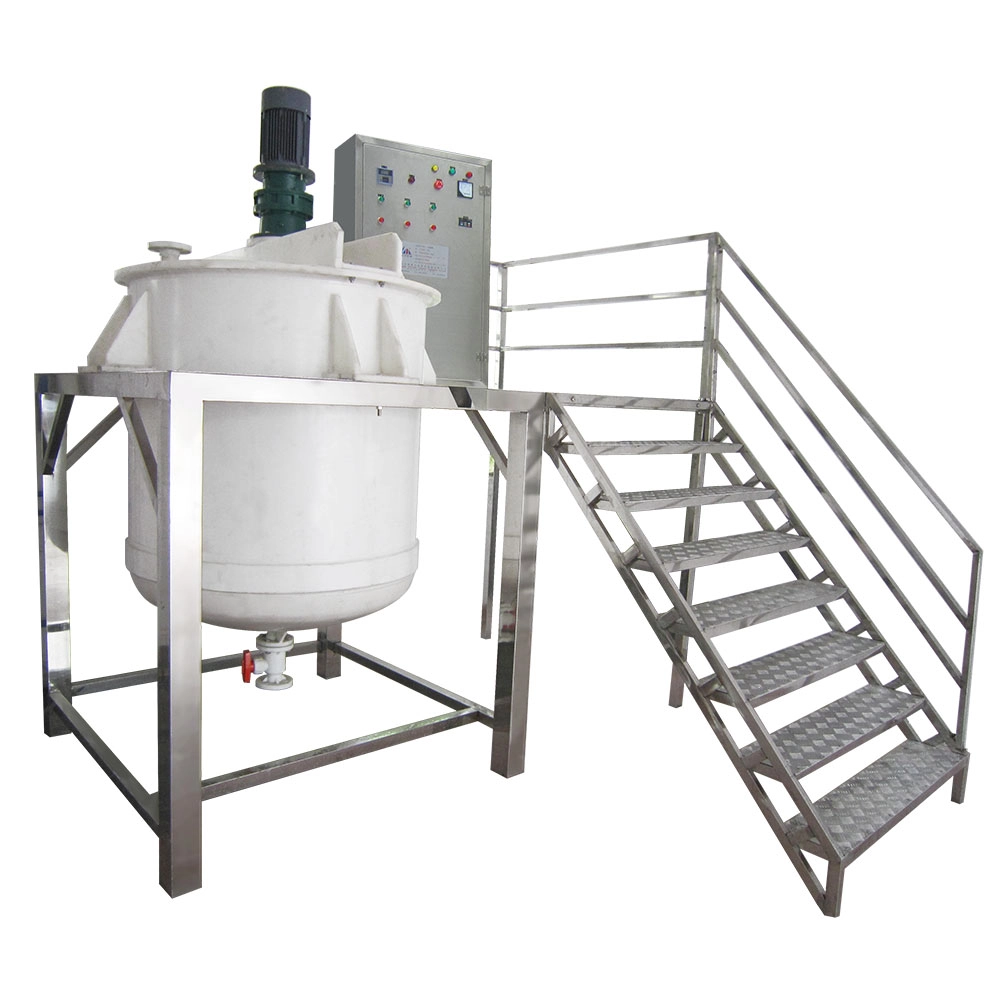
Polypropylene PP Mixing Tank Anti-Corrosion Mixer Reaction Kettle with Agitator Chemical Mixing Vessel
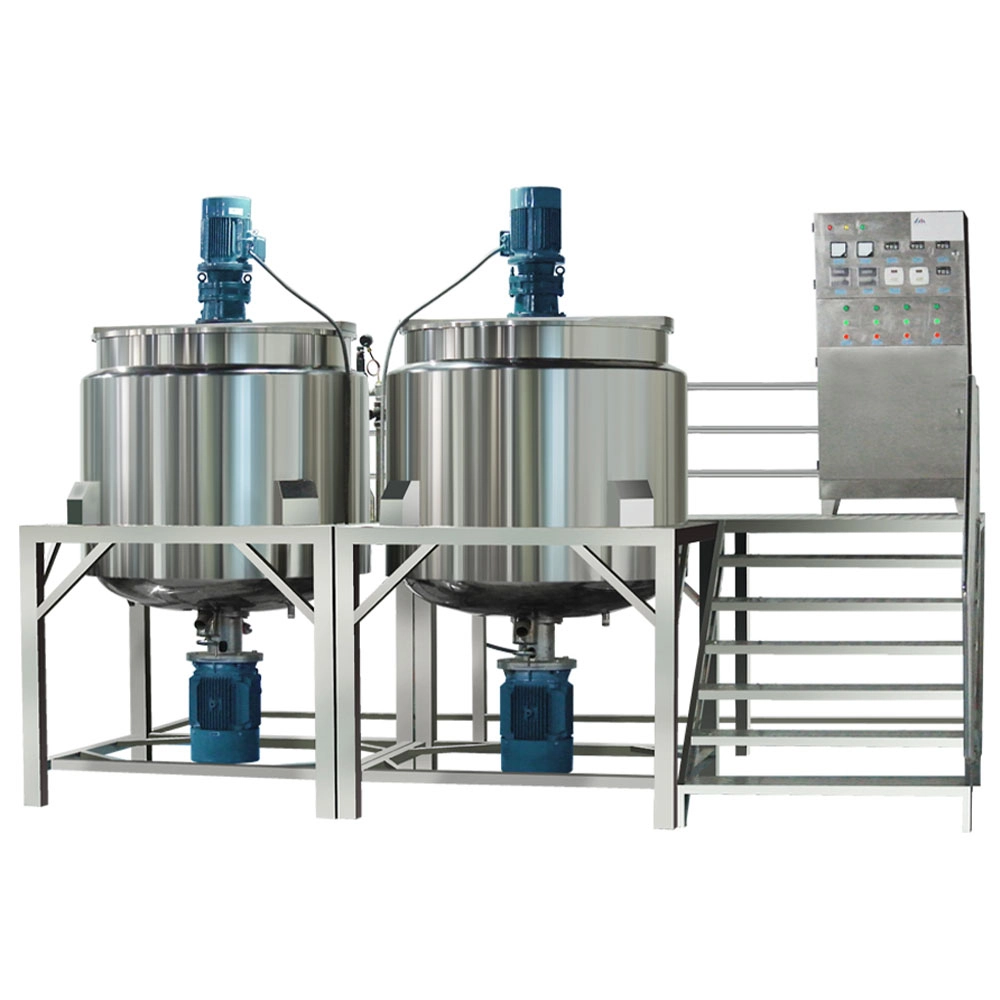
Flip Cover Multi-function Liquid Wash Mixing Tank Blender Liquid Detergent Mixer Homogenization Stirring Tank
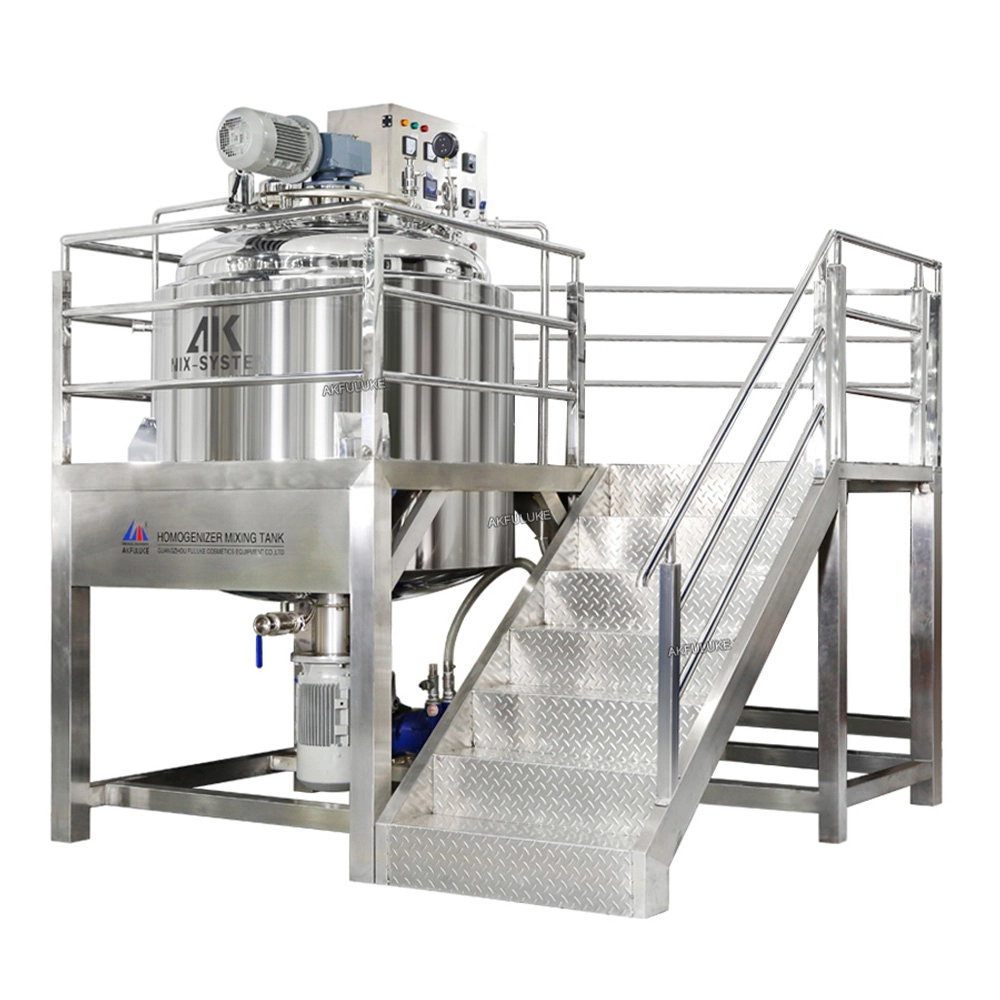
Stainless Steel Mixer Liquid Mixing tank with Agitator Homogenizing Mixing tank Vacuum Sealed Mixer Machine
Get in touch with FULUKE
If you have any comments or good suggestions, please leave us a message, later our professional staff will contact you as soon as possible.

A leading manufacturer specializing in advanced machinery and complete production lines for the cosmetics, food, pharmaceutical, and chemical industries worldwide.
Contact FULUKE
Facebook
Instagram
YouTube