
Compliance, Certifications, and Water Standards for RO Systems
- Compliance, Certifications, and Water Standards for RO Systems
- Why regulatory compliance matters for an industrial reverse osmosis system
- Key certifications and standards relevant to RO systems
- How these certifications map to procurement needs for an industrial reverse osmosis system
- International and national water quality standards impacting RO system use
- Standards comparison table
- Testing protocols, performance claims, and the meaning of a 99% desalination rate
- Recommended performance documentation checklist
- Materials, component safety, and biocompatibility considerations
- Biofouling and Legionella risk management
- Installation, operation, documentation, and monitoring requirements
- Data logging and traceability
- Regulatory compliance steps for buyers and operators of industrial reverse osmosis system
- Practical compliance checklist (short)
- How certifications and compliance affect procurement, risk, and lifecycle cost
- Brand alignment and product strengths: Reverse Osmosis / RO Water Treatment Water Filter System 99% Desalination Rate Industrial Purification Filtration Water treatment Machine
- Frequently Asked Questions (FAQ)
- Q1: Does NSF/ANSI 58 apply to all industrial reverse osmosis systems?
- Q2: What does a 99% desalination rate mean in practice?
- Q3: How often should RO membranes be tested or replaced to remain compliant?
- Q4: Can RO systems alone meet pharmaceutical water (PW or WFI) standards?
- Q5: What documentation should I request from a supplier during procurement?
- Contact sales / View product
- Authoritative references and sources
Compliance, Certifications, and Water Standards for RO Systems
Why regulatory compliance matters for an industrial reverse osmosis system
Industrial facilities, food and beverage manufacturers, medical and pharmaceutical operations, and municipal suppliers depend on reliable water quality. An industrial reverse osmosis system that meets recognized water standards and holds relevant certifications reduces business risk, ensures product safety, and simplifies audits and regulatory reporting. Compliance is not only about passing an inspection — it directly affects process performance, operating costs, liability exposure, and brand reputation. Meeting regulatory standards is closely tied to system design, especially when considering integration of pre-treatment and post-treatment for RO installations.
Product example:
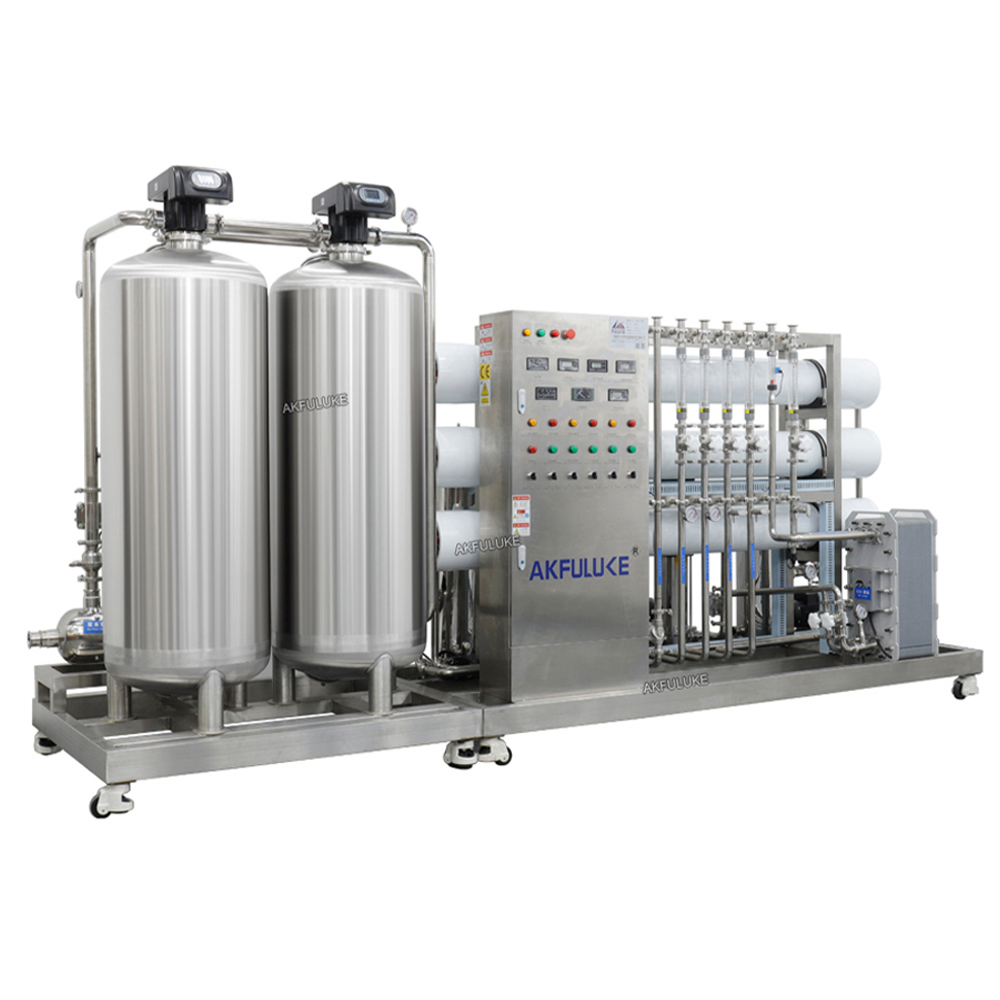
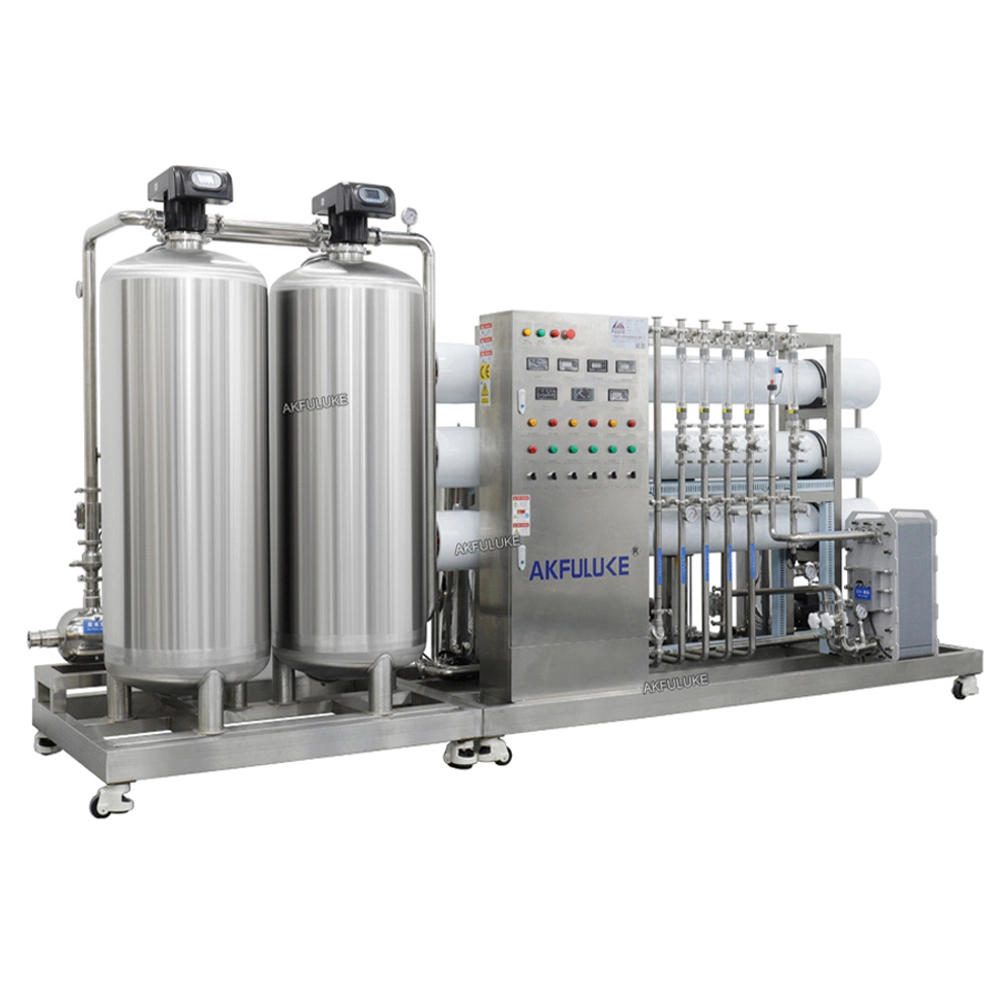
Reverse Osmosis / RO Water Treatment Water Filter System 99% Desalination Rate Industrial Purification Filtration Water treatment Machine
Reverse osmosis (RO) water treatment equipment (reverse osmosis water treatment equipment) is a high-efficiency water purification device based on reverse osmosis membrane separation technology.
Through physical filtration and selective permeation principles, it accurately removes impurities, salts, microorganisms and other harmful substances from raw water. It is widely used in industrial production, domestic drinking water, medical pharmaceuticals, food processing and other fields, providing stable and clean water quality solutions for different scenarios.
Key certifications and standards relevant to RO systems
When evaluating an industrial reverse osmosis system, verify which certifications the system and its components hold. Common and influential certifications include:
- NSF/ANSI 58 — Specific to reverse osmosis drinking water treatment systems; verifies contaminant reduction claims and structural integrity.
- NSF/ANSI 61 — Ensures drinking water system components do not leach harmful levels of contaminants into the water.
- ISO 9001 — Quality management system certification indicating consistent manufacturing and quality control processes.
- ISO 14001 — Environmental management certification for manufacturers minimizing environmental impacts.
- CE / UKCA — Conformity markings for equipment placed on EU/UK markets, indicating compliance with applicable directives.
- UL / ETL — Safety certification for electrical and mechanical safety where applicable.
- WRAS / ACS — Country-specific approvals (e.g., UK Water Regulations Advisory Scheme, France’s ACS) for materials and fittings used with potable water.
For industrial applications that do not directly supply potable water, industry-specific certifications (pharmaceutical GMP conformance, food-safety HACCP/ISO 22000 compatibility) may be required.
How these certifications map to procurement needs for an industrial reverse osmosis system
Buyers should request documented evidence of certification and test reports. For example, NSF/ANSI 58 documents will show the validated reduction rates for specified contaminants; NSF/ANSI 61 will list the materials tested and migration limits. ISO certificates demonstrate supplier controls but do not replace product-level test data. Always ask for third-party test reports for the exact system model, especially where high-risk applications (pharmaceutical, medical device manufacture, sterile processes) are involved.
International and national water quality standards impacting RO system use
Water standards set the target concentrations for regulated contaminants. The most referenced are:
- WHO Guidelines for Drinking-water Quality — Global health-based reference values and guidance.
- U.S. EPA National Primary Drinking Water Regulations — Legally enforceable limits for U.S. public water systems.
- EU Drinking Water Directive — Maximum allowable concentrations for EU member states.
- National standards (e.g., GB in China, IS in India) — Country-specific limits and testing protocols.
For industrial processes, standards may be process-specific: boiler feedwater specifications, pharmaceutical water types (PW, WFI), and food-grade water quality. Confirm which standard applies to your end use before specifying an industrial reverse osmosis system.
Standards comparison table
| Standard / Cert | Scope | Typical Requirement | Relevance to RO systems |
|---|---|---|---|
| NSF/ANSI 58 | RO drinking water systems | Contaminant reduction claims; structural integrity | Validates RO permeate quality for potable uses |
| NSF/ANSI 61 | Drinking water system components | Limits on leachable contaminants from materials | Ensures housings/tubing/valves are safe for potable water |
| WHO Guidelines | Global drinking water guidance | Health-based guideline values for contaminants | Sets targets RO systems must achieve for potable supply |
| EPA NPDWR | U.S. enforceable drinking water regs | Maximum contaminant levels (MCLs) | Requirement for municipal/utility applications |
Testing protocols, performance claims, and the meaning of a 99% desalination rate
Manufacturers often state performance metrics such as 99% desalination rate. Understanding how that metric is measured is critical:
- Feedwater conditions: Temperature, TDS, and pressure significantly affect performance. Test reports should list the feedwater matrix.
- Recovery rate: The percentage of feedwater converted to permeate affects concentrate concentration and overall efficiency.
- Contaminant-specific reduction: RO removes salts (ionic species), but removal of organics, pathogens, and specific ions should be validated separately.
A reported 99% desalination rate usually refers to total dissolved solids (TDS) reduction under specified conditions. For critical uses (pharma, lab water), follow-up polishing (deionization, UV, ultrafiltration) and frequent validation are still required.
Recommended performance documentation checklist
- Third-party laboratory test report showing feed water and permeate parameters
- NSF/ANSI 58 or equivalent certificate, if potable application
- Component material compliance (NSF/ANSI 61, WRAS/ACS) for wetted parts
- Factory acceptance test (FAT) and site acceptance test (SAT) records
- Ongoing validation and calibration records for monitoring equipment
Materials, component safety, and biocompatibility considerations
Materials in contact with treated water must be selected to avoid corrosion, leaching, and microbial growth. Typical materials include stainless steel (SS 304/316), food-grade plastics (PE, PP), and approved elastomers (EPDM, PTFE). For potable and pharmaceutical uses, verified material certifications (NSF/ANSI 61, USP Class VI where applicable) should be supplied.
Biofouling and Legionella risk management
RO systems can be susceptible to biofouling if pretreatment is inadequate. Compliance programs should include:
- Effective pretreatment (sand/activated carbon filtration, anti-scalant dosing)
- Routine disinfection strategies (chlorine, periodic chemical cleaning compatible with membranes)
- Monitoring for heterotrophic plate counts (HPC) where microbial control is required
Installation, operation, documentation, and monitoring requirements
Regulators and auditors expect documented procedures covering installation, operation, maintenance, and monitoring. A compliant operator program includes:
- Installation qualification (IQ) and operational qualification (OQ) records
- Standard operating procedures (SOPs) for start-up, shutdown, cleaning
- Preventive maintenance schedules and spare-parts inventory
- Continuous or periodic monitoring for TDS, conductivity, pressure, and flow
- Calibration records for sensors and analyzers
Data logging and traceability
Electronic data acquisition systems, secure logs, and tamper-evident records are increasingly expected, especially for regulated industries. Ensure data retention policies meet local regulatory timeframes and that alerts are configured for excursions outside set limits.
Regulatory compliance steps for buyers and operators of industrial reverse osmosis system
Follow these pragmatic steps to align your RO system with applicable standards:
- Define end-use water quality requirements (potable, pharmaceutical, boiler feed, process-specific).
- Identify applicable local/national/international standards.
- Request third-party test reports and certifications for the specific system model.
- Confirm materials and components compliance with potable or process-specific regs.
- Establish IQ/OQ/PQ (installation, operational, performance qualification) as relevant.
- Implement SOPs, monitoring, and maintenance programs; train operators.
- Schedule periodic re-testing and re-certification where required.
Practical compliance checklist (short)
- Obtain NSF/ANSI 58/61 reports if supplying potable water.
- Verify component and membrane compatibility with chemicals used for cleaning.
- Confirm electrical safety and CE/UL markings for equipment.
- Retain FAT/SAT, calibration, and maintenance logs for audits.
How certifications and compliance affect procurement, risk, and lifecycle cost
Certifications reduce procurement risk by shortening qualification cycles and simplifying acceptance testing. They can also influence total cost of ownership (TCO): certified systems may command higher upfront costs but reduce downtime, chemical overuse, and the risk of product recalls or regulatory fines. For industrial buyers, a cost-benefit analysis should weigh certified-system High Qualitys against potential compliance costs and lost production risk.
Brand alignment and product strengths: Reverse Osmosis / RO Water Treatment Water Filter System 99% Desalination Rate Industrial Purification Filtration Water treatment Machine
When selecting a supplier, evaluate these brand and product factors:
- Documented performance: Third-party lab reports that validate the claimed 99% desalination rate under defined feed conditions.
- Certifications: ISO-certified manufacturing, NSF/ANSI product-level testing where applicable, and material approvals for potable uses.
- Service and validation support: Availability of FAT/SAT, commissioning guidance, and after-sales maintenance contracts.
- Component traceability: Clear BOM that specifies membrane brand, pump specs, sensors, and wetted materials.
Our featured RO system is designed to provide industrial-scale purified water with high salt rejection and stable performance when paired with appropriate pretreatment and monitoring. For regulated applications, ask the supplier for model-specific test reports, material certificates, and recommended validation protocols.
Frequently Asked Questions (FAQ)
Q1: Does NSF/ANSI 58 apply to all industrial reverse osmosis systems?
A1: NSF/ANSI 58 specifically covers reverse osmosis drinking water treatment systems and the performance claims for contaminant reduction for potable water. Industrial RO systems used solely for non-potable process water may not require NSF/ANSI 58, but component safety (NSF/ANSI 61), material approvals, and industry-specific standards are still important.
Q2: What does a 99% desalination rate mean in practice?
A2: A 99% desalination rate typically refers to the percentage reduction in total dissolved solids (TDS) from feedwater to permeate under specified test conditions. Actual field performance will depend on temperature, feed TDS, pressure, membrane condition, and recovery rate.
Q3: How often should RO membranes be tested or replaced to remain compliant?
A3: Membrane life depends on feedwater quality and maintenance. Regular monitoring (permeate conductivity/TDS, differential pressure) can indicate fouling or damage. Industry practice includes scheduled cleaning based on performance triggers and membrane replacement when flux or rejection deteriorates below acceptable limits. Documented maintenance and performance records are critical for compliance.
Q4: Can RO systems alone meet pharmaceutical water (PW or WFI) standards?
A4: RO is a core component, but pharmaceutical water specifications typically require additional polishing (e.g., electrodeionization, distillation for WFI) and validated microbial control. Compliance requires stringent validation and hygiene controls beyond RO alone.
Q5: What documentation should I request from a supplier during procurement?
A5: Request third-party test reports, applicable NSF/ANSI certificates, material compliance certificates (NSF/ANSI 61, WRAS/ACS), FAT/SAT templates, IQ/OQ/PQ guidance, and maintenance/service agreements.
Contact sales / View product
To review certified test reports, arrange a factory acceptance test (FAT), or request a site-specific compliance assessment, contact our sales and technical team. We provide commissioning, validation support, and long-term service contracts for our Reverse Osmosis / RO Water Treatment Water Filter System 99% Desalination Rate Industrial Purification Filtration Water treatment Machine.
Request a quote or technical dossier today — contact us for product datasheets, certificates, and commissioning schedules.
Authoritative references and sources
- World Health Organization (WHO) — Guidelines for Drinking-water Quality: https://www.who.int/publications/i/item/9789241549950
- U.S. Environmental Protection Agency (EPA) — Drinking Water Standards and Health Advisories: https://www.epa.gov/ground-water-and-drinking-water/drinking-water-regulations-and-contaminants
- NSF International — Water Treatment Standards (including NSF/ANSI 58 & 61): https://www.nsf.org
- European Commission — Drinking Water Directive: https://health.ec.europa.eu/environment/water/water-drink_en
- UK Water Regulations Advisory Scheme (WRAS): https://www.wras.co.uk
- International Organization for Standardization (ISO) — ISO 9001 and ISO 14001 (overview): https://www.iso.org
Optimizing Labeling and Filling Synchronization
Energy Efficiency Strategies for High-Desalination RO Plants
Key Features to Look for in Lotion Filling Machines
Customization Options for Homogenizing Mixing Tanks
Automatic Facial Mask Filling Machine
What can you buy from us?
RO Water Treatment、Vacuum Emulsifying Machine、Homogenizer Mixing Tank、Filling and Capping、labeling Machine、Packing Machine、Storage Tank,etc.
Can you customize the machine?
Of course, we provide customized services according to customer needs.
Sealed Homogenizing Mixing Tank
What can you buy from us?
RO Water Treatment、Vacuum Emulsifying Machine、Homogenizer Mixing Tank、Filling and Capping、labeling Machine、Packing Machine、Storage Tank,etc.
Perfume Filling Machine
Can the perfume filling machine accommodate perfume bottles of varying materials and shapes?
Yes. The machine utilizes adjustable mold positions and a PLC control system that allows for one-touch parameter switching, allowing it to accommodate a wide range of bottle shapes, including round, square, and special-shaped ones. The filling capacity range can be flexibly adjusted, and format changeovers take as little as 10 minutes, meeting diverse production needs.
The Flip Cover Liquid Wash Mixing Homogenizing Tank
Can flip cover homogenizing mixing tank ensure hygienic safety when handling materials such as food and cosmetics?
Material Compliance: The equipment's pot, agitator, homogenizer, and other material-contacting components are all made of 316L stainless steel, which is corrosion-resistant and easy to clean, meeting food-grade and cosmetic-grade hygiene requirements.
Easy Cleaning: The open-top design allows direct access to corners within the pot, allowing for thorough cleaning by hand or with tools.
Operational Specifications: The equipment can be disinfected before use (e.g., hot water for food processing). After use, cleanup any remaining material promptly to avoid cross-contamination.
You May Also Like
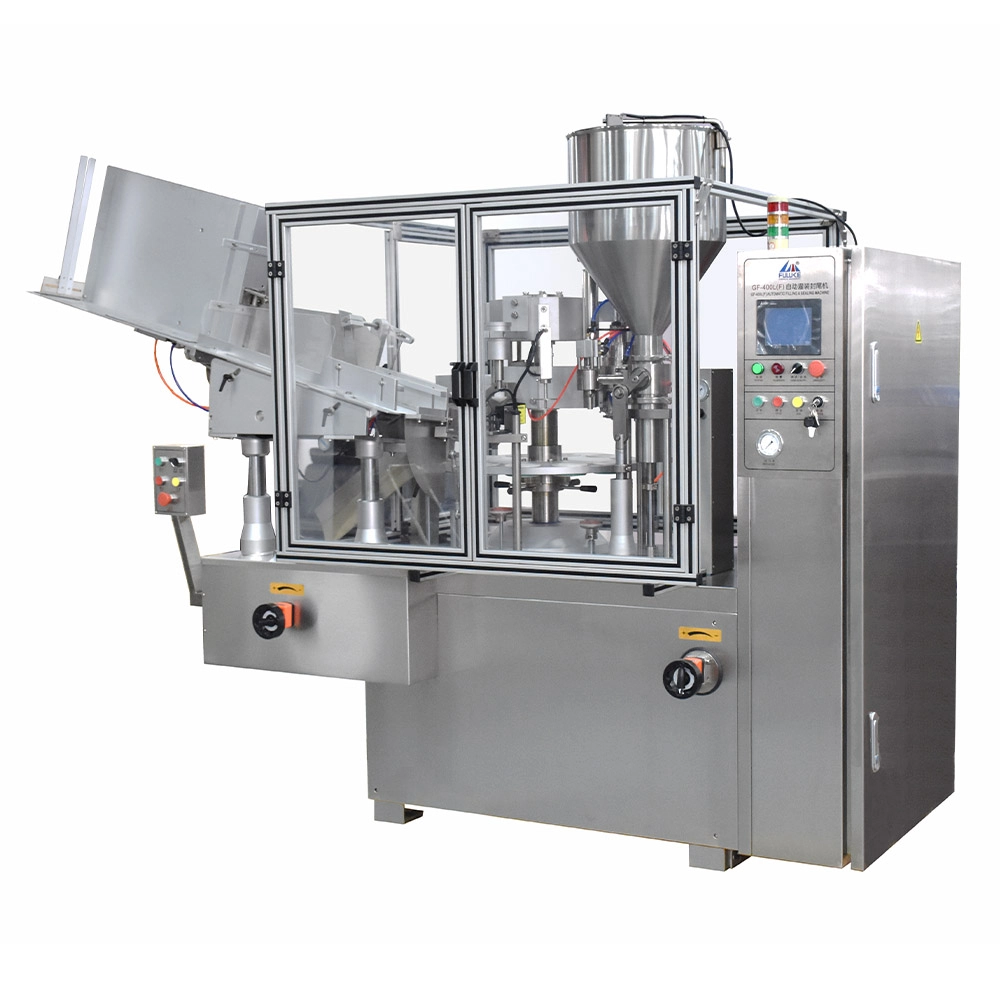
Automatic Tube Filling and Sealing Machine Toothpaste Sunscreen and Facial Cleanser Filling and Sealing Machine for Plastic and Aluminum-plastic Tube
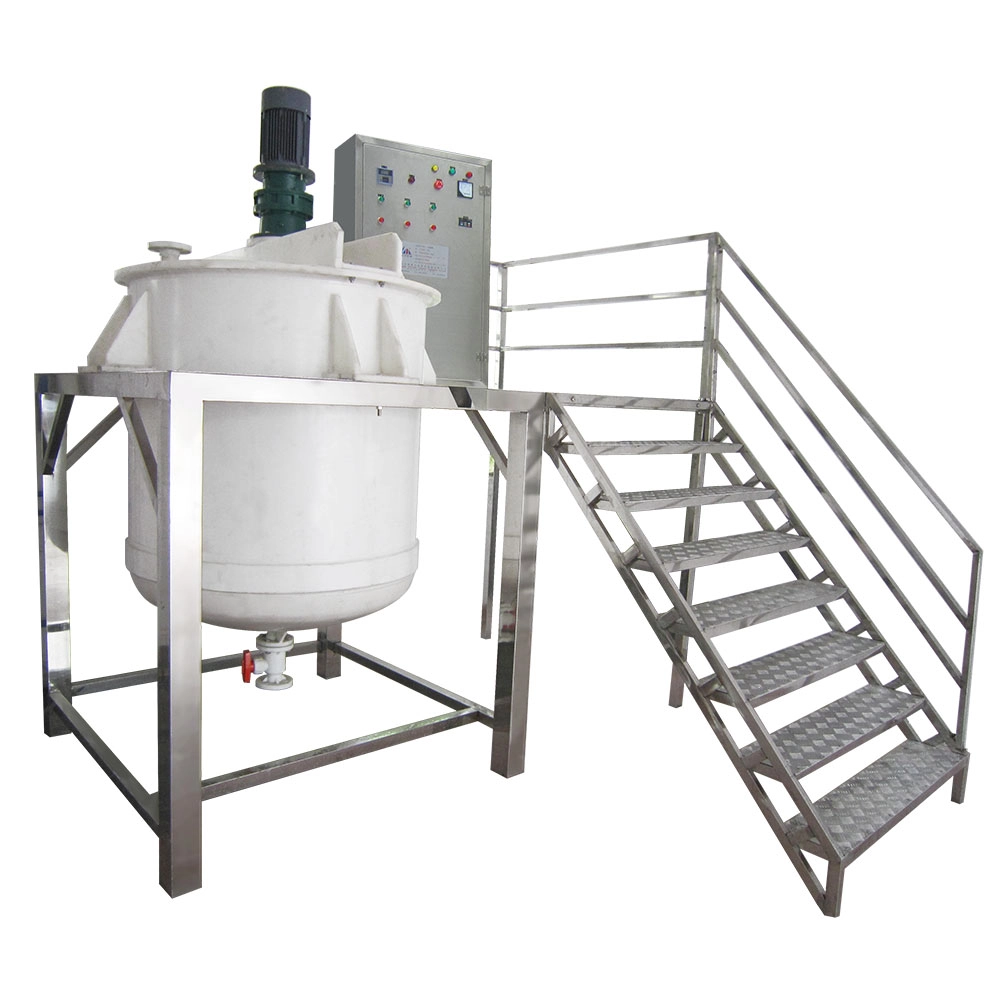
Polypropylene PP Mixing Tank Anti-Corrosion Mixer Reaction Kettle with Agitator Chemical Mixing Vessel
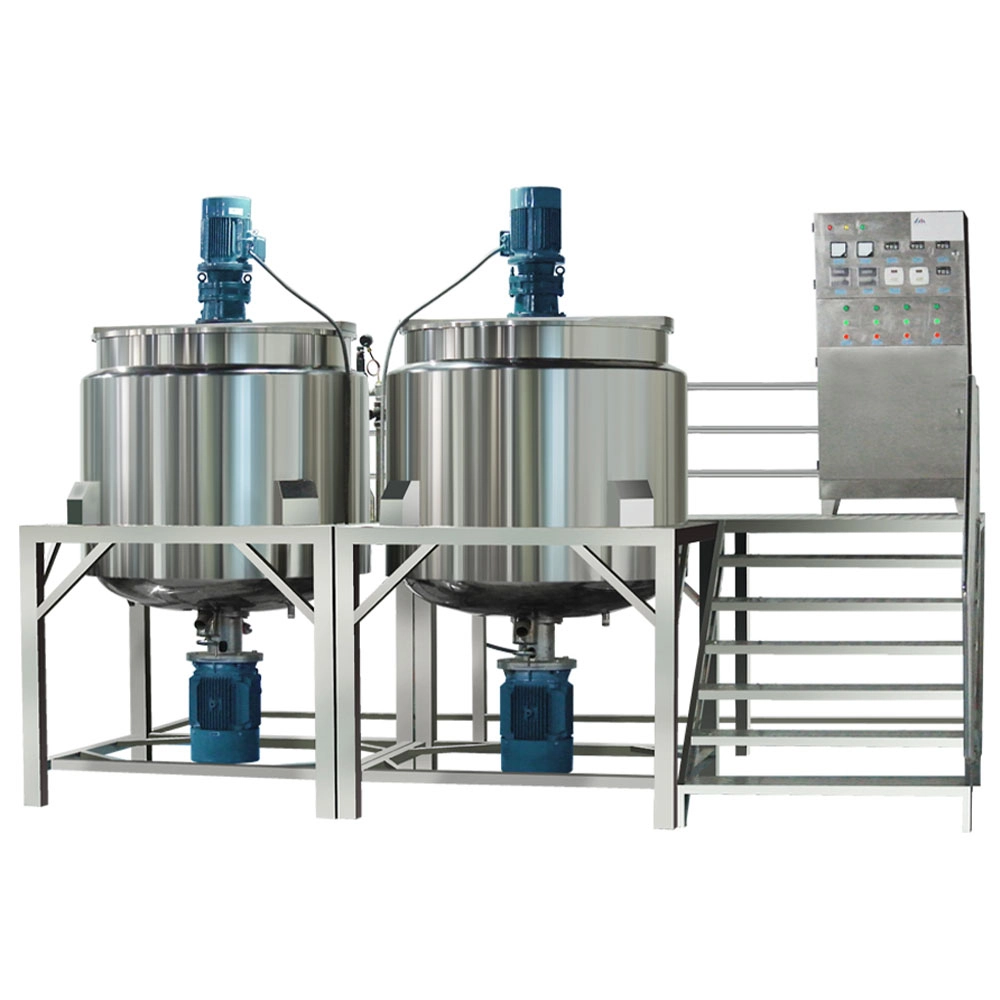
Flip Cover Multi-function Liquid Wash Mixing Tank Blender Liquid Detergent Mixer Homogenization Stirring Tank
Stainless Steel Mixer Liquid Mixing tank with Agitator Homogenizing Mixing tank Vacuum Sealed Mixer Machine
Get in touch with FULUKE
If you have any comments or good suggestions, please leave us a message, later our professional staff will contact you as soon as possible.

A leading manufacturer specializing in advanced machinery and complete production lines for the cosmetics, food, pharmaceutical, and chemical industries worldwide.
Contact FULUKE
Facebook
Instagram
YouTube