
Choosing the Right Control Panel Layout for Operators
- Operator-Centric Interface Design: Principles and Benefits
- Ergonomics and Accessibility
- Clear Visual Hierarchy and Intuitive Feedback
- Language, Icons and Multilingual Support
- Choosing the Right Control Types and Layouts
- Touchscreens vs Physical Buttons: Pros and Cons
- Layout Patterns: Task-based vs Role-based Panels
- Customization, Presets and Quick Recipes
- Safety, Compliance and Maintenance Considerations
- GMP, Materials and Cleanability
- Error Proofing, Interlocks and Alarm Strategies
- Maintenance Access and Remote Diagnostics
- Implementation: Training, Validation and Measuring ROI
- Training, SOPs and Onboarding
- Validation, Change Control and Documentation
- Measuring ROI: Metrics and Comparison
- How This Applies to the Automatic Filling Machine Quantitative Liquid Bottle Filling Machine High-precision cream and lotion filling machine
- FAQ — Common Questions about Control Panel Layouts and Liquid Filling Machines
- Q: Should I choose a touchscreen-only interface for my liquid filling machine?
- Q: How do I ensure the control panel meets GMP and cleaning requirements?
- Q: How can I reduce setup and changeover time on a multi-SKU line?
- Q: What are the key KPIs to track after redesigning the panel?
- Q: Is remote access safe for diagnostics and support?
- Contact & Product Information
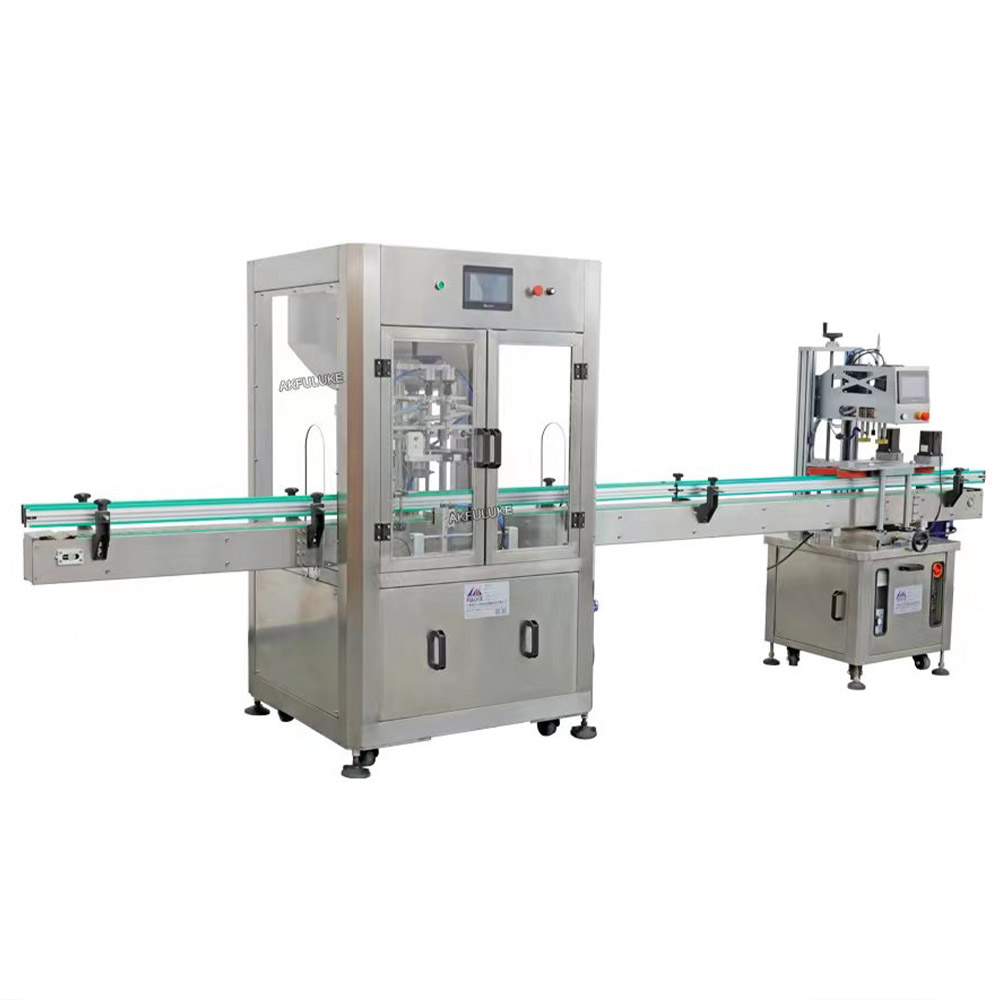
This article helps manufacturers and production managers choose the best control panel layout for operators of liquid filling machines. It explains ergonomic principles, HMI choices, safety and compliance requirements (GMP/ISO/FDA), training and validation steps, and practical ROI measures. The guidance applies directly to equipment such as the Automatic Filling Machine Quantitative Liquid Bottle Filling Machine High-precision cream and lotion filling machine and other automated filling and bottle filling systems.
Operator-Centric Interface Design: Principles and Benefits
Ergonomics and Accessibility
A well-designed control panel reduces operator fatigue, lowers mistakes, and speeds up changeovers. Consider panel height, viewing angle and touch distances so operators of varying height can reach and see key controls without strain. For a liquid filling machine that runs many batches, repeatable access to start/stop, emergency stop, recipe selection, and flow adjustment is critical. Use ergonomic standards such as ISO 9241 (human-system interaction) to guide layout decisions; these standards provide principles for display readability and control placement (see ISO resources ISO 9241).
Clear Visual Hierarchy and Intuitive Feedback
Organize controls by frequency and risk: primary run controls (start/stop, speed) should be most prominent; secondary controls (calibration, password-protected settings) should be tucked away or protected. Visual cues — color-coded buttons, large numeric readouts for fill volumes and speeds, and clear alarm indicators — help operators react more quickly. For example, place the touchscreen HMI center-left or center-right depending on the production line flow so operators can observe bottles while adjusting parameters.
Language, Icons and Multilingual Support
On global lines or plants with multilingual crews, the interface should support multiple languages and internationally recognized icons. Many modern HMIs provide language packs and user profiles, enabling operators to switch language with one touch. This reduces training time and lowers the risk of misinterpretation, especially when handling diverse products like creams, lotions, and emulsions.
Choosing the Right Control Types and Layouts
Touchscreens vs Physical Buttons: Pros and Cons
Touchscreen HMIs are flexible: they can display recipes, graphs, and guided procedures and can be updated with software changes. Physical buttons and knobs provide tactile confirmation and are often preferred for emergency actions or frequently used single-purpose controls. For a high-precision cream and lotion filling machine, the typical approach combines a primary touchscreen for recipes and diagnostics with a small bank of hardened physical controls for start/stop and emergency stop.
Layout Patterns: Task-based vs Role-based Panels
Two common layout strategies are task-based and role-based. Task-based panels group controls by the operator’s tasks (filling, cleaning, recipe selection). Role-based panels offer different interfaces or screens depending on the user's role (operator, supervisor, maintenance). For busy cosmetic production lines, task-based layouts improve speed for operators doing repeated cycles, while role-based access adds security and prevents unintentional parameter changes by non-technical staff.
Customization, Presets and Quick Recipes
Operators need quick access to saved recipes and presets for common product SKUs. The control panel should allow easy creation and recall of quantitative fill settings for different bottle sizes, fill volumes and viscosities. For the Automatic Filling Machine Quantitative Liquid Bottle Filling Machine High-precision cream and lotion filling machine, touchscreen-enabled quick presets minimize downtime during SKU changeovers and maintain the high accuracy required for creams, lotions and emulsions.
Safety, Compliance and Maintenance Considerations
GMP, Materials and Cleanability
When selecting components and layout for a control panel on cosmetic liquid filling equipment, consider cleanability and material compatibility. Contact parts in production areas should use 316L or 304 stainless steel where appropriate; these materials are commonly used to meet hygienic and corrosion resistance needs. See the stainless steel reference for material properties (316 stainless steel). Additionally, compliance with Good Manufacturing Practices (GMP) and sanitary design is essential—refer to WHO guidance and GMP frameworks for drug and cosmetics manufacturing to ensure control placement does not hinder cleaning or promote contamination (WHO GMP).
Error Proofing, Interlocks and Alarm Strategies
Design the control panel to prevent common operator errors. Use interlocks to stop the filler if guards are open or if downstream conveyors are blocked. Implement layered alarms: informational (green/blue), warning (amber), and critical (red) with clear instructions on corrective actions displayed on the HMI. For precision liquid filling machines, drift detection and auto-zero features help maintain accuracy and trigger maintenance prompts before product quality is impacted.
Maintenance Access and Remote Diagnostics
Place service ports, diagnostic LEDs, and logging access points where maintenance staff can reach them without disrupting the operator. Modern liquid filling machine HMIs support remote diagnostics and PLC data logging, enabling quicker troubleshooting and less downtime. Include a maintenance menu with password protection to ensure that only trained technicians access calibration and network settings.
Implementation: Training, Validation and Measuring ROI
Training, SOPs and Onboarding
Even with the best hardware, the panel must be supported by effective training and SOPs. Create short, role-specific job aids and embed help screens in the HMI that show step-by-step start-up and changeover instructions. Use visual SOPs (pictures or short videos) to decrease time to competence for new operators and reduce errors during SKU switchovers.
Validation, Change Control and Documentation
Validate the control layout as part of your commissioning process. Document user requirements, design rationale, and acceptance tests. When you change panel software (e.g., add new presets), follow change control procedures and re-run relevant validation steps. Incorporate a traceable log of operator actions and recipe changes to comply with regulatory audits and internal quality processes. For quality frameworks and management system best practices, ISO 9001 provides guidance on quality management and documentation (ISO 9001).
Measuring ROI: Metrics and Comparison
Track metrics to measure the impact of control panel design on production KPIs. Typical metrics include setup time, rejects per batch, mean time to repair (MTTR), and overall equipment effectiveness (OEE). Below is a sample comparison table showing expected advantages of a well-implemented touchscreen + physical controls layout versus a basic physical-only panel.
| Aspect | Touchscreen + Physical Controls | Physical-Only Panel |
|---|---|---|
| Changeover Time | Fast: recipe recall, guided procedures (often <10 min) | Slower: manual adjustments (often >20 min) |
| Operator Errors | Lower: confirmation dialogs, guided steps | Higher: limited feedback and history |
| Maintenance & Diagnostics | Remote logs, on-screen diagnostics | Manual troubleshooting, limited logs |
| Initial Cost | Moderate to higher | Lower |
| Long-term ROI | Higher due to reduced downtime and waste | Lower due to higher labor and error rates |
For automated conveying and high-precision filling lines, the investment in an operator-friendly HMI typically pays back through reduced rejects, faster SKUs changes, and improved throughput.
How This Applies to the Automatic Filling Machine Quantitative Liquid Bottle Filling Machine High-precision cream and lotion filling machine
The Automatic Filling Machine Quantitative Liquid Bottle Filling Machine High-precision cream and lotion filling machine integrates automated conveying, precision filling, and intelligent control for packaging creams, lotions, and liquids. Suitable for a variety of containers, including glass and PET bottles, it can fill liquids, emulsions, and pastes with high precision. Constructed with 316L/304 stainless steel contact components and compliant with GMP standards, it features a touchscreen interface for quick parameter adjustment and completes the entire process without manual intervention.
Recommended control panel configuration for this product:
- Central 10–15-inch industrial touchscreen HMI for recipes, diagnostics and batch logs.
- Dedicated physical START/STOP and EMERGENCY STOP buttons clearly separated and color-coded.
- Role-based login with operator, supervisor and maintenance profiles to protect critical settings.
- Quick-recall buttons or soft keys for the top 4–8 SKUs to minimize changeover time.
- Integrated help pages and SOPs on the HMI demonstrating cleaning-in-place and routine maintenance steps.
FAQ — Common Questions about Control Panel Layouts and Liquid Filling Machines
Q: Should I choose a touchscreen-only interface for my liquid filling machine?
A: Not usually. A hybrid approach—touchscreen for recipes, diagnostics and guided procedures, plus physical buttons for critical run and emergency functions—offers the best balance of flexibility and reliability. Physical controls provide tactile feedback and immediate action in urgent conditions.
Q: How do I ensure the control panel meets GMP and cleaning requirements?
A: Use hygienic design principles, minimize crevices, and mount the panel so it is accessible during routine cleaning. Select IP-rated enclosures suitable for washdown areas and use materials like 304/316L stainless steel where required. Reference WHO GMP guidance and integrate cleaning SOPs into the HMI for operator reference (WHO GMP).
Q: How can I reduce setup and changeover time on a multi-SKU line?
A: Implement recipe storage and quick-recall presets on the HMI, standardize container and tooling adjustments, and embed guided changeover steps on-screen. Use sensors and position memory to reduce mechanical adjustment time. Track the changeover time metric and refine procedures using the HMI’s audit logs.
Q: What are the key KPIs to track after redesigning the panel?
A: Track setup/changeover time, rejects per batch, OEE, MTTR, and operator training time. Improvements in these KPIs will demonstrate ROI for upgraded control panels.
Q: Is remote access safe for diagnostics and support?
A: Remote diagnostics accelerate troubleshooting but must be secured. Use VPNs, role-based access, logging and encrypted connections. Restrict remote control capabilities to authorized maintenance roles.
Contact & Product Information
If you want to see how optimized control panel layouts improve line performance, request a demo or a detailed specification sheet for the Automatic Filling Machine Quantitative Liquid Bottle Filling Machine High-precision cream and lotion filling machine. Our product combines automated conveying, precision filling and an operator-friendly touchscreen to ensure repeatable, compliant filling across multiple container types.
Contact sales for a demo, quotation or to discuss customization options. Click to contact customer service or view our product page.
Related authoritative resources:
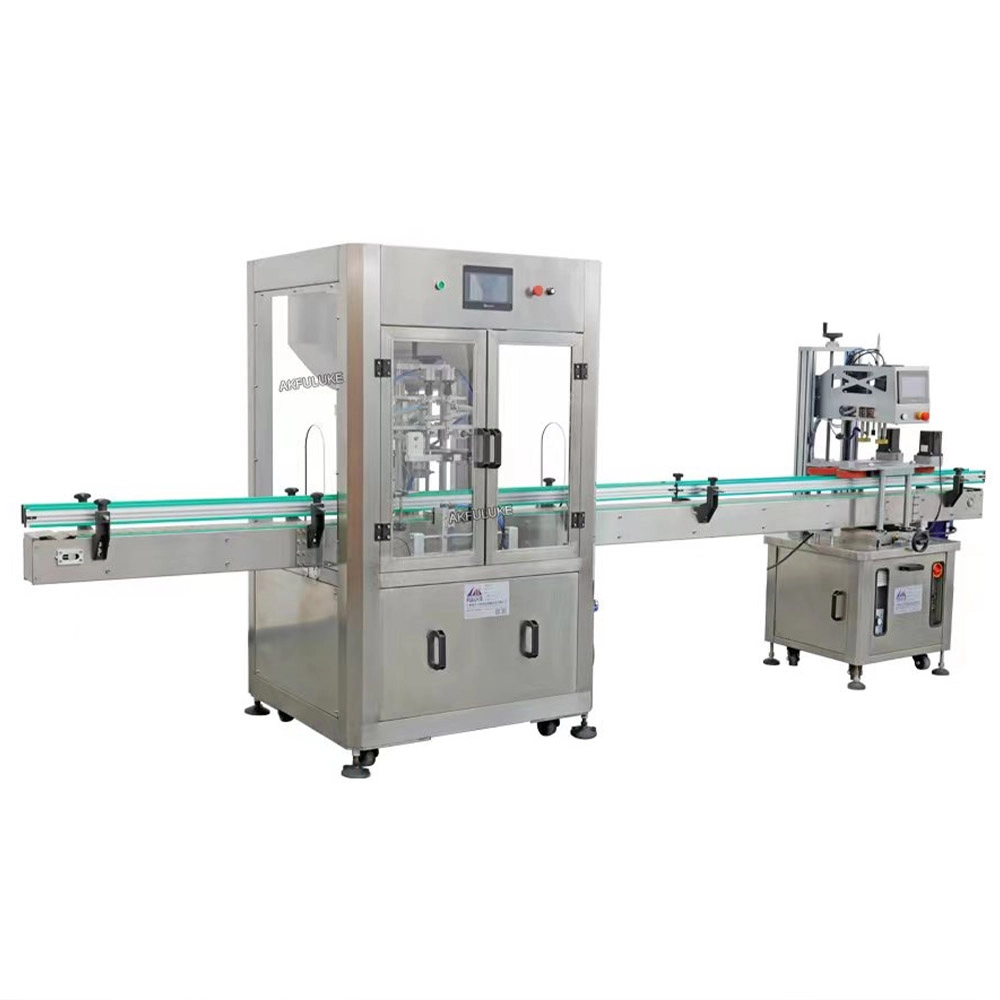
How to Calculate ROI for an Automatic Filling Machine
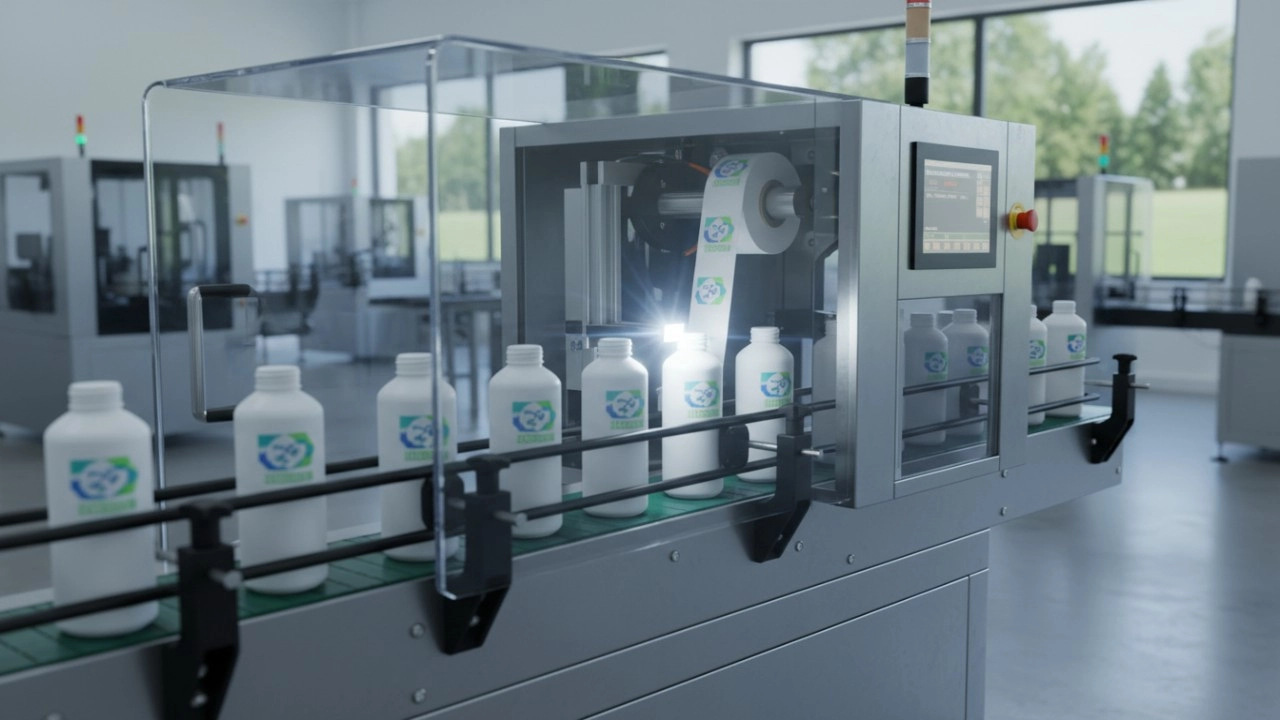
The Definitive Guide to Automatic Labeling Machines: 2026 Performance & Buying Strategies
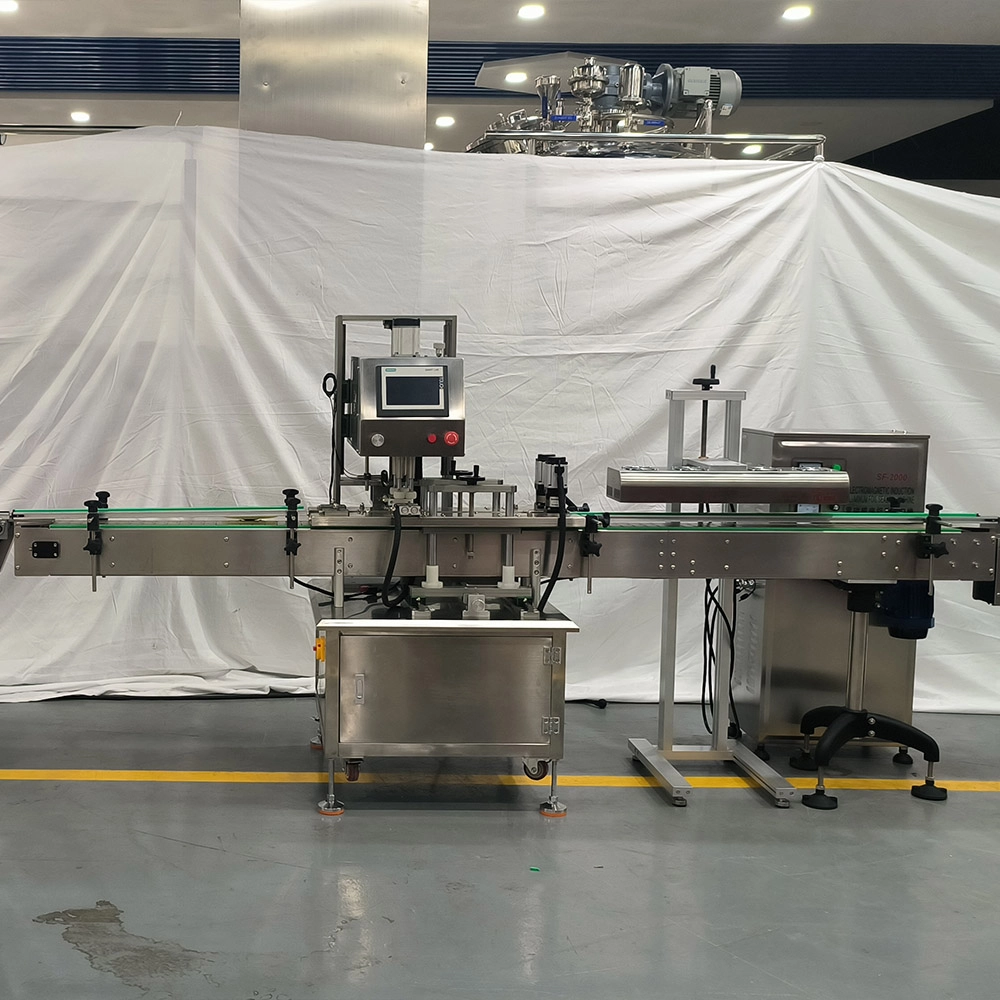
Cleaning and Sanitation Tips for Cream and Lotion Fillers
How to Customize Fill Volumes for Different Product SKUs
Perfume Freezing Filter Making Machine
If the liquid is still turbid after filtration, what could be the cause?
Common causes include: ① Insufficient freezing (low temperature or too short a freezing time); ② Clogged filter element or overly large pore size; ③ Uneven material flow leading to insufficient localized condensation. Solution: Extend the freezing time, replace the 0.1μm precision filter element, check the pipes for blockage, and optimize flow control.
Inkjet Printing Machine
What products can inkjet printers be used for?
It can be used for products such as carton, plastic, metal, boarding, pipe, stone, cable, glass, electronic components, auto parts, industrial chemical packaging, and medical/food/gift boxes.
Storage Tank
Do special operating conditions (such as high temperature or high pressure) require special customization?
Yes. High-temperature applications require the use of heat-resistant materials and additional insulation. High-pressure applications require enhanced tank wall thickness and sealing structures. Both require individual designs according to corresponding industry standards.
Automatic Facial Mask Filling Machine
Do you have a complete production line for facial masks?
Of course, we can also provide high-speed facial mask folding machine + online weighing and rejecting machine + automatic sheet counting machine + automatic cartoning machine + automatic three-dimensional cigarette packaging machine + online inkjet printer, etc.
Automatic Capping Machine
What can you buy from us?
RO Water Treatment、Vacuum Emulsifying Machine、Homogenizer Mixing Tank、Filling and Capping、labeling Machine、Packing Machine、Storage Tank,etc.
You May Also Like
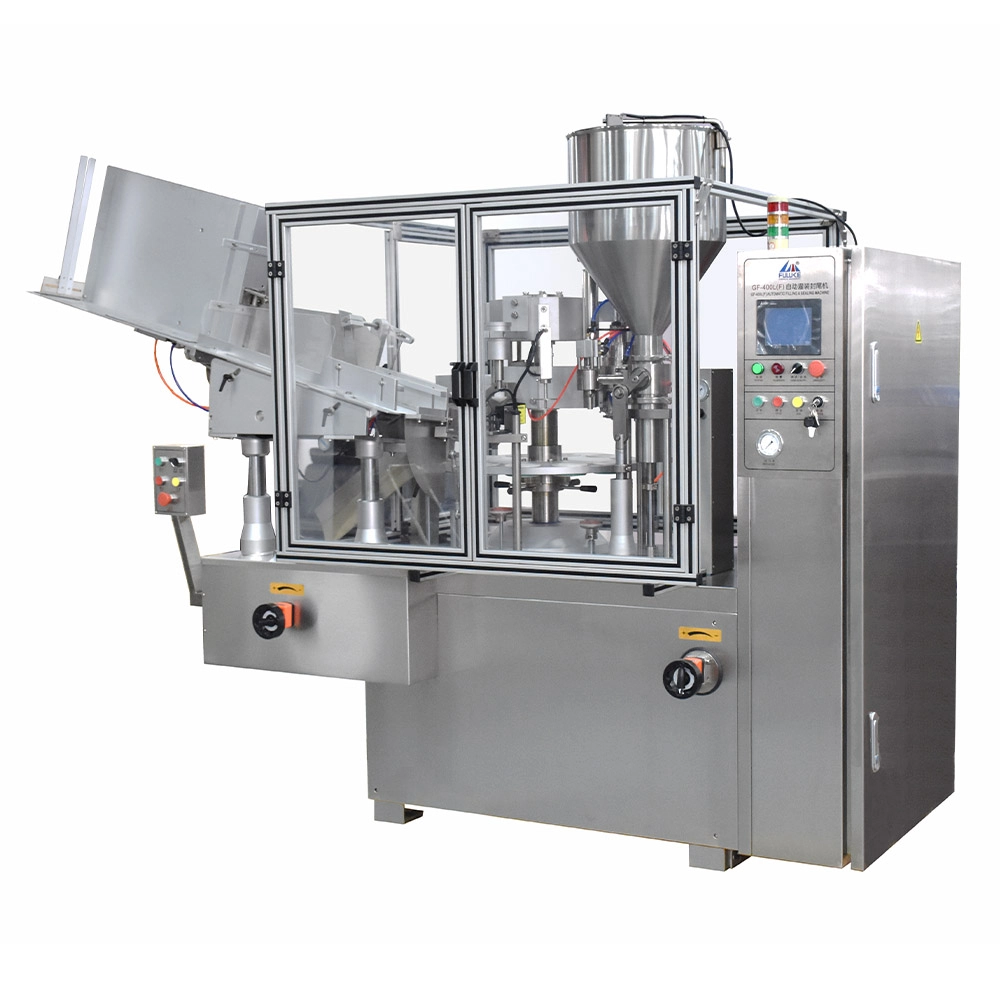
Automatic Tube Filling and Sealing Machine Toothpaste Sunscreen and Facial Cleanser Filling and Sealing Machine for Plastic and Aluminum-plastic Tube
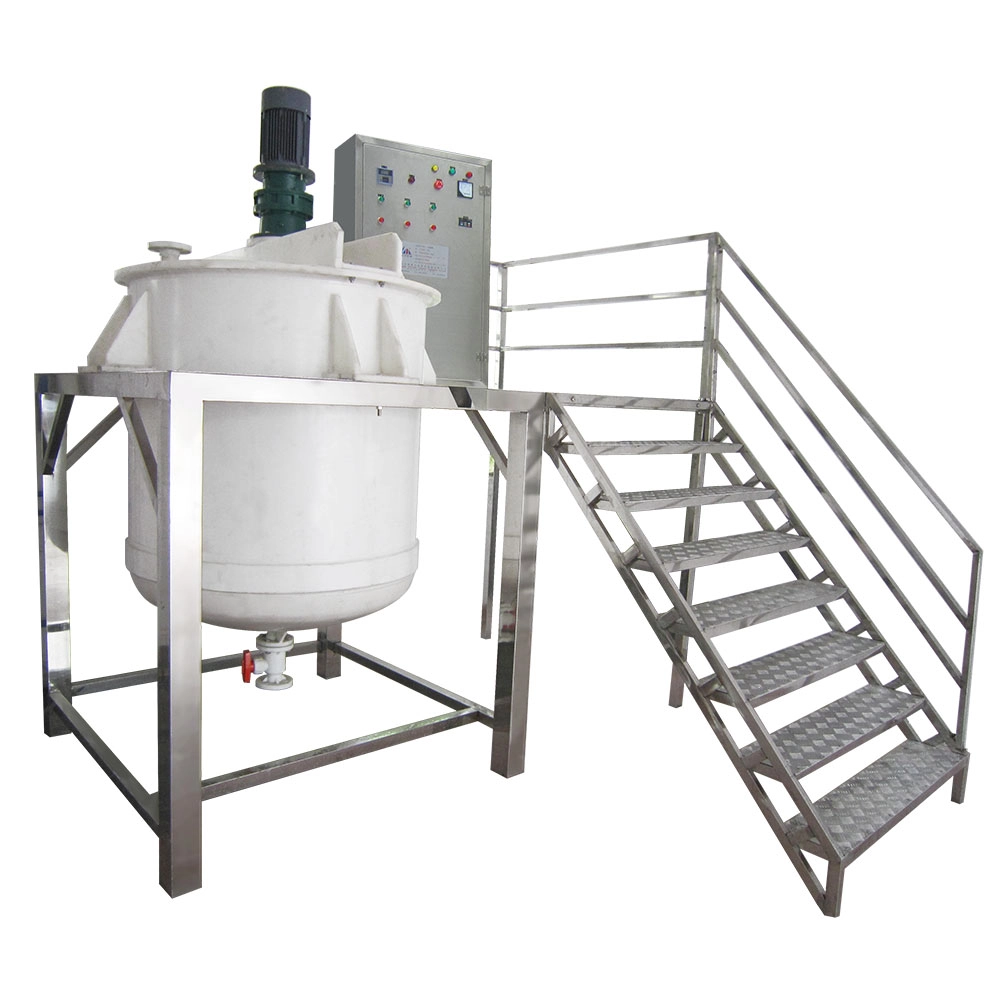
Polypropylene PP Mixing Tank Anti-Corrosion Mixer Reaction Kettle with Agitator Chemical Mixing Vessel
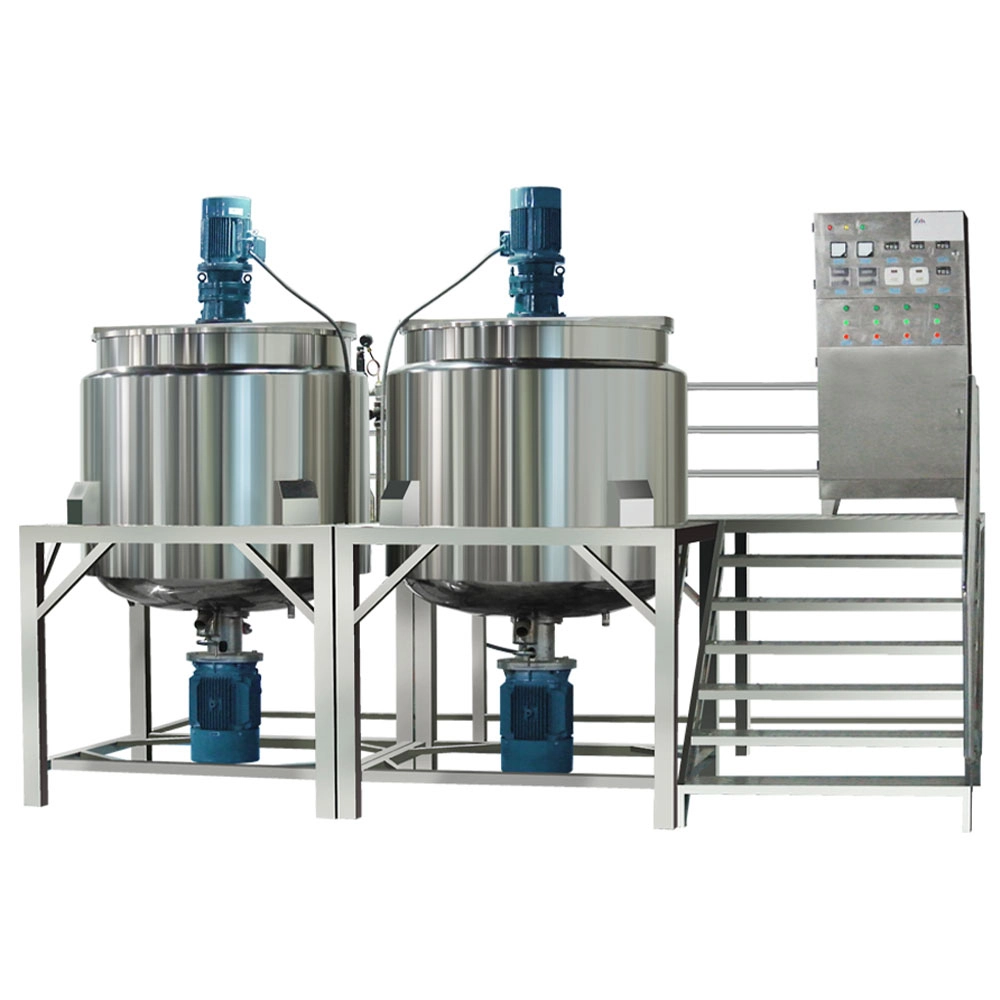
Flip Cover Multi-function Liquid Wash Mixing Tank Blender Liquid Detergent Mixer Homogenization Stirring Tank
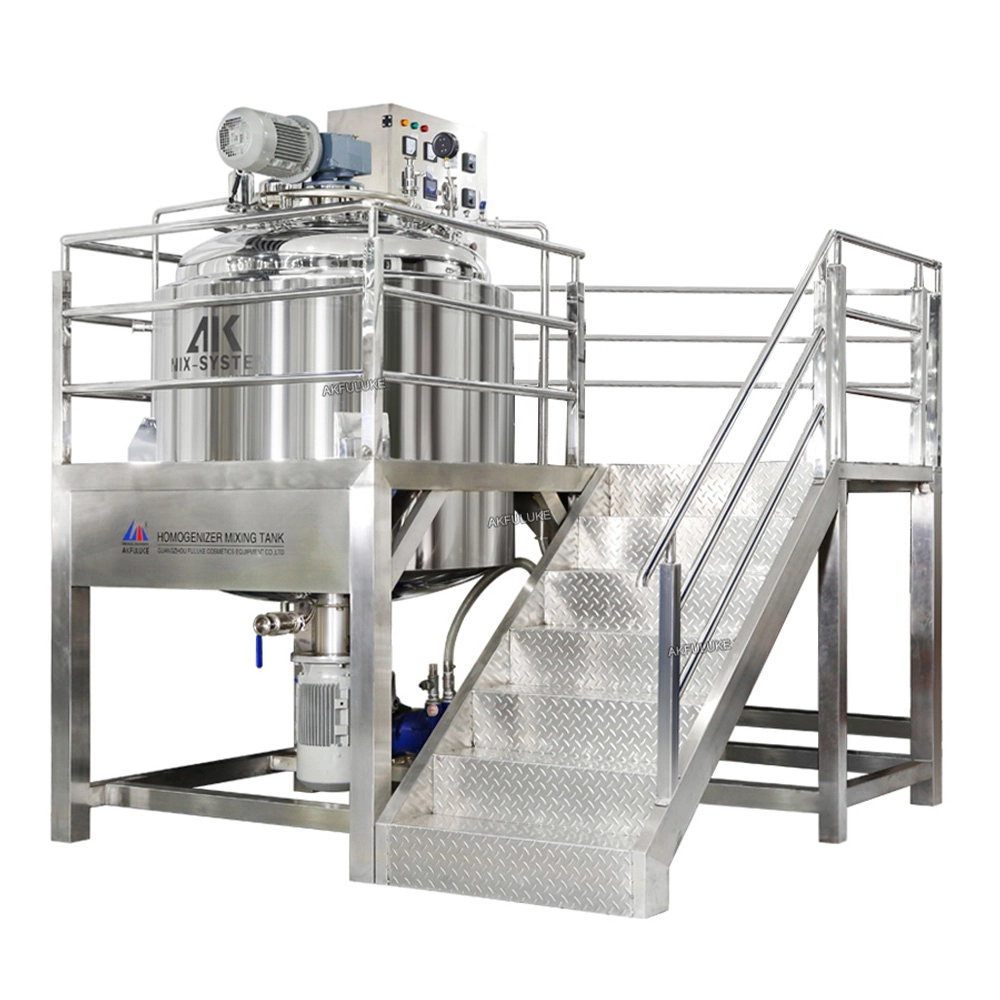
Stainless Steel Mixer Liquid Mixing tank with Agitator Homogenizing Mixing tank Vacuum Sealed Mixer Machine
Get in touch with FULUKE
If you have any comments or good suggestions, please leave us a message, later our professional staff will contact you as soon as possible.

A leading manufacturer specializing in advanced machinery and complete production lines for the cosmetics, food, pharmaceutical, and chemical industries worldwide.
Contact FULUKE
Facebook
Instagram
YouTube