
Choosing Conveyor and Starwheel Systems for Bottle Handling
- Comparing Conveyor and Starwheel Systems: Key Trade-offs
- How conveyor systems operate and when they excel
- How starwheel systems operate and when they excel
- Performance trade-offs summary
- Design and Engineering Considerations for Bottle Handling
- Container types, materials, and geometry
- Sanitation, materials of construction, and GMP compliance
- Mechanical layout, footprint and modularity
- Integrating with Liquid Filling Machines and Automation
- Synchronization and control strategies
- Choosing the right filling technology for creams, lotions, and liquids
- Sanitary integration and clean-in-place considerations
- Selection Criteria, Cost Analysis, and Practical Tips
- Throughput, changeover time and flexibility
- Maintenance, downtime and operator ergonomics
- Return on investment (ROI) and cost comparison
- Implementation Checklist and Best Practices
- Pre-purchase assessment
- Factory acceptance and testing
- Commissioning, training, and continuous improvement
- Product highlight
- FAQs
- Q: Which system is best for a multi-SKU skincare product line?
- Q: Can a starwheel handle different bottle sizes?
- Q: How do I ensure compliance with GMP when selecting handling equipment?
- Q: What filling technology should I pair with a starwheel for thick creams?
- Q: How important is supplier FAT and on-site commissioning?
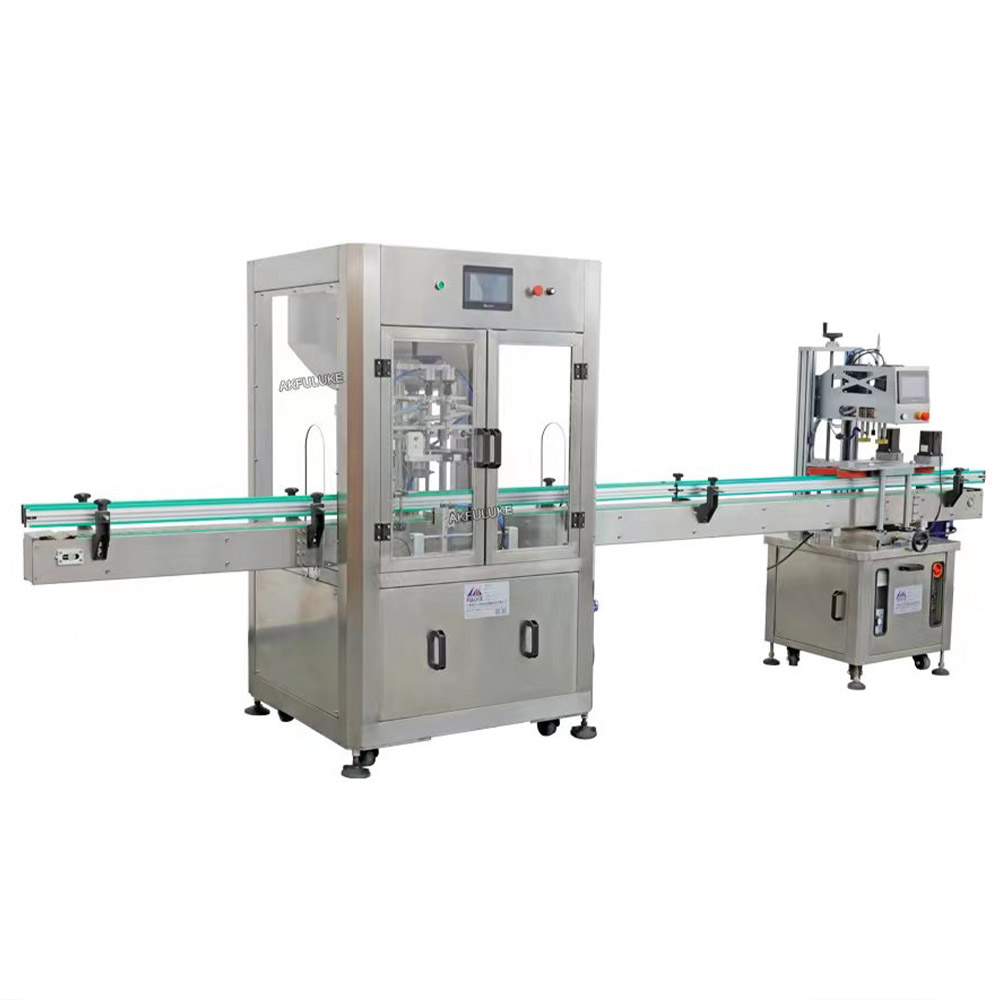
Quick overview for : Selecting the correct conveyor or starwheel system for bottle handling is critical to ensure stable product flow, minimize downtime, and achieve accurate dosing when paired with a liquid filling machine. This guide outlines performance trade-offs, sanitary and regulatory considerations, layout and footprint impacts, and how to integrate automation such as the Automatic Filling Machine Quantitative Liquid Bottle Filling Machine High-precision cream and lotion filling machine into your line for consistent, high-quality output.
Comparing Conveyor and Starwheel Systems: Key Trade-offs
How conveyor systems operate and when they excel
Conveyor systems are continuous-motion platforms that move containers through stations for orientation, rinsing, filling, capping, and labeling. They excel for flexible production lines where a range of container sizes and shapes are processed. Conveyors allow easy inline integration with upstream/downstream equipment, enabling simpler line expansions and layout changes. For manufacturers using a liquid filling machine for lotions, creams or thin liquids, conveyors provide the gentle handling required for fragile glass or PET bottles while maintaining throughput consistency.
How starwheel systems operate and when they excel
Starwheel (indexing) systems move bottles in discrete steps via pockets or clamps around a rotating wheel. This provides precise bottle positioning at filling nozzles and other stations, making starwheels ideal for high-precision dosing and packaging operations where uptime and repeatability matter. Starwheels are common in high-speed lines with standardized container types and are particularly effective with filling technologies that require exact dwell times for each bottle—such as a high-precision cream and lotion filling machine.
Performance trade-offs summary
Choosing between conveyor and starwheel depends on desired throughput, container variety, accuracy needs, and floor layout. Conveyors offer flexibility and easier maintenance; starwheels deliver repeatability and compact high-speed handling. Both can be paired with modern liquid filling machines, but starwheels often reduce scatter and micro-misalignments that affect ultra-precise filling operations.
Design and Engineering Considerations for Bottle Handling
Container types, materials, and geometry
Container diversity influences the choice of handling system. Glass bottles require gentler transport and anti-scratch designs, while PET bottles may allow faster handling. Irregular or tapered bottles can be challenging for starwheels unless pockets are custom machined. Conveyors with adjustable guides and flexible lane guides accommodate multiple formats and are advisable when running small batch sizes or seasonal SKU changes.
Sanitation, materials of construction, and GMP compliance
For cosmetics and personal care products, contact surfaces and surrounding structures must support cleaning and GMP protocols. Use stainless steel (316L/304) contact parts as standard. The Automatic Filling Machine Quantitative Liquid Bottle Filling Machine High-precision cream and lotion filling machine is constructed with 316L/304 stainless steel contact components and complies with GMP standards, simplifying audits and cleaning validation. For reference on Good Manufacturing Practices, see the World Health Organization GMP guidelines (WHO GMP) and ISO cosmetic GMP principles (ISO 22716).
Mechanical layout, footprint and modularity
Starwheels typically have a smaller footprint for a given throughput but may require bespoke fixtures, increasing lead time and cost. Conveyors are more modular and easier to reroute, which is valuable in facilities with frequent layout changes or multi-line configurations. Evaluate upstream buffer capacity and downstream accumulation strategies to prevent line starvation or blockages when pairing with a liquid filling machine.
Integrating with Liquid Filling Machines and Automation
Synchronization and control strategies
Successful integration requires synchronization between the handling system and the liquid filling machine. Conveyors often use photoelectric sensors, encoders, or pneumatic indexing to maintain spacing; starwheels use precise cam-driven or servo-driven indexing. Use centralized PLC controls and HMI interfaces that allow quick recipe changes. The product's touchscreen interface mentioned in the Automatic Filling Machine makes parameter adjustments rapid for different viscosities and container formats.
Choosing the right filling technology for creams, lotions, and liquids
Creams and lotions (higher viscosity emulsions) need positive-displacement piston or gear pumps for accurate shot dosing; low-viscosity liquids may use time/flow-based valves. The Quantitative Liquid Bottle Filling Machine described integrates precision filling and intelligent control suitable for liquids, emulsions, and pastes—reducing overfill and minimizing product waste. When pairing with conveyors, ensure the filling head dwell time matches conveyor speed; with starwheels, set the index timing to match the pump stroke and nozzle lift cycle.
Sanitary integration and clean-in-place considerations
For cosmetic and personal care lines, consider clean-in-place (CIP) or clean-out-of-place (COP) strategies for pumps and nozzles. Ensure that the chosen conveyor or starwheel layout does not create cleaning blind spots. Components exposed to product should be compatible with disinfectants and cleaning agents used in your SOPs to satisfy GMP audits and quality control.
Selection Criteria, Cost Analysis, and Practical Tips
Throughput, changeover time and flexibility
Set realistic throughput targets—for example, 200–600 bottles/min may dictate starwheel solutions, while 30–200 bottles/min often suits conveyor systems with intermittent indexing. Consider changeover time: conveyors with quick-adjust guides reduce downtime when running multiple SKUs. If your liquid filling machine handles a wide viscosity range, prioritize flexibility in the handling system to avoid frequent mechanical overhauls.
Maintenance, downtime and operator ergonomics
Assess maintenance complexity: starwheels with many custom pockets require more specialized spare parts, whereas conveyors use standard belts and motors. Ergonomics for operators—height adjustability, access for cleaning and inspection, and intuitive touchscreen controls—reduce human error and speed troubleshooting. The Automatic Filling Machine's touchscreen interface supports quick parameter adjustments to reduce operator errors and training time.
Return on investment (ROI) and cost comparison
When evaluating ROI, factor in initial capital, tooling or pocket fabrication (for starwheels), changeover labor, energy consumption, maintenance, and product waste due to over/underfilling. Below is a comparison table to help quantify these trade-offs.
| Feature | Conveyor System | Starwheel System | Hybrid/Indexed Conveyor |
|---|---|---|---|
| Typical throughput | Low–Medium (30–200 bpm) | Medium–High (150–800+ bpm) | Medium (80–300 bpm) |
| Format flexibility | High | Low–Medium | Medium–High |
| Footprint | Medium–Large | Compact | Medium |
| Precision positioning | Good (with indexing) | Excellent | Good–Excellent |
| Maintenance complexity | Low–Medium | Medium–High | Medium |
| Best for | Multi-SKU lines, flexible layouts | High-speed, single-format precision filling | Lines requiring both flexibility and precision |
Use these quantitative markers together with actual production data from your facility to build an ROI model. For regulatory context on manufacturing and quality systems, consult the FDA's pharmaceutical quality resources (FDA drug manufacturing).
Implementation Checklist and Best Practices
Pre-purchase assessment
- Document container geometry, fill volumes, viscosities, label/cap types, and target throughput.
- Map the production line footprint and future expansion plans.
- Determine sanitation protocols and regulatory documentation required (GMP, cleaning validation).
Factory acceptance and testing
Require FAT (Factory Acceptance Test) with your actual bottles, product simulants, and production recipes. Verify fill accuracy, bottle orientation, starwheel pocket fit (if applicable), and changeover timing. Check that the integrated Automatic Filling Machine Quantitative Liquid Bottle Filling Machine High-precision cream and lotion filling machine meets acceptance criteria for dosing precision across viscosity range.
Commissioning, training, and continuous improvement
Plan for onsite commissioning with supplier engineers. Provide operator and maintenance training focusing on quick changeover techniques, routine cleaning, and troubleshooting. Collect KPI data—down time, fill accuracy, rejects—and run continuous improvement cycles to tune conveyor speeds, starwheel indexing, and pump parameters of your liquid filling machine.
Product highlight
Automatic Filling Machine Quantitative Liquid Bottle Filling Machine High-precision cream and lotion filling machine
The automatic filling machine integrates automated conveying, precision filling, and intelligent control for packaging creams, lotions, and liquids. Suitable for a variety of containers, including glass and PET bottles, it can fill liquids, emulsions, and pastes with high precision.
Constructed with 316L/304 stainless steel contact components and compliant with GMP standards, it features a touchscreen interface for quick parameter adjustment and completes the entire process without manual intervention. Widely used in the cosmetics, food, daily chemical, pharmaceutical, and chemical industries, it helps companies reduce costs, increase efficiency, and ensure product standardization.
FAQs
Q: Which system is best for a multi-SKU skincare product line?
A: For multi-SKU skincare lines with frequent format changes, a conveyor-based system with quick-change guides and an accurate liquid filling machine is usually best. It offers flexibility and lower tooling costs. Consider an indexed conveyor to add precision where needed.
Q: Can a starwheel handle different bottle sizes?
A: Starwheels can handle multiple sizes but require interchangeable pockets or inserts. The changeover time and cost are higher compared to conveyors, so starwheels are optimal when you have a limited set of recurring formats and need high-speed, high-precision handling.
Q: How do I ensure compliance with GMP when selecting handling equipment?
A: Choose equipment constructed from appropriate stainless steel grades (316L/304), with hygienic welds, minimal crevices, and easily removable parts for cleaning. Document cleaning procedures and validate them. Refer to GMP guidance by WHO (WHO GMP) and ISO 22716 (ISO 22716) for cosmetics.
Q: What filling technology should I pair with a starwheel for thick creams?
A: Positive-displacement piston fillers or progressive cavity pumps are preferred for thick creams and lotions to maintain dosing accuracy and minimize shear. Make sure the filling pump is synchronized with starwheel indexing for consistent shot volumes.
Q: How important is supplier FAT and on-site commissioning?
A: Very important. FAT verifies the equipment with your specifications before shipment; commissioning ensures correct installation, integration, and operator training. This minimizes unexpected downtime and speeds time-to-market.
If you want to evaluate machine options or arrange a demo, contact our sales team or view product details and specifications for the Automatic Filling Machine Quantitative Liquid Bottle Filling Machine High-precision cream and lotion filling machine. For regulatory resources and industry best practices, see the Filling machine - Wikipedia and the Personal Care Products Council.
Contact us / View product: To discuss line design or schedule a demo, please contact our sales engineers or request a quote—our team will help you match a conveyor or starwheel system to your liquid filling machine requirements and regulatory needs.
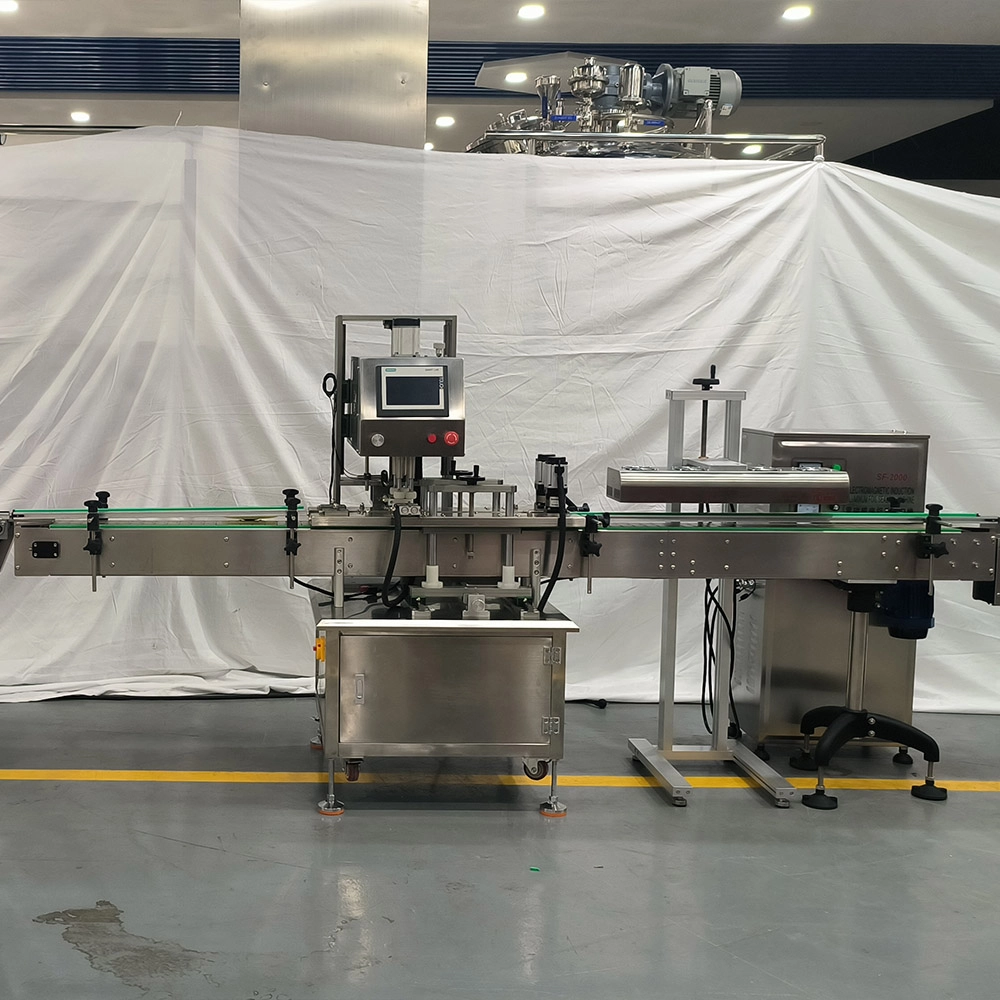
Integration of Filling Machines with Bottle Cappers and Labelers
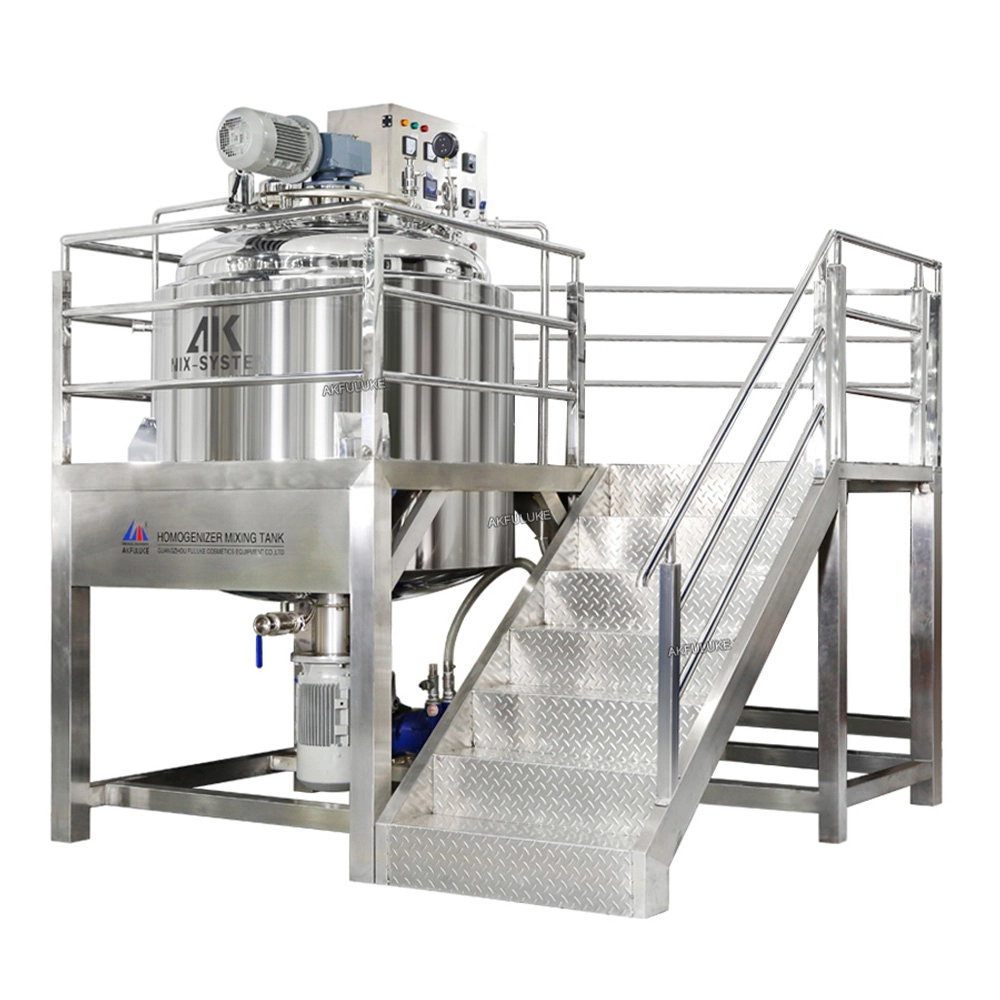
Scaling Up Production with Industrial Agitator Mixing Tanks
Compare Agitator Types for High-Viscosity Liquid Mixing
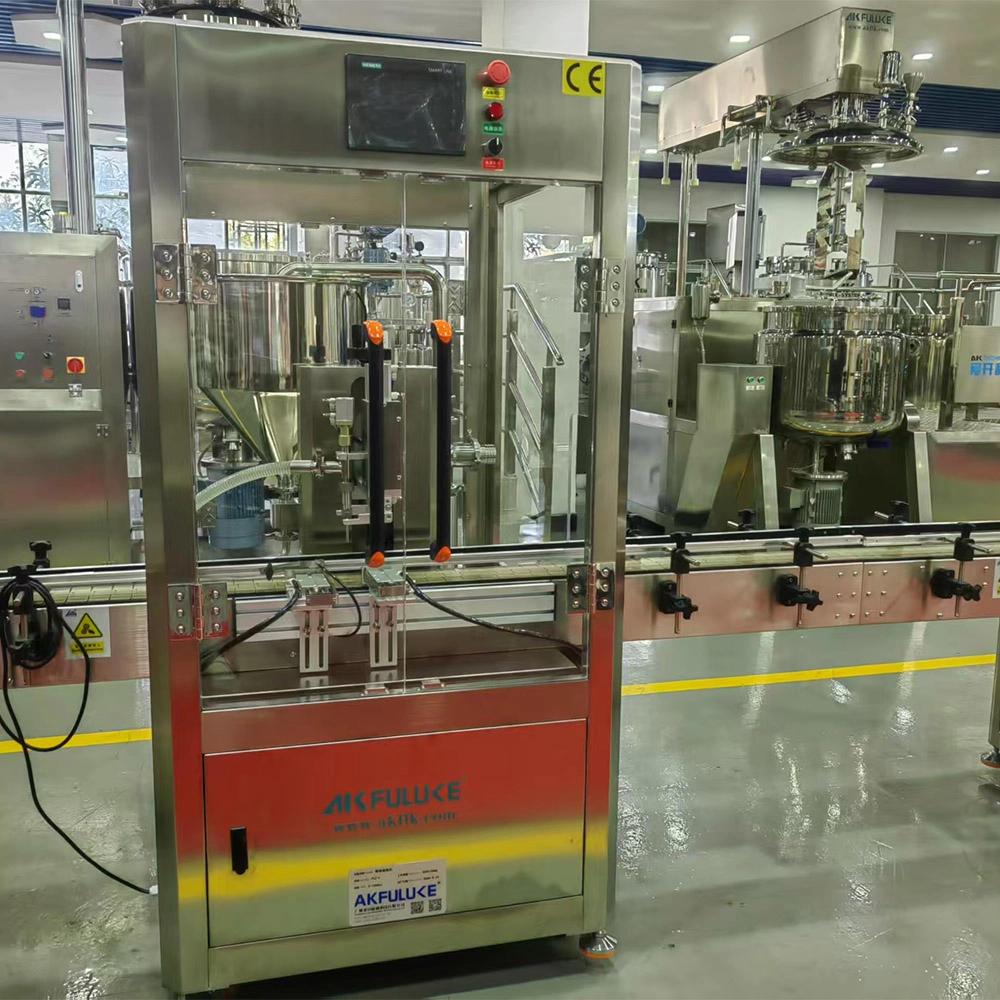
Material Compatibility: Plastics, Glass and Metal Bottles
Perfume Filling Machine
Can you customize the machine?
Of course, we provide customized services according to customer needs.
Can the perfume filling machine accommodate perfume bottles of varying materials and shapes?
Yes. The machine utilizes adjustable mold positions and a PLC control system that allows for one-touch parameter switching, allowing it to accommodate a wide range of bottle shapes, including round, square, and special-shaped ones. The filling capacity range can be flexibly adjusted, and format changeovers take as little as 10 minutes, meeting diverse production needs.
Vacuum Emulsifying Machine
Who are we?
Our headquarters is located in Guangzhou, Guangdong, China, and our factory is located in Yangzhou, Jiangsu. Our products are sold all over the world. We have approximately 50 employees in our company and factory.
Automatic Labeling Machine
Can you make a design for us?
Yes, we can, we provide not only products, but also solutions and designs.
Perfume Freezing Filter Making Machine
Can you make a design for us?
Yes, we can, we provide not only products, but also solutions and designs.
You May Also Like
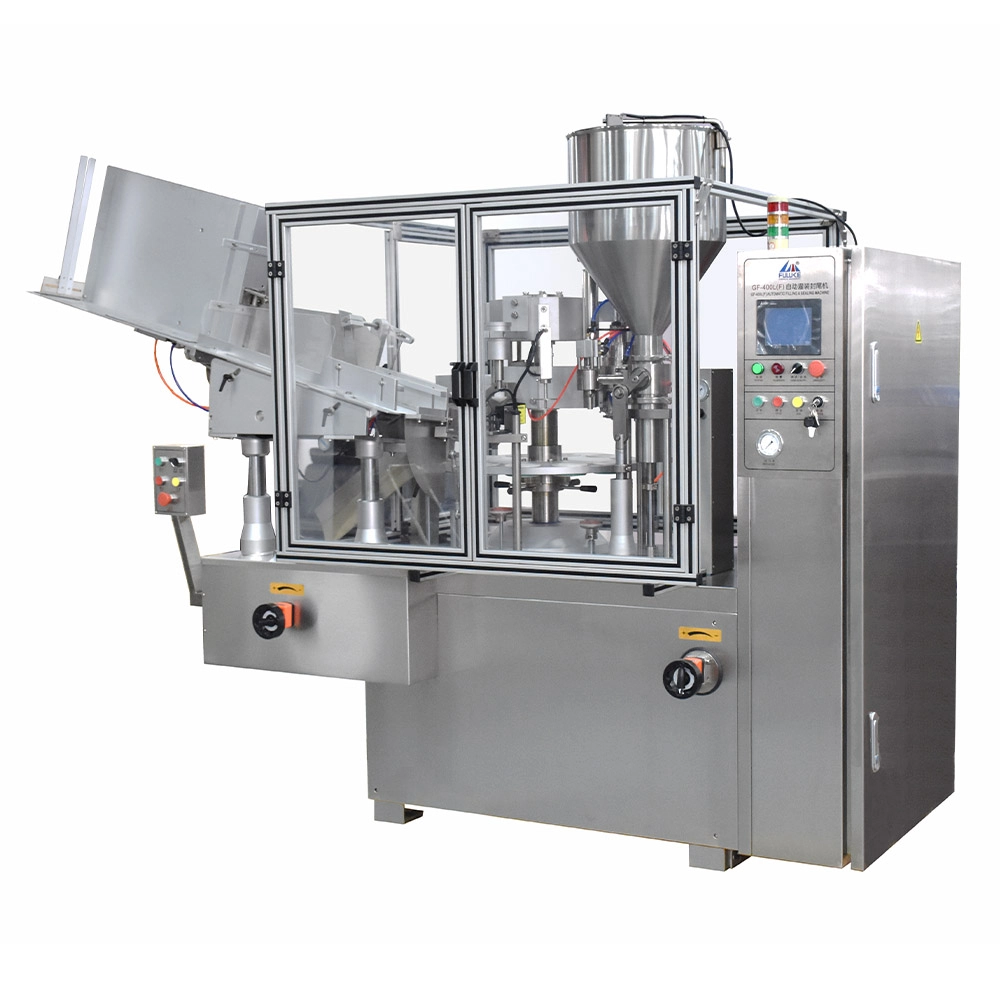
Automatic Tube Filling and Sealing Machine Toothpaste Sunscreen and Facial Cleanser Filling and Sealing Machine for Plastic and Aluminum-plastic Tube
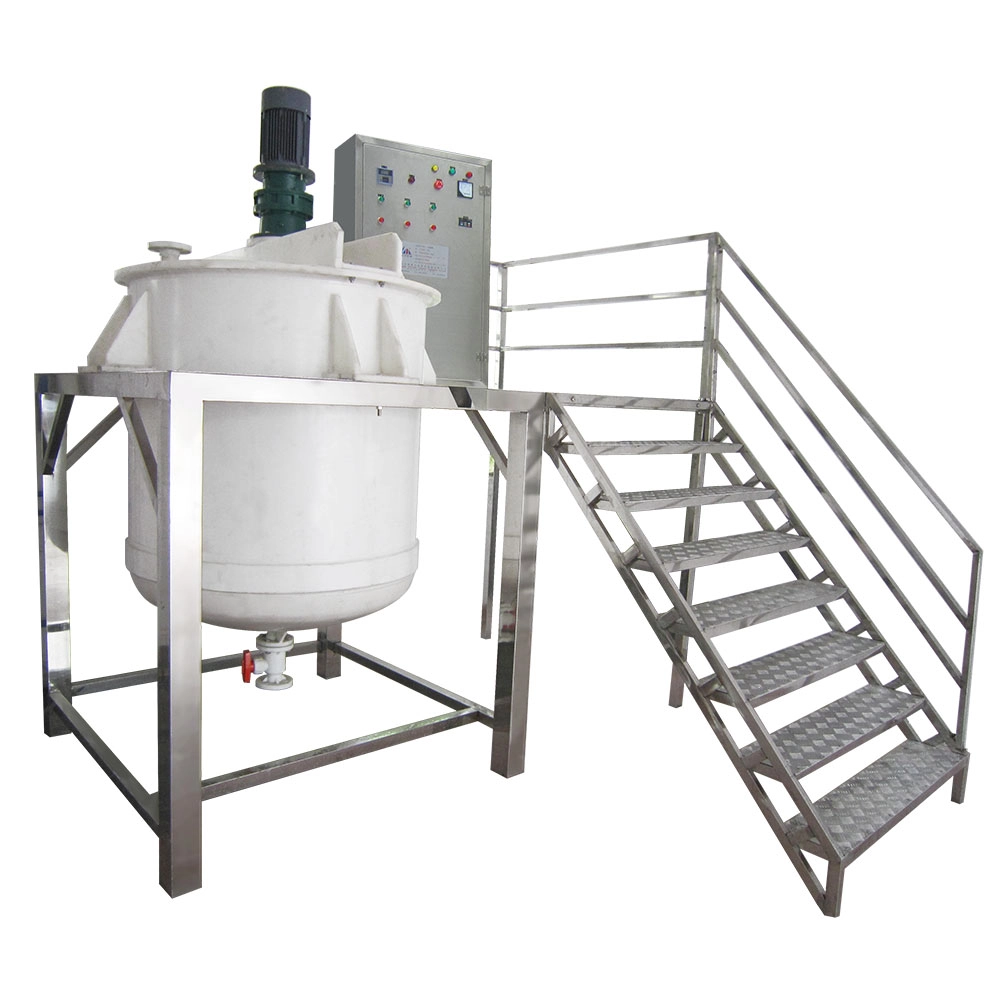
Polypropylene PP Mixing Tank Anti-Corrosion Mixer Reaction Kettle with Agitator Chemical Mixing Vessel
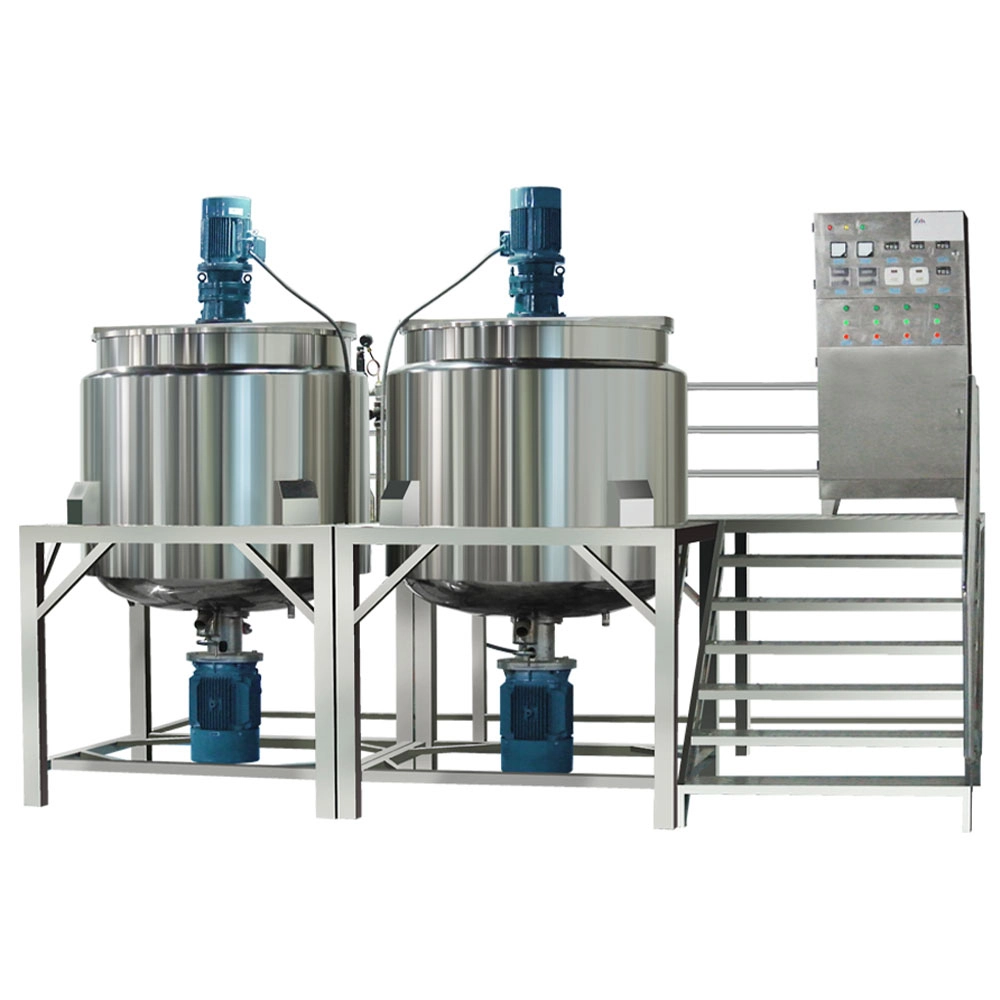
Flip Cover Multi-function Liquid Wash Mixing Tank Blender Liquid Detergent Mixer Homogenization Stirring Tank
Stainless Steel Mixer Liquid Mixing tank with Agitator Homogenizing Mixing tank Vacuum Sealed Mixer Machine
Get in touch with FULUKE
If you have any comments or good suggestions, please leave us a message, later our professional staff will contact you as soon as possible.

A leading manufacturer specializing in advanced machinery and complete production lines for the cosmetics, food, pharmaceutical, and chemical industries worldwide.
Contact FULUKE
Facebook
Instagram
YouTube