
Compliance and Quality: Filling Machines for Cosmetic Standards
- Designing Compliance into Production
- Sanitary materials and construction
- GMP and international expectations
- Touchscreen control and electronic records
- Achieving High-Precision Filling for Cosmetic Products
- Why precision matters for creams and lotions
- Filling technologies and adaptability
- Calibration, validation and tolerance control
- Operational Benefits: Efficiency, Traceability and Risk Reduction
- Automated conveying and integrated workflows
- Cost savings and productivity metrics
- Traceability for recall readiness
- Practical Implementation: Selection, Validation and Maintenance
- Selecting the right machine for your product range
- Validation and documentation checklist
- Maintenance strategies to preserve compliance
- Brand Advantages and Why This Machine Stands Out
- Integrated automation with sanitary design
- Versatility across industries and containers
- Operator-friendly interface and minimal manual intervention
- Supporting References and Standards
- Regulatory and industry references
- Best practice resources
- Frequently Asked Questions (FAQ)
- Q: Can the machine handle different viscosities, from thin lotions to thick creams?
- Q: Is the equipment compliant with GMP and easy to clean?
- Q: What accuracy can I expect for fills?
- Q: Can the machine integrate with vision inspection, capping and labeling lines?
- Q: How does automation help with regulatory audits and traceability?
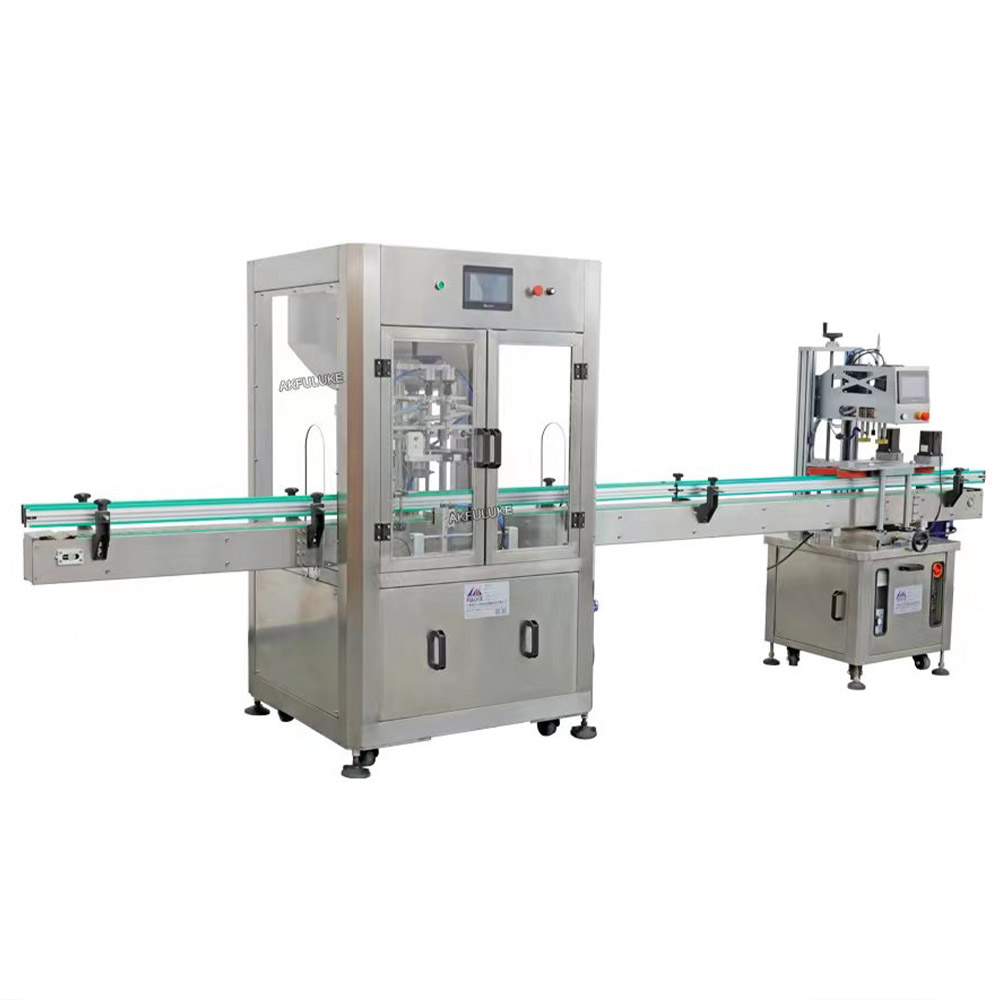
High-precision automatic filling machines have become a cornerstone for cosmetic manufacturers aiming to meet regulatory expectations and maintain consistent product quality. By combining stainless-steel sanitary construction, intelligent motion control, and validated filling protocols, modern liquid filling machine systems reduce contamination risk, ensure accurate dosing for creams and lotions, and support traceability and batch control required by global cosmetic standards.
Designing Compliance into Production
Sanitary materials and construction
Material selection and machine construction are the first line of defense for product safety. Cosmetic-grade filling equipment typically uses 316L or 304 stainless steel for all product-contact parts to resist corrosion, prevent contamination and enable effective cleaning. The Automatic Filling Machine Quantitative Liquid Bottle Filling Machine High-precision cream and lotion filling machine is constructed with 316L/304 stainless steel contact components and compliant with GMP standards, providing manufacturers the material integrity they need for sensitive emulsions and creams.
GMP and international expectations
Good Manufacturing Practice (GMP) requirements set expectations for cleanliness, documentation and process control. Relevant guidance such as ISO 22716 (cosmetics GMP) describes hygiene and quality system elements that must be present in cosmetic production facilities. For background on GMP and its principles, see the GMP overview on Wikipedia at https://en.wikipedia.org/wiki/Good_manufacturing_practice and ISO 22716 at https://en.wikipedia.org/wiki/ISO_22716. Using an automated liquid filling machine that is designed to support sanitary cleaning-in-place (CIP) and easy disassembly reduces contamination risk and helps demonstrate compliance during audits.
Touchscreen control and electronic records
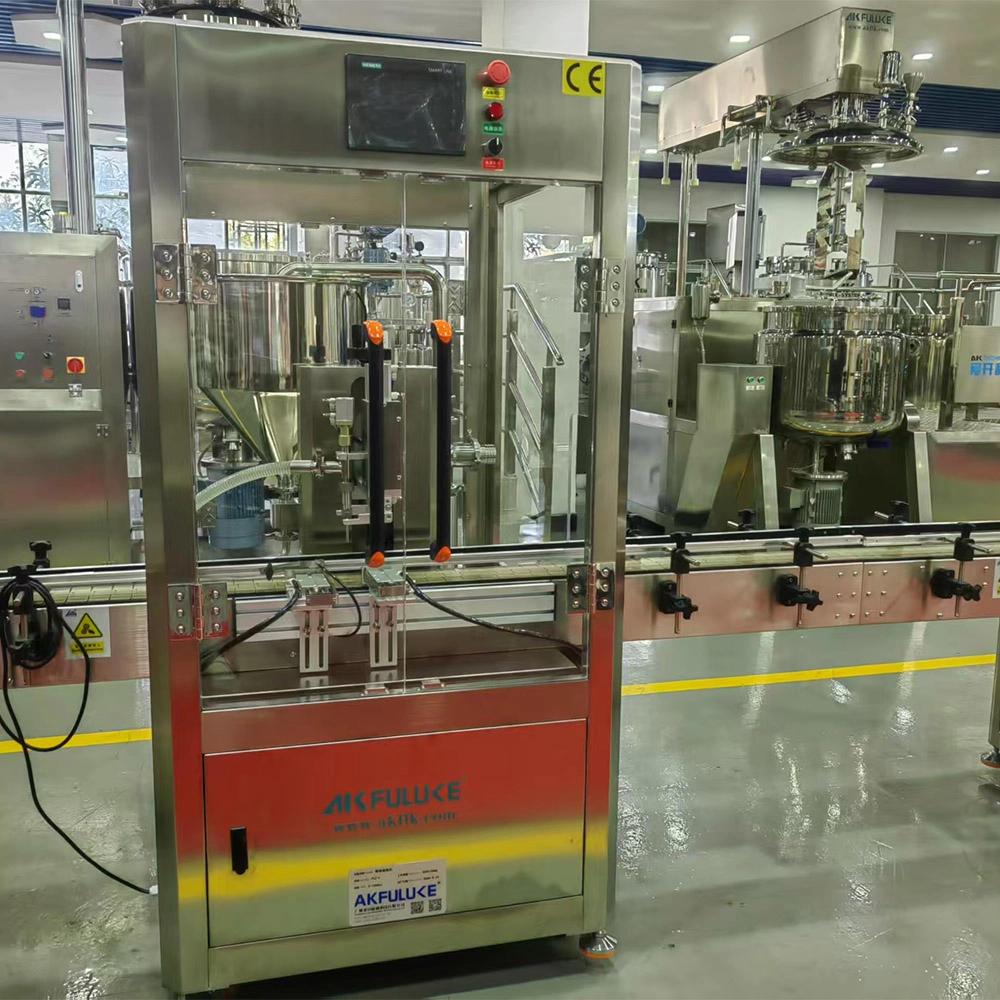
Digital controls and HMI (touchscreen) interfaces enable quick parameter adjustments, recipe management and data logging. The product features an intuitive touchscreen for fast parameter adjustment and automates the entire process, which supports electronic batch records and reduces human error. Captured data can be used for traceability, deviation investigations and continuous improvement programs.
Achieving High-Precision Filling for Cosmetic Products
Why precision matters for creams and lotions
Cosmetic formulations often contain active ingredients at low concentrations or expensive actives where small dosing errors translate into quality issues or increased cost. A high-precision cream and lotion filling machine ensures each glass or PET bottle receives the correct mass or volume, preventing underfill/overfill complaints and preserving brand reputation. Precision also impacts downstream sealing and label application: inconsistent fill levels can cause cap torque variation or labeling misalignment.
Filling technologies and adaptability
Liquid filling machine technologies include piston fillers, peristaltic pumps, time-pressure nozzles and gear pumps. For viscous emulsions and pastes common in cosmetics, piston-type or positive displacement pumps provide repeatable volumetric fills across varying viscosities. The featured Automatic Filling Machine Quantitative Liquid Bottle Filling Machine High-precision cream and lotion filling machine integrates precision filling modules suitable for liquids, emulsions and pastes and supports a wide range of container types including glass and PET bottles.
Calibration, validation and tolerance control
Calibration routines and validation protocols are critical to verify a machine performs within pre-defined tolerances. A filling line should have documented procedures for initial validation, routine verification and corrective actions if fills drift beyond limits. Routine checks—weight sampling, nozzle alignment and pump calibration—ensure the system maintains the documented precision required by both internal quality systems and external auditors.
Operational Benefits: Efficiency, Traceability and Risk Reduction
Automated conveying and integrated workflows
An automatic filling line that integrates conveying, filling and capping reduces manual handling, minimizes contamination risk and improves throughput. The described machine completes the entire process without manual intervention, enabling continuous operation and consistent output. Integration with labeling, cap torque control and vision inspection systems creates a closed process with fewer handoffs.
Cost savings and productivity metrics
Automation reduces labor costs and error rates. Below is a simplified comparison of manual filling vs an automated high-precision liquid filling machine to illustrate typical productivity and quality impacts. Note: actual results vary by facility and product.
| Metric | Manual Filling | Automated Filling Machine |
|---|---|---|
| Hourly throughput (bottles/hr) | 100 - 300 | 1,000 - 6,000+ |
| Typical filling accuracy | ±5% - ±10% | ±0.5% - ±2% |
| Labor required | High | Low |
| Traceability and data capture | Limited | Comprehensive |
| Contamination risk | Higher | Lower |
Traceability for recall readiness
Modern liquid filling machines can record production parameters, serial numbers, and batch IDs. If a quality issue arises, these records enable quick root-cause investigations and targeted recalls rather than plant-wide shutdowns. Electronic logs, batch reports and recipe version control are invaluable during regulatory inspections.
Practical Implementation: Selection, Validation and Maintenance
Selecting the right machine for your product range
When choosing a filling machine, evaluate product viscosity range, container types (glass, PET), speed requirements and cleanliness needs. The Automatic Filling Machine Quantitative Liquid Bottle Filling Machine High-precision cream and lotion filling machine supports diverse container types and product consistencies—making it suitable for manufacturers who need flexibility without compromising precision.
Validation and documentation checklist
Key items for a robust validation package include: Installation Qualification (IQ), Operational Qualification (OQ), Performance Qualification (PQ), calibration certificates for weighing devices, and cleaning validation reports. Maintain SOPs for changeover, cleaning and preventive maintenance to satisfy audits.
Maintenance strategies to preserve compliance
Preventive maintenance (PM) programs and spare-parts strategies keep machines within performance envelope and reduce unplanned downtime. Regularly inspect seals, nozzles and pumps—especially when switching between formulations—to avoid cross-contamination. Document all maintenance actions in the equipment log to support GMP compliance.
Brand Advantages and Why This Machine Stands Out
Integrated automation with sanitary design
The featured Automatic Filling Machine Quantitative Liquid Bottle Filling Machine High-precision cream and lotion filling machine integrates automated conveying, precision filling and intelligent control while adhering to sanitary design principles. Its 316L/304 stainless steel product-contact components and GMP-compliant construction reduce contamination risk and simplify cleaning.
Versatility across industries and containers
Designed for creams, lotions and liquids, the machine handles glass and PET bottles and is suitable for cosmetics, food, daily chemical, pharmaceutical and chemical industries. This cross-industry applicability allows manufacturers to standardize equipment across multiple product lines, improving purchasing ROI.
Operator-friendly interface and minimal manual intervention
The touchscreen interface simplifies recipe changes and parameter adjustments, enabling fast changeovers and reducing training time. Built-in automation minimizes manual handling, which reduces contamination risk and human-caused variability.
Supporting References and Standards
Regulatory and industry references
For regulatory context on cosmetics manufacturing and safety expectations, refer to the U.S. Food and Drug Administration cosmetics page at https://www.fda.gov/cosmetics. For GMP frameworks and guidance on quality systems, see the Good Manufacturing Practice overview at https://en.wikipedia.org/wiki/Good_manufacturing_practice and ISO 22716 information at https://en.wikipedia.org/wiki/ISO_22716.
Best practice resources
Industry associations and standards bodies provide best-practice guidance for cleaning validation, environmental monitoring and qualification. Use their resources to build robust quality systems and align your automated equipment with recognized practices.
Frequently Asked Questions (FAQ)
Q: Can the machine handle different viscosities, from thin lotions to thick creams?
A: Yes. The machine uses precision filling modules and positive-displacement pistons designed to accommodate a wide viscosity range. Changeover settings and optional pump modules allow tuning to maintain accuracy for both thin emulsions and thicker pastes.
Q: Is the equipment compliant with GMP and easy to clean?
A: The Automatic Filling Machine Quantitative Liquid Bottle Filling Machine High-precision cream and lotion filling machine is built with 316L/304 stainless steel product-contact parts and designed to comply with GMP standards. Its sanitary design supports disassembly and cleaning-in-place where required, reducing downtime for cleaning and lowering contamination risk.
Q: What accuracy can I expect for fills?
A: Typical accuracy for a high-precision liquid filling machine ranges from ±0.5% to ±2% depending on product characteristics and machine configuration. Validation and routine checks are essential to maintain this level.
Q: Can the machine integrate with vision inspection, capping and labeling lines?
A: Yes. Modern filling machines are designed for line integration. They can be configured with infeed conveyors, capper modules, torque controls and inline vision inspection to create a complete production cell.
Q: How does automation help with regulatory audits and traceability?
A: Automated systems capture production data, recipe versions and batch logs that provide objective evidence during audits. Electronic records enable rapid recall segmentation and support corrective action investigations with timestamped data.
If you would like a customized quote, machine specification sheet, or to arrange a live demonstration, please contact our sales team or view the product page.
Contact Sales / View Product: Automatic Filling Machine Quantitative Liquid Bottle Filling Machine High-precision cream and lotion filling machine — For immediate assistance, email sales@example.com or call +1-800-000-0000.
Material Compatibility: Plastics, Glass and Metal Bottles
Material Compatibility: Formulas and Tubes for Filling Machines
Selecting Filling Machines for Plastic and Aluminum-Plastic Tubes
Filling Machine Buyers' Guide for Toothpaste, Sunscreen & Cleanser Tubes
Polypropylene PP Mixing Tank
Which mixing pot should I choose between a PP and a stainless steel mixing pot?
When the material is corrosive, a PP mixing pot is more advantageous. Stainless steel (such as 304) has poor resistance to acids and alkalis (easily corroded by hydrochloric acid and sodium hydroxide). For corrosion protection, upgrading to 316L stainless steel is necessary, which costs 2-3 times more than PP. PP, on the other hand, can withstand low- to medium-concentration corrosive media and offers low maintenance (no rust removal required, and low scaling).
When the material is non-corrosive, a stainless steel mixing pot is more advantageous. Stainless steel offers higher temperature resistance (up to 200°C), greater strength (suitable for high-viscosity materials), and a higher hygienic grade (easy to clean aseptically), making it suitable for non-corrosive but demanding applications such as food and pharmaceuticals.
FAQs
Does FULUKE offer customized machinery solutions?
What products does FULUKE specialize in?
Automatic Facial Mask Filling Machine
Can you customize the machine?
Of course, we provide customized services according to customer needs.
Automatic Capping Machine
What types of bottle caps and bottles does the automatic capping machine support?
Mainstream models are compatible with screw caps, duckbill caps, pump caps, spray caps, and other threaded caps. They are also suitable for round, square, and oval bottles made of glass, PET, and HDPE.
You May Also Like
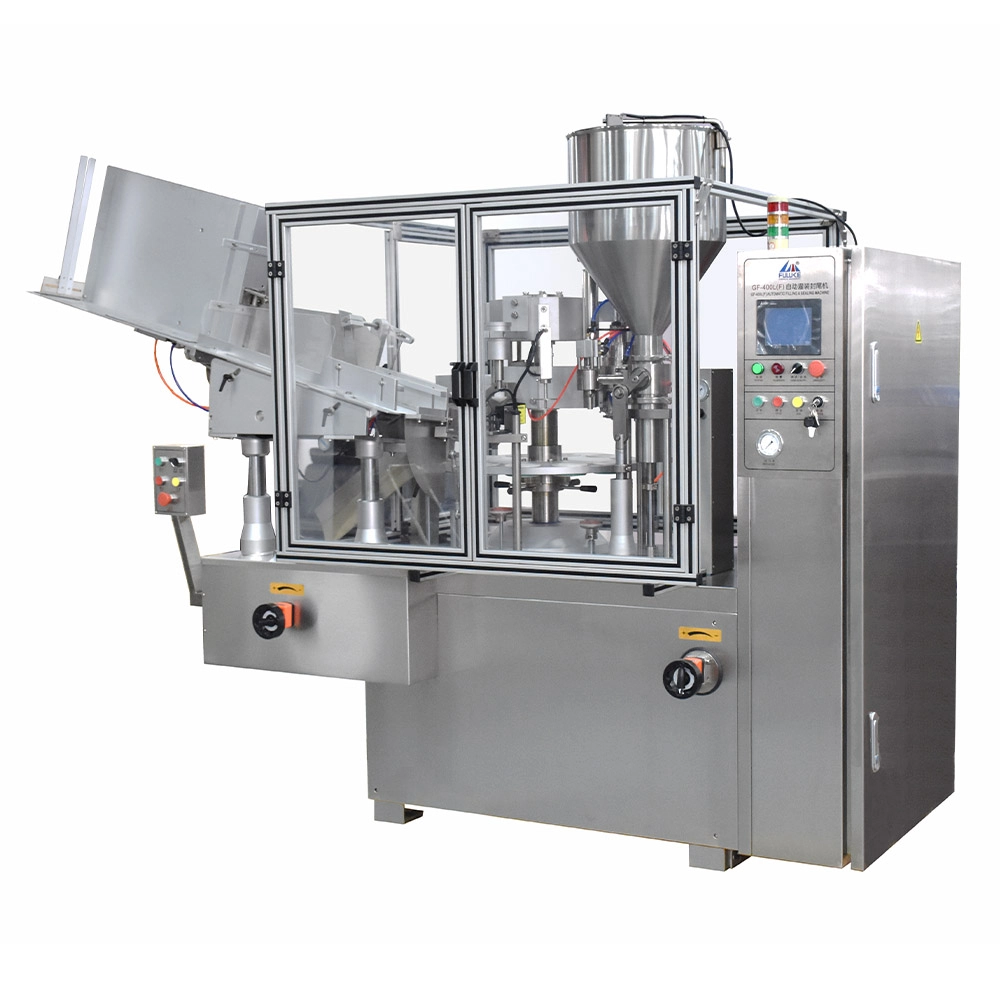
Automatic Tube Filling and Sealing Machine Toothpaste Sunscreen and Facial Cleanser Filling and Sealing Machine for Plastic and Aluminum-plastic Tube
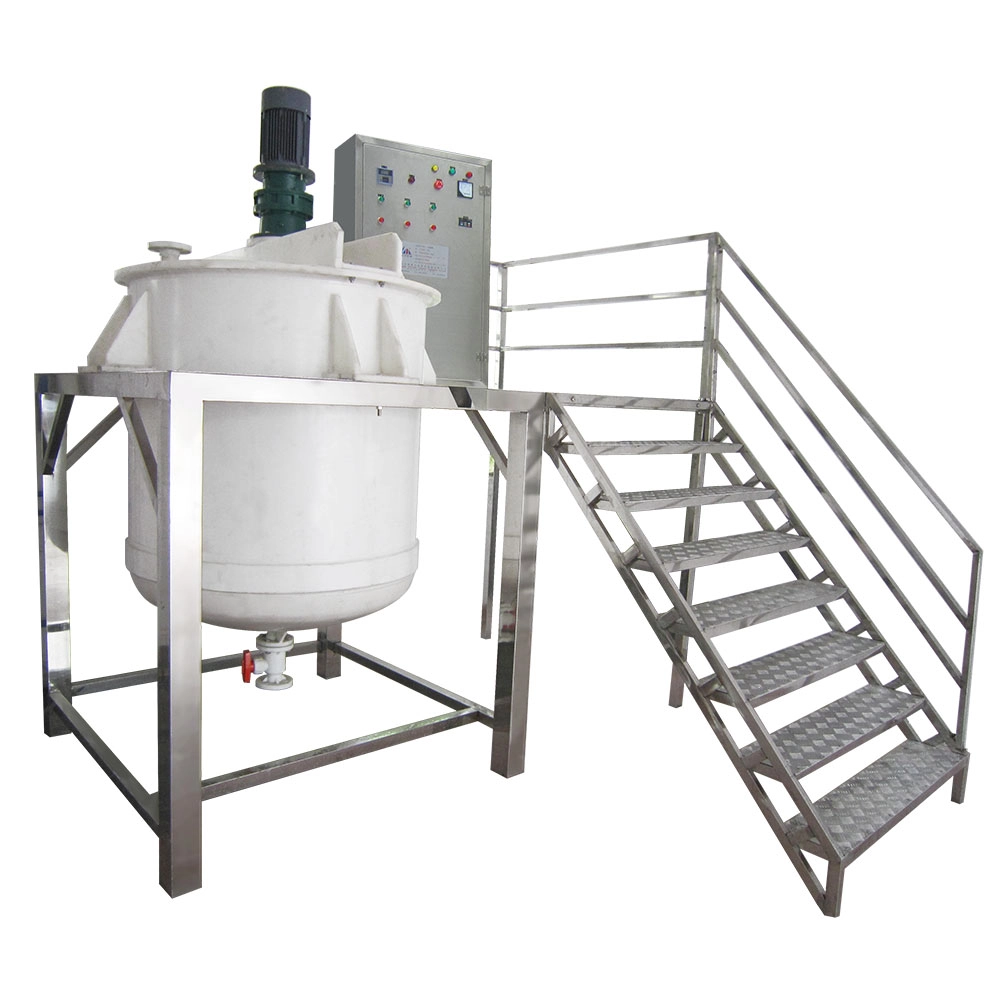
Polypropylene PP Mixing Tank Anti-Corrosion Mixer Reaction Kettle with Agitator Chemical Mixing Vessel
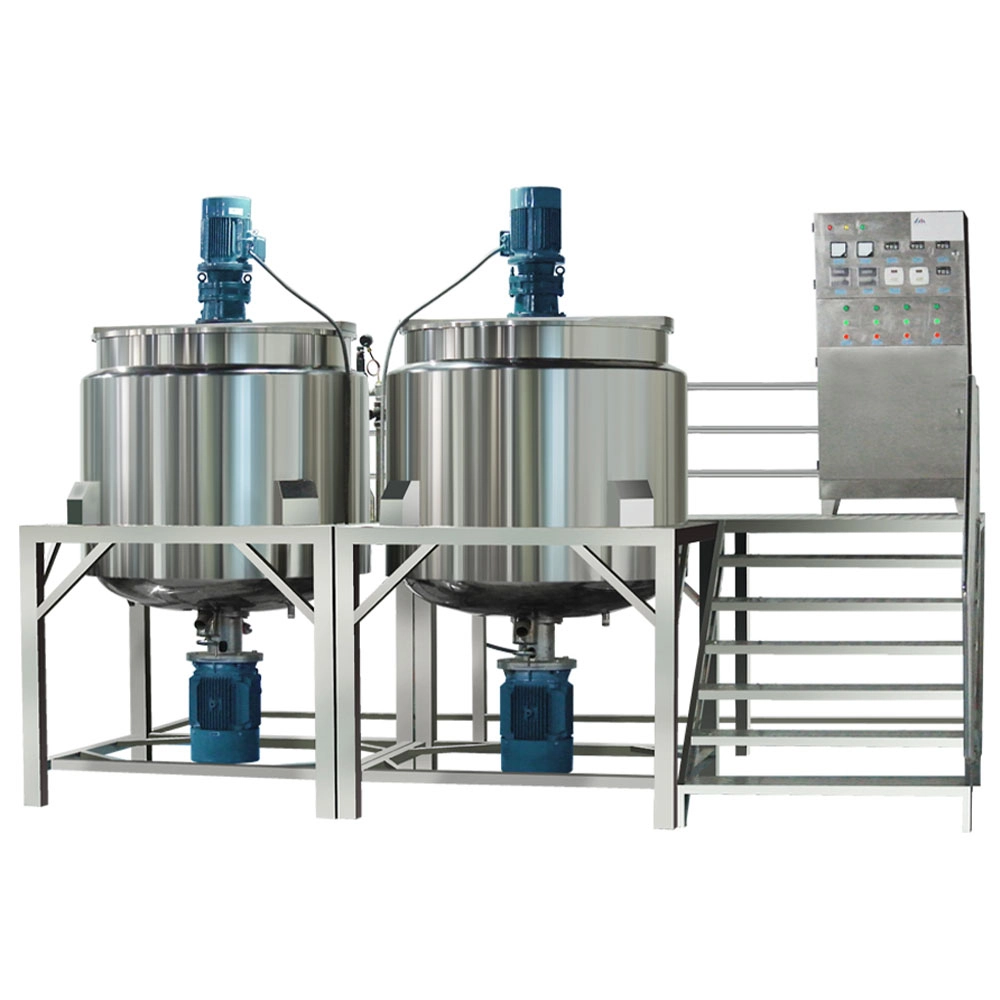
Flip Cover Multi-function Liquid Wash Mixing Tank Blender Liquid Detergent Mixer Homogenization Stirring Tank
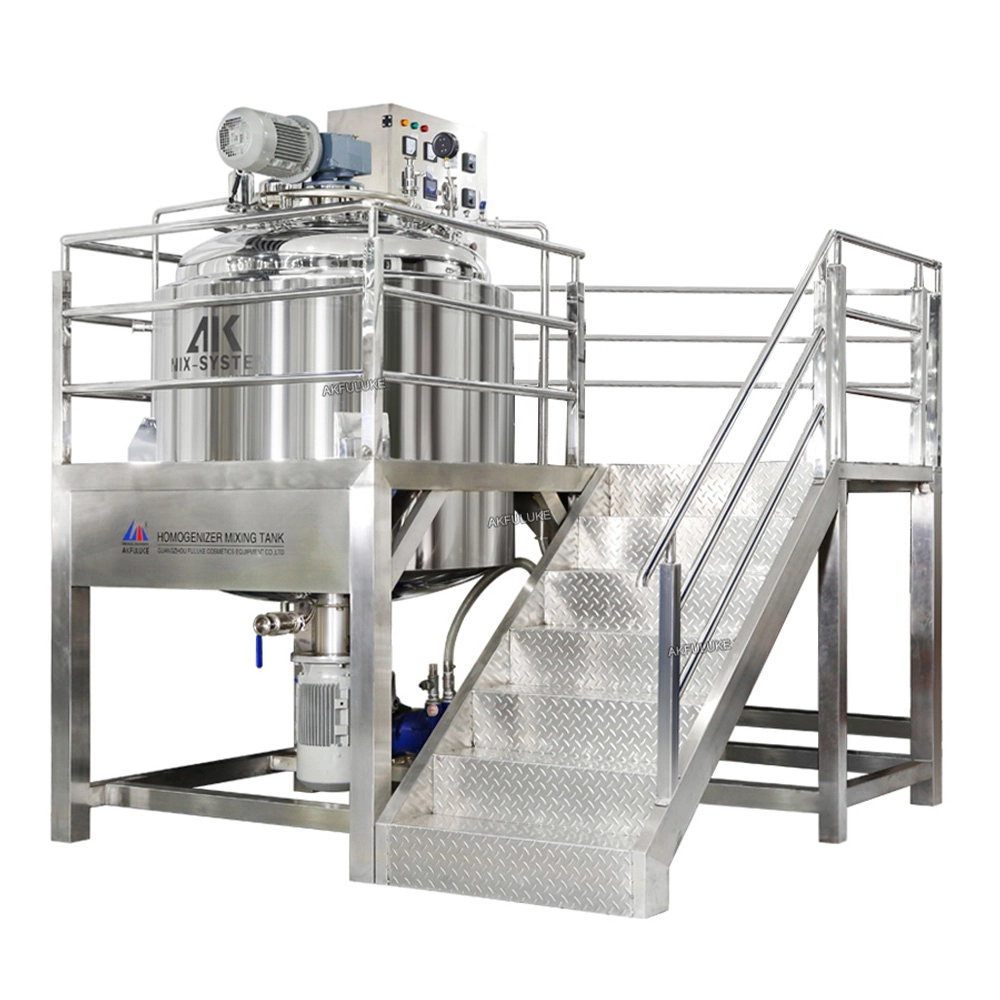
Stainless Steel Mixer Liquid Mixing tank with Agitator Homogenizing Mixing tank Vacuum Sealed Mixer Machine
Get in touch with FULUKE
If you have any comments or good suggestions, please leave us a message, later our professional staff will contact you as soon as possible.

A leading manufacturer specializing in advanced machinery and complete production lines for the cosmetics, food, pharmaceutical, and chemical industries worldwide.
Contact FULUKE
Facebook
Instagram
YouTube