
Cost-Saving Strategies When Buying a Liquid Filling Machine
- Assess Total Cost of Ownership, Not Just Purchase Price
- Understand TCO components
- Calculate expected waste and rework costs
- Include downtime and changeover time in ROI
- Choose Features That Reduce Operating Costs
- Prioritize accuracy and repeatability
- Material, hygiene and regulatory compliance
- Automation level vs. labor and throughput
- Operational and Maintenance Strategies to Cut Costs
- Preventive maintenance to lower downtime
- Training, SOPs and operator efficiency
- Energy and utility optimization
- Practical Procurement Strategies to Reduce Upfront Costs
- Buy the right capacity, not the biggest
- Negotiate lifecycle support and spare parts
- Consider refurbished or demo units carefully
- Comparative Cost and ROI Examples
- Selecting the Right Supplier and Validating Claims
- Request performance data and site references
- Factory acceptance testing and SAT
- Validate software and recipe management
- Brand Advantages: Why This Product Reduces Long-Term Costs
- Implementation Checklist and Quick Wins
- Before purchase
- After purchase
- FAQ (Frequently Asked Questions)
- Q: How do I estimate payback period for a filling machine?
- Q: Is it worth buying a high-precision filler for small-volume production?
- Q: How important is GMP compliance in machine selection?
- Q: What maintenance plan should I expect?
- Q: Can one machine handle multiple container types?
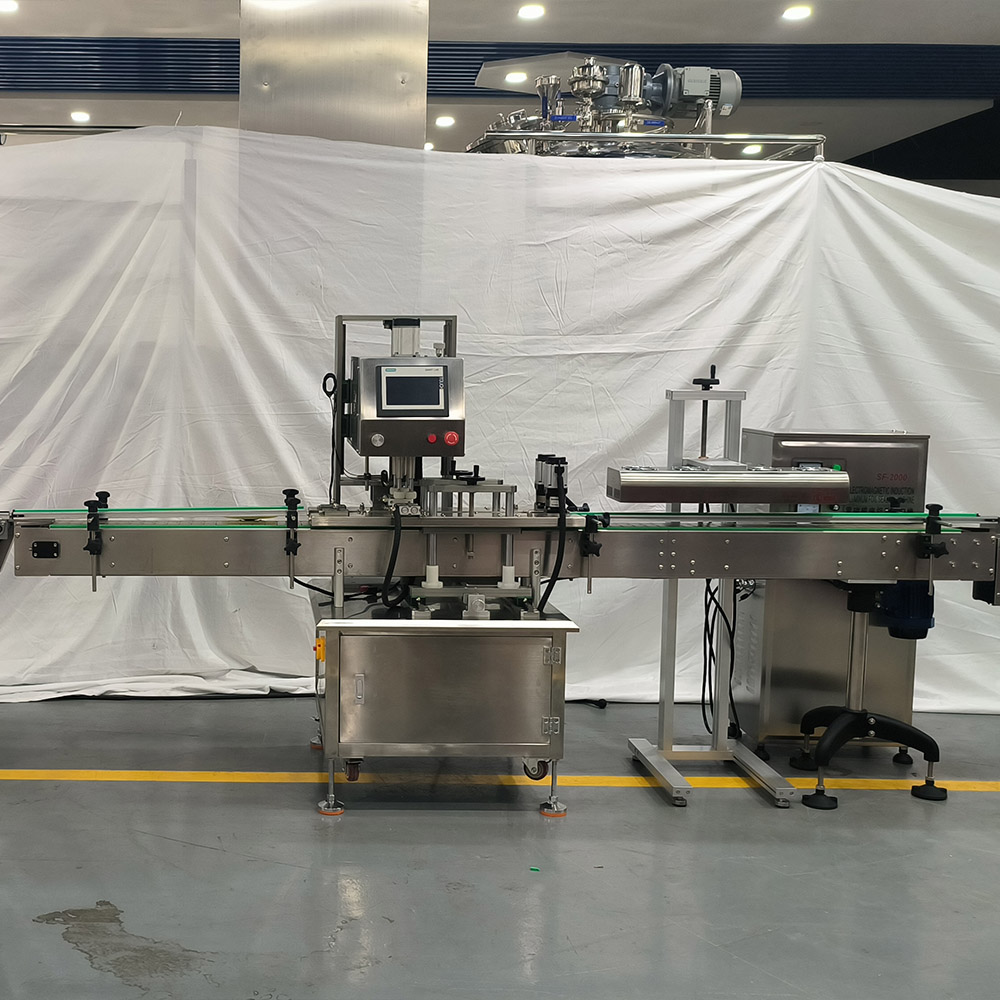
Buying a liquid filling machine is a strategic investment that directly affects production costs, product quality, and long-term profitability. Choosing the right equipment—such as the Automatic Filling Machine Quantitative Liquid Bottle Filling Machine High-precision cream and lotion filling machine—requires looking beyond sticker price to total cost of ownership, flexibility, waste reduction, and regulatory compliance. This guide gives practical, research-backed strategies to lower acquisition and operating costs while ensuring reliable, GMP-compliant filling for glass, PET and other containers.
Assess Total Cost of Ownership, Not Just Purchase Price
Understand TCO components
Many buyers focus on the initial capital expense. However, the true economic impact of a liquid filling machine is captured by Total Cost of Ownership (TCO): purchase price + installation + training + consumables + energy + maintenance + downtime + product waste + end-of-life disposal. Considering all these items helps you avoid surprises and select a machine that pays back quickly.
Calculate expected waste and rework costs
High-precision dosing directly reduces overfill and rejects. For cream and lotion filling lines, precision of ±0.5% compared with ±3% on lower-end machines can save material costs significantly over time. Use conservative assumptions in your TCO model: estimate daily production volume, average product cost per unit, and the difference in waste rates to compute annual savings. For additional guidance on manufacturing quality and oversight, see Good manufacturing practice (GMP).
Include downtime and changeover time in ROI
Frequent adjustments, long changeovers, or complex cleaning can increase labor and lost production. Machines with tool-less changeovers, quick-clean designs and programmable recipes reduce downtime and labor costs. The Automatic Filling Machine Quantitative Liquid Bottle Filling Machine High-precision cream and lotion filling machine uses an intelligent touchscreen interface for quick parameter adjustments, minimizing changeover losses.
Choose Features That Reduce Operating Costs
Prioritize accuracy and repeatability
Precision filling reduces product giveaway and customer complaints. For creams, lotions and emulsions, volumetric or piston-based systems with fine control offer consistent fills regardless of viscosity. High-precision systems help you maintain package weight targets without overfilling, yielding recurring savings on raw materials.
Material, hygiene and regulatory compliance
Selecting machines with sanitary designs and appropriate contact materials (316L/304 stainless steel) reduces contamination risk and cleaning time. Equipment compliant with GMP standards improves audit readiness and reduces regulatory risk. Refer to GMP guidelines for details: GMP.
Automation level vs. labor and throughput
Automation reduces labor costs and human error but increases initial cost. Evaluate required throughput: low-volume lines may not need multi-head high-speed machines, while growth plans may justify higher automation. The right automation level balances labor savings, throughput needs, and capital allocation.
Operational and Maintenance Strategies to Cut Costs
Preventive maintenance to lower downtime
A scheduled preventive maintenance program reduces unexpected failures and prolongs machine life. Track mean time between failures (MTBF) and mean time to repair (MTTR) to quantify improvements. Use OEM-specified spare parts and maintain service logs to accelerate troubleshooting and maintain warranty compliance.
Training, SOPs and operator efficiency
Investing in operator training and clear SOPs reduces setup time and rejects. An intuitive HMI (human-machine interface) with recipe recall—like the touchscreen interface on the Automatic Filling Machine Quantitative Liquid Bottle Filling Machine—helps operators switch products faster and with fewer errors, saving both time and material.
Energy and utility optimization
Energy-efficient drives, smart motors and optimized pump systems reduce utility costs. Evaluate compressed air, vacuum or pump demands and consider variable-frequency drives (VFDs) to match power consumption to actual load. Over the equipment lifecycle, energy savings can offset initial upgrade costs.
Practical Procurement Strategies to Reduce Upfront Costs
Buy the right capacity, not the biggest
Oversizing equipment ties up capital and can decrease efficiency at lower production rates. Base capacity on realistic 1–3 year forecasts and ensure modular upgrade paths. Many modern filling machines are modular and can be upgraded with additional heads or infeed conveyors as demand grows.
Negotiate lifecycle support and spare parts
Negotiate multi-year service contracts, spare parts packages and training as part of the purchase. Bundled deals often lower effective hourly service rates and reduce unplanned downtime costs. Confirm lead times for critical wear parts to avoid extended outages.
Consider refurbished or demo units carefully
Refurbished or demonstration machines can offer large savings, but inspect refurbishment quality, traceability of parts, and remaining warranty. Verify sanitary upgrades (e.g., 316L contact parts) and ask for validation protocols if producing regulated products like cosmetics or pharmaceuticals.
Comparative Cost and ROI Examples
Below is a simplified comparison showing how machine selection affects annual costs for a hypothetical lotion product line. Assumptions: 200,000 units/year, product cost $1.50/unit, labor cost $20/hour, 8-hour shift, single shift.
| Metric | Manual / Semi-auto | Low-end Automatic | High-precision Automatic (Our Product) |
|---|---|---|---|
| Capital cost | $10,000 | $60,000 | $150,000 |
| Annual labor cost | $60,000 | $35,000 | $15,000 |
| Estimated waste / overfill | 3% (6,000 units) | 2% (4,000 units) | 0.5% (1,000 units) |
| Waste cost/year | $9,000 | $6,000 | $1,500 |
| Estimated annual downtime cost | $10,000 | $12,000 | $5,000 |
| Total annual operating cost (excl. depreciation) | $79,000 | $53,000 | $21,500 |
Even with a higher upfront cost, the high-precision automatic machine recovers additional capital through lower material waste, reduced labor and less downtime. Over three years, the cumulative savings can make the High Quality machine the most economical choice.
Selecting the Right Supplier and Validating Claims
Request performance data and site references
Ask suppliers for documented filling accuracy, OEE (overall equipment effectiveness) benchmarks, and customer references in your industry. Independent test reports or factory acceptance tests (FAT) under representative conditions provide strong evidence of real-world performance.
Factory acceptance testing and SAT
Require FAT and site acceptance testing (SAT) with your actual product and containers. FAT reduces surprises during installation and ensures the machine meets fill-volume, speed, and sanitary requirements before shipment.
Validate software and recipe management
Confirm the machine supports secure recipe storage, access control, and process logging for traceability. These features reduce human error and speed troubleshooting during audits, which is especially important for regulated industries like cosmetics and pharmaceuticals.
Brand Advantages: Why This Product Reduces Long-Term Costs
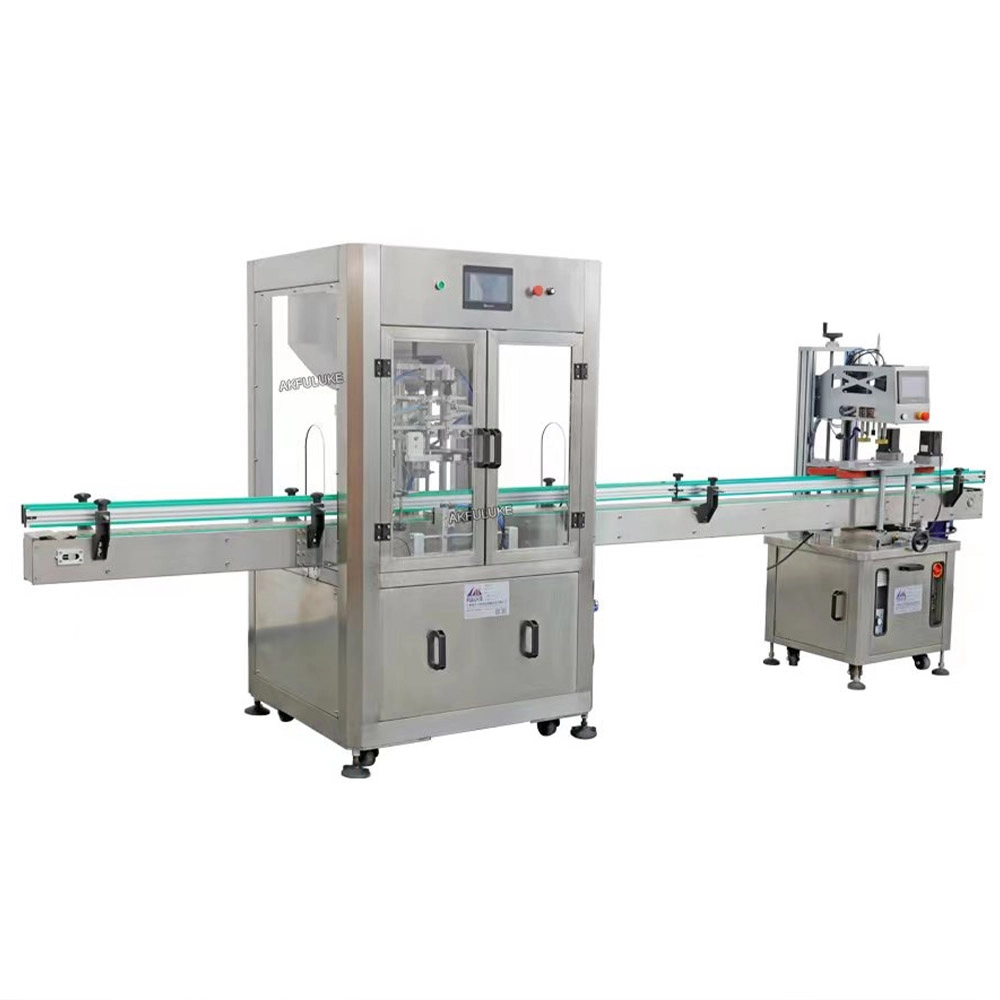
Product spotlight: Automatic Filling Machine Quantitative Liquid Bottle Filling Machine High-precision cream and lotion filling machine.
This machine integrates automated conveying, precision filling, and intelligent control for packaging creams, lotions, and liquids. It is suitable for a variety of containers including glass and PET bottles, and can fill liquids, emulsions, and pastes with high precision. Constructed with 316L/304 stainless steel contact components and compliant with GMP standards, it features a touchscreen interface for quick parameter adjustment and completes the entire process without manual intervention. Widely used in the cosmetics, food, daily chemical, pharmaceutical, and chemical industries, it helps companies reduce costs, increase efficiency, and ensure product standardization.
Key brand advantages that drive cost savings:
- High-precision dosing minimizes product giveaway and cut material costs.
- Sanitary 316L/304 contact surfaces and GMP compliance reduce cleaning time and contamination risk.
- Intuitive touchscreen and recipe recall shorten changeovers and reduce operator training time.
- Automated conveying and end-to-end processing cut labor and improve throughput.
- Modular design allows scalable upgrades—buy what you need now and add capacity later.
For industry context on packaging trends and automation benefits, the broader packaging industry analysis is useful: Packaging (Wikipedia).
Implementation Checklist and Quick Wins
Before purchase
- Define realistic throughput, container types, and viscosity range.
- Perform a TCO calculation including waste, labor, downtime, and energy.
- Request FAT with your actual formulation and containers.
After purchase
- Schedule preventive maintenance and stock critical spares.
- Develop SOPs and train primary and backup operators.
- Use the machine’s recipe management to reduce changeover time and ensure repeatability.
FAQ (Frequently Asked Questions)
Q: How do I estimate payback period for a filling machine?
A: Build a model that includes initial cost, annual operating cost differences (labor, waste, downtime, energy), and expected life. Payback period = net initial incremental investment / annual net savings. Use conservative numbers for waste reduction and labor savings to avoid optimistic estimates.
Q: Is it worth buying a high-precision filler for small-volume production?
A: If product cost is high or regulatory weight compliance is strict, high-precision pays off even at modest volumes. Otherwise consider modular or lower-cost options with upgradeability to match growth.
Q: How important is GMP compliance in machine selection?
A: Critical for cosmetics, pharmaceuticals and food-contact products. GMP compliance reduces risk of contamination, simplifies audits and helps maintain product quality. See GMP guidelines.
Q: What maintenance plan should I expect?
A: Typical plans include daily cleaning checks, weekly inspections, quarterly preventive maintenance (lubrication, wear checks), and annual overhauls. OEMs often offer tailored service contracts.
Q: Can one machine handle multiple container types?
A: Many modern machines support a range of container sizes and materials, but verify required changeover tooling and recipe support. The Automatic Filling Machine Quantitative Liquid Bottle Filling Machine supports glass and PET bottles and is designed to be flexible for a variety of containers.
If you'd like a customized cost-savings analysis, FAT scheduling or a quotation for the Automatic Filling Machine Quantitative Liquid Bottle Filling Machine High-precision cream and lotion filling machine, please contact our sales team or request a demo today. For immediate assistance, email sales@yourcompany.com or call +1-800-123-4567.
How to Select Spare Parts Kits for Critical Components
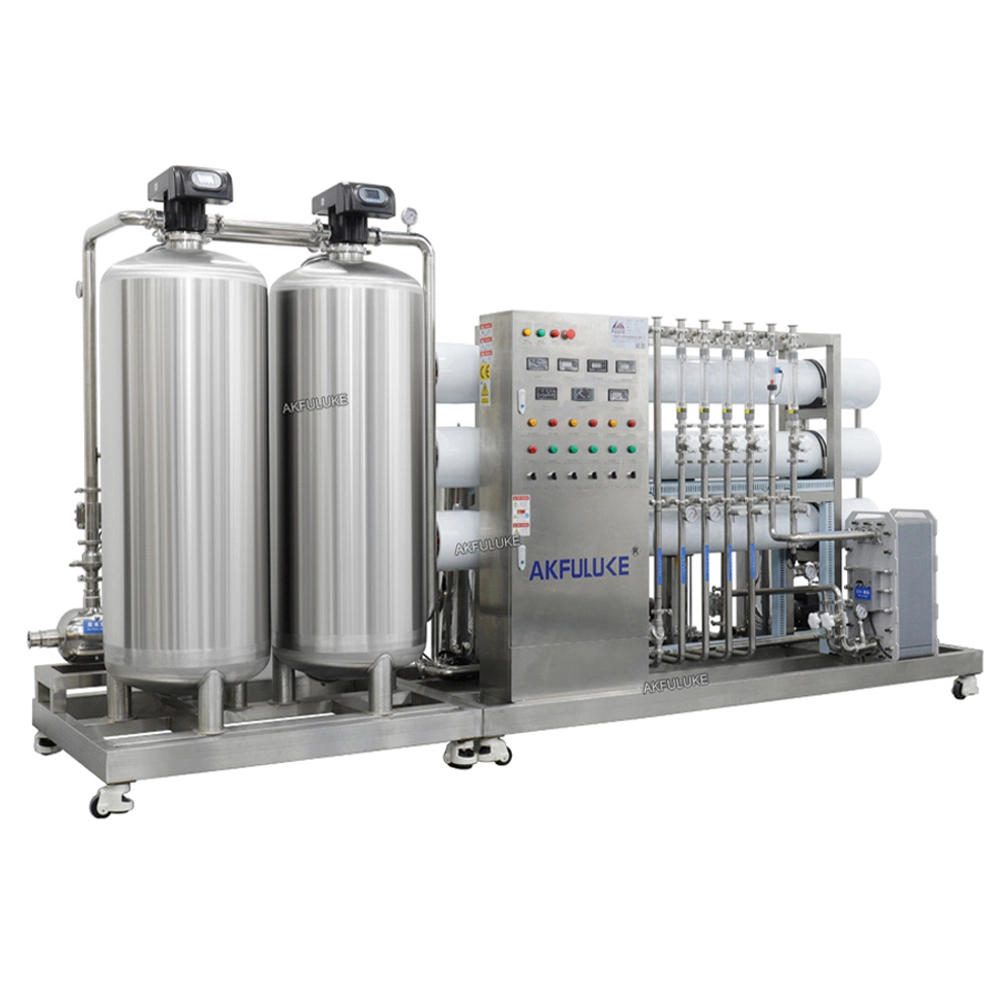
Spec Checklist: Capacity, Recovery, and Water Quality for RO
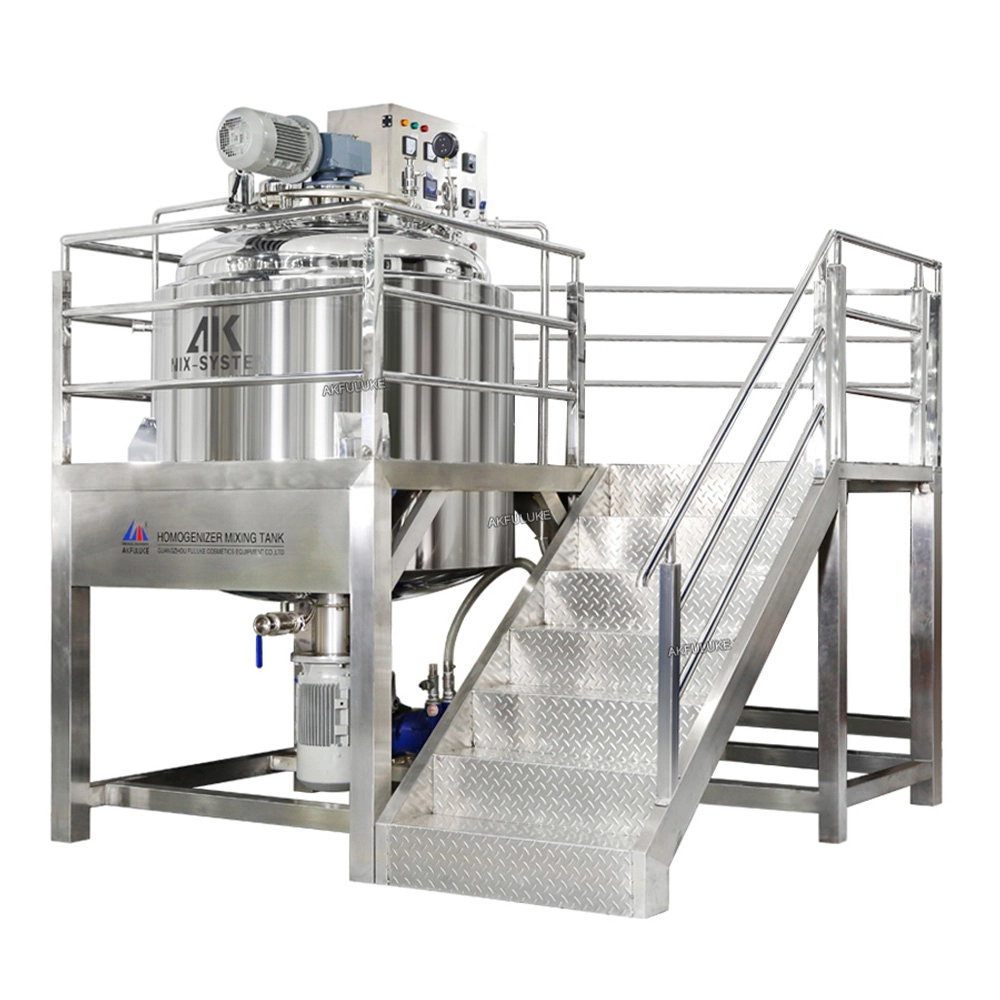
Material and Surface Finish Standards for Hygienic Mixing Tanks
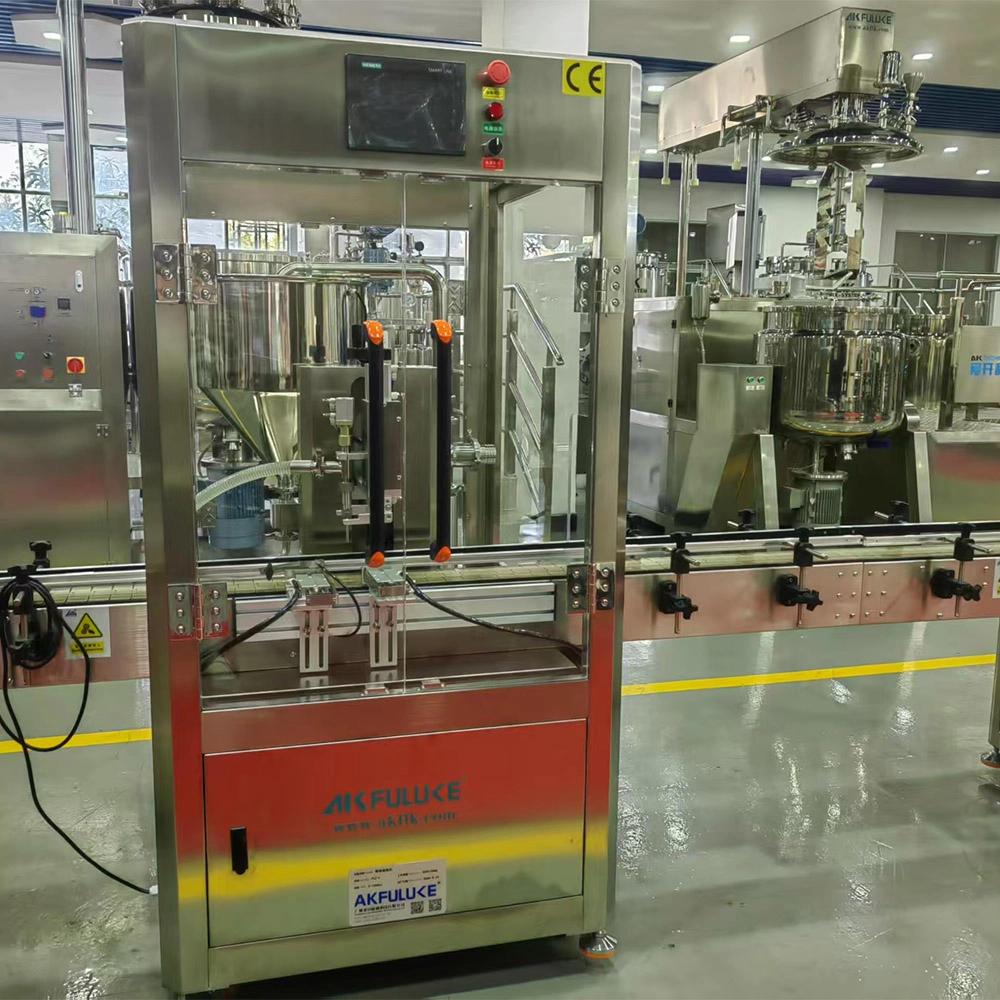
Speed vs Accuracy: Balancing Throughput in Filling Lines
Perfume Filling Machine
Can you customize the machine?
Of course, we provide customized services according to customer needs.
Automatic Labeling Machine
Can you make a design for us?
Yes, we can, we provide not only products, but also solutions and designs.
Lift-type Homogenizing Disperser
How often should the disperser and homogenizer be cleaned? How should they be cleaned properly?
Cleaning Frequency: Cleaning is required every time a material is changed to prevent cross-contamination. When the same material is used continuously, cleaning is recommended every 24 hours. Cleaning Method: Rinse with clean water or a suitable solvent (e.g., alcohol for oily materials, clean water for water-based materials). Remove stubborn stains with a soft brush. Avoid scratching with hard objects to avoid damage.
Sealed Homogenizing Mixing Tank
Can you make a design for us?
Yes, we can, we provide not only products, but also solutions and designs.
Polypropylene PP Mixing Tank
What can you buy from us?
RO Water Treatment、Vacuum Emulsifying Machine、Homogenizer Mixing Tank、Filling and Capping、labeling Machine、Packing Machine、Storage Tank,etc.
You May Also Like
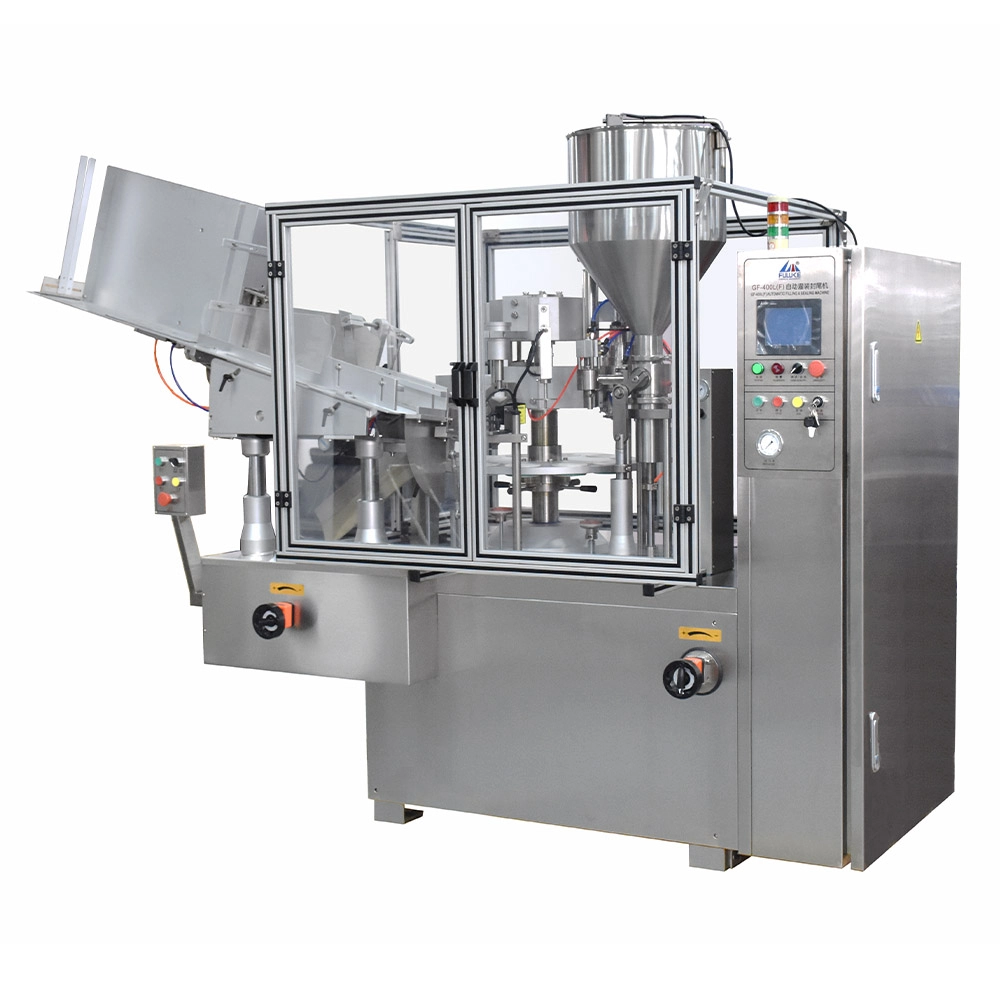
Automatic Tube Filling and Sealing Machine Toothpaste Sunscreen and Facial Cleanser Filling and Sealing Machine for Plastic and Aluminum-plastic Tube
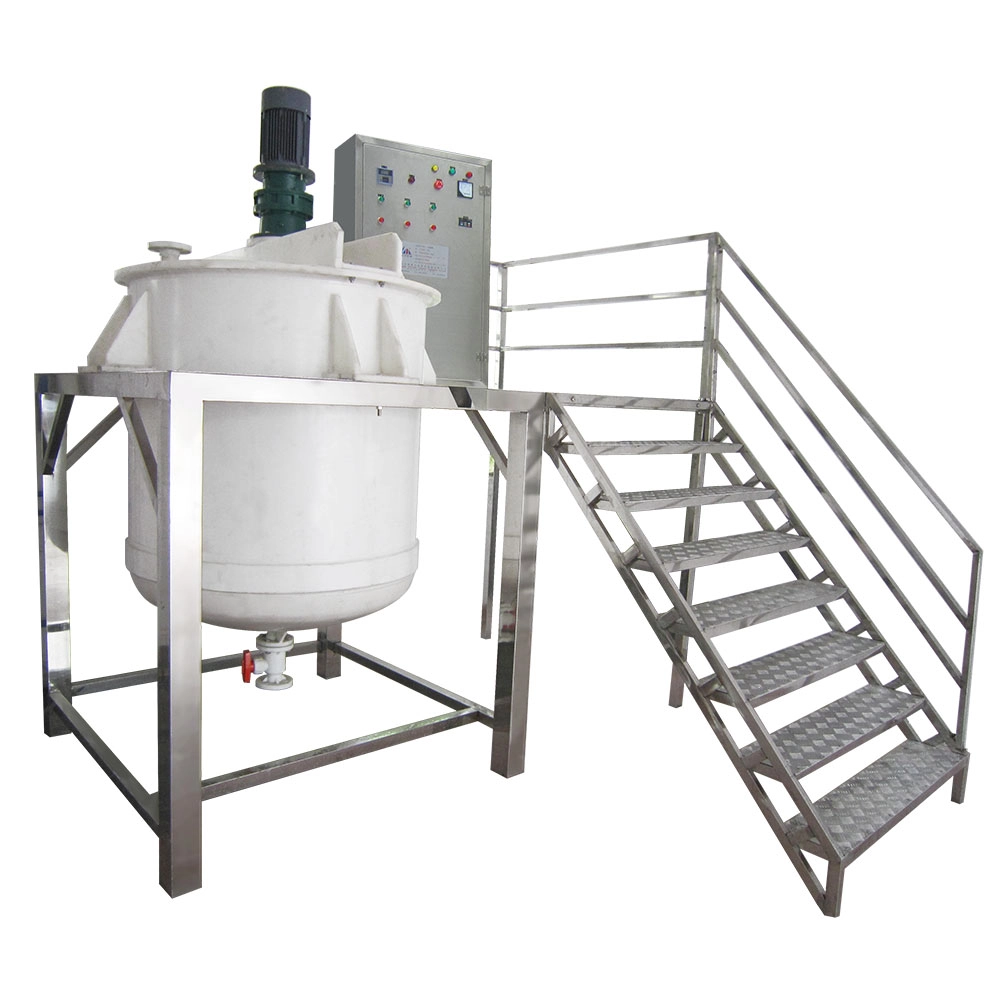
Polypropylene PP Mixing Tank Anti-Corrosion Mixer Reaction Kettle with Agitator Chemical Mixing Vessel
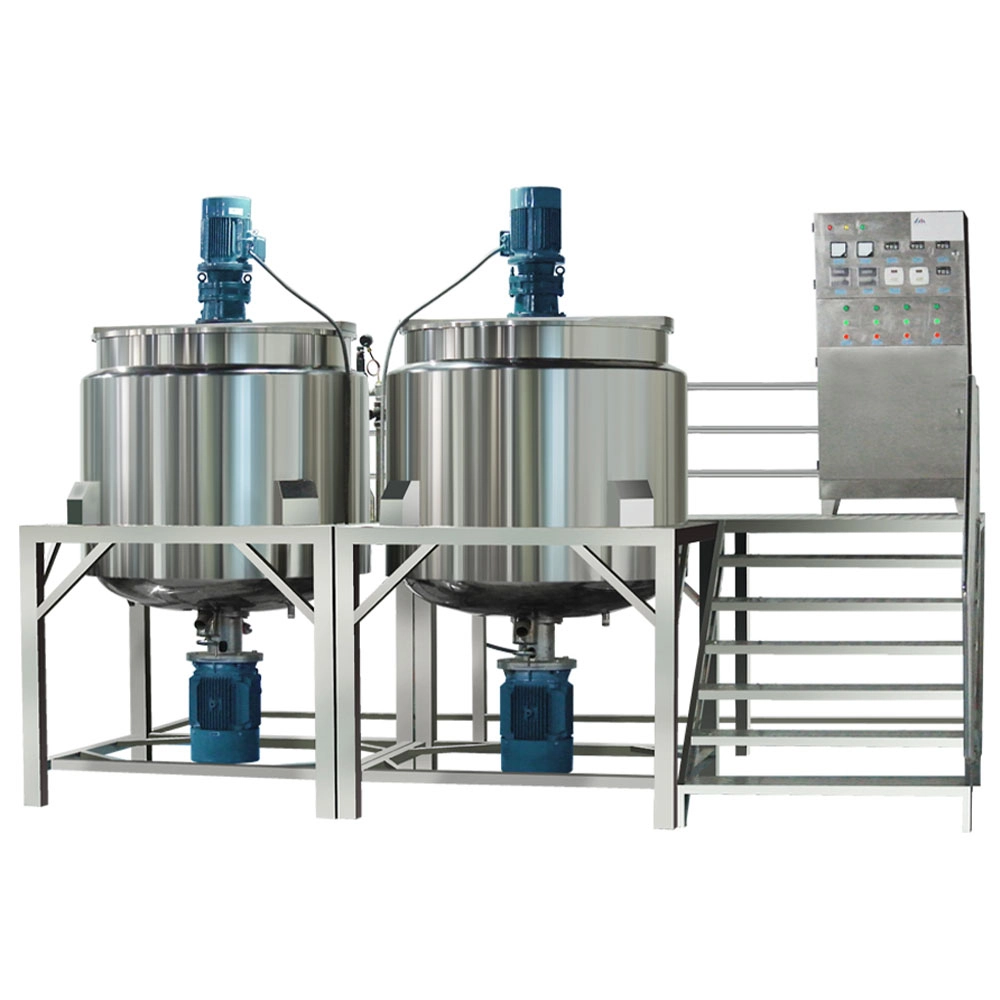
Flip Cover Multi-function Liquid Wash Mixing Tank Blender Liquid Detergent Mixer Homogenization Stirring Tank
Stainless Steel Mixer Liquid Mixing tank with Agitator Homogenizing Mixing tank Vacuum Sealed Mixer Machine
Get in touch with FULUKE
If you have any comments or good suggestions, please leave us a message, later our professional staff will contact you as soon as possible.

A leading manufacturer specializing in advanced machinery and complete production lines for the cosmetics, food, pharmaceutical, and chemical industries worldwide.
Contact FULUKE
Facebook
Instagram
YouTube