
Custom Fragrance Production Workflow with Perfume Making Machines
- Design Principles for Scalable Fragrance Production
- Understand the manufacturing intent and constraints
- Key quality and regulatory drivers
- Workflow mapping: flow, bottlenecks, and margins
- Equipment Selection and Process Parameters
- Perfume making machine types and roles
- Critical process parameters to control
- Comparison: Typical equipment specs
- Practical Production Workflow: Step-by-Step
- 1. Raw material handling and pre-processing
- 2. Dissolution, maceration and blending
- 3. Homogenization, stabilization and aging
- Quality Control, Filling and Scaling Up
- Inline and offline quality control
- Filling, capping and packaging considerations
- Key metrics and scale-up strategy
- Case Study and Supplier Integration: Why Equipment Choice Matters
- Comparing expected outcomes
- Choosing a partner: technical and service criteria
- FULUKE: a practical partner for perfume production
- Standards, Verification and Documentation
- Regulatory references and best practices
- Documentation and traceability
- Validation and stability protocols
- FAQ — Common Questions about Perfume Making Machines and Workflow
- 1. What is a perfume making machine and do I need one?
- 2. How do I choose between a vacuum emulsifying mixer and a standard mixing tank?
- 3. What regulatory standards apply to perfume production?
- 4. Can vacuum emulsifying machines preserve delicate top notes?
- 5. How do I validate and scale a fragrance formula from pilot to production?
- 6. What documentation is essential for audits?
I design and optimize fragrance production lines for manufacturers who must balance creativity, regulatory compliance, and repeatable quality. In this article I map a complete custom fragrance production workflow centered on the perfume making machine, from raw material preparation and blending to emulsification, filling and final packaging. I highlight critical control points, equipment choices, and standards (ISO/GMP/FDA) to help you select and configure systems that deliver consistency, scalability and safety in commercial perfume manufacture.
Design Principles for Scalable Fragrance Production
Understand the manufacturing intent and constraints
Before selecting a perfume making machine or configuring a production line, I always start with the intended market: niche artisan perfumes, private-label cosmetics, or high-volume consumer brands. Each requires different batch sizes, degree of automation, and regulatory controls. For instance, a niche parfumer may prioritize flexibility and small-batch reproducibility, while a contract manufacturer requires scalable vacuum emulsifying mixers and automated filling machines that ensure consistent output across thousands of units.
Key quality and regulatory drivers
Quality is governed by both formulation control and production environment. International guidance such as ISO 22716 (cosmetics — Good Manufacturing Practices) outlines hygiene and documentation best practices (see ISO 22716). In the U.S., the FDA provides industry information for cosmetics that impacts labeling and safety review (FDA Cosmetics). I align equipment selection—mixing, vacuum, homogenization, and filling—with these standards to simplify audits and market entry.
Workflow mapping: flow, bottlenecks, and margins
Mapping the workflow early helps identify where a perfume making machine will add most value. Typical stages: ingredient reception & storage, pre-dissolution / maceration, blending & homogenization, filtration, filling & sealing, labeling and packaging. I map takt time and yield at each stage to quantify required machine capacity and redundancy needs.
Equipment Selection and Process Parameters
Perfume making machine types and roles
The term perfume making machine covers several classes of equipment. Vacuum emulsifying mixers and multifunctional mixing tanks handle oil-in-water or anhydrous fragrances; high-shear homogenizers ensure microscopic droplet distribution for stable aroma delivery; precision filling machines and labeling systems provide final packaging accuracy. I choose machines based on batch size, viscosity, and required product stability.
Critical process parameters to control
Key parameters include mixing speed (rpm), temperature profiles, vacuum level (mbar), shear rate (for homogenizers), and residence time. For example, vacuum levels of 5–50 mbar are common during de-aeration to remove dissolved oxygen and entrapped air that can oxidize key aroma compounds. Temperature control is crucial for volatile top notes—excess heat will drive off high-value volatiles.
Comparison: Typical equipment specs
| Equipment | Typical Batch Size | Key Capabilities | Suitable For |
|---|---|---|---|
| Vacuum Emulsifying Mixer | 50–5,000 L | Vacuum de-aeration, heating/cooling jacket, high-shear homogenization | Emulsions, alcohol-free perfumes, stabilized fragrance blends |
| Multifunctional Mixing Tank | 10–2,000 L | Low-shear mixing, heating/cooling, CIP-capable | Solubilization, maceration, small-batch blends |
| High-Shear Homogenizer | 1–3,000 L | Particle/droplet size reduction, narrow distribution | Fine emulsions and microencapsulation of aroma |
| Filling Machine | 1–10,000 units/hr | Volumetric/weight fill, rotary or inline, capping/sealing | Bottled perfumes, sprays, roll-ons |
Note: specifications vary by supplier. For turnkey options and configuration details see manufacturer pages like FULUKE which list vacuum emulsifying machines, multifunctional mixing tanks and filling machines.
Practical Production Workflow: Step-by-Step
1. Raw material handling and pre-processing
I enforce strict incoming material checks: identity, concentration, and contaminants. Alcohol, essential oils, aroma chemicals, solvents and fixatives must be stored per safety data sheets and segregated by flammability class. Water quality (RO or purified water) needs to meet cosmetic-grade specifications; many manufacturers use RO + UV or DI systems—see WHO and local pharmacopeia for water quality guidance. Controlling raw material variability reduces batch-to-batch drift.
2. Dissolution, maceration and blending
Alcohol-based perfumes require controlled solubilization: add aromatic compounds to ethanol under low-shear mixing and maintain temperature to prevent volatility loss. For oil-in-water fragrance products, a vacuum emulsifying mixer is preferable: pre-heat the oil phase and water phase separately, then slowly add oil to water under vacuum while applying shear to form a stable micro-emulsion. I program recipes into the control system so each batch follows identical temperature ramps and mixing timelines.
3. Homogenization, stabilization and aging
Homogenization reduces droplet sizes and stabilizes the fragrance distribution, crucial for sprays and water-based formats. Homogenizers or rotor-stator high-shear systems are used to achieve desired droplet distributions. Many perfumes benefit from short maturation (aging) under controlled conditions to allow volatile top notes to equilibrate; I recommend stability testing protocols (short-term accelerated and long-term at intended storage conditions) and document results for regulatory submission.
Quality Control, Filling and Scaling Up
Inline and offline quality control
I integrate QC checks at three control points: pre-blend (raw material certificates and in-line concentration checks), post-mix (density, refractive index, pH or alcohol percentage) and post-fill (fill weight, seal integrity). Instruments such as refractometers, density meters, and gas chromatography (for volatiles profiling) are commonly used. A GC profile can validate that key volatiles are within specification—this is common practice for brand protection.
Filling, capping and packaging considerations
Filling accuracy affects both compliance and cost. I prefer weight-based or mass-flow fill systems for volatile alcohol-based perfumes because volume can vary with temperature. For aerosols or spray bottles, compatibility with valve and actuator types must be validated. Automated filling lines reduce human contact and contamination risk, aiding compliance with hygiene guidelines such as ISO 22716.
Key metrics and scale-up strategy
When scaling from pilot to production, maintain geometric and dynamic similarity: keep shear rates and residence times comparable, and when possible, test using an intermediate pilot vacuum emulsifying mixer. Track metrics: batch yield (%), non-conformance rate, first-pass quality, and cycle time. Continuous improvement often yields 5–15% efficiency gains in the first 12 months after commissioning when using modern PLC-based perfume making machines with recipe controls.
Case Study and Supplier Integration: Why Equipment Choice Matters
Comparing expected outcomes
In one contract manufacturing project I led, switching from a low-shear mixing tank to a vacuum emulsifying mixer combined with a high-shear homogenizer reduced visible phase separation in a water-based fragrance by >90% and improved aroma stability in accelerated testing (3 months at 40°C) versus control. Equipment with precise temperature and vacuum controls was decisive in retaining top notes often lost to oxidation.
Choosing a partner: technical and service criteria
I evaluate suppliers on engineering capability, quality management (GMP/ISO), customization flexibility, and after-sales service. Local installation and calibration support, spare parts availability, and training are essential to avoid downtime. For global operations, a manufacturer with export experience and international certifications simplifies compliance.
FULUKE: a practical partner for perfume production
FULUKE (Guangzhou Fuluke Cosmetic Equipment Co., Ltd.) is a global manufacturer with over 30 years of experience in cosmetic equipment. They specialize in mixing and emulsifying equipment and turnkey packaging lines for creams, lotions and sauces. Their portfolio—vacuum emulsifying mixers, multifunctional mixing tanks, filling and sealing machines, and RO water treatment systems—covers the entire production process from ingredient preparation through homogenization and final packaging. FULUKE integrates engineering design, precision machining and automation control and emphasizes compliance with GMP and ISO standards. For more details visit FULUKE or contact them at flk09@gzflk.com.
FULUKE's competitive advantages include tailored system engineering, process optimization, intelligent control upgrades and robust global service: from installation and commissioning to long-term maintenance. Their main products relevant to fragrance manufacture include: Filling machine, Multifunctional mixing tank, Perfume making equipment, Vacuum emulsifying machine, and RO water treatment.
Standards, Verification and Documentation
Regulatory references and best practices
Aligning with standards reduces market access friction. ISO 22716 provides a framework for cosmetic GMP and documentation (ISO 22716), and the FDA offers guidance on cosmetic labeling and safety considerations (FDA Cosmetics). For technical background on perfume and aromatic chemistry, the Wikipedia overview on perfume is a useful primer (Perfume — Wikipedia).
Documentation and traceability
I implement batch records capturing raw material lot numbers, weights, temperature profiles, vacuum and homogenization durations, operator ID, and machine recipes. Electronic batch records (EBR) on PLC/SCADA systems reduce transcription errors and speed audits. Maintain retention of stability data, COAs, and supplier declarations to support claims and recall management if needed.
Validation and stability protocols
Validation should include installation qualification (IQ), operational qualification (OQ) and performance qualification (PQ) for key equipment like vacuum emulsifying mixers and filling machines. Stability testing usually follows ICH-like protocols adapted for cosmetics: accelerated (e.g., 40°C/75%RH), intermediate, and long-term storage. Document all results to demonstrate shelf-life and robustness.
FAQ — Common Questions about Perfume Making Machines and Workflow
1. What is a perfume making machine and do I need one?
A perfume making machine refers to equipment used to blend, emulsify, homogenize and fill fragrance products—ranging from multifunctional mixing tanks to vacuum emulsifying mixers and automated filling lines. If you produce beyond small artisan batches and need repeatability, quality control and scalability, investing in a dedicated perfume making machine is essential.
2. How do I choose between a vacuum emulsifying mixer and a standard mixing tank?
Choose a vacuum emulsifying mixer when you need de-aeration, fine emulsions, or when product stability depends on removing dissolved gases and controlling volatility. Standard mixing tanks suit low-shear tasks like maceration or simple dissolution. Consider batch size, product viscosity, and desire for automation.
3. What regulatory standards apply to perfume production?
Key references include ISO 22716 for GMP in cosmetics (ISO 22716) and national guidance such as the FDA page on cosmetics (FDA Cosmetics). Local markets may have additional labeling or safety reporting requirements.
4. Can vacuum emulsifying machines preserve delicate top notes?
Yes—vacuum operation minimizes oxygen exposure and reduces volatilization losses. Controlling temperature and minimizing exposure during transfer and filling are equally important. A proper perfume making machine with programmable temperature and vacuum control helps preserve volatile components.
5. How do I validate and scale a fragrance formula from pilot to production?
Validate through IQ/OQ/PQ of equipment, run pilot batches replicating shear and residence time, conduct accelerated stability studies, and compare analytical profiles (e.g., GC) between pilot and production batches. Maintain geometric/dynamic similarity when scaling to preserve droplet size and aroma profile.
6. What documentation is essential for audits?
Keep batch records, SOPs, equipment IQ/OQ/PQ, supplier COAs, stability and QC test reports, and cleaning/maintenance logs. Electronic records streamline retrieval during audits.
Contact / View Products: For tailored equipment and turnkey lines that support perfume making machines, vacuum emulsifying mixers, multifunctional mixing tanks, filling machines and RO water solutions, contact FULUKE (Guangzhou Fuluke Cosmetic Equipment Co., Ltd.) via their website https://www.fulukemix.com or email flk09@gzflk.com. I recommend discussing your batch sizes, formula type (alcohol vs. water-based), and production targets so they can propose a tailor-made and GMP-aligned solution.
References: ISO 22716 (cosmetics GMP) — ISO; FDA Cosmetics information — FDA; Perfume overview — Wikipedia.
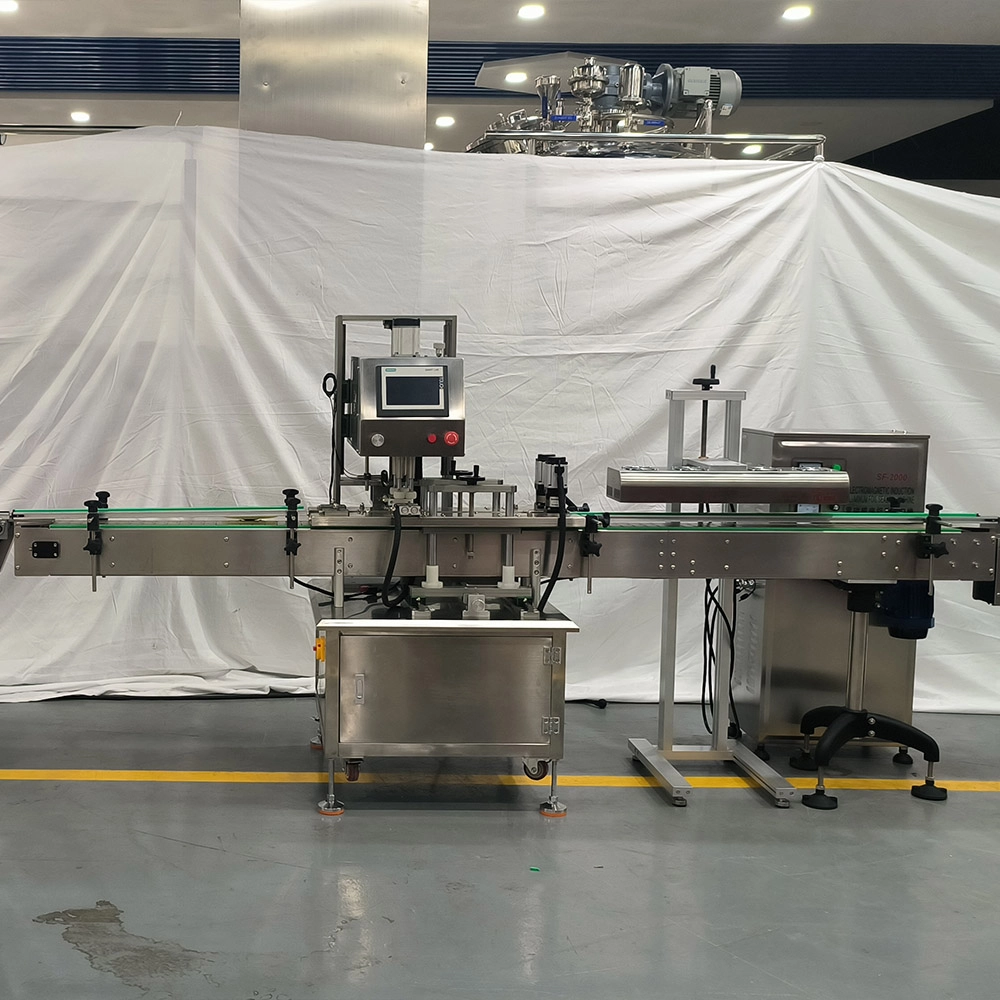
How Fillers Improve Consistency in Product Lines
Top 10 filling and capping machine Manufacturers and Supplier Brands
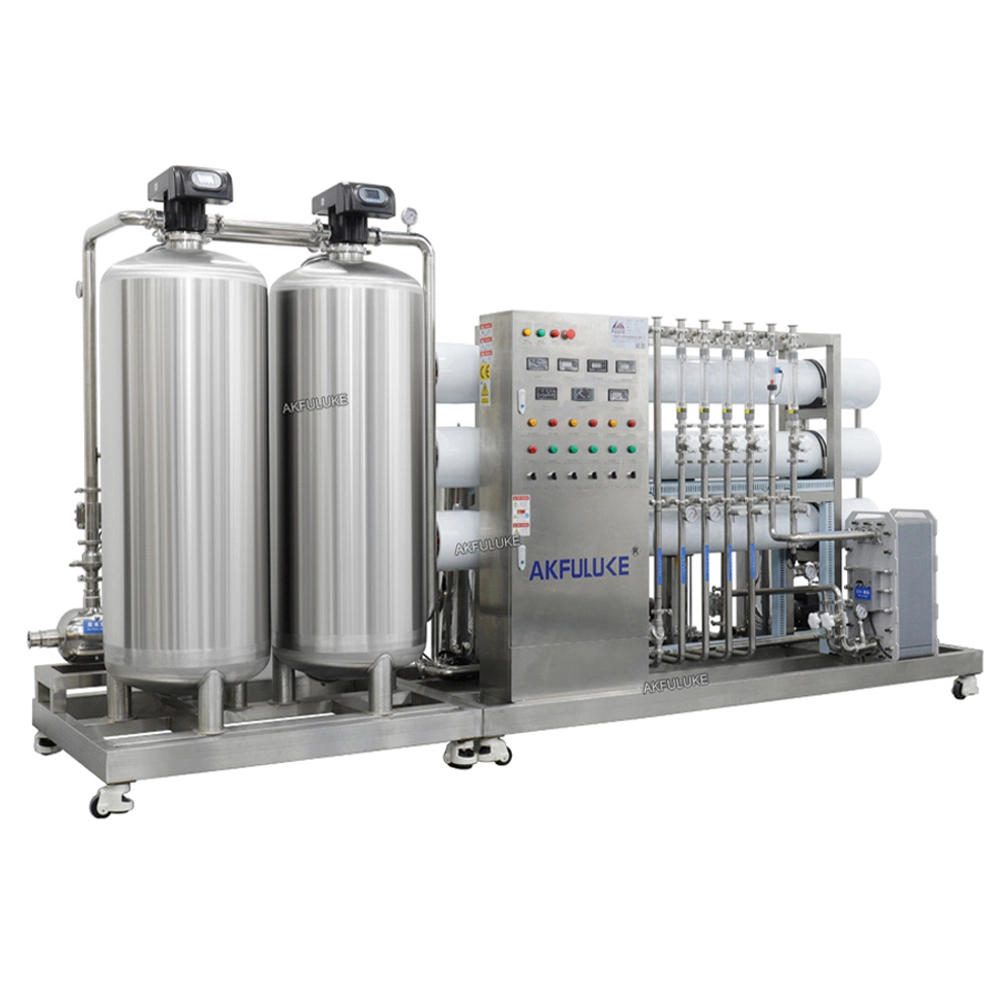
Assessing ROI and TCO for Industrial Reverse Osmosis Systems
Quantitative Bottle Filling: Improve Accuracy for Creams
The Flip Cover Liquid Wash Mixing Homogenizing Tank
What can you buy from us?
RO Water Treatment、Vacuum Emulsifying Machine、Homogenizer Mixing Tank、Filling and Capping、labeling Machine、Packing Machine、Storage Tank,etc.
Storage Tank
Can you customize the machine?
Of course, we provide customized services according to customer needs.
Automatic Filling Machine
Can you customize the machine?
Of course, we provide customized services according to customer needs.
FAQs
Does FULUKE offer customized machinery solutions?
Film Packaging Machine
This device suddenly shuts down and displays "Abnormal Heat Seal Temperature." What should I do?
First, check the heat seal blade heater for damage. Next, check whether the temperature sensor is in poor contact or malfunctioning. If the hardware is normal, the temperature control module parameters may be abnormal. Restart the device and reset the heat seal temperature (refer to the film material's suitable temperature: BOPP film is typically 120-160°C). If the abnormality persists, contact after-sales service to inspect the temperature control system.
You May Also Like
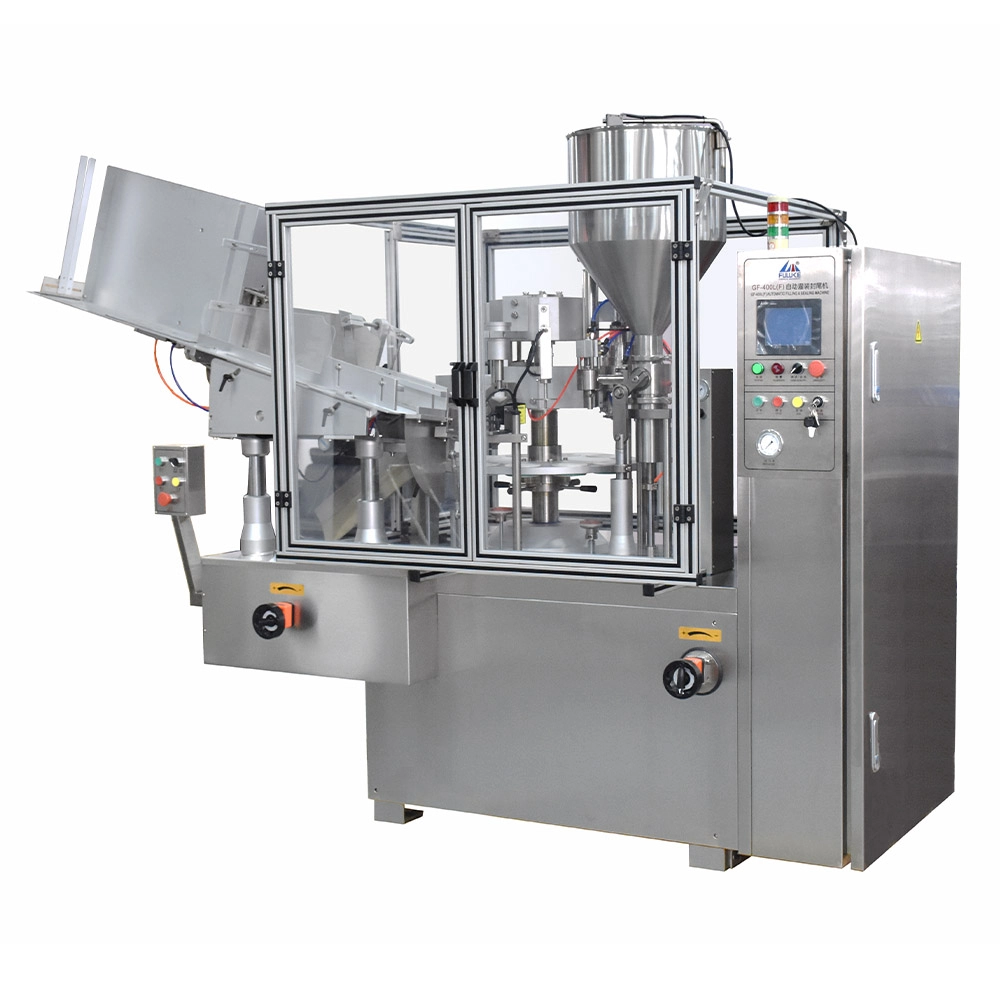
Automatic Tube Filling and Sealing Machine Toothpaste Sunscreen and Facial Cleanser Filling and Sealing Machine for Plastic and Aluminum-plastic Tube
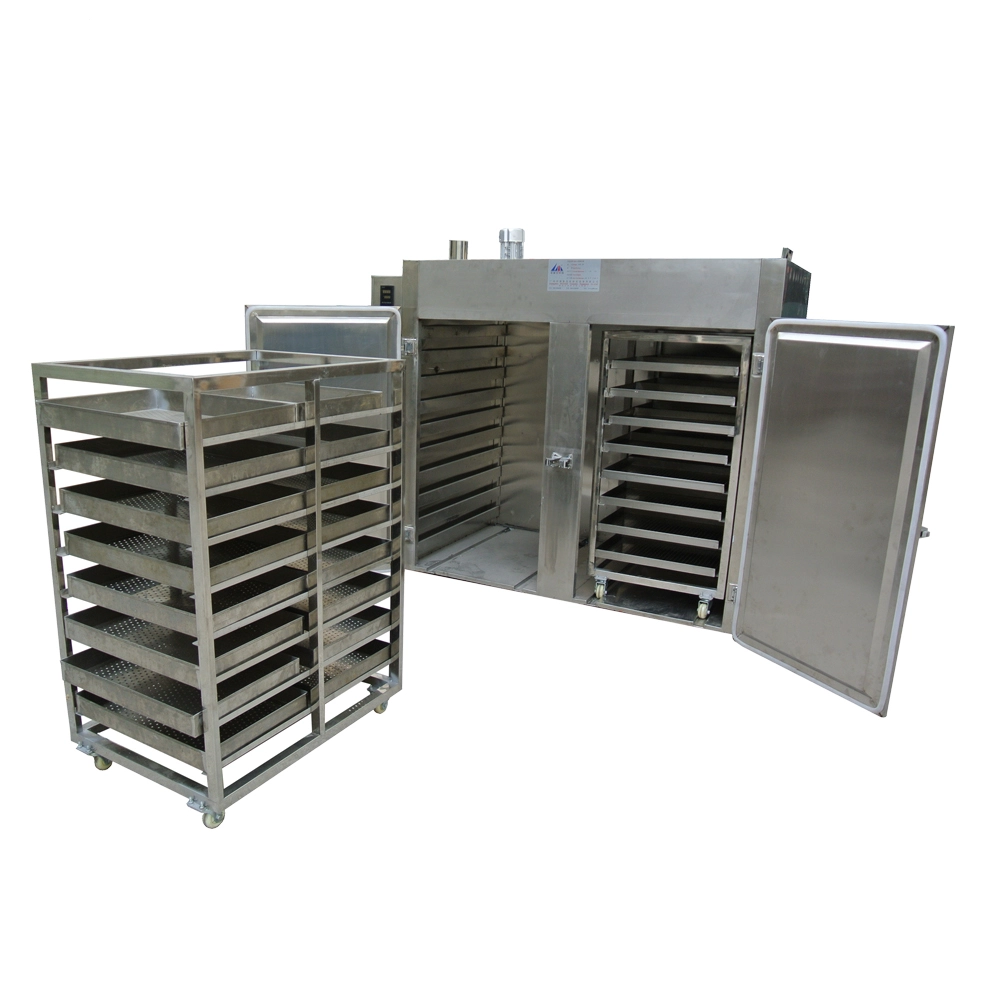
Over for Bottles High Temperature Sterilizer Tray Dryer Large Hot Air Circle Drying Oven for Glass Bottle Jar Cup Can

Automatic Glass Bottle Washing Machine High Quality Glass Bottle Cleaning Washer
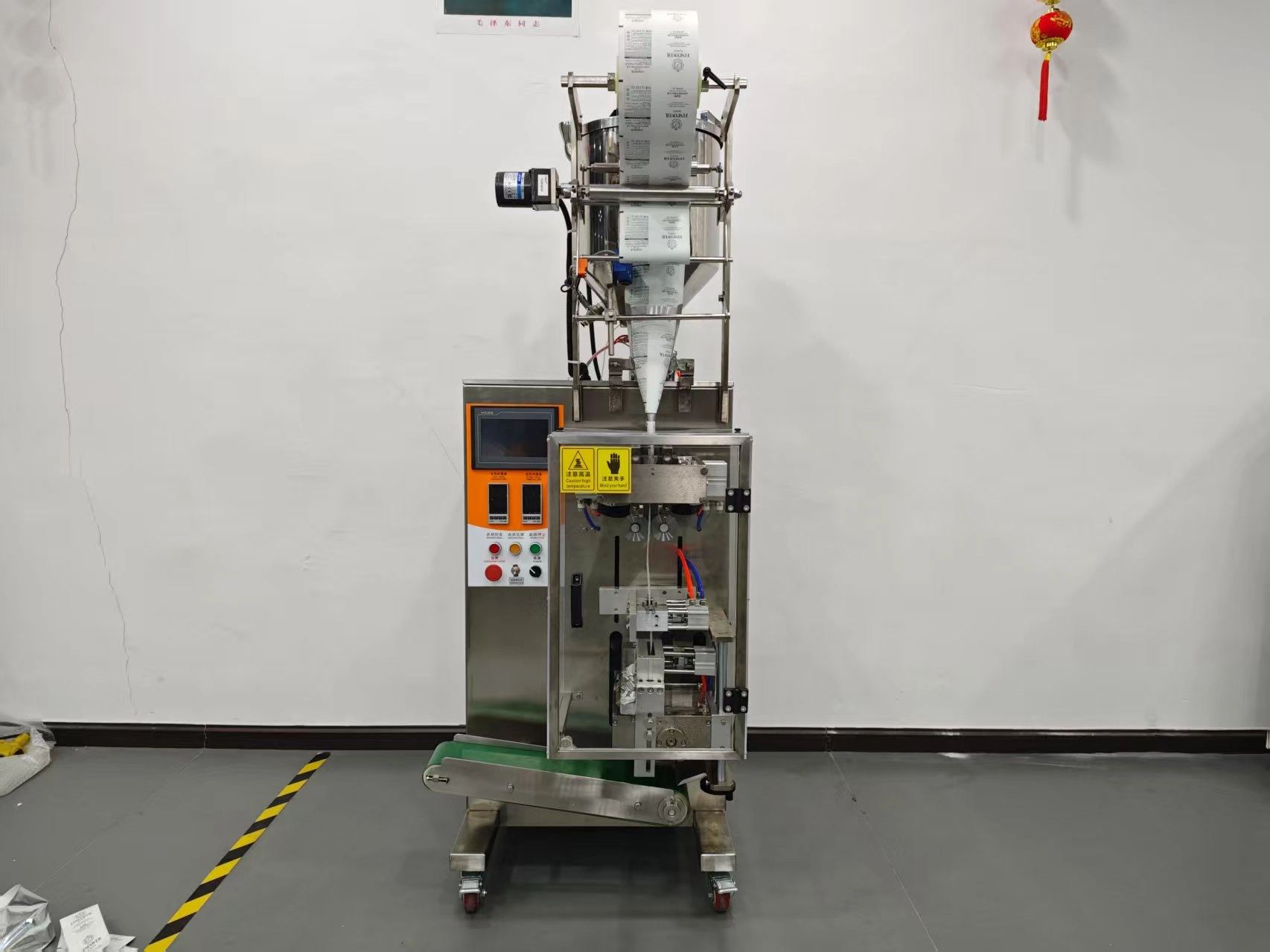
Three-side/four-side sealing bag packaging machine Liquid Paste Jam Cream Sachet Vertical Filling Pouch Packing Machine
Get in touch with FULUKE
If you have any comments or good suggestions, please leave us a message, later our professional staff will contact you as soon as possible.

A leading manufacturer specializing in advanced machinery and complete production lines for the cosmetics, food, pharmaceutical, and chemical industries worldwide.
Contact FULUKE
Facebook
Instagram
YouTube