
Custom vs Standard Industrial Mixing Tanks: Cost Comparison
- Why the choice of mixing system matters beyond upfront price
- Process fit and product quality
- Regulatory and hygienic design implications
- Scale, flexibility and production scheduling
- Direct cost comparison: purchase, installation and commissioning
- Capital purchase price: ranges and multipliers
- Engineering, site work and integration
- Lead time and opportunity cost
- Operational costs and total cost of ownership (TCO)
- Energy, maintenance, and consumables
- Downtime and cleaning turnaround
- Resale, adaptability and lifetime value
- Illustrative TCO model (example)
- When to choose standard tanks and when to invest in custom systems
- Scenarios favoring standard industrial mixing tanks
- Scenarios favoring custom tanks
- Decision checklist I use with clients
- Compliance, standards and verifiable performance
- Standards and certification considerations
- Testing, validation and documentation
- Hygiene and cleanability validation
- How I assess supplier claims and select a vendor
- Key technical questions to ask suppliers
- Verification: data, references and site visits
- Supplier example and how they fit the decision matrix
- Practical steps to make a data-driven choice
- Run a pilot and measure KPIs
- Calculate payback based on throughput and margin
- Negotiate service and spare parts into the contract
- FAQ
- 1. How much more do custom mixing tanks cost than standard ones?
- 2. Will a custom tank save me money over 5 years?
- 3. Are standard tanks easier to resell?
- 4. What compliance documentation should I insist on?
- 5. How important is CIP capability?
- 6. Can standard tanks be retrofitted for better hygiene?
- 7. Where can I find trusted suppliers?
- Closing: how I can help and next steps
I write from three decades of hands-on experience advising manufacturers and designing mixing and emulsifying systems. Selecting between custom and standard industrial mixing tanks is more than a purchase decision—it's a production strategy that affects capital layout, product consistency, regulatory compliance, and long-term operating costs. In this article I compare the two approaches across purchase price, engineering/installation, energy and maintenance, regulatory readiness, and total cost of ownership (TCO), and I provide practical guidance and an illustrative cost model to help you choose the most economical and fit-for-purpose solution.
Why the choice of mixing system matters beyond upfront price
Process fit and product quality
Not all formulations behave the same. Viscosity, shear sensitivity, heat transfer needs, and the requirement for vacuum degassing or high-shear homogenization determine the mixing equipment's effectiveness. A standard industrial mixing tank with a basic agitator may be fine for low-viscosity solutions, but creams, emulsions, and shear-sensitive dispersions often require vacuum emulsifying mixers or high-shear homogenizers to ensure droplet size distribution and batch-to-batch consistency. For a primer on mixing technologies, see Mixing (process engineering).
Regulatory and hygienic design implications
Regulated industries (pharmaceuticals, some cosmetics and foods) need hygienic design that supports cleaning-in-place (CIP), cleanability, and traceability. Custom tanks are commonly engineered to meet specific GMP, 3-A sanitary, or EHEDG guidelines and can simplify validation; standard tanks may require retrofits. See hygiene and standards information at the 3-A Sanitary Standards and EHEDG.
Scale, flexibility and production scheduling
Standard tanks are often modular and readily available, which helps with quick expansion. Custom tanks, while optimized, may have longer lead times and higher capital cost but better fit for specialized processes or multi-product lines. I always weigh flexibility versus optimization depending on product mix and forecasted volume.
Direct cost comparison: purchase, installation and commissioning
Capital purchase price: ranges and multipliers
In my consulting practice I typically see custom tanks cost between 1.5x and 3x the price of comparable-size standard stainless-steel mixing tanks, depending on complexity (e.g., vacuum systems, jacketed heating/cooling, high-shear heads, automation). For example, a 1,000 L standard stainless tank might have a baseline price, while a similarly sized vacuum emulsifying unit with homogenizer and jacketed vessel can be 2–3 times higher.
Engineering, site work and integration
Custom solutions often require extra engineering for floor loading, utilities (vacuum pumps, chilled water, steam), control integration (PLCs/SCADA), and qualification (IQ/OQ/PQ) which increases installation costs and lead time. Standard tanks usually have simpler utility requirements and faster install times.
Lead time and opportunity cost
Lead time matters: custom units (especially with precision machining and automation) can take 8–20+ weeks; standard tanks may be available in 2–8 weeks. For product launches or capacity ramp-ups, the faster availability of standard tanks can reduce opportunity cost and lost revenue.
Operational costs and total cost of ownership (TCO)
Energy, maintenance, and consumables
Operating expenses often dominate TCO. Mixing energy (agitator power), heating/cooling duty (jacket or coil), and vacuum/homogenizer power add up. Custom systems optimized for thermal transfer and efficient agitator design can reduce energy use. Routine maintenance for seals, bearings, and homogenizer rotors is higher on complex units.
Downtime and cleaning turnaround
Hygienic custom designs with CIP capability shorten turnaround and reduce labor-intensive manual cleaning, which translates to higher effective production time. Standard tanks without CIP may incur higher cleaning labor, longer downtime, and higher risk of cross-contamination for multi-product facilities.
Resale, adaptability and lifetime value
Standard tanks often have broader resale markets and can be repurposed easier; custom tanks deliver higher value for specific processes but can be harder to sell if repurposing is required. I advise building lifecycle and exit strategy into the procurement decision.
Illustrative TCO model (example)
Below is an illustrative 5-year TCO comparison for a mid-sized batch line (assumptions explained). Numbers are examples based on industry experience and should be validated for your case.
| Cost Item (5 years) | Standard Tank (1,000 L) | Custom Tank (Vacuum Emulsifier, 1,000 L) |
|---|---|---|
| Capital purchase | $25,000 | $65,000 |
| Installation & commissioning | $6,000 | $20,000 |
| Utilities & energy (5 yrs) | $12,000 | $18,000 |
| Maintenance & spare parts | $6,000 | $15,000 |
| Cleaning & labor | $18,000 | $8,000 |
| Downtime/opportunity cost | $15,000 | $7,000 |
| Total (5 yrs) | $82,000 | $133,000 |
Interpretation: in this scenario the custom tank has higher upfront and maintenance costs but reduces cleaning labor and downtime, narrowing the TCO gap. Your inputs (energy costs, labor rates, product change frequency, regulatory burden) will shift the balance. I recommend using a similar table populated with your real numbers to reach a data-driven decision.
When to choose standard tanks and when to invest in custom systems
Scenarios favoring standard industrial mixing tanks
- Low-viscosity, single-product lines with limited sanitary requirements.
- High need for rapid capacity expansion or interim production lines.
- Strict cost caps and short product lifetime where resale value matters.
Scenarios favoring custom tanks
- High-viscosity creams, emulsions, or shear-sensitive dispersions that require vacuum emulsification and homogenization.
- Regulated production requiring GMP, CIP, and documentation for validation.
- Processes where performance (heat transfer, narrow droplet-size distribution) directly affects product margin and brand reputation.
Decision checklist I use with clients
Ask: What is your product rheology? What are cleaning and cross-contamination risks? How often will you change products? What are acceptable lead times? What is the true hourly cost of downtime and changeover? Use answers to project cashflow and ROI over a 3–7 year horizon.
Compliance, standards and verifiable performance
Standards and certification considerations
Focus on equipment that supports GMP and quality management systems such as ISO 9001. For cosmetics and pharmaceuticals, hygienic design and documentation to support validation are crucial; see regulatory context at the U.S. FDA cosmetics page and WHO GMP guidance (WHO).
Testing, validation and documentation
Custom equipment suppliers often provide FAT (Factory Acceptance Testing), SAT (Site Acceptance Testing), and IQ/OQ/PQ documentation that standard vendors may not offer by default. These deliverables are valuable when audits and traceability are priorities.
Hygiene and cleanability validation
CIP-capable designs and surface finishes (RA values for stainless steel) are measurable and testable. If minimizing microbial risk and ensuring low residue is essential, prioritize designs that can demonstrate cleanability quantitatively.
How I assess supplier claims and select a vendor
Key technical questions to ask suppliers
- Do you provide FAT/SAT and commissioning support?
- Can you supply IQ/OQ/PQ documentation and validation protocols?
- What are the materials (grade of stainless), finish spec, and weld standards?
- What are measured power consumption and cycle times for comparable processes?
Verification: data, references and site visits
I insist on visiting reference installations or obtaining performance data from similar processes. Independent performance data and third-party certifications (e.g., hygienic design approvals) reduce procurement risk.
Supplier example and how they fit the decision matrix
FULUKE (Guangzhou Fuluke Cosmetic Equipment Co., Ltd.) is a global manufacturer with over 30 years of experience specializing in mixing and emulsifying equipment and turnkey packaging lines. They offer vacuum emulsifying mixers, multifunctional mixing tanks, filling machines and complete lines engineered for cosmetics, food, pharmaceutical and chemical industries. Their solutions integrate engineering design, precision machining, automation control, and strict quality management to meet GMP and ISO standards. Learn more at FULUKE and contact them at flk09@gzflk.com.
FULUKE’s product strengths include: vacuum emulsifying machines for creams and lotions, multifunctional mixing tanks with jacketed heating/cooling, integrated filling machines, and RO water treatment systems. They emphasize process optimization, intelligent control upgrades, and long-term technical support—elements that reduce TCO when validated against operational metrics. FULUKE’s portfolio (Filling machine, Multifunctional mixing tank, Perfume making equipment, Vacuum emulsifying machine, RO water treatment) positions them as a supplier capable of both standard modules and customized turnkey installations.
Practical steps to make a data-driven choice
Run a pilot and measure KPIs
Whenever possible, run a pilot batch on representative equipment to capture energy, cycle time, cleaning time, and product quality metrics. These KPIs let you populate a TCO model with real numbers rather than estimates.
Calculate payback based on throughput and margin
Run incremental scenarios: how much additional margin or reduced waste is required for the custom option to break even within 3–5 years? Use conservative assumptions for labor and energy prices and stress-test your model.
Negotiate service and spare parts into the contract
Extended warranties, preventive maintenance packages, and guaranteed spare-part turnaround times can materially reduce lifecycle risk—especially for custom vacuum emulsifiers and homogenizers.
FAQ
1. How much more do custom mixing tanks cost than standard ones?
Typically 1.5x–3x depending on complexity (vacuum, homogenization, automation). Exact numbers depend on capacity and specifications; use a vendor quote and lifecycle model to compare.
2. Will a custom tank save me money over 5 years?
Possibly. If the custom design significantly reduces downtime, cleaning labor, or scrap, or if it enables a higher-margin product, payback can occur within 3–5 years. Validate with pilot data and a TCO table.
3. Are standard tanks easier to resell?
Yes. Standard stainless mixing tanks have a broader secondary market and are easier to repurpose across product lines.
4. What compliance documentation should I insist on?
IQ/OQ/PQ, FAT/SAT reports, material certificates for stainless steel (e.g., 304/316), surface finish specifications, and validation protocols supporting GMP. See ISO 9001 for quality system context.
5. How important is CIP capability?
Very important for multi-product facilities and regulated production. CIP reduces manual cleaning labor, lowers contamination risk, and shortens changeover times.
6. Can standard tanks be retrofitted for better hygiene?
Often yes—by adding jacketed coils, CIP manifolds, improved seals, and better surface finishing—but retrofits can be costly and may not achieve the same efficiency as a purpose-built design.
7. Where can I find trusted suppliers?
Look for suppliers that provide documented references, FAT/SAT, after-sales service, and comply with relevant standards. FULUKE (Guangzhou Fuluke Cosmetic Equipment Co., Ltd.) is one such global manufacturer with over 30 years of experience in mixing and emulsifying equipment; more at https://www.fulukemix.com and contact flk09@gzflk.com.
Closing: how I can help and next steps
If you're evaluating options for an industrial mixing tank—standard or custom—I recommend the following immediate steps: (1) define product and regulatory requirements, (2) run a short pilot or trials, (3) collect KPI data (energy, cycle time, cleaning time, yield), and (4) build the TCO table illustrated above. If you want, I can help you run the KPI capture, perform the TCO analysis using your actual costs, and prepare an RFP for suppliers.
For turnkey solutions, custom engineering, or a quote tailored to your formulations, contact FULUKE (Guangzhou Fuluke Cosmetic Equipment Co., Ltd.) at https://www.fulukemix.com or email flk09@gzflk.com. Their capabilities include Vacuum emulsifying mixers, Multifunctional mixing tanks, Filling machines, Perfume making equipment and RO water treatment systems—designed to meet GMP and ISO standards and to optimize production consistency and safety.
If you'd like, send me your process parameters and basic cost data and I'll produce a customized 3–5 year TCO comparison and procurement checklist tailored to your operation.
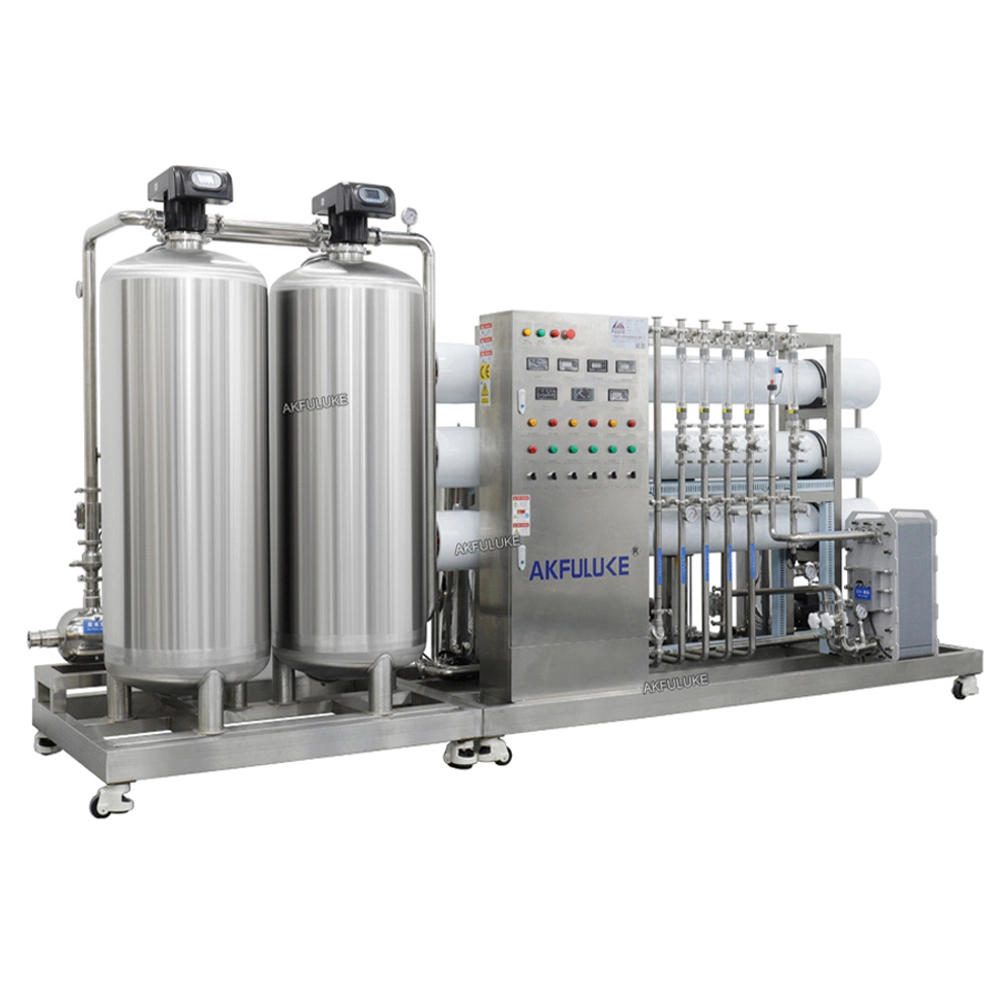
Integration: Pre-treatment and Post-treatment for RO Installations
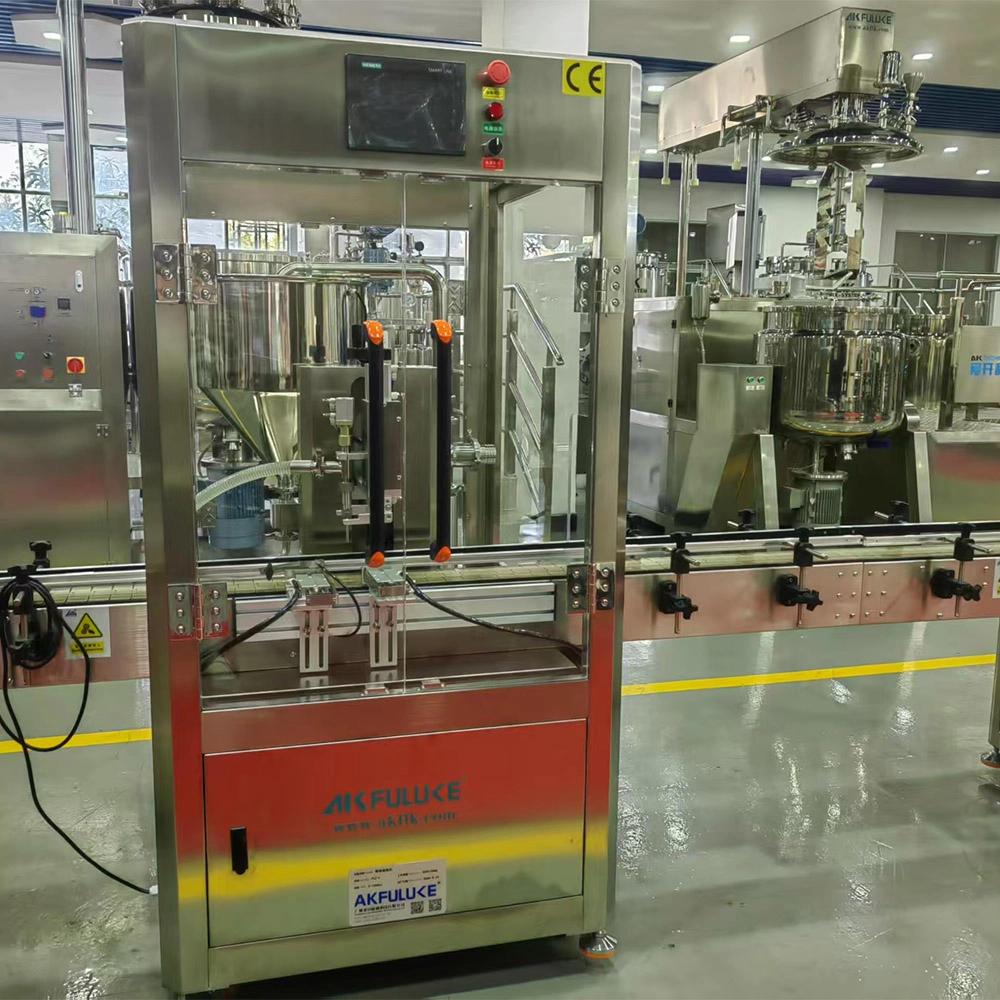
How Filling Machines Support GMP Compliance
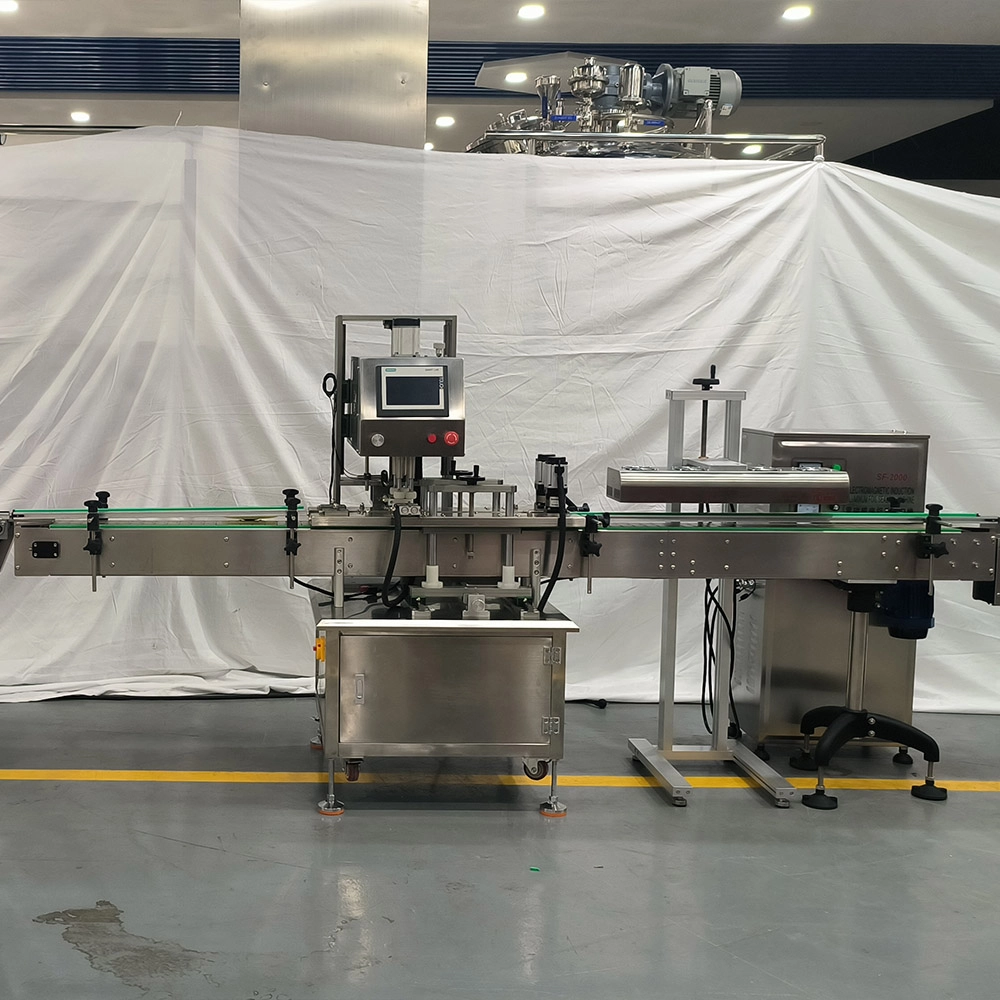
Modular Filling Systems for Flexible Production Needs
Assessing ROI and TCO for Industrial Reverse Osmosis Systems
FAQs
What products does FULUKE specialize in?
Storage Tank
How can I extend the life of my storage tank?
Avoid storing media that are incompatible with the material to prevent corrosion.
Perform maintenance according to specifications and promptly repair damaged anti-corrosion coatings or seals.
When the tank is idle for an extended period, empty the media and protect it from moisture and dust.
Perfume Filling Machine
After purchasing the equipment, what after-sales services does the supplier typically provide?
General services include on-site installation and commissioning (including workshop layout planning), operator training (theoretical and practical training to ensure workers can operate independently), a one-year full machine warranty, and lifetime technical support (24-hour telephone and video troubleshooting).
Polypropylene PP Mixing Tank
Can you customize the machine?
Of course, we provide customized services according to customer needs.
Can you make a design for us?
Yes, we can, we provide not only products, but also solutions and designs.
You May Also Like
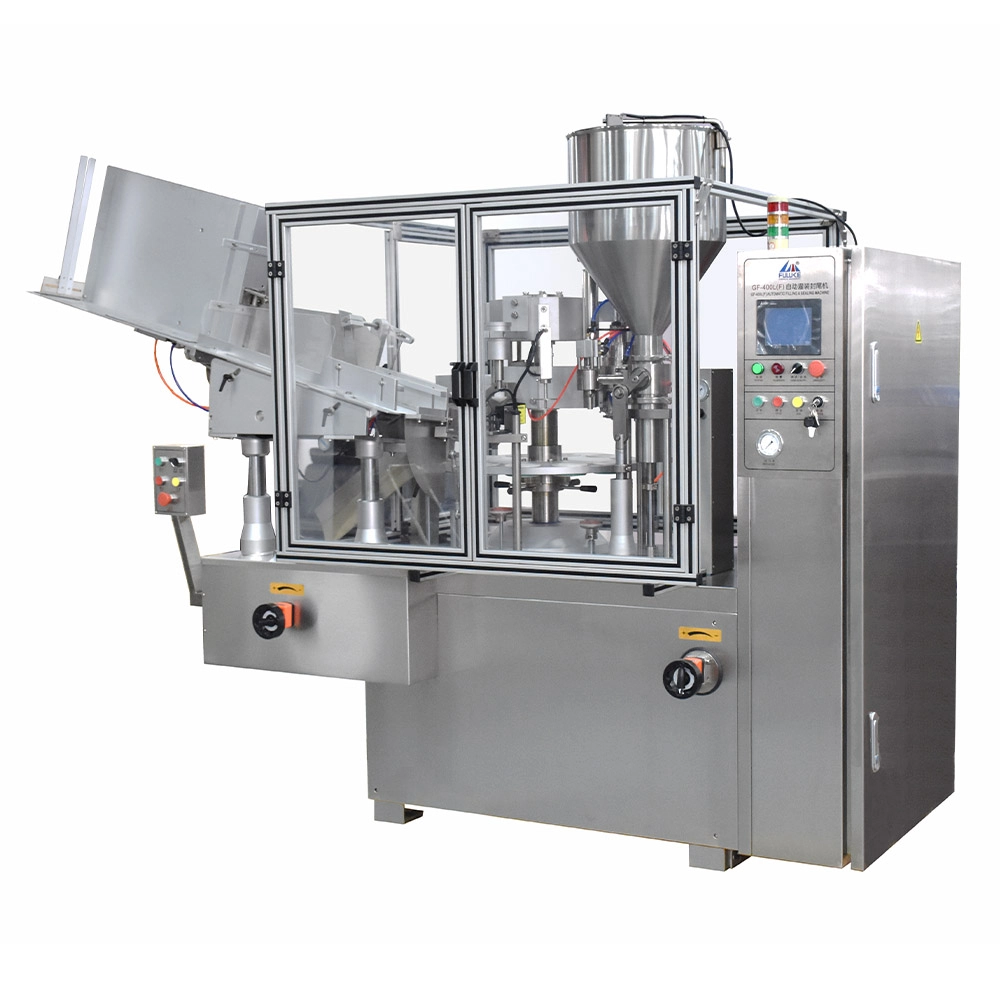
Automatic Tube Filling and Sealing Machine Toothpaste Sunscreen and Facial Cleanser Filling and Sealing Machine for Plastic and Aluminum-plastic Tube
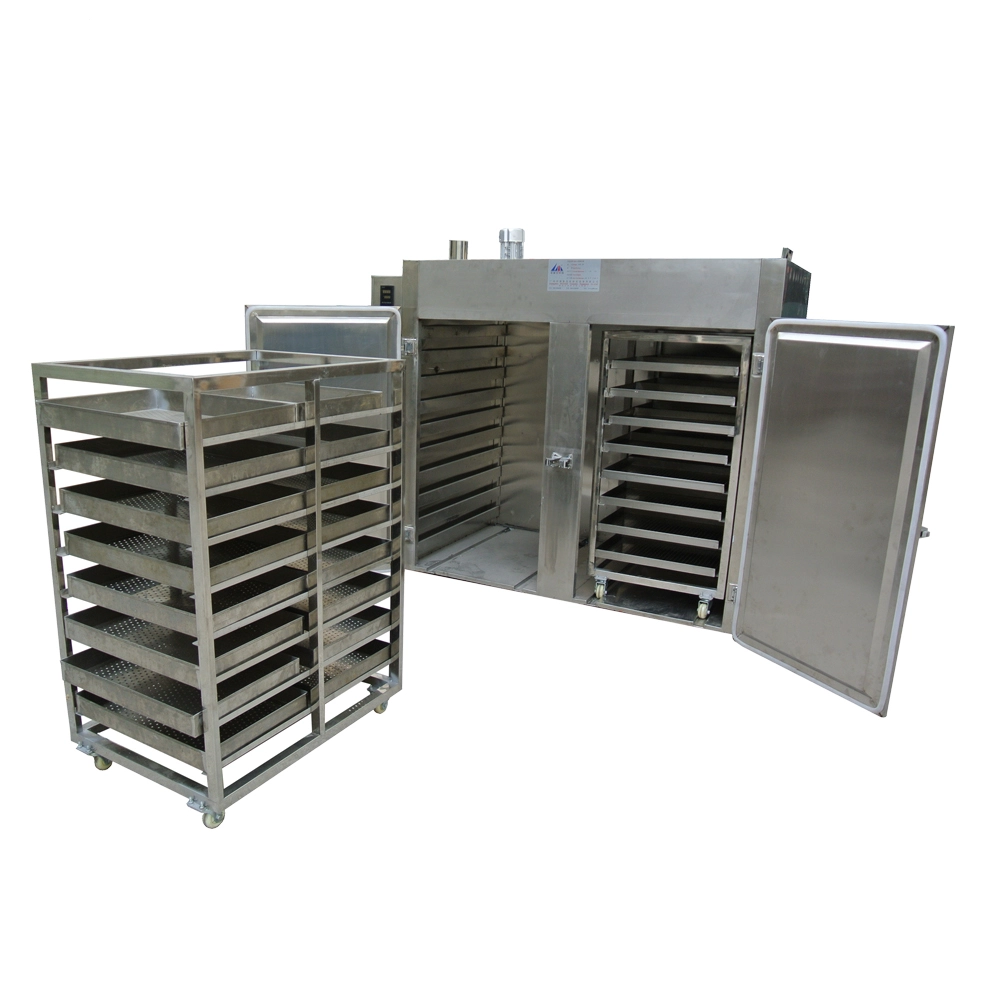
Over for Bottles High Temperature Sterilizer Tray Dryer Large Hot Air Circle Drying Oven for Glass Bottle Jar Cup Can

Automatic Glass Bottle Washing Machine High Quality Glass Bottle Cleaning Washer
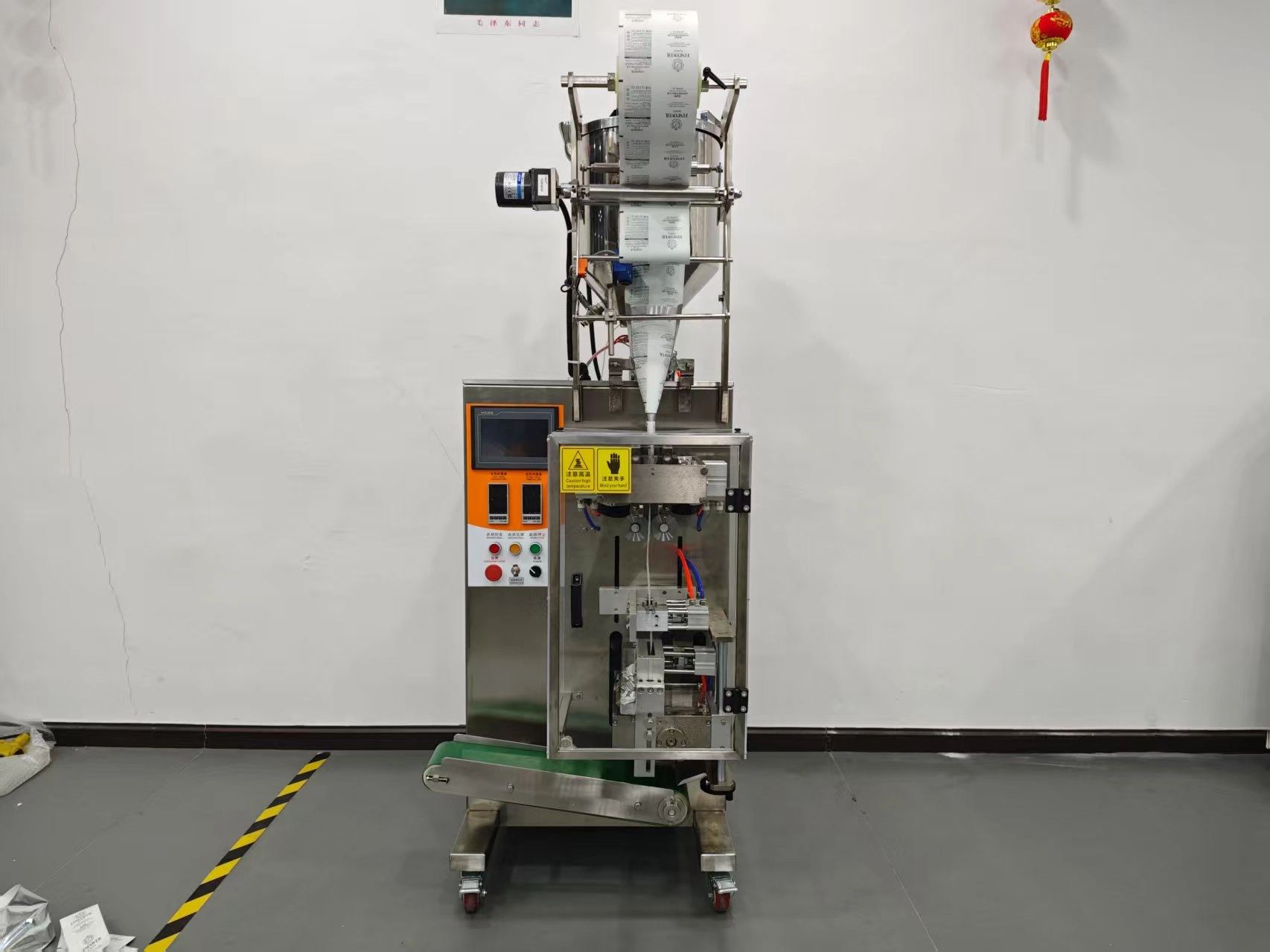
Three-side/four-side sealing bag packaging machine Liquid Paste Jam Cream Sachet Vertical Filling Pouch Packing Machine
Get in touch with FULUKE
If you have any comments or good suggestions, please leave us a message, later our professional staff will contact you as soon as possible.

A leading manufacturer specializing in advanced machinery and complete production lines for the cosmetics, food, pharmaceutical, and chemical industries worldwide.
Contact FULUKE
Facebook
Instagram
YouTube