
Customization Options for Homogenizing Mixing Tanks
- Customization Options for Homogenizing Mixing Tanks: How to Specify the Right Mixing Tank with Agitator
- Introduction — Why customization matters for a mixing tank with agitator
- Core product description: What the Sealed Homogenizing mixing tank provides
- Agitator types and configurations — pick the right agitator for your product
- Vacuum sealing and deaeration: designing for bubble-free products
- Features to specify
- Temperature control: heating, cooling and precise PID control
- Materials, surface finish and sanitary design for cosmetics and pharma
- Sealing and drives: mechanical seal, magnetic drive, and leak management
- Control systems: PLC/HMI, recipes and automated sequences
- Inlet/outlet, discharge and transfer options
- Additional options
- Cleaning and sterilization (CIP/SIP) — maintain quality and compliance
- Explosion-proof and solvent handling modifications
- Scale, mobility and layout: from bench to production
- Cost drivers and lead time considerations
- Maintenance, spare parts and lifecycle support
- Brand advantages: Why choose our Stainless Steel Mixer Liquid Mixing tank with Agitator Homogenizing Mixing tank Vacuum Sealed Mixer Machine
- Comparison of common custom options and recommended selections
- How to specify: a step-by-step checklist for procurement
- FAQ — Common questions about homogenizing mixing tanks
- Q: What is the difference between a homogenizer and a standard agitator?
- Q: What surface finish do I need for cosmetics?
- Q: Can the tank be used for solvent-containing formulations?
- Q: How do I decide on vacuum level?
- Q: What documentation comes with the machine?
- Contact and next steps — get a quote or see the product
- Authority references and further reading
- Final notes
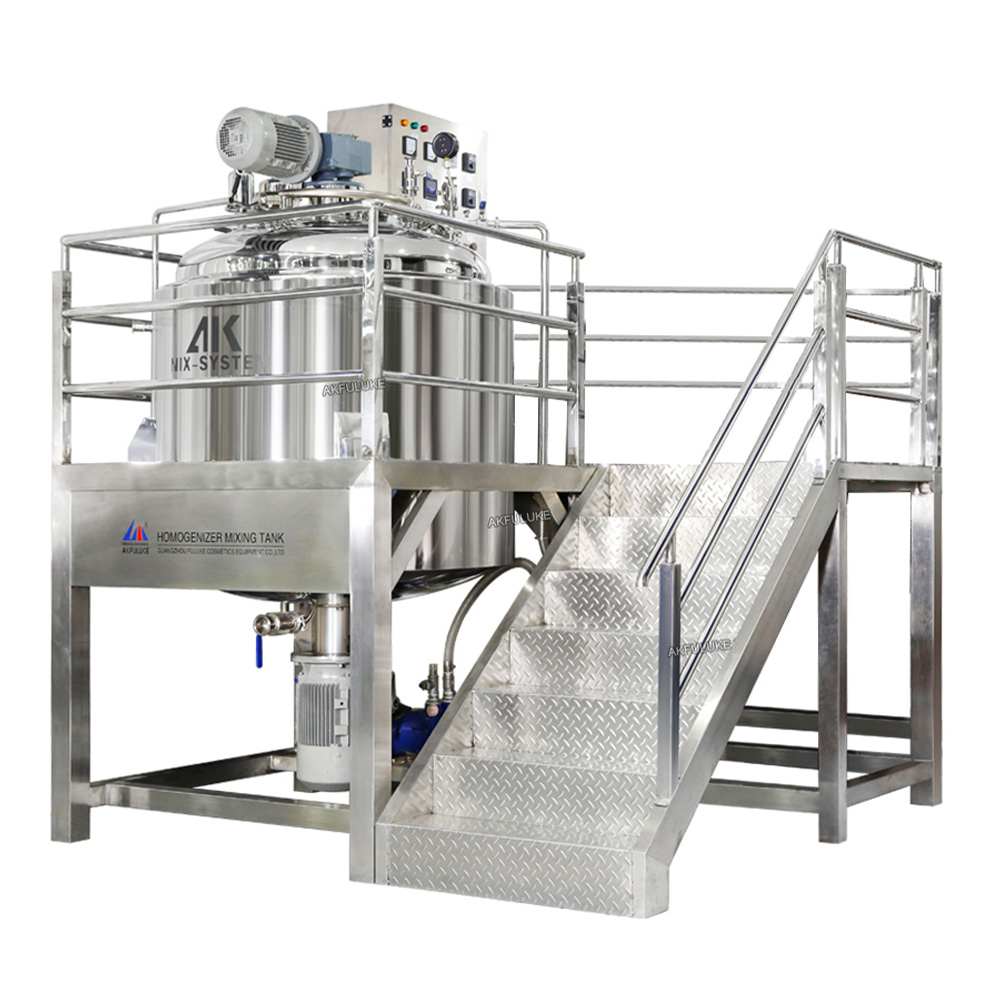
Customization Options for Homogenizing Mixing Tanks: How to Specify the Right Mixing Tank with Agitator
Introduction — Why customization matters for a mixing tank with agitator
Choosing a Stainless Steel Mixer Liquid Mixing tank with Agitator Homogenizing Mixing tank Vacuum Sealed Mixer Machine is more than selecting a size and motor. For cosmetics, pharmaceuticals, food and fine chemicals, process performance, product quality and regulatory compliance depend on detailed customization: the right agitator geometry, homogenizer head, vacuum capability, surface finish, heating/cooling system, seals and controls. This article explains the practical options you can specify to get repeatable emulsification, degassing and homogeneity from your sealed homogenizing mixing tank. Custom configurations become especially valuable when scaling up production with industrial agitator mixing tanks to meet growing demand without compromising consistency.
Core product description: What the Sealed Homogenizing mixing tank provides
The Sealed Homogenizing mixing tank is industrial-grade material handling equipment integrating four core functions: vacuum defoaming, high-speed homogenization, efficient stirring, and precise temperature control. It is widely used in the cosmetics, pharmaceutical, food, chemical and other industries. It is specially designed to solve the mixing, emulsification, homogenization and degassing needs of high-viscosity, multi-phase (solid-liquid, liquid-liquid) materials. It can produce delicate, stable, bubble-free creams, lotions, gels, ointments, sauces and other products.
Agitator types and configurations — pick the right agitator for your product
One of the first customization decisions is the agitator type. The agitator determines flow pattern, shear level and energy input. For a mixing tank with agitator you will commonly choose among anchor, propeller, paddle, turbine and high-shear rotor‑stator homogenizers. Each has trade-offs in shear, heat generation and ability to suspend solids.
| Agitator Type | Typical Use | Shear Level | Advantages |
|---|---|---|---|
| Anchor / Frame | High-viscosity creams, gels | Low | Good wall scraping, gentle mixing, prevents burning |
| Propeller | Low-viscosity liquids | Low–Medium | Efficient axial flow, fast mixing |
| Turbine (Rushton, pitched) | Emulsions, suspensions | Medium | Strong radial mixing, solids suspension |
| High-Shear Rotor‑Stator (Homogenizer) | Fine emulsions, particle size reduction | High | Creates stable, fine droplets; fast processing |
| Magnetic Drive / Static Mixer | Sensitive, solvent-based or sterile processes | Variable | Eliminates shaft seals; reduces leakage risk |
Recommendation: for cosmetic creams and lotions, combine a low-speed anchor or scraper with an integrated high-shear homogenizer head. That gives both bulk mixing and final droplet refinement.
Vacuum sealing and deaeration: designing for bubble-free products
Vacuum capability is essential for degassing high-viscosity formulations and preventing foam entrainment. Customization options include rated vacuum depth (mbar), integrated vacuum pump selection, vacuum sensors, and vacuum-assisted inlet systems. For a mixing tank with agitator used in cosmetics, target vacuum levels between 20–50 mbar for effective degassing of creams and gels — though exact values depend on formulation volatility and temperature.
Features to specify
- Vacuum-rated lid with sanitary ports and sightglass.
- Vacuum pump options (rotary vane, dry scroll) to match solvent compatibility and maintenance preferences.
- Instrumented vacuum transducer and automatic vacuum control in PLC.
- Nitrogen blanketing for oxygen‑sensitive formulations.
Temperature control: heating, cooling and precise PID control
Temperature affects viscosity, emulsification behavior and product stability. Custom options include full double-jacketed tanks, half-pipe jackets, removable heating/cooling coils, and integrated heating elements. Temperature control can be managed by a PID controller with RTD sensors or via PLC/HMI for recipes.
Common specifications to choose:
- Jacket type: full double jacket (uniform heating) vs half-pipe (cost-effective).
- Heating medium: steam, thermal oil, or electric heaters.
- Cooling: chilled water or glycol circuits, with specified delta-T performance.
- Temperature sensor type and placement (PT100/RTD recommended for accuracy).
Materials, surface finish and sanitary design for cosmetics and pharma
Material selection affects corrosion resistance, regulatory compliance and cleanability. Options typically include SS304 vs SS316L. For cosmetic and pharmaceutical applications, SS316L with electropolished interior and Ra ≤ 0.4 µm is often required for hygienic performance and to minimize product adhesion.
Sanitary options:
- Electropolished interiors; mechanical polishing options (e.g., 0.4–0.8 µm Ra).
- Weld finishing to sanitary standards; crevice-free design.
- CIP spray balls, drain angles (≥3°) and full drain bottoms.
- SIP capability (steam-in-place) with steam-rated gaskets and fittings.
Sealing and drives: mechanical seal, magnetic drive, and leak management
Seal selection is critical for product safety and maintenance. Mechanical seals are common for high-speed homogenizers; options include single or double mechanical seals with flush plans. For solvent-based or sterile products, a magnetic drive eliminates shaft penetrations and reduces leak risk.
Consider these custom options:
- Mechanical seals rated for temperature and abrasive media.
- Magnetic couplings for zero-leakage requirements.
- Seal material selection: EPDM, FKM (Viton), PTFE, or USP-grade elastomers for pharma.
Control systems: PLC/HMI, recipes and automated sequences
Modern homogenizing mixing tanks benefit from automation. Options range from simple VFD speed control to full PLC/HMI recipe management, data logging (Batch Records), and integration with MES/SCADA. For regulated industries, electronic batch records and user access control are important.
Common control customizations:
- VFD for motor speed control and soft start to protect shear elements.
- PLC with touchscreen HMI for recipe storage, alarm handling and interlocks.
- Integrated trend logging for temperature, vacuum, rotor speed and torque.
- SOP-guided HMI sequences to reduce operator variability.
Inlet/outlet, discharge and transfer options
Discharge design impacts cleaning and batch transfer. Options include bottom butterfly valves, sanitary ball valves, pump ports, tilting vessels, and rotary discharge. For viscous products choose full-port bottom discharge with vacuum-assisted transfer or progressive cavity pumps.
Additional options
- Sampling valve with sanitary port.
- Level sensors and load cells for batch dosing accuracy.
- Port arrangements and custom nozzle counts to fit upstream/downstream equipment.
Cleaning and sterilization (CIP/SIP) — maintain quality and compliance
For cosmetics and pharmaceuticals, ease of cleaning and sterilization is a must. Customizations include built-in CIP spray balls, drainable designs, steam-rated fittings for SIP, and documented cleanability testing. Consider access manways for manual cleaning during changeovers.
Explosion-proof and solvent handling modifications
If you process flammable solvents (e.g., organic phases in cosmetics or chemicals), request ATEX/NFPA-compliant designs, inerting systems (nitrogen blanketing), explosion-proof motors and certified electrical equipment. These customizations alter materials, controls and safety interlocks and must be specified early.
Scale, mobility and layout: from bench to production
Customization includes scale (from lab 1–20L to production 1,000–10,000L), mobile skids with casters for pilot lines, or fixed tanks with structural support for factory installations. Consider footprint, overhead clearances (for lift-off lids and agitator assemblies), and integration with existing piping.
Cost drivers and lead time considerations
Major cost drivers include tank volume, material grade (316L vs 304), homogenizer power and type, vacuum package, automation level, sanitary finish and certifications (CE, GMP). Custom instrumentation, ATEX compliance or SIP capability add complexity and lead time. Communicate required certifications and operating ranges early to get accurate quotes and realistic delivery timelines (custom tanks typically 8–20 weeks depending on complexity).
Maintenance, spare parts and lifecycle support
Plan for maintenance: specify easily replaceable homogenizer heads, standard motor mounts, and accessible seals. Request spare seal kits, homogenizer rotors/stators, and recommended maintenance intervals. Many suppliers offer preventive maintenance contracts and remote diagnostics via PLC telemetry.
Brand advantages: Why choose our Stainless Steel Mixer Liquid Mixing tank with Agitator Homogenizing Mixing tank Vacuum Sealed Mixer Machine
Our product is engineered specifically for demanding cosmetic and pharmaceutical formulations. Key brand advantages include:
- Integrated four-function design (vacuum defoaming, high-speed homogenization, efficient stirring, precise temperature control) to reduce footprint and piping complexity.
- Sanitary SS316L construction with electropolished interior and configurable surface finish options to meet GMP requirements.
- Flexible agitator and homogenizer configurations (anchor + rotor‑stator, magnetic drive option) to process a wide viscosity range and produce stable emulsions.
- Turnkey automation with recipe management, data logging and optional MES integration to support traceability.
- Customizable vacuum and inerting modules for solvent-based formulations and sensitive chemistries.
Comparison of common custom options and recommended selections
The table below helps correlate product types with typical choices for cosmetic cream manufacturing vs low-viscosity emulsions.
| Feature | High-viscosity creams (cosmetics) | Low-viscosity emulsions / sauces |
|---|---|---|
| Agitator | Anchor with scraper + high-shear homogenizer | Propeller or turbine + inline homogenizer |
| Vacuum | Required (20–50 mbar) | Recommended for degassing |
| Material | SS316L, electropolished | SS316L or SS304 depending on chemistry |
| Heating/Cooling | Double jacket with steam or thermal oil | Cooling via chilled water/glycol |
| Seals | Mechanical seal + flush plan / magnetic drive option | Mechanical seal or sanitary gland |
How to specify: a step-by-step checklist for procurement
To streamline vendor quotations and ensure the delivered mixing tank with agitator meets your needs, provide this information:
- Target batch size and production rate.
- Product formulations and viscosity range (cP) at operating temperatures.
- Required vacuum level and whether solvent handling/ATEX is needed.
- Desired materials and surface finish requirements (e.g., 316L, Ra ≤ 0.4 µm).
- Heating/cooling media and temperature range.
- Sealing preference (mechanical seal vs magnetic drive) and sanitary standards (GMP, FDA contact surface requirements).
- Controls: VFD-only or full PLC/HMI with data logging and MES integration.
- Cleaning/sterilization needs: CIP/SIP requirements.
- Installation constraints (footprint, ceiling height) and utilities available.
FAQ — Common questions about homogenizing mixing tanks
Q: What is the difference between a homogenizer and a standard agitator?
A homogenizer (typically a rotor‑stator or high-pressure unit) applies intense localized shear to reduce droplet or particle size and create stable emulsions. A standard agitator (anchor, propeller, turbine) provides bulk flow and solids suspension. Combining both often yields the best results for high-quality creams and lotions.
Q: What surface finish do I need for cosmetics?
We recommend SS316L with electropolished interior and Ra ≤ 0.4 µm for most cosmetic products. This reduces product adherence and improves cleanability. Specific regulatory or client requirements may dictate tighter finishes.
Q: Can the tank be used for solvent-containing formulations?
Yes, but you must specify solvent compatibility, ATEX/explosion-proof requirements, and choose appropriate seals and vacuum pump types (e.g., dry scroll vs rotary vane). Nitrogen blanketing and certified electrical components may also be necessary.
Q: How do I decide on vacuum level?
Vacuum level depends on product volatility and viscosity. For most cosmetic creams, 20–50 mbar is effective for deaeration. For very volatile solvents, adjust vacuum setpoints and consider temperature control to avoid boiling losses.
Q: What documentation comes with the machine?
Typical documentation includes material certificates (2.1/3.1), weld procedure and inspection records, FAT protocol, IQ/OQ test scripts (if requested), electrical schematics, and operation & maintenance manuals. Specify required documentation at RFQ stage.
Contact and next steps — get a quote or see the product
If you are ready to specify a Stainless Steel Mixer Liquid Mixing tank with Agitator Homogenizing Mixing tank Vacuum Sealed Mixer Machine, contact our sales engineering team for a free consultation and tailored quotation. Provide your checklist answers (batch size, viscosity, vacuum needs, materials, controls) and we will deliver a customized proposal including layout drawings, lead time and a competitive price. Request a product datasheet or schedule a factory acceptance test (FAT) demonstration.
Authority references and further reading
Authoritative resources referenced for technical definitions and industry standards:
- Mixing (chemical engineering) — Wikipedia: https://en.wikipedia.org/wiki/Mixing_(chemical_engineering)
- Homogenizer — Wikipedia: https://en.wikipedia.org/wiki/Homogenizer
- Good Manufacturing Practice (GMP) — World Health Organization: https://www.who.int/teams/regulation-prequalification/regulation-and-safety/gmp
- ASME Boiler & Pressure Vessel Code (overview) — ASME: https://www.asme.org/codes-standards
For personalized specifications, request a datasheet or contact our team to discuss pilot trials and sampling capabilities.
Final notes
Customizing a homogenizing mixing tank is a balance between process performance, cost and compliance. Early engagement with experienced suppliers — sharing formulation details and process goals — minimizes iterations and ensures a mixing tank with agitator that produces consistent, high-quality products. Our integrated Sealed Homogenizing mixing tank simplifies procurement by combining vacuum degassing, high-shear homogenization, efficient stirring and precise temperature control into one engineered solution.
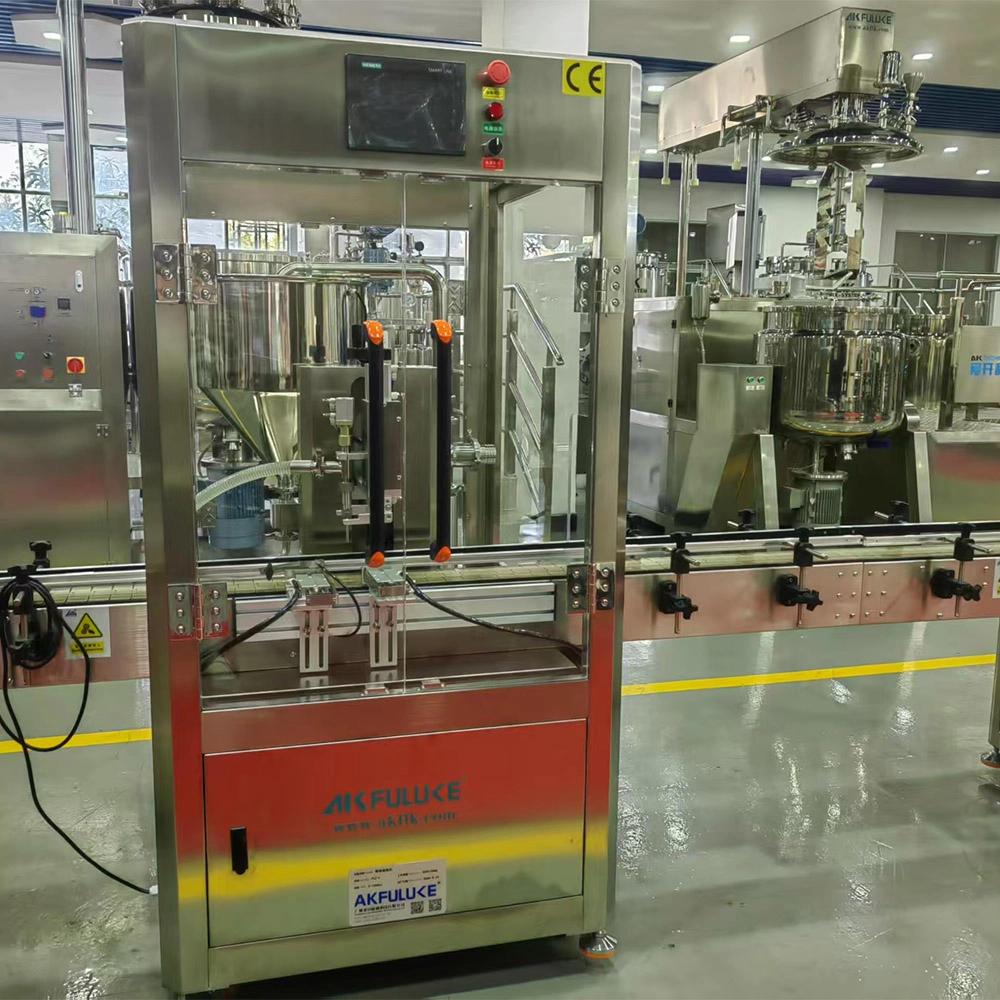
Compare Filling Technologies: Piston vs Peristaltic vs Pump
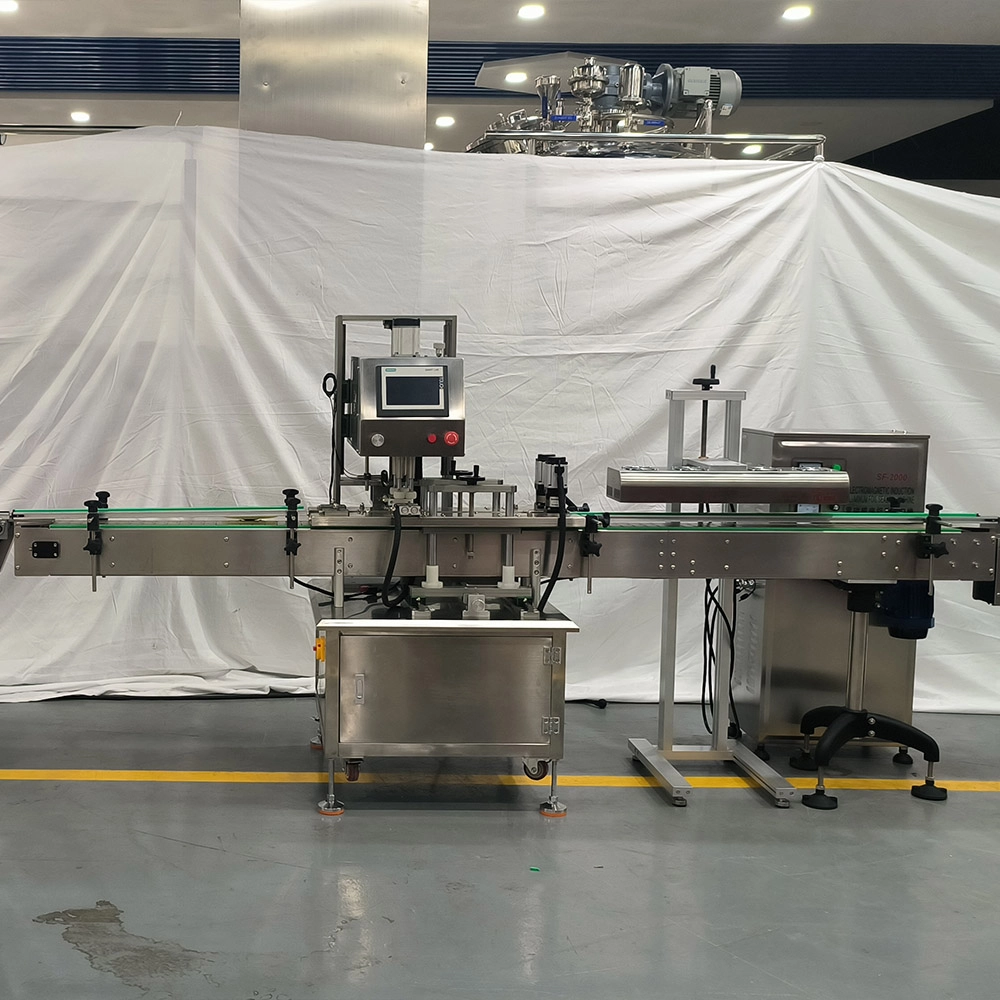
Integration of Filling Machines with Bottle Cappers and Labelers
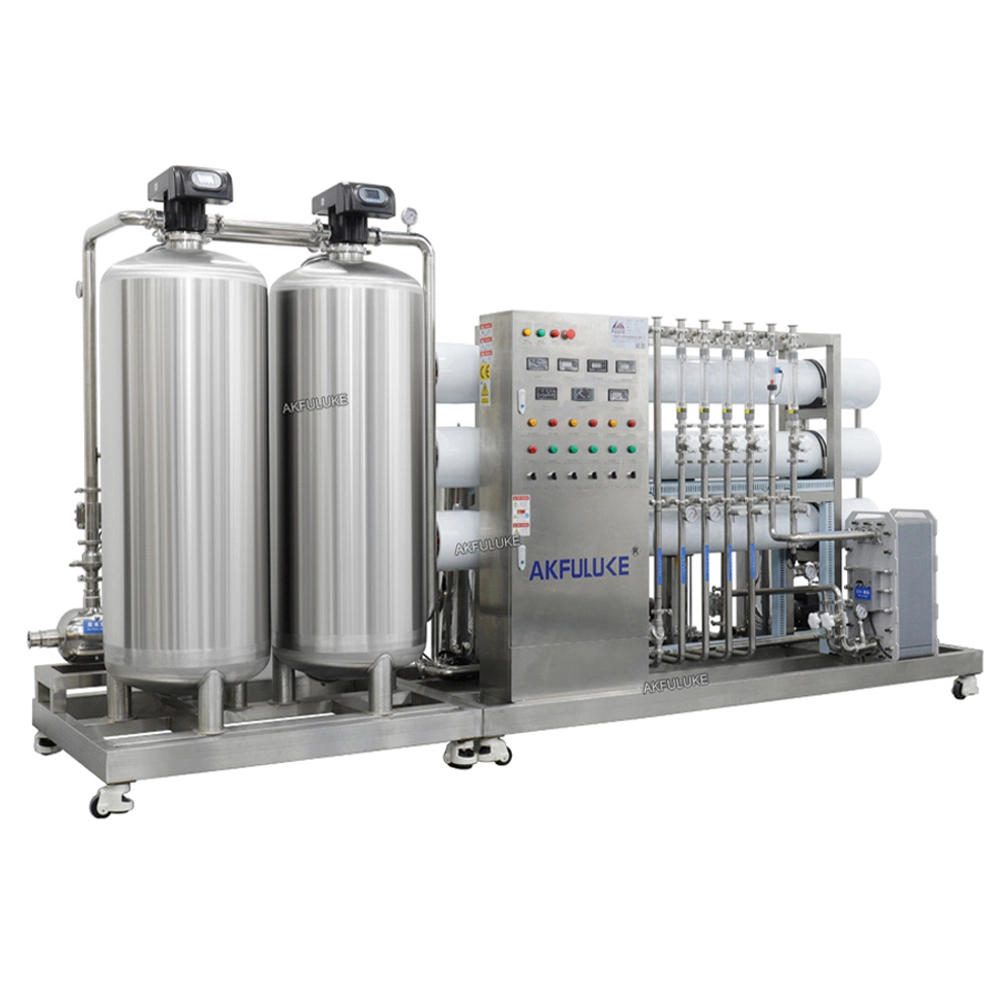
Spec Checklist: Capacity, Recovery, and Water Quality for RO
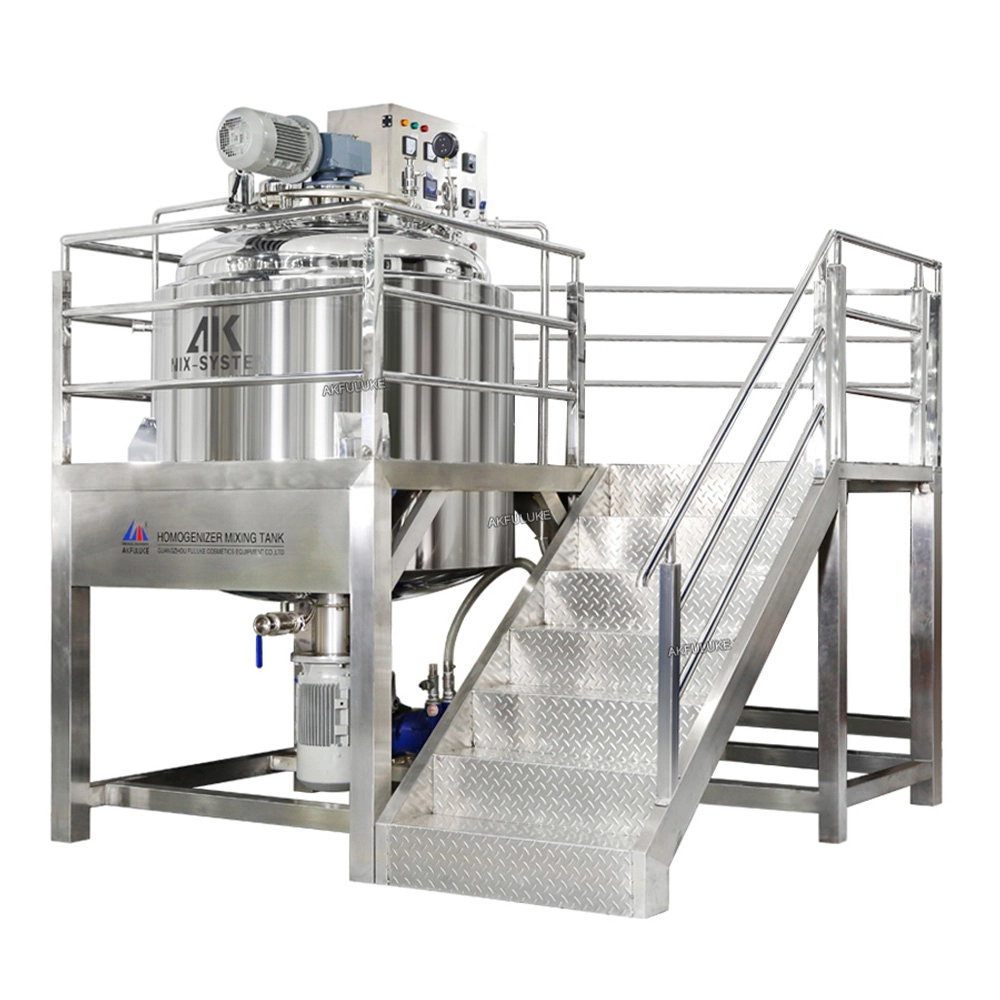
Performance Testing and Validation of Homogenizing Mixers
Automatic Tube Filling and Sealing Machine
Can you customize the machine?
Of course, we provide customized services according to customer needs.
Automatic Labeling Machine
What types of bottles can this automatic labeling machine label?
It can label flat, round, and square bottles on one side, two sides, or even all around.
RO Water Treatment
What is RO water treatment? What is the core function of RO membranes?
RO water treatment, or reverse osmosis water treatment technology, utilizes the selective permeability of reverse osmosis membranes (RO membranes). Under external pressure, water molecules are forced through the membrane while impurities (such as salt, heavy metals, organic matter, and microorganisms) are retained, thereby purifying the water.The core function of RO membranes is high-precision filtration. With a pore size of only approximately 0.1 nanometers, they can effectively remove over 99% of dissolved solids (such as calcium and magnesium ions), heavy metals (such as lead and arsenic), bacteria, viruses, and organic matter from water, producing extremely pure water.
Perfume Filling Machine
What can you buy from us?
RO Water Treatment、Vacuum Emulsifying Machine、Homogenizer Mixing Tank、Filling and Capping、labeling Machine、Packing Machine、Storage Tank,etc.
Automatic Facial Mask Filling Machine
Who are we?
Our headquarters is located in Guangzhou, Guangdong, China, and our factory is located in Yangzhou, Jiangsu. Our products are sold all over the world. We have approximately 50 employees in our company and factory.
You May Also Like
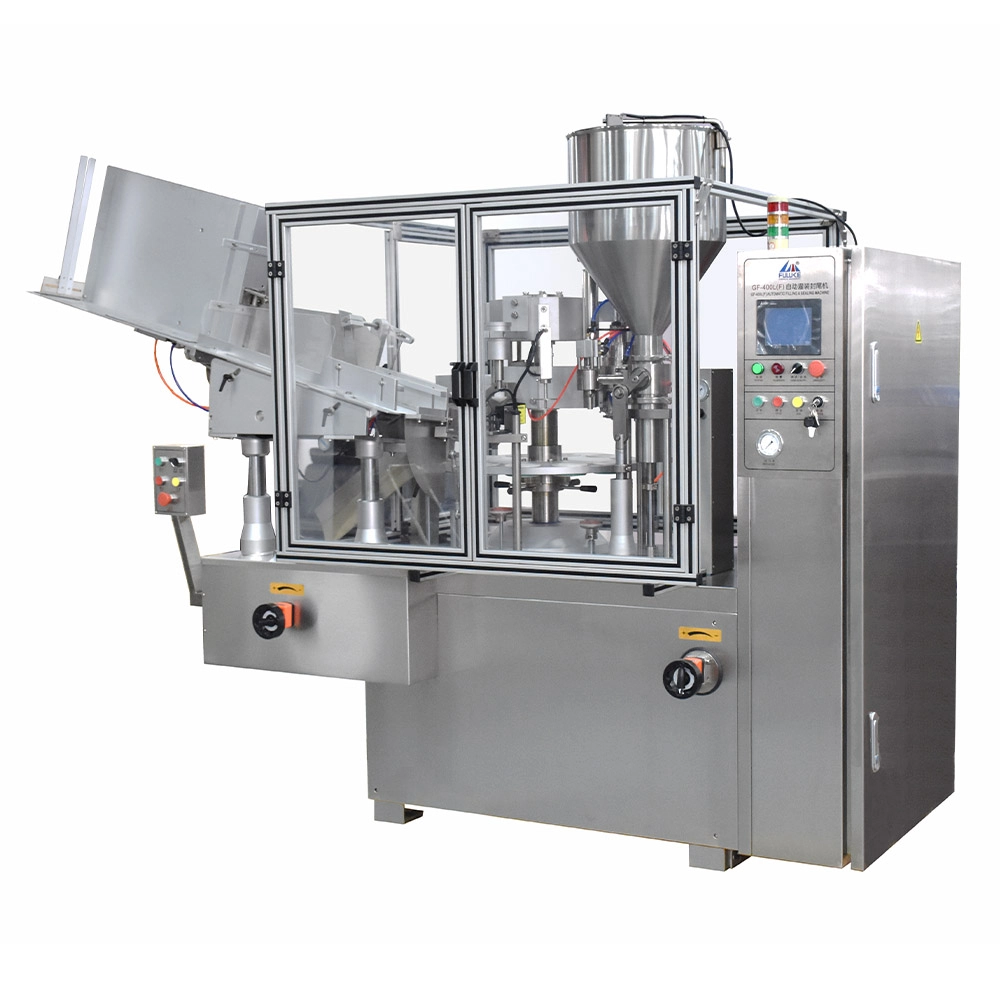
Automatic Tube Filling and Sealing Machine Toothpaste Sunscreen and Facial Cleanser Filling and Sealing Machine for Plastic and Aluminum-plastic Tube
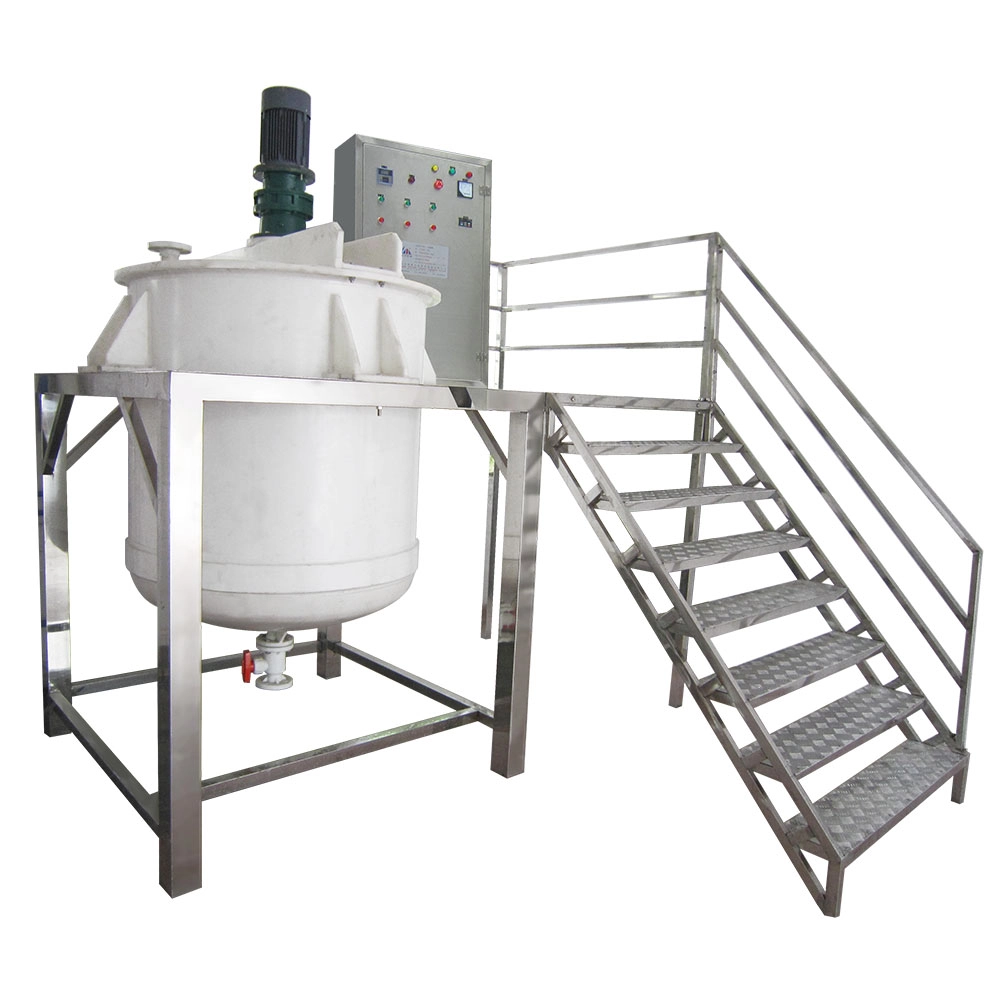
Polypropylene PP Mixing Tank Anti-Corrosion Mixer Reaction Kettle with Agitator Chemical Mixing Vessel
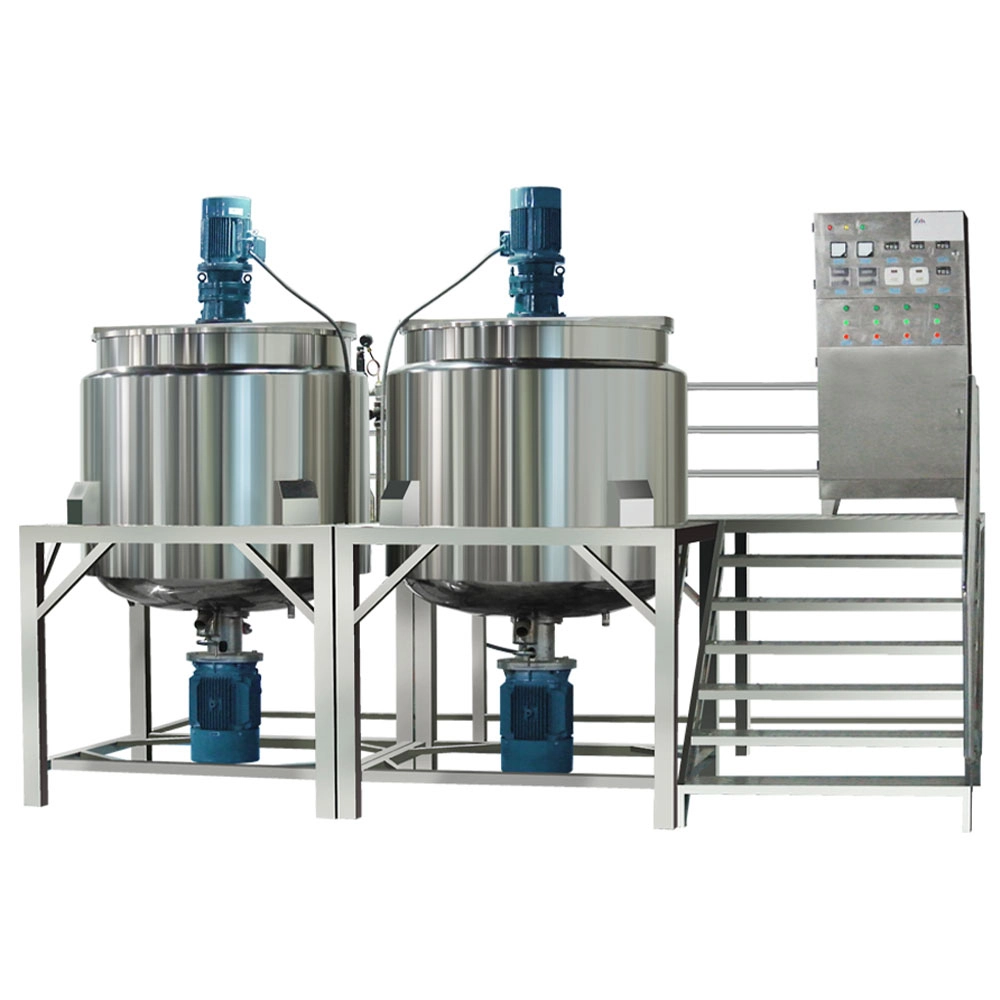
Flip Cover Multi-function Liquid Wash Mixing Tank Blender Liquid Detergent Mixer Homogenization Stirring Tank
Stainless Steel Mixer Liquid Mixing tank with Agitator Homogenizing Mixing tank Vacuum Sealed Mixer Machine
Get in touch with FULUKE
If you have any comments or good suggestions, please leave us a message, later our professional staff will contact you as soon as possible.

A leading manufacturer specializing in advanced machinery and complete production lines for the cosmetics, food, pharmaceutical, and chemical industries worldwide.
Contact FULUKE
Facebook
Instagram
YouTube