
How to Customize Fill Volumes for Different Product SKUs
- Why SKU-Specific Fill Customization Matters for Cosmetics and Liquids
- Understanding SKU variability
- Business impact: accuracy, waste reduction and throughput
- Choosing the Right Dosing Technology for Every SKU
- Piston vs. Peristaltic vs. Gravity: pros and cons
- When to use volumetric vs. gravimetric control
- Implementing Recipe Management and Quick Changeover
- Creating robust fill profiles (recipes)
- Mechanical and tooling considerations for fast changeovers
- Calibration, Validation and Inline Quality Control
- Verification with inline weighing and sampling
- Regulatory compliance and documentation
- Practical Steps: From Pilot Runs to Full Production
- Pilot runs and establishing acceptance criteria
- Troubleshooting common SKU change issues
- Comparison Table: Dosing Technologies and Best-Use Cases
- Advanced Tips: Automation, Data and Continuous Improvement
- Use recipe versioning and production logs
- Leverage Industry 4.0: data-driven adjustments
- Validation & Standards: Ensuring Compliance for Cosmetic Products
- Follow GMP and traceability recommendations
- Audit-ready documentation
- Frequently Asked Questions (FAQ)
- Q: How many recipes/SKUs can the Automatic Filling Machine store?
- Q: How do I decide between volumetric and gravimetric control for my SKUs?
- Q: What maintenance is required to keep fill accuracy across SKUs?
- Q: Can the machine automatically adjust fill volume for container weight variation?
- Q: How do I manage foaming or dripping issues with creams and lotions?
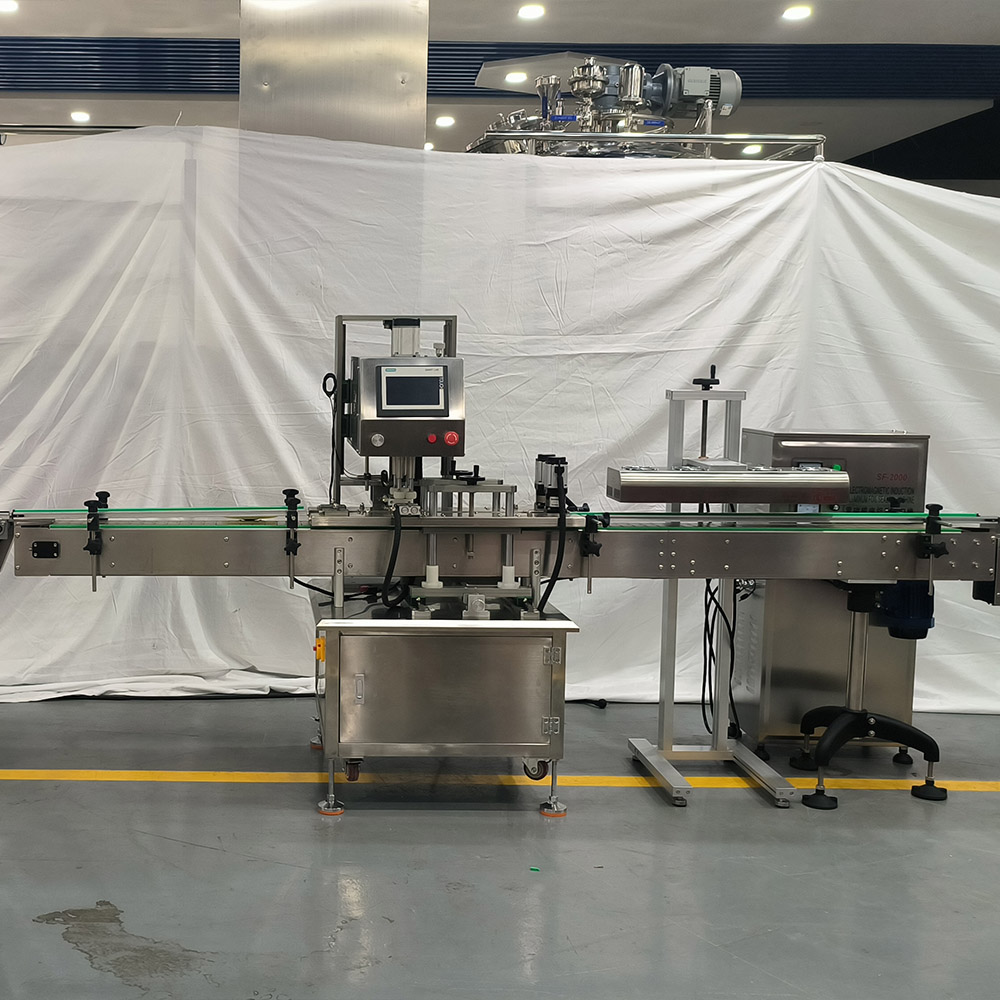
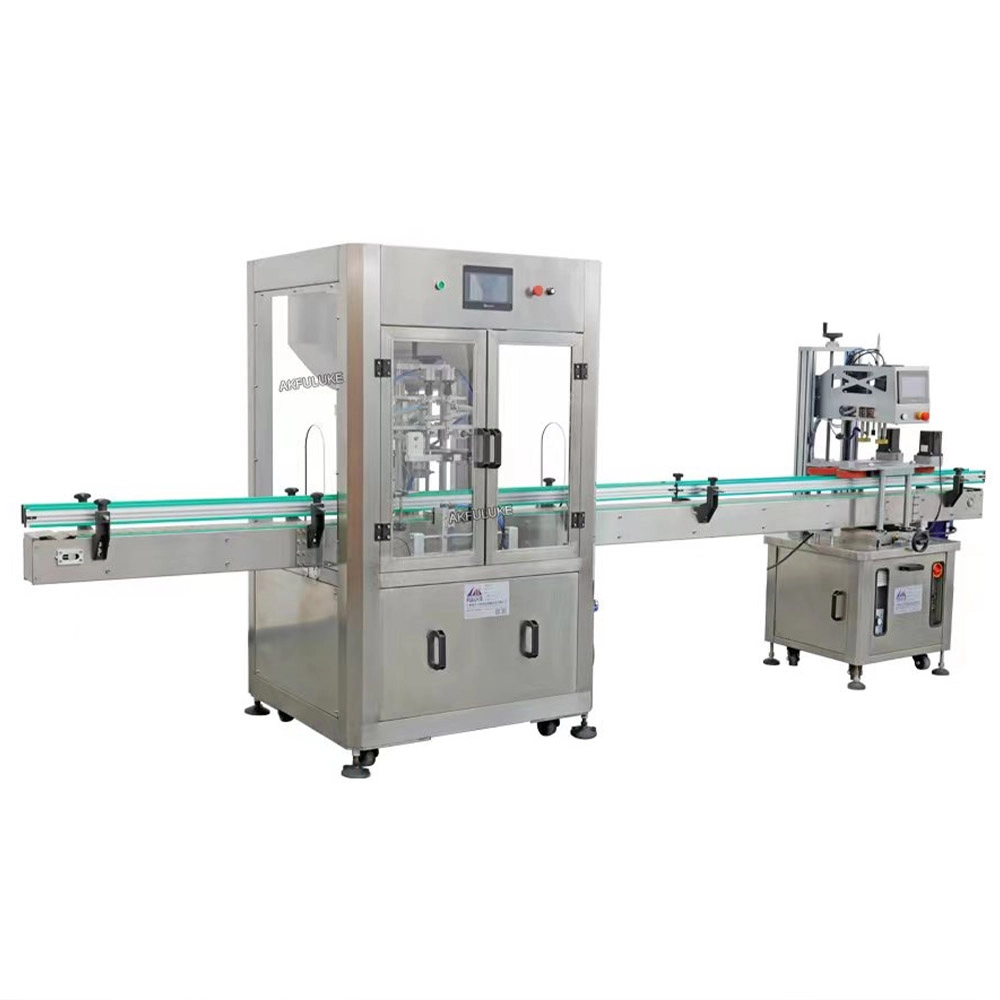
The ability to accurately customize fill volumes across multiple product SKUs is a key competitive advantage for manufacturers using a liquid filling machine. By using programmable recipes, precise dosing technologies and inline verification, companies can minimize waste, reduce changeover time and keep quality consistent across creams, lotions and low-to-medium viscosity liquids. This article explains how to implement SKU-based fill customization on automated systems such as the Automatic Filling Machine Quantitative Liquid Bottle Filling Machine High-precision cream and lotion filling machine and how to validate and document the process to meet industry standards.
The following product is referenced in this guide for practical examples and configuration suggestions:
The automatic filling machine integrates automated conveying, precision filling, and intelligent control for packaging creams, lotions, and liquids. Suitable for a variety of containers, including glass and PET bottles, it can fill liquids, emulsions, and pastes with high precision.
Constructed with 316L/304 stainless steel contact components and compliant with GMP standards, it features a touchscreen interface for quick parameter adjustment and completes the entire process without manual intervention. Widely used in the cosmetics, food, daily chemical, pharmaceutical, and chemical industries, it helps companies reduce costs, increase efficiency, and ensure product standardization.
Why SKU-Specific Fill Customization Matters for Cosmetics and Liquids
Understanding SKU variability
Each SKU can differ by more than just label and scent. Common variables include container volume and shape, closure type, liquid viscosity and rheology (e.g., creams vs. lotions vs. serums), particulate content, desired headspace, and target net weight. These differences affect the type of dosing mechanism required and the fill parameters—such as fill speed, pre-shot, and suck-back—on your liquid filling machine.
Business impact: accuracy, waste reduction and throughput
Incorrect or inconsistent fill volumes lead to product giveaway, rework, customer complaints and regulatory risk. Customizing fill volumes by SKU using the machine's recipe functions reduces overfill and underfill, improving both margin and compliance. Precise filling is especially important for high-value cosmetics or regulated products where deviations cannot be tolerated.
Choosing the Right Dosing Technology for Every SKU
Piston vs. Peristaltic vs. Gravity: pros and cons
Different dosing technologies are suitable for different SKU characteristics. Piston pumps (displacement/volumetric) provide high accuracy for viscous creams and lotions, while peristaltic pumps are excellent for sanitary or shear-sensitive fluids and small batch changes. Gravity and overflow fill systems work well for low-viscosity liquids in uniform containers. Choose the dosing method that balances accuracy, sanitation and maintenance for your SKU mix.
When to use volumetric vs. gravimetric control
Volumetric (time/piston) filling is fast and repeatable, ideal for stable formulations. Gravimetric (weight-based) control adds a verification layer—measuring actual mass to compensate for density differences and environmental factors. For multi-SKU lines with variable viscosities and container sizes, pairing volumetric dosing with inline gravimetric checks gives both speed and guaranteed accuracy.
Implementing Recipe Management and Quick Changeover
Creating robust fill profiles (recipes)
Modern liquid filling machines include PLCs and touchscreen HMI that let you store fill recipes per SKU: target net volume/weight, fill speed, nozzle height, pre-flow/post-flow parameters, and pack spacing. For the Automatic Filling Machine Quantitative Liquid Bottle Filling Machine High-precision cream and lotion filling machine, leverage the touchscreen to store distinct recipes for each SKU, enabling instant recall during production changeovers.
Mechanical and tooling considerations for fast changeovers
Design your changeover strategy around modular parts: quick-release nozzles, adjustable guides, and removable star wheels or grippers. For cosmetics with varied bottle neck sizes, having interchangeable nozzle inserts and a simple height-adjust system cuts downtime. Use clear SOPs and labeled recipe codes to reduce operator error during SKU swaps.
Calibration, Validation and Inline Quality Control
Verification with inline weighing and sampling
Inline checkweighers or gravimetric stations should be integrated downstream to verify each bottle. When a deviation is detected, the system can trigger automatic adjustments to the filling stroke or divert nonconforming units. This closed-loop control is essential for maintaining accuracy across SKUs with different densities or settling characteristics.
Regulatory compliance and documentation
Documented validation and traceability are required in many markets. Follow recognized GMP and ISO guidance when validating fill volumes and machine programs. Standards such as ISO 22716 for cosmetics manufacturing provide best practices for process control and documentation (ISO 22716). For general machine and filling terminology, see the industry overview on filling machines (Wikipedia – Filling machine).
Practical Steps: From Pilot Runs to Full Production
Pilot runs and establishing acceptance criteria
Begin with small pilot runs for each SKU: set the recipe, run 50–100 units and measure weight/volume tolerance. Define acceptable statistical limits (e.g., ±0.5% for creams). Use those results to fine-tune fill times, speeds and suck-back parameters. Record baseline metrics for future audits and continuous improvement.
Troubleshooting common SKU change issues
Typical problems include dribble and stringing with viscous creams, air entrapment in low-viscosity emulsions, and splash in large-volume fills. Remedies include adjusting nozzle geometry, modifying fill stroke profile (slower fill with pause), or using vacuum/suck-back to prevent drips. For foaming formulations, decelerate the final portion of the fill and allow short settle times.
Comparison Table: Dosing Technologies and Best-Use Cases
| Technology | Typical accuracy | Suitable viscosity | Best for |
|---|---|---|---|
| Piston (displacement) | ±0.2–0.5% | Low to very high (creams, lotions, pastes) | High-precision cosmetic creams and lotions |
| Peristaltic | ±0.5–1% | Low to medium, shear-sensitive | Sanitary fluids, frequent SKU changes |
| Gravity/Overflow | ±0.5–1.5% | Low (water-like) | Low-viscosity lotions, bulk liquids |
| Time-pressure | ±0.5–2% | Low to medium | Cost-sensitive lines with uniform fluid properties |
Advanced Tips: Automation, Data and Continuous Improvement
Use recipe versioning and production logs
Implement version control for recipes. Whenever a formula or container changes, record the batch number, operator, environmental conditions and recipe version. This practice facilitates root-cause analysis and supports traceability in case of customer complaints or audits.
Leverage Industry 4.0: data-driven adjustments
Connect your liquid filling machine to the plant network to collect production metrics: fill deviation trends, fill cycle time, reject rates and downtime. Analyzing this data helps optimize recipes, plan preventive maintenance and reduce SKU changeover time. Cloud-based dashboards enable remote monitoring and faster decision-making.
Validation & Standards: Ensuring Compliance for Cosmetic Products
Follow GMP and traceability recommendations
Cosmetics manufacturers should adopt GMP principles to ensure consistent product quality. ISO 22716 offers detailed guidance on good manufacturing practices for cosmetics (ISO 22716). For pharmaceutical-grade operations or if producing regulated categories, see WHO GMP guidance (WHO – GMP) and PIC/S for inspection best practices (PIC/S).
Audit-ready documentation
Keep a library of validation documents: Installation Qualification (IQ), Operational Qualification (OQ), Performance Qualification (PQ), calibration certificates, and test reports for each SKU recipe. Use the machine's recipe export/import features to produce tamper-evident records for auditors and regulatory bodies.
Frequently Asked Questions (FAQ)
Q: How many recipes/SKUs can the Automatic Filling Machine store?
A: Storage capacity varies by model and PLC configuration. Most modern automatic filling machines support hundreds of recipes. Check the machine's HMI specifications or consult your vendor to confirm exact limits and backup/export options.
Q: How do I decide between volumetric and gravimetric control for my SKUs?
A: Use volumetric control for speed when product density is stable and well-known. Add inline gravimetric verification when densities vary between SKUs or when maximum legal fill precision is required. Combining both provides high throughput with guaranteed accuracy.
Q: What maintenance is required to keep fill accuracy across SKUs?
A: Regular calibration of dosing pumps, periodic inspection of valves and nozzles, cleaning of product contact parts (316L/304 stainless steel), and validation of checkweighers are essential. Maintain a preventive maintenance log and follow OEM recommendations.
Q: Can the machine automatically adjust fill volume for container weight variation?
A: With a closed-loop system integrating a checkweigher or load cell and PLC, the machine can make automatic incremental adjustments to maintain target net weight despite slight container variation.
Q: How do I manage foaming or dripping issues with creams and lotions?
A: Reduce fill speed, change nozzle design, implement pre-flow/post-flow profiles, and use suck-back settings. For particularly problematic formulations, consider a piston pump with programmable stroke profiles to control flow dynamics.
If you want tailored advice about configuring your line or wish to see the Automatic Filling Machine Quantitative Liquid Bottle Filling Machine High-precision cream and lotion filling machine in operation, contact our technical team or request a product demo. Our specialists can help create SKU recipes, run pilot tests, and supply validation documentation.
Contact us to discuss your SKUs or view the product: Request a demo / Contact Sales
How Vision Systems Improve Filling Line Quality Control
Filling Machine Buyers' Guide for Toothpaste, Sunscreen & Cleanser Tubes
Integrating Mixing Tanks into Automated Production Lines
Choosing the Right Liquid Filling Machine for Your Production Line
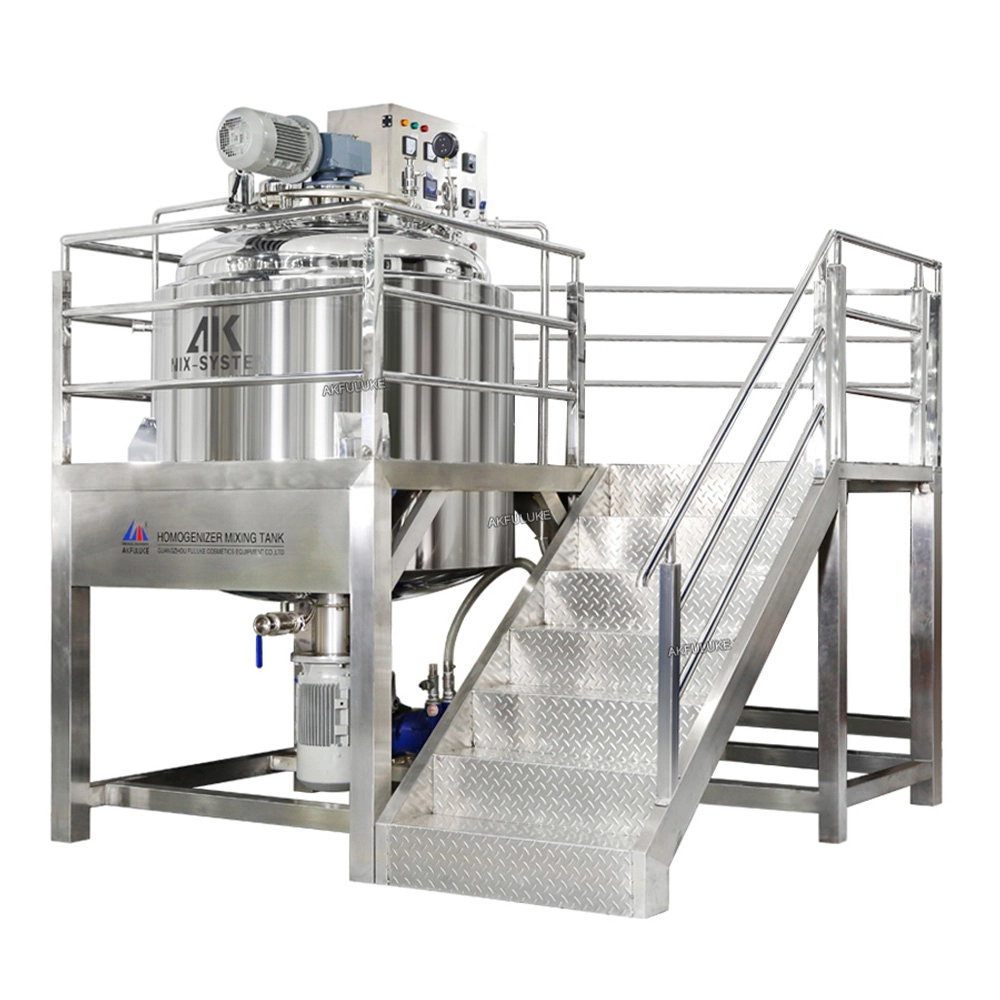
Sealed Homogenizing Mixing Tank
Can you customize the machine?
Of course, we provide customized services according to customer needs.
Lift-type Homogenizing Disperser
How often should the disperser and homogenizer be cleaned? How should they be cleaned properly?
Cleaning Frequency: Cleaning is required every time a material is changed to prevent cross-contamination. When the same material is used continuously, cleaning is recommended every 24 hours. Cleaning Method: Rinse with clean water or a suitable solvent (e.g., alcohol for oily materials, clean water for water-based materials). Remove stubborn stains with a soft brush. Avoid scratching with hard objects to avoid damage.
The Flip Cover Liquid Wash Mixing Homogenizing Tank
Flip cover homogenizing mixing tank lacks a vacuum system. How should bubbles generated during mixing be handled?
Open mixing tank certainly can't remove air through vacuum like sealed equipment. However, if bubbles are affecting product quality, the following methods can be used to improve the process:
Process Adjustment: Reduce the mixing speed to prevent excessive air from being drawn into the material by high-speed turbulence. If homogenization is required, proceed in stages to reduce bubbles generated by a single shearing operation.
Assisted Degassing: For materials that can be heated, increase the temperature appropriately to reduce viscosity and promote bubble bubbling. Alternatively, allow the material to rest for a period of time after mixing to allow bubbles to dissipate naturally before proceeding to the next step.
Suitable Applications: This equipment is more suitable for products that are not sensitive to bubbles. For precision products requiring bubble-free production, a model with a vacuum function is recommended.
Automatic Filling Machine
We want to fill products in multiple volumes (e.g., 100ml, 250ml, 500ml). Do we need to purchase multiple filling machines?
No, most automatic filling machines support multiple volume adjustments. When purchasing, please confirm the machine's "volume adjustment range" (e.g., 50ml-2000ml) to ensure it covers your desired specifications. Changing volumes simply requires modifying the fill volume parameters on the touchscreen. If the volume difference is significant (e.g., from 100ml to 1000ml), minor adjustments to the filling head height or feed rate may be necessary, without replacing the machine.
Storage Tank
What can you buy from us?
RO Water Treatment、Vacuum Emulsifying Machine、Homogenizer Mixing Tank、Filling and Capping、labeling Machine、Packing Machine、Storage Tank,etc.
You May Also Like
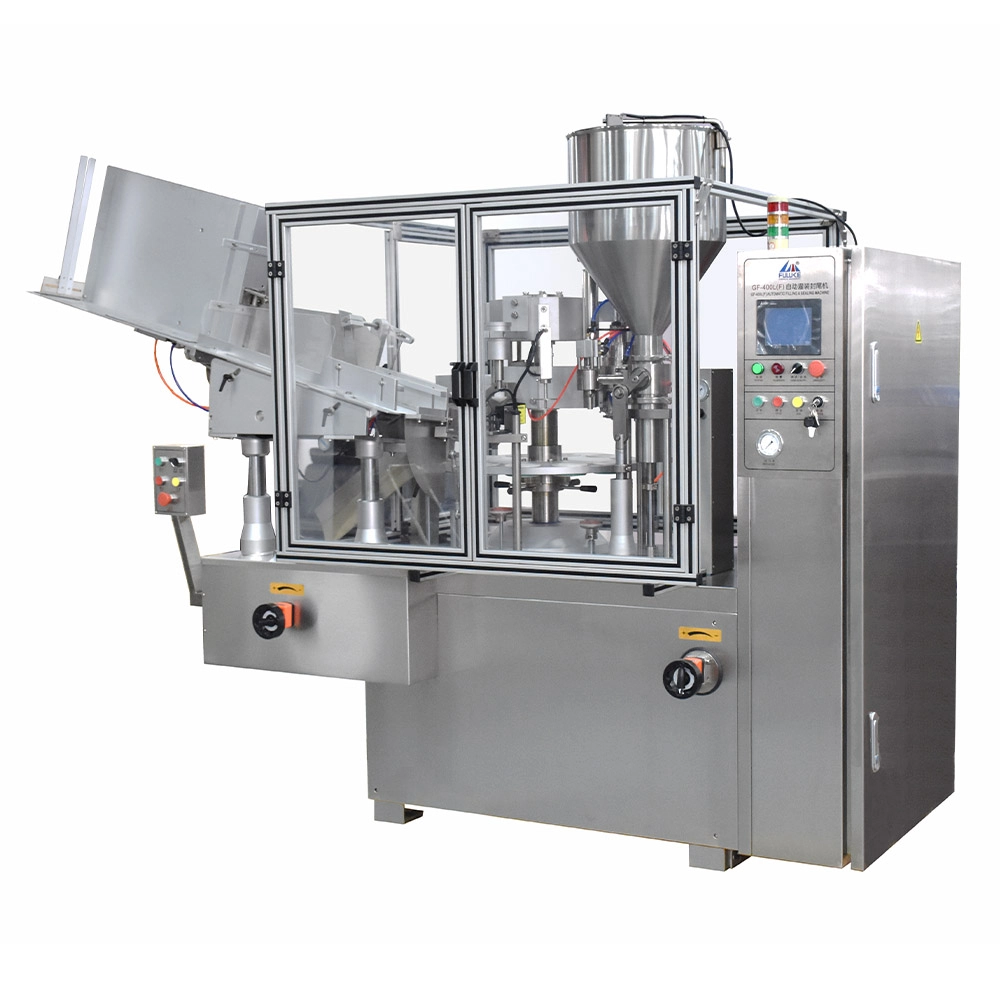
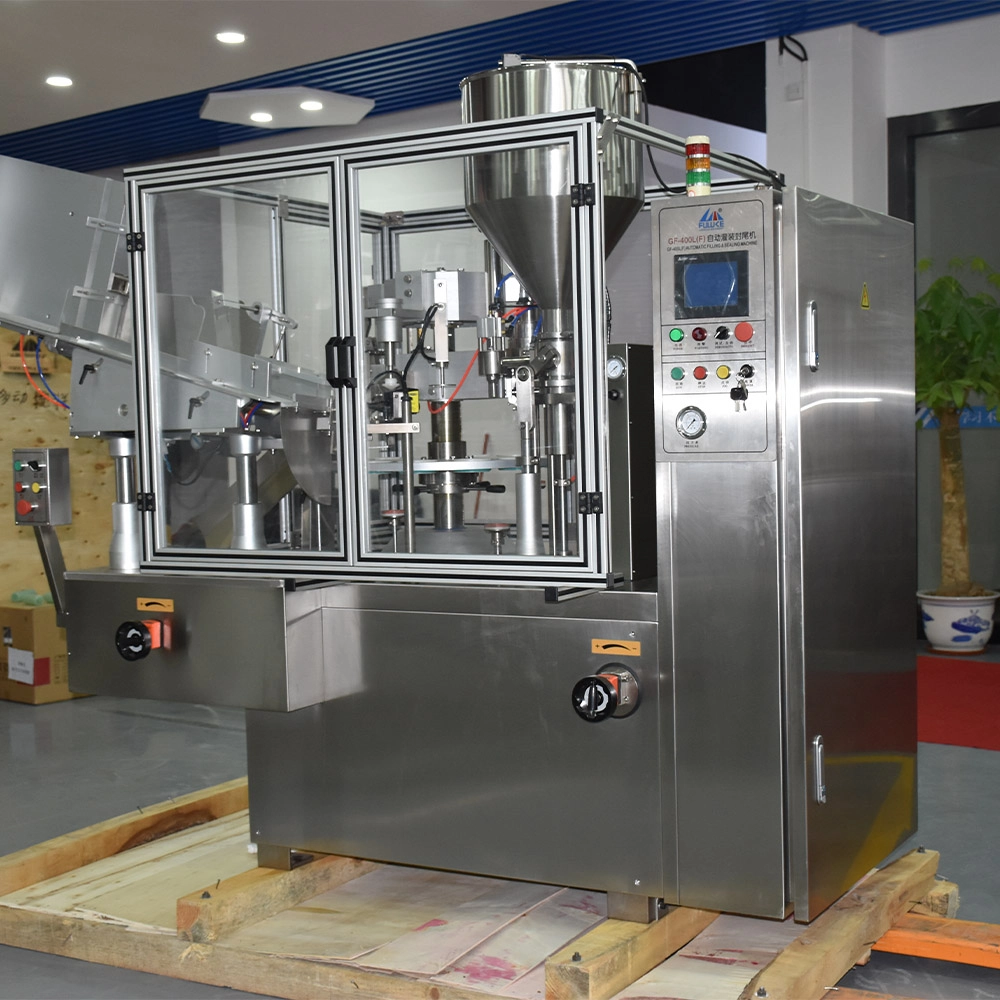
Automatic Tube Filling and Sealing Machine Toothpaste Sunscreen and Facial Cleanser Filling and Sealing Machine for Plastic and Aluminum-plastic Tube
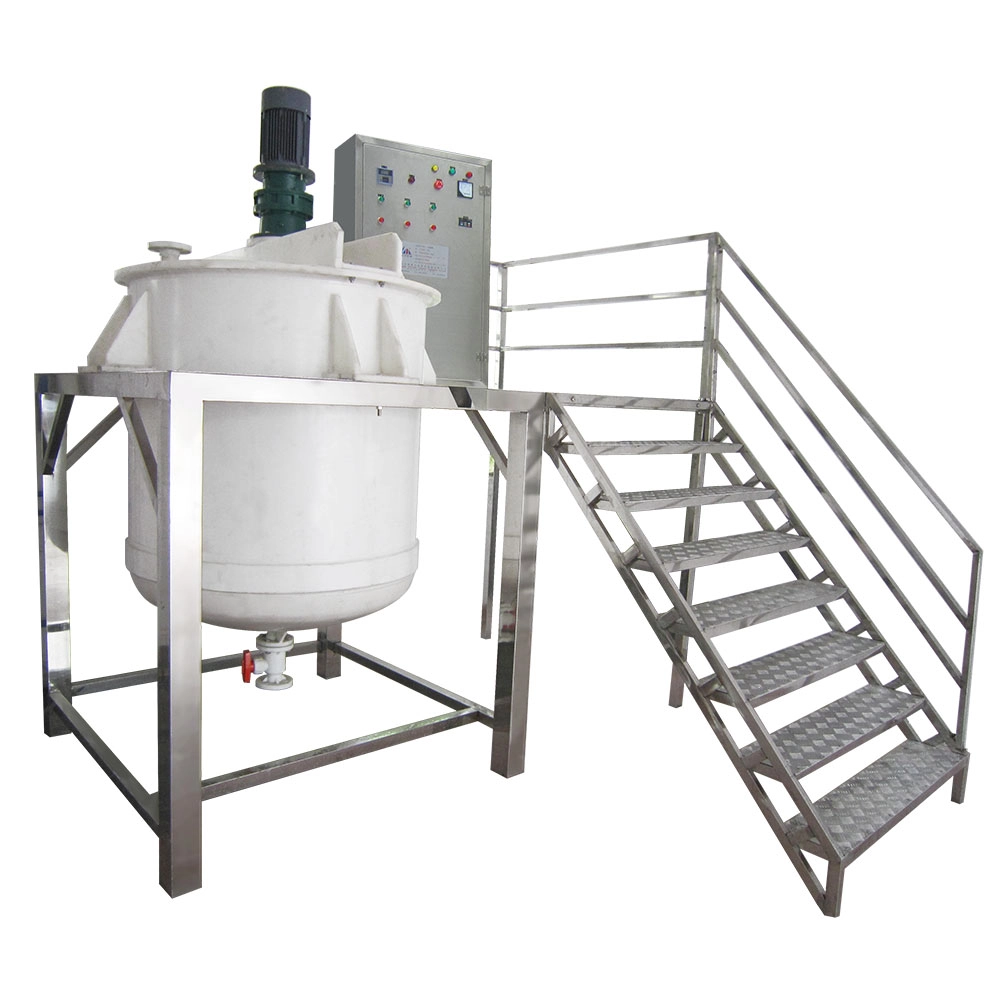
Polypropylene PP Mixing Tank Anti-Corrosion Mixer Reaction Kettle with Agitator Chemical Mixing Vessel
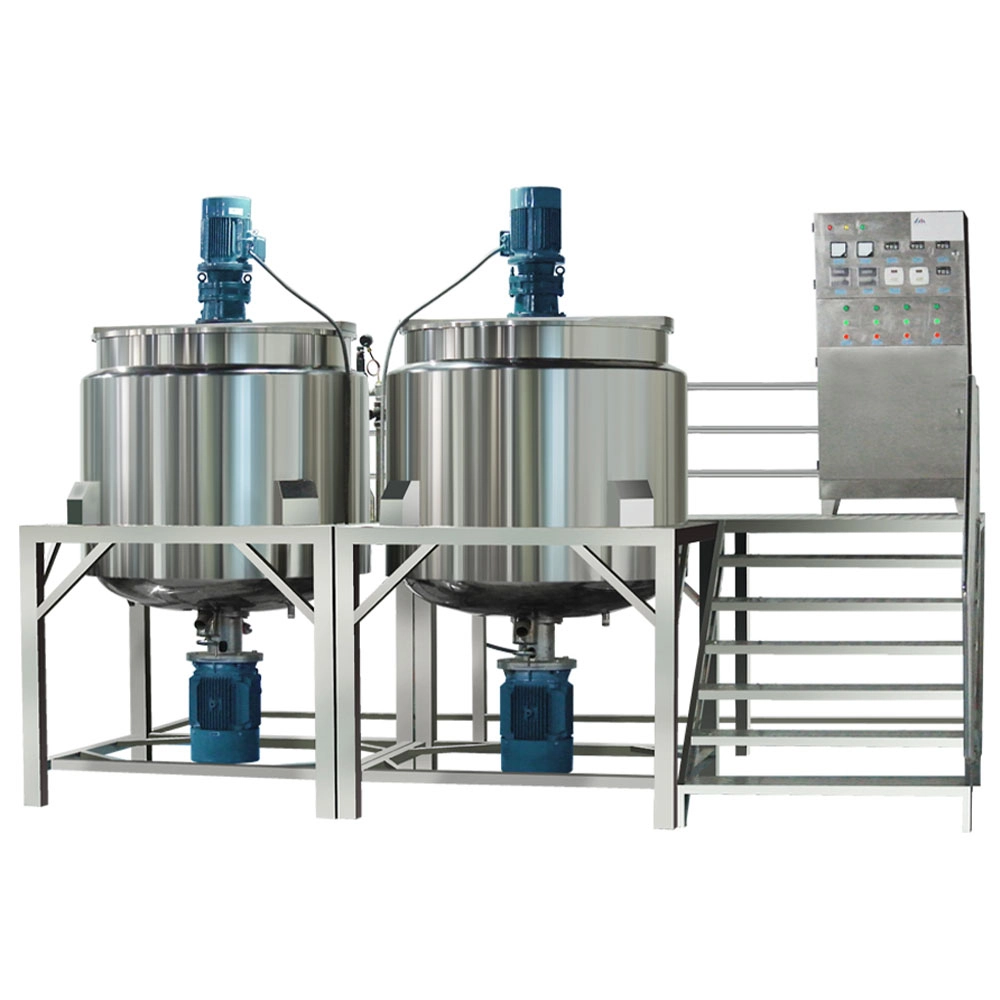
Flip Cover Multi-function Liquid Wash Mixing Tank Blender Liquid Detergent Mixer Homogenization Stirring Tank
Stainless Steel Mixer Liquid Mixing tank with Agitator Homogenizing Mixing tank Vacuum Sealed Mixer Machine
Get in touch with FULUKE
If you have any comments or good suggestions, please leave us a message, later our professional staff will contact you as soon as possible.

A leading manufacturer specializing in advanced machinery and complete production lines for the cosmetics, food, pharmaceutical, and chemical industries worldwide.
Contact FULUKE
Facebook
Instagram
YouTube