
Energy Efficiency Strategies for High-Desalination RO Plants
- Energy Efficiency Strategies for High-Desalination RO Plants
- Overview: industrial reverse osmosis system and the product
- Why energy efficiency matters for high-desalination industrial reverse osmosis system plants
- Design and operational strategies to reduce energy consumption in industrial reverse osmosis system plants
- Pre-treatment optimization to reduce energy waste
- High-recovery system design and staging
- Energy recovery devices (ERDs): the single most effective efficiency lever
- Membrane and system-level improvements for energy savings in industrial reverse osmosis system operations
- Membrane selection and low-pressure, high-flux elements
- Fouling control, CIP and monitoring to sustain low-energy operation
- Process control, automation and active energy management
- Real-time control, variable frequency drives (VFDs) and smart setpoints
- Demand-driven operation and load shifting
- Thermal and hybrid approaches for very high desalination rates
- Using hybrid RO–thermal systems for extreme salinities
- Brine management, water balance and Zero Liquid Discharge (ZLD) considerations
- Brine minimization and energy implications
- Economic and environmental impact: cost-benefit comparison
- Comparative scenarios and energy metrics
- Integration with renewable energy and grid strategies for industrial reverse osmosis system plants
- PV, wind and energy storage pairing
- How the Reverse Osmosis / RO Water Treatment Water Filter System (99% desalination rate) supports energy efficiency
- Product advantages tailored to energy-efficient RO plants
- Operational outcomes and typical savings
- Implementation checklist for operators of industrial reverse osmosis system plants
- Practical steps to maximize energy efficiency
- FAQ — Frequently Asked Questions about energy efficiency and RO systems
- Q: What typical energy savings can I expect after installing an ERD on an industrial reverse osmosis system?
- Q: Can a 99% desalination rate be achieved without enormous energy penalties?
- Q: How often should I perform CIP to keep energy use low?
- Q: What is the role of membranes in reducing energy consumption?
- Q: How should I choose between RO-only and hybrid RO–thermal for my plant?
- Contact & product CTA
- References and authoritative resources
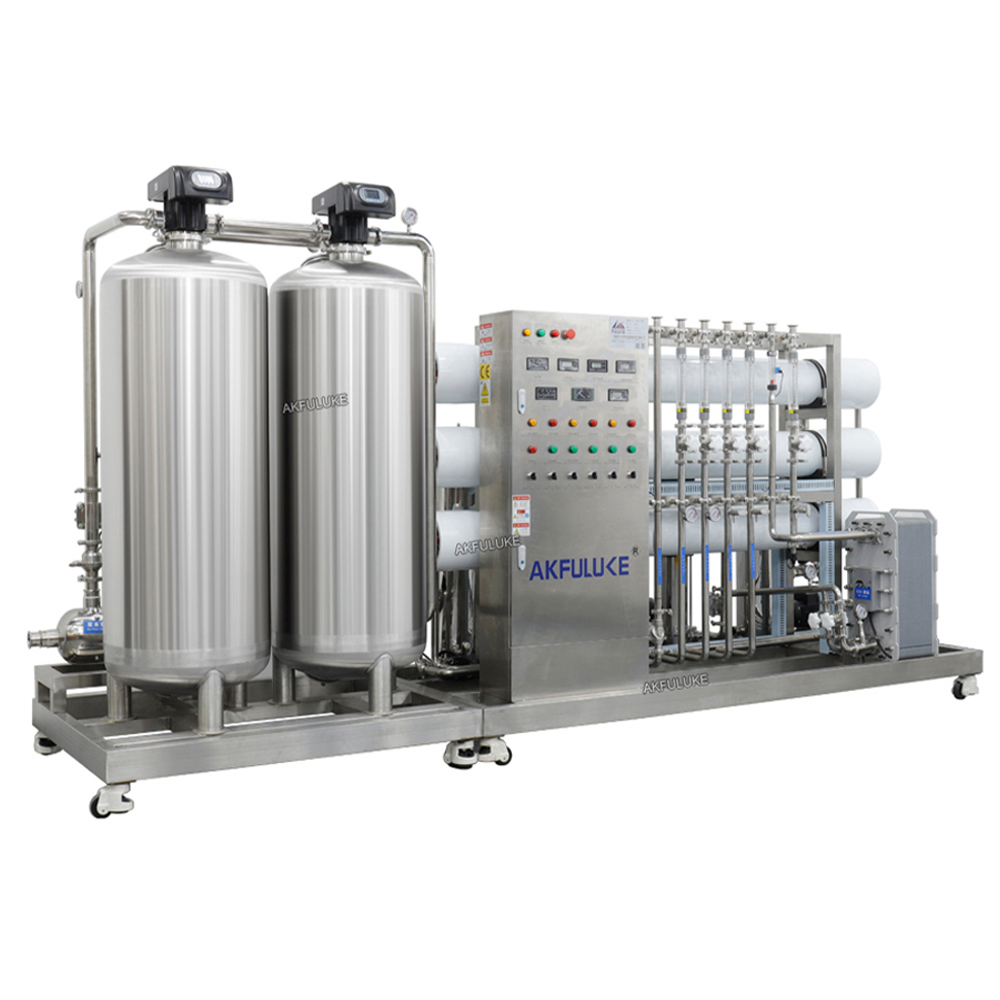
Energy Efficiency Strategies for High-Desalination RO Plants
Overview: industrial reverse osmosis system and the product
Industrial reverse osmosis system performance is a central factor in controlling both operational cost and environmental impact for high-desalination plants. The core product discussed here — Reverse Osmosis / RO Water Treatment Water Filter System 99% Desalination Rate Industrial Purification Filtration Water treatment Machine — is designed to deliver very high salt rejection while maintaining stable, clean water output for demanding industrial uses.
Reverse osmosis (RO) water treatment equipment (reverse osmosis water treatment equipment) is a high-efficiency water purification device based on reverse osmosis membrane separation technology.
Through physical filtration and selective permeation principles, it accurately removes impurities, salts, microorganisms and other harmful substances from raw water. It is widely used in industrial production, domestic drinking water, medical pharmaceuticals, food processing and other fields, providing stable and clean water quality solutions for different scenarios.
<div style=all: initial !important;>
Why energy efficiency matters for high-desalination industrial reverse osmosis system plants
Energy is the largest single operational cost in seawater and high-salinity brackish water desalination. For plants targeting very high desalination rates (for example >95% recovery or targeted 99% desalination for product salinity), inefficiencies rapidly increase pumping energy, membrane fouling risk and concentrate management complexity. Improving energy efficiency reduces kWh/m3, lowers greenhouse gas emissions, and extends membrane life — delivering both economic and sustainability benefits.
Design and operational strategies to reduce energy consumption in industrial reverse osmosis system plants
Pre-treatment optimization to reduce energy waste
Robust feedwater pre-treatment reduces fouling and allows ROs to operate at lower pressures for longer. Key measures include proper media filtration, coagulation/flocculation where needed, ultrafiltration (UF) ahead of RO for challenging waters, and chemical control (antiscalants, pH adjustment). For industrial reverse osmosis system projects, selecting a pre-treatment that minimizes suspended solids and organic load enables lower differential pressures and fewer cleaning cycles — both directly reducing energy use and lifecycle costs.
High-recovery system design and staging
Designing the RO train with appropriate staging (multiple stages or arrays) and high-recovery configurations reduces overall feed flow and pumping energy per unit of permeate. However, pushing single-pass recovery too high increases osmotic pressure and required feed pressure non-linearly. Typical strategy: use 2-stage or 3-stage arrays with inter-stage boosting and recirculation as needed to achieve target recovery while keeping feed pressure within efficient ranges. For industrial reverse osmosis system installations aiming at extremely high desalination rates, staged designs balance recovery and energy by maintaining lower transmembrane pressures in each stage.
Energy recovery devices (ERDs): the single most effective efficiency lever
Energy recovery devices (ERDs) such as isobaric pressure exchangers (PX), turbochargers, and turbine-type devices recover pressure energy from the concentrate stream and transfer it to the feed. For seawater RO, modern PX devices can cut specific energy consumption (SEC) by 40–60% compared with systems without recovery. Selecting the right ERD type and sizing it properly for the plant flow and recovery profile is critical. ERDs also stabilize feed pressure and reduce high-pressure pump sizing, lowering capex and opex.
Membrane and system-level improvements for energy savings in industrial reverse osmosis system operations
Membrane selection and low-pressure, high-flux elements
Membrane technology has advanced to provide higher permeability (flux) and better salt rejection. Choosing membranes with a higher water permeability coefficient (A-value) that are compatible with feedwater composition allows the plant to achieve the same permeate production at lower applied pressure. For industrial reverse osmosis system purchasers, evaluating membranes on both permeability and long-term fouling resistance is important — the lowest energy membrane will not save cost if it fouls rapidly.
Fouling control, CIP and monitoring to sustain low-energy operation
Fouling increases required pressure and energy. Implementing inline diagnostics (pressure drop, normalized permeate flow, salt passage monitoring) and optimized clean-in-place (CIP) regimes reduces irreversible fouling. Effective anti-scalant dosing, periodic forward flushing, and early intervention extend membrane runs and keep SEC low.
Process control, automation and active energy management
Real-time control, variable frequency drives (VFDs) and smart setpoints
Automation enables RO plants to operate at peak efficiency across feed variability. Key items: VFDs on feed and booster pumps to match flow and pressure to instantaneous demand; PID or model-based controllers to optimize setpoints; and supervisory analytics that detect trends (e.g., rising differential pressure) before they become costly. For industrial reverse osmosis system operations, integrating energy-optimized control logic can reduce energy consumption by 5–15% versus fixed-speed operation.
Demand-driven operation and load shifting
When integrated with facility demands and utility tariffs, RO plants can shift non-critical production to lower-cost periods (time-of-use rates) or reduce output during peak grid demand. Combining this with short-term storage or buffer tanks smooths plant operation and maximizes ERD effectiveness.
Thermal and hybrid approaches for very high desalination rates
Using hybrid RO–thermal systems for extreme salinities
For feedwaters where osmotic pressure becomes prohibitively high at the desired recovery (for example hypersaline brines), hybrid systems coupling RO with thermal processes (MED/MVR or thermal brine concentrators) can achieve overall higher recovery with better energy performance than forced single-technology solutions. In many industrial projects, an RO front-end produces low-salinity permeate while a thermal concentrator treats the remaining brine — optimizing the energy type (electric for RO, heat for thermal) and enabling waste-heat utilization.
Brine management, water balance and Zero Liquid Discharge (ZLD) considerations
Brine minimization and energy implications
Higher recovery increases concentrate salinity; managing that brine becomes both an environmental and energy challenge. Brine concentration steps (mechanical vapor recompression or thermal crystallizers) consume energy, so plant designs must weigh energy saved in RO against energy spent in brine concentration. Solutions that lower brine disposal costs while maintaining reasonable energy use include staged concentration with partial thermal treatment and beneficial reuse of concentrated streams.
Economic and environmental impact: cost-benefit comparison
Comparative scenarios and energy metrics
Specific energy consumption (SEC) is the primary metric (kWh per cubic meter of permeate). Below is a simplified comparison illustrating how key measures affect SEC and operating cost. Values are representative ranges; site-specific design will vary.
| Scenario | Estimated SEC (kWh/m3) | Notes |
|---|---|---|
| Baseline RO (no ERD, basic pre-treatment) | 6.0–10.0 | High-energy, frequent cleaning, lower recovery |
| Optimized RO (good pre-treatment, VFDs, good membranes) | 3.5–6.0 | Reduced CIP frequency, lower pressures |
| RO + modern ERD (PX) + automation | 1.8–3.0 | Common for seawater RO with ERD |
| Hybrid RO–thermal with waste-heat utilization | Variable (0.8–3.0 electrical equiv.) | Depends on heat availability and recovery target |
Integration with renewable energy and grid strategies for industrial reverse osmosis system plants
PV, wind and energy storage pairing
Pairing RO with on-site solar PV and battery or with dedicated power purchase agreements (PPAs) reduces grid emissions and hedges energy costs. Short-term storage (batteries or hydraulic) smooths PV output to maintain constant RO feed. For large industrial reverse osmosis system installations, the most economic approach often combines renewables for daytime loads with grid backup for reliability.
How the Reverse Osmosis / RO Water Treatment Water Filter System (99% desalination rate) supports energy efficiency
Product advantages tailored to energy-efficient RO plants
The Reverse Osmosis / RO Water Treatment Water Filter System 99% Desalination Rate Industrial Purification Filtration Water treatment Machine is engineered with features that support lower energy use and higher uptime in industrial deployment:
- High-permeability membrane modules compatible with low-pressure operation to reduce pump energy.
- Modular, staged array design that enables efficient recovery without excessive osmotic pressure penalties.
- Compatibility with standard ERDs (pressure exchangers) and easy integration with VFD-driven pumps for optimized power use.
- Integrated monitoring ports and instrumentation options for differential pressure, normalized flux and conductivity to support predictive maintenance and energy-optimized control.
Operational outcomes and typical savings
In representative industrial deployments, combining this RO system with modern ERDs and VFD control typically reduces SEC by 30–60% compared with older baseline RO systems, shortens downtime for CIP cycles, and lowers total cost of ownership through longer membrane life and reduced chemical consumption.
Implementation checklist for operators of industrial reverse osmosis system plants
Practical steps to maximize energy efficiency
- Confirm feedwater quality and select proper pre-treatment (UF, media filters, antiscalants).
- Choose membranes with appropriate permeability and fouling resistance for the feed type.
- Design staged RO arrays with ERD integration and ensure correct pump and ERD sizing.
- Install VFDs and real-time monitoring for feed/concentrate pressures, flow, and conductivity.
- Set up preventive maintenance and predictive CIP schedules driven by performance metrics.
- Evaluate renewable power options and demand-shifting strategies aligned with utility tariffs.
- Plan brine management early — assess reuse, disposal, or ZLD hybrid solutions based on energy and regulatory costs.
FAQ — Frequently Asked Questions about energy efficiency and RO systems
Q: What typical energy savings can I expect after installing an ERD on an industrial reverse osmosis system?
A: In seawater RO, modern ERDs commonly reduce SEC by 40–60% compared with systems without ERDs. Exact savings depend on recovery, feed salinity, and system design.
Q: Can a 99% desalination rate be achieved without enormous energy penalties?
A: Achieving product salt reduction of 99% (salt rejection) is different from achieving 99% recovery. High salt rejection is standard for quality membranes. Very high recovery (percentage of feed converted to permeate) increases osmotic pressure and energy needs; the plant should be designed with staging, ERDs, or hybrid thermal steps to avoid disproportionate energy penalties.
Q: How often should I perform CIP to keep energy use low?
A: CIP frequency depends on feedwater fouling propensity. Use differential pressure and normalized permeate flow as triggers rather than a fixed calendar interval. Predictive analytics can extend run lengths and sustain low energy operation.
Q: What is the role of membranes in reducing energy consumption?
A: Membranes with higher water permeability allow the same permeate flow at lower applied pressure, lowering pump energy. However, membrane selection must balance permeability with fouling resistance and salt rejection.
Q: How should I choose between RO-only and hybrid RO–thermal for my plant?
A: If feed salinity is moderate and recovery needs are typical, optimized RO with ERD is often the best choice. For extremely high recovery targets or hypersaline feeds, hybrid solutions that leverage available heat sources can be more energy-efficient overall. Conduct a full energy and cost model to decide.
Contact & product CTA
Even the most energy-efficient design must be supported by reliable operations, which is why a structured maintenance plan to maximize uptime of industrial RO units becomes essential.To evaluate how the Reverse Osmosis / RO Water Treatment Water Filter System 99% Desalination Rate Industrial Purification Filtration Water treatment Machine can reduce energy use in your industrial reverse osmosis system, contact our technical sales team for a site assessment, energy audit, and tailored proposal: Contact us: sales@example.com | +1-800-555-RO. View the product and request a datasheet on our product page.
References and authoritative resources
- Reverse osmosis — Wikipedia: https://en.wikipedia.org/wiki/Reverse_osmosis
- Seawater reverse osmosis — Wikipedia: https://en.wikipedia.org/wiki/Seawater_reverse_osmosis
- Pressure exchanger (ERD) — Wikipedia: https://en.wikipedia.org/wiki/Pressure_exchanger
- U.S. Environmental Protection Agency — Desalination and water reuse: https://www.epa.gov/water-research/desalination
- International Desalination Association (IDA): https://idadesal.org/
- International Water Association (IWA): https://iwa-network.org/
For customized performance modeling and an energy-efficiency consultation tailored to your feedwater and production goals, request a technical review from our engineering team.
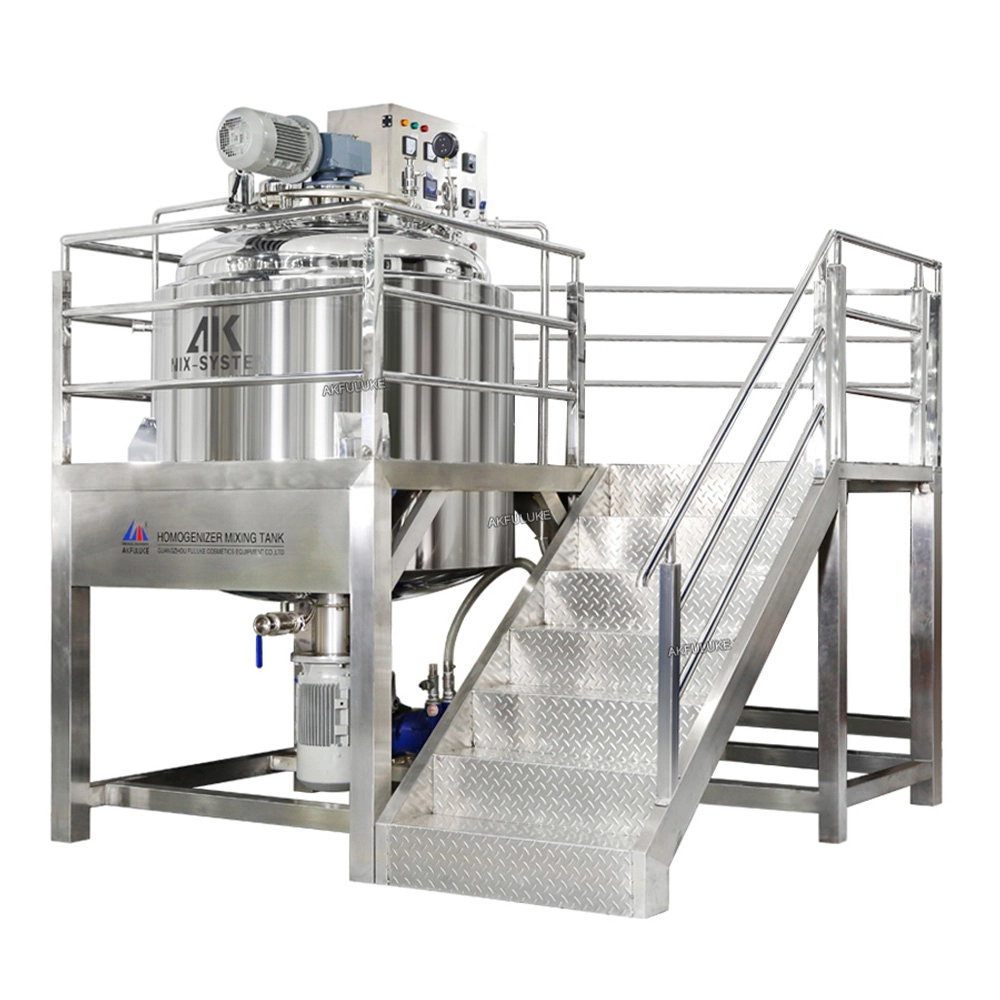
Vacuum Sealed Mixer Machines: Benefits for Sensitive Formulations
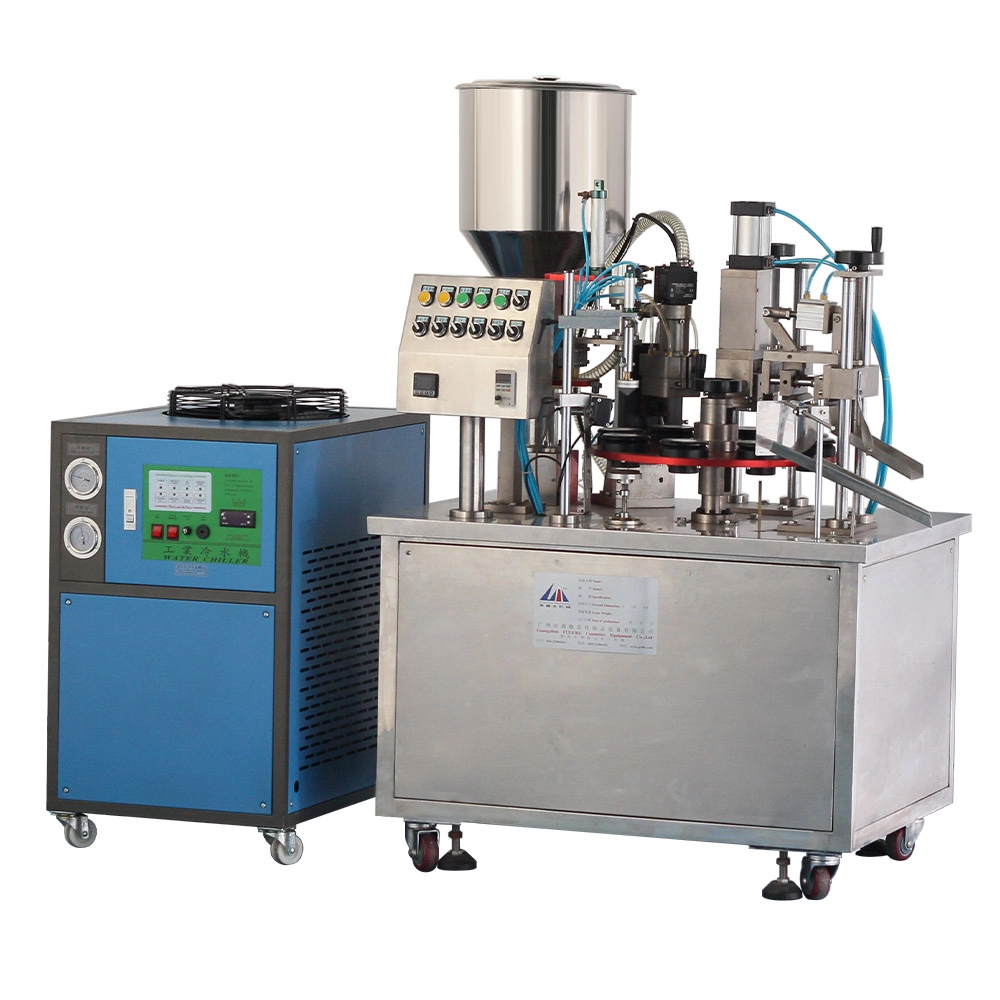
Choosing Servo vs Pneumatic Systems in Tube Filling & Sealing
How to Choose the perfume making machine manufacturer and supplier ?
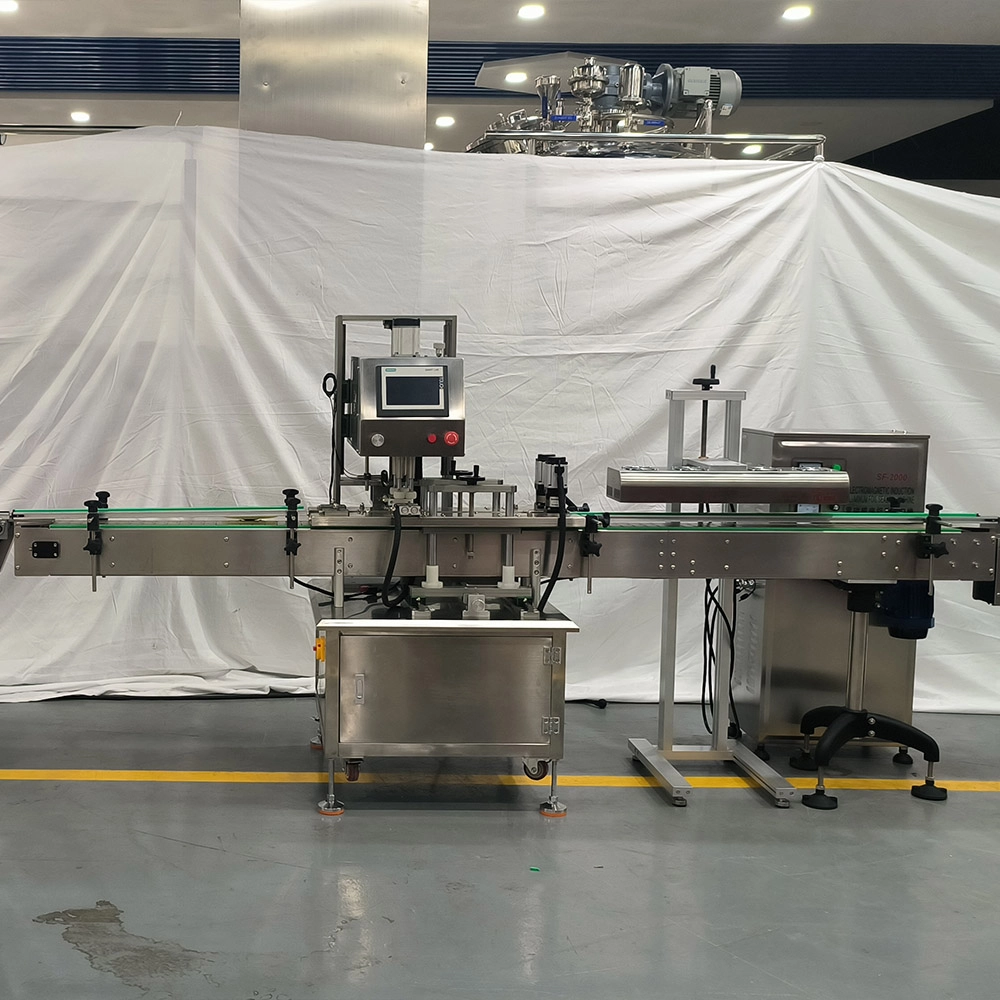
Implementing Safety Interlocks on Filling Equipment
Lift-type Homogenizing Disperser
How often should the disperser and homogenizer be cleaned? How should they be cleaned properly?
Cleaning Frequency: Cleaning is required every time a material is changed to prevent cross-contamination. When the same material is used continuously, cleaning is recommended every 24 hours. Cleaning Method: Rinse with clean water or a suitable solvent (e.g., alcohol for oily materials, clean water for water-based materials). Remove stubborn stains with a soft brush. Avoid scratching with hard objects to avoid damage.
Who are we?
Our headquarters is located in Guangzhou, Guangdong, China, and our factory is located in Yangzhou, Jiangsu. Our products are sold all over the world. We have approximately 50 employees in our company and factory.
Storage Tank
Can you customize the machine?
Of course, we provide customized services according to customer needs.
Film Packaging Machine
This device suddenly shuts down and displays "Abnormal Heat Seal Temperature." What should I do?
First, check the heat seal blade heater for damage. Next, check whether the temperature sensor is in poor contact or malfunctioning. If the hardware is normal, the temperature control module parameters may be abnormal. Restart the device and reset the heat seal temperature (refer to the film material's suitable temperature: BOPP film is typically 120-160°C). If the abnormality persists, contact after-sales service to inspect the temperature control system.
FAQs
What sets FULUKE apart from other cosmetics machinery manufacturers?
You May Also Like
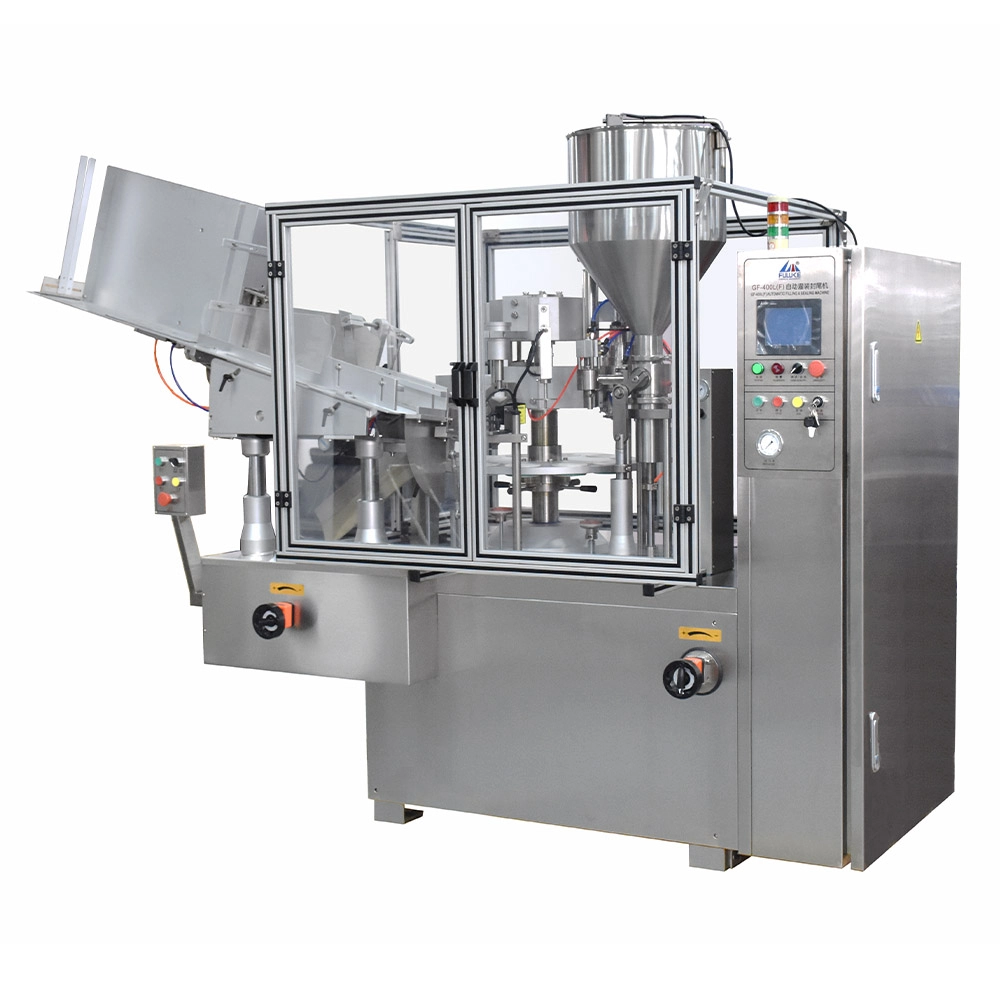
Automatic Tube Filling and Sealing Machine Toothpaste Sunscreen and Facial Cleanser Filling and Sealing Machine for Plastic and Aluminum-plastic Tube
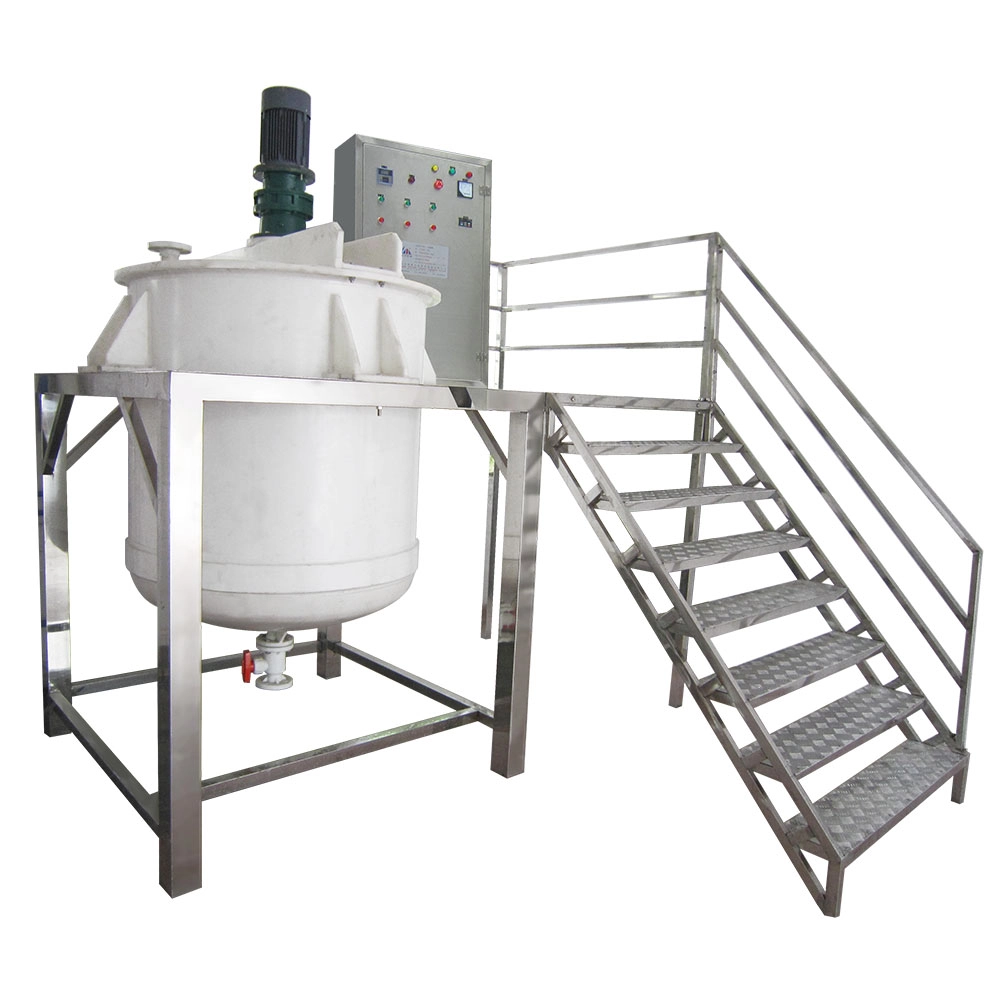
Polypropylene PP Mixing Tank Anti-Corrosion Mixer Reaction Kettle with Agitator Chemical Mixing Vessel
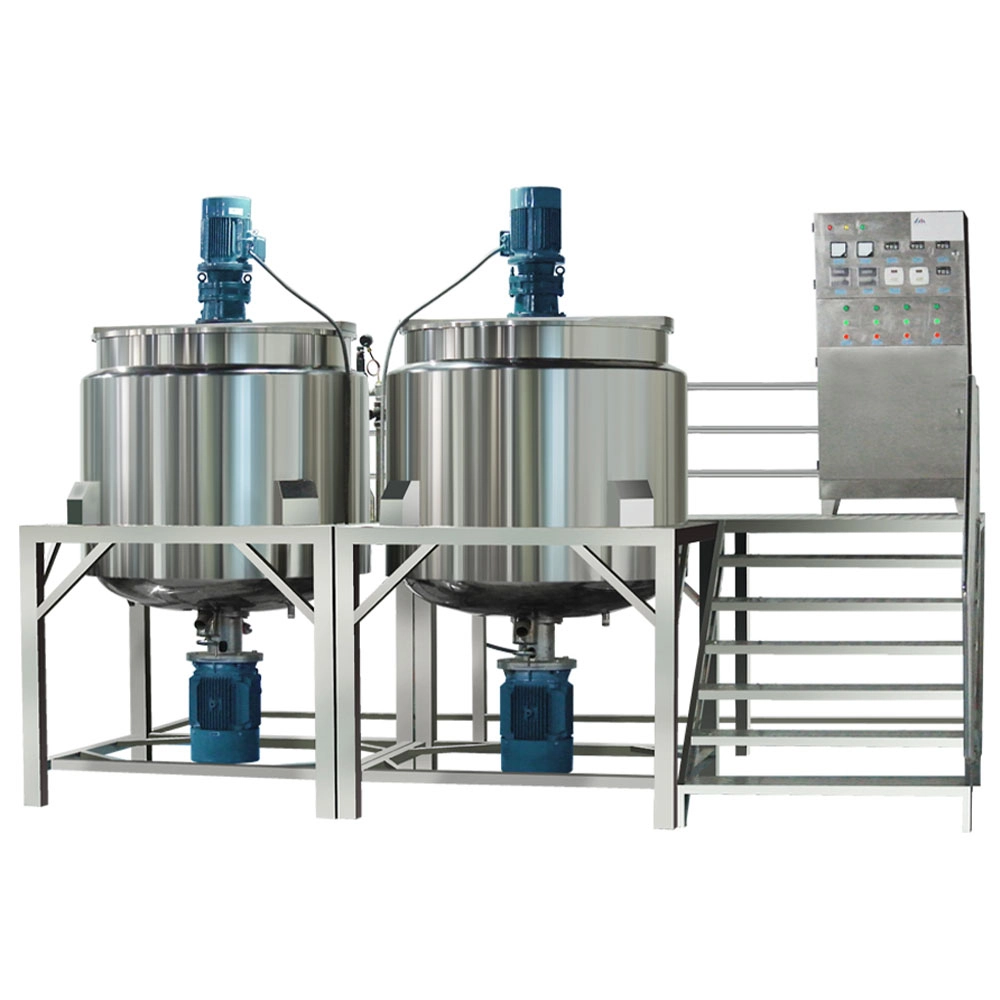
Flip Cover Multi-function Liquid Wash Mixing Tank Blender Liquid Detergent Mixer Homogenization Stirring Tank
Stainless Steel Mixer Liquid Mixing tank with Agitator Homogenizing Mixing tank Vacuum Sealed Mixer Machine
Get in touch with FULUKE
If you have any comments or good suggestions, please leave us a message, later our professional staff will contact you as soon as possible.

A leading manufacturer specializing in advanced machinery and complete production lines for the cosmetics, food, pharmaceutical, and chemical industries worldwide.
Contact FULUKE
Facebook
Instagram
YouTube