
Energy Efficiency Considerations for Filling Equipment
- Why energy efficiency matters for filling equipment
- Energy is a significant recurring cost
- Efficiency affects product quality and compliance
- Key energy-saving technologies for liquid filling machine systems
- Servo-driven filling vs. pneumatic filling
- Intelligent control and recipe optimization
- Variable frequency drives (VFD) and motor optimization
- Operational strategies to reduce energy consumption
- Process scheduling and load management
- Compressed air audit and leak management
- Maintenance, calibration and operator training
- Assessing ROI and measuring results
- Metrics to monitor
- Typical ROI scenarios
- Design and retrofit considerations for cosmetic liquid filling
- Material contact and cleanability
- Heat management for creams and lotions
- Modular and scalable automation
- Standards and authoritative guidance
- Quality and manufacturing practices
- Industry references on filling equipment
- Practical checklist: How to choose or upgrade a liquid filling machine
- Checklist before purchase or retrofit
- Operational handover and acceptance testing
- FAQ — Energy Efficiency and the Automatic Filling Machine
- Q1: How much energy can I save by switching from pneumatics to servo-driven filling?
- Q2: Will a high-precision cream and lotion filling machine increase my throughput?
- Q3: How do I measure the energy performance of a liquid filling machine?
- Q4: Is the Automatic Filling Machine Quantitative Liquid Bottle Filling Machine suitable for GMP environments?
- Q5: What simple operator practices reduce energy use?
This summary highlights energy-efficiency considerations specific to liquid filling machine applications in cosmetics and related industries. It addresses equipment selection, drive types, control strategies, and facility-level measures that reduce energy consumption while preserving fill accuracy, throughput and product integrity. The guidance combines engineering best practices with regulatory expectations to help procurement, production and sustainability teams make data-driven decisions.
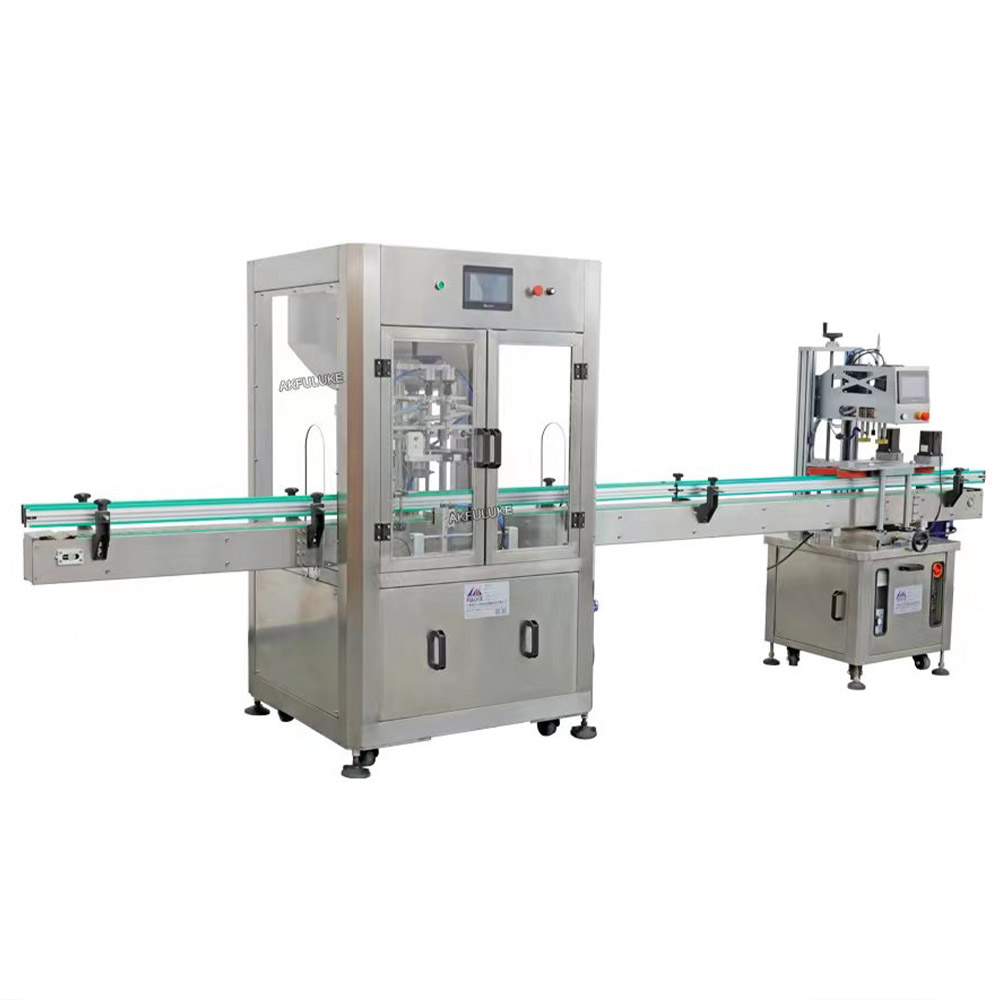
The product below exemplifies how modern equipment design integrates energy-aware components with production needs:
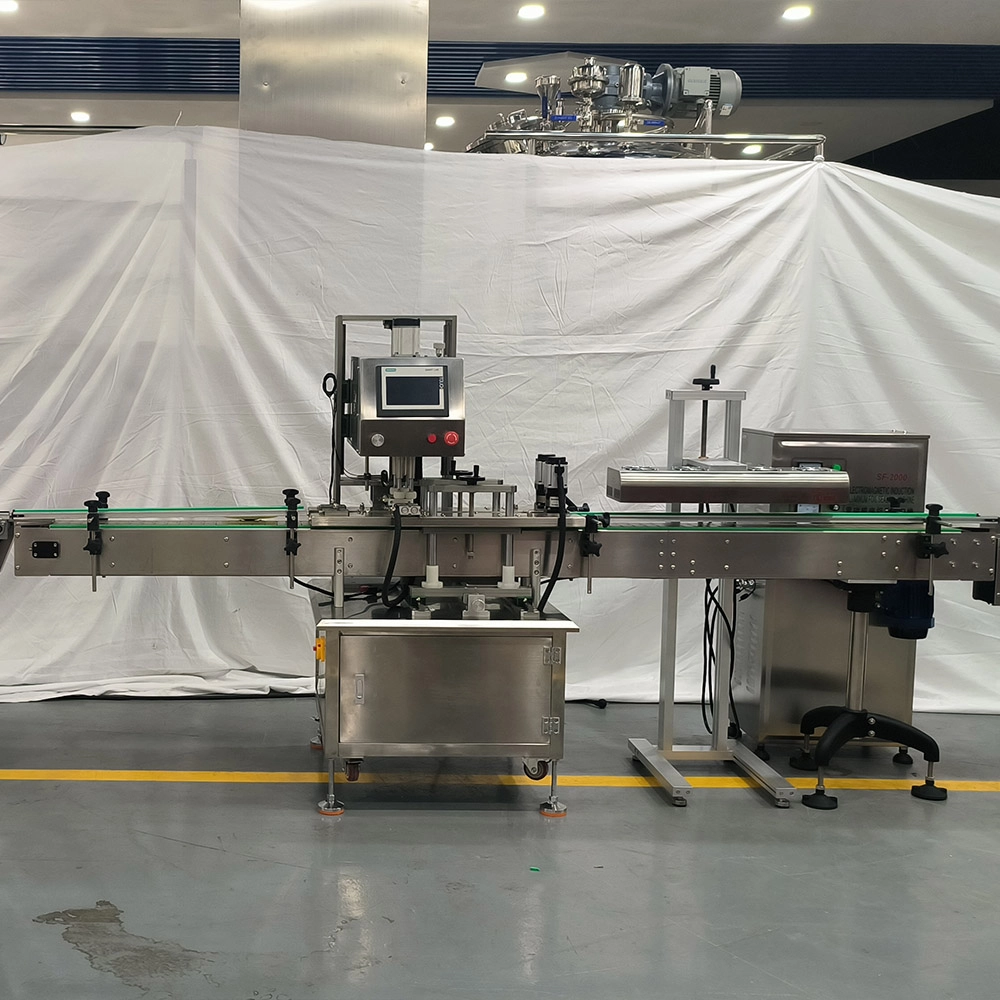
The automatic filling machine integrates automated conveying, precision filling, and intelligent control for packaging creams, lotions, and liquids. Suitable for a variety of containers, including glass and PET bottles, it can fill liquids, emulsions, and pastes with high precision.
Constructed with 316L/304 stainless steel contact components and compliant with GMP standards, it features a touchscreen interface for quick parameter adjustment and completes the entire process without manual intervention. Widely used in the cosmetics, food, daily chemical, pharmaceutical, and chemical industries, it helps companies reduce costs, increase efficiency, and ensure product standardization.
Why energy efficiency matters for filling equipment
Energy is a significant recurring cost
Liquid filling machine energy consumption contributes directly to operating expenses. In facilities with many fillers and downstream systems (conveyors, cappers, labelers), small improvements per machine compound into substantial savings. Beyond cost, reducing energy use supports corporate sustainability targets and lowers greenhouse gas emissions associated with production.
Efficiency affects product quality and compliance
Energy-efficient components (like servo motors and optimized pneumatics) deliver tighter control of dosing and volatile process parameters, improving fill accuracy and reducing overfill waste. This supports compliance with GMP expectations and quality management systems such as ISO 9001 and ISO energy management principles provided by ISO 50001.
Key energy-saving technologies for liquid filling machine systems
Servo-driven filling vs. pneumatic filling
Choosing the drive type is one of the most influential decisions for energy efficiency. Servo-driven volumetric or piston fillers convert electrical energy into precise linear motion, using power only when moving and allowing recovery/regenerative features on some drives. Pneumatic systems rely on compressed air, which is energy-intensive due to compressor inefficiencies and distribution losses.
Typical energy characteristics:
| Technology | Typical energy use | Advantages | Considerations |
|---|---|---|---|
| Servo-driven filling | Low to moderate — power used on motion; regenerative systems reduce peak draw | High precision, flexible recipes, energy recovery possible | Higher initial cost; requires electrical control expertise |
| Pneumatic filling | High — compressor energy and leaks increase consumption | Simple and robust; lower machine cost | Less precise; higher operating cost due to compressed air |
| Mechanical cam / link-driven | Moderate — constant motor draw independent of motion profile | Simple maintenance; predictable operation | Less flexible; potential over-consumption during idle cycles |
Intelligent control and recipe optimization
Modern PLCs and touchscreens (as in the Automatic Filling Machine Quantitative Liquid Bottle Filling Machine High-precision cream and lotion filling machine) let operators switch recipes quickly, minimize trial runs, and run optimized motion profiles. Smart controls reduce unnecessary cycles, decrease idle motion, and can stage auxiliary equipment (conveyors, ancillaries) to run only when product flow requires, saving energy on the whole line.
Variable frequency drives (VFD) and motor optimization
Applying VFDs to conveyors, pumps and motors provides proportional control of speed and torque to match production demand. For example, slowing conveyors during low-speed runs reduces motor draw and wear. VFDs also reduce starting current, extending motor life and lowering electrical demand peaks billed by utilities.
Operational strategies to reduce energy consumption
Process scheduling and load management
Plan production to minimize frequent start/stop cycles. Batch sequencing can reduce temperature changes in heated tanks and avoid repeated warm-up cycles for pumps and heaters. Coordinate filler operation with upstream mixing and downstream capping to avoid idling conveyors and heaters.
Compressed air audit and leak management
For lines using pneumatic actuators, conduct regular compressed air audits. Leaks can account for 20–30% of compressor output in poorly maintained systems. Fixing leaks, lowering pressure setpoints and installing storage buffers reduce compressor runtime and electricity consumption. Use local solenoid placement and efficient ejector designs to lower air demand.
Maintenance, calibration and operator training
Well-maintained filling heads, pumps and seals reduce friction and wasted cycles. Routine calibration reduces overfilling which is a direct product loss and indirect energy waste (more product to process and package). Train operators on energy-aware practices: shutting ancillaries during breaks, using energy-saving modes when available, and minimizing test fills.
Assessing ROI and measuring results
Metrics to monitor
Track kWh per 1,000 bottles, average fill accuracy (ml deviation), and overfill/underfill rates. Monitor machine run hours and idle hours separately. Compare energy use before and after retrofits to calculate payback periods. Use submetering where possible to isolate the liquid filling machine and related ancillaries.
Typical ROI scenarios
Below are example, indicative comparisons for retrofit decisions. Actual values vary by plant and machine usage.
| Measure | Estimated energy saving | Estimated payback (typical) |
|---|---|---|
| Replace pneumatic actuators with servo-driven fillers | 20–50% energy reduction for dosing subsystems | 1–3 years (depending on runtime and energy cost) |
| Install VFDs on conveyors and pumps | 10–30% savings on motor loads | 1–2 years |
| Compressed air leak repair and pressure optimization | 10–40% compressor energy saving | Months to 1 year |
Design and retrofit considerations for cosmetic liquid filling
Material contact and cleanability
Energy-efficient cleaning is part of the equation. Machines constructed with 316L/304 stainless steel and designed for easy CIP (clean-in-place) reduce water and energy used in cleaning cycles. Shorter and optimized CIP sequences reduce heating and pump usage while maintaining GMP-compliant cleanliness — a key requirement outlined by regulatory guidance such as the U.S. FDA on cosmetics and WHO GMP principles (WHO GMP).
Heat management for creams and lotions
Many creams and lotions require temperature control to maintain viscosity. Use insulated tanks, efficient circulation pumps, and local heaters with PID control to minimize energy used for heating. Consider waste heat recovery from nearby processes or centralized HVAC to reduce net plant heating demand.
Modular and scalable automation
Invest in modular fillers that allow scaling throughput by adding lanes or modules rather than operating multiple full machines. This reduces baseline energy use during low-demand periods and enables right-sizing of production to demand.
Standards and authoritative guidance
Quality and manufacturing practices
Adhere to recognized standards that intersect with energy efficiency and product quality. ISO 9001 provides a framework for quality management (ISO 9001), while GMP principles guide sanitary design and process control (WHO GMP).
Industry references on filling equipment
For background on filling machine types and principles, see the general overview on filling machines (Filling machine — Wikipedia). For energy management systems that support continuous improvement of energy performance, reference ISO 50001.
Practical checklist: How to choose or upgrade a liquid filling machine
Checklist before purchase or retrofit
- Define throughput and accuracy requirements (bottles/min, ml tolerance).
- Quantify current energy use (kWh/1000 bottles) and baseline operating costs.
- Evaluate drive types: favor servo-driven or hybrid solutions for high-precision, energy-sensitive lines.
- Confirm materials and GMP-compliant contact parts (316L/304 stainless steel as appropriate).
- Check compatibility with existing conveyors, cappers and labeling systems to avoid duplicate ancillaries.
Operational handover and acceptance testing
During FAT/SAT, measure energy consumption at representative speeds and products. Validate fill accuracy across the recipe range and document energy metrics for future ROI calculations. Ensure operators receive training on energy-saving modes and preventive maintenance schedules.
FAQ — Energy Efficiency and the Automatic Filling Machine
Q1: How much energy can I save by switching from pneumatics to servo-driven filling?
A1: Savings vary, but manufacturers typically see a 20–50% reduction in dosing subsystem energy. Total line savings depend on the share of pneumatic usage; combined with compressed air leak reduction and VFDs, overall plant energy decreases more significantly.
Q2: Will a high-precision cream and lotion filling machine increase my throughput?
A2: Yes. High-precision machines reduce rejects and changeover time. Servo-driven fillers allow faster acceleration and deceleration profiles, enabling higher line speeds without sacrificing accuracy.
Q3: How do I measure the energy performance of a liquid filling machine?
A3: Use dedicated sub-meters to record kWh for the machine and key ancillaries. Normalize metrics to production (e.g., kWh per 1,000 bottles). Track over time to validate improvements after retrofits.
Q4: Is the Automatic Filling Machine Quantitative Liquid Bottle Filling Machine suitable for GMP environments?
A4: Yes. It uses 316L/304 stainless steel contact components and is designed for GMP-compliant production. Confirm specific documentation (material certificates, cleaning validation protocols) during purchase.
Q5: What simple operator practices reduce energy use?
A5: Minimize idle running, use machine standby modes, consolidate batches to reduce changeovers, and perform regular leak and maintenance checks on compressors and motors.
For more details on how the Automatic Filling Machine Quantitative Liquid Bottle Filling Machine High-precision cream and lotion filling machine can reduce energy and improve your production, contact our sales team or view the product page. Our experts can run an energy-savings assessment and provide a tailored ROI analysis.
Contact us: Reach out to our sales engineers for a consultation or to book a demo. View product specifications and request a quote today.
Quantitative Bottle Filling: Improve Accuracy for Creams
Spec Checklist: Capacity, Recovery, and Water Quality for RO
Optimizing Cycle Times for Higher Throughput
Material Compatibility: Formulas and Tubes for Filling Machines
Lift-type Homogenizing Disperser
Why is the equipment suddenly noisier during operation?
There are three common causes: First, the disperser disc is colliding with the container wall, requiring the machine to be stopped and adjusted for lift height or container position; second, the motor bearings are worn, requiring inspection and replacement if wear is severe; and third, hard impurities (such as metal particles) may be mixed into the material, requiring the machine to be stopped and cleaned to prevent damage to the disperser disc.
Automatic Tube Filling and Sealing Machine
Can the device accommodate tubes of different materials and specifications?
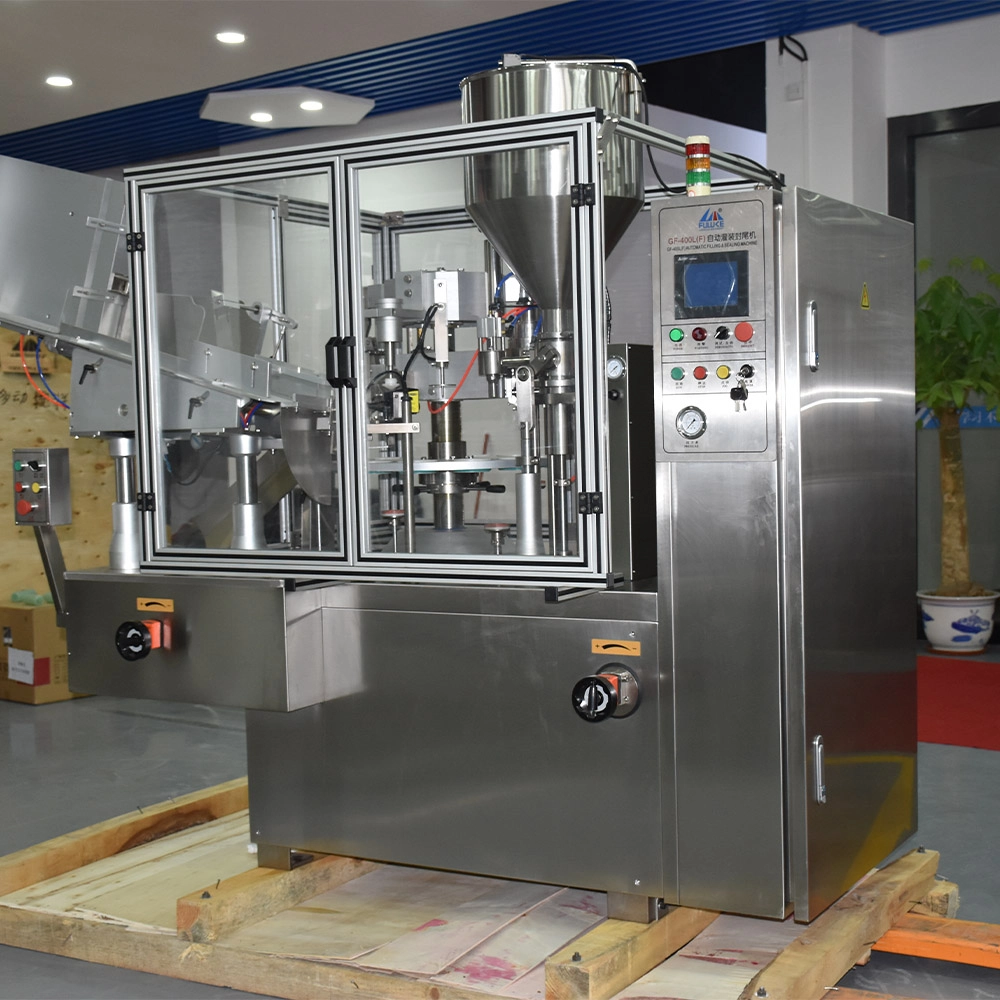
Yes. The device supports plastic (PE, PP) and aluminum-plastic composite hoses. The compatible hose diameter range is typically Φ10-Φ60mm (customizable to user specifications), and the capacity range is 2.5ml-400ml. By replacing specialized molds (such as cylinders and filling heads), the device can be adapted to meet different filling volumes, providing flexible adaptability.
Automatic Labeling Machine
What types of bottles can this automatic labeling machine label?
It can label flat, round, and square bottles on one side, two sides, or even all around.
Perfume Freezing Filter Making Machine
Who are we?
Our headquarters is located in Guangzhou, Guangdong, China, and our factory is located in Yangzhou, Jiangsu. Our products are sold all over the world. We have approximately 50 employees in our company and factory.
Storage Tank
How do I choose the right storage tank material?
Select based on the characteristics of the storage medium. For example, 316L stainless steel is preferred for food storage, while 304 or PE can be used for general water storage.
You May Also Like
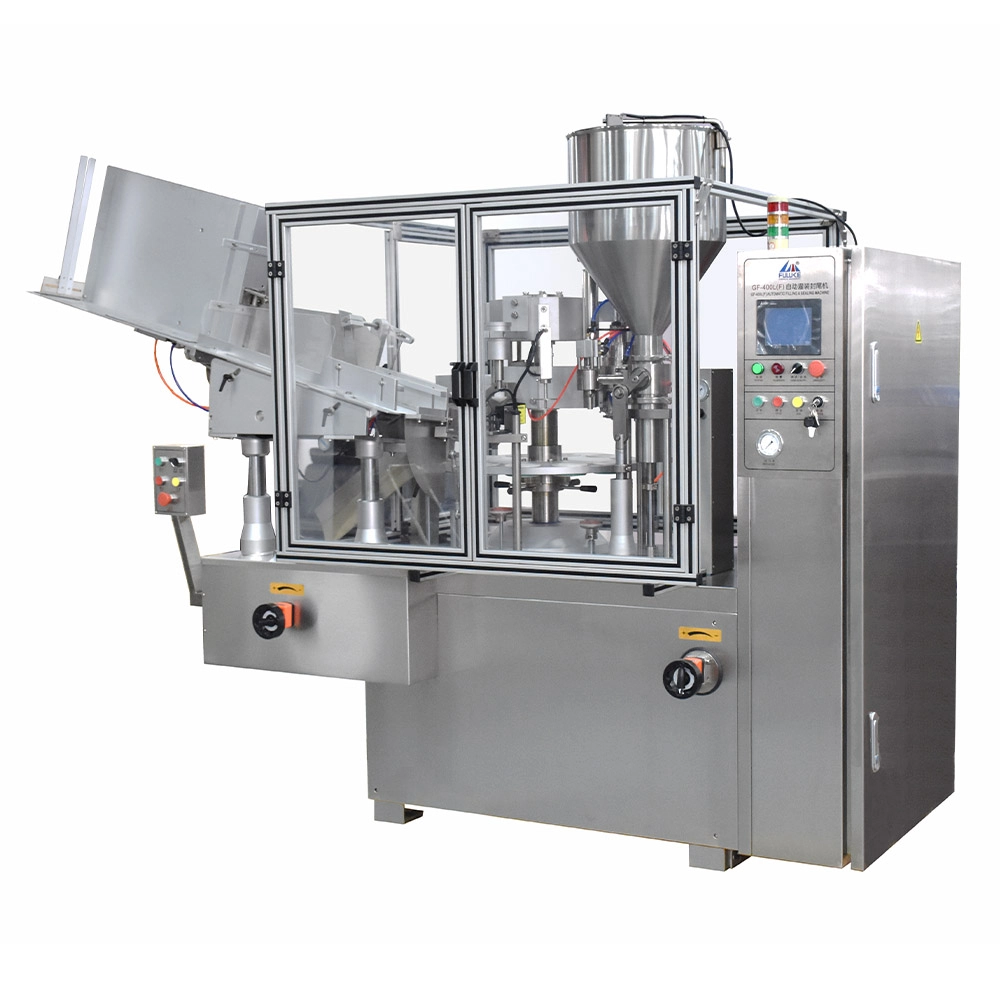
Automatic Tube Filling and Sealing Machine Toothpaste Sunscreen and Facial Cleanser Filling and Sealing Machine for Plastic and Aluminum-plastic Tube
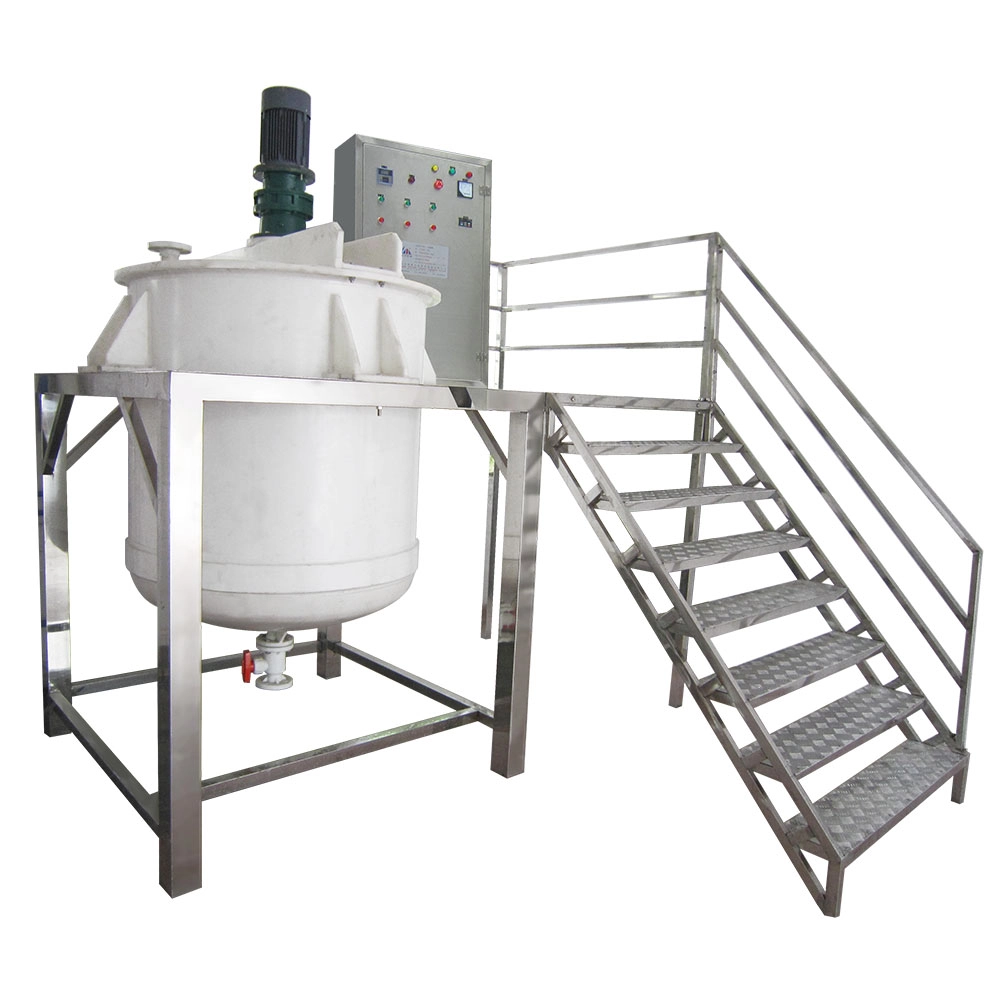
Polypropylene PP Mixing Tank Anti-Corrosion Mixer Reaction Kettle with Agitator Chemical Mixing Vessel
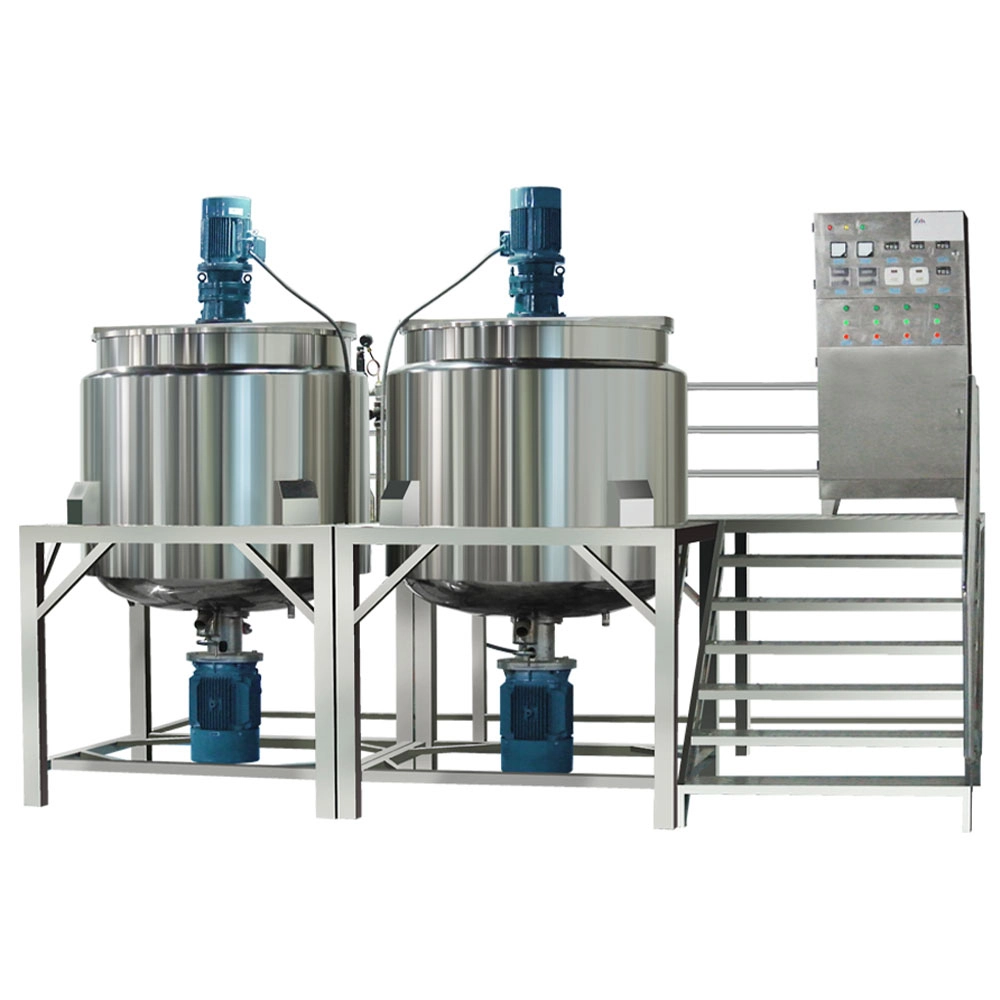
Flip Cover Multi-function Liquid Wash Mixing Tank Blender Liquid Detergent Mixer Homogenization Stirring Tank
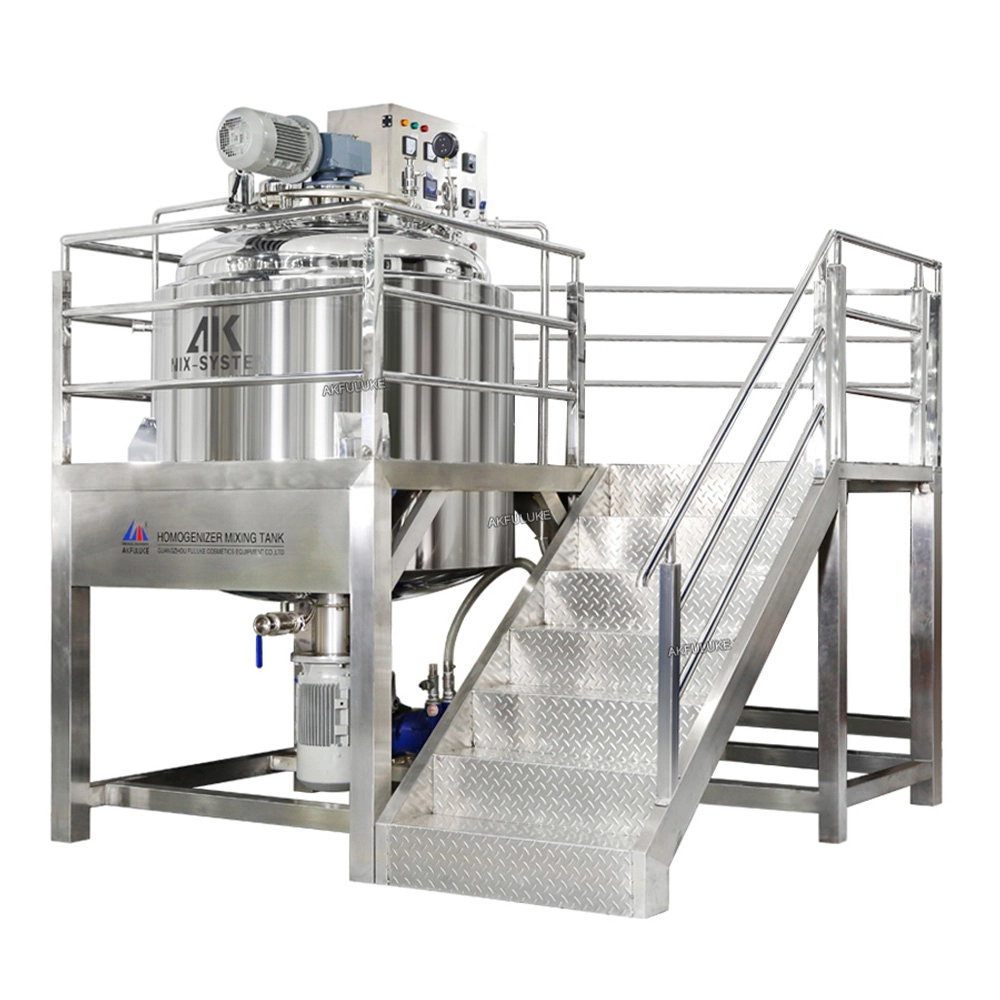
Stainless Steel Mixer Liquid Mixing tank with Agitator Homogenizing Mixing tank Vacuum Sealed Mixer Machine
Get in touch with FULUKE
If you have any comments or good suggestions, please leave us a message, later our professional staff will contact you as soon as possible.

A leading manufacturer specializing in advanced machinery and complete production lines for the cosmetics, food, pharmaceutical, and chemical industries worldwide.
Contact FULUKE
Facebook
Instagram
YouTube