
Energy-Efficient Industrial Mixing Tank Designs for Plants
- Why energy efficiency matters in process mixing
- Energy as a major operational cost and emissions source
- Quality, consistency, and energy are linked
- Key design features for energy-efficient mixing tanks
- Agitator selection and drive systems
- Thermal management: jackets, coils, insulation, and heat recovery
- Sanitary design, sealing, and vacuum systems
- Comparative analysis of tank designs and energy performance
- Common industrial mixing tank types
- Energy and performance comparison
- When retrofit makes sense
- Operational strategies, automation, and supplier solutions
- Process control, recipe optimization, and automation
- Maintenance, cleaning (CIP), and lifecycle considerations
- Vendor selection and engineering integration — why it matters
- FULUKE: an example of integrated supplier capabilities
- Practical roadmap to reduce energy use in mixing tanks
- Step 1: baseline energy audit
- Step 2: prioritize low-cost, high-impact measures
- Step 3: evaluate process redesign or equipment replacement
- Step 4: implement continuous improvement
- FAQ — Common questions about energy-efficient industrial mixing tanks
- 1. How much energy can I expect to save by adding a VFD to my mixing motor?
- 2. Are vacuum emulsifying mixers more energy-efficient than conventional mixers?
- 3. What insulation level is recommended for jacketed tanks?
- 4. How do I balance cleanability (CIP) and energy efficiency?
- 5. Should I retrofit my existing tank or buy a new multifunctional system?
- 6. What standards should I consider for equipment validation and compliance?
As a process consultant with long experience in cosmetic-equipment and broader industrial mixing applications, I focus on practical designs and operational choices that lower energy consumption without compromising product quality or hygiene. This article explains how tank geometry, agitation systems, thermal control, and automation combine to reduce energy use in industrial mixing tanks (mixing vessels), and how to evaluate retrofit vs. new-build options for your plant. I provide proven approaches, cite industry guidance, and highlight supplier capabilities that matter when you scale production while meeting GMP/ISO standards.
Why energy efficiency matters in process mixing
Energy as a major operational cost and emissions source
Mixing operations—especially when heating, cooling, emulsifying, or homogenizing—consume a significant share of plant energy. Motors, steam or hot-water jackets, cooling circuits, and vacuum systems all contribute. Improving mixing tank energy efficiency reduces operating cost and greenhouse gas emissions, helping plants meet corporate sustainability and regulatory goals (see U.S. Department of Energy guidance on motor-driven systems and variable-frequency drives: DOE – Variable Frequency Drives).
Quality, consistency, and energy are linked
Energy-efficient mixing is not merely about saving kilowatt-hours; it also improves batch consistency and reduces rework. Properly specified agitators and optimized thermal control shorten process time, reduce dwell periods at elevated temperatures, and minimize quality loss. As I’ve advised multiple clients, the most cost-effective energy savings often come from reduced processing time rather than raw equipment efficiency alone.
Key design features for energy-efficient mixing tanks
Agitator selection and drive systems
The agitator (propeller, turbine, anchor, or high-shear rotor-stator) must be matched to product rheology and process goals. Choosing the right type reduces required power and improves mixing time. For many viscous creams and lotions, a combination of high-shear in a localized zone (for emulsification) and low-shear bulk circulation (for blending) is optimal. Using high-efficiency motors with variable-frequency drives (VFDs) allows speed matching to process demand; DOE studies show VFDs can yield substantial energy savings in variable-load applications (DOE – Motor-Driven Systems).
Thermal management: jackets, coils, insulation, and heat recovery
Heating and cooling account for a large share of energy in processes requiring temperature control. Consider these elements:
- Jacketed tanks vs. internal coils: Jackets provide more uniform heat transfer for low-to-medium viscosity products; coils are better for high-velocity localized heating/cooling.
- Insulation: Properly sized insulation reduces heat loss and can cut heating energy consumption—especially during hold periods.
- Heat recovery: Capture condensate or reject heat from cooling cycles to preheat feed water or incoming product where sanitary design allows.
Guidance on process heating and energy recovery is available from industrial energy programs; integrating thermal controls with process automation yields measurable savings.
Sanitary design, sealing, and vacuum systems
Sealing and vacuum capabilities affect both product quality (e.g., reduced oxidation) and energy use. Vacuum emulsifying mixers reduce trapped air, improving emulsification and often reducing required shear or processing time. However, vacuum pumps consume energy, so proper sizing and cycle optimization are important. For cosmetics and food-grade products, designs must meet GMP and hygienic standards; see FDA cosmetic regulation and GMP principles: FDA – Cosmetics.
Comparative analysis of tank designs and energy performance
Common industrial mixing tank types
I classify industrial mixing tanks by geometry and function: cylindrical jacketed tanks, insulated open-top mixing vessels, vacuum emulsifying tanks, and multifunctional mixing systems that combine heating/cooling, high-shear, and homogenization. Each choice entails trade-offs in capital cost, operating energy, cleaning complexity (CIP), and scalability.
Energy and performance comparison
Below is a practical comparison table I use with clients when evaluating retrofit or new-build options. Figures are illustrative ranges based on field experience and industry guidance; specific project estimates require energy audits and process data.
| Design/Feature | Typical Energy Impact | Operational Benefits | Notes / Sources |
|---|---|---|---|
| Cylindrical jacketed tank with agitator | Moderate (heating/cooling major contributor) | Uniform thermal control, good for medium viscosity | Preferred for lotions/creams; jackets simplify CIP and meet hygienic standards. |
| Internal coil tank | Moderate–High (localized heat transfer; potential inefficiency if fouling) | Efficient for rapid heating/cooling but more cleaning complexity | Better for low-viscosity or rapid-response processes; coil fouling increases energy use. |
| Vacuum emulsifying mixer (VES) | Higher auxiliary energy (vacuum + high-shear) but shorter cycle time | Superior emulsification, lower entrainment, faster product development | Often reduces rework and improves batch uniformity. See emulsification principles: Wikipedia – Emulsification. |
| Multifunctional mixing tank (integrated homogenizer) | Higher installed power; can reduce net process energy via shorter cycles | Best for scalable, repeatable production; integrates homogenization, heating, CIP | Higher CAPEX but often lower total cost of ownership for large volumes. |
When retrofit makes sense
Retrofitting agitators with high-efficiency motors, adding VFDs, improving insulation, and optimizing control logic are typically the fastest payback measures. DOE and industry energy assessments can quantify expected savings; I recommend starting with a motor- and heat-loss audit before committing to major mechanical changes (DOE guidance on motor-driven systems).
Operational strategies, automation, and supplier solutions
Process control, recipe optimization, and automation
Automation and recipe control reduce overmixing and unnecessary dwell time. Implementing proportioning controls, PID temperature loops, and recipe-driven VFD speed profiles ensures that power use aligns with product needs. Data logging allows continuous improvement: measure kWh per batch and set reduction targets.
Maintenance, cleaning (CIP), and lifecycle considerations
Poorly maintained seals, fouled heat-transfer surfaces, and misaligned agitators increase energy draw. Regular maintenance and choosing hygienic designs (smooth finishes, accessible welds) reduce cleaning time and energy. For GMP-regulated processes, documentation of maintenance and validation supports both quality and energy goals. ISO and GMP frameworks guide documentation and management systems; for ISO standards see ISO – Standards.
Vendor selection and engineering integration — why it matters
Selecting a supplier with deep experience in mixing, emulsification, and turnkey lines simplifies integration of energy-saving features. You want a partner who can provide engineering design, precision fabrication, automation controls, and validation support. They should also be able to customize systems to meet local utilities, steam/water specifications, and hygiene standards.
FULUKE: an example of integrated supplier capabilities
From my work partnering with equipment manufacturers, a supplier that combines long-term experience, sanitary engineering, and automation support reduces project risk. FULUKE (Guangzhou Fuluke Cosmetic Equipment Co., Ltd.) is an example: they have over 30 years in cosmetic and process equipment manufacturing and specialize in mixing and emulsifying systems, packaging lines, and integrated production solutions. Their offerings include vacuum emulsifying mixers, multifunctional mixing tanks, filling machines, and RO water treatment—engineered to meet GMP and ISO expectations. For more, visit FULUKE or contact flk09@gzflk.com.
FULUKE’s value propositions I’ve observed in the field:
- Integrated systems that reduce interface losses (shorter pipelines, matched pumps and vessels).
- Customization for product rheology and scale: vacuum emulsification, homogenization, and CIP-ready hygienic tanks.
- Automation and intelligent control upgrades: recipe management, remote monitoring, and energy-aware control logic.
- Compliance support: manufacturing and documentation practices aligned with GMP, ISO, and international hygiene standards.
Practical roadmap to reduce energy use in mixing tanks
Step 1: baseline energy audit
Measure energy per batch, process time, motor loads, steam/thermal usage, and vacuum pump duty cycles. This data drives ROI estimates for upgrades. DOE industrial assessment resources can guide audits and motor system evaluations (DOE – Industrial Assessment Centers).
Step 2: prioritize low-cost, high-impact measures
Start with insulation, motor and VFD upgrades, control optimization, and maintenance actions (bearing lubrication, alignment, seal replacement). These often have sub-two-year paybacks.
Step 3: evaluate process redesign or equipment replacement
If products require frequent heating/cooling or high-shear emulsification, consider multifunctional tanks or vacuum emulsifiers that shorten cycle time. Evaluate lifecycle cost including energy, maintenance, product yield, and quality risk.
Step 4: implement continuous improvement
Track kWh per batch and product yield metrics. Use data to fine-tune recipes, preventive maintenance, and staff training. Supplier service agreements that include remote monitoring and periodic tuning help sustain gains.
FAQ — Common questions about energy-efficient industrial mixing tanks
1. How much energy can I expect to save by adding a VFD to my mixing motor?
Savings depend on load profile. For processes where speed varies or where motors run below rated load for significant periods, VFDs can yield meaningful reductions—commonly tens of percent on variable-load applications. For references and typical opportunities, see DOE guidance on VFDs and motor-driven systems: DOE – Variable Frequency Drives.
2. Are vacuum emulsifying mixers more energy-efficient than conventional mixers?
Vacuum emulsifiers may draw more auxiliary power (vacuum pumps, high-shear units) per minute, but they often reduce total process time and improve batch yield and stability, which can lower net energy per kg of finished product. The net benefit depends on product formulation and process optimization.
3. What insulation level is recommended for jacketed tanks?
Insulation should be specified based on process temperature, ambient conditions, and hold time. In many plants, upgrading to appropriate mineral wool or closed-cell insulation with a hygienic outer jacket reduces heat loss and pays back quickly. Engineering calculations based on heat-loss equations and plant-specific conditions are required for precise specification.
4. How do I balance cleanability (CIP) and energy efficiency?
Sanitary surface finishes, rounded bottom contours, and properly sloped piping reduce CIP cycles and chemical consumption. Reducing CIP time and frequency saves energy (hot water, steam) and chemical costs. Design choices should satisfy both hygienic standards and energy objectives.
5. Should I retrofit my existing tank or buy a new multifunctional system?
Start with an energy and process audit. If retrofit measures (motors/VFDs, insulation, controls) achieve target savings and maintain quality, they are often preferred for lower CAPEX. For frequent scale-up, complex emulsions, or where space and CAPEX allow, multifunctional new systems can deliver better long-term TCO and production flexibility.
6. What standards should I consider for equipment validation and compliance?
Consider GMP for cosmetics and foods, applicable ISO standards for quality and management systems, and local regulatory guidance (e.g., FDA cosmetics information). Suppliers should provide documentation and materials certificates to support validation. See FDA cosmetics guidance: FDA – Cosmetics and ISO resources: ISO – Standards.
If you have specific process data (viscosities, batch sizes, current energy consumption), I can help estimate savings and design trade-offs. For turnkey systems and customized solutions, consider manufacturers who combine engineering design, precision machining, automation control, and stringent quality management.
Contact & product inquiry: For customized mixing tanks, vacuum emulsifying machines, filling machines, multifunctional mixing tanks, perfume making equipment, and RO water treatment systems, you can contact FULUKE (Guangzhou Fuluke Cosmetic Equipment Co., Ltd.). They offer integrated designs, automation upgrades, and full technical support from installation to long-term maintenance. Visit https://www.fulukemix.com or email flk09@gzflk.com to request specifications, CAD drawings, or a process consultation.
How to Choose the ro water treatment system manufacturer and supplier ?
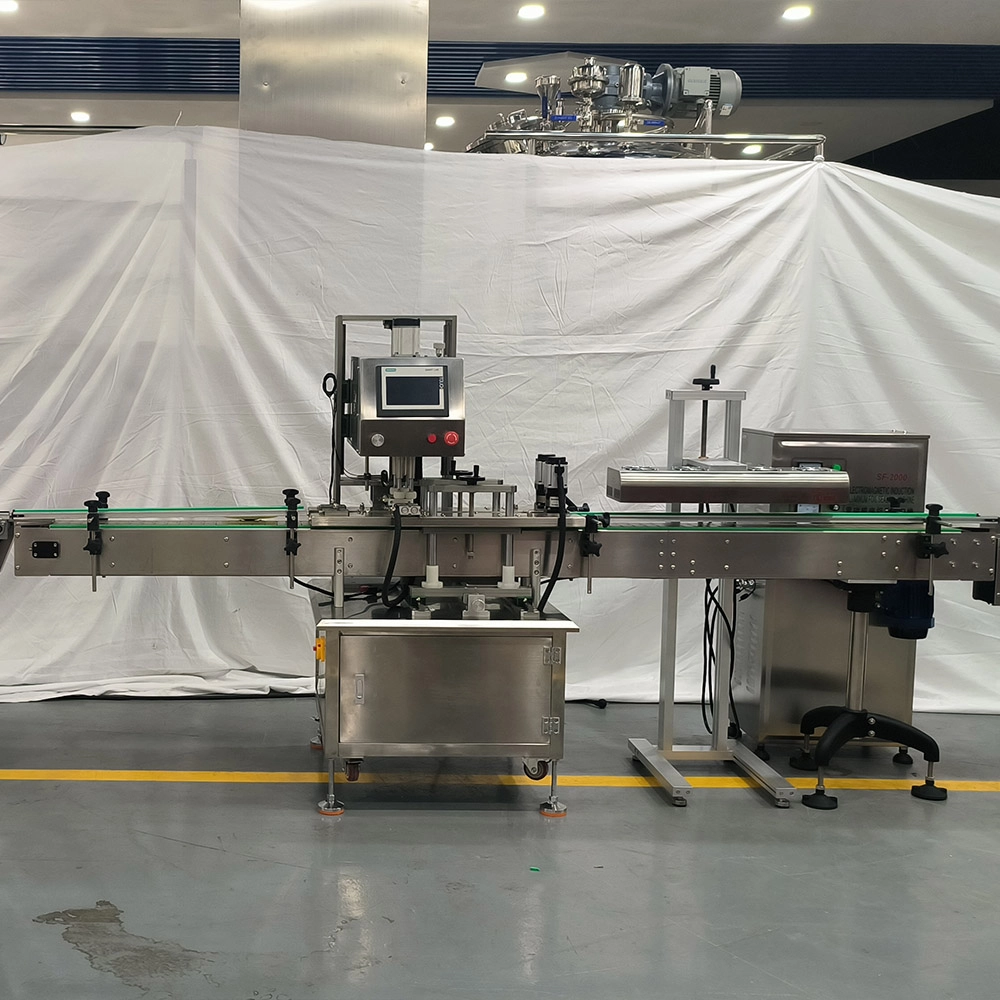
Integration of Filling Machines with Bottle Cappers and Labelers
Maintaining Industrial Mixing Tanks to Reduce Downtime
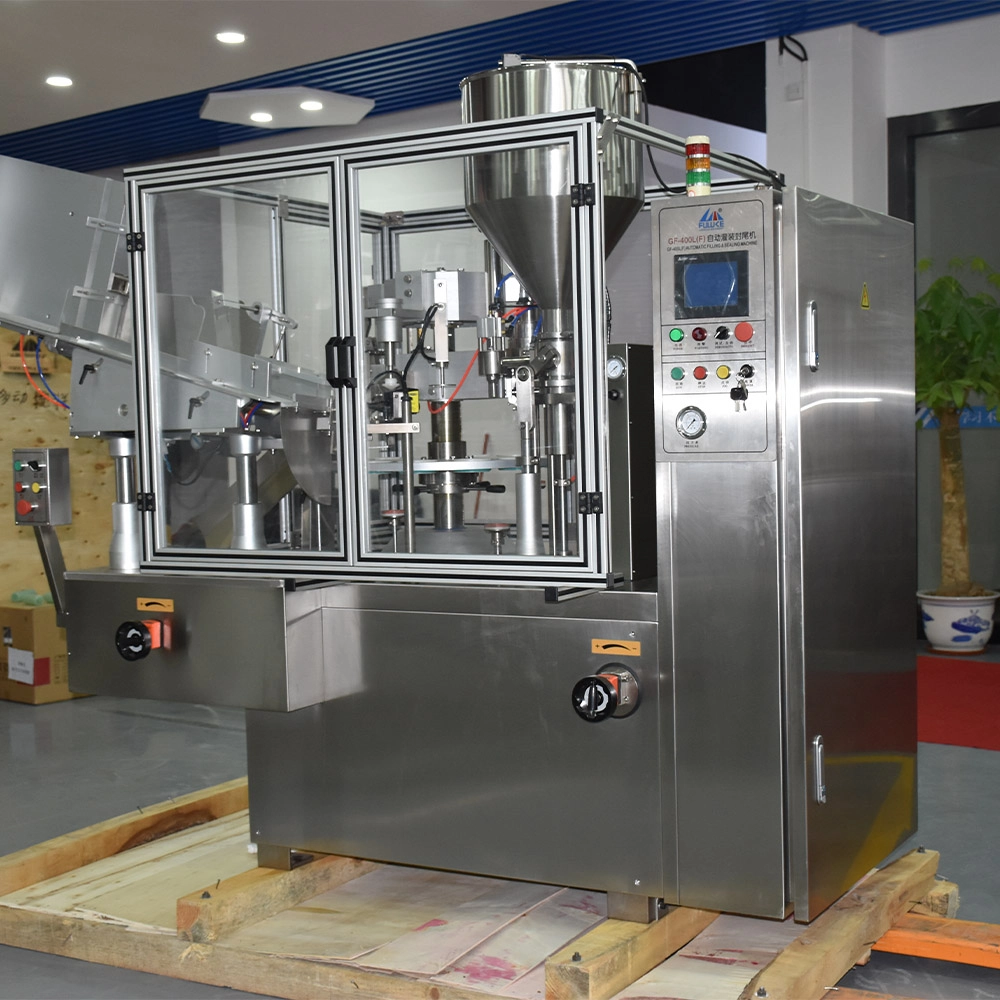
Material Compatibility: Formulas and Tubes for Filling Machines
Polypropylene PP Mixing Tank
Can you make a design for us?
Yes, we can, we provide not only products, but also solutions and designs.
Oven machine
What causes uneven drying and water residue in the drying oven? How to solve it?
There are three main causes and solutions: ① Insufficient airflow: Adjust the fan speed and clear any blockages from the air inlet and outlet; ② Blocked air ducts: Disassemble the air ducts and clean any accumulated dust and debris to ensure smooth hot air circulation; ③ Inappropriate temperature settings: Adjust the temperature and drying time according to the bottle type and residual water level. For thin-walled bottles, increase the airflow and decrease the temperature appropriately.
Automatic Filling Machine
Who are we?
Our headquarters is located in Guangzhou, Guangdong, China, and our factory is located in Yangzhou, Jiangsu. Our products are sold all over the world. We have approximately 50 employees in our company and factory.
Perfume Filling Machine
Can you customize the machine?
Of course, we provide customized services according to customer needs.
Lift-type Homogenizing Disperser
What precautions should be taken before and during equipment startup?
Before startup: Check that the disperser disc is securely installed, the container is clamped securely, and the lifting mechanism is flexible. Also, verify the material level (it must be submerged above the disperser disc to prevent damage from idling or material splashing).During operation: Start at a low speed and gradually increase to the target speed. Manually adjusting the lifting height during operation is prohibited; always stop the machine to avoid hand entanglement.
You May Also Like
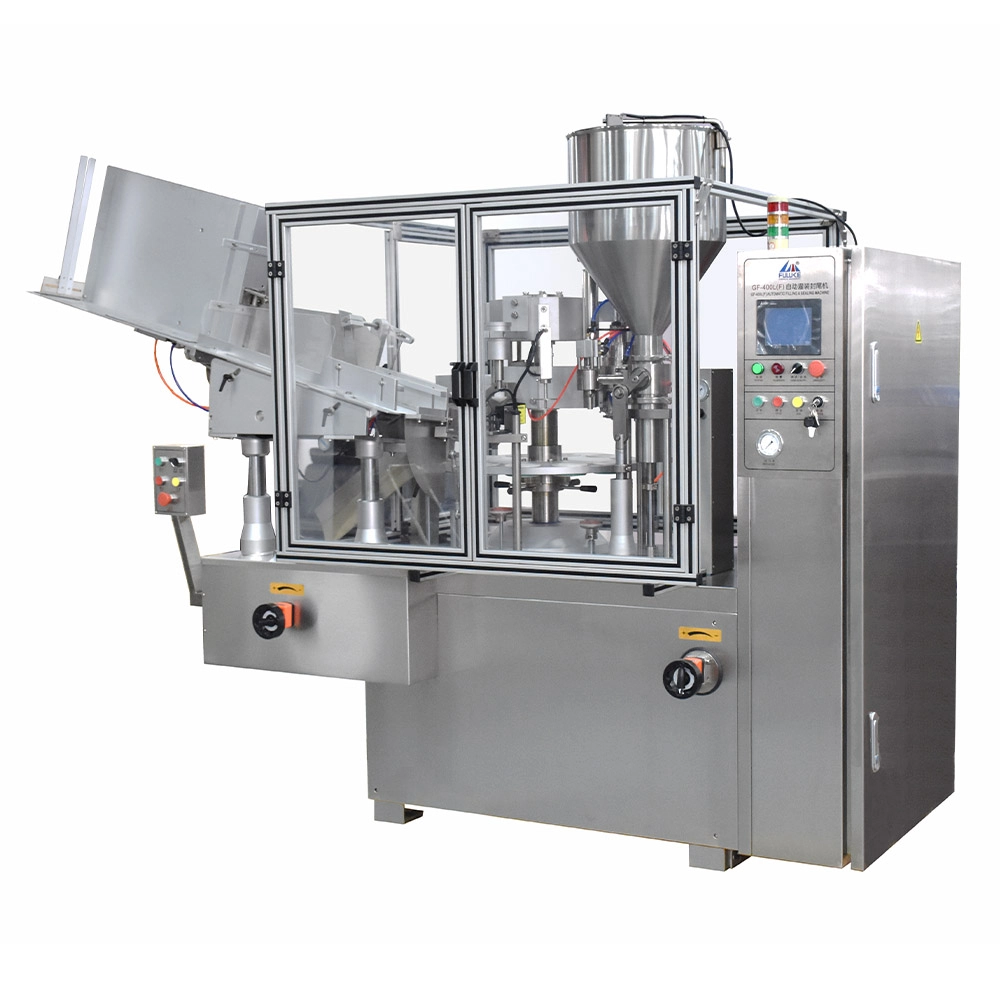
Automatic Tube Filling and Sealing Machine Toothpaste Sunscreen and Facial Cleanser Filling and Sealing Machine for Plastic and Aluminum-plastic Tube
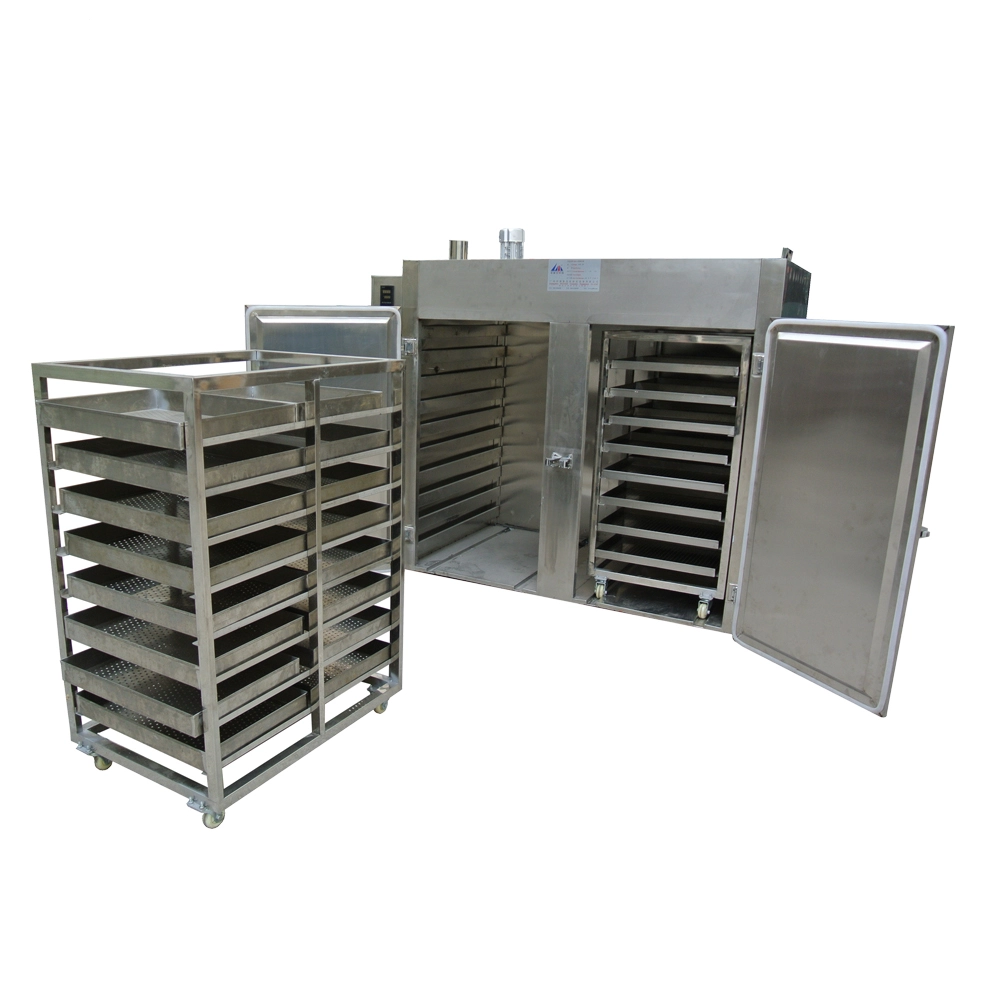
Over for Bottles High Temperature Sterilizer Tray Dryer Large Hot Air Circle Drying Oven for Glass Bottle Jar Cup Can

Automatic Glass Bottle Washing Machine High Quality Glass Bottle Cleaning Washer
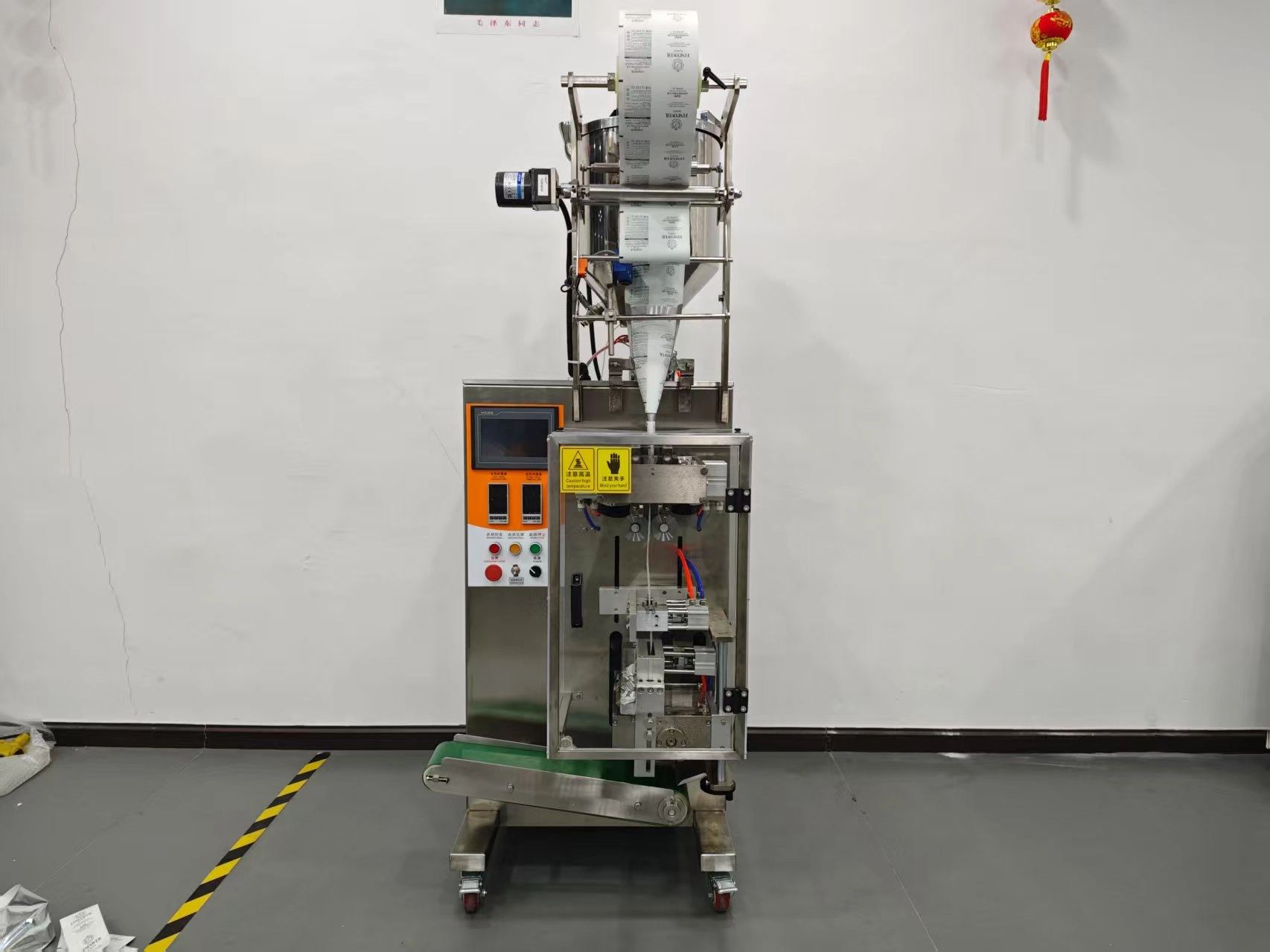
Three-side/four-side sealing bag packaging machine Liquid Paste Jam Cream Sachet Vertical Filling Pouch Packing Machine
Get in touch with FULUKE
If you have any comments or good suggestions, please leave us a message, later our professional staff will contact you as soon as possible.

A leading manufacturer specializing in advanced machinery and complete production lines for the cosmetics, food, pharmaceutical, and chemical industries worldwide.
Contact FULUKE
Facebook
Instagram
YouTube