
How to Ensure Repeatable Fills in Cosmetic Manufacturing
- Core factors that determine repeatable fills
- 1. Understand the product: viscosity, rheology, and formulation
- 2. Container variability and handling
- Machine setup and calibration strategies
- 1. Choose the right filling technology for your SKU mix
- 2. Calibration and verification
- Process control, automation and validation
- 1. Integrate intelligent controls and real-time monitoring
- 2. Cleaning, maintenance and hygienic design
- 3. Process validation and regulatory alignment
- Operational excellence: training, SOPs and continuous improvement
- 1. Standard operating procedures and operator training
- 2. Statistical process control (SPC) and sample testing
- 3. Root-cause analysis and continuous improvement
- Choosing and using the Automatic Filling Machine Quantitative Liquid Bottle Filling Machine High-precision cream and lotion filling machine
- 1. Product overview
- 2. Practical tips for implementation
- 3. When to retrofit vs. buy new
- References and further reading
- FAQ — Frequently Asked Questions
- Q1: What accuracy can I expect from an automatic filling machine for creams and lotions?
- Q2: How often should I calibrate the filler?
- Q3: Can the machine handle both glass and PET bottles?
- Q4: How do I prevent product drips and stringing with viscous creams?
- Q5: Are these machines compliant with cosmetic GMP?
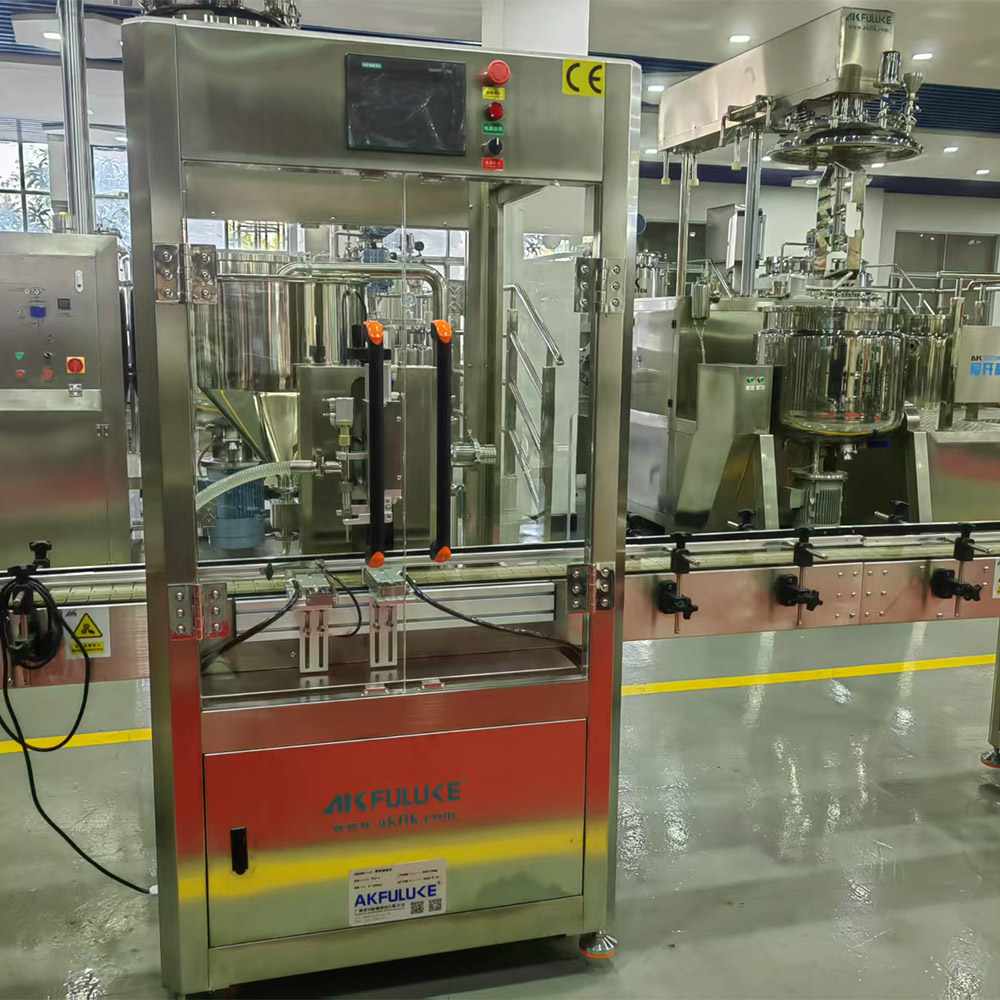
Achieving repeatable fills in cosmetic manufacturing is a combination of the right equipment, disciplined process control, and rigorous validation. Modern automatic filling machine systems, when matched to product rheology and container types and operated under GMP-aligned procedures, can deliver high-precision results batch after batch—reducing giveaway, protecting brand reputation, and ensuring compliance with industry standards such as ISO 22716 and relevant guidance from the U.S. FDA. This article provides actionable guidance for cosmetic manufacturers to consistently achieve repeatable fills using high-precision filling equipment.
Core factors that determine repeatable fills
1. Understand the product: viscosity, rheology, and formulation
Cosmetic products range from low-viscosity lotions to high-viscosity creams, gels, and pastes. The physical behavior (Newtonian vs. non-Newtonian), presence of particulates (scrubs, beads), and temperature sensitivity directly affect fill dynamics. Before selecting or configuring an automatic filling machine, characterize the product:
- Measure viscosity across shear rates and note any thixotropic behavior.
- Document temperature dependence — some emulsions thin with heat.
- Identify particulate size and concentration to choose appropriate nozzle geometry.
These parameters determine whether a piston pump, peristaltic pump, gear pump, or time-pressure system will deliver the most repeatable fills.
2. Container variability and handling
Repeatability depends on consistent container presentation. Variations in bottle weight, neck diameter, orientation, or soft-walled tubes can cause inconsistent fills. Ensure the automatic filling machine has reliable feeders, conveyors, and orientation devices and that changeover fixtures (snouts, chucks) are properly specified for each container family.
Machine setup and calibration strategies
1. Choose the right filling technology for your SKU mix
Different filling principles perform better for different product types. Below is a concise comparison to help select a suitable automatic filling machine:
| Filling Type | Suitable for | Typical Accuracy | Pros / Cons |
|---|---|---|---|
| Piston pump | High-viscosity creams, pastes | ±0.5% to ±1% (typical) | High accuracy for viscous products; good for shot-to-shot repeatability; requires maintenance |
| Gear pump | Viscous lotions, creams | ±0.5% to ±1.5% | Continuous flow, stable for steady viscosities; can shear sensitive emulsions |
| Peristaltic pump | Low-to-medium viscosity, shear-sensitive fluids | ±1% to ±2% | Easy cleaning of wetted path (hose exchange); limited for high-viscosity pastes |
| Time-pressure (gravity) | Thin liquids, low-viscosity cosmetics | ±1% to ±3% | Simple and low-cost; susceptible to viscosity/temperature changes |
For many cream and lotion SKUs, a piston-based or high-precision volumetric filler integrated into an automatic filling machine provides the best balance of accuracy and speed. Products like the Automatic Filling Machine Quantitative Liquid Bottle Filling Machine High-precision cream and lotion filling machine are explicitly engineered for creams, lotions, and emulsions across glass and PET containers.
2. Calibration and verification
Calibration is not a one-time activity. Implement a documented calibration schedule with these steps:
- Define acceptable fill tolerance (e.g., ±1% or ±0.5 g) based on product cost and regulations.
- Perform multi-point calibration across target fill volumes and viscosities.
- Use gravimetric verification—collect a statistically significant sample (e.g., n=10–30) and calculate mean, standard deviation, and percent error.
- Record calibration data in the machine HMI or a connected MES/SCADA system to maintain traceability.
Process control, automation and validation
1. Integrate intelligent controls and real-time monitoring
Modern automatic filling machine systems include touchscreen HMIs, recipe management, and PLC/SCADA connectivity. Benefits for repeatable fills include:
- Recipe-driven parameters (fill volume, speeds, delays) to avoid manual mis-entry.
- Real-time alarms for low product level, pump slip, or nozzle blockage.
- Data logging for each production run to facilitate root-cause analysis and continuous improvement.
Consider machines offering closed-loop control where the filler adjusts stroke or pump speed based on feedback from inline weighing or flow meters.
2. Cleaning, maintenance and hygienic design
Cleanability directly impacts repeatability. Residual product buildup changes flow characteristics and causes under- or over-filling. Best practices:
- Specify 316L/304 stainless steel contact parts and sanitary fittings to meet GMP and ease cleaning—features that the Automatic Filling Machine Quantitative Liquid Bottle Filling Machine High-precision cream and lotion filling machine provides.
- Design CIP/SIP procedures where possible, or provide easy-disassembly for manual cleaning.
- Implement scheduled preventive maintenance for pumps, seals, and valves; maintain spare-part kits for critical wear items.
3. Process validation and regulatory alignment
Validation demonstrates that the filling process consistently produces product meeting predefined attributes. Follow recognized guidance such as the FDA’s guidance on process validation and align with ISO 22716 for GMP in cosmetics manufacturing. Typical validation stages include:
- Installation Qualification (IQ): confirm the automatic filling machine is installed per supplier and design specifications.
- Operational Qualification (OQ): test performance under normal and extreme conditions (e.g., different viscosities, speeds).
- Performance Qualification (PQ): demonstrate repeatable fills across multiple production runs.
Operational excellence: training, SOPs and continuous improvement
1. Standard operating procedures and operator training
Well-written SOPs and trained operators reduce human-induced variability. Key SOP topics:
- Machine setup and changeover steps with torque/position settings for adjustable fixtures.
- Calibration and verification procedures with acceptance criteria.
- Cleaning and sanitation steps, including record-keeping to meet GMP requirements.
Use hands-on training sessions, competency checks, and periodic refreshers to maintain skills across shifts.
2. Statistical process control (SPC) and sample testing
SPC helps detect drift before it becomes a failure. Implement a sampling plan that includes:
- Regular gravimetric checks (e.g., every 30–60 minutes initially, adjusting frequency based on process capability).
- Control charts (X-bar, R-chart) to monitor mean and variability of fill weights.
- Defined corrective actions when control limits are exceeded (stop line, investigate, re-calibrate).
3. Root-cause analysis and continuous improvement
When fills trend out of tolerance, perform a structured investigation (5 Whys, fishbone) covering:
- Raw material and batch-to-batch formulation variance.
- Environmental conditions—temperature and humidity can change viscosity and pump performance.
- Mechanical wear, nozzle condition, and pump slip.
Implement corrective actions, update SOPs, and retrain staff as needed.
Choosing and using the Automatic Filling Machine Quantitative Liquid Bottle Filling Machine High-precision cream and lotion filling machine
1. Product overview
The Automatic Filling Machine Quantitative Liquid Bottle Filling Machine High-precision cream and lotion filling machine integrates automated conveying, precision filling, and intelligent control for packaging creams, lotions, and liquids. Suitable for a variety of containers, including glass and PET bottles, it can fill liquids, emulsions, and pastes with high precision.
Constructed with 316L/304 stainless steel contact components and compliant with GMP standards, it features a touchscreen interface for quick parameter adjustment and completes the entire process without manual intervention. Widely used in the cosmetics, food, daily chemical, pharmaceutical, and chemical industries, it helps companies reduce costs, increase efficiency, and ensure product standardization.
2. Practical tips for implementation
- Run acceptance testing with representative production batches to verify accuracy across the full viscosity range.
- Configure and save recipes (volume, nozzle height, delays) in the touchscreen HMI to speed changeovers and reduce operator error.
- Leverage traceability features—batch ID, operator, and timestamps—to support quality audits and recalls if necessary.
3. When to retrofit vs. buy new
Consider retrofit when the existing line has compatible conveyors and space, and the main issue is pump or control technology. Buy new when:
- You need significantly higher accuracy or throughput.
- Current systems cannot handle the widest range of viscosities or container types used by FULUKE.
- You require full sanitary design (316L) and GMP compliance for regulatory or marketing reasons.
References and further reading
- ISO 22716 — Cosmetics — Good Manufacturing Practices (GMP)
- U.S. FDA — Cosmetics
- FDA Guidance: Process Validation — General Principles and Practices
- Filling machine (Wikipedia)
- ISPE — International Society for Pharmaceutical Engineering
FAQ — Frequently Asked Questions
Q1: What accuracy can I expect from an automatic filling machine for creams and lotions?
Accuracy depends on filler type and product rheology. High-precision piston or volumetric fillers commonly achieve ±0.5% to ±1% accuracy for creams and lotions under controlled conditions. Validate with gravimetric testing for your specific formulation.
Q2: How often should I calibrate the filler?
Calibrate after installation, after major maintenance, and on a regular schedule (e.g., weekly or per production shift depending on risk). Additionally, perform verification checks at defined intervals during production using a sampling plan.
Q3: Can the machine handle both glass and PET bottles?
Yes. The Automatic Filling Machine Quantitative Liquid Bottle Filling Machine High-precision cream and lotion filling machine supports a range of container materials (glass, PET) with appropriate changeover fixtures and conveyors to ensure consistent positioning.
Q4: How do I prevent product drips and stringing with viscous creams?
Use optimized nozzle geometry, anti-drip valves, controlled nozzle lift timing, and, where appropriate, nozzle air blow-off. Adjust pump retraction or backflow settings and maintain nozzle cleanliness to prevent buildup.
Q5: Are these machines compliant with cosmetic GMP?
Machines built from sanitary 316L/304 stainless steel with hygienic design and documented cleaning procedures help you meet cosmetic GMP requirements such as those in ISO 22716. Validation and documented SOPs are required to demonstrate compliance.
If you have more technical questions or would like to schedule a demo, contact our sales team or view the product page:
Spec Checklist: Capacity, Recovery, and Water Quality for RO
Adapting Filling Lines for Frequent SKU Changeovers
Modular Upgrades to Future-Proofs Your Filling Investment
How to Customize Fill Volumes for Different Product SKUs
Automatic Capping Machine
Can you customize the machine?
Of course, we provide customized services according to customer needs.
What can you buy from us?
RO Water Treatment、Vacuum Emulsifying Machine、Homogenizer Mixing Tank、Filling and Capping、labeling Machine、Packing Machine、Storage Tank,etc.
Storage Tank
How do I choose the right storage tank material?
Select based on the characteristics of the storage medium. For example, 316L stainless steel is preferred for food storage, while 304 or PE can be used for general water storage.
Automatic Facial Mask Filling Machine
Can you make a design for us?
Yes, we can, we provide not only products, but also solutions and designs.
Vacuum Emulsifying Machine
What industries is the vacuum emulsifier suitable for?
It is widely applicable to the production needs of creams, lotions, gels, ointments, etc. in the cosmetics, pharmaceutical, food, chemical and other industries.
You May Also Like
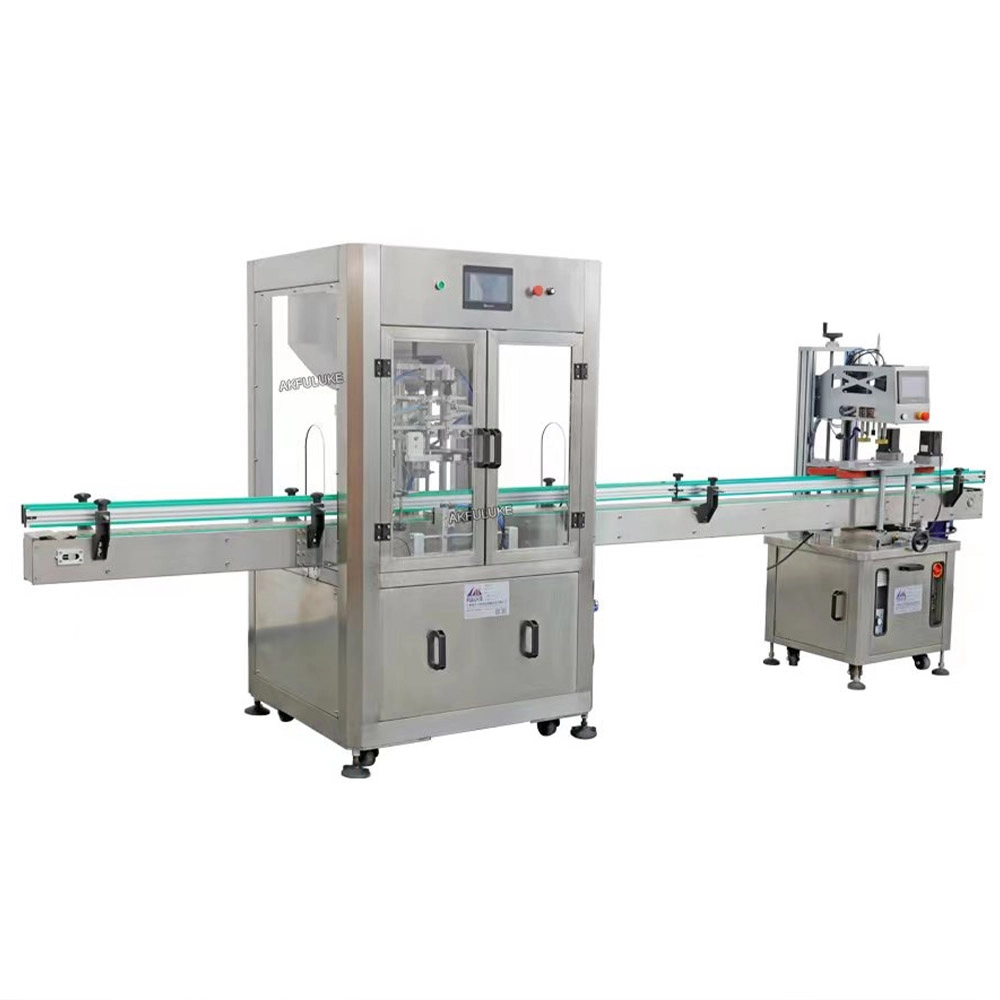
Automatic Filling Machine Quantitative Liquid Bottle Filling Machine High-precision cream and lotion filling machine
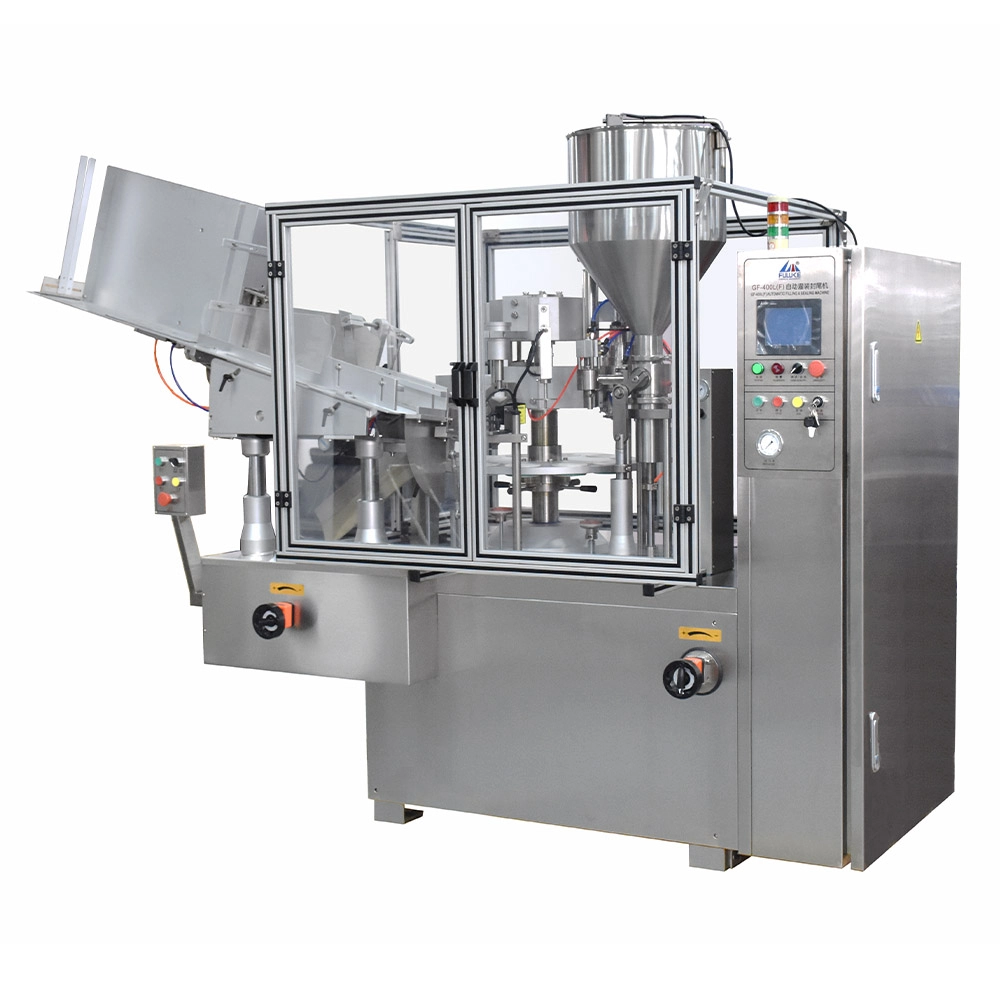
Automatic Tube Filling and Sealing Machine Toothpaste Sunscreen and Facial Cleanser Filling and Sealing Machine for Plastic and Aluminum-plastic Tube
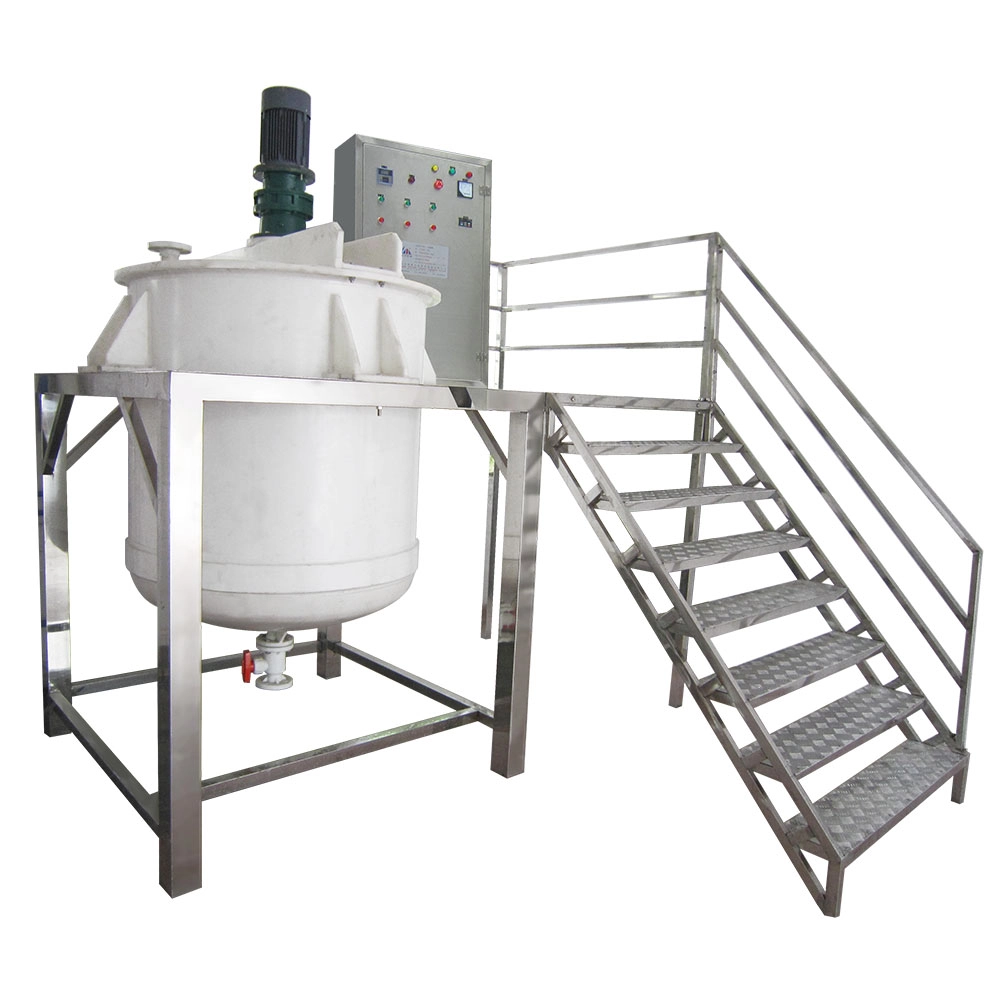
Polypropylene PP Mixing Tank Anti-Corrosion Mixer Reaction Kettle with Agitator Chemical Mixing Vessel
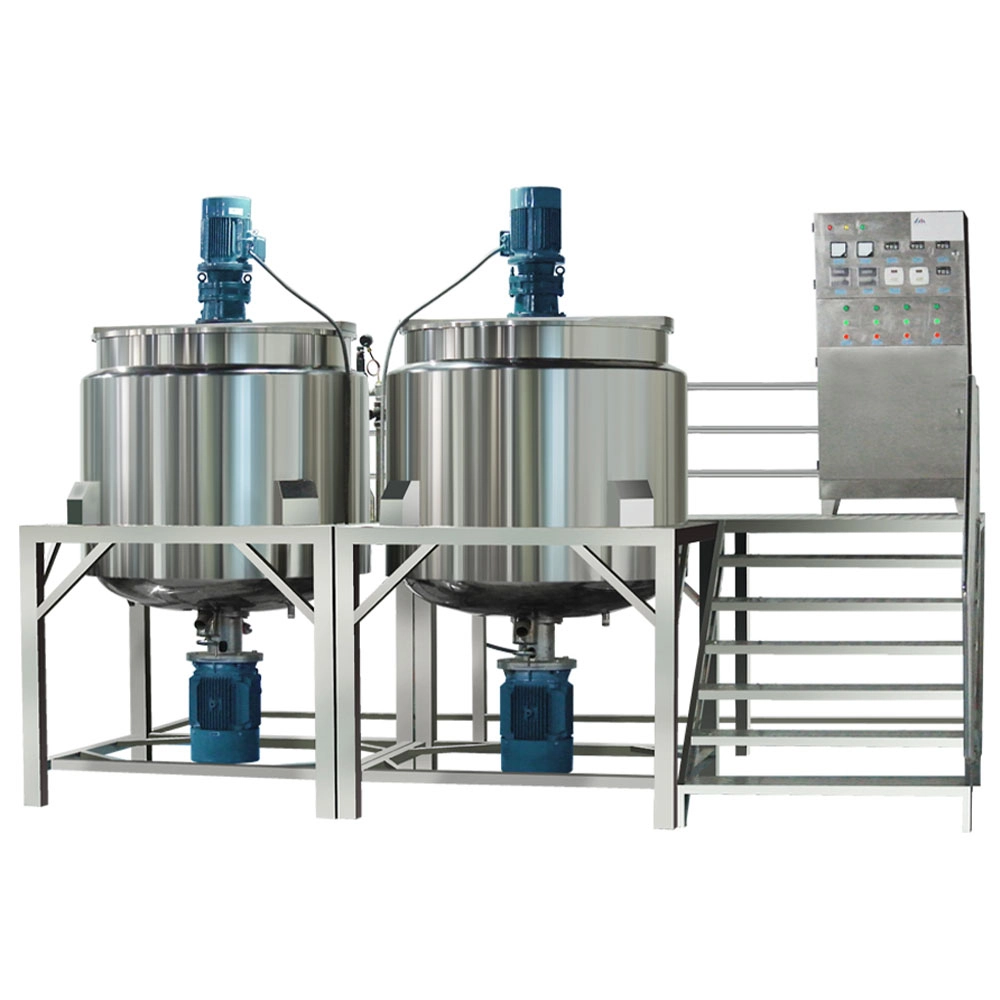
Flip Cover Multi-function Liquid Wash Mixing Tank Blender Liquid Detergent Mixer Homogenization Stirring Tank
Get in touch with FULUKE
If you have any comments or good suggestions, please leave us a message, later our professional staff will contact you as soon as possible.

A leading manufacturer specializing in advanced machinery and complete production lines for the cosmetics, food, pharmaceutical, and chemical industries worldwide.
Contact FULUKE
Facebook
Instagram
YouTube