
Evaluating Fill Repeatability Across Production Runs
- Key metrics and measurement methods for fill repeatability
- Understanding repeatability vs. accuracy
- Practical measurement approaches: gravimetric and volumetric
- Statistical metrics to monitor
- Machine design and features that improve repeatability
- Why construction materials and sanitary design matter
- Servo-driven dosing vs. traditional fillers
- Smart controls, recipe memory and touchscreen adjustment
- Implementing Quality Control across production runs
- Sampling plans and how often to measure
- Control charts and alarm thresholds
- Validation: IQ, OQ and PQ for filling machines
- Common sources of variability and mitigation strategies
- Product-related factors: viscosity, temperature and formulation changes
- Mechanical wear and maintenance
- Operator training and SOPs
- Comparing filler technologies: fit-for-purpose selection
- How to choose
- Implementing SPC and sample reporting
- Example SPC workflow
- Data logging and traceability
- Product spotlight: Automatic Filling Machine Quantitative Liquid Bottle Filling Machine High-precision cream and lotion filling machine
- References and authoritative resources
- FAQ — Frequently Asked Questions
- What is an acceptable fill repeatability target for cream and lotion products?
- How many samples should I take to evaluate repeatability?
- Which filler type provides the best repeatability for viscous creams?
- How do temperature and viscosity affect fill repeatability?
- How often should I calibrate the filling machine?
The consistent repeatability of fill volumes across production runs is central to product quality, cost control, and regulatory compliance for cosmetic, pharmaceutical and consumer goods manufacturers. This article explains how to evaluate fill repeatability for liquid filling machine operations, including measurement techniques, statistical process control methods, machine design factors, and best practices for validation and maintenance to ensure stable, high-precision filling performance batch after batch.
Key metrics and measurement methods for fill repeatability
Understanding repeatability vs. accuracy
Repeatability describes how close successive fills are to each other under the same conditions, while accuracy describes how close fills are to the target nominal volume. For a liquid filling machine, high repeatability means low variation (tight distribution) even if there is a small systematic offset—offsets can often be corrected through calibration. Typical production goals target both high repeatability (low standard deviation) and high accuracy (mean close to target).
Practical measurement approaches: gravimetric and volumetric
Gravimetric testing (weighing filled containers) is the most reliable method to evaluate repeatability because it directly measures mass, which is insensitive to minor shape changes of containers. Use calibrated precision balances and compute the volume using known liquid density if needed. Volumetric measurement (graduated cylinders, optical sensors) can be used for quick checks but are less precise for viscous creams and emulsions.
Statistical metrics to monitor
Common metrics include mean fill, standard deviation (σ), coefficient of variation (CV = σ / mean), and process capability indices (Cp, Cpk). For high-precision cream and lotion filling, aim for a CV below 1% where possible; many production lines operate acceptably with CVs in the 0.5–2% range depending on product viscosity and container size. Use these metrics in control charts to detect drift or increased variability between production runs.
Machine design and features that improve repeatability
Why construction materials and sanitary design matter
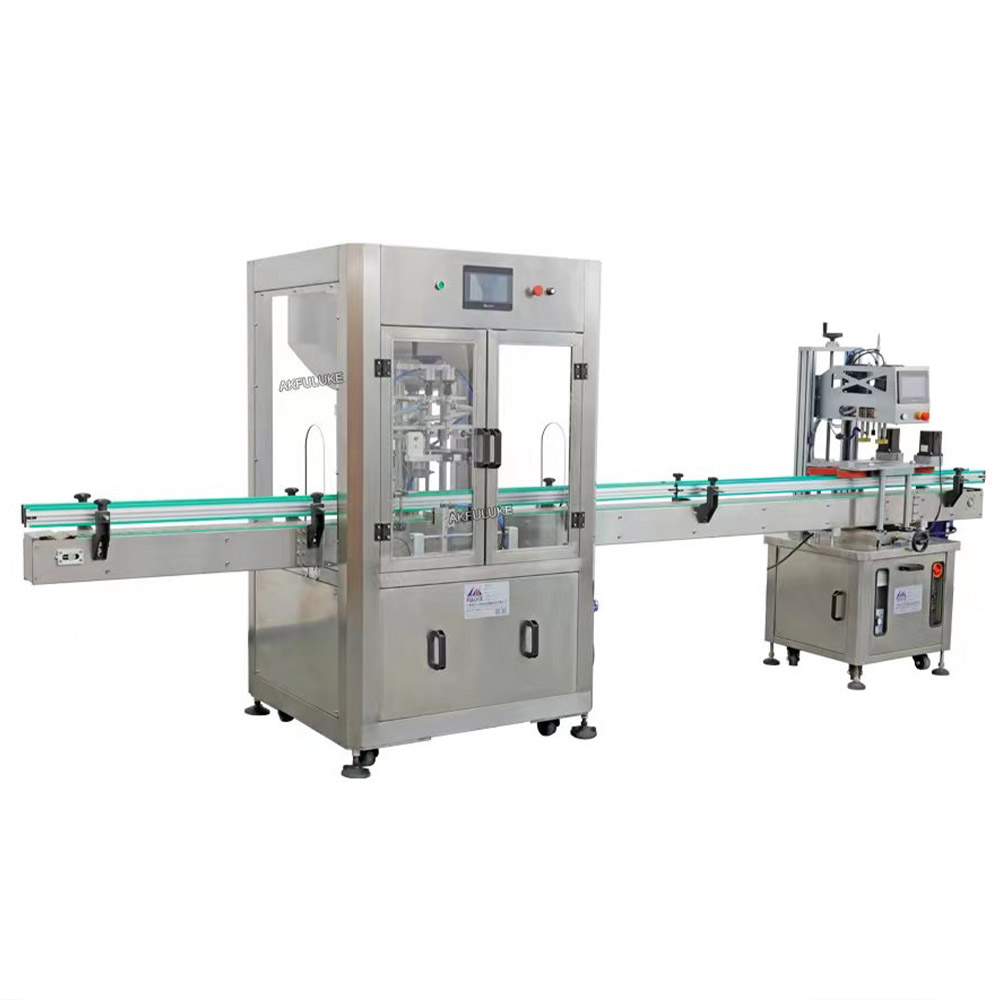
Contact parts made from 316L/304 stainless steel reduce contamination risks and ensure consistent fluid dynamics at the nozzle and valve. Smooth internal surfaces and proper sealing minimize residue buildup and air entrapment, both of which can cause fill volume variability. The Automatic Filling Machine Quantitative Liquid Bottle Filling Machine High-precision cream and lotion filling machine is constructed with 316L/304 stainless steel contact components and complies with GMP standards, which supports stable, repeatable performance across runs.
Servo-driven dosing vs. traditional fillers
Servo-driven piston or gear pump systems offer superior electronic control and repeatability compared with mechanical cam-driven systems. Servo systems precisely control stroke length, speed and acceleration profiles, which is particularly beneficial for viscous creams and lotions where start/stop dynamics significantly affect fill volume. For low-viscosity liquids, time-pressure or gravity fillers can be efficient, but they typically have higher variability.
Smart controls, recipe memory and touchscreen adjustment
Intelligent control systems with touchscreen interfaces enable quick parameter changes and recipe storage, ensuring consistent setup between production runs. Recipe memory reduces human setup error during changeovers and helps achieve near-identical machine behavior when producing the same SKU again. The featured product integrates automated conveying, precision filling, and intelligent control with a touchscreen interface for quick parameter adjustment and hands-free operation.
Implementing Quality Control across production runs
Sampling plans and how often to measure
At minimum, perform an initial PQ (performance qualification) sample run with 30 or more samples to establish baseline repeatability metrics. During production, implement routine sampling (for example, every 30–60 minutes or every 500–1,000 bottles depending on throughput) and after any changeover, maintenance, or formulation change. Statistical Process Control (SPC) charts such as X-bar and R (range) charts provide early warning of instability.
Control charts and alarm thresholds
Establish control limits based on historical data and acceptable product tolerances. A common approach is to set control limits at ±3σ for operational monitoring and tighter warning limits at ±2σ. If repeated fills cross warning limits or any fill exceeds product tolerance, pause production and investigate root causes—nozzle blockage, air in product lines, pump wear, or temperature-driven viscosity changes are common causes.
Validation: IQ, OQ and PQ for filling machines
Follow structured validation: Installation Qualification (IQ) to verify the machine is installed correctly; Operational Qualification (OQ) to verify functions (e.g., stroke length, pump rates, nozzle timing); and Performance Qualification (PQ) to confirm consistent performance under normal production conditions. Keeping validation records supports regulatory audits and demonstrates adherence to GMP principles such as those in ISO 22716.
Common sources of variability and mitigation strategies
Product-related factors: viscosity, temperature and formulation changes
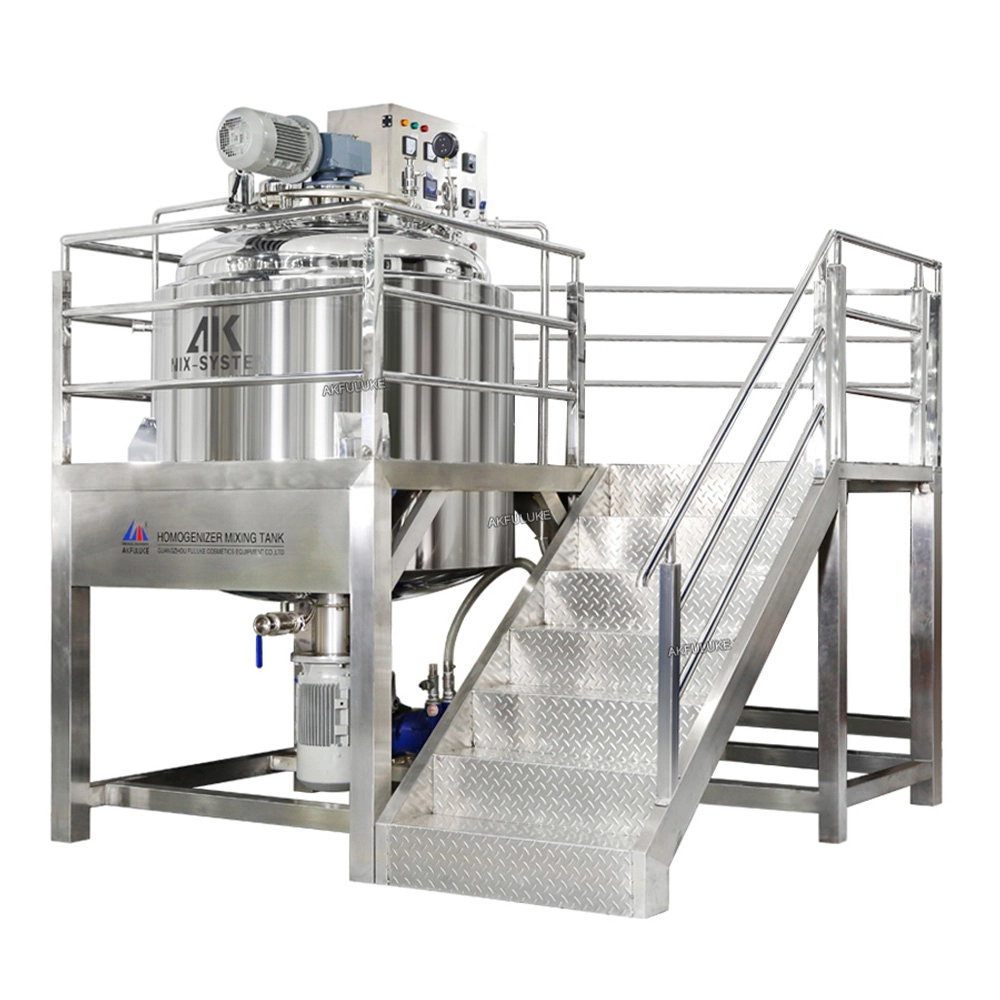
Viscosity significantly affects filling dynamics. Emulsions and thick creams can shear differently leading to inconsistent fills if pump profiles or nozzle widths are not optimized. Control product temperature and homogenization before filling; many facilities use jacketed tanks and in-line heaters or coolers to maintain consistent viscosity. Document acceptable viscosity ranges per SKU and monitor them as part of batch release criteria.
Mechanical wear and maintenance
Wear of seals, pump gears, and valve seats can increase variability over time. Implement preventive maintenance schedules and parts replacement intervals based on runtime and fill counts. Typical practices include daily clean-ins (CIP), weekly inspections, and quarterly component checks for high-use lines. The use of industrial-grade materials (316L/304 stainless steel) and hygienic design reduces wear and eases maintenance.
Operator training and SOPs
Consistency begins with trained operators who understand machine recipes, sampling plans and troubleshooting routines. Standard Operating Procedures (SOPs) for changeovers, cleaning, calibration and start-up/shutdown reduce human-related variability. Touchscreen controls and recipe memory reduce reliance on operator guesswork during setup.
Comparing filler technologies: fit-for-purpose selection
Choosing the right filler type for your product is critical for achieving repeatability. The table below compares common filler technologies for cosmetic and liquid applications.
| Filler Type | Typical Accuracy | Best for | Cleanability & GMP | Typical Throughput |
|---|---|---|---|---|
| Piston (servo-driven) | ±0.5%–±2% | High-viscosity creams, lotions, emulsions | Excellent (stainless contact parts) | Medium to high |
| Peristaltic | ±1%–±3% | Shear-sensitive liquids, sanitary needs | Good (tubing disposable) | Low to medium |
| Gear/Progressive cavity pump | ±0.5%–±2% | Thick pastes, viscous formulas | Good (depends on design) | Medium to high |
| Gravity / Overflow | ±2%–±5% | Low-viscosity liquids | Good | High |
How to choose
If repeatability is a top priority for creams and lotions, servo-driven piston or gear pump systems often offer the best balance of control and throughput. Consider a machine with hygienic design, recipe memory, and automated conveying—features found on the Automatic Filling Machine Quantitative Liquid Bottle Filling Machine High-precision cream and lotion filling machine—to standardize runs and minimize changeover variability.
Implementing SPC and sample reporting
Example SPC workflow
1) Establish baseline: Run an initial PQ with 30–50 samples to calculate mean and σ. 2) Set control limits: typically ±3σ for action limits. 3) Monitor in real time: sample every predefined interval and plot on X-bar and R charts. 4) Investigate any out-of-control signals: check machine settings, nozzle condition, pump behavior, and product temperature.
Data logging and traceability
Use the machine’s HMI data-logging or an external Manufacturing Execution System (MES) to store production parameters, fill volumes, and sampling results. Traceability supports root-cause analysis when variability appears and is invaluable during audits. Records should link batch numbers, SKU recipes, operator IDs, and environmental conditions.
Product spotlight: Automatic Filling Machine Quantitative Liquid Bottle Filling Machine High-precision cream and lotion filling machine
The automatic filling machine integrates automated conveying, precision filling, and intelligent control for packaging creams, lotions, and liquids. Suitable for a variety of containers, including glass and PET bottles, it can fill liquids, emulsions, and pastes with high precision.
Constructed with 316L/304 stainless steel contact components and compliant with GMP standards, it features a touchscreen interface for quick parameter adjustment and completes the entire process without manual intervention. Widely used in the cosmetics, food, daily chemical, pharmaceutical, and chemical industries, it helps companies reduce costs, increase efficiency, and ensure product standardization.
This platform excels in repeatability because of its servo-driven dosing, hygienic construction, recipe memory and automated conveying. For beauty brands seeking consistent fill volumes across multiple production runs, this machine provides the features needed for reliable SPC implementation and ease of validation (IQ/OQ/PQ).
References and authoritative resources
- Filling machine — Wikipedia
- ISO 22716: Cosmetics — Good Manufacturing Practices (GMP) — ISO
- European Commission — Cosmetics sector overview and legislation
- FDA — Drug manufacturing and quality resources (cGMP guidance)
FAQ — Frequently Asked Questions
What is an acceptable fill repeatability target for cream and lotion products?
Acceptable targets depend on product and packaging tolerances. For high-precision cosmetic fills, aim for a coefficient of variation (CV) below 1% and mean fills within ±1–2% of the nominal volume. Where product pricing or regulatory constraints demand tighter control, aim for CV ≤0.5%.
How many samples should I take to evaluate repeatability?
Perform a PQ baseline with 30–50 samples. During routine production, sample frequency can be reduced (e.g., every 30–60 minutes or every set number of units) depending on throughput and risk profiling. Use SPC charts to adjust sampling frequency dynamically when variability increases.
Which filler type provides the best repeatability for viscous creams?
Servo-driven piston or gear pump fillers typically provide the best repeatability for viscous creams and lotions due to precise volumetric control and programmable motion profiles.
How do temperature and viscosity affect fill repeatability?
Temperature changes alter viscosity and flow behavior. Maintain controlled temperatures during storage and filling, use jacketed tanks, and monitor batch viscosity to ensure consistent filling dynamics.
How often should I calibrate the filling machine?
Calibration frequency depends on usage and regulatory needs. A common schedule is monthly or after any significant maintenance, repair, or changeover. Critical lines may require weekly checks. Always follow validation and calibration SOPs and record results for traceability.
If you have specific production parameters (container types, target fill volumes, product viscosity) and want a tailored repeatability assessment or a demonstration, contact our sales team or view the product details below.
Contact sales: sales@yourcompany.com
Vacuum Sealed Mixer Machines: Benefits for Sensitive Formulations
Choosing the Right Control Panel Layout for Operators
Benefits of Automatic Quantitative Liquid Bottle Filling Machines
Compliance and Quality: Filling Machines for Cosmetic Standards
Automatic Facial Mask Filling Machine
Can you customize the machine?
Of course, we provide customized services according to customer needs.
Lift-type Homogenizing Disperser
Who are we?
Our headquarters is located in Guangzhou, Guangdong, China, and our factory is located in Yangzhou, Jiangsu. Our products are sold all over the world. We have approximately 50 employees in our company and factory.
Sealed Homogenizing Mixing Tank
Can you make a design for us?
Yes, we can, we provide not only products, but also solutions and designs.
Perfume Freezing Filter Making Machine
Why does perfume require freeze filtration? Is traditional filtration an alternative?
Traditional filtration only removes visible solid impurities. Soluble organic matter, colloids, and trace microorganisms in perfume are difficult to separate at room temperature, easily leading to turbidity, precipitation, and aroma deterioration after storage. Freeze filtration uses a low-temperature environment of -5°C to -15°C (depending on the formulation) to condense these hidden impurities into solid particles. These particles are then thoroughly trapped through precision filtration, while simultaneously allowing the fragrance components to fully blend. This is a core process that ensures the stability of high-end perfumes.
FAQs
What products does FULUKE specialize in?
You May Also Like
Automatic Tube Filling and Sealing Machine Toothpaste Sunscreen and Facial Cleanser Filling and Sealing Machine for Plastic and Aluminum-plastic Tube
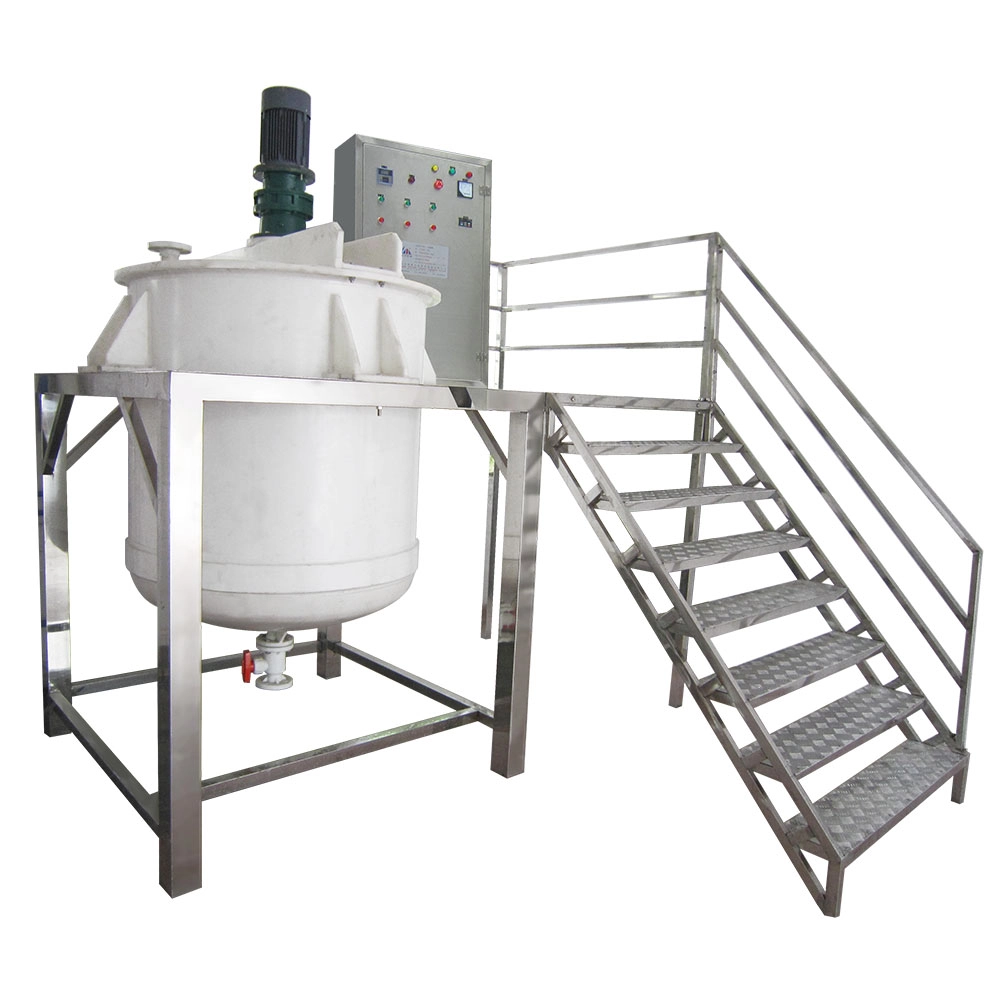
Polypropylene PP Mixing Tank Anti-Corrosion Mixer Reaction Kettle with Agitator Chemical Mixing Vessel
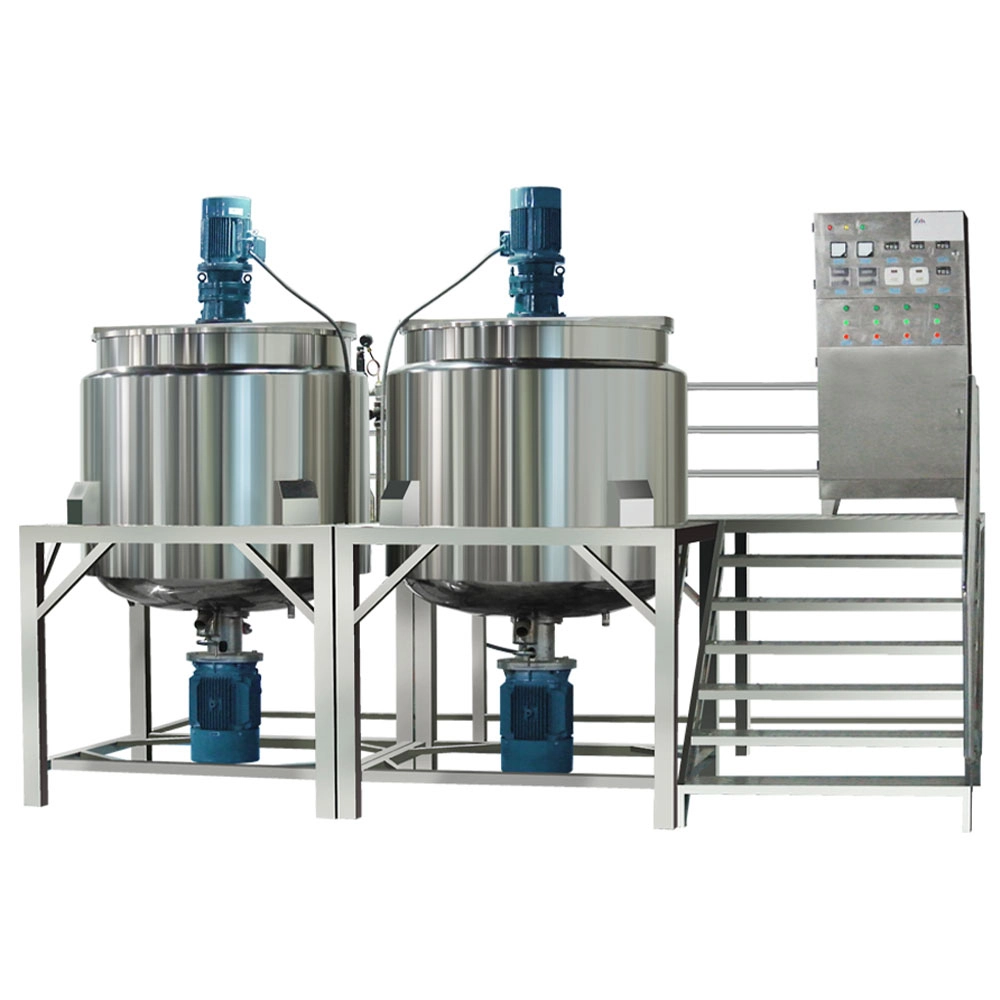
Flip Cover Multi-function Liquid Wash Mixing Tank Blender Liquid Detergent Mixer Homogenization Stirring Tank
Stainless Steel Mixer Liquid Mixing tank with Agitator Homogenizing Mixing tank Vacuum Sealed Mixer Machine
Get in touch with FULUKE
If you have any comments or good suggestions, please leave us a message, later our professional staff will contact you as soon as possible.

A leading manufacturer specializing in advanced machinery and complete production lines for the cosmetics, food, pharmaceutical, and chemical industries worldwide.
Contact FULUKE
Facebook
Instagram
YouTube