
Filling Accuracy Testing Methods for Cosmetic Products
Reliable filling accuracy is critical for cosmetic manufacturers using a liquid filling machine. This article reviews practical, validated testing methods—gravimetric, volumetric, flowmeter-based, and in-line vision/checkweigher systems—plus SOPs, statistical controls, and compliance tips for GMP and ISO 22716. Learn how to validate and maintain precision with an Automatic Filling Machine Quantitative Liquid Bottle Filling Machine High-precision cream and lotion filling machine to reduce giveaway, ensure product consistency, and satisfy regulators and customers.
- Why Filling Accuracy Matters for Cosmetic Manufacturers
- Protecting product quality and brand reputation
- Regulatory and GMP expectations
- Where automated liquid filling machines fit in
- Primary Testing Methods for Filling Accuracy
- 1. Gravimetric (weight-based) testing
- Key benefits and limitations
- 2. Volumetric (displacement) testing
- When to use volumetric testing
- 3. Flowmeter- and pump-based validation
- Advantages of flowmeter methods
- In-line and Automated Monitoring Techniques
- Vision systems and non-contact sensors
- Checkweighers for continuous mass verification
- Hybrid approaches for best results
- Validation, Sampling Plans and Statistical Controls
- Establishing an acceptance criteria
- Sampling plans and frequency
- Statistical Process Control (SPC)
- Practical SOPs and Calibration Practices
- Calibration of balances, flowmeters, and pumps
- Line qualification: IQ, OQ, PQ
- Cleaning, maintenance and material compatibility
- Comparison of Testing Methods
- Troubleshooting Common Accuracy Issues
- Viscosity and temperature effects
- Air entrainment and foaming
- Mechanical wear and process drift
- References and further reading
- FAQ — Filling Accuracy for Cosmetic Products
- Q: How often should I perform gravimetric checks on my liquid filling machine?
- Q: Is gravimetric testing necessary if I have a Coriolis flowmeter?
- Q: What tolerance should I set for creams and lotions?
- Q: Can vision systems replace weight checks?
- Q: How does the Automatic Filling Machine Quantitative Liquid Bottle Filling Machine High-precision cream and lotion filling machine help improve accuracy?
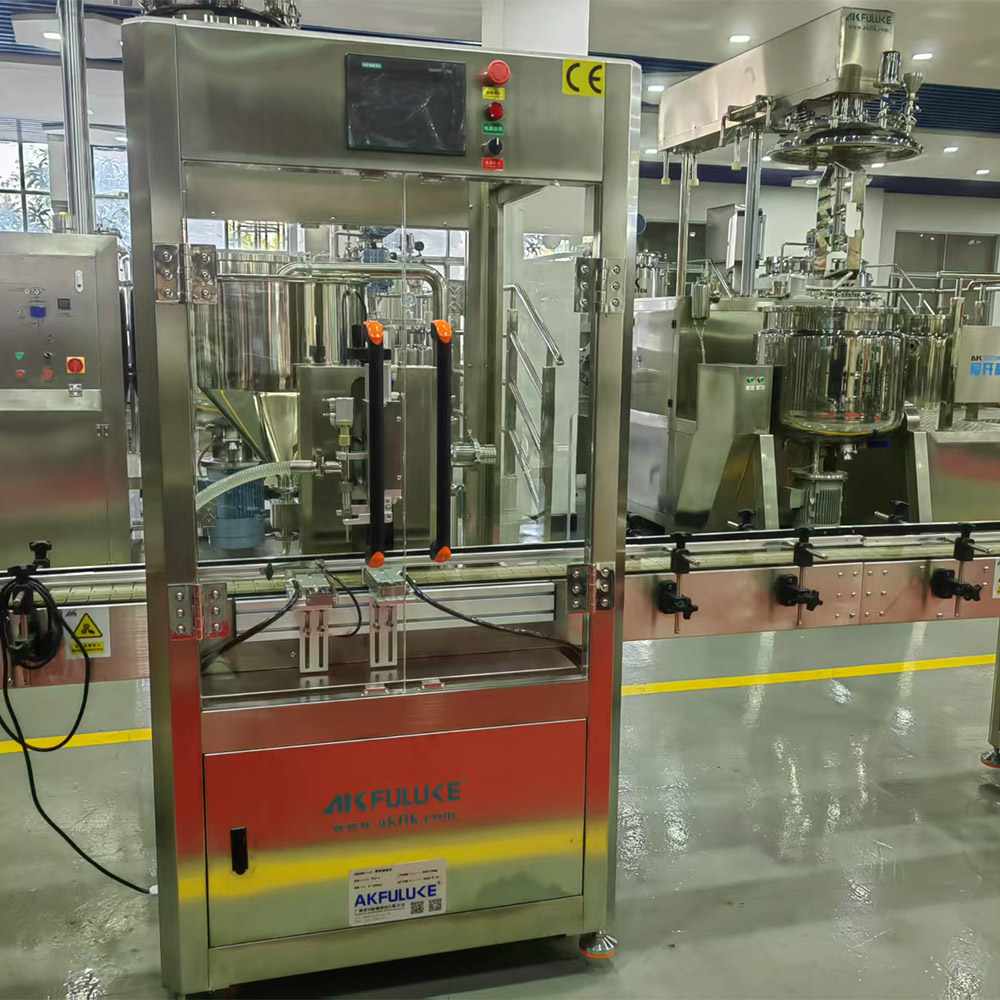
The following guide explains proven filling accuracy testing methods for cosmetic products, focused on liquid filling machine applications and specifically applicable to the Automatic Filling Machine Quantitative Liquid Bottle Filling Machine High-precision cream and lotion filling machine. It covers lab and on-line test methods, sampling plans, acceptance criteria, troubleshooting, and regulatory references to help manufacturers meet GMP and ISO standards.
Why Filling Accuracy Matters for Cosmetic Manufacturers
Protecting product quality and brand reputation
Filling accuracy directly affects consumer trust, product performance, and brand perception. Under-filled containers lead to customer complaints and regulatory risk; overfilled bottles increase costs through giveaway. A robust testing program preserves product integrity whether filling water-like lotions or viscous creams.
Regulatory and GMP expectations
Cosmetic manufacturers must follow Good Manufacturing Practices such as ISO 22716 and relevant regional guidance from agencies like the U.S. Food & Drug Administration (FDA). These frameworks expect documented control of filling processes and evidence of validation/ongoing monitoring.
Where automated liquid filling machines fit in
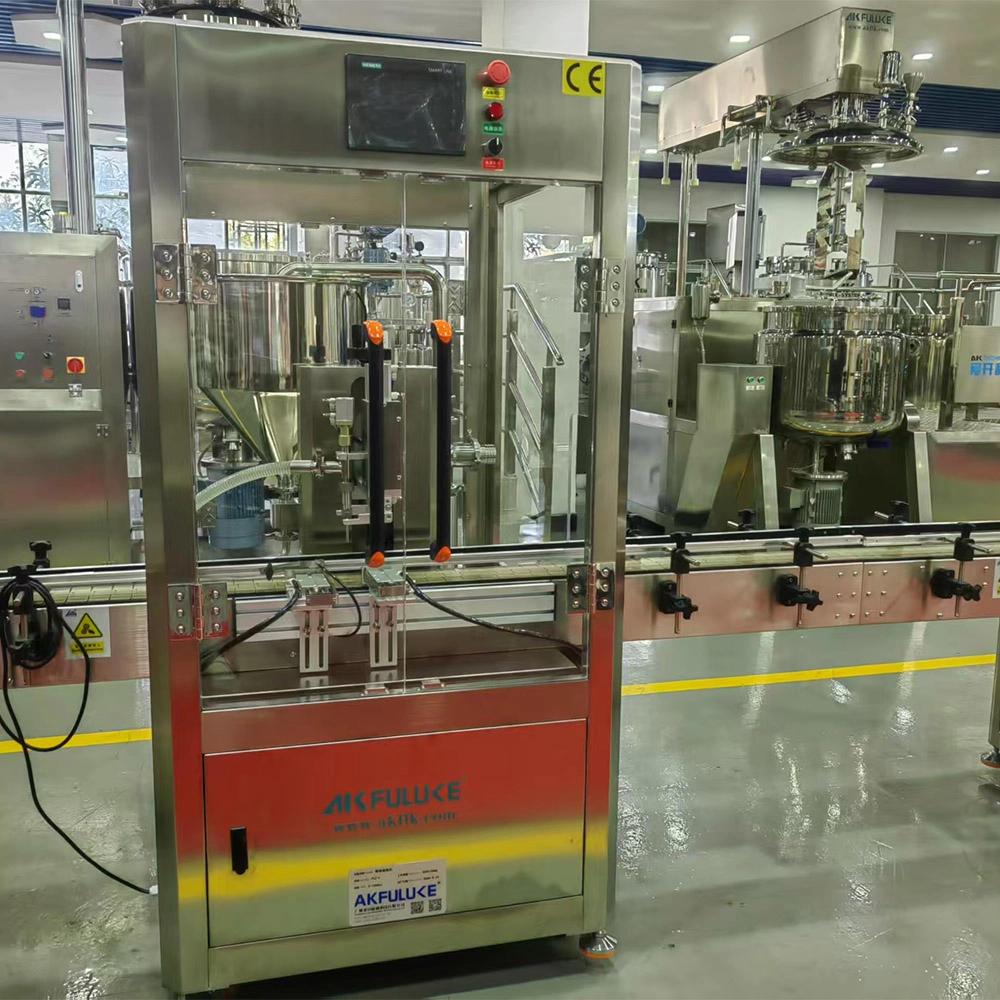
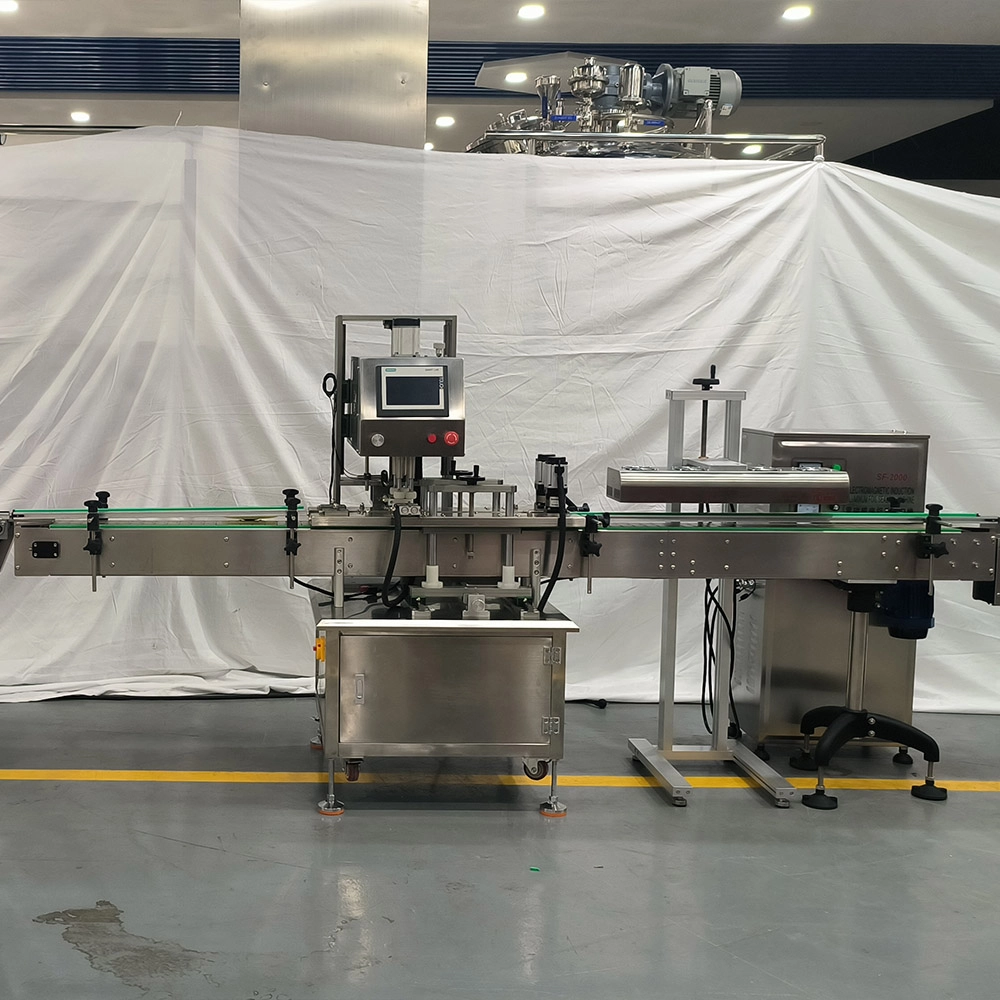
Automatic filling machines—like the Automatic Filling Machine Quantitative Liquid Bottle Filling Machine High-precision cream and lotion filling machine—integrate automated conveying, precision filling, and intelligent control. Their design (316L/304 stainless steel contact parts, touchscreen control, GMP-friendly layout) helps reach tight tolerances, but verification with testing methods is still essential.
Primary Testing Methods for Filling Accuracy
1. Gravimetric (weight-based) testing
Gravimetric testing is the gold standard for many cosmetic fillers because it directly measures mass and is independent of fluid properties. Procedure: tare empty container, fill on the production line, weigh filled container on a calibrated balance, compute net fill mass, and compare to nominal target. Use calibrated balances with appropriate resolution (e.g., 0.01 g or 0.1 g depending on tolerance).
Key benefits and limitations
Benefits: high accuracy, suitable for liquids, lotions, and creams; traceable to mass standards. Limitations: slower than some in-line methods for large sample sizes; requires operator attention or automated sample handling for high-throughput checks.
2. Volumetric (displacement) testing
Volumetric tests measure liquid volume rather than mass—useful for low-density formulations. Typical tools include calibrated cylinders, pipettes, or burettes for lab verification. When product density is well-characterized, volumetric results can be converted to mass for comparison.
When to use volumetric testing
Volumetric testing is common during R&D, product development, and formulation changes. For emulsions or products with entrapped air, volumetric measurement can be affected; gravimetric is preferred in those cases.
3. Flowmeter- and pump-based validation
For machines using positive displacement pumps or gear pumps, verify pump calibration and volumetric output using certified flowmeters (e.g., Coriolis mass flowmeters for high accuracy). These instruments provide continuous monitoring and immediate feedback for process control.
Advantages of flowmeter methods
Real-time control, suitable for integration with PLC/HMI systems in modern liquid filling machines, reduced manual sampling. Coriolis meters also give mass flow which can eliminate density-related errors.
In-line and Automated Monitoring Techniques
Vision systems and non-contact sensors
Machine vision inspects fill level visually and can detect fill inconsistencies, tilt, or foam. Non-contact sensors (capacitive or ultrasonic) can estimate fill height for transparent and opaque bottles respectively. These systems are excellent for 100% in-line monitoring but must be validated against gravimetric standards.
Checkweighers for continuous mass verification
Checkweighers placed downstream of the filler provide continuous weight checks at production speeds. They are ideal for identifying trends and removing out-of-spec items. Use statistical thresholds and alarm logic to halt production when deviation persists.
Hybrid approaches for best results
Combining technologies (e.g., gravimetric spot checks plus vision and checkweigher monitoring) gives both traceable accuracy and full-line coverage. This layered approach aligns with risk-based quality control strategies.
Validation, Sampling Plans and Statistical Controls
Establishing an acceptance criteria
Define acceptable tolerances based on product type and regulation. Common industry tolerances are ±2–5% for cosmetics, but the exact figure depends on container size, formulation, and market requirements. Document acceptance criteria in SOPs and include allowable AQL (Acceptable Quality Level) if using sampling inspection.
Sampling plans and frequency
Use statistical sampling (e.g., ISO 2859 / ANSI/ASQ Z1.4 sampling standards) for routine checks. For critical fills or new product runs, increase sample sizes and perform full initial validation (IQ/OQ/PQ). A practical routine: gravimetric checks every hour for the first production shift, then every 2–4 hours if stable.
Statistical Process Control (SPC)
Implement SPC charts (X-bar, R) to monitor mean fill mass and variability. Define control limits (typically ±3 sigma) and investigate non-random signals quickly. SPC integration with the machine HMI allows trend visualization and automated alerts.
Practical SOPs and Calibration Practices
Calibration of balances, flowmeters, and pumps
Use traceable calibration for balances and instruments. Schedule routine calibrations—balances annually or per usage frequency, flowmeters per device manufacturer recommendation. Keep calibration certificates in the quality system.
Line qualification: IQ, OQ, PQ
Install Qualification (IQ) ensures the machine is installed correctly; Operational Qualification (OQ) verifies it operates to specification; Performance Qualification (PQ) demonstrates consistent filling accuracy in production conditions. Include stress tests (temperature, viscosity changes) during PQ.
Cleaning, maintenance and material compatibility
316L/304 stainless steel contact parts are standard for cosmetics to resist corrosion and cleaning agents. Define CIP (clean-in-place) or SIP where applicable. Maintain pump seals and valves to avoid drifts in volumetric output.
Comparison of Testing Methods
| Method | Typical Accuracy | Best for | Pros | Cons |
|---|---|---|---|---|
| Gravimetric (balance) | ±0.01–0.5% (depending on scale) | All formulations (liquids, creams) | Traceable, independent of density | Manual or semi-automated; slower |
| Volumetric (calibrated vessels) | ±0.1–1% | Low-viscosity liquids | Simple for lab validation | Affected by air/foam and density |
| Flowmeter (Coriolis) | ±0.1–0.5% | Continuous in-line mass flow | Real-time, integrates easily | Higher capital cost |
| Vision / Ultrasonic | ±0.5–2% (fill height basis) | Fill level inspection at speed | 100% inspection, non-contact | Requires validation against mass |
Troubleshooting Common Accuracy Issues
Viscosity and temperature effects
High viscosity creams and lotions can cause slow flow, dribbling, or incomplete fills. Maintain temperature control or use pump types suitable for viscous media. Re-validate after formulation or seasonal temperature changes.
Air entrainment and foaming
Entrained air changes apparent volume; gravimetric checks uncover this. Modify filling speed, nozzle design, or deaeration steps to reduce foam.
Mechanical wear and process drift
Wear in pumps, valves, or pistons leads to gradual drift. Implement preventive maintenance and monitor SPC charts to detect trends early.
References and further reading
For regulatory guidance and standards consult:
- ISO 22716: Cosmetics — Good Manufacturing Practices
- U.S. FDA — Cosmetics
- Filling machine — Wikipedia
FAQ — Filling Accuracy for Cosmetic Products
Q: How often should I perform gravimetric checks on my liquid filling machine?
A: For new runs or new products, perform hourly gravimetric checks for the first shift, then every 2–4 hours if the process is stable. Increase frequency if SPC shows rising variability or after maintenance changes.
Q: Is gravimetric testing necessary if I have a Coriolis flowmeter?
A: Yes. While Coriolis meters provide high-accuracy mass flow, periodic gravimetric validation ensures full-system integrity and verifies that downstream events (e.g., nozzle leakage, bottle placement) do not affect actual fill mass.
Q: What tolerance should I set for creams and lotions?
A: Tolerances depend on container size and market expectations. Industry practice ranges from ±2% to ±5%. For High Quality products, aim tighter (±1–2%). Document the rationale in your quality plan and align with ISO 22716 requirements.
Q: Can vision systems replace weight checks?
A: Vision systems are excellent for detecting fill-level defects at 100% inspection speeds but should be correlated and periodically validated against gravimetric results to ensure traceability and compliance.
Q: How does the Automatic Filling Machine Quantitative Liquid Bottle Filling Machine High-precision cream and lotion filling machine help improve accuracy?
A: This machine integrates precise dosing systems, stainless steel contact parts (316L/304), a touchscreen HMI for quick parameter changes, and automation of conveying and filling. It supports multiple container types and can be configured with flowmeters, checkweighers, and vision systems to create a validated accuracy-control ecosystem.
If you want to see the product specifications, request a validation checklist, or schedule a demonstration of the Automatic Filling Machine Quantitative Liquid Bottle Filling Machine High-precision cream and lotion filling machine, contact our sales team or request a quote today. Contact Sales | View Product Details
Reducing Product Waste with Advanced Filling Controls
Speed vs Accuracy: Balancing Throughput in Filling Lines
Preventing Cross-Contamination in Multi-Product Lines
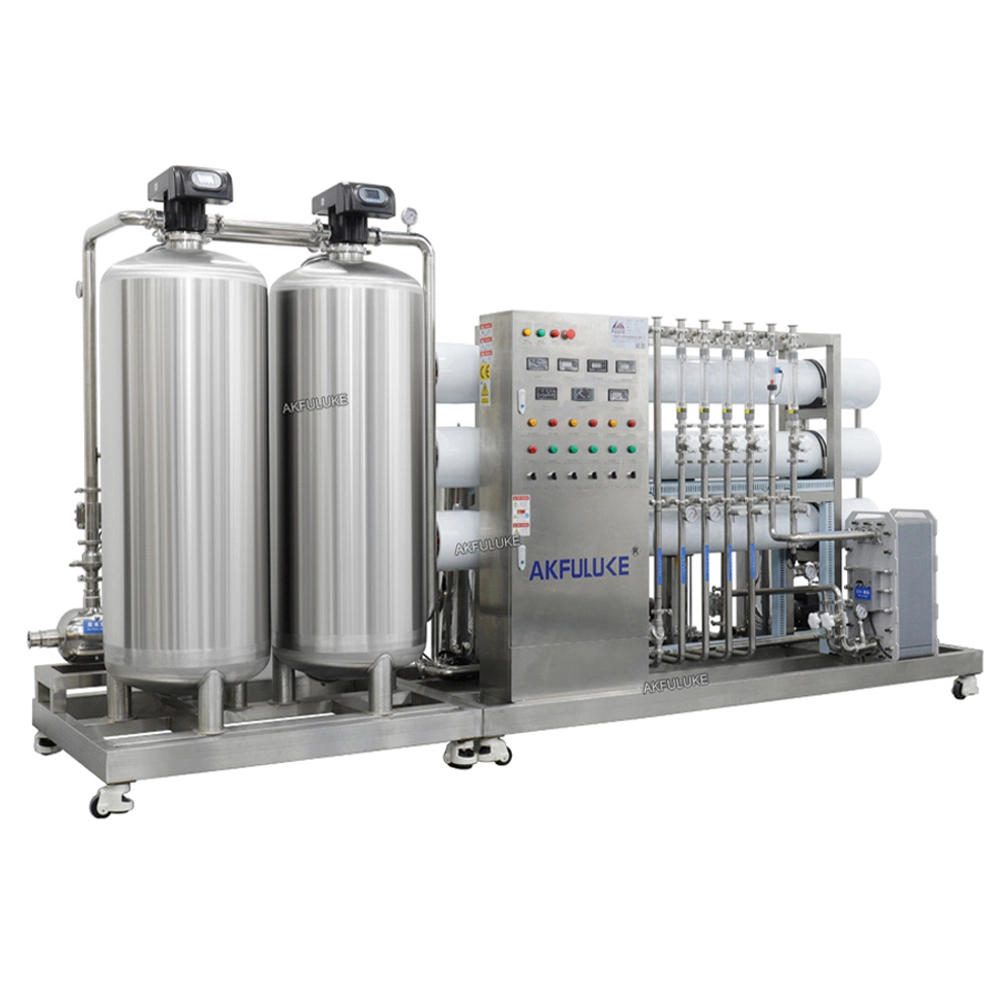
Integration: Pre-treatment and Post-treatment for RO Installations
Automatic Filling Machine
What special safety features are required for equipment used to fill medical disinfectants (containing alcohol)?
An explosion-proof automatic filling machine is essential. Key safety features include: ① The motor and electrical components must be explosion-proof to prevent sparks from igniting alcohol vapors; ② The tanks and piping must be made of anti-static materials and grounded to prevent static electricity accumulation; The workshop must also be well-ventilated and equipped with an explosion-proof exhaust system.
Film Packaging Machine
Can you customize the machine?
Of course, we provide customized services according to customer needs.
Automatic Facial Mask Filling Machine
Do you have a complete production line for facial masks?
Of course, we can also provide high-speed facial mask folding machine + online weighing and rejecting machine + automatic sheet counting machine + automatic cartoning machine + automatic three-dimensional cigarette packaging machine + online inkjet printer, etc.
Automatic Labeling Machine
Can you customize the machine?
Of course, we provide customized services according to customer needs.
Automatic Capping Machine
Can you customize the machine?
Of course, we provide customized services according to customer needs.
You May Also Like
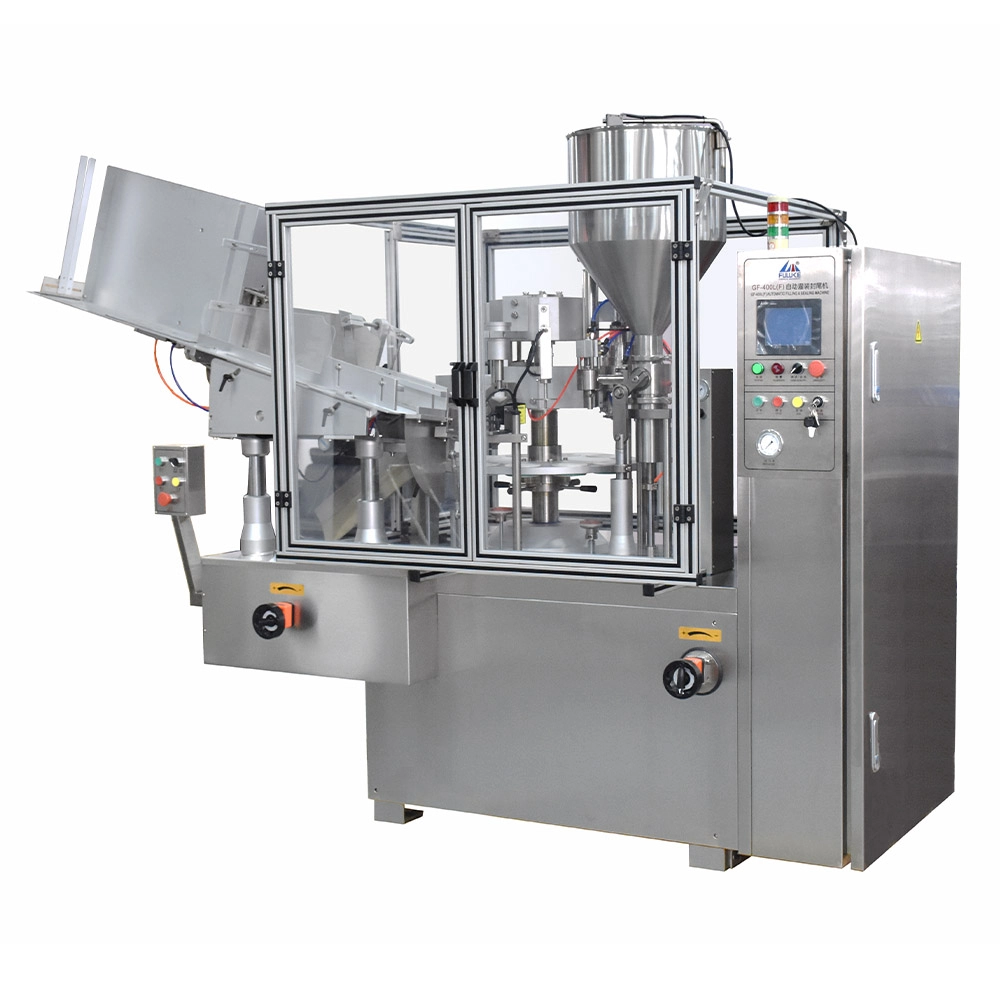
Automatic Tube Filling and Sealing Machine Toothpaste Sunscreen and Facial Cleanser Filling and Sealing Machine for Plastic and Aluminum-plastic Tube
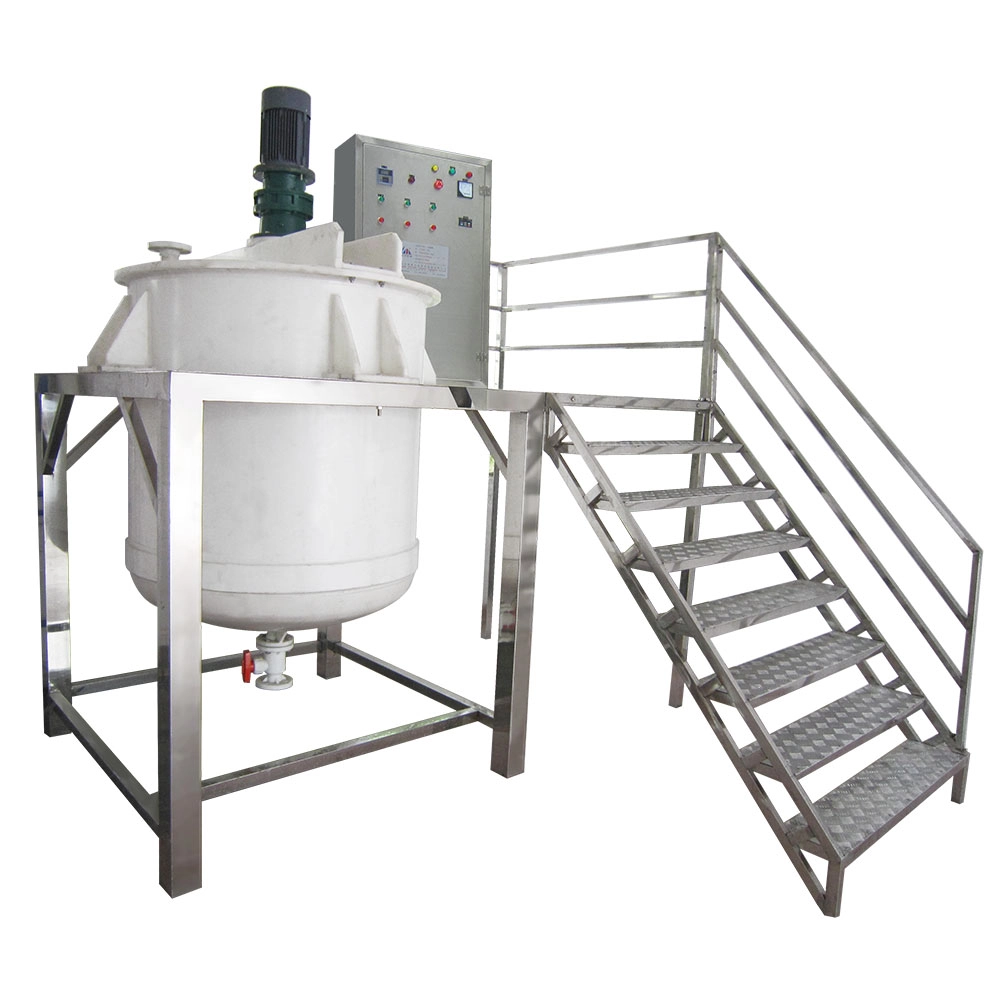
Polypropylene PP Mixing Tank Anti-Corrosion Mixer Reaction Kettle with Agitator Chemical Mixing Vessel
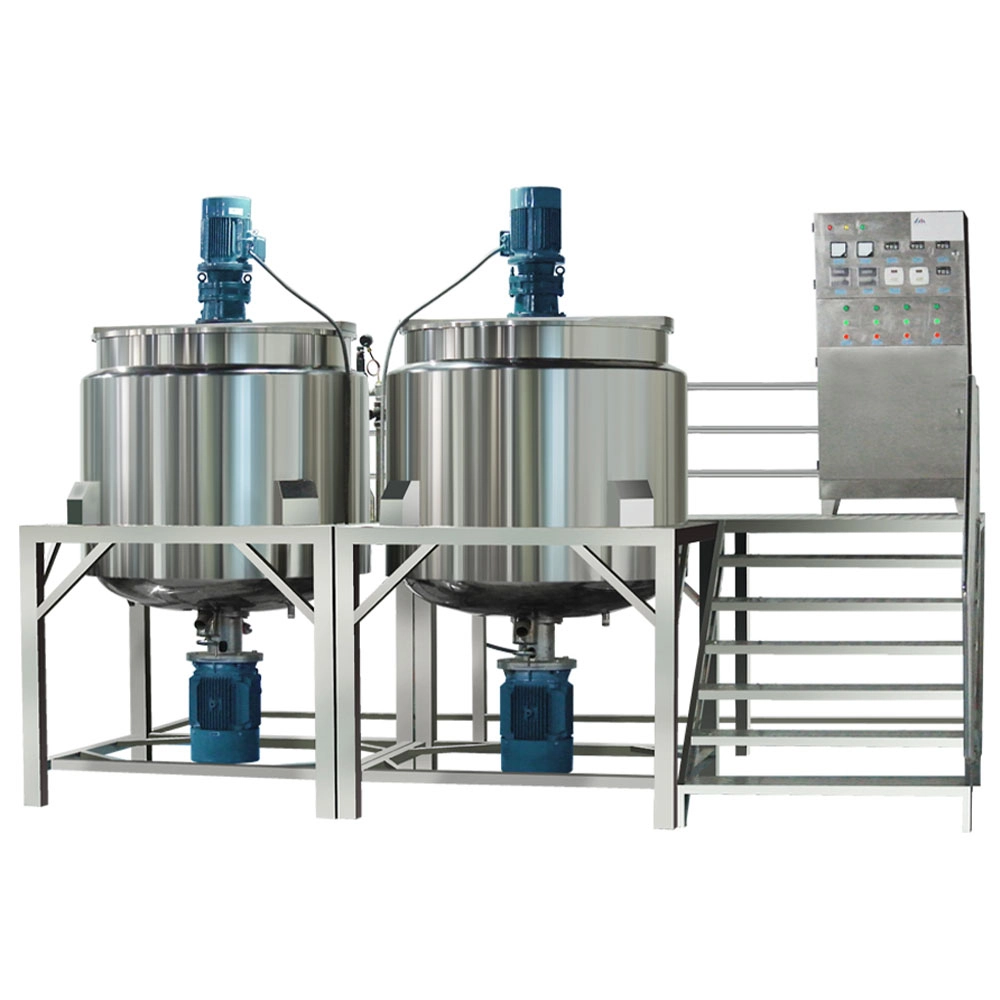
Flip Cover Multi-function Liquid Wash Mixing Tank Blender Liquid Detergent Mixer Homogenization Stirring Tank
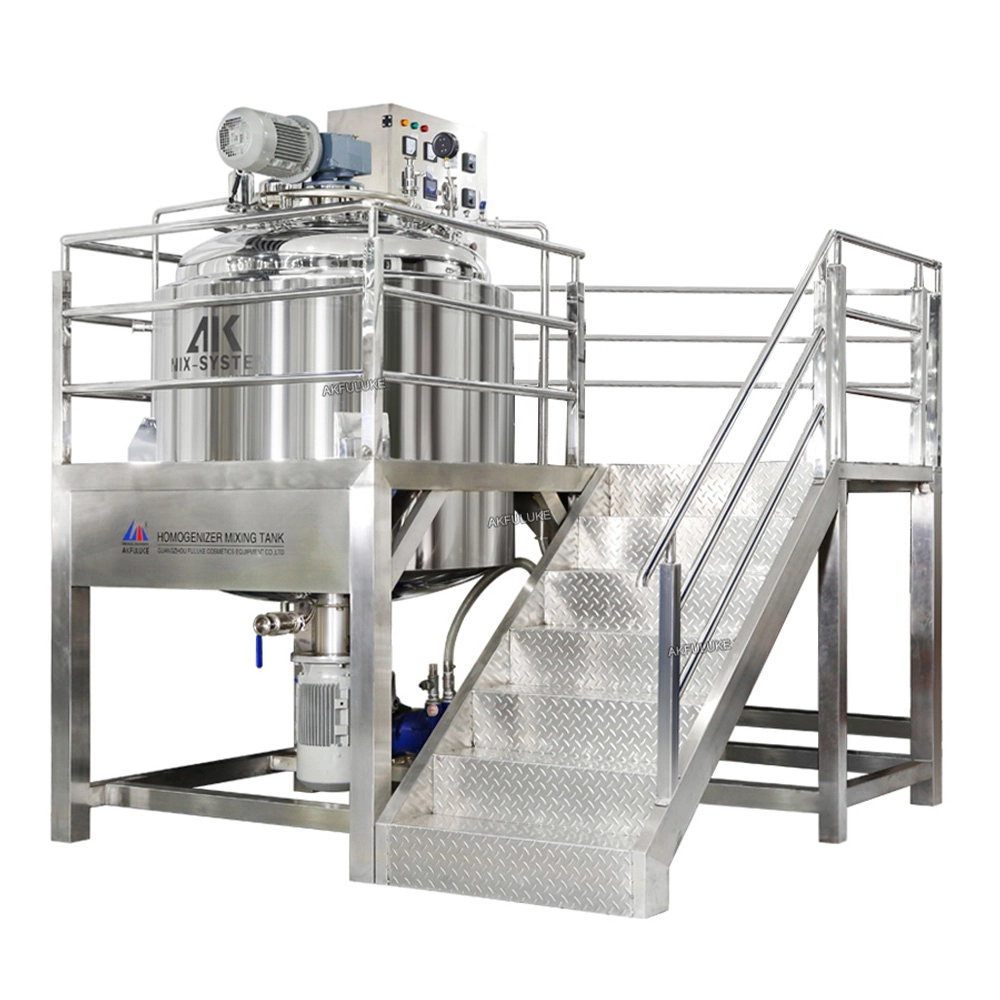
Stainless Steel Mixer Liquid Mixing tank with Agitator Homogenizing Mixing tank Vacuum Sealed Mixer Machine
Get in touch with FULUKE
If you have any comments or good suggestions, please leave us a message, later our professional staff will contact you as soon as possible.

A leading manufacturer specializing in advanced machinery and complete production lines for the cosmetics, food, pharmaceutical, and chemical industries worldwide.
Contact FULUKE
Facebook
Instagram
YouTube