
Filling Accuracy Testing Methods for Cosmetic Products
- Key test types and why they matter
- Gravimetric testing: the industry workhorse
- Volumetric and flow-meter-based testing
- Visual & high-speed inspection
- Designing a practical test protocol
- Define acceptance criteria and sample size
- Establish test conditions and environmental controls
- Procedure: step-by-step gravimetric test
- Equipment, calibration and data handling
- Calibrating balances, flow meters and pumps
- Software logging and traceability
- Measurement uncertainty and reporting
- Advanced methods and troubleshooting
- SPC and control charts for process stability
- Viscosity impact, product rheology and filling performance
- Comparative testing: bench vs. inline verification
- Case study and data comparison
- Example test summary
- Interpreting results and corrective actions
- Compliance, standards and references
- Regulatory perspective
- Standards and technical references
- Integration with your production line: practical considerations
- Choosing the right automatic filling machine
- Maintenance, cleaning and hygiene validation
- Operator training and quality culture
- FAQ
- Q: How often should I perform gravimetric checks on my filling line?
- Q: Can an inline flow meter replace gravimetric testing?
- Q: What tolerance is acceptable for cosmetic fills?
- Q: How does product viscosity affect fill accuracy?
- Q: What documentation is required for audits?
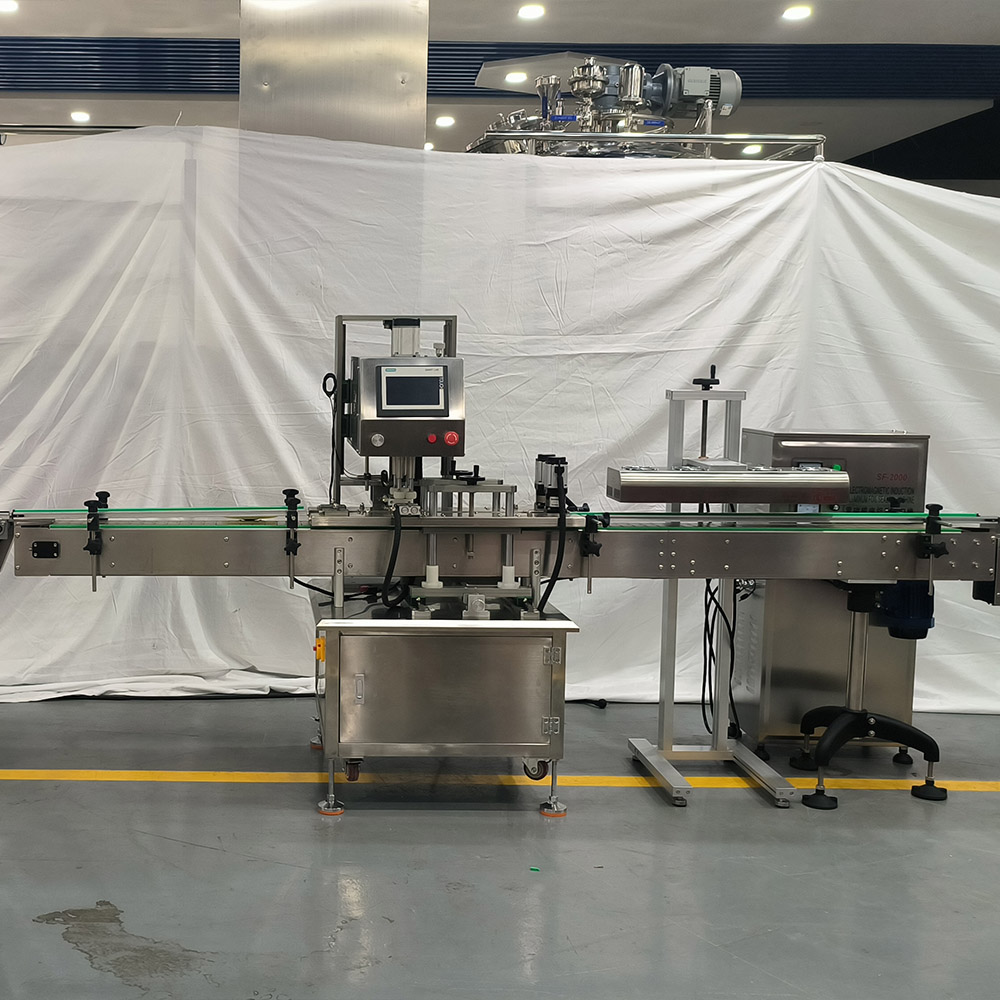
This guide describes robust, repeatable filling accuracy testing methods for cosmetic products using automated equipment. It is optimized for search and local relevance and intended for quality managers, production engineers, and procurement teams evaluating automatic filling machines. The methods below align with Good Manufacturing Practice guidance and provide measurable techniques to validate equipment such as the Automatic Filling Machine Quantitative Liquid Bottle Filling Machine High-precision cream and lotion filling machine for creams, lotions and liquids.
Key test types and why they matter
Gravimetric testing: the industry workhorse
Gravimetric (weight-based) testing measures the mass of filled containers and converts mass to volume using product density. It is the most accurate and widely used approach for filling accuracy because scales are fast, precise, and insensitive to foam or bubbles that affect volumetric methods. For cosmetics (creams, lotions, emulsions), gravimetric testing detects underfill/overfill and supports batch release criteria.
Volumetric and flow-meter-based testing
Volumetric methods (graduated cylinders, calibrated flow meters) are useful for low-viscosity liquids and inline diagnostics. Flow meters (e.g., Coriolis or turbine) integrated into an automatic filling machine provide real-time feedback during runs and can flag drift, but they require calibration and may be affected by entrained air, high viscosity, or non-Newtonian behavior typical of creams.
Visual & high-speed inspection
Vision systems and high-speed cameras detect visible defects such as overflow, nozzle drips, or partial fills due to container tilt. Combined with gravimetric testing, vision inspection helps separate mechanical faults (nozzle misalignment) from metering errors (pump performance).
Designing a practical test protocol
Define acceptance criteria and sample size
Before testing, define acceptable tolerances (e.g., ±2% of nominal fill) and a sampling plan. Use established statistical approaches such as ANSI/ASQ Z1.4 or internal standards. For high-value cosmetics, tighter tolerances and larger sample sizes are common to control customer complaints and regulatory exposure.
Establish test conditions and environmental controls
Standardize ambient temperature, product conditioning (homogenization), and container orientation. Viscosity and temperature influence filling volume — creams become less flowable when cold. Testing under worst-case and nominal production conditions ensures robust validation.
Procedure: step-by-step gravimetric test
Typical gravimetric procedure:
- Collect an empty container tare weight using calibrated balances (document serial and calibration date).
- Run production for a defined stabilization period (e.g., 50 cycles) to reach steady-state filling.
- Take randomized samples at defined intervals (e.g., 10 per shift or per 1,000 bottles).
- Weigh each filled container and calculate net fill = filled weight − tare weight.
- Convert net weight to volume using measured product density (density measured at the same temperature).
- Report mean, standard deviation, percentage within tolerance, and out-of-spec counts.
Equipment, calibration and data handling
Calibrating balances, flow meters and pumps
Calibration is critical. Scales should be certified and traceable to national standards. Flow meters and pumps on automatic filling machines must follow manufacturer-recommended calibration intervals. Keep records, calibration certificates, and uncertainty budgets. Refer to ISO guidance for quality systems when applicable; ISO 22716 provides cosmetics GMP principles that emphasize control and documentation of equipment and processes: ISO 22716 (Cosmetics — GMP).
Software logging and traceability
Modern automatic filling machines (including the Automatic Filling Machine Quantitative Liquid Bottle Filling Machine High-precision cream and lotion filling machine) have touchscreen interfaces and PLC/SCADA integration. Ensure the system records run parameters, batch IDs, timestamps, and deviation events to support traceability and corrective action. Electronic batch records facilitate audits and root-cause analysis.
Measurement uncertainty and reporting
Include measurement uncertainty in your acceptance evaluation. For example, if a balance has an uncertainty of ±0.02 g and tolerance is ±0.5 g, explicitly account for it when classifying a borderline fill as conforming or nonconforming. Documentation should include how uncertainty was calculated.
Advanced methods and troubleshooting
SPC and control charts for process stability
Apply statistical process control (SPC) to monitor mean fills and variability over time. X-bar and R charts help detect trends (drift due to pump wear) and special-cause variation (a clogged nozzle). Integrating SPC alerts into the automatic filling machine control enables timely interventions and reduces waste.
Viscosity impact, product rheology and filling performance
Cosmetic creams and lotions are often non-Newtonian. Their flow properties affect pump selection and fill repeatability. During validation, measure viscosity at production temperature and shear rates representative of the filling process. Adjust pump type (piston, gear, peristaltic) or cycle timing based on rheology. For instance, peristaltic pumps are good for shear-sensitive pastes; piston pumps provide high precision for a wide viscosity range.
Comparative testing: bench vs. inline verification
Use bench (off-line) gravimetric tests for initial validation and periodic checks. Inline methods (in-line flow meters, load cells integrated into conveyor) give continuous assurance but should be cross-validated against gravimetric spot checks to confirm accuracy over time.
Case study and data comparison
Example test summary
Below is a simplified comparative table showing how three test methods perform on a 100 g lotion target when used with an automatic filling machine.
| Method | Mean Fill (g) | Std Dev (g) | % Within ±2% (98–102 g) | Notes |
|---|---|---|---|---|
| Gravimetric (scale) | 100.3 | 0.6 | 98% | Gold standard, robust vs. foam |
| Inline Coriolis flow meter | 100.1 | 0.9 | 95% | Real-time, needs frequent calibration |
| Vision + volumetric | 99.8 | 1.4 | 90% | Best for visible defects, less precise for small mass errors |
Interpreting results and corrective actions
If gravimetric checks show systematic underfill, investigate pump dosing settings, nozzle wear, or product settling. If variability increases, check for air entrainment, inconsistent container positioning, or worn seals. Use automated filling machine diagnostics and maintenance logs to correlate mechanical events with fill performance.
Compliance, standards and references
Regulatory perspective
While cosmetics are regulated differently than drugs, adherence to quality systems reduces risk. Refer to regulatory resources such as the U.S. Food and Drug Administration (FDA) cosmetics overview for applicable requirements and safety expectations: FDA Cosmetics. For GMP-oriented guidance specific to cosmetics manufacturing, see ISO 22716: ISO 22716 (Cosmetics — GMP).
Standards and technical references
For general machine and testing context, consult authoritative references such as the industry overview on filling machines: Filling machine — Wikipedia. For broader quality and manufacturing practice context, the World Health Organization's resources on Good Manufacturing Practice and quality systems provide useful principles applicable to cosmetic production: WHO — Good Manufacturing Practice.
Integration with your production line: practical considerations
Choosing the right automatic filling machine
When selecting equipment, assess the product range, viscosity, container types (glass, PET), and throughput. The Automatic Filling Machine Quantitative Liquid Bottle Filling Machine High-precision cream and lotion filling machine is built with 316L/304 stainless steel contact parts, supports creams, lotions and liquids, and meets GMP design criteria. Its touchscreen interface simplifies parameter changes between SKUs and enables complete automated runs without manual intervention.
Maintenance, cleaning and hygiene validation
Regular preventive maintenance preserves accuracy. Clean-in-place (CIP) procedures should be validated and documented for cosmetics to prevent cross-contamination, especially when switching fragrances or active ingredients. Material-contact components in 316L/304 stainless steel are standard for hygiene and corrosion resistance.
Operator training and quality culture
Ensure operators understand test protocols, SPC basics, and how to interpret alarms from the automatic filling machine. A strong quality culture reduces operator errors and improves data reliability during acceptance testing and routine verification.
FAQ
Q: How often should I perform gravimetric checks on my filling line?
A: Recommended frequency depends on risk and production volume. Typical practice is at shift start and every 1,000–5,000 containers or after any significant change (product, container, nozzle). More frequent checks are advised during initial qualification and after maintenance.
Q: Can an inline flow meter replace gravimetric testing?
A: Inline flow meters provide continuous monitoring and are excellent for process control, but they should be cross-validated regularly with gravimetric methods because flow meters can drift and may be affected by air or product rheology.
Q: What tolerance is acceptable for cosmetic fills?
A: Tolerance depends on product value and regulation. Common industry tolerances range from ±1% to ±5%. High-end cosmetics often target ±1–2% to ensure customer expectations and minimize giveaways.
Q: How does product viscosity affect fill accuracy?
A: Higher viscosity and non-Newtonian behavior can slow fill speed, cause trailing or stringing, and reduce repeatability. Select pumps (piston, gear) and nozzle sizes suitable for the rheology and validate at production temperature.
Q: What documentation is required for audits?
A: Maintain SOPs for testing, calibration certificates, validation reports, batch records, SPC charts, and maintenance logs. Traceability from raw material to final pack should be demonstrable.
For hands-on validation and to see equipment specifications that support these testing methods, review our product information below and contact our technical team for a tailored validation plan. Product overview:
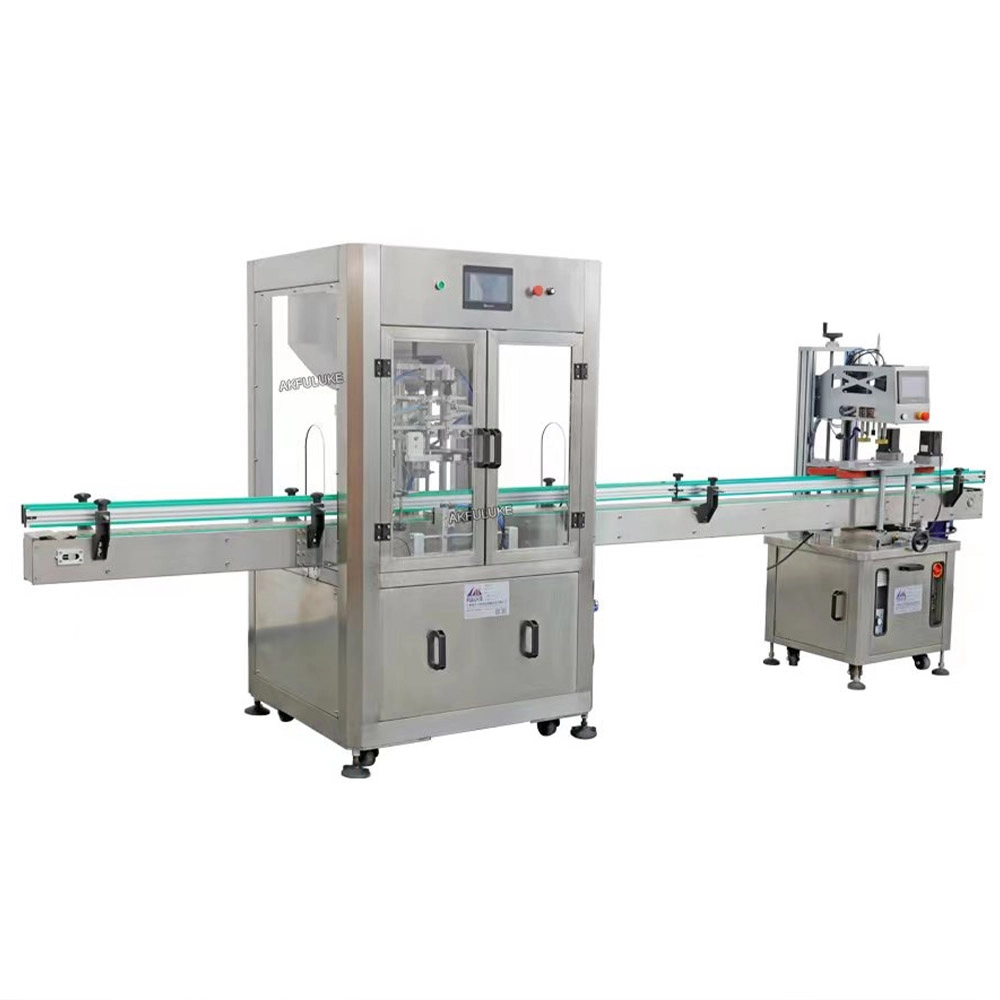
The automatic filling machine integrates automated conveying, precision filling, and intelligent control for packaging creams, lotions, and liquids. Suitable for a variety of containers, including glass and PET bottles, it can fill liquids, emulsions, and pastes with high precision.
Constructed with 316L/304 stainless steel contact components and compliant with GMP standards, it features a touchscreen interface for quick parameter adjustment and completes the entire process without manual intervention. Widely used in the cosmetics, food, daily chemical, pharmaceutical, and chemical industries, it helps companies reduce costs, increase efficiency, and ensure product standardization.
If you need help validating filling accuracy on your line or want to evaluate the Automatic Filling Machine Quantitative Liquid Bottle Filling Machine High-precision cream and lotion filling machine, contact our sales and technical support to arrange a demo, calibration protocol, or factory acceptance test (FAT). Click to contact us or view the product page.
Advanced Controls for Multi-Product Filling Lines
Customization Options for Bottle Filling Equipment
Avoiding Overfill and Underfill in Lotion Packaging
Performance Testing and Validation of Homogenizing Mixers
Automatic Facial Mask Filling Machine
Who are we?
Our headquarters is located in Guangzhou, Guangdong, China, and our factory is located in Yangzhou, Jiangsu. Our products are sold all over the world. We have approximately 50 employees in our company and factory.
Automatic Filling Machine
Can you customize the machine?
Of course, we provide customized services according to customer needs.
Sealed Homogenizing Mixing Tank
What can you buy from us?
RO Water Treatment、Vacuum Emulsifying Machine、Homogenizer Mixing Tank、Filling and Capping、labeling Machine、Packing Machine、Storage Tank,etc.
The Flip Cover Liquid Wash Mixing Homogenizing Tank
What is the structure of an agitator?
The agitator usually consists of a "frame agitator (SUS316L material) + scraper (PTFE)" or an anchor agitator.
Lift-type Homogenizing Disperser
Why is the equipment suddenly noisier during operation?
There are three common causes: First, the disperser disc is colliding with the container wall, requiring the machine to be stopped and adjusted for lift height or container position; second, the motor bearings are worn, requiring inspection and replacement if wear is severe; and third, hard impurities (such as metal particles) may be mixed into the material, requiring the machine to be stopped and cleaned to prevent damage to the disperser disc.
You May Also Like
Automatic Filling Machine Quantitative Liquid Bottle Filling Machine High-precision cream and lotion filling machine
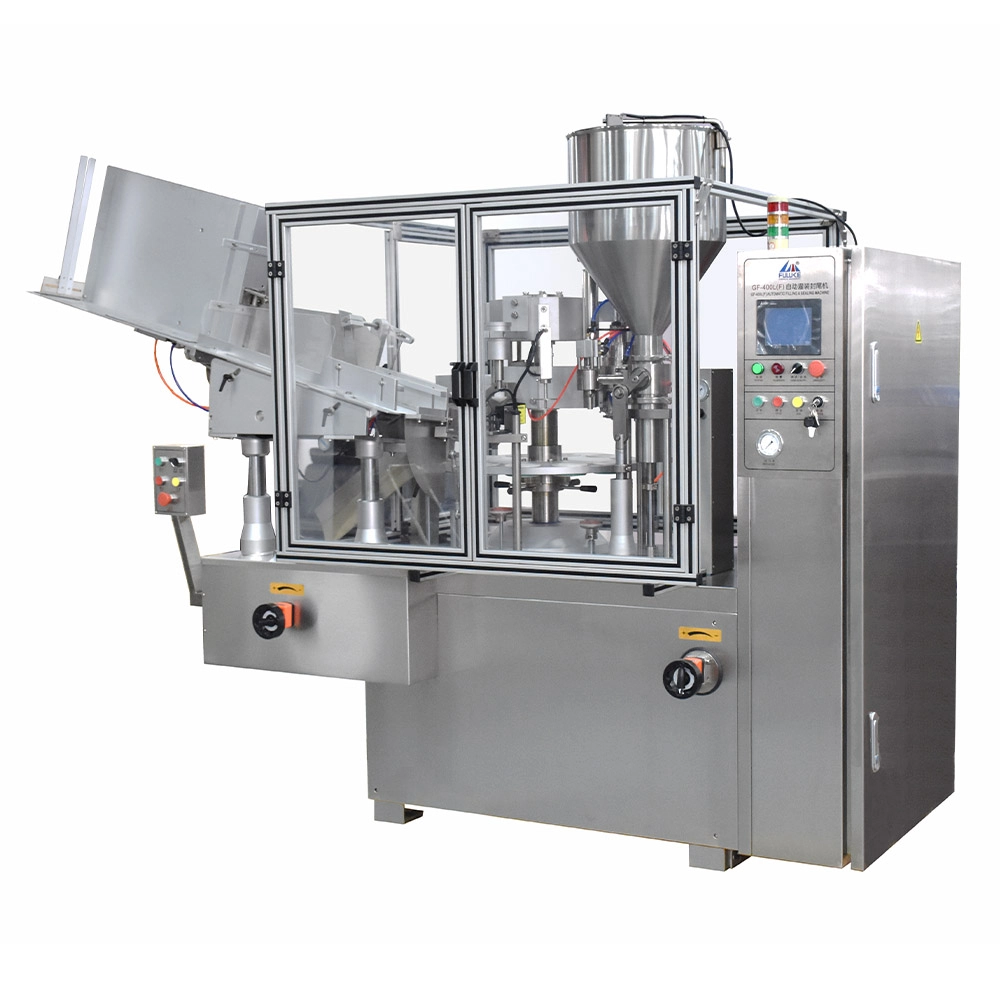
Automatic Tube Filling and Sealing Machine Toothpaste Sunscreen and Facial Cleanser Filling and Sealing Machine for Plastic and Aluminum-plastic Tube
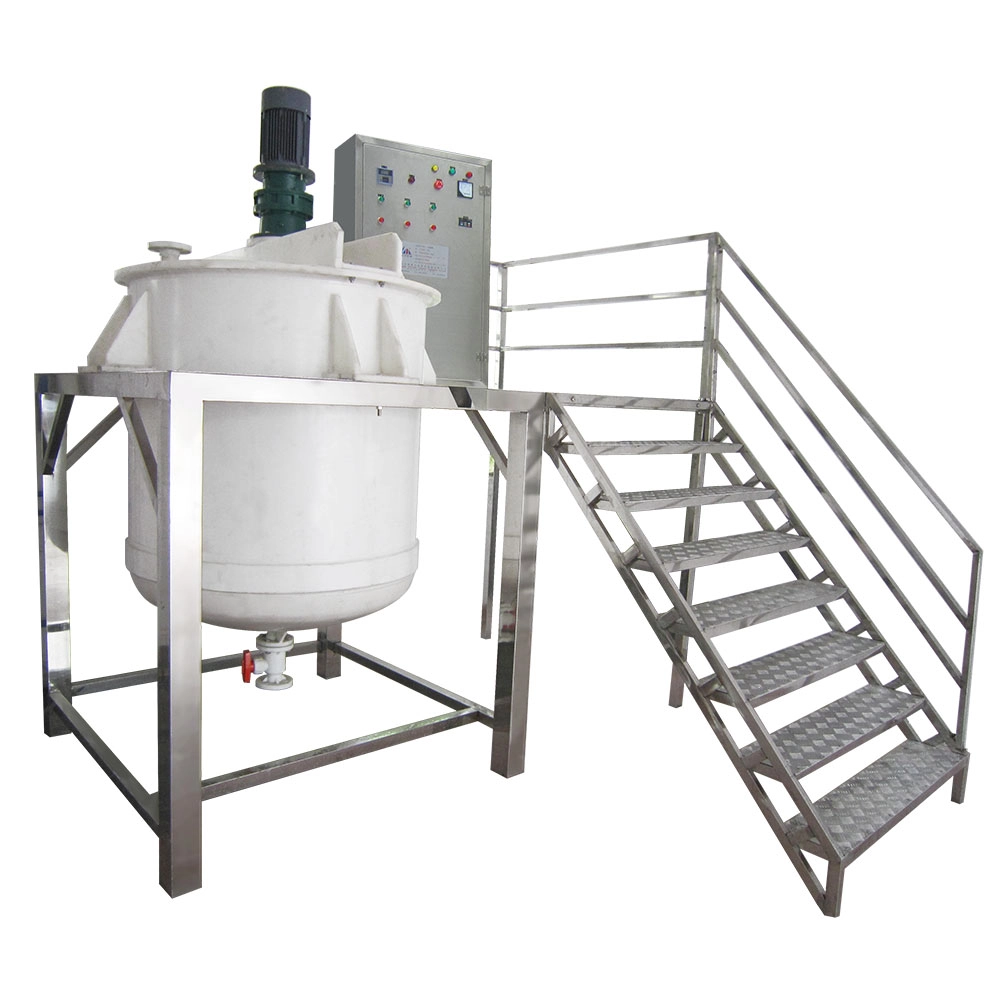
Polypropylene PP Mixing Tank Anti-Corrosion Mixer Reaction Kettle with Agitator Chemical Mixing Vessel
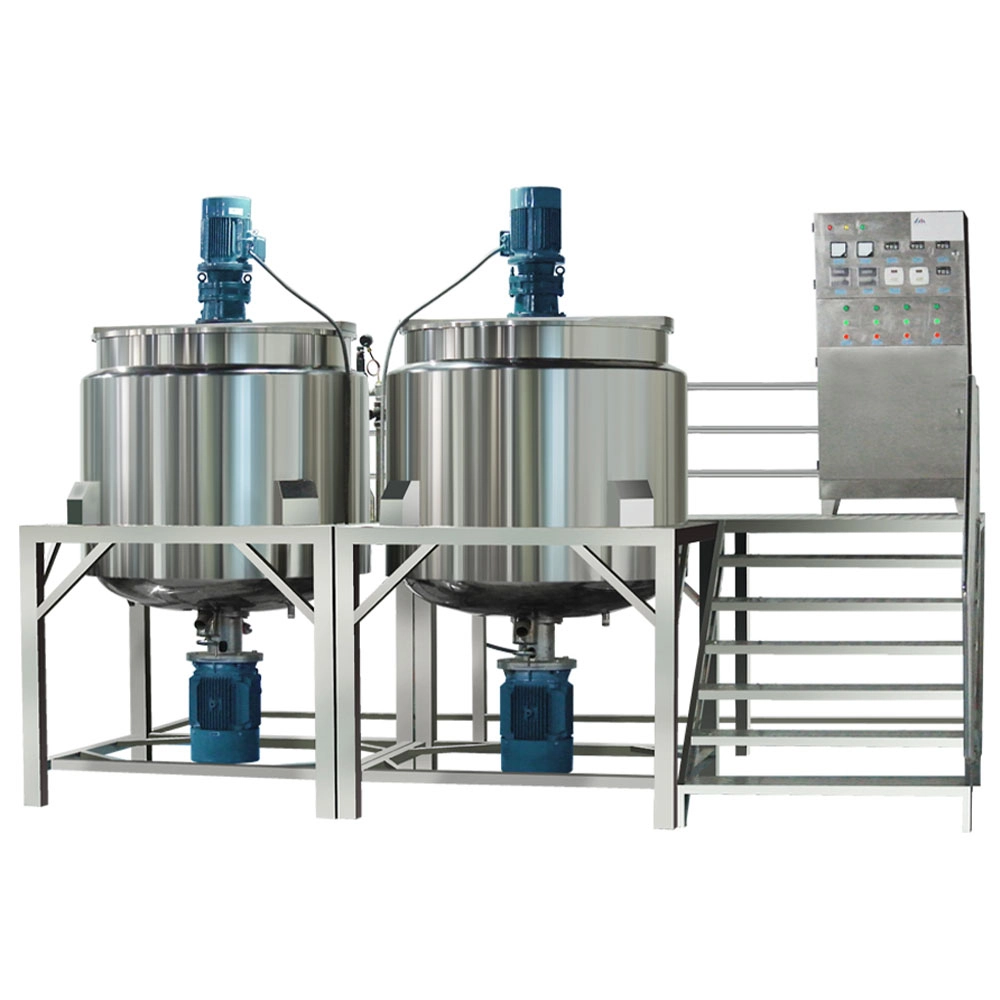
Flip Cover Multi-function Liquid Wash Mixing Tank Blender Liquid Detergent Mixer Homogenization Stirring Tank
Get in touch with FULUKE
If you have any comments or good suggestions, please leave us a message, later our professional staff will contact you as soon as possible.

A leading manufacturer specializing in advanced machinery and complete production lines for the cosmetics, food, pharmaceutical, and chemical industries worldwide.
Contact FULUKE
Facebook
Instagram
YouTube