
Maintenance Tips to Maximize Filling Machine Uptime
- Maximizing Production Efficiency with Preventive Maintenance
- Understanding critical failure modes
- Routine inspection checklist
- Predictive maintenance indicators
- Daily, Weekly, and Monthly Maintenance Plans for Liquid Filling Machines
- Daily routines (start/shift checks)
- Weekly tasks (mechanical and electrical checks)
- Monthly deep checks (calibration and sanitation)
- Technical Practices to Reduce Downtime and Improve Accuracy
- Calibration and verification
- Cleaning, CIP and contamination control
- Spare parts, MTTR and inventory strategy
- Training, Documentation, and Continuous Improvement
- Operator and maintenance staff training
- Maintenance logs, OEE and KPI tracking
- Vendor support, upgrades and lifecycle planning
- Practical Checklists and Troubleshooting Guides
- Quick-start pre-production checklist
- Common issues and fast corrective actions
- When to call for expert service
- Product Fit: Why This Automatic Filling Machine Helps Uptime
- FAQ
- Q: How often should I calibrate my liquid filling machine?
- Q: Can CIP be used for creams and lotions?
- Q: What are the top spares I should stock for a high-precision cream filler?
- Q: How do I reduce changeover time between different bottle types?
- Q: Where can I find more technical standards for machines in regulated industries?
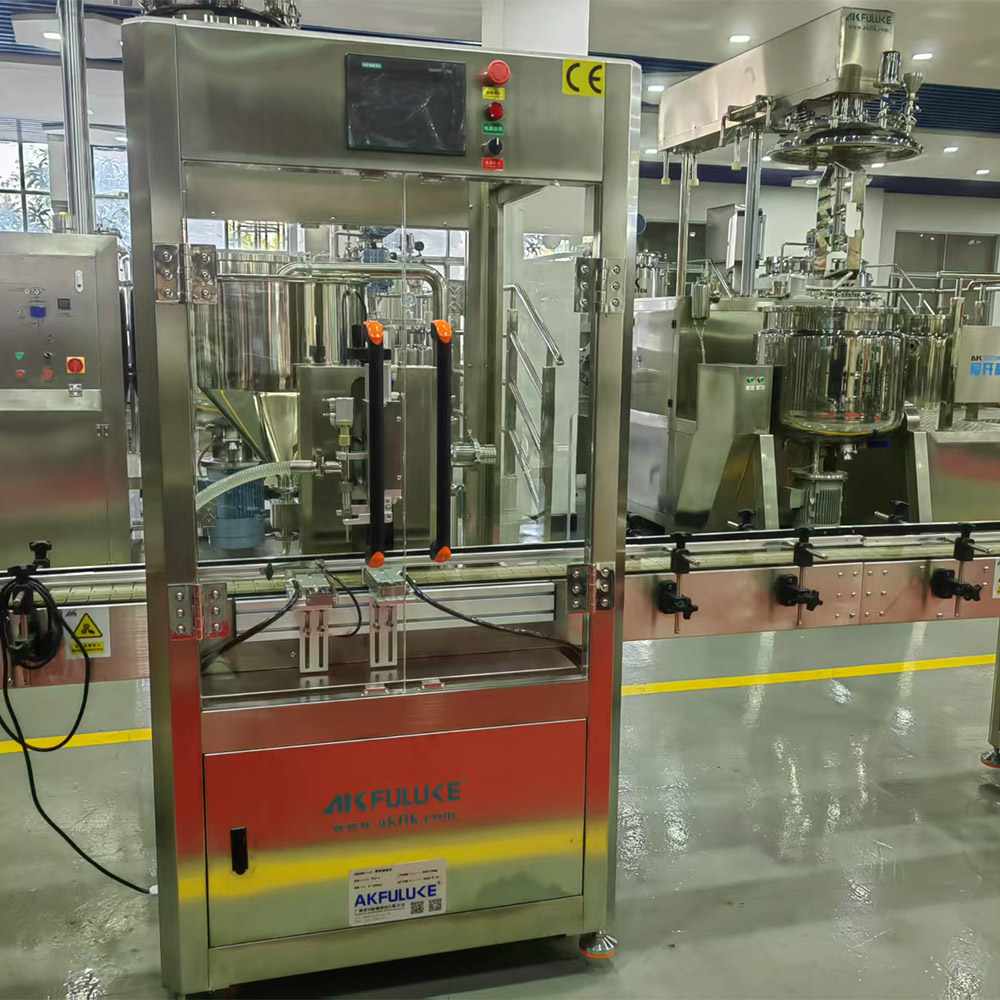
To keep production lines running at peak efficiency, maintain consistent uptime for your liquid filling machine through a structured preventive maintenance program, operator training, and the right spare-parts strategy. This article provides actionable maintenance tips tailored for automatic filling machines such as the Automatic Filling Machine Quantitative Liquid Bottle Filling Machine High-precision cream and lotion filling machine, helping cosmetics, pharmaceutical, food and daily chemical manufacturers reduce downtime and protect product quality.
Maximizing Production Efficiency with Preventive Maintenance
Understanding critical failure modes
Every liquid filling machine has a few common points of failure: pumps (piston, peristaltic, or gear), valves and seals, sensors and encoders, conveyor and star wheel mechanisms, and the HMI/control system. Identifying these critical failure modes allows you to prioritize maintenance tasks. For high-precision cream and lotion filling machines, pump wear and seal degradation are often the primary causes of accuracy drift and leakage.
Routine inspection checklist
Create a short daily inspection that operators can execute before production starts. A practical checklist includes visual inspection for leaks, verification of bottle guides and conveyors, confirming torque limits for clamping, and checking HMI error logs. Include verification of filling accuracy with a quick sample weight check (gravimetric) to verify the volumetric or piston-based fill within specified tolerances.
Predictive maintenance indicators
Implementing simple predictive indicators can flag issues before they cause downtime. Monitor vibration trends for pumps and motors, track changes in fill-cycle timing, and log deviations in weight results. Modern automatic filling machines often include PLC data output and HMI logs—use them to create trend charts and alerts. If you need guidance on predictive strategies, see industry references such as the Filling machine overview and the role of quality systems like GMP.
Daily, Weekly, and Monthly Maintenance Plans for Liquid Filling Machines
Daily routines (start/shift checks)
Daily checks are short, repeatable tasks focused on preventing immediate production interruptions: clean contact surfaces, confirm CIP (clean-in-place) parameters if applicable, inspect dispensing nozzles for build-up, and check all emergency stops and safety interlocks. For creams and lotions, residue buildup at nozzles or valves causes drips and weight errors; a daily nozzle wipe is often enough to prevent those issues.
Weekly tasks (mechanical and electrical checks)
Weekly maintenance should include lubrication of moving parts per manufacturer recommendations, visual inspection of belts and chains, torque checks on fasteners, and testing sensor alignment. Verify that pneumatic lines are leak-free and that fittings are secure. Replace or clean air filters to prevent pressure drops that could affect pneumatic-driven filler heads.
Monthly deep checks (calibration and sanitation)
Monthly work should focus on calibration, sanitation, and documentation. Perform full calibration verification of filling accuracy across the machine's fill range (low, mid, high volumes). For GMP compliance and product safety, execute documented sanitation cycles and validate CIP parameters. Keep records of calibration certificates and sanitation logs to support audits.
Technical Practices to Reduce Downtime and Improve Accuracy
Calibration and verification
High-precision cream and lotion fillers rely on accurate volumetric or piston metering. Create standard operating procedures (SOPs) for calibration frequency and methods. Use gravimetric testing for the highest accuracy: weigh multiple filled bottles across the fill range and compute mean and standard deviation. Record results and adjust the machine if the mean deviates beyond tolerance. Calibration after major maintenance or component replacement is essential.
Cleaning, CIP and contamination control
Cleaning protocols vary by product viscosity and formulation. The Automatic Filling Machine Quantitative Liquid Bottle Filling Machine High-precision cream and lotion filling machine supports CIP-compatible designs when configured with appropriate wetted materials. For products that change color or smell, implement stricter changeover cleaning. Use validated detergents and document rinse conductivity or TOC (Total Organic Carbon) checks where applicable.
Spare parts, MTTR and inventory strategy
Minimizing mean time to repair (MTTR) requires a targeted spare parts strategy. Keep critical spares on hand: pump seals, nozzle tips, sensors, encoder belts, and PLC backups. Classify parts by criticality and lead time. For example, a worn piston seal can be stocked as a fast-moving spare, while specialized electronic modules may be ordered on-demand but tracked via supplier lead times.
| Item | Suggested Inventory Level | Reason |
|---|---|---|
| Pump seals/gaskets | 5–10 units | High wear on cream/lotion formulations |
| Nozzle tips | 10 units | Prone to clogging and quick replacement |
| Proximity sensors | 2–4 units | Critical for machine indexing and safety |
| PLC/HMI backup | 1 unit (or rapid supplier SLA) | Reduces downtime from control failures |
Training, Documentation, and Continuous Improvement
Operator and maintenance staff training
Well-trained operators are the first line of defense against unexpected downtime. Run practical operator training that includes daily checks, simple troubleshooting steps, and safe cleaning/changeover procedures. For maintenance technicians, provide mechanical and electrical diagnostics training and a clear escalation path to factory support when necessary.
Maintenance logs, OEE and KPI tracking
Document every maintenance action in a maintenance log. Track key performance indicators (KPIs) such as uptime, mean time between failures (MTBF), mean time to repair (MTTR), and overall equipment effectiveness (OEE). Continuous monitoring enables root-cause analysis—if filling accuracy drifts every 200 hours, use logs to find correlations (e.g., pump wear, lubricant schedule, or product formulation changes).
Vendor support, upgrades and lifecycle planning
Maintain an active relationship with machine vendors for firmware updates, spare part availability, and retrofits. The Automatic Filling Machine Quantitative Liquid Bottle Filling Machine High-precision cream and lotion filling machine incorporates 316L/304 stainless steel contact components and GMP-compliant design; discuss scheduled firmware or control upgrades with your supplier to enhance diagnostics and reduce downtime risk.
Practical Checklists and Troubleshooting Guides
Quick-start pre-production checklist
A concise pre-production checklist reduces first-shift failures: (1) Verify HMI settings and recipe selection; (2) run an empty-cycle to confirm motion and no leaks; (3) inspect bottle positioning and star-wheel engagement; (4) run three sample fills and weigh them.
Common issues and fast corrective actions
Examples of frequent problems and immediate fixes:
- Inconsistent fill volumes: Check pump seals, air pressure stability, and nozzle partial blockage. Recalibrate if necessary.
- Dripping nozzles: Verify valve seating and check for worn O-rings; increase dwell time if product stringing is an issue.
- Conveyor misalignment: Realign guides, check sensor positions, and secure loose fasteners.
When to call for expert service
If errors persist after standard troubleshooting—such as unexplained electrical faults, PLC communication failures, or repeat accuracy loss—contact factory-trained technicians. For reference on quality frameworks and documentation that may be requested during service, consult regulatory guidance such as the FDA cGMP information.
Product Fit: Why This Automatic Filling Machine Helps Uptime
The Automatic Filling Machine Quantitative Liquid Bottle Filling Machine High-precision cream and lotion filling machine integrates automated conveying, precision filling, and intelligent control for packaging creams, lotions, and liquids. Suitable for a variety of containers, including glass and PET bottles, it can fill liquids, emulsions, and pastes with high precision.
Constructed with 316L/304 stainless steel contact components and compliant with GMP standards, it features a touchscreen interface for quick parameter adjustment and completes the entire process without manual intervention. Widely used in the cosmetics, food, daily chemical, pharmaceutical, and chemical industries, it helps companies reduce costs, increase efficiency, and ensure product standardization.
Key design elements that increase uptime:
- Hygienic materials (316L/304) and CIP-capable path to reduce sanitation downtime.
- Touchscreen and recipe management for fast changeovers and reduced operator error.
- Modular pump and valve assemblies for fast replacement and minimal MTTR.
FAQ
Q: How often should I calibrate my liquid filling machine?
A: Calibration frequency depends on production volume and product variability. A good practice is monthly verification for high-volume production and after any component replacement or suspected inaccuracy. Gravimetric tests provide the best accuracy check.
Q: Can CIP be used for creams and lotions?
A: Some formulations are CIP-compatible; however, thicker creams and high-viscosity lotions often require manual disassembly for thorough cleaning. Design the filling system with easy-to-remove nozzles and pump heads if frequent changeovers are expected.
Q: What are the top spares I should stock for a high-precision cream filler?
A: Prioritize pump seals, nozzle tips, O-rings, proximity sensors, and a spare HMI/PLC or established supplier SLA. Keep an inventory plan based on lead times and machine criticality.
Q: How do I reduce changeover time between different bottle types?
A: Use quick-adjust guides, recipe memory in the HMI for preset parameters, and modular changeover kits supplied by the manufacturer. Practice standard operating procedures for changeover to minimize errors.
Q: Where can I find more technical standards for machines in regulated industries?
A: Authoritative references include regulatory guidance such as the FDA cGMP pages and industry-standard documents linked from reputable sources like GMP overviews and technical descriptions of filling equipment (Filling machine).
If you have more specific questions or want a preventive maintenance checklist tailored to your line, contact our sales and service team / view product details. Our specialists can provide a maintenance plan, spare parts list, and training package customized to your Automatic Filling Machine Quantitative Liquid Bottle Filling Machine High-precision cream and lotion filling machine.
Contact us: Request a maintenance audit or product demo
How Tube Filling & Sealing Machines Boost Production Efficiency
How to Handle Thick Creams in Automatic Fillers
How to Choose the mixing tanks manufacturer and supplier ?
How to Validate Filling Accuracy for Regulatory Compliance
Sealed Homogenizing Mixing Tank
What is the speed of the high shear homogenizer?
The standard speed is 0-3000 rpm, but higher speeds can be customized upon request.
Can you customize the machine?
Of course, we provide customized services according to customer needs.
Automatic Filling Machine
What special safety features are required for equipment used to fill medical disinfectants (containing alcohol)?
An explosion-proof automatic filling machine is essential. Key safety features include: ① The motor and electrical components must be explosion-proof to prevent sparks from igniting alcohol vapors; ② The tanks and piping must be made of anti-static materials and grounded to prevent static electricity accumulation; The workshop must also be well-ventilated and equipped with an explosion-proof exhaust system.
Automatic Tube Filling and Sealing Machine
Can you make a design for us?
Yes, we can, we provide not only products, but also solutions and designs.
Storage Tank
Can you customize the machine?
Of course, we provide customized services according to customer needs.
You May Also Like
Automatic Tube Filling and Sealing Machine Toothpaste Sunscreen and Facial Cleanser Filling and Sealing Machine for Plastic and Aluminum-plastic Tube
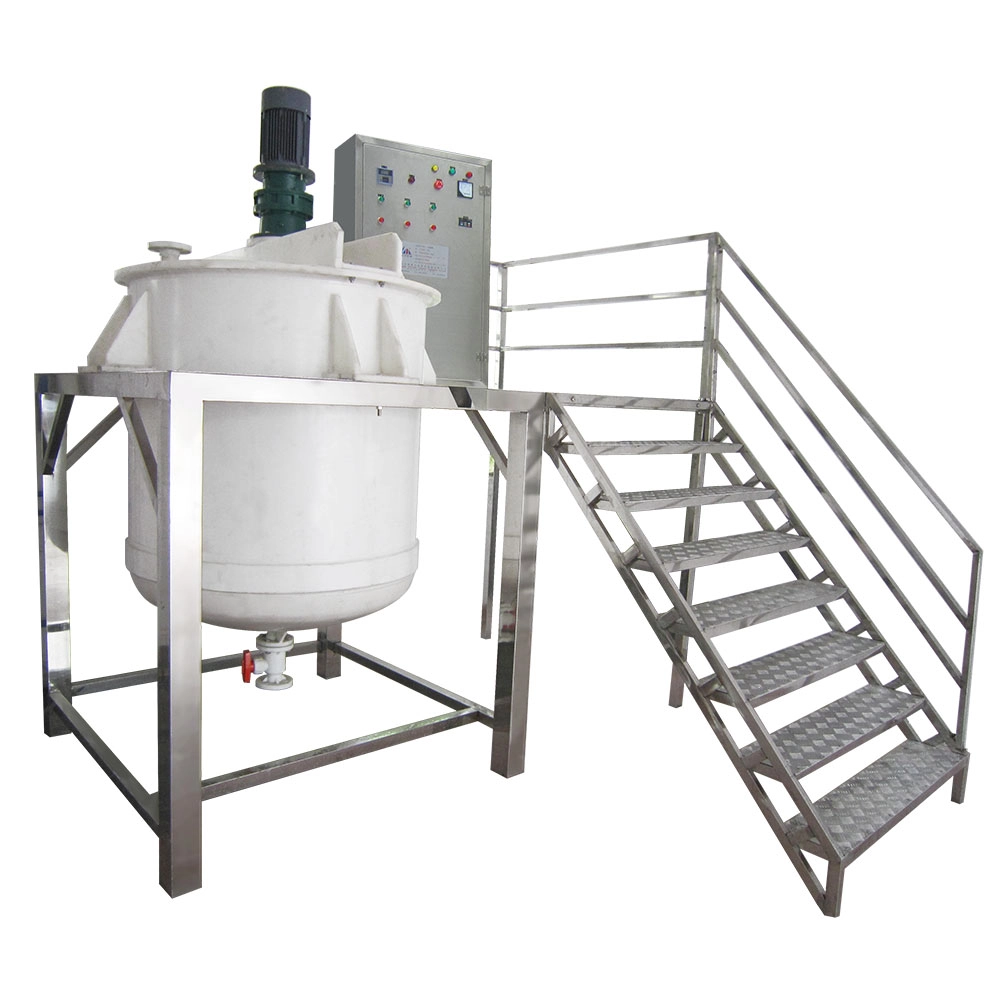
Polypropylene PP Mixing Tank Anti-Corrosion Mixer Reaction Kettle with Agitator Chemical Mixing Vessel
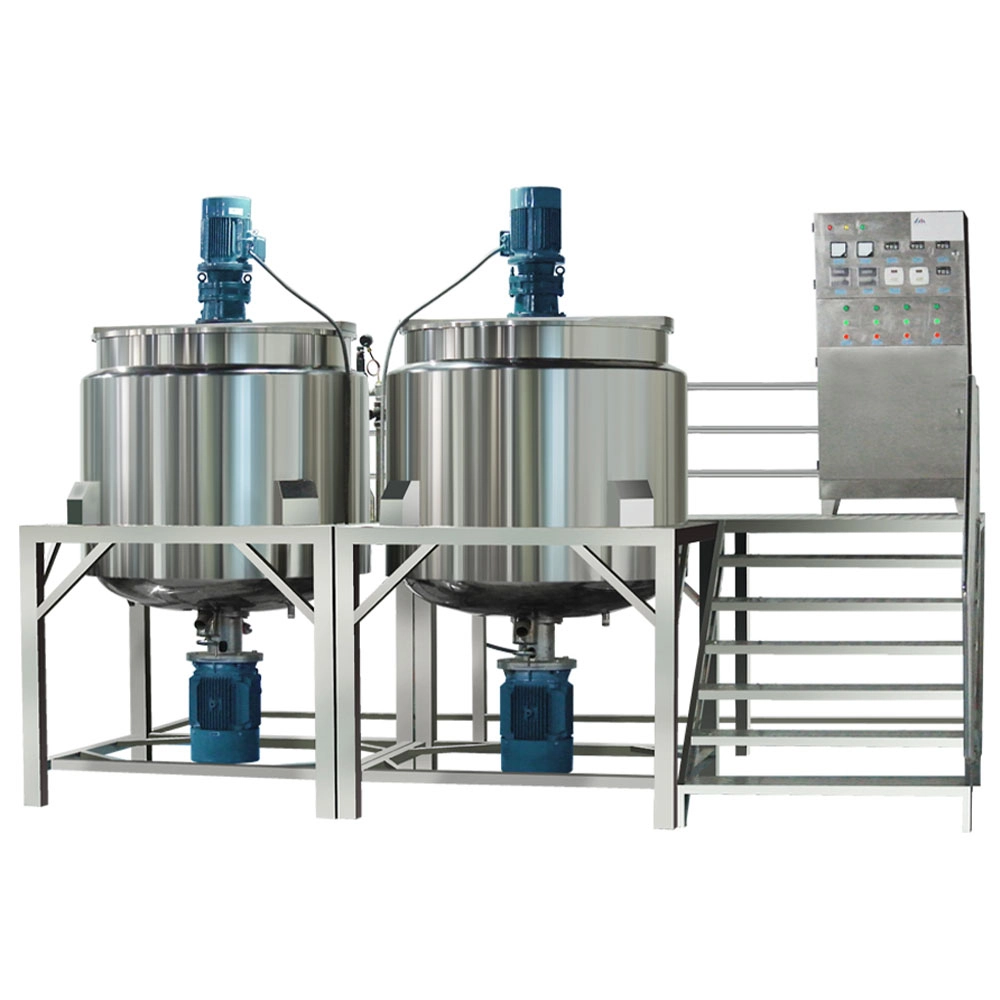
Flip Cover Multi-function Liquid Wash Mixing Tank Blender Liquid Detergent Mixer Homogenization Stirring Tank
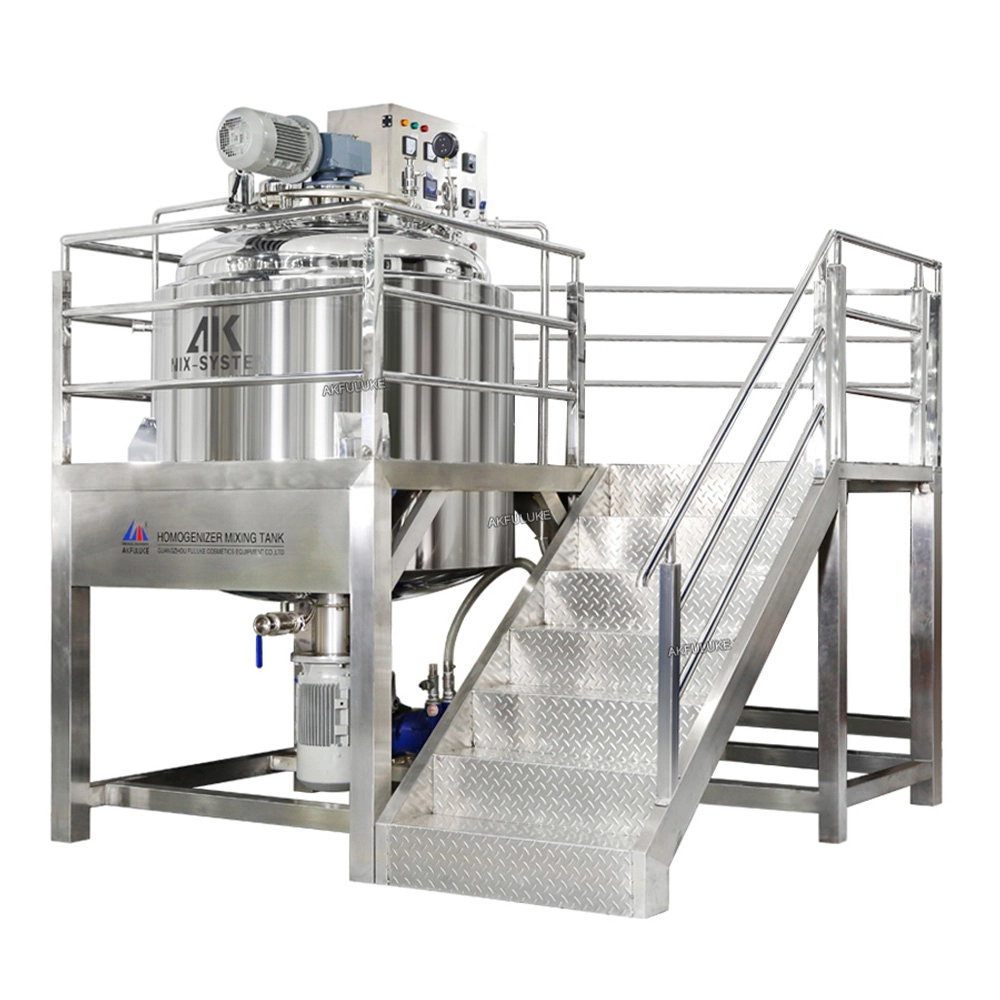
Stainless Steel Mixer Liquid Mixing tank with Agitator Homogenizing Mixing tank Vacuum Sealed Mixer Machine
Get in touch with FULUKE
If you have any comments or good suggestions, please leave us a message, later our professional staff will contact you as soon as possible.

A leading manufacturer specializing in advanced machinery and complete production lines for the cosmetics, food, pharmaceutical, and chemical industries worldwide.
Contact FULUKE
Facebook
Instagram
YouTube