
How Filling Machines Support GMP Compliance
- Design and Materials: Minimizing Contamination Risk
- Hygienic construction for GMP environments
- Sealed systems and contamination control
- Process Control, Accuracy and Traceability
- High-precision quantitative filling reduces out-of-spec product
- Digital controls, batch records and traceability
- Integration with MES and ERP
- Cleaning, Validation and Maintenance
- CIP/SIP capability and cleanability
- Qualification and validation steps
- Planned maintenance and calibration
- Operational Best Practices and Implementation
- Standard operating procedures and training
- Changeover, container compatibility and cross-contamination prevention
- Quality control and in-line inspection
- Practical Compliance Benefits — Data and Comparison
- Real-world Implementation Checklist
- Product Spotlight: Automatic Filling Machine Quantitative Liquid Bottle Filling Machine High-precision cream and lotion filling machine
- Standards and Guidance to Reference
- FAQ — Frequently Asked Questions
- Q: How does an automatic filling machine reduce contamination risk?
- Q: Can an automatic filling machine handle creams, lotions and viscous pastes?
- Q: What documentation is needed to show GMP compliance for a filler?
- Q: How does digital traceability work on an automatic filling machine?
- Q: Are automatic filling machines compliant with pharmaceutical GMP?
- Contact Sales / View Product
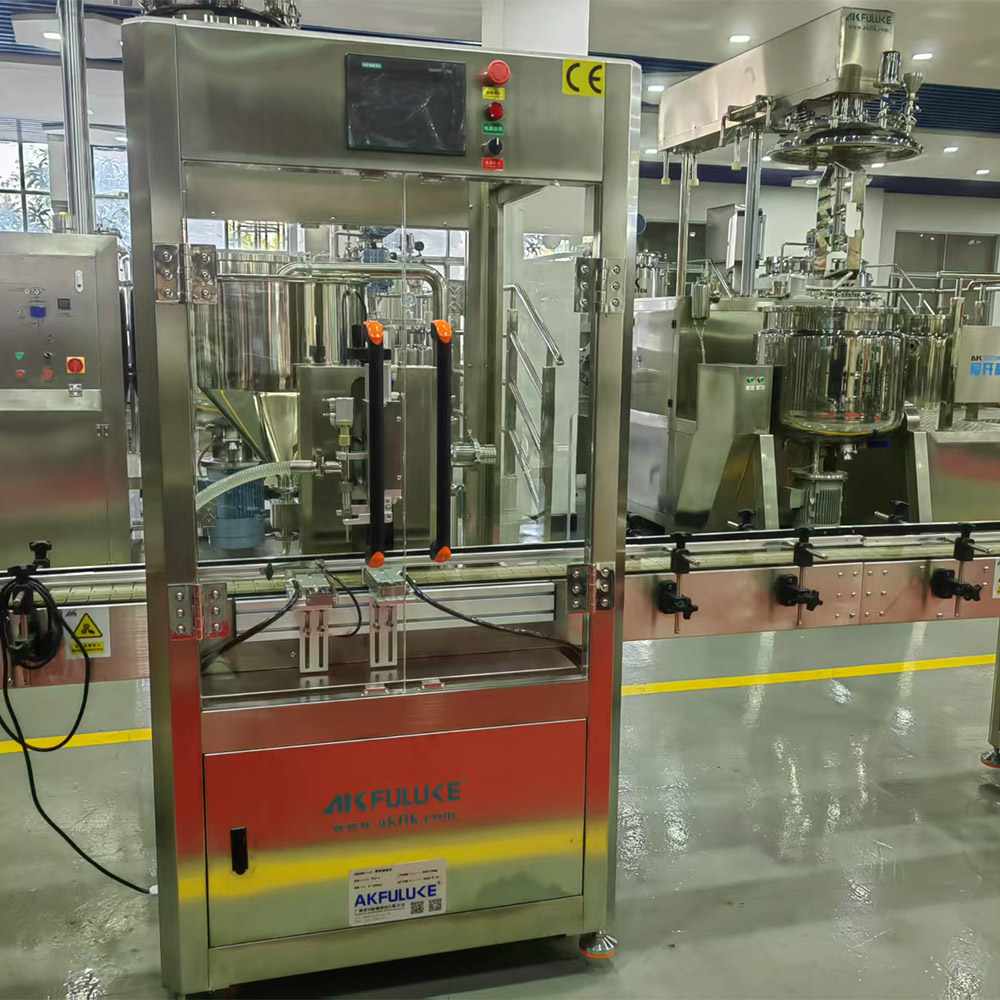
Automatic filling machines play a central role in helping cosmetics, pharmaceutical and personal-care manufacturers meet Good Manufacturing Practice (GMP) requirements. Combining hygienic materials, automated conveying, precision filling, and digital process control, these systems minimize contamination, guarantee dose accuracy, and provide the records and validation evidence required by regulators and auditors.
Design and Materials: Minimizing Contamination Risk
Hygienic construction for GMP environments
Choosing the right materials and machine architecture is the first line of defense against contamination. The Automatic Filling Machine Quantitative Liquid Bottle Filling Machine High-precision cream and lotion filling machine uses 316L/304 stainless steel for all product-contact components and closed, easy-drain piping. 316L stainless is widely recommended in regulated environments for its corrosion resistance and cleanability — properties emphasized in industry guidance for pharmaceutical and cosmetic production. See GMP principles explained by the World Health Organization for context: WHO: GMP introduction.
Sealed systems and contamination control
Automated fillers minimize open handling of creams, lotions and liquids. A closed dosing head, synchronized conveying and minimal manual intervention reduce airborne and operator-borne contamination. These design choices align with FDA expectations in finished product manufacturing that facilities and equipment must prevent cross-contamination and contamination from environmental sources (FDA: What is GMP?).
Process Control, Accuracy and Traceability
High-precision quantitative filling reduces out-of-spec product
GMP emphasizes consistent quality and specification conformance. Quantitative filling technology—such as volumetric or servo-driven piston filling—delivers repeatable fills for liquids, emulsions and pastes. The product referenced above provides high-precision cream and lotion filling with closed-loop control and touchscreen adjustment, which supports batch-to-batch uniformity and minimizes rework or waste.
Digital controls, batch records and traceability
Automated filling machines with intelligent control systems create digital process logs that are crucial for traceability and investigations. Touchscreen HMI (Human Machine Interface) and PLC-based systems record parameters such as fill volume, speed, nozzle status, and alarms. These electronic batch records support GMP documentation requirements and simplify audits by providing time-stamped evidence of how a batch was processed.
Integration with MES and ERP
Modern automatic filling equipment can interface with Manufacturing Execution Systems (MES) and enterprise software to further strengthen change control, batch release and deviation management. This integration reduces transcription errors from manual logs and provides an auditable route from raw material lot to finished product.
Cleaning, Validation and Maintenance
CIP/SIP capability and cleanability
Effective cleaning and sterilization processes are explicit GMP expectations. A machine built with hygienic design and smooth welds supports Clean-In-Place (CIP) and, where applicable, Steam-In-Place (SIP) procedures. The selectable recipes on touchscreen interfaces allow operators to run validated cleaning cycles consistently and log completion for compliance records.
Qualification and validation steps
To demonstrate GMP compliance, equipment requires Qualification: IQ (Installation Qualification), OQ (Operational Qualification) and PQ (Performance Qualification). Automatic fillers simplify OQ/PQ because precision filling systems and digital controls produce measurable performance data (e.g., fill accuracy, cycle times, rejection rates). Guidance on validation of manufacturing processes is available from regulatory frameworks including ISO standards and agency guidance (ISO standards).
Planned maintenance and calibration
GMP expects preventative maintenance and calibration plans that ensure equipment stays within validated performance. Servo systems, scale-based verification and periodic nozzle checks should be scheduled and recorded. Built-in diagnostics on the automatic filling machine reduce downtime and help maintain consistent performance.
Operational Best Practices and Implementation
Standard operating procedures and training
Even the best automatic filling machine requires SOPs and trained staff to meet GMP. Operators must be trained on machine startup, changeover, cleaning, and emergency stop procedures. Training records and competence assessments are part of GMP compliance and should be connected to the machine’s operation profiles.
Changeover, container compatibility and cross-contamination prevention
Quick and validated changeover procedures are critical when filling different formulations or container types (glass, PET). The referenced machine supports a range of containers with automated conveying and easy adjustments on the touchscreen, enabling documented, reproducible changeovers that mitigate cross-contamination risk.
Quality control and in-line inspection
Integrating in-line inspection such as weight checks, leak detection and vision systems complements filling accuracy and ensures only compliant units proceed to labeling and packaging. Automated rejection systems separate out-of-spec containers, and the machine logs reasons for rejection as part of the batch record.
Practical Compliance Benefits — Data and Comparison
Below is a concise comparison of manual, semi-automatic, and fully automatic filling approaches against common GMP compliance factors:
| GMP Factor | Manual | Semi-automatic | Automatic Filling Machine |
|---|---|---|---|
| Contamination risk | High (operator exposure) | Medium (some automation) | Low (closed heads, minimal handling) |
| Fill consistency | Variable | Improved | High precision (≤ specified tolerance) |
| Traceability / Records | Manual logs (prone to errors) | Partial data capture | Full electronic logs and timestamps |
| Validation ease | Hard to quantify | Moderate | Easy (repeatable performance and data) |
| Throughput | Low | Medium | High |
| Regulatory readiness | Low | Improving | High (designed for GMP environments) |
Real-world Implementation Checklist
When selecting and deploying an automatic filling machine to meet GMP expectations, use this practical checklist:
- Verify product-contact materials are 316L/304 stainless steel and have certificate of compliance.
- Confirm closed-system design and drainability for CIP.
- Require digital batch record capability and secure data export (CSV / SQL / MES integration).
- Plan IQ/OQ/PQ protocols with measurable acceptance criteria for fill accuracy and reject rates.
- Integrate in-line inspection (weight, vision, leak tests) for quality gating.
- Establish validated changeover procedures for different container types and formulations.
- Implement training programs and retain training records tied to operators.
- Create a preventative maintenance and calibration schedule with record-keeping.
Product Spotlight: Automatic Filling Machine Quantitative Liquid Bottle Filling Machine High-precision cream and lotion filling machine
The automatic filling machine integrates automated conveying, precision filling, and intelligent control for packaging creams, lotions, and liquids. Suitable for a variety of containers, including glass and PET bottles, it can fill liquids, emulsions, and pastes with high precision.
Constructed with 316L/304 stainless steel contact components and compliant with GMP standards, it features a touchscreen interface for quick parameter adjustment and completes the entire process without manual intervention. Widely used in the cosmetics, food, daily chemical, pharmaceutical, and chemical industries, it helps companies reduce costs, increase efficiency, and ensure product standardization.
Standards and Guidance to Reference
When building your GMP program around automated equipment, consult recognized guidance and standards. Useful resources include:
- World Health Organization (GMP overview): WHO: GMP introduction
- U.S. Food and Drug Administration (GMP basics and guidance): FDA: What is GMP?
- ISO standards for quality and equipment (selection guide): ISO standards
- GMP overview (Wikipedia summary): Wikipedia: Good manufacturing practice
FAQ — Frequently Asked Questions
Q: How does an automatic filling machine reduce contamination risk?
A: By using hygienic materials (316L/304 stainless), closed filling heads, minimized manual handling and integrated CIP routines, automatic fillers reduce operator exposure and environmental contamination pathways. They also allow validated cleaning cycles and documented cleaning records.
Q: Can an automatic filling machine handle creams, lotions and viscous pastes?
A: Yes. The featured machine is designed for liquids, emulsions and pastes and uses precision dosing technology suitable for a wide viscosity range. Selection of nozzle type and pump/servo parameters is critical and is included in the machine’s changeover settings.
Q: What documentation is needed to show GMP compliance for a filler?
A: Typical documentation includes IQ/OQ/PQ protocols and results, material certificates (e.g., 316L compliance), SOPs for operation and cleaning, electronic batch records, maintenance and calibration logs, and training records. These items form the core evidence for audits.
Q: How does digital traceability work on an automatic filling machine?
A: Modern automatic fillers log process parameters (fill volume, speed, alarms), batch IDs, timestamps and rejection events. Data can be exported to MES/ERP systems for centralized batch records and traceability across production stages.
Q: Are automatic filling machines compliant with pharmaceutical GMP?
A: Equipment built to hygienic design principles with validated cleaning and control systems can support pharmaceutical GMP. Compliance depends on facility controls, validated processes and documented procedures in addition to the machine design.
Contact Sales / View Product
If you want to evaluate how the Automatic Filling Machine Quantitative Liquid Bottle Filling Machine High-precision cream and lotion filling machine can help your facility meet GMP requirements, contact our team for a technical datasheet, validation support and ROI analysis. You can reach our sales team at sales@example.com or view product details and request a demo.
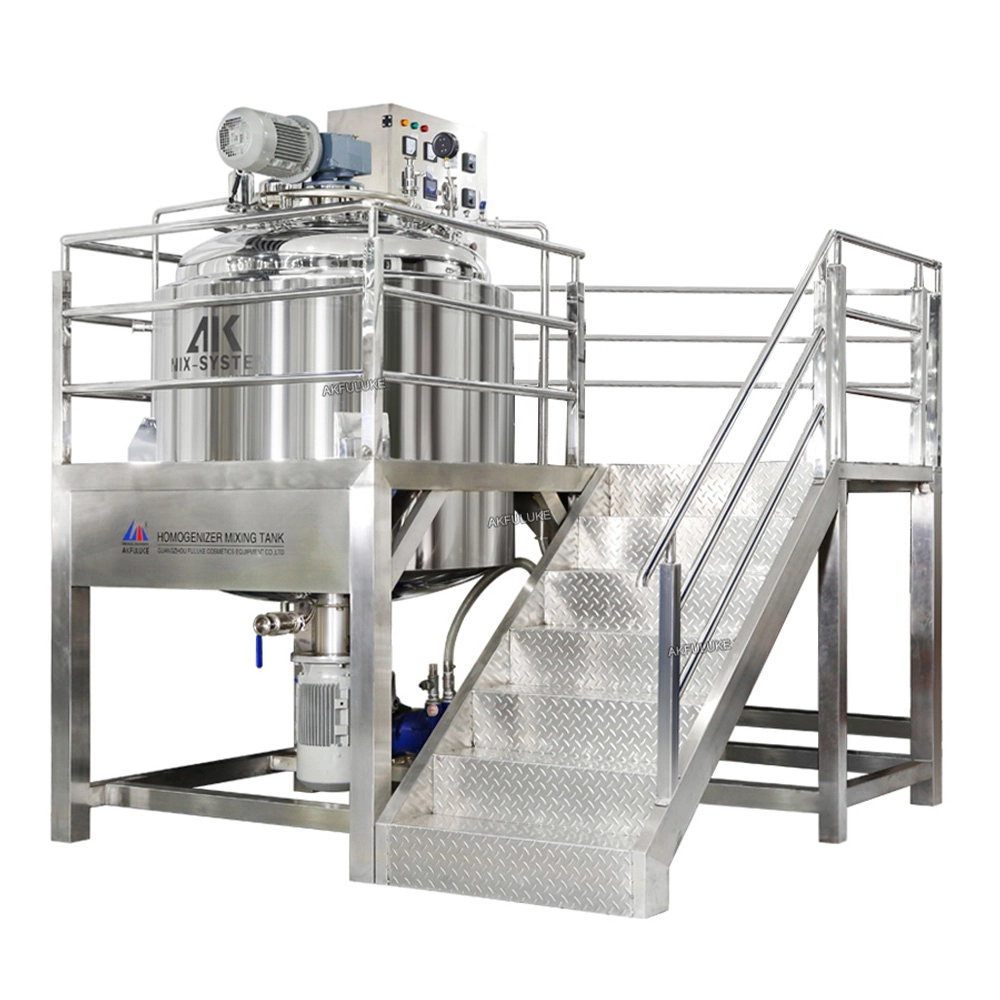
Choosing the Right Mixing Tank for High-Volume Liquid Production
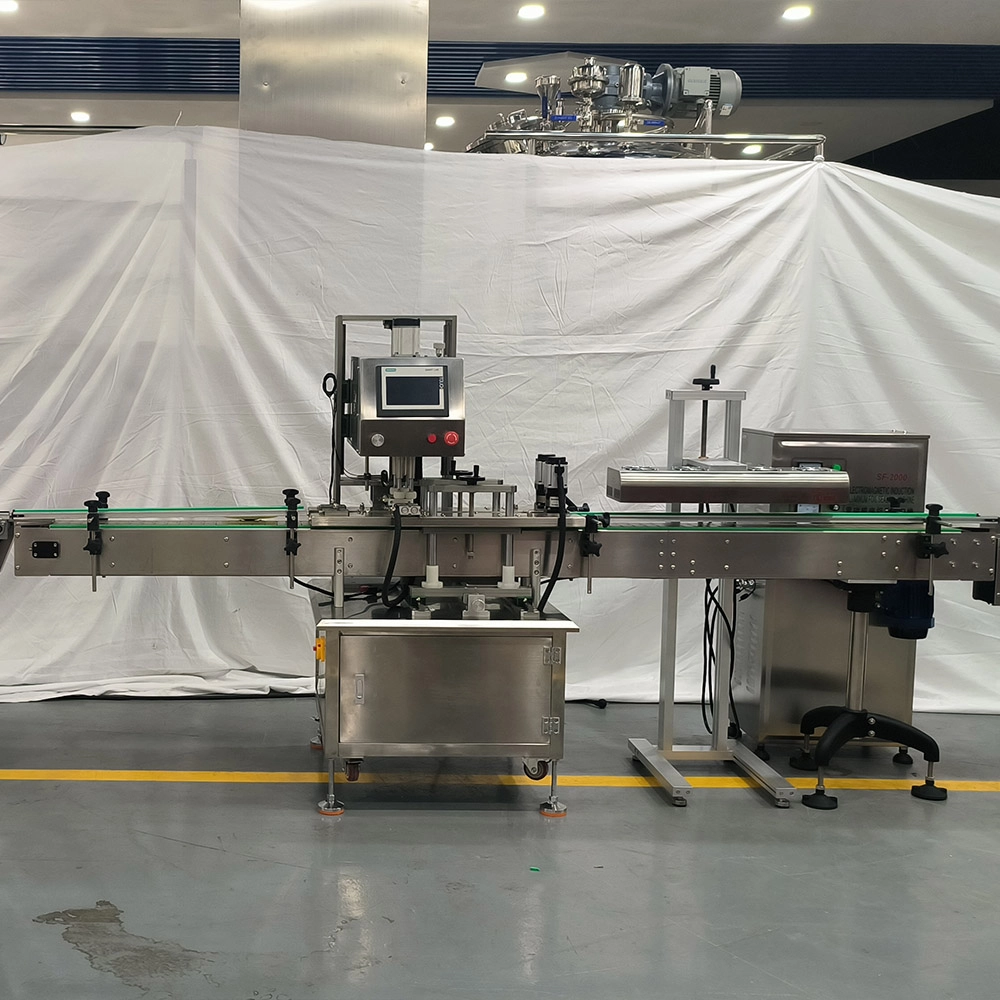
Integration of Filling Machines with Bottle Cappers and Labelers
Compare Agitator Types for High-Viscosity Liquid Mixing
Addressing Foaming Issues During Liquid Filling
Polypropylene PP Mixing Tank
Can you make a design for us?
Yes, we can, we provide not only products, but also solutions and designs.
Storage Tank
How can I extend the life of my storage tank?
Avoid storing media that are incompatible with the material to prevent corrosion.
Perform maintenance according to specifications and promptly repair damaged anti-corrosion coatings or seals.
When the tank is idle for an extended period, empty the media and protect it from moisture and dust.
Can you customize the machine?
Of course, we provide customized services according to customer needs.
Automatic Labeling Machine
What types of bottles can this automatic labeling machine label?
It can label flat, round, and square bottles on one side, two sides, or even all around.
Inkjet Printing Machine
What content can an inkjet printer print?
It can print text, time, date (Julian Year), logo, shift, SN, Dynamic Barcode/OR Code, Dynamic Serial Data, and Dynamic Database (additional content can be added as required).
You May Also Like
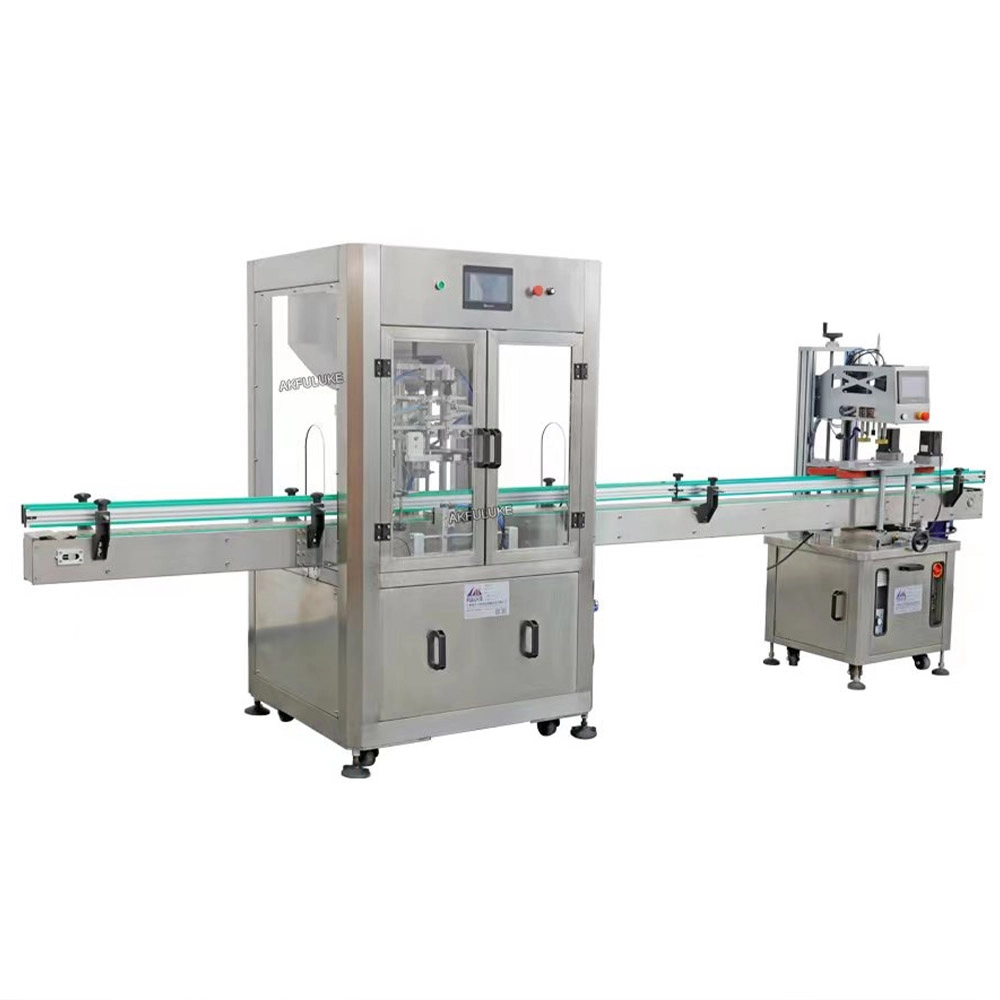
Automatic Filling Machine Quantitative Liquid Bottle Filling Machine High-precision cream and lotion filling machine
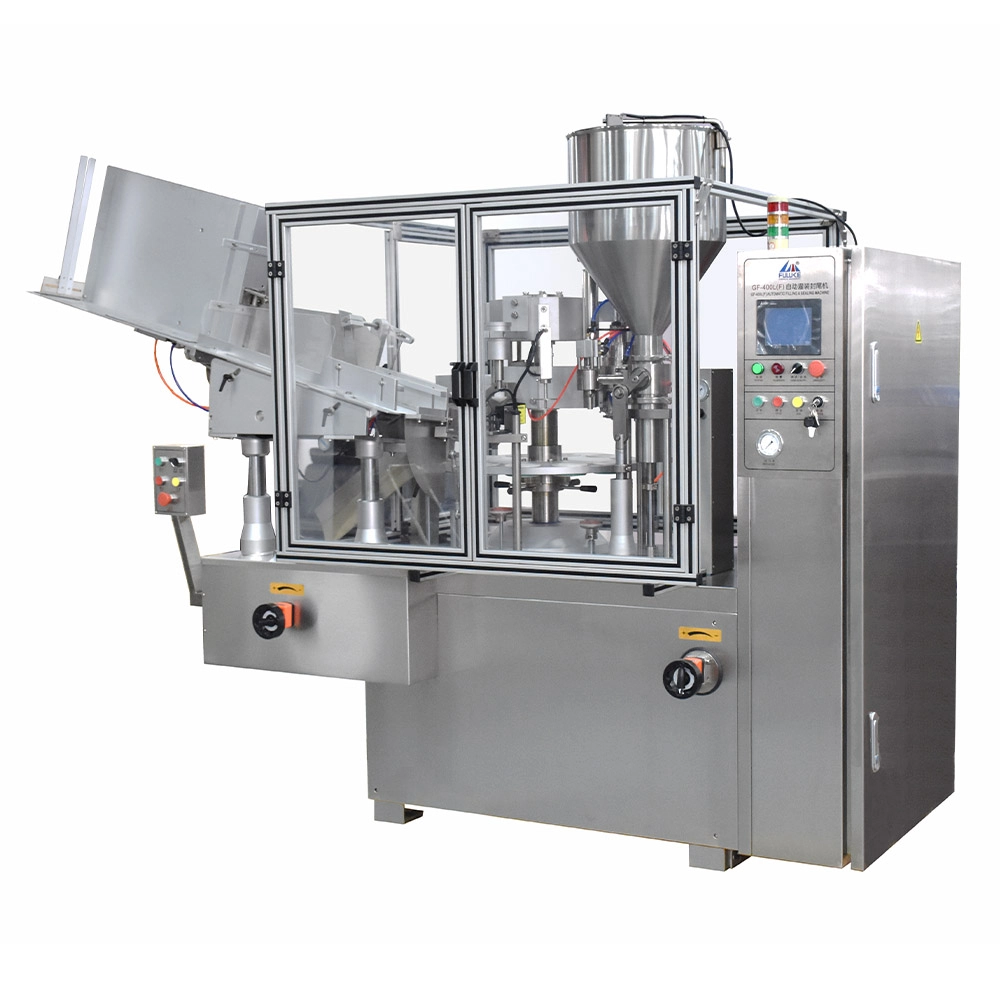
Automatic Tube Filling and Sealing Machine Toothpaste Sunscreen and Facial Cleanser Filling and Sealing Machine for Plastic and Aluminum-plastic Tube
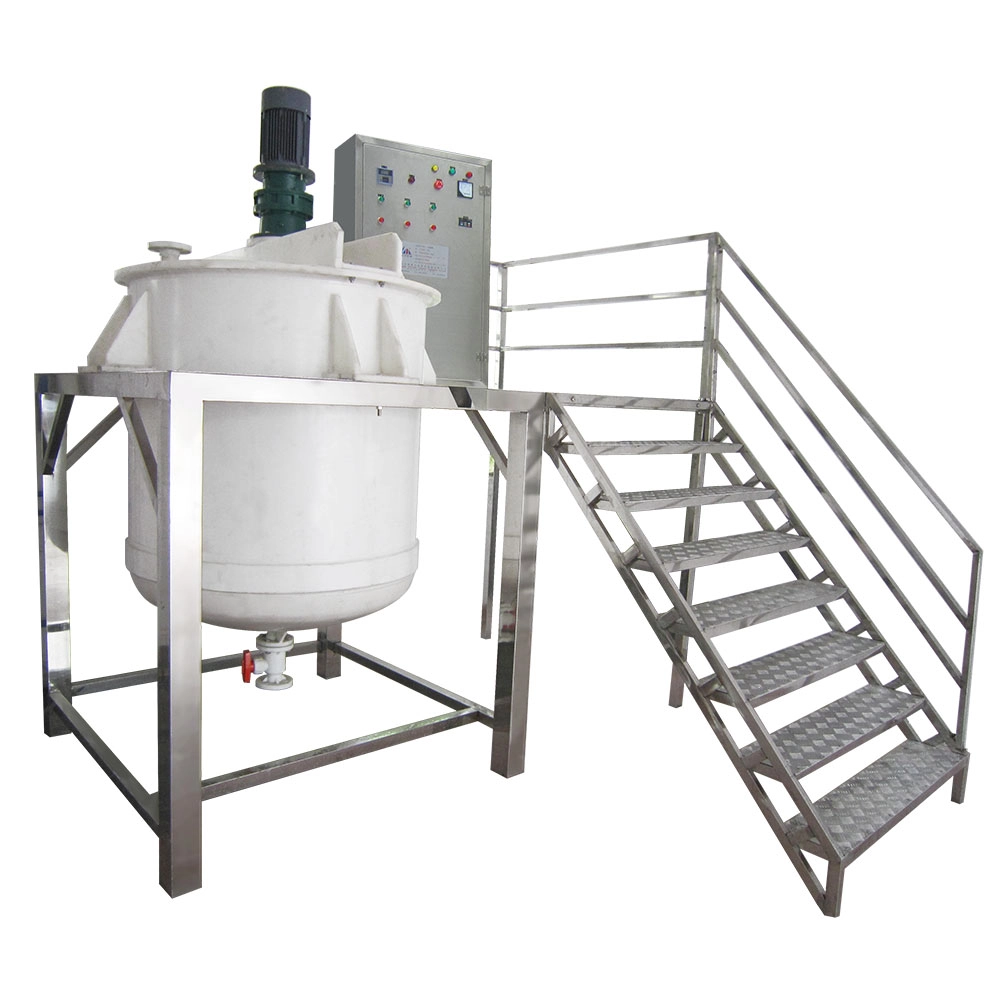
Polypropylene PP Mixing Tank Anti-Corrosion Mixer Reaction Kettle with Agitator Chemical Mixing Vessel
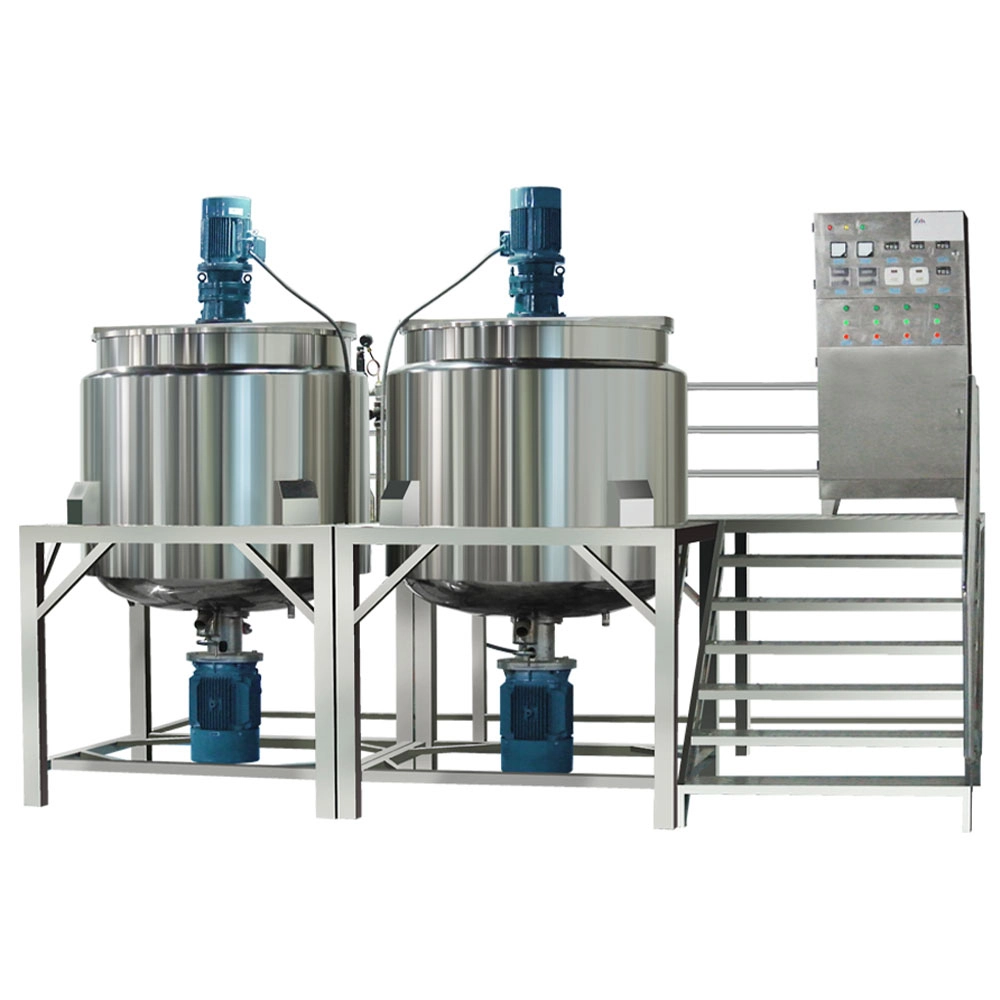
Flip Cover Multi-function Liquid Wash Mixing Tank Blender Liquid Detergent Mixer Homogenization Stirring Tank
Get in touch with FULUKE
If you have any comments or good suggestions, please leave us a message, later our professional staff will contact you as soon as possible.

A leading manufacturer specializing in advanced machinery and complete production lines for the cosmetics, food, pharmaceutical, and chemical industries worldwide.
Contact FULUKE
Facebook
Instagram
YouTube